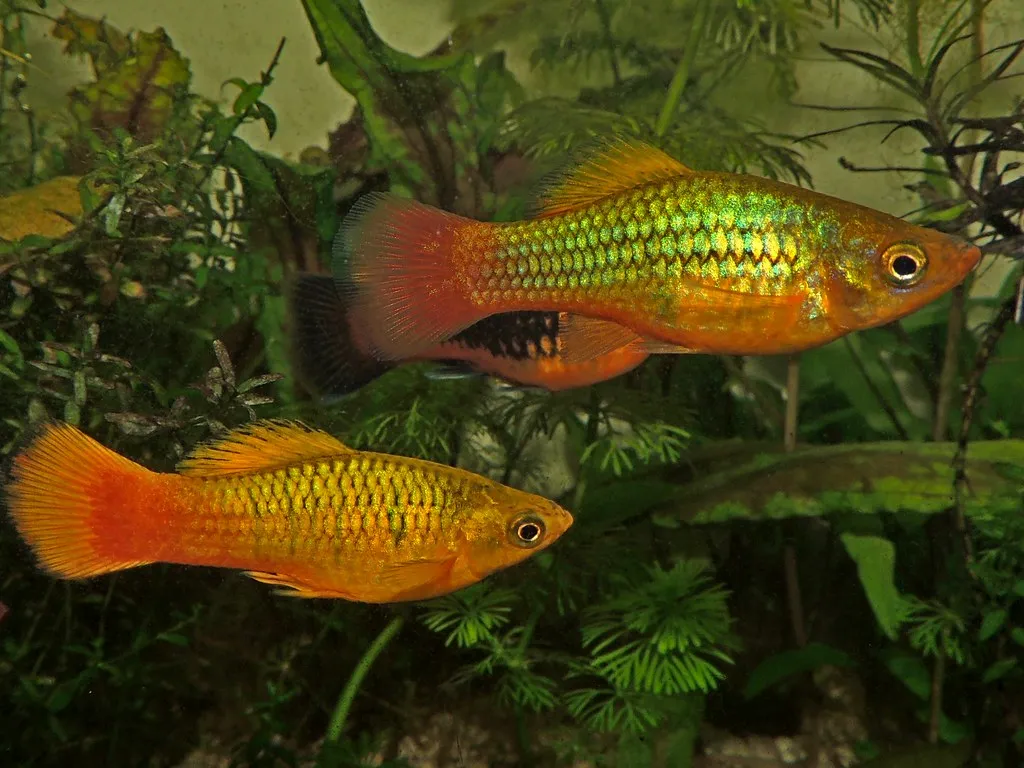
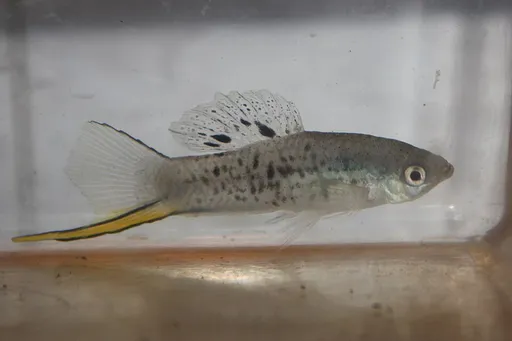
The sunset platy runs yellow through the front of the body into orange or red across the tail. The line is often carried as a hi-fin, where the male's dorsal is stretched into a sail. It is an easy, peaceful fish for a community tank.
Did you know
The sunset platy is sold under two scientific names. Listings carry Xiphophorus variatus at one shop and Xiphophorus maculatus at the next. The two species cross freely on farms, so some of that stock genuinely is a mix.
Caring for the sunset platy
Keep sunset platies in a group in a tank of 15 gal (55 L) or larger. A planted tank with open swimming room suits them, and they swim mostly in the middle of the tank.
Sunset platies are easy to please as long as the water stays on the harder, more alkaline side. Aim for 68 to 79°F (20 to 26°C) and a pH of 6.8 to 8.0. They are not picky eaters, so feed a good flake with some vegetable matter, plus occasional frozen foods.
They are peaceful and easygoing with other community fish. Keep more females than males so the males' attention is spread out.
Males color up far harder than females, so a mixed group looks less uniform than the shop photo. Females grow a bit larger and fuller than males. Sunset platies give birth to live young, and breeding them is easy. Adults will eat their own young, so plant the tank densely or move pregnant females to grow-out space before they give birth.
Good to know
The sunset platy's gradient is a selected color trait rather than a single named gene. A spawn covers everything from pale yellow to deep orange-red, and breeders hold back the best. Fish with and without the hi-fin sell under the same Sunset name, so check whether the listing photo shows the tall fin. Commercial hi-fin stock is often sold as hybrid, which is part of why labels vary.
In the wild
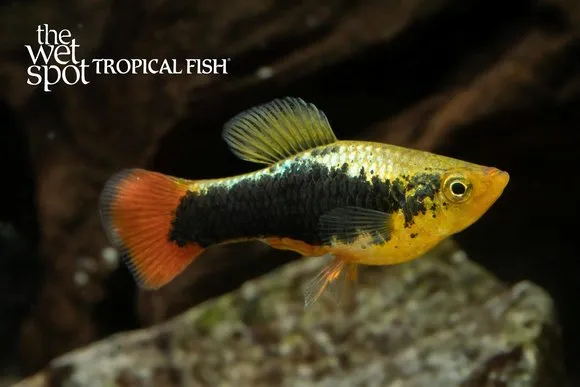
Sunset is a trade name for a color selection rather than one documented strain. It has been applied to both variatus and maculatus platies, and no originating breeder or year is recorded for the name itself. Goliad Farms in Texas describes its own Sunset stock as fish that came up without the tuxedo band in its Redtail Black Variatus line. That line traces back to tuxedo variatus bought from a Florida farm in 2003.
Weekly picks
Tank mates
The sunset platy is a peaceful, social species that keeps to the middle. These picks share a community profile with it, are safe together in both directions, and overlap on water type, temperature and pH.
Is a sunset platy a different species from the variable platy?
No. A sunset platy is a variety of the variable platy, Xiphophorus variatus, and it wants the same tank, water and food as the species.
What size tank does a sunset platy need?
A sunset platy needs at least 15 gal (55 L). It spends most of its time in the middle.
What does a sunset platy eat?
A sunset platy is not a picky eater. Give it a good flake with some vegetable matter, plus occasional frozen foods.
How big does a sunset platy get?
An adult sunset platy reaches about 2.8 in (7 cm).
How can you tell a male sunset platy from a female?
Males color up far harder than females. Females grow a bit larger and fuller than males.
How does a sunset platy breed?
A sunset platy gives birth to live young, and breeding it is easy. Adults eat their own young, so plant the tank densely or move pregnant females out before they give birth.

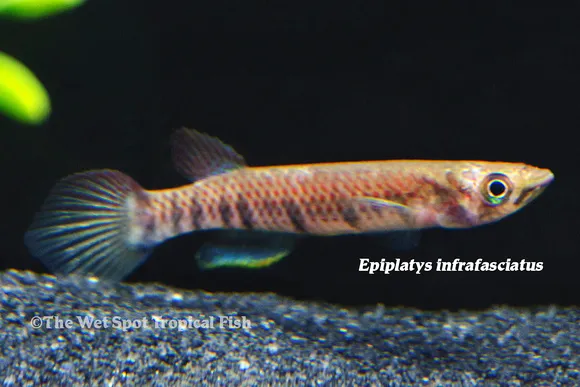
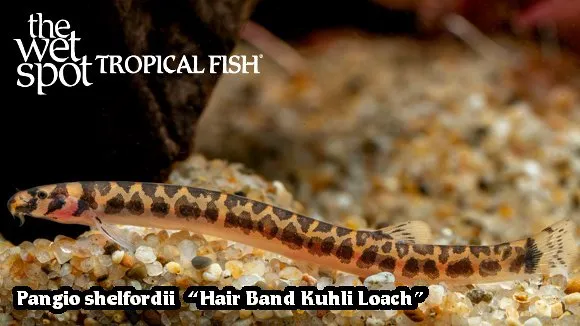
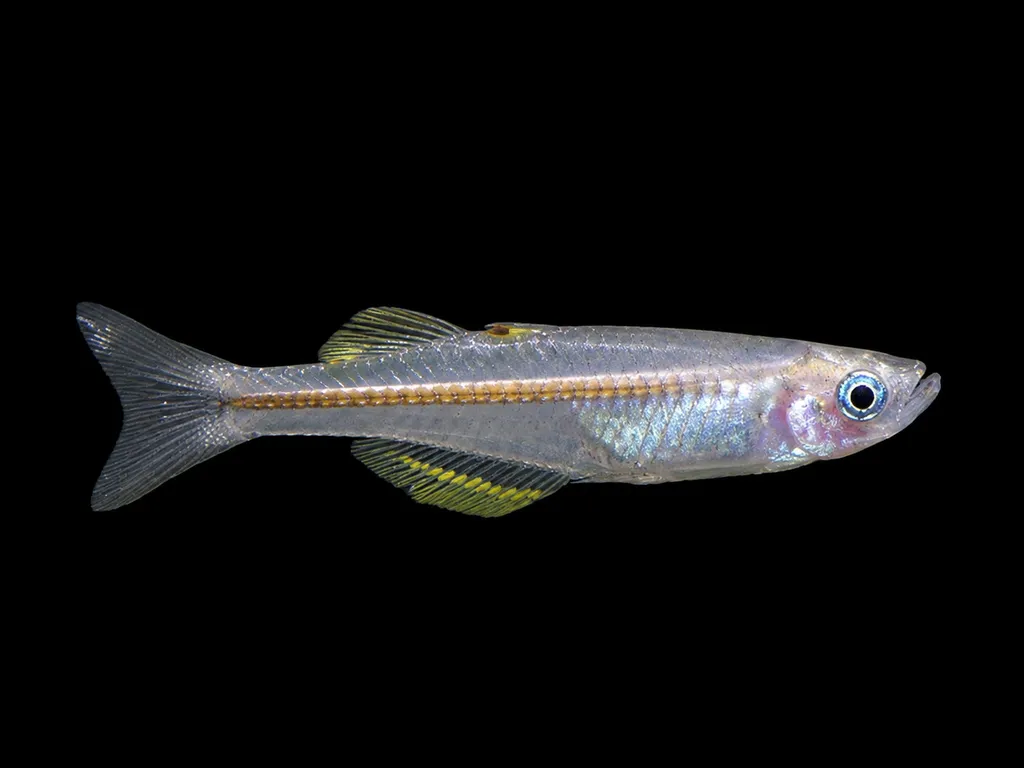
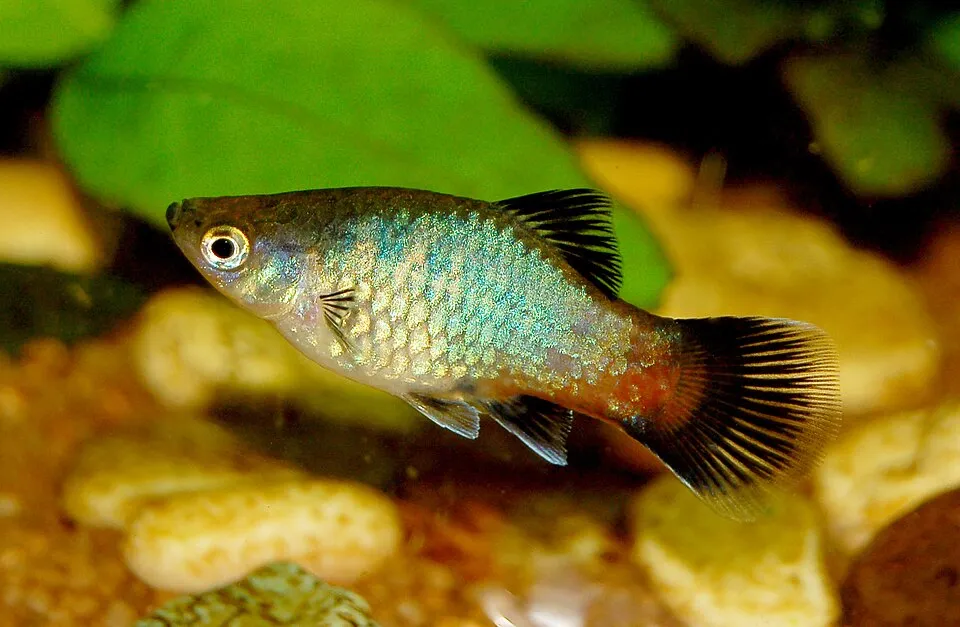 2.8 in (7 cm)10 gal (38 L)68–79°F (20–26°C)
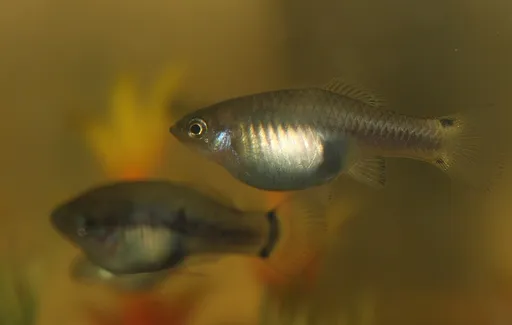 2 in (5 cm)16 gal (60 L)68–79°F (20–26°C)
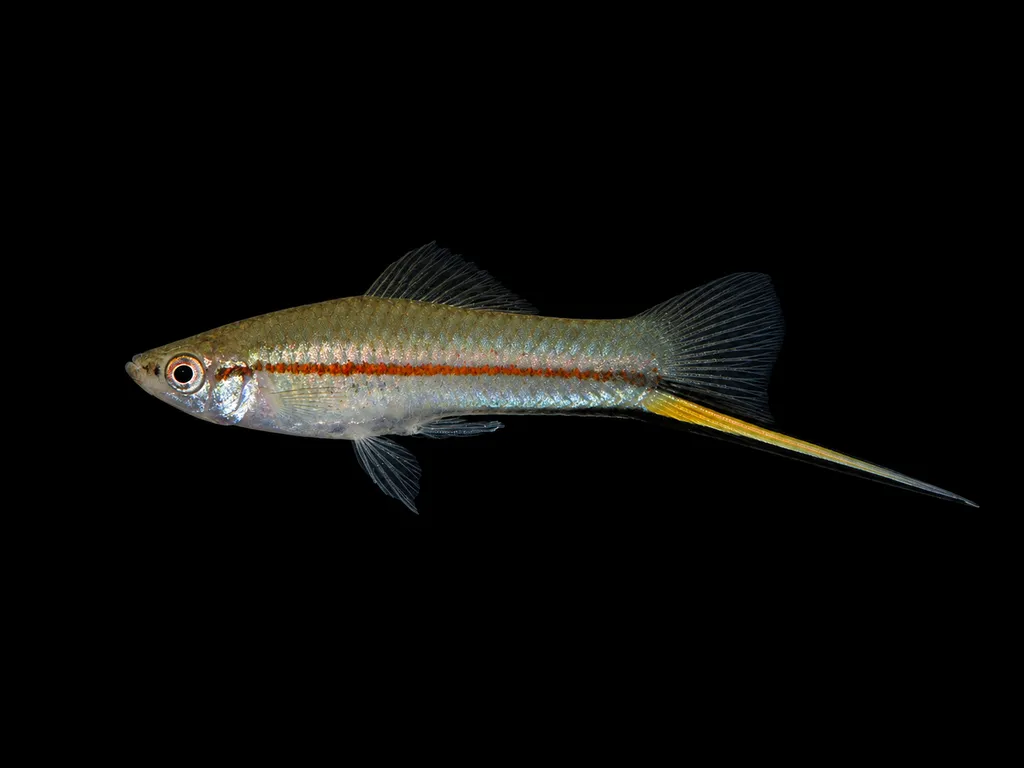 4.1 in (10.5 cm)29 gal (110 L)73–82°F (23–28°C)
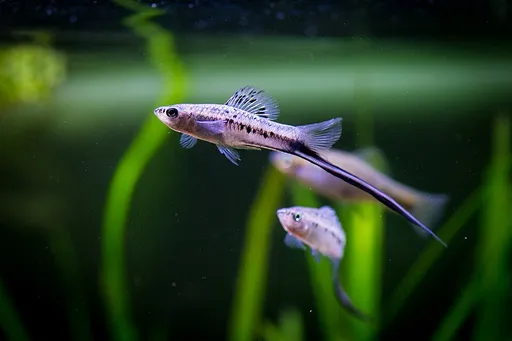 2.8 in (7 cm)24 gal (90 L)68–81°F (20–27°C)
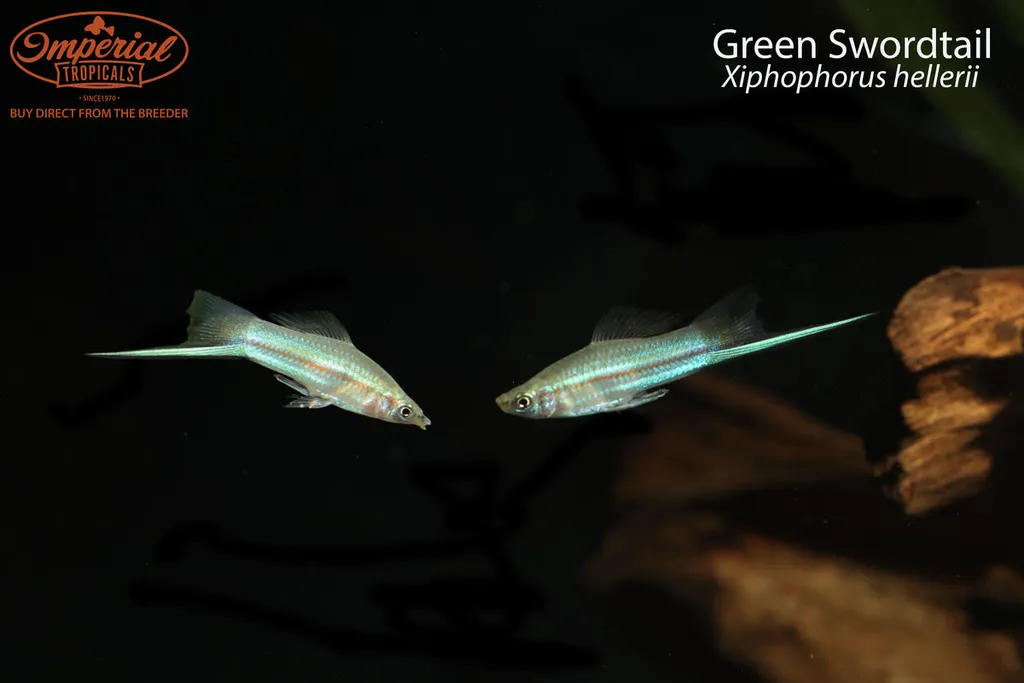 5.9 in (15 cm)20 gal (76 L)68–82°F (20–28°C)
 3.5 in (9 cm)29 gal (110 L)68–79°F (20–26°C)