Kallman's swordtail
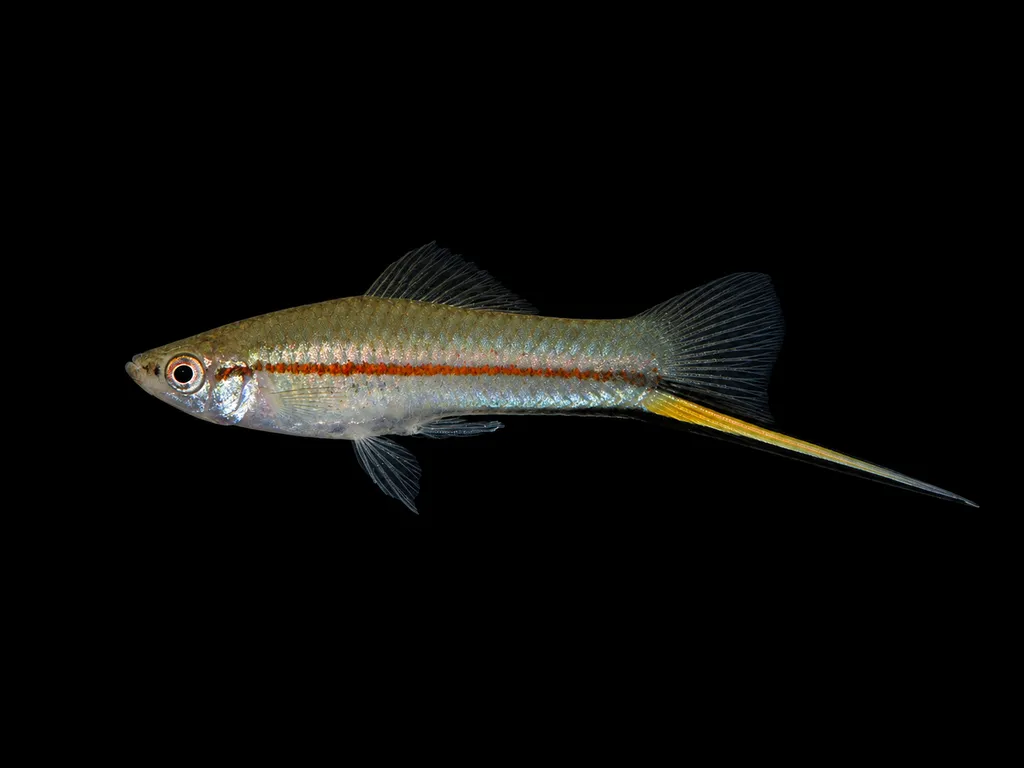
Xiphophorus kallmani
Also known as Catemaco swordtail, Kallmani swordtail
FreshwaterFish
Care at a glance
- Temperature
- 73–82°F
- 23–28°C
- pH
- 7.0–8.2
- Adult size
- 4.1 in
- 10.5 cm
- Minimum tank
- 29 gal
- 110 L
- Temperament
- Peaceful
- Social behavior
- Social
- Swim level
- Middle
- Difficulty
- Medium
- Breeding
- Livebearer · Easy
- Rarity
- Rare
- Family
- Poeciliidae
- Origin
- Lake Catemaco, Veracruz, Mexico
Overview
Kallman's swordtail is a large, peaceful wild swordtail that needs a long tank. It is a step up from the easiest fish.
Did you know
Kallman's swordtail was not formally described until 2003, by Meyer and Schartl, although Lake Catemaco is a long-studied crater lake. That makes it one of the more recently named fish in a very familiar aquarium genus.
Caring for the Kallman's swordtail
Give Kallman's swordtails at least 29 gal (110 L), and more length is always better. They work the middle water and cover ground, so a long tank matters more than a tall one. Leave plenty of open water for swimming, with planted margins and some rock.
Give them hard water with a pH of 7.0 to 8.2, in a heated tank at 73 to 82°F (23 to 28°C). Strong filtration and regular water changes keep pace with the waste a fish this size produces.
Feed generously and with variety: flake, pellets, frozen and live foods, and vegetable matter such as spirulina and blanched greens. Kallman's swordtails are peaceful and mix well with other robust, calm fish that handle hard, warm water. Smaller, nervous species may find their size and activity too much.
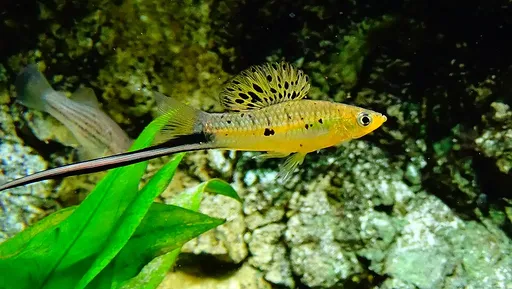
Keep a group with several females per male to ease the males' constant courting. Males carry the long tail extension the genus is known for. Kallman's swordtails bear live young and breed easily.
Good to know
Kallman's swordtail, Xiphophorus kallmani, is a livebearing swordtail in the family Poeciliidae. It is one of the largest wild swordtails, and its color is wild-type green. The name honors Klaus Kallman, a geneticist who spent much of his career on the heredity of Xiphophorus.
In the wild
Kallman's swordtail lives in Lake Catemaco, a warm volcanic lake in Veracruz, Mexico. The lake's water is hard and slightly alkaline, and it stays consistently warm.
Weekly picks
Tank mates
The Kallman's swordtail is a peaceful, social species that keeps to the middle. These picks share a community profile with it, are safe together in both directions, and overlap on water type, temperature and pH.
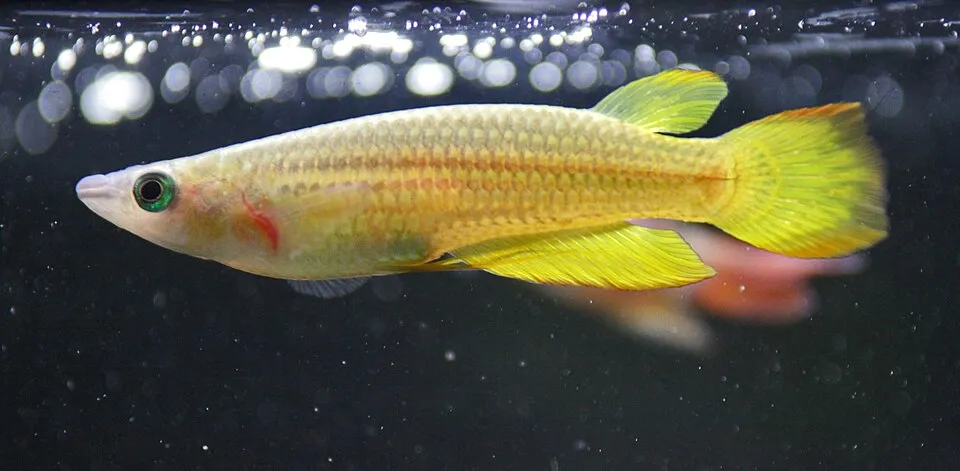
Striped panchax
Aplocheilus lineatus
Freshwater4.3 in (11 cm) · 30 gal (115 L)72–77°F (22–25°C)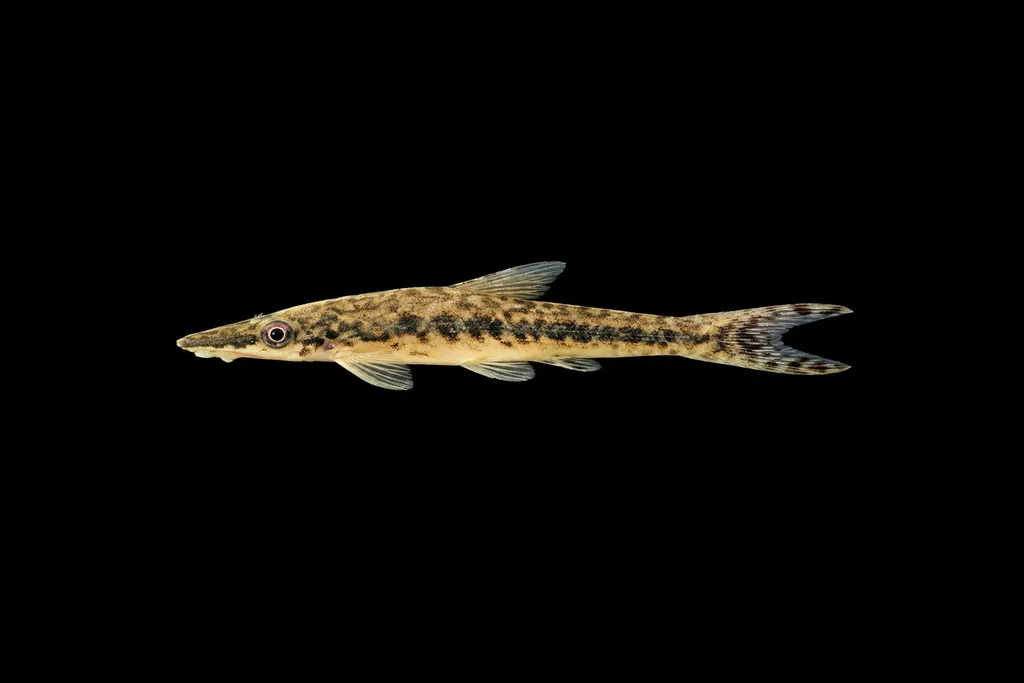
Guianense otocinclus
Hypoptopoma guianense
Freshwater3 in (7.5 cm) · 29 gal (110 L)75–82°F (24–28°C)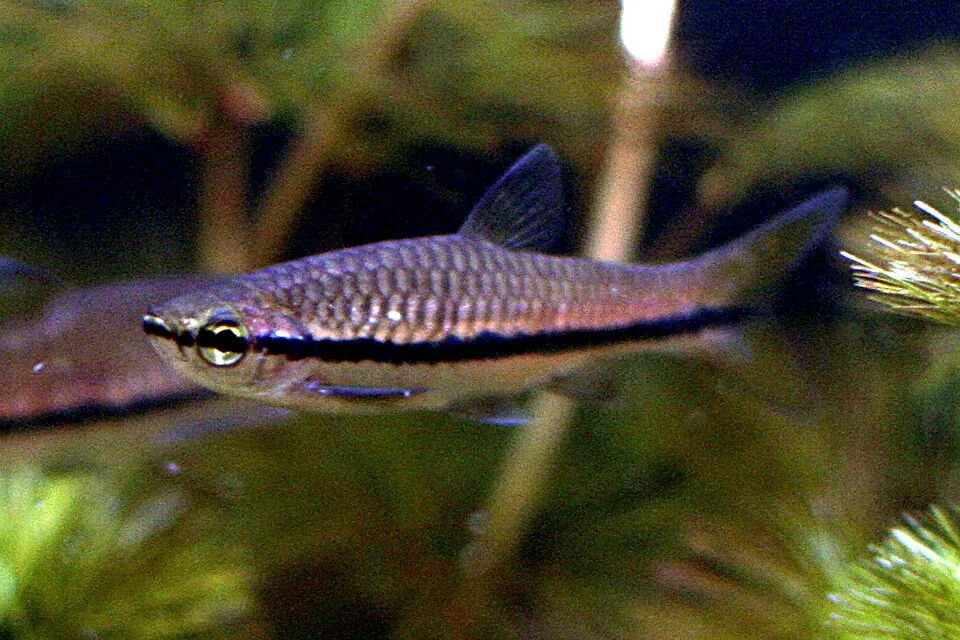
Brilliant rasbora
Rasbora einthovenii
Freshwater3.5 in (9 cm) · 29 gal (110 L)72–82°F (22–28°C)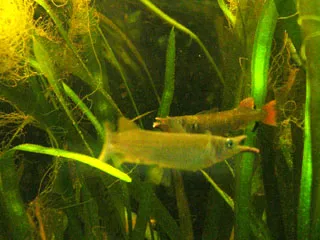
Redfin halfbeak
Nomorhamphus ebrardtii
Freshwater3.5 in (9 cm) · 29 gal (110 L)75–81°F (24–27°C)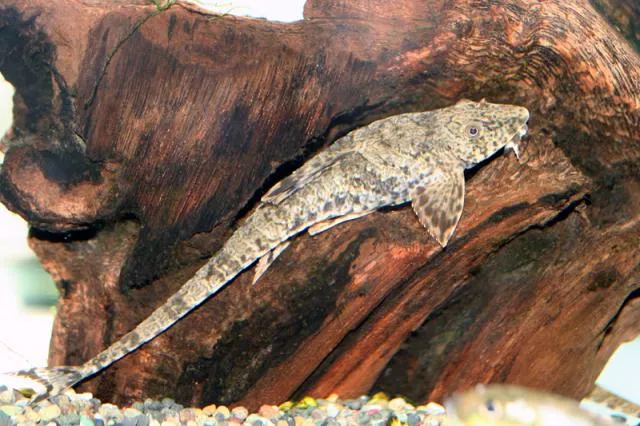
Eigenmann's whiptail
Rineloricaria eigenmanni
Freshwater4.7 in (12 cm) · 29 gal (110 L)75–82°F (24–28°C)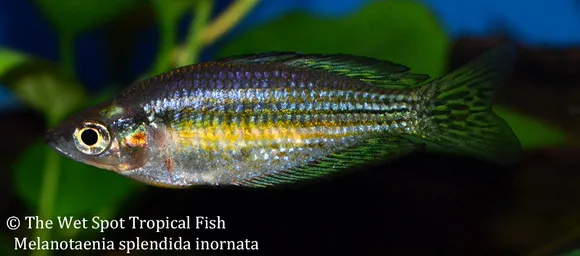
Checkered rainbowfish
Melanotaenia splendida inornata
Freshwater4.7 in (12 cm) · 29 gal (110 L)72–86°F (22–30°C)
Common questions
What size tank does a Kallman's swordtail need?
A Kallman's swordtail needs at least 29 gal (110 L). It spends most of its time in the middle.
What temperature and pH does a Kallman's swordtail need?
A Kallman's swordtail is comfortable at 73–82°F (23–28°C) with a pH of 7.0–8.2.
What does a Kallman's swordtail eat?
A Kallman's swordtail eats flake, pellets, frozen and live foods, and vegetable matter such as spirulina and blanched greens. Feed it generously and with variety.
How big does a Kallman's swordtail get?
An adult Kallman's swordtail reaches about 4.1 in (10.5 cm).
How can you tell a male Kallman's swordtail from a female?
Males carry the long tail extension that the genus is known for.
How does a Kallman's swordtail breed?
A Kallman's swordtail bears live young and breeds easily. Keep several females per male to ease the males' constant courting.
Related species
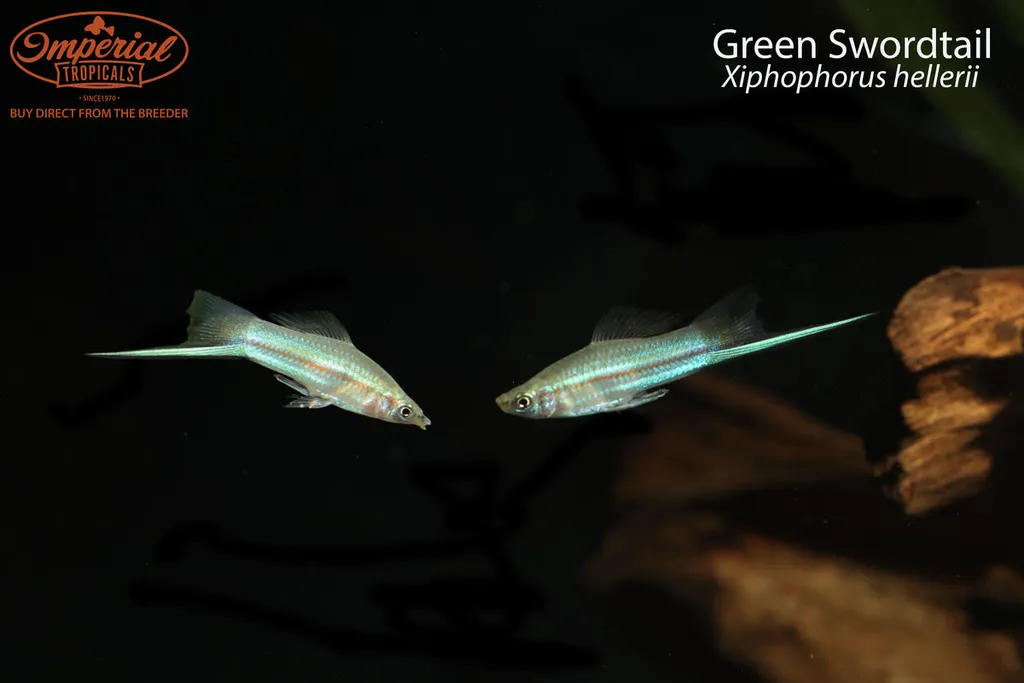 5.9 in (15 cm)20 gal (76 L)68–82°F (20–28°C)
Green swordtail
Xiphophorus hellerii
5.9 in (15 cm) · 20 gal (76 L)
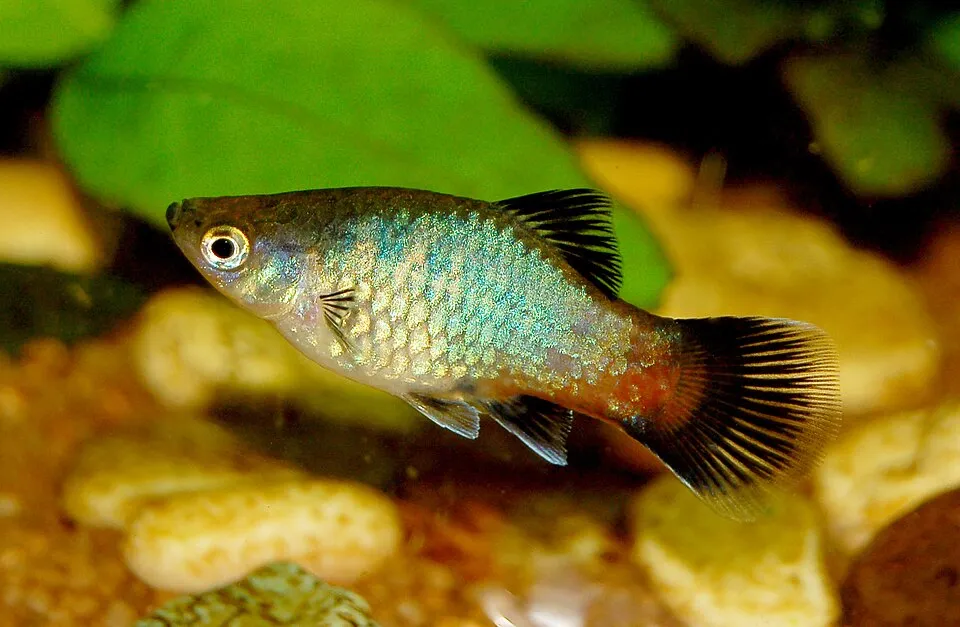 2.8 in (7 cm)10 gal (38 L)68–79°F (20–26°C)
Southern platy
Xiphophorus maculatus
2.8 in (7 cm) · 10 gal (38 L)
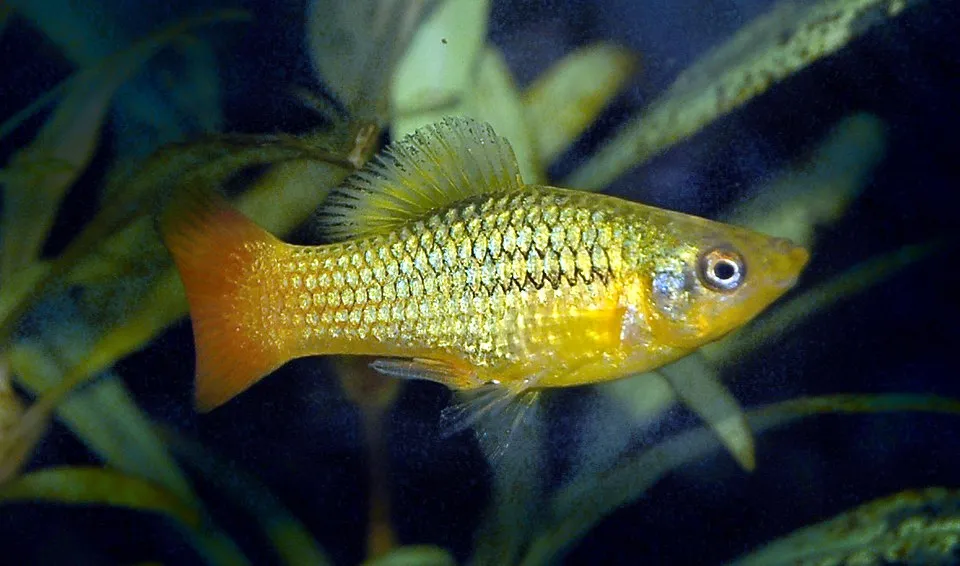 2.8 in (7 cm)15 gal (55 L)68–79°F (20–26°C)
Variable platy
Xiphophorus variatus
2.8 in (7 cm) · 15 gal (55 L)
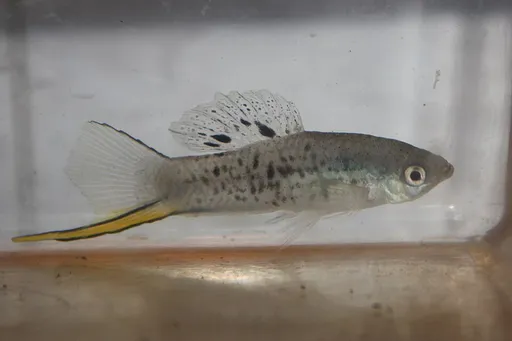 3.5 in (9 cm)29 gal (110 L)68–79°F (20–26°C)
Northern mountain swordtail
Xiphophorus nezahualcoyotl
3.5 in (9 cm) · 29 gal (110 L)
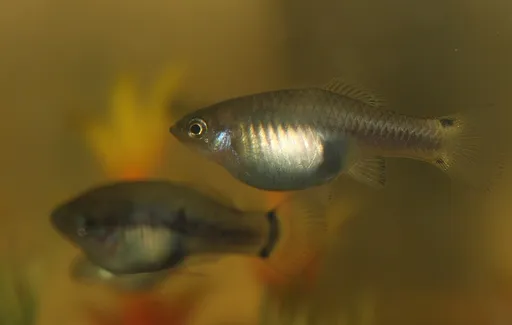 2 in (5 cm)16 gal (60 L)68–79°F (20–26°C)
Spiketail platy
Xiphophorus xiphidium
2 in (5 cm) · 16 gal (60 L)
 5.5 in (14 cm)32 gal (120 L)68–79°F (20–26°C)
Montezuma swordtail
Xiphophorus montezumae
5.5 in (14 cm) · 32 gal (120 L)