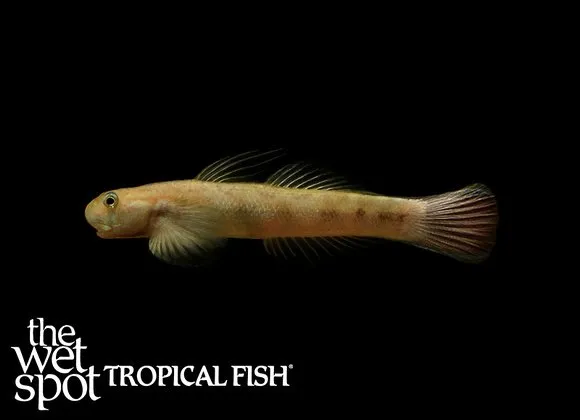
Red tail sicyopterus
Sicyopterus lagocephalus
Also known as Bichique, Red-tailed rabbit-head goby, Red tail goby
FreshwaterFish
Care at a glance
- Temperature
- 73–81°F
- 23–27°C
- pH
- 6.5–7.8
- Adult size
- 5.1 in
- 13 cm
- Minimum tank
- 29 gal
- 110 L
- Temperament
- Peaceful
- Social behavior
- Social
- Swim level
- Bottom
- Diet
- Herbivore
- Difficulty
- Difficult
- Breeding
- No record
- Rarity
- Common
- Family
- Oxudercidae
- Origin
- Indo-Pacific island streams
Overview
The red tail sicyopterus is a big film-grazing goby for a fast river tank. It is for experienced keepers.
Did you know
On Réunion, the climbing fry of the red tail sicyopterus are the bichique harvest. They are netted by the millions as they storm the river mouths.
Caring for the red tail sicyopterus
The red tail sicyopterus needs a genuine river tank rather than a nano, of at least 29 gal (110 L). Give it heavy flow, high oxygen and fast water over mature stone. It climbs, so the tank needs a tight lid.
Hold the water at 73 to 81°F (23 to 27°C), with a pH of 6.5 to 7.8. It rasps algae and biofilm off rock with a downturned mouth, so it needs enough stone surface to keep itself fed. Supplement the grazing with algae wafers and blanched vegetables.
The red tail sicyopterus is peaceful and social. It is safe with community tank mates.
Good to know
Sicyopterus lagocephalus is a goby in the family Oxudercidae, also known as the bichique or red-tailed rabbit-head goby. Its enormous range comes from a long marine larval phase that lets it colonize island streams thousands of kilometers apart. Juveniles climb waterfalls using a pelvic sucker and a second grip formed by the mouth, moving upward in a series of holds.
In the wild
Sicyopterus lagocephalus is one of the most widely distributed freshwater fish in the world. It lives in island streams across the Indo-Pacific, from the western Indian Ocean to the central Pacific.
Weekly picks
Tank mates
The red tail sicyopterus is a peaceful, social species that keeps to the bottom. These picks share a community profile with it, are safe together in both directions, and overlap on water type, temperature and pH.
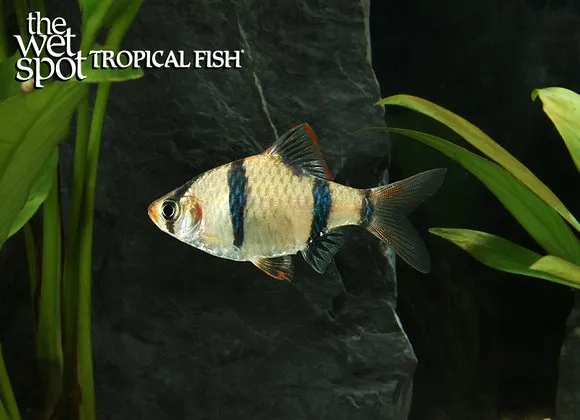
Borneo tiger barb
Puntigrus anchisporus
Freshwater2.8 in (7 cm) · 29 gal (110 L)73–81°F (23–27°C)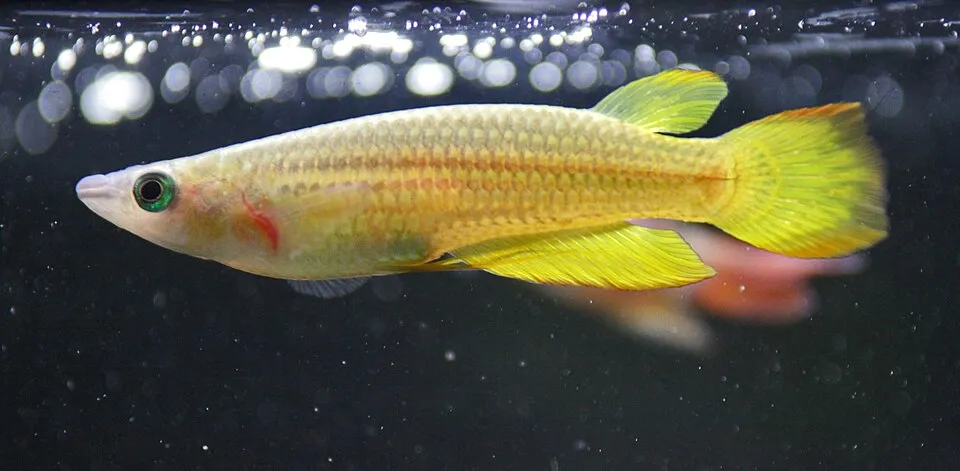
Striped panchax
Aplocheilus lineatus
Freshwater4.3 in (11 cm) · 30 gal (115 L)72–77°F (22–25°C)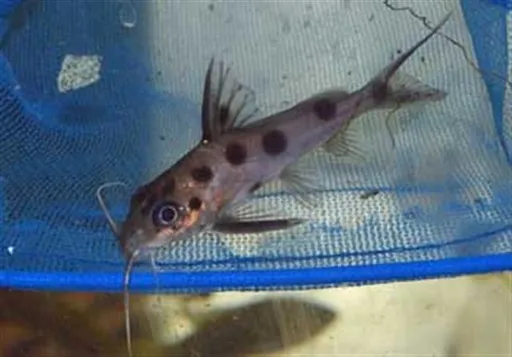
One-spot synodontis
Synodontis notatus
Freshwater9.8 in (25 cm) · 29 gal (110 L)72–81°F (22–27°C)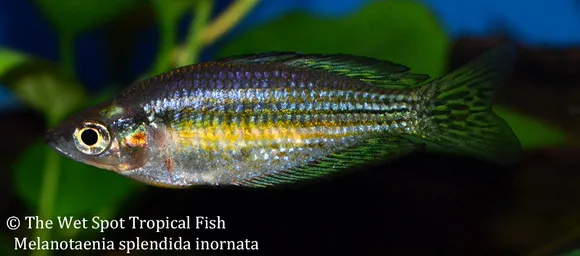
Checkered rainbowfish
Melanotaenia splendida inornata
Freshwater4.7 in (12 cm) · 29 gal (110 L)72–86°F (22–30°C)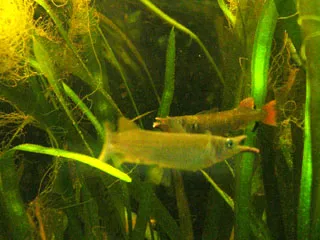
Redfin halfbeak
Nomorhamphus ebrardtii
Freshwater3.5 in (9 cm) · 29 gal (110 L)75–81°F (24–27°C)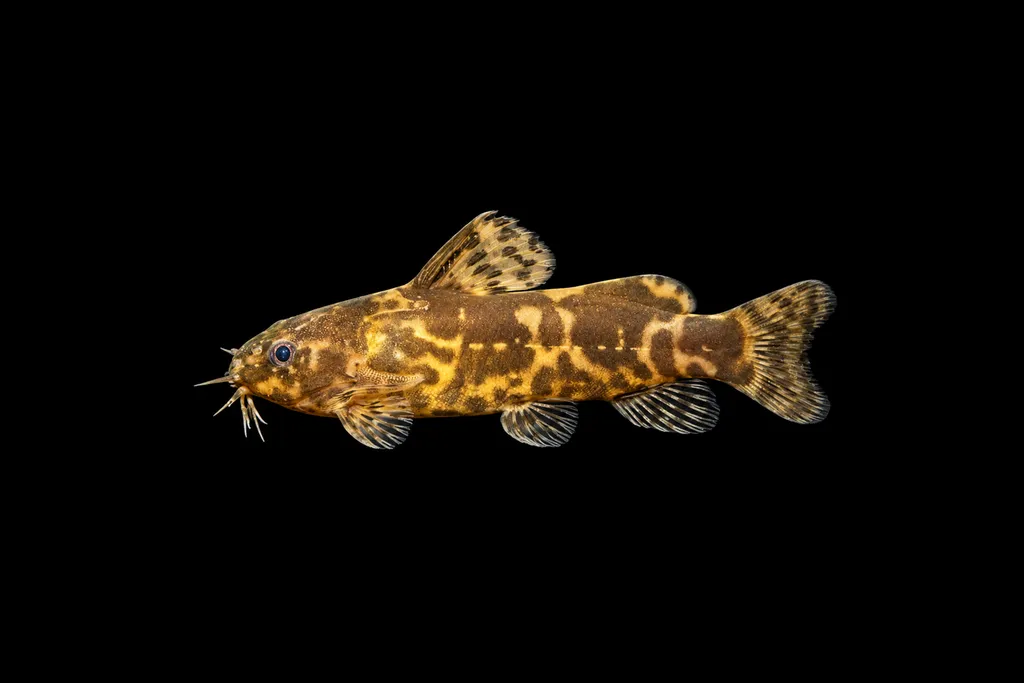
Yellow banded mochokiella
Mochokiella paynei
Freshwater2 in (5 cm) · 29 gal (110 L)73–81°F (23–27°C)
Common questions
What size tank does a red tail sicyopterus need?
A red tail sicyopterus needs at least 29 gal (110 L). It spends most of its time in the bottom.
What temperature and pH does a red tail sicyopterus need?
A red tail sicyopterus is comfortable at 73–81°F (23–27°C) with a pH of 6.5–7.8.
What does a red tail sicyopterus eat?
A red tail sicyopterus rasps algae and biofilm off rock with its downturned mouth. Supplement its grazing with algae wafers and blanched vegetables.
How big does a red tail sicyopterus get?
An adult red tail sicyopterus reaches about 5.1 in (13 cm).
Related species
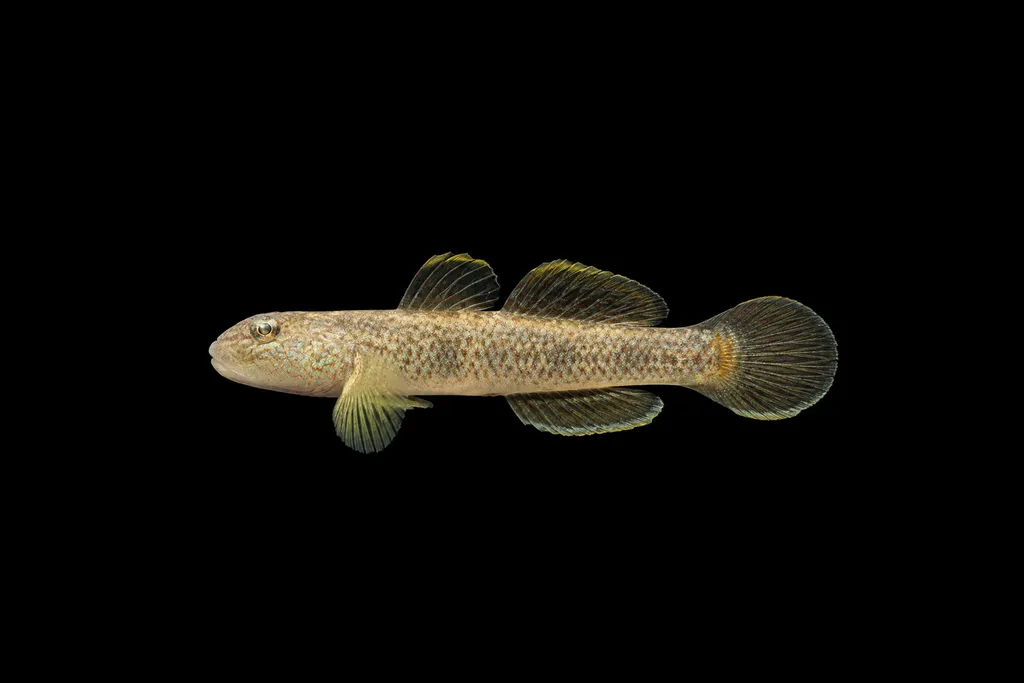
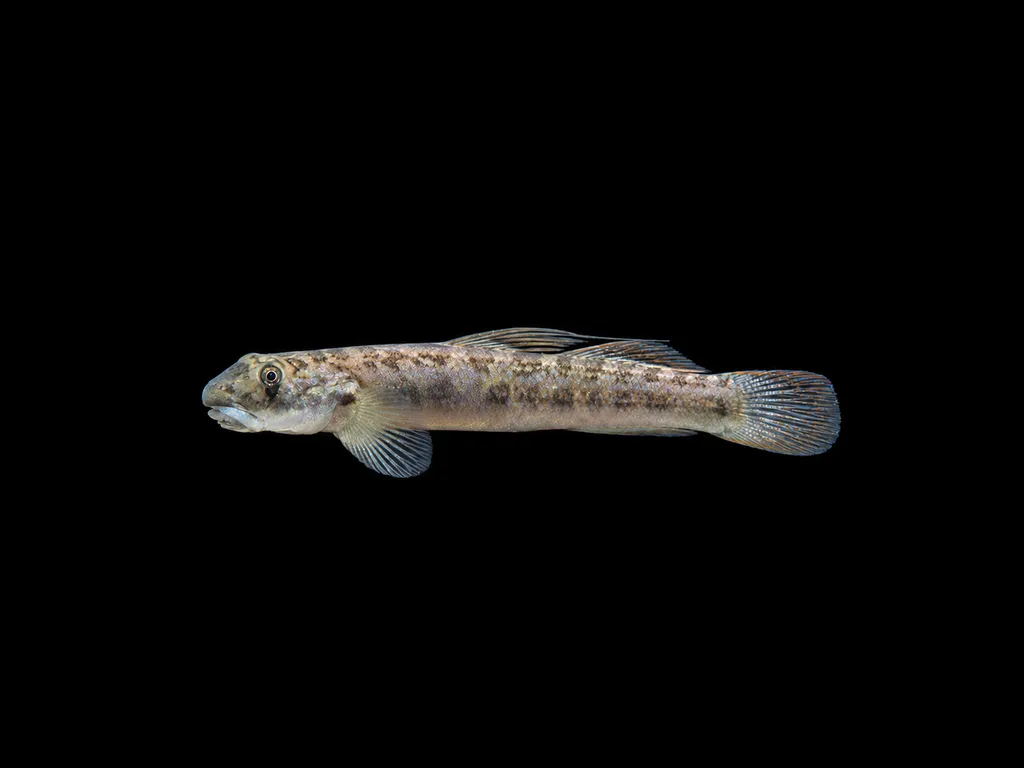 3.9 in (10 cm)29 gal (110 L)73–81°F (23–27°C)
Threadfin sicyopterus
Sicyopterus longifilis
3.9 in (10 cm) · 29 gal (110 L)
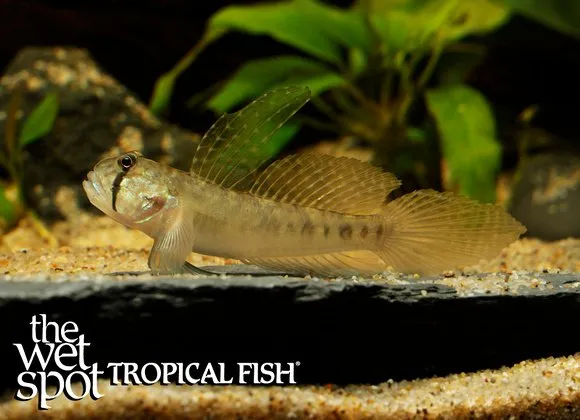
 3.1 in (8 cm)14 gal (54 L)64–77°F (18–25°C)
Yellow fin rhinogobius
Rhinogobius leavelli
3.1 in (8 cm) · 14 gal (54 L)
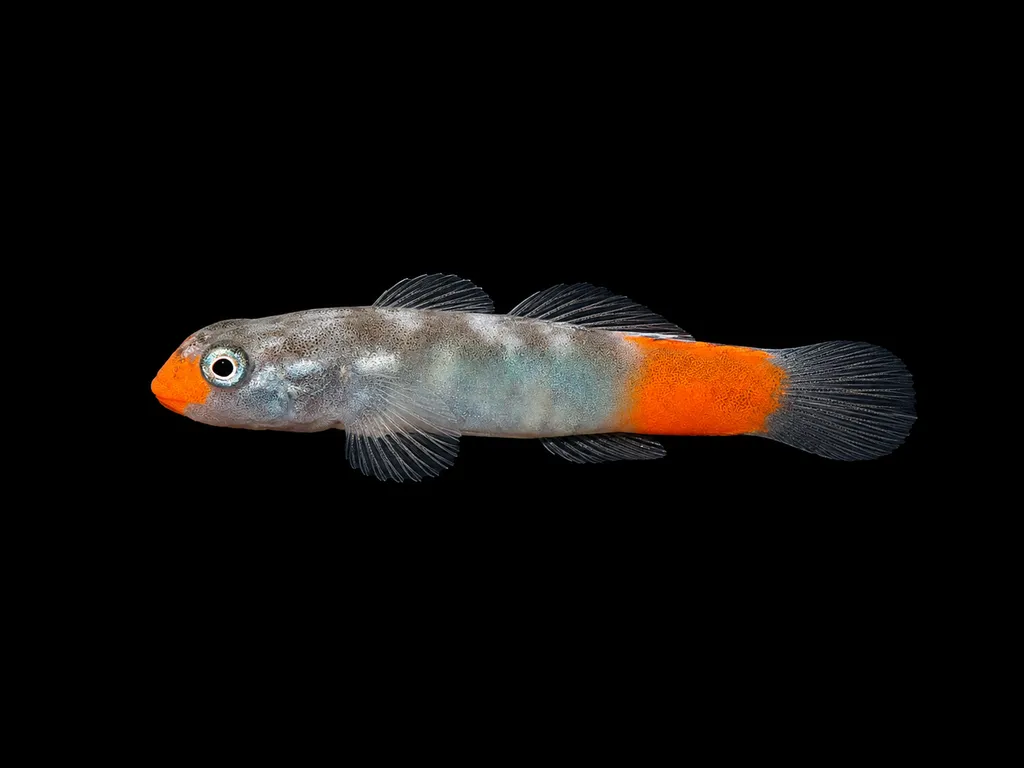
 5.9 in (15 cm)29 gal (110 L)75–82°F (24–28°C)
Sharptail goby
Oligolepis acutipennis
5.9 in (15 cm) · 29 gal (110 L)
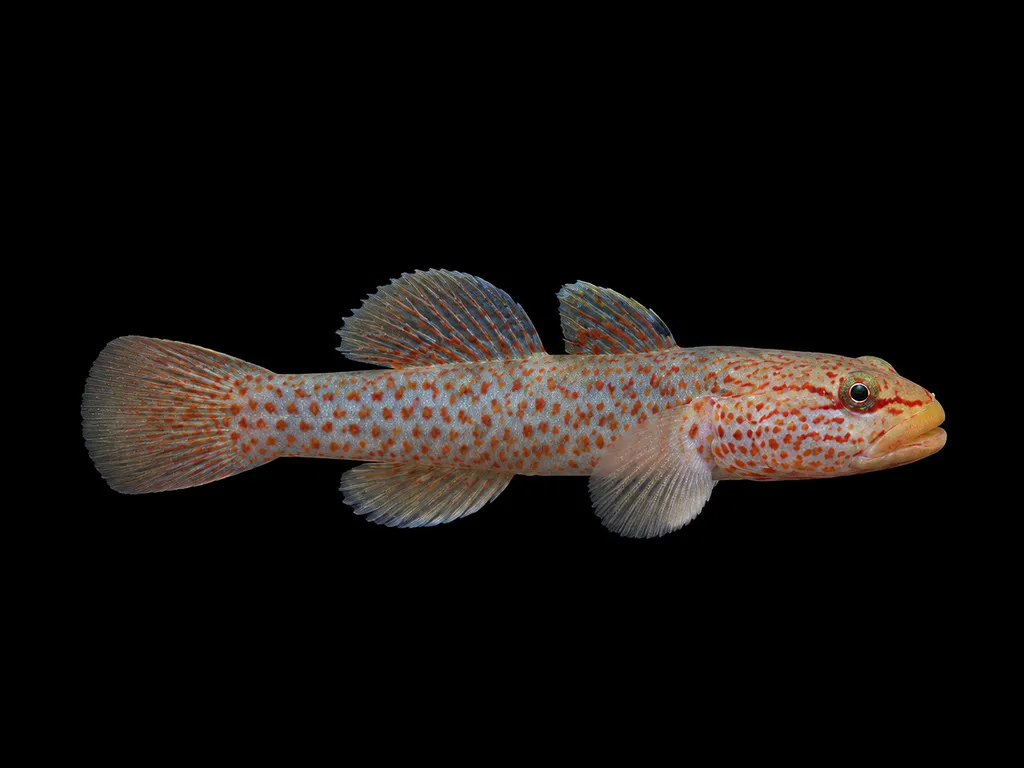
 2.4 in (6 cm)14 gal (54 L)73–81°F (23–27°C)
Caledonian red nose goby
Lentipes kaaea
2.4 in (6 cm) · 14 gal (54 L)
 2.4 in (6 cm)14 gal (54 L)61–73°F (16–23°C)
Chinese red ninja goby
Rhinogobius shennongensis
2.4 in (6 cm) · 14 gal (54 L)
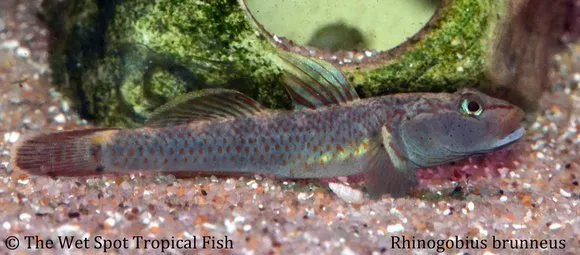 2.4 in (6 cm)14 gal (54 L)64–75°F (18–24°C)
Mandarin rhinogobius
Rhinogobius brunneus
2.4 in (6 cm) · 14 gal (54 L)