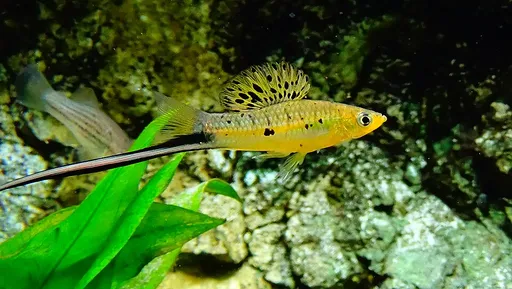
Montezuma swordtail
Xiphophorus montezumae
Also known as Montezuma green swordtail
FreshwaterFish
Care at a glance
- Temperature
- 68–79°F
- 20–26°C
- pH
- 7.0–8.0
- Adult size
- 5.5 in
- 14 cm
- Minimum tank
- 32 gal
- 120 L
- Temperament
- Mostly peaceful
- Social behavior
- Social
- Swim level
- Middle
- Difficulty
- Medium
- Breeding
- Easy
- Rarity
- Common
- Family
- Poeciliidae
- Origin
- Northeastern Mexico, Rio Panuco basin (San Luis Potosi, Tamaulipas, Veracruz)
Overview
Keep them as a small colony of about six to eight in a tank of 120 liters or more, with females outnumbering the males. Run the water at 20 to 26 C, and aim for the cooler end of that since they do best in well oxygenated, subtropical leaning conditions with clean water. They are mostly peaceful and a little shy, swimming in the middle of the tank, though males get competitive with each other, so keep just one male per group or a larger group with several females. They have low tolerance for nitrate, so use strong filtration and do generous weekly water changes. Feed flakes or pellets with frozen treats like daphnia or bloodworms, and keep tankmates similarly sized, peaceful, and happy in hard water. Avoid fin nippers and very small fish. They breed readily and adults will eat the fry, so give dense planting or cover for survivors. Never release unwanted fish or fry into local waterways, and check your local rules before keeping or rehoming them.
In the wild
Montezuma swordtails come from the Rio Panuco basin in northeastern Mexico, across San Luis Potosi, Tamaulipas, and Veracruz, where they live in hard, alkaline springs and flowing streams. To match that, give them a tank of at least 120 liters with sand or fine substrate, plants around the edges, and plenty of open water down the middle. Keep the water hard and on the alkaline side, around pH 7 to 8, with good flow and steady oxygen since they come from cooler, well moving water.
Good to know
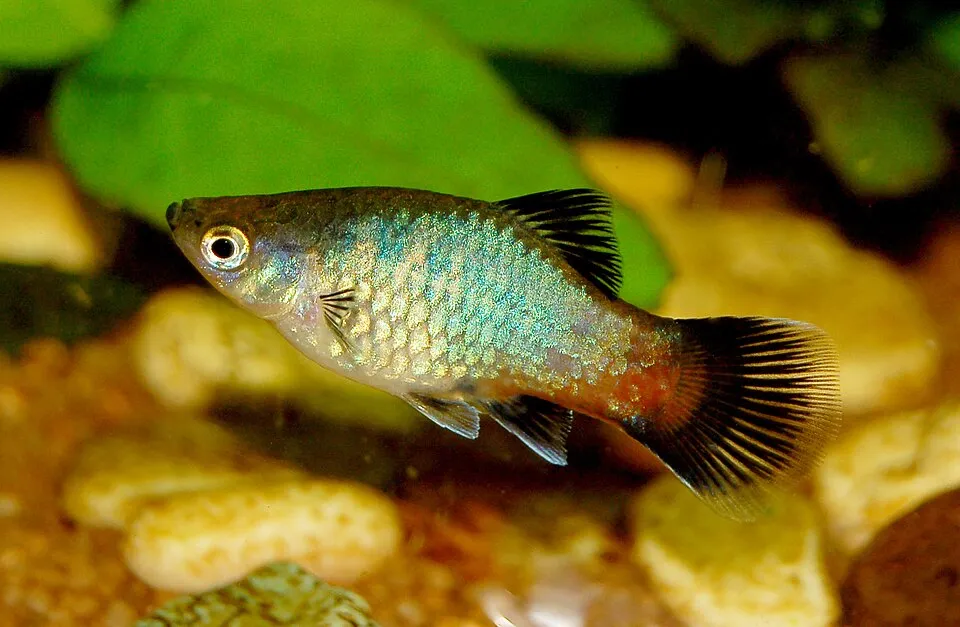
This is a livebearer in the family Poeciliidae. The body runs about 6 to 7.5 cm, but a mature male grows an unusually long horizontal sword off the tail that roughly doubles his total length to around 12 to 14 cm. That sword is why they need more swimming room than the common swordtail, Xiphophorus hellerii. Females give birth to live, fully formed fry rather than laying eggs.
Did you know
The long sword is mostly a male display feature, used to attract females and to signal to rival males, which is part of why males posture and compete with one another. Females have no sword at all, so the difference between the sexes is easy to spot once the males mature.
Weekly picks
Tank mates
Montezuma swordtail is a mostly peaceful, social species that keeps to the middle. These picks share a community profile with it, are safe together in both directions, and overlap on water type, temperature and pH.
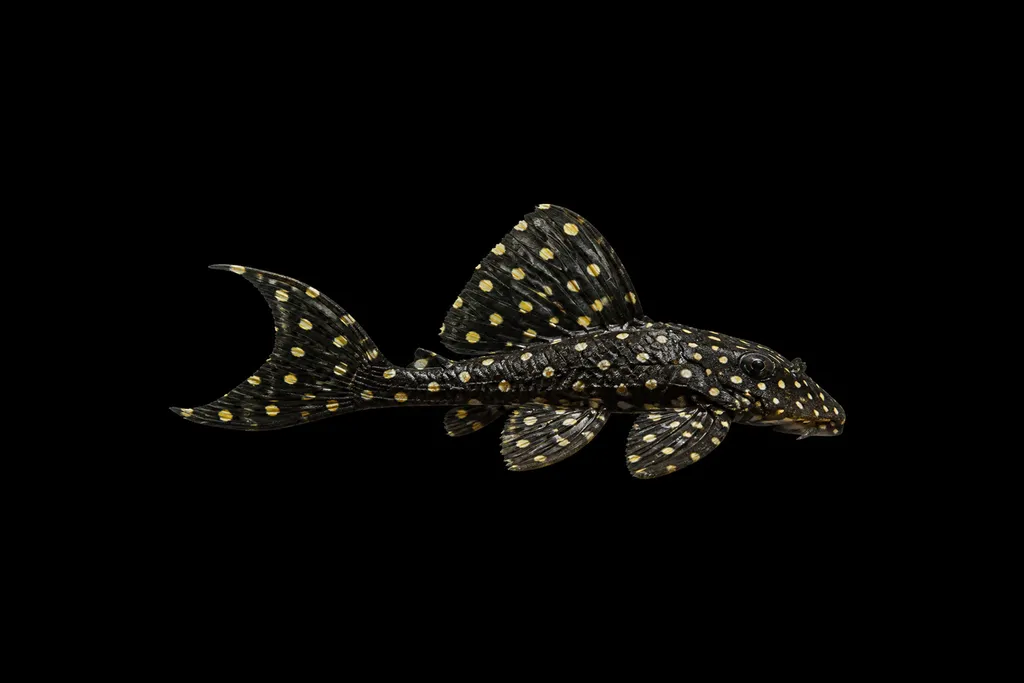
Orinoco angel pleco (L201)
Hypancistrus sp. L201
Freshwater5.9 in (15 cm) · 30 gal (115 L)79–86°F (26–30°C)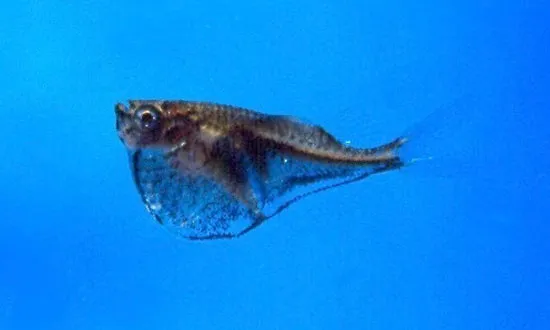
Blackwing hatchetfish
Carnegiella marthae
Freshwater1.4 in (3.5 cm) · 30 gal (115 L)68–82°F (20–28°C)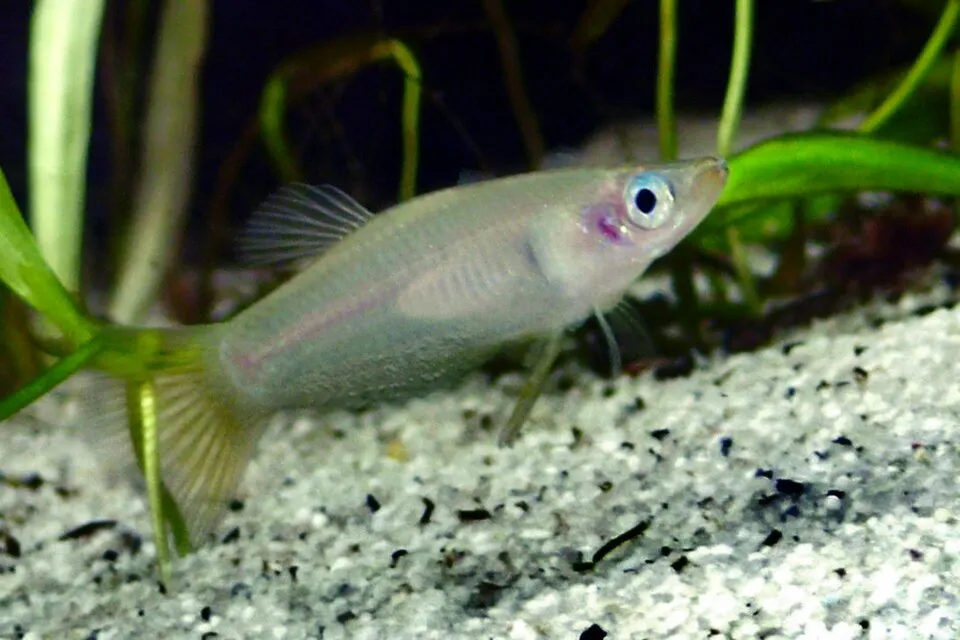
Knife livebearer
Alfaro cultratus
Freshwater3 in (7.6 cm) · 32 gal (120 L)75–82°F (24–28°C)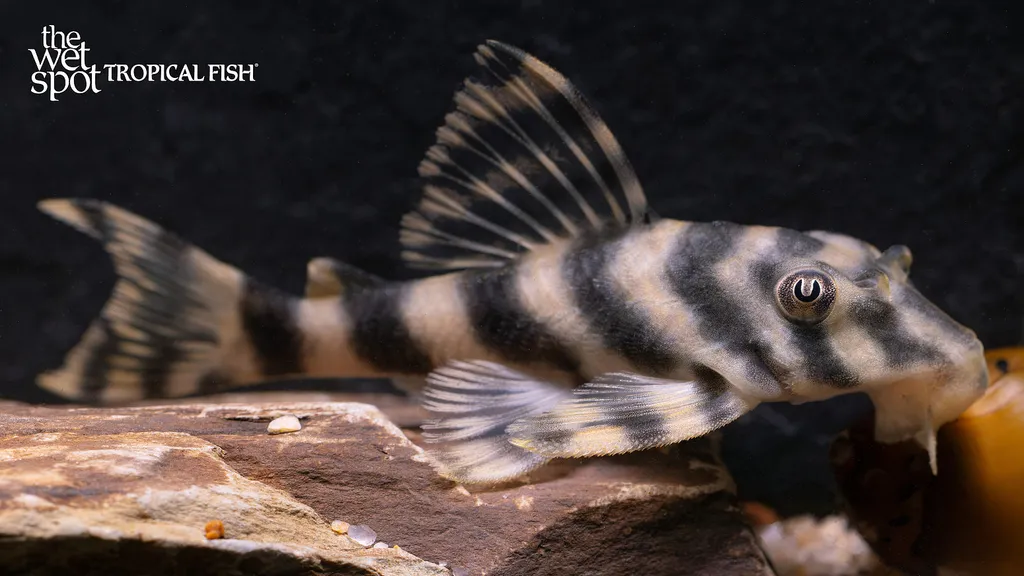
Candy striped pleco (L015)
Peckoltia vittata
Freshwater4.7 in (12 cm) · 30 gal (115 L)77–84°F (25–29°C)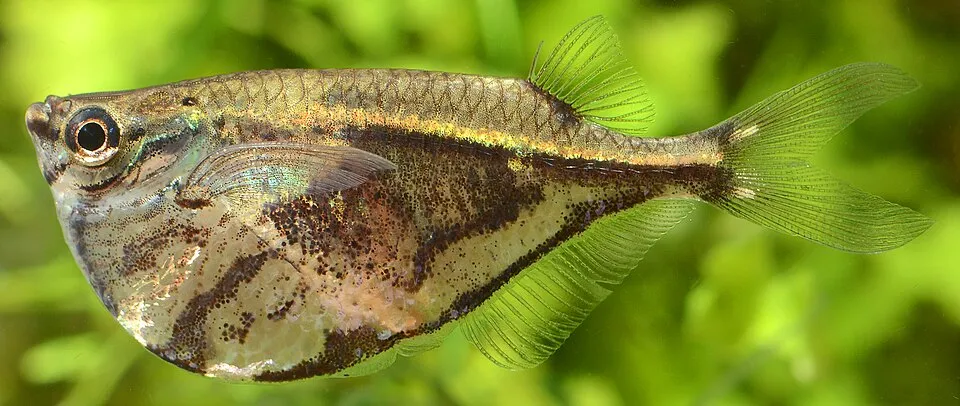
Marbled hatchetfish
Carnegiella strigata
Freshwater1.6 in (4 cm) · 32 gal (120 L)68–82°F (20–28°C)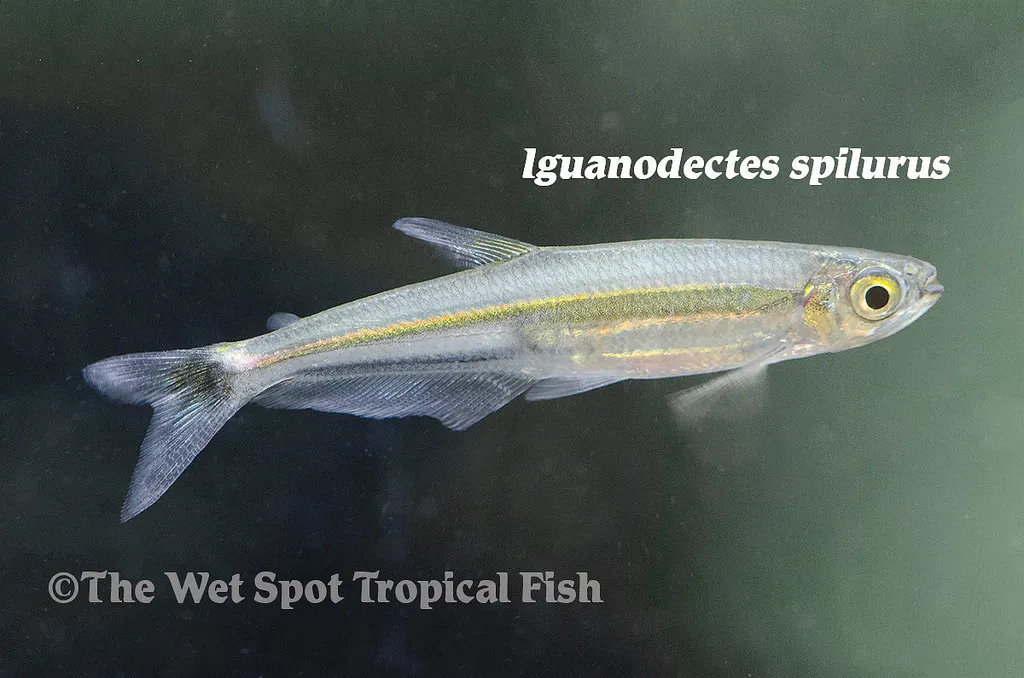
Green lizard tetra
Iguanodectes spilurus
Freshwater3.5 in (9 cm) · 32 gal (120 L)73–82°F (23–28°C)
Common questions
What size tank does a Montezuma swordtail need?
A Montezuma swordtail needs at least 32 gal (120 L). It spends most of its time in the middle.
What temperature and pH does a Montezuma swordtail need?
A Montezuma swordtail is comfortable at 68–79°F (20–26°C) with a pH of 7.0–8.0.
How big does a Montezuma swordtail get?
An adult Montezuma swordtail reaches about 5.5 in (14 cm).
Related species
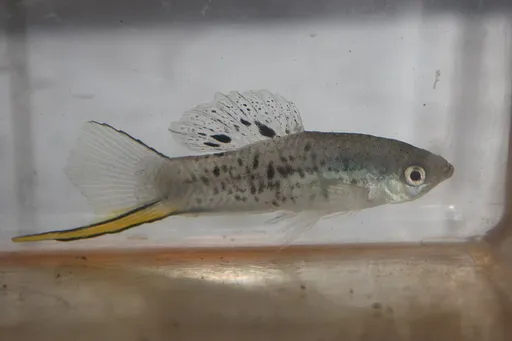 3.5 in (9 cm)29 gal (110 L)68–79°F (20–26°C)
Northern mountain swordtail
Xiphophorus nezahualcoyotl
3.5 in (9 cm) · 29 gal (110 L)
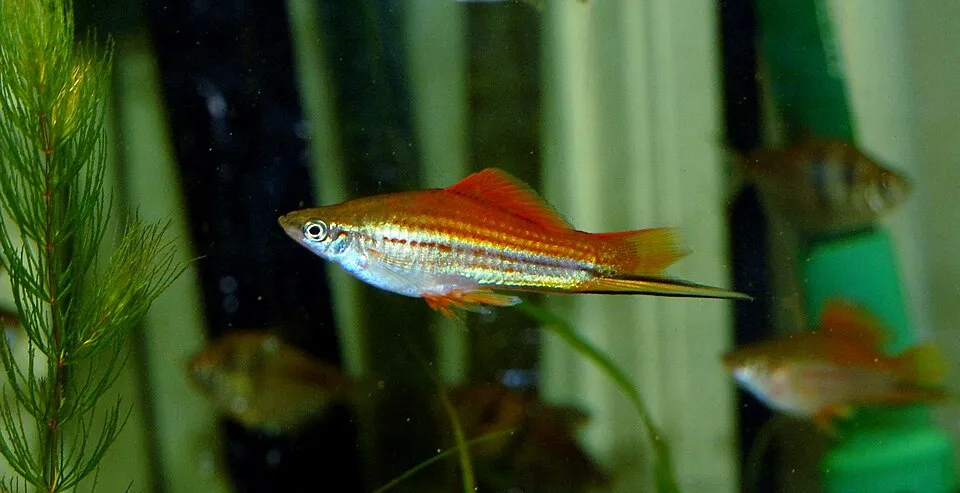 5.9 in (15 cm)24 gal (90 L)68–82°F (20–28°C)
Green swordtail
Xiphophorus hellerii
5.9 in (15 cm) · 24 gal (90 L)
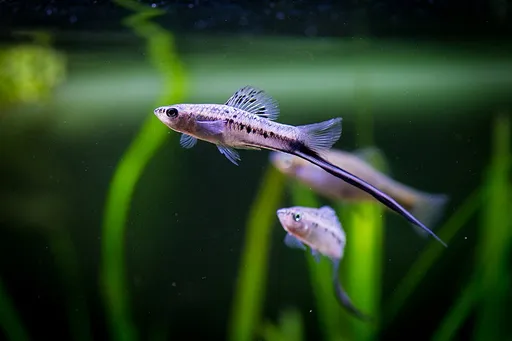 2.8 in (7 cm)24 gal (90 L)68–81°F (20–27°C)
Sheepshead swordtail
Xiphophorus birchmanni
2.8 in (7 cm) · 24 gal (90 L)
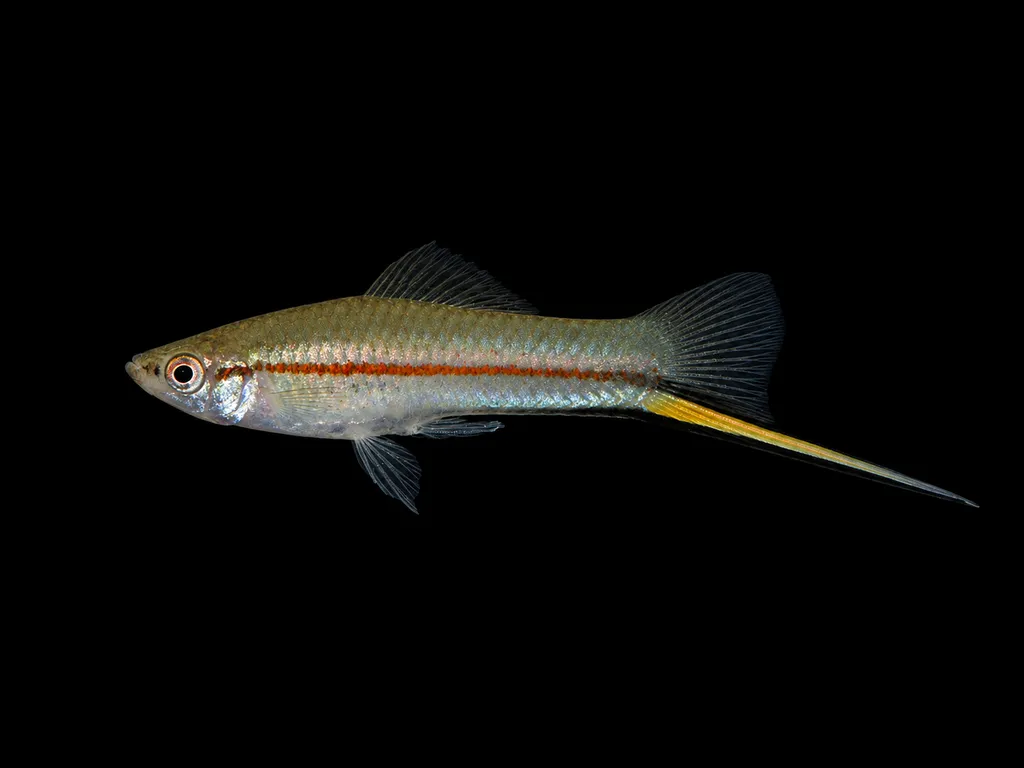 4.1 in (10.5 cm)29 gal (110 L)73–82°F (23–28°C)
Kallman's swordtail
Xiphophorus kallmani
4.1 in (10.5 cm) · 29 gal (110 L)
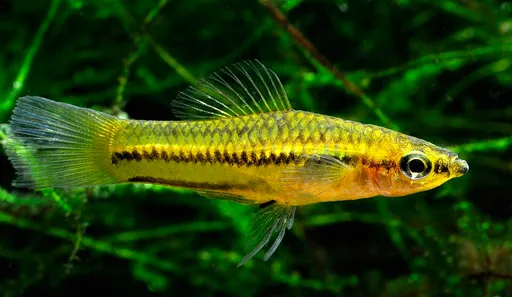 1.6 in (4 cm)11 gal (40 L)75–82°F (24–28°C)
Pygmy swordtail
Xiphophorus pygmaeus
1.6 in (4 cm) · 11 gal (40 L)
 2.8 in (7 cm)15 gal (55 L)68–79°F (20–26°C)
Southern platy
Xiphophorus maculatus
2.8 in (7 cm) · 15 gal (55 L)