Pygmy swordtail
Xiphophorus pygmaeus
FreshwaterFish
Care at a glance
- Temperature
- 75–82°F
- 24–28°C
- pH
- 7.2–7.8
- Adult size
- 1.6 in
- 4 cm
- Minimum tank
- 11 gal
- 40 L
- Temperament
- Mostly peaceful
- Social behavior
- Social
- Swim level
- Middle
- Difficulty
- Medium
- Breeding
- Easy
- Rarity
- Common
- Family
- Poeciliidae
- Origin
- Pánuco River system (Rio Axtla), northeastern Mexico
Overview
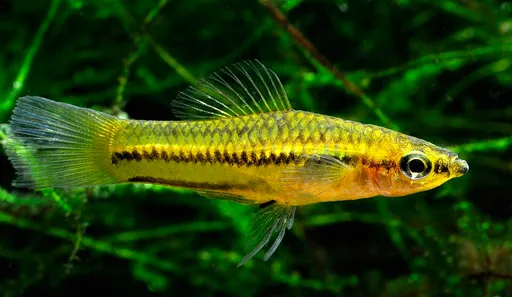
Keep them in a group of at least six to eight in a tank of 40 liters or larger, and skew the sex ratio to roughly one male for every three or four females so courtship gets spread out and no single female is pestered. They are mostly peaceful and sit in the middle of the water column. Males set up a pecking order, but the squabbling stays at displays and almost never turns into actual fighting. Hold the water hard and alkaline, pH 7.2 to 7.8, well oxygenated, and between 24 and 28 C, and stay on top of water changes since they are sensitive to ammonia and nitrite. This is a skilled jumper, so a tight fitting lid is a must. Feed small flakes, micro pellets, and frozen treats like daphnia or baby brine. Keep them as a species tank or pair them only with small, gentle tankmates of similar size such as dwarf Corydoras, since anything pushy will outcompete them. Do not release unwanted fish or fry into local waterways, and check your local rules, since livebearers can establish themselves where they do not belong.
In the wild
Pygmy swordtails come from the Pánuco River system in northeastern Mexico, mainly the Rio Axtla, where they live in flowing, well oxygenated streams over hard, mineral rich water. They are not a soft water or blackwater fish, so give them hard, alkaline water from 8 to 20 dGH and a pH of 7.2 to 7.8. Set up a densely planted tank of at least 40 liters with driftwood, tall plants, and some floating cover for this shy fish to hide in, and add a bit of current with the filter or a small powerhead to match the stream. Keep the temperature between 24 and 28 C.
Good to know
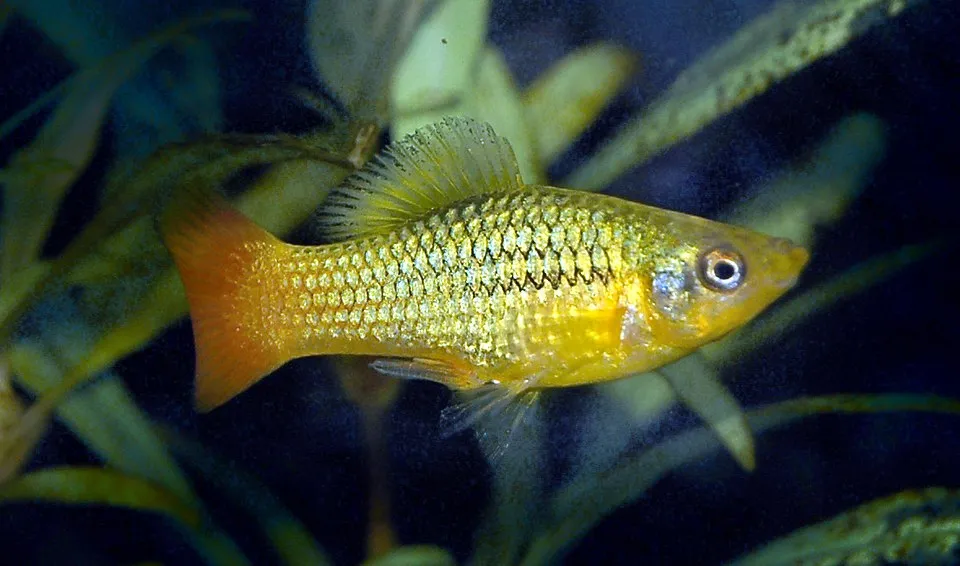
This is Xiphophorus pygmaeus, a dwarf livebearer in the family Poeciliidae. It is one of the smallest swordtails, with males reaching about 3.5 cm and females slightly larger, up to around 4 cm. Unlike most of its relatives, the males lack the long sword extension on the tail. Females give birth to live young rather than laying eggs, and a single brood is small, usually only about 3 to 4 fry.
Did you know
Male pygmy swordtails come in two forms that have nothing to do with age or health. Some males mature small and start breeding early, while others grow larger and put on more color before they mature. Both strategies persist in the same population because each works in its own way, the small males by sneaking matings and the large ones by winning displays.
Weekly picks
Tank mates
Pygmy swordtail is a mostly peaceful, social species that keeps to the middle. These picks share a community profile with it, are safe together in both directions, and overlap on water type, temperature and pH.
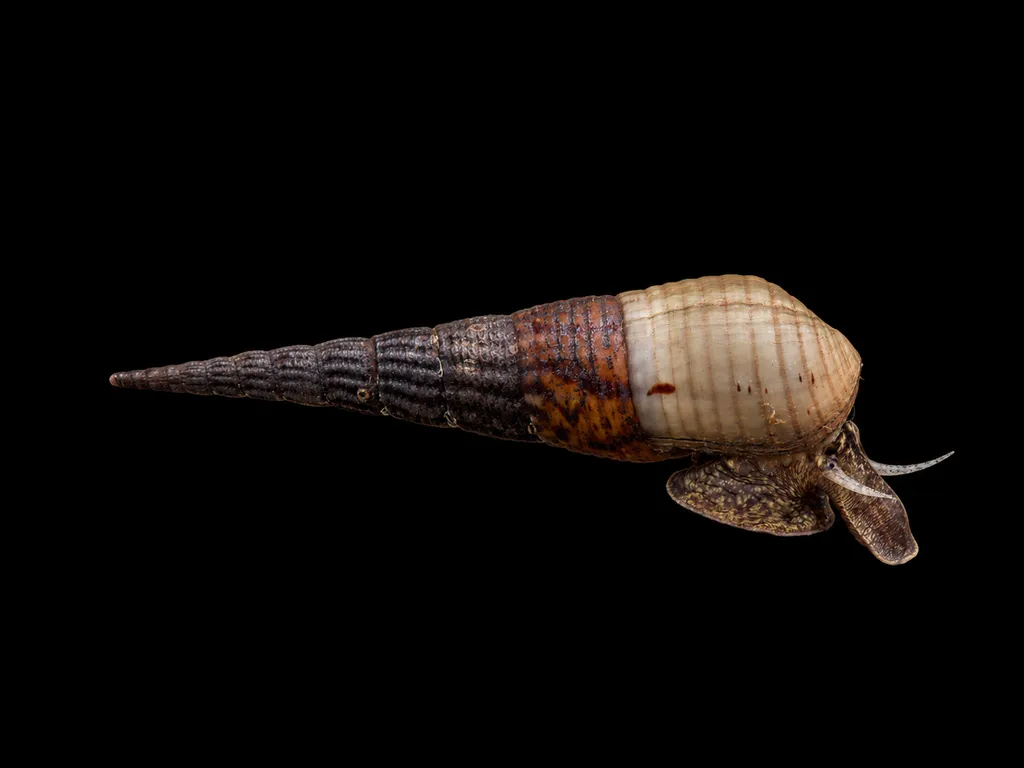
Chopstick snail
Stenomelania torulosa
Freshwater2 in (5 cm) · 11 gal (40 L)73–82°F (23–28°C)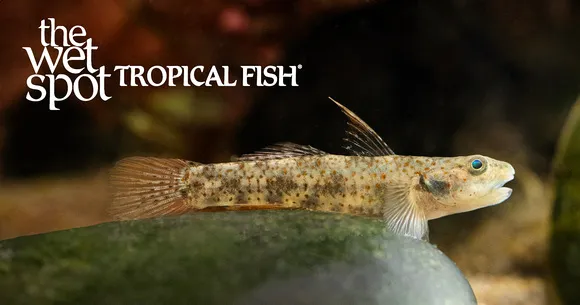
Lumbantobing goby
Pseudogobiopsis lumbantobing
Freshwater1.6 in (4 cm) · 11 gal (40 L)75–82°F (24–28°C)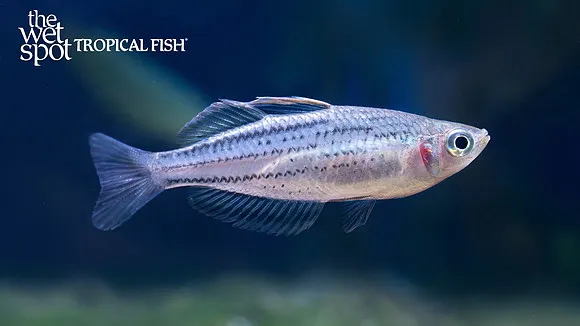
Green panchax
Aplocheilus blockii
Freshwater2 in (5 cm) · 11 gal (40 L)72–82°F (22–28°C)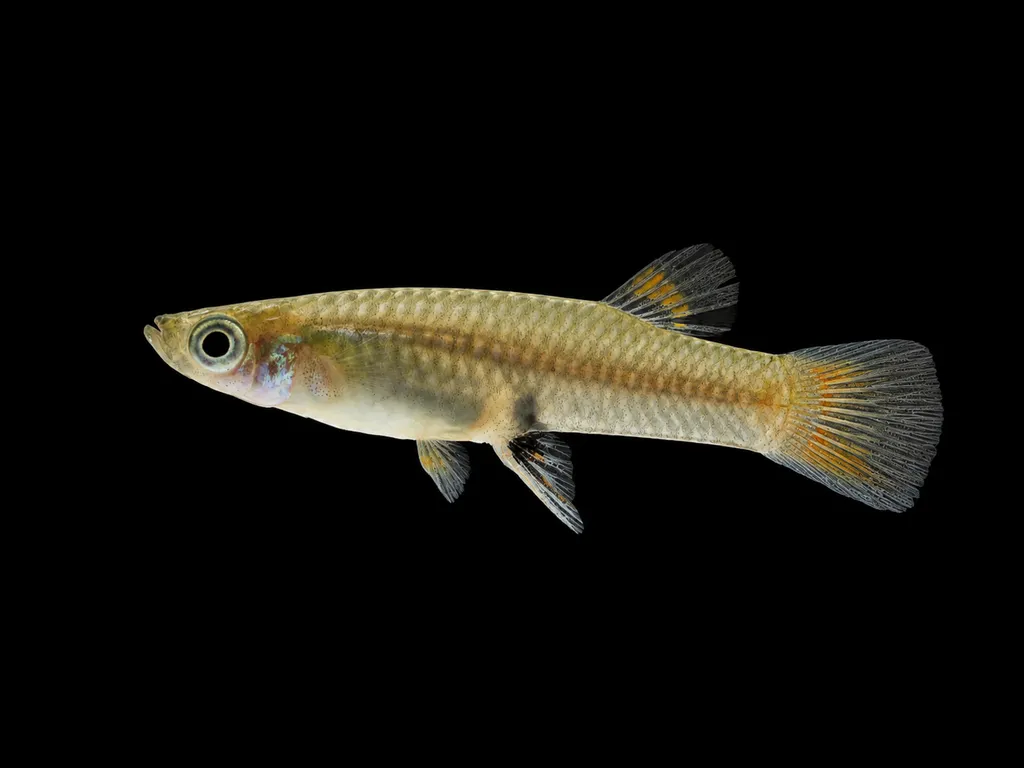
Cascajal toothcarp
Brachyrhaphis cascajalensis
Freshwater3 in (7.5 cm) · 11 gal (40 L)75–82°F (24–28°C)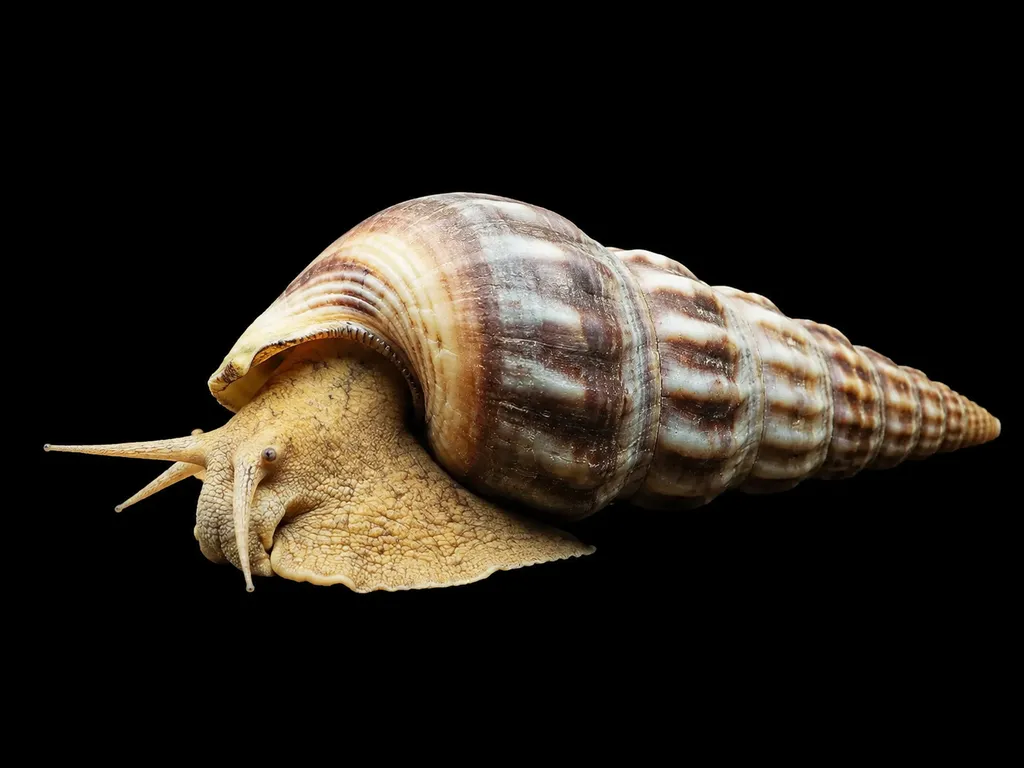
Hercules snail
Brotia herculea
Freshwater3.1 in (8 cm) · 11 gal (40 L)73–82°F (23–28°C)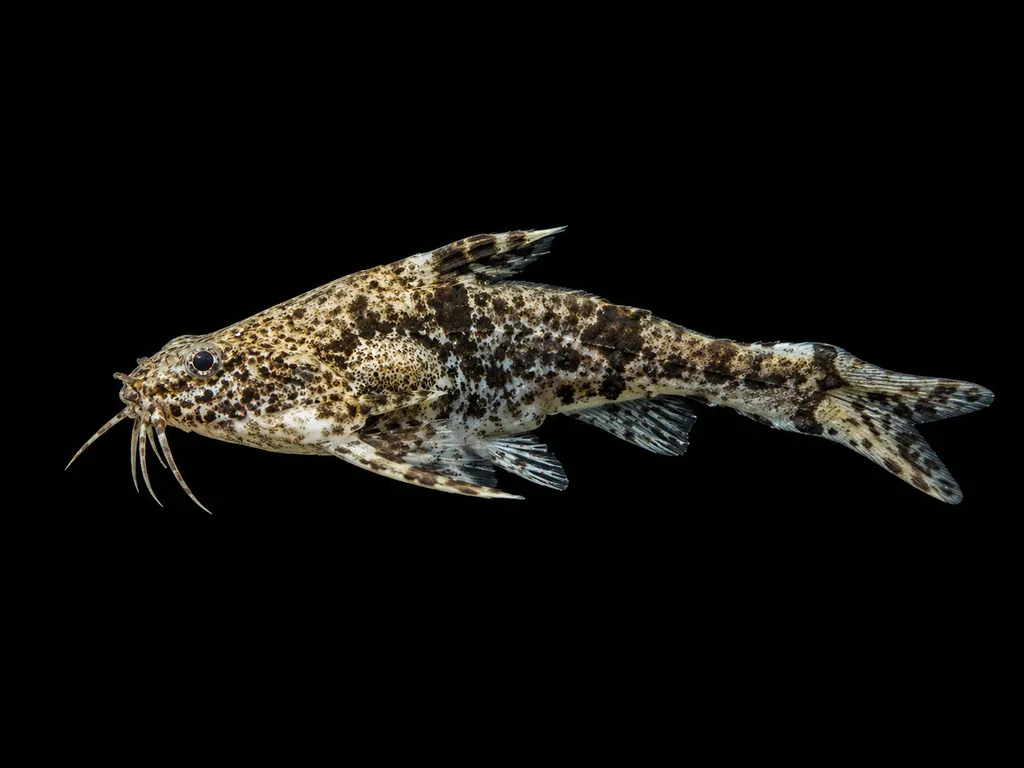
Dwarf thorny catfish
Physopyxis lyra
Freshwater1.4 in (3.5 cm) · 11 gal (40 L)73–82°F (23–28°C)
Common questions
What size tank does a Pygmy swordtail need?
A Pygmy swordtail needs at least 11 gal (40 L). It spends most of its time in the middle.
What temperature and pH does a Pygmy swordtail need?
A Pygmy swordtail is comfortable at 75–82°F (24–28°C) with a pH of 7.2–7.8.
How big does a Pygmy swordtail get?
An adult Pygmy swordtail reaches about 1.6 in (4 cm).
Related species
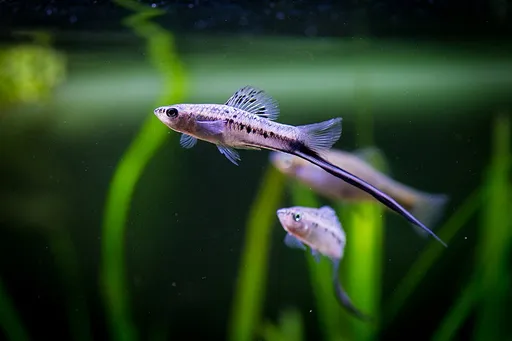 2.8 in (7 cm)24 gal (90 L)68–81°F (20–27°C)
Sheepshead swordtail
Xiphophorus birchmanni
2.8 in (7 cm) · 24 gal (90 L)
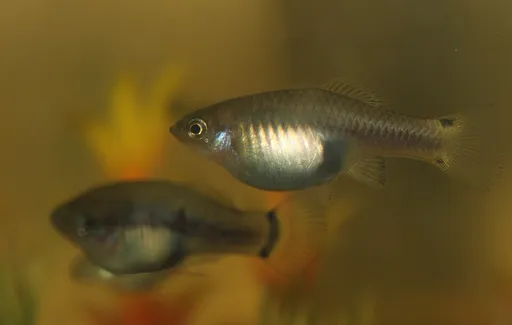 2 in (5 cm)16 gal (60 L)68–79°F (20–26°C)
Spiketail platy
Xiphophorus xiphidium
2 in (5 cm) · 16 gal (60 L)
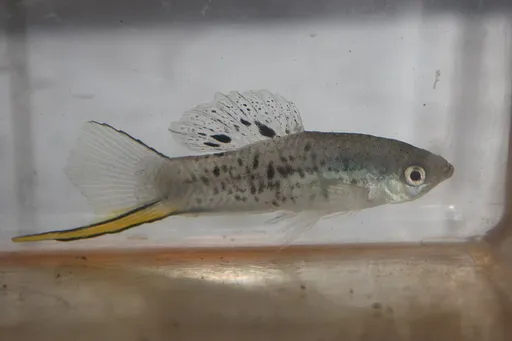 3.5 in (9 cm)29 gal (110 L)68–79°F (20–26°C)
Northern mountain swordtail
Xiphophorus nezahualcoyotl
3.5 in (9 cm) · 29 gal (110 L)
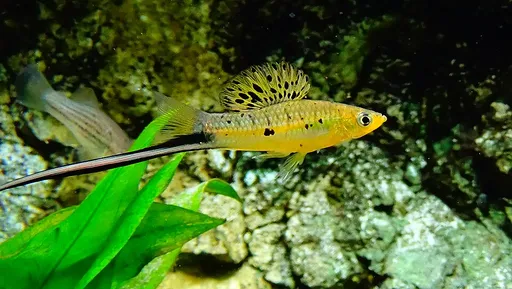 5.5 in (14 cm)32 gal (120 L)68–79°F (20–26°C)
Montezuma swordtail
Xiphophorus montezumae
5.5 in (14 cm) · 32 gal (120 L)
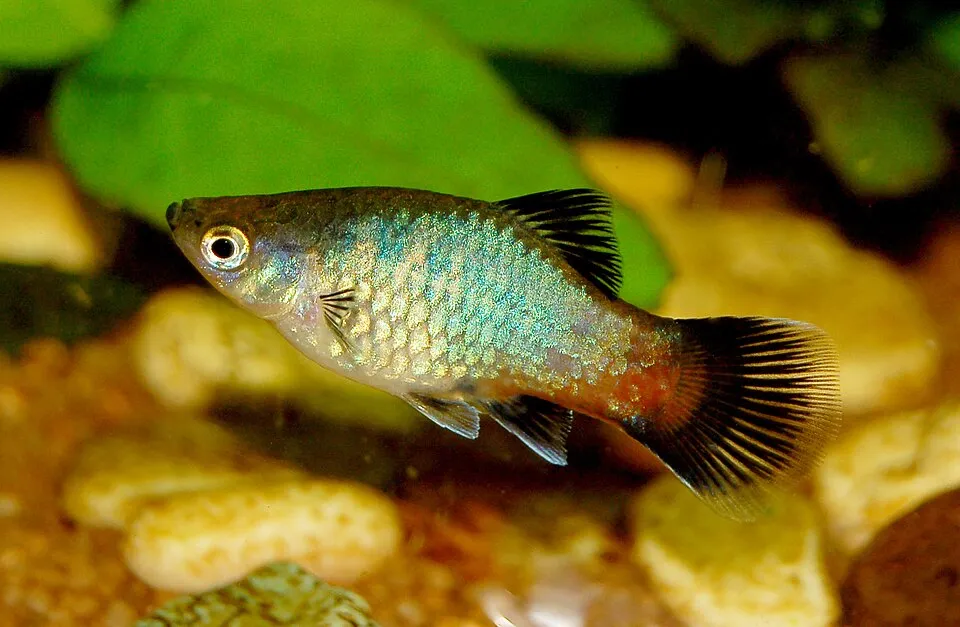 2.8 in (7 cm)15 gal (55 L)68–79°F (20–26°C)
Southern platy
Xiphophorus maculatus
2.8 in (7 cm) · 15 gal (55 L)
 2.8 in (7 cm)15 gal (55 L)68–79°F (20–26°C)
Variable platy
Xiphophorus variatus
2.8 in (7 cm) · 15 gal (55 L)