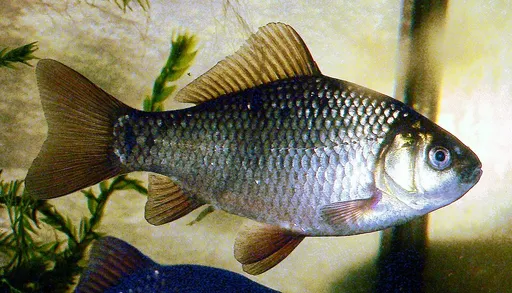
Crucian carp
Carassius carassius
Also known as Crucian, European crucian carp
FreshwaterFish
Care at a glance
- Temperature
- 39–75°F
- 4–24°C
- pH
- 6.5–8.0
- Adult size
- 11.8 in
- 30 cm
- Minimum tank
- 119 gal
- 450 L
- Temperament
- Peaceful
- Social behavior
- Social
- Tankmates
- With caution
- Swim level
- Bottom
- Difficulty
- Easy
- Breeding
- Medium
- Rarity
- Common
- Family
- Cyprinidae
- Origin
- Native to ponds, lakes, and slow rivers across Europe and western Asia.
Overview
Crucian carp are pond fish that need a group and a lot of space, so plan on a pond or a very large tank of at least 450 litres with strong filtration. They are a temperate species that does best in cool water from about 4 to 24 C and needs no heating in most climates. Feed a varied omnivore diet of sinking pellets, plant matter, and frozen or live foods such as bloodworm. They are peaceful and mix well with goldfish and other cool-water pond fish.
In the wild
The crucian carp is a hardy, deep-bodied pond fish from still and slow waters across Europe and western Asia. It lives among thick plants in ponds, lakes, and backwaters, rooting through soft substrate for food. It is famous for surviving very low oxygen and cold that would kill most fish, including long spells under winter ice. This is a temperate pond fish rather than a tropical aquarium species.
Good to know
Carassius carassius can survive months of near-zero oxygen by switching to an unusual metabolism that turns waste lactic acid into alcohol, which it releases through the gills. It is a close relative of the goldfish, Carassius auratus, and the two can hybridise. It commonly reaches 15 to 25 cm and can grow larger in a big pond.
Did you know
It is one of the toughest of all freshwater fish, able to spend a whole winter sealed under ice in oxygen-starved water by producing alcohol instead of suffocating.
Common questions
What size tank does a Crucian carp need?
A Crucian carp needs at least 119 gal (450 L). It spends most of its time in the bottom.
What temperature and pH does a Crucian carp need?
A Crucian carp is comfortable at 39–75°F (4–24°C) with a pH of 6.5–8.0.
How big does a Crucian carp get?
An adult Crucian carp reaches about 11.8 in (30 cm).
Related species
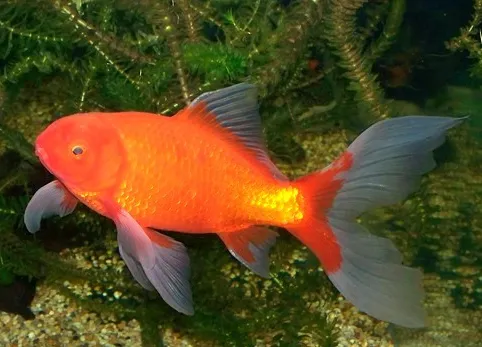 11.8 in (30 cm)50 gal (190 L)39–75°F (4–24°C)
Comet
Carassius auratus
11.8 in (30 cm) · 50 gal (190 L)
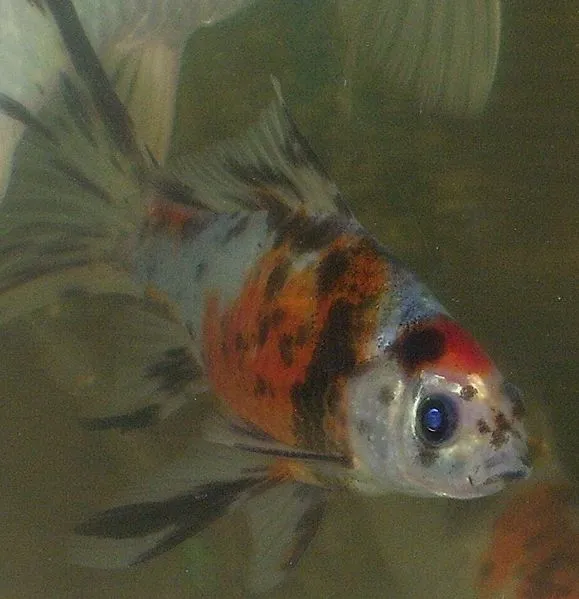 11.8 in (30 cm)50 gal (190 L)39–75°F (4–24°C)
Shubunkin
Carassius auratus
11.8 in (30 cm) · 50 gal (190 L)
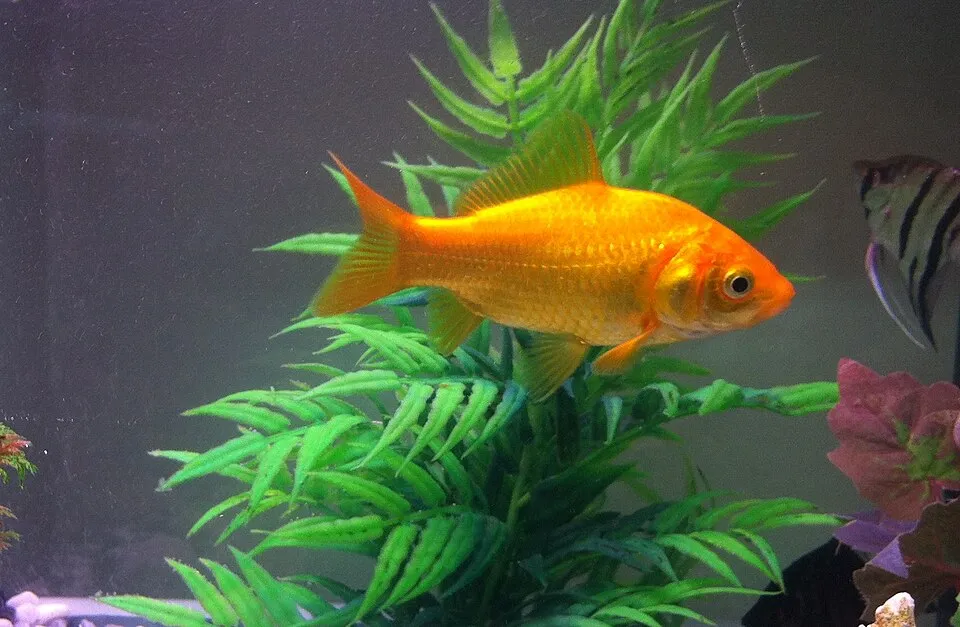 9.8 in (25 cm)50 gal (190 L)39–75°F (4–24°C)
Common goldfish
Carassius auratus
9.8 in (25 cm) · 50 gal (190 L)
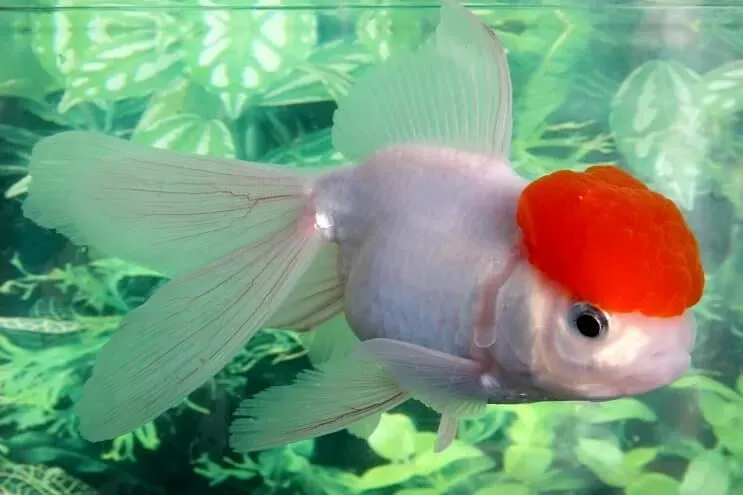 9.8 in (25 cm)30 gal (114 L)61–73°F (16–23°C)
Oranda
Carassius auratus
9.8 in (25 cm) · 30 gal (114 L)
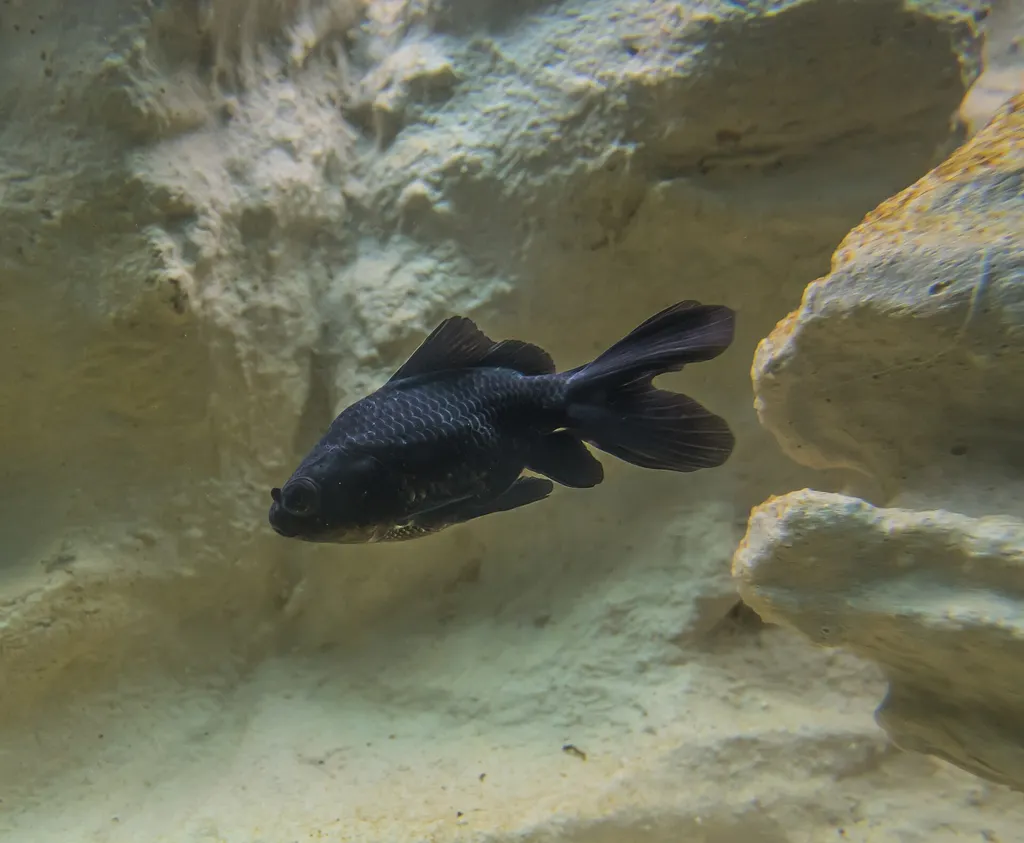 7.9 in (20 cm)25 gal (95 L)61–75°F (16–24°C)
Black moor
Carassius auratus
7.9 in (20 cm) · 25 gal (95 L)
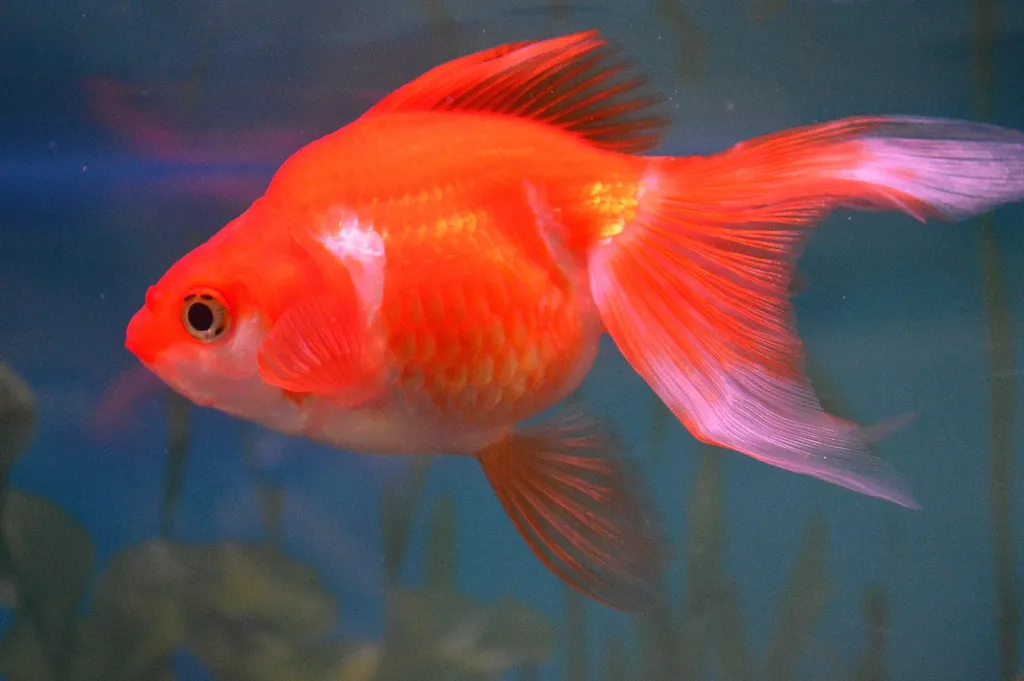 7.9 in (20 cm)25 gal (95 L)61–73°F (16–23°C)
Ryukin
Carassius auratus
7.9 in (20 cm) · 25 gal (95 L)