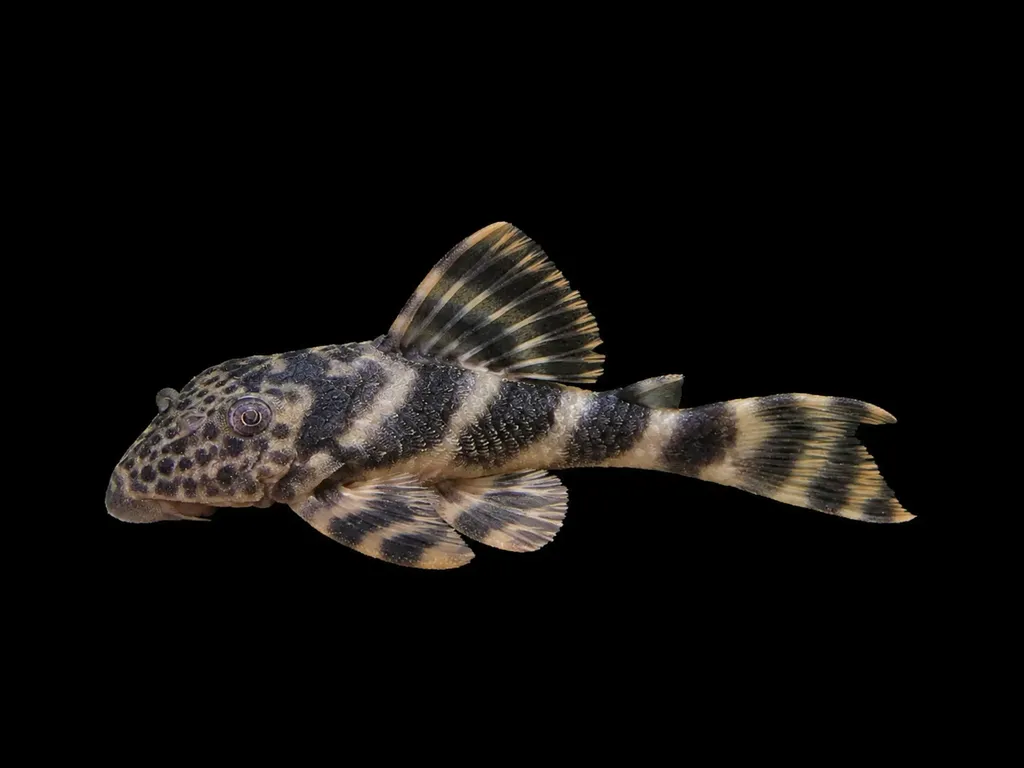
Brown dot peckoltia
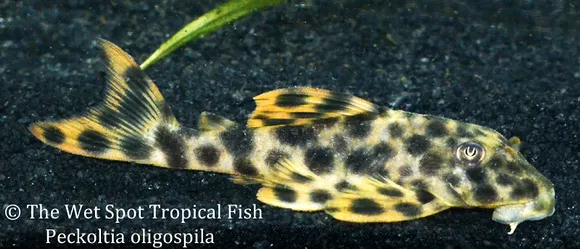
Peckoltia oligospila
Also known as L006, Oligospila pleco
FreshwaterFish
Care at a glance
- Temperature
- 77–84°F
- 25–29°C
- pH
- 6.0–7.4
- Adult size
- 5.9 in
- 15 cm
- Minimum tank
- 42 gal
- 160 L
- Temperament
- Peaceful
- Social behavior
- Solitary
- Swim level
- Bottom
- Diet
- Omnivore
- Difficulty
- Medium
- Breeding
- Cave spawner · Medium
- Rarity
- Rare
- Family
- Loricariidae
- Origin
- Tocantins and Guamá basins, Brazil
Overview
The brown dot peckoltia is an understated, reliable catfish that suits a calm community tank of small and mid-size fish. It hides by day and forages in the evening. It is a step up from the easiest fish to keep.
Did you know
The brown dot peckoltia has an unusually literal name, since oligospila comes from the Greek for few spots. Its plain olive body carries just that, a modest scatter of dark dots.
Caring for the brown dot peckoltia
Give a brown dot peckoltia at least 42 gal (160 L), with driftwood, rounded stones and caves over a sand floor. Run good filtration and a moderate current. It is adaptable and hardy once its water is clean and its hiding places are in place.
Hold the water soft to neutral, at 77 to 84°F (25 to 29°C) and a pH of 6.0 to 7.4. Its diet leans toward protein, so feed sinking pellets, frozen bloodworm and similar meaty foods. Round that out with algae wafers and vegetables such as zucchini.
Keep it singly or as a pair. It defends a cave or a piece of wood from other plecos but stays peaceful with everything else. It spawns in caves when well settled, and breeding it is a project of moderate difficulty.
Good to know
Peckoltia oligospila is a catfish in the family Loricariidae. The genus name Peckoltia honors Gustavo Peckolt, a Brazilian naturalist of the nineteenth century.
In the wild
This pleco comes from the Tocantins and Guamá drainages of eastern Amazonian Brazil. It lives among wood and rock in warm, flowing rivers.
Weekly picks
Tank mates
The brown dot peckoltia is a peaceful, solitary species that keeps to the bottom. These picks share a community profile with it, are safe together in both directions, and overlap on water type, temperature and pH.
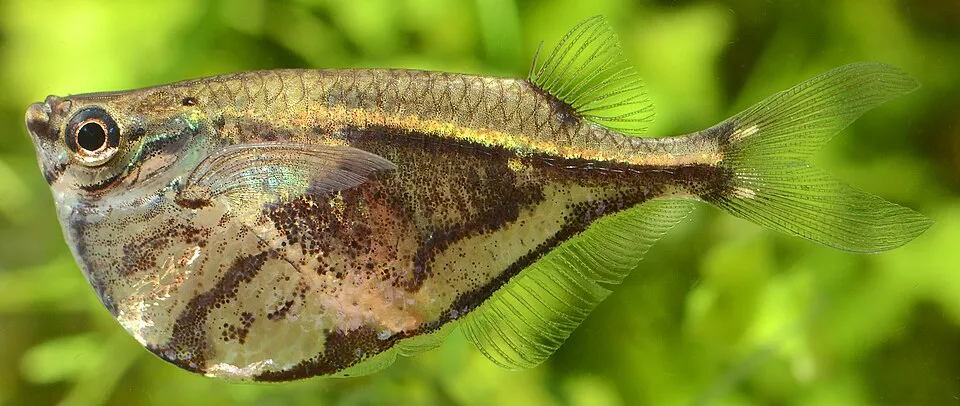
Marbled hatchetfish
Carnegiella strigata
Freshwater1.6 in (4 cm) · 32 gal (120 L)68–82°F (20–28°C)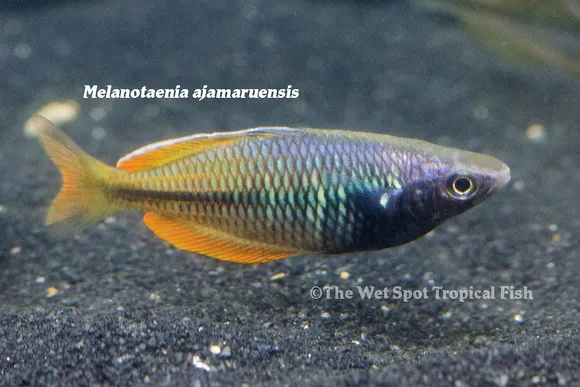
Ajamaru Lakes rainbowfish
Melanotaenia ajamaruensis
Freshwater4.3 in (11 cm) · 42 gal (160 L)75–84°F (24–29°C)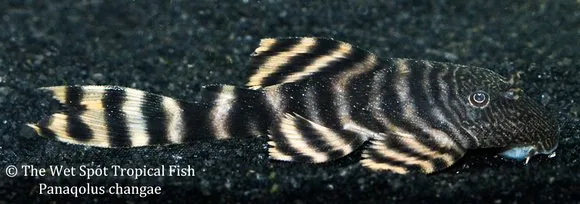
Iquitos tiger pleco
Panaqolus changae
Freshwater3.9 in (10 cm) · 42 gal (160 L)77–84°F (25–29°C)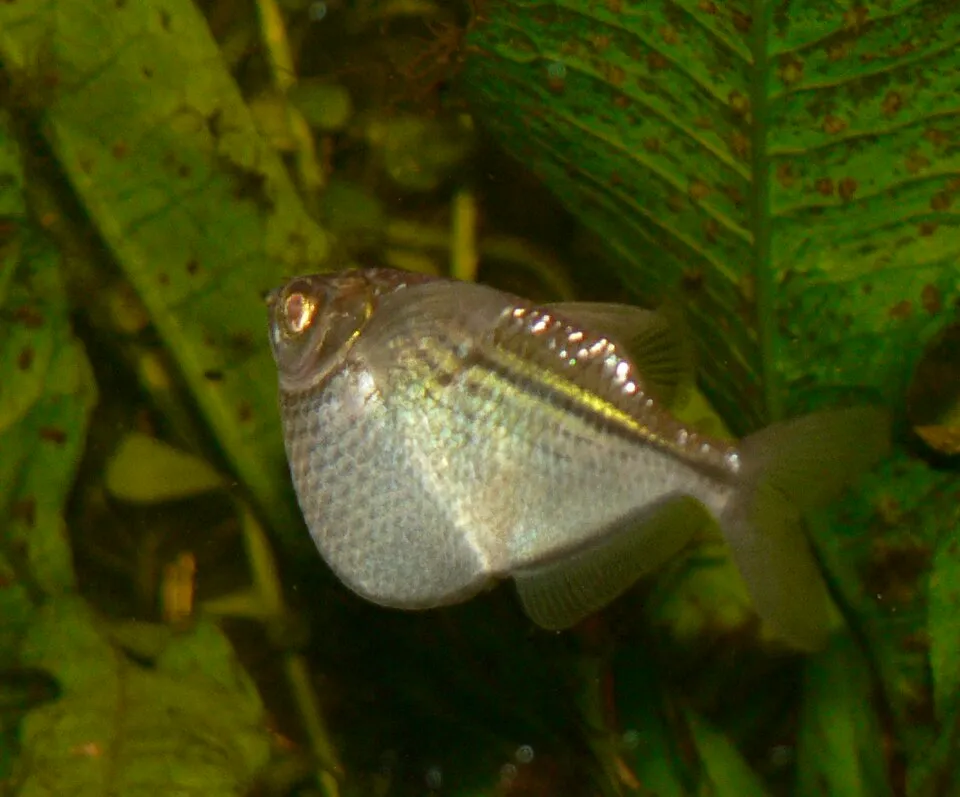
Common hatchetfish
Gasteropelecus sternicla
Freshwater1.6 in (4 cm) · 33 gal (125 L)68–82°F (20–28°C)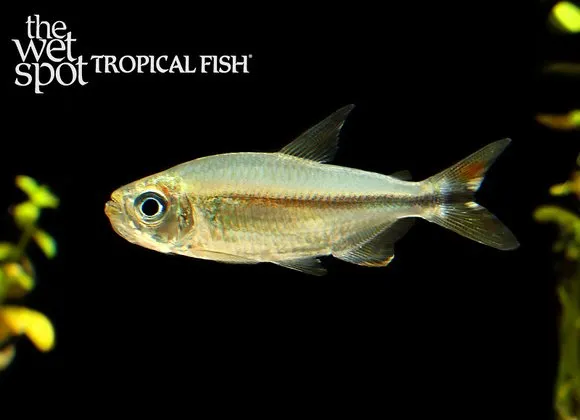
Hilgendorf's Congo tetra
Alestopetersius hilgendorfi
Freshwater3.9 in (10 cm) · 42 gal (160 L)73–81°F (23–27°C)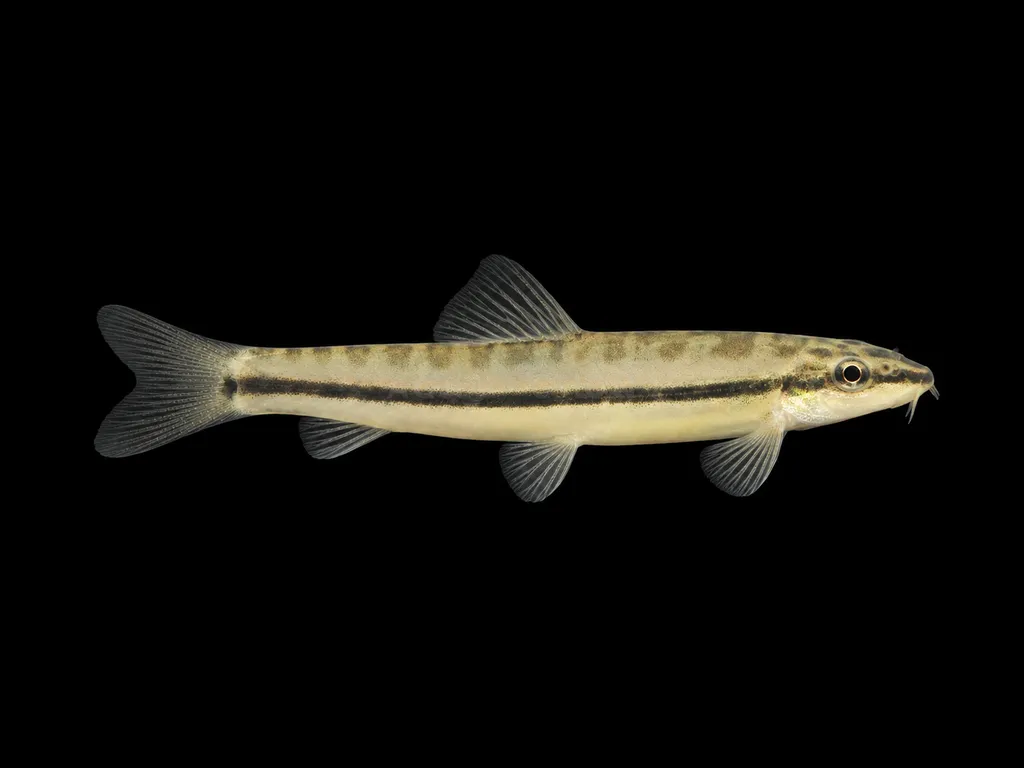
Longstripe loach
Nemacheilus longistriatus
Freshwater5.9 in (15 cm) · 42 gal (160 L)72–81°F (22–27°C)
Common questions
What size tank does a brown dot peckoltia need?
A brown dot peckoltia needs at least 42 gal (160 L). It spends most of its time in the bottom.
What temperature and pH does a brown dot peckoltia need?
A brown dot peckoltia is comfortable at 77–84°F (25–29°C) with a pH of 6.0–7.4.
What does a brown dot peckoltia eat?
A brown dot peckoltia leans toward protein, eating sinking pellets, frozen bloodworm and similar meaty foods. Round out its diet with algae wafers and vegetables such as zucchini.
How big does a brown dot peckoltia get?
An adult brown dot peckoltia reaches about 5.9 in (15 cm).
How does a brown dot peckoltia breed?
A brown dot peckoltia spawns in caves once it is well settled. Breeding it is a project of moderate difficulty.
Related species
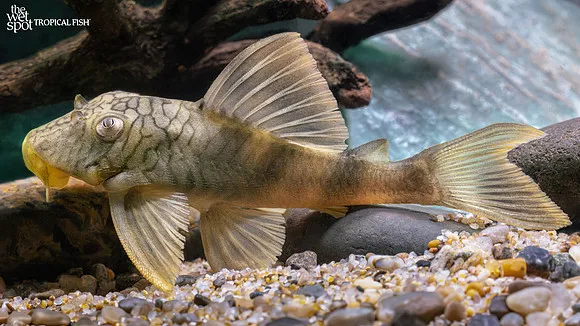 5.9 in (15 cm)53 gal (200 L)77–84°F (25–29°C)
Imperial coal pleco
Peckoltia pankimpuju
5.9 in (15 cm) · 53 gal (200 L)
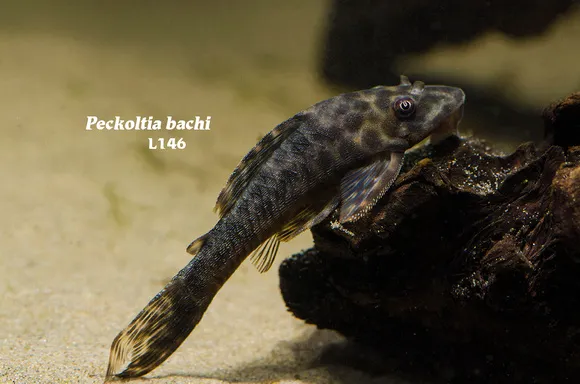 5.5 in (14 cm)53 gal (200 L)77–84°F (25–29°C)
Bola pleco
Peckoltia bachi
5.5 in (14 cm) · 53 gal (200 L)
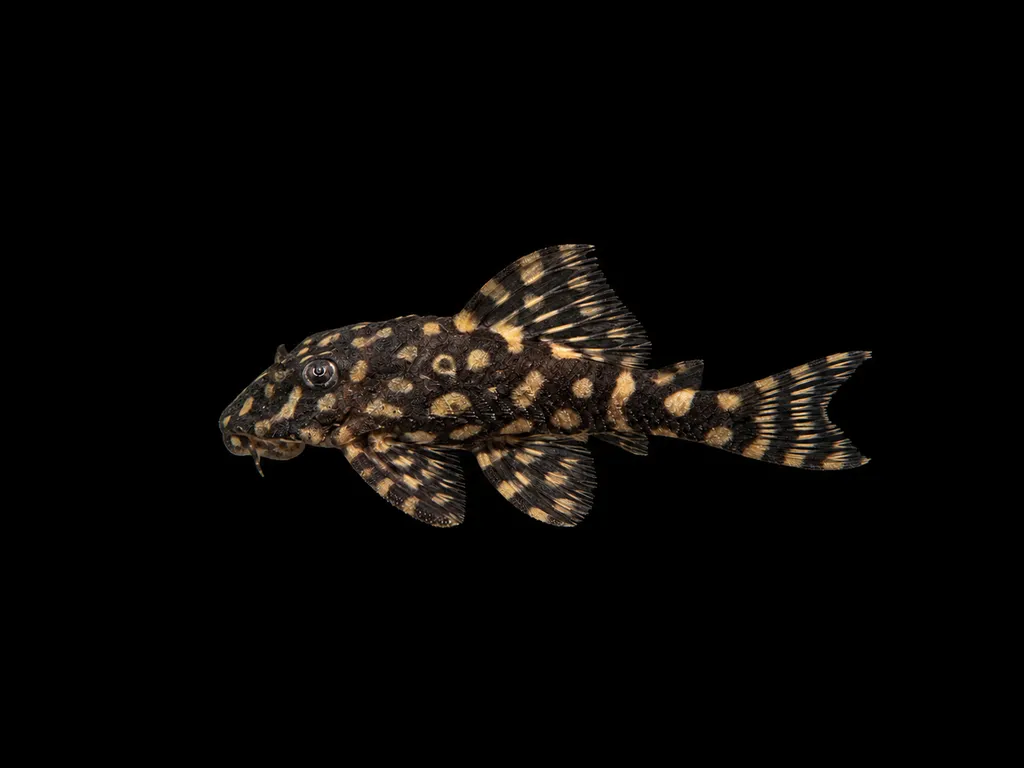 5.1 in (13 cm)42 gal (160 L)77–84°F (25–29°C)
Spotted tiger pleco
Peckoltia brevis
5.1 in (13 cm) · 42 gal (160 L)
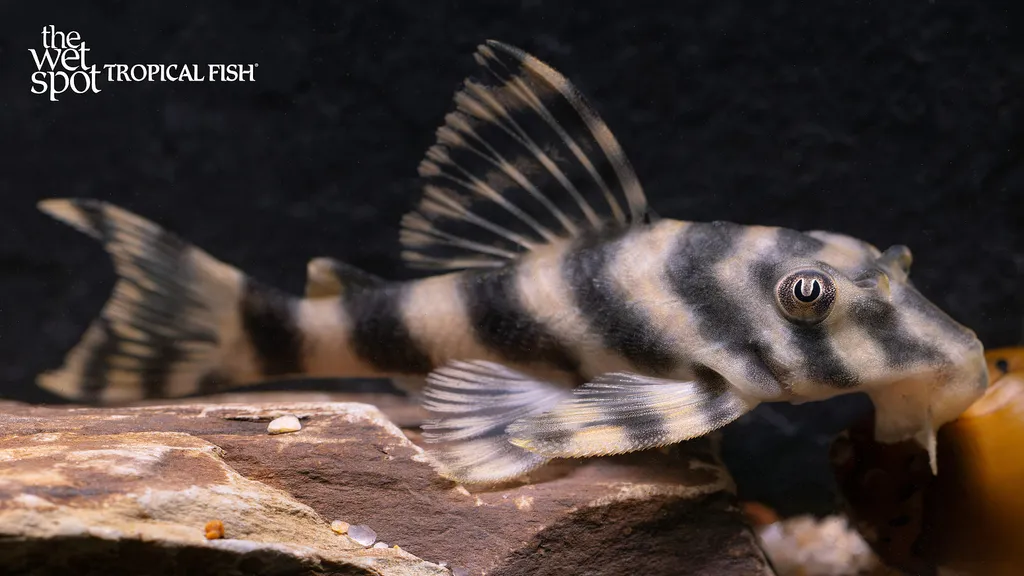 4.7 in (12 cm)30 gal (115 L)77–84°F (25–29°C)
Candy striped pleco (L015)
Peckoltia vittata
4.7 in (12 cm) · 30 gal (115 L)
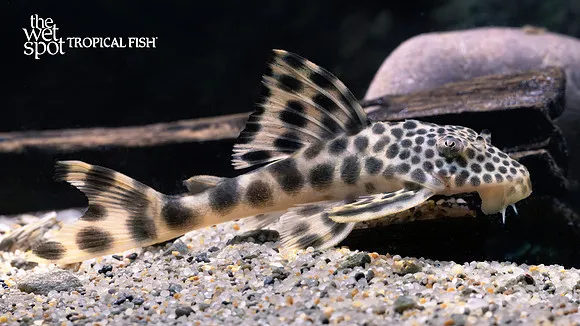 7.9 in (20 cm)66 gal (250 L)77–84°F (25–29°C)
Para pleco
Peckoltia sabaji
7.9 in (20 cm) · 66 gal (250 L)
 4.3 in (11 cm)29 gal (110 L)77–84°F (25–29°C)
Orinoco dwarf pleco
Peckoltia lineola
4.3 in (11 cm) · 29 gal (110 L)