Loach catfish
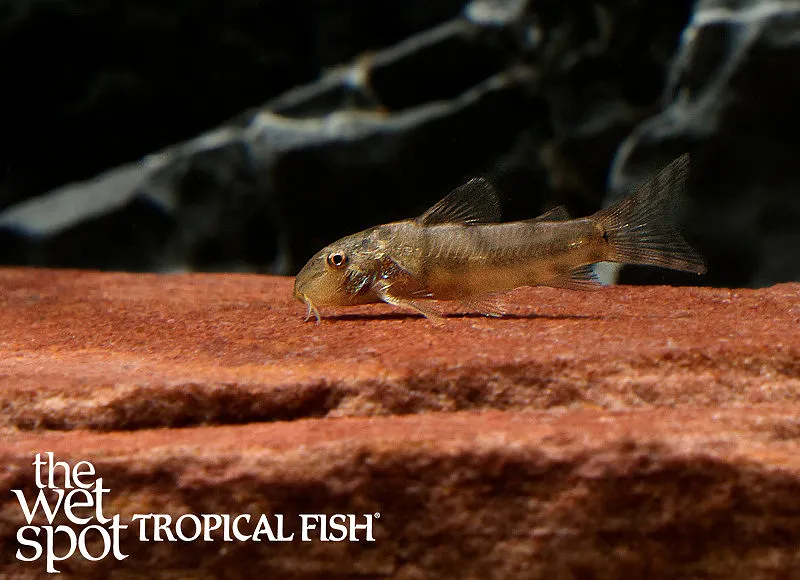
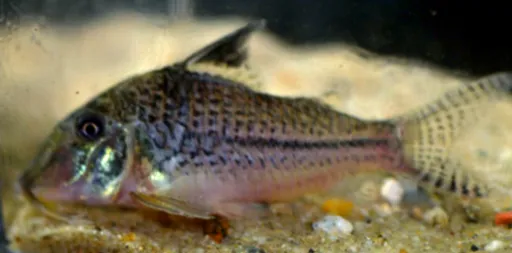
Aspidoras rochai
FreshwaterFish
Care at a glance
- Temperature
- 70–77°F
- 21–25°C
- pH
- 6.0–7.5
- Adult size
- 1.7 in
- 4.4 cm
- Minimum tank
- 15 gal
- 55 L
- Temperament
- Peaceful
- Social behavior
- Shoaling
- Swim level
- Bottom
- Difficulty
- Medium
- Breeding
- No record
- Rarity
- Very rare
- Family
- Callichthyidae
- Origin
- Brazil
Overview
This little Aspidoras is shy and needs the security of a group, so keep at least six together. It stays busy on the bottom, combing fine sand with its barbels, and wants peaceful, small tankmates that will not out compete it. Offer finely sinking foods such as micro pellets, crushed wafers, and small frozen items like daphnia and cyclops, making sure they reach the floor. A quiet, well planted tank of around 55 liters or larger suits a group.
In the wild
Aspidoras rochai lives in shallow coastal streams of Ceara in northeastern Brazil, over sand and among leaf litter. Recreate that with a soft sand substrate, driftwood, dried leaves, and shaded planting, using clean, gently moving water. Keep the temperature between 21 and 25 C and the pH from about 6.0 to 7.5, with regular water changes to keep this sensitive fish comfortable.
Good to know
A small armored catfish of the family Callichthyidae, this species reaches about 4.4 cm and belongs to Aspidoras. It was described in 1907 and is the type species of the genus, whose members carry two skull fontanels rather than the single one found in Corydoras. Captive spawning is essentially unrecorded, though Aspidoras lay adhesive eggs the female carries briefly between her pelvic fins.
Did you know
Aspidoras rochai is the fish on which the whole genus Aspidoras was founded back in 1907. Its species name honors Francisco Dias da Rocha, who supplied the original specimen from the Brazilian state of Ceara.
Weekly picks
Tank mates
Loach catfish is a peaceful, shoaling species that keeps to the bottom. These picks share a community profile with it, are safe together in both directions, and overlap on water type, temperature and pH.
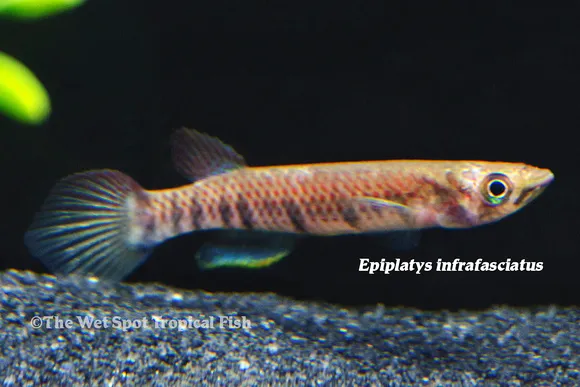
Infrafasciatus killifish
Epiplatys infrafasciatus
Freshwater2.4 in (6 cm) · 14 gal (54 L)68–77°F (20–25°C)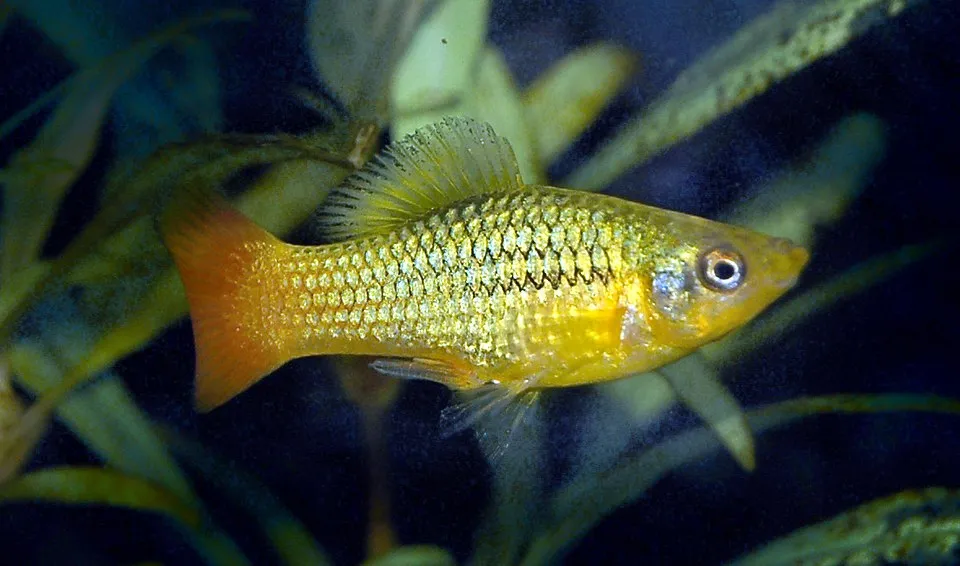
Variable platy
Xiphophorus variatus
Freshwater2.8 in (7 cm) · 15 gal (55 L)68–79°F (20–26°C)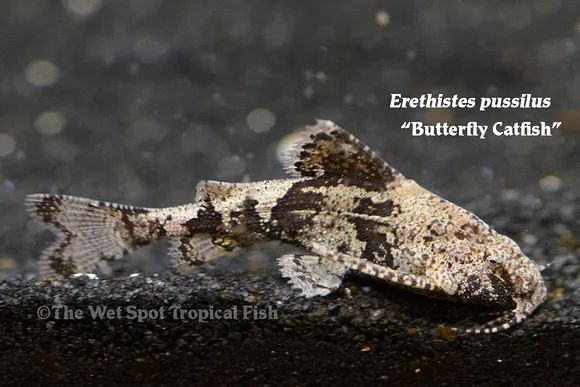
Butterfly moth catfish
Erethistes pusillus
Freshwater2 in (5 cm) · 14 gal (54 L)68–79°F (20–26°C)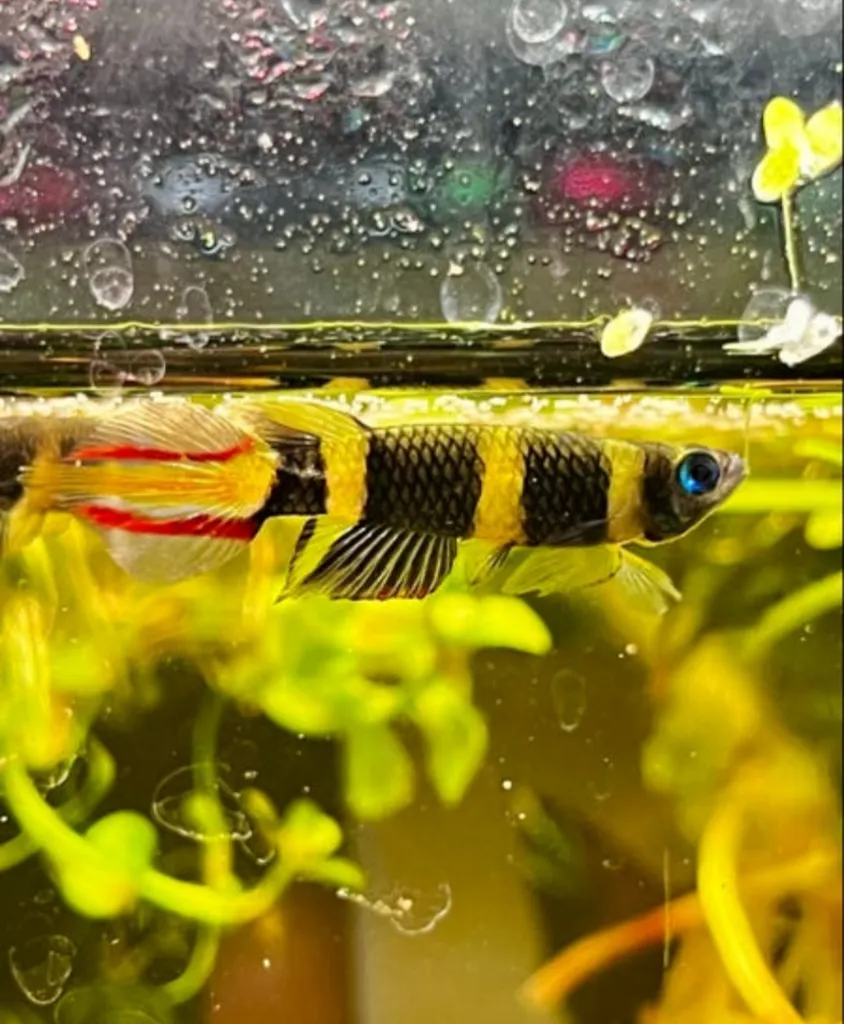
Clown killifish
Epiplatys annulatus
Freshwater1.4 in (3.5 cm) · 15 gal (55 L)68–79°F (20–26°C)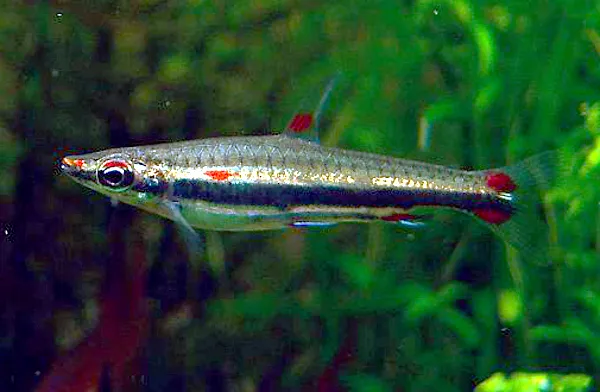
Three-lined pencilfish
Nannostomus trifasciatus
Freshwater1.3 in (3.3 cm) · 15 gal (55 L)72–82°F (22–28°C)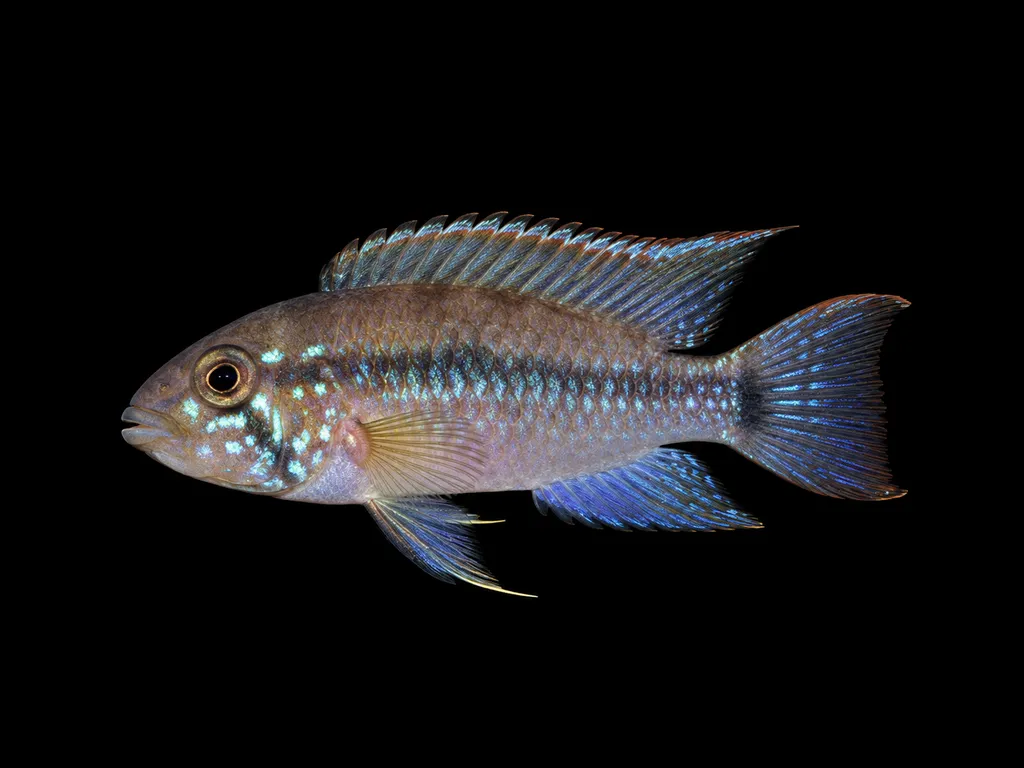
Martin's dwarf cichlid
Apistogramma martini
Freshwater1.6 in (4 cm) · 15 gal (55 L)73–81°F (23–27°C)
Common questions
What size tank does a Loach catfish need?
A Loach catfish needs at least 15 gal (55 L). It spends most of its time in the bottom.
What temperature and pH does a Loach catfish need?
A Loach catfish is comfortable at 70–77°F (21–25°C) with a pH of 6.0–7.5.
How big does a Loach catfish get?
An adult Loach catfish reaches about 1.7 in (4.4 cm).
Does a Loach catfish need a group?
Yes. A Loach catfish is a shoaling species and should be kept in a group, not singly.
Related species
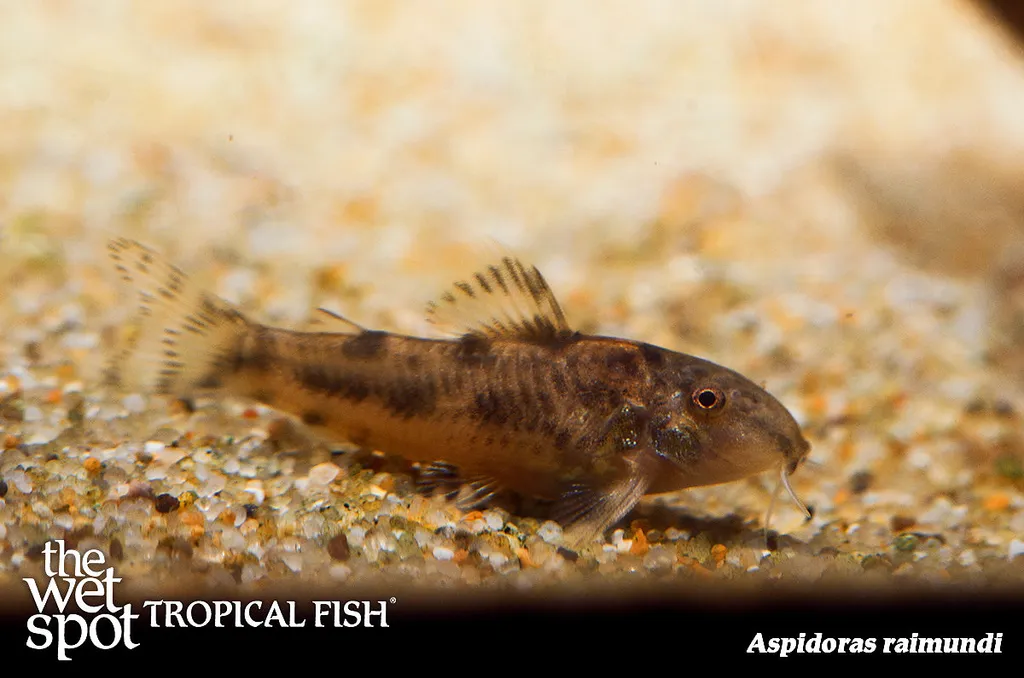 1.8 in (4.5 cm)15 gal (55 L)68–77°F (20–25°C)
Aspidoras cory-cat
Aspidoras raimundi
1.8 in (4.5 cm) · 15 gal (55 L)
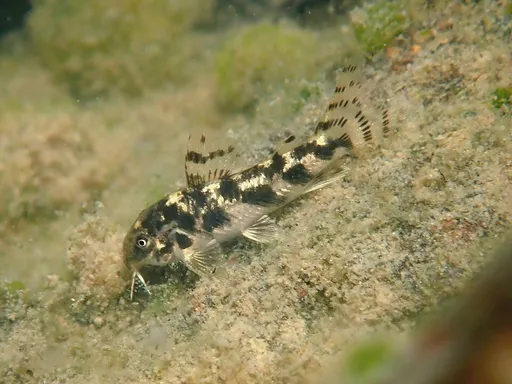 1.6 in (4 cm)16 gal (60 L)72–77°F (22–25°C)
Albater cory
Aspidoras albater
1.6 in (4 cm) · 16 gal (60 L)
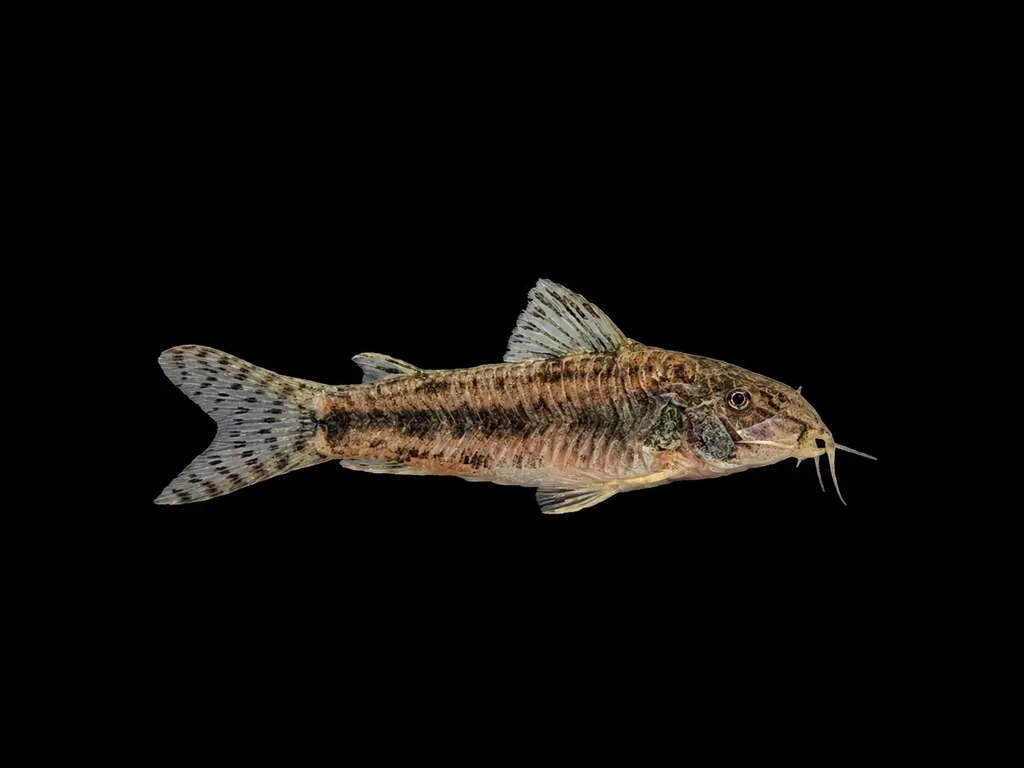 1.6 in (4 cm)14 gal (54 L)72–79°F (22–26°C)
Poecilus shield skin
Aspidoras poecilus
1.6 in (4 cm) · 14 gal (54 L)
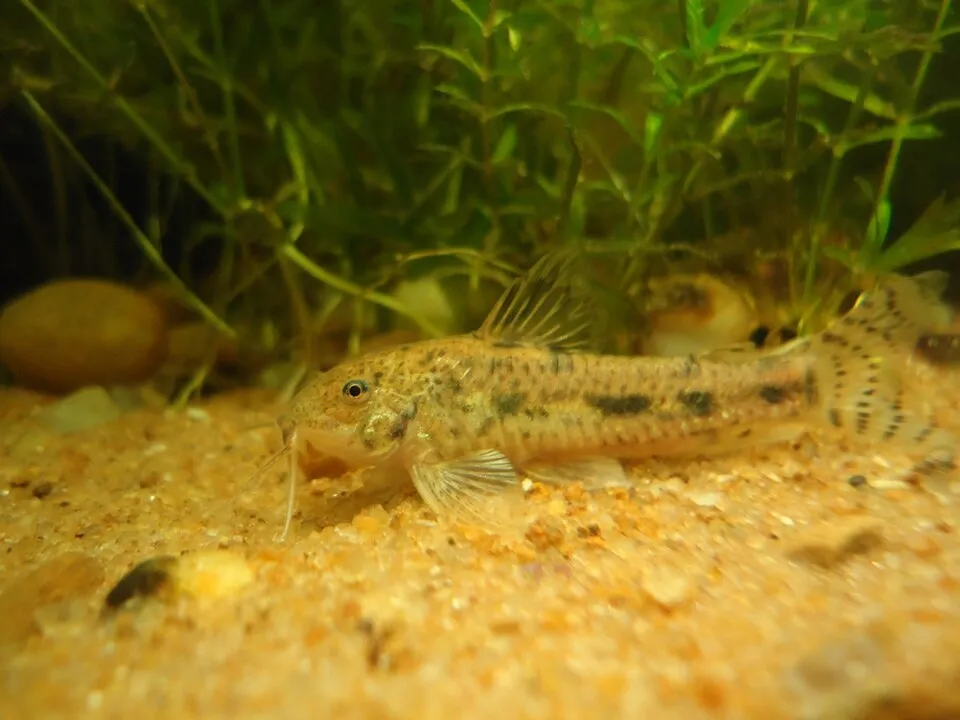 1.5 in (3.8 cm)13 gal (50 L)72–77°F (22–25°C)
Brown-point shield skin
Aspidoras fuscoguttatus
1.5 in (3.8 cm) · 13 gal (50 L)
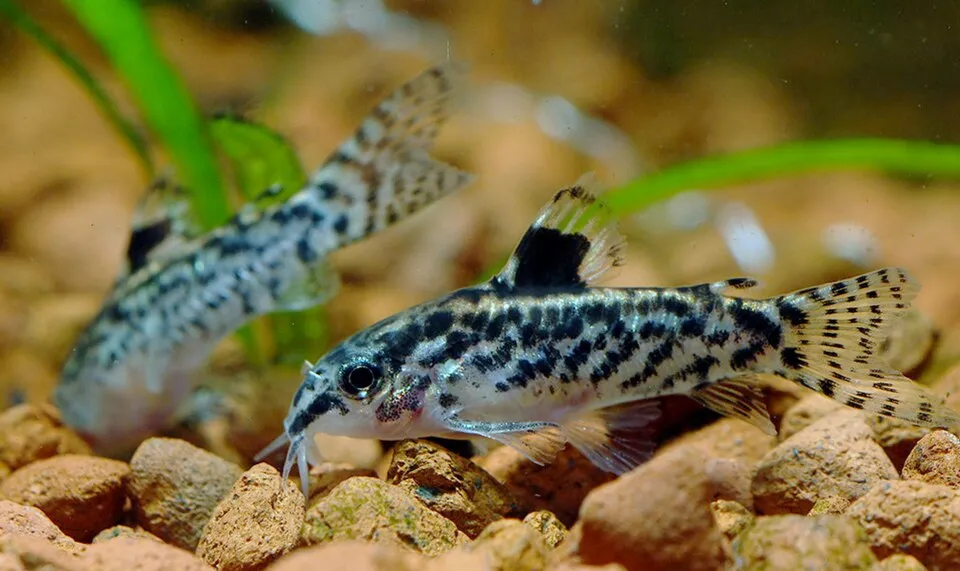 1.4 in (3.5 cm)13 gal (50 L)70–81°F (21–27°C)
Sixray cory
Aspidoras pauciradiatus
1.4 in (3.5 cm) · 13 gal (50 L)
 1.7 in (4.4 cm)13 gal (50 L)72–82°F (22–28°C)
Blacktop cory
Corydoras acutus
1.7 in (4.4 cm) · 13 gal (50 L)