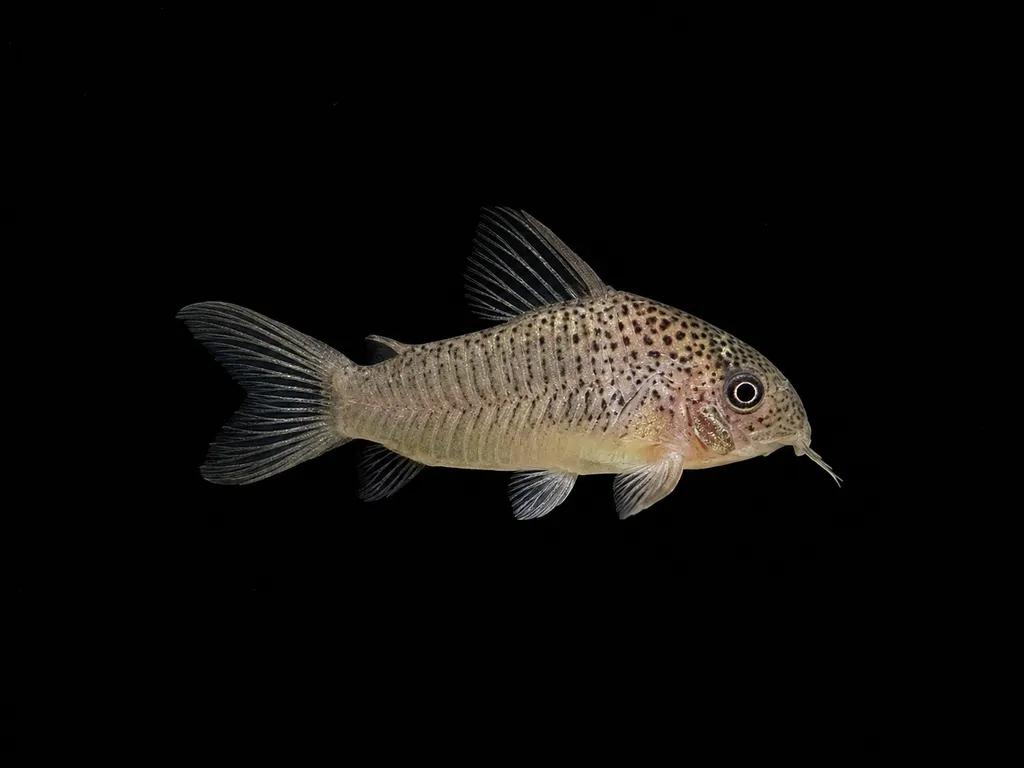
Poecilus shield skin
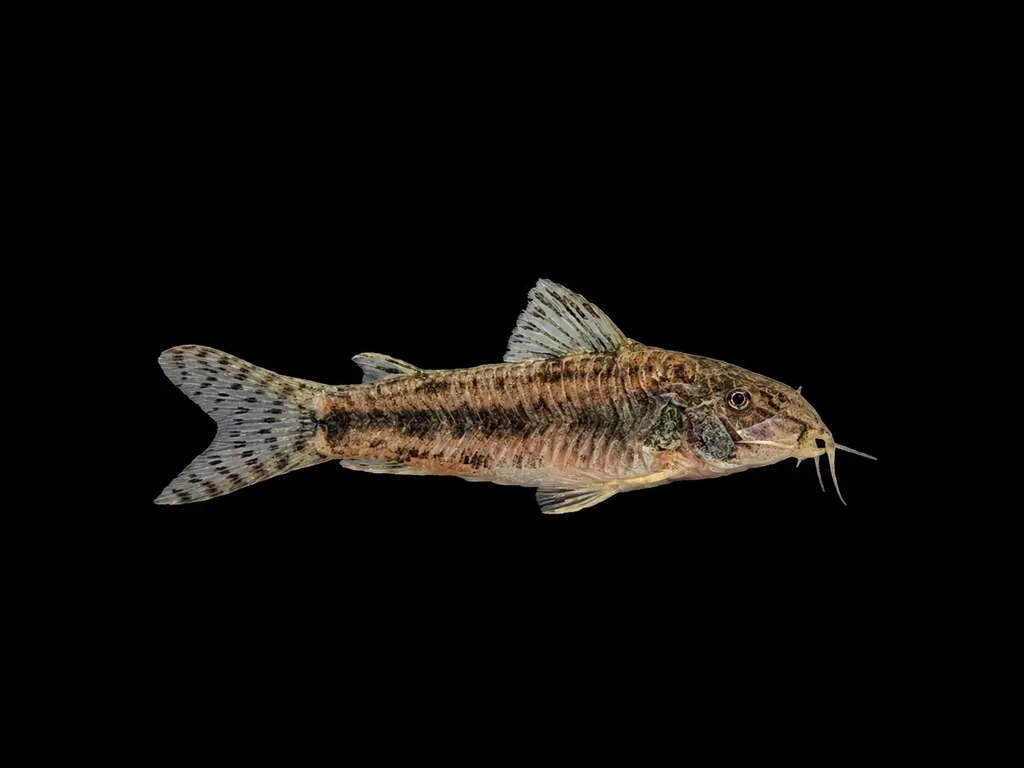
Aspidoras poecilus
Also known as Aspidoras cory, Poecilus cory
FreshwaterFish
Care at a glance
- Temperature
- 72–79°F
- 22–26°C
- pH
- 6.0–7.5
- Adult size
- 1.6 in
- 4 cm
- Minimum tank
- 14 gal
- 54 L
- Temperament
- Peaceful
- Social behavior
- Shoaling
- Swim level
- Bottom
- Difficulty
- Medium
- Breeding
- Egg depositor · Medium
- Rarity
- Rare
- Family
- Callichthyidae
- Origin
- Upper Xingu, Araguaia and Tocantins basins, Brazil
Overview
The Poecilus shield skin is a tiny, active catfish, very like a cory but a touch smaller and busier. It forages constantly over the bottom in a group, and it suits a keeper with a little experience.
Did you know
The genus name Aspidoras means shield skin. It refers to the two rows of overlapping bony plates that armor the flanks of these little catfish in place of ordinary scales.
Caring for the Poecilus shield skin
Keep Poecilus shield skins in a shoal of at least six, since they gain confidence from numbers. They are small enough for a tank of at least 14 gal (54 L). Fine, soft sand is essential, so they can sift the bottom without damaging their barbels.
Give them driftwood, leaf litter, gentle plants and shade for cover. Keep the water at 72 to 79°F (22 to 26°C), with a slightly acidic to neutral pH of 6.0 to 7.5. Clean, steady, well-filtered water keeps this small, sensitive fish healthy.
Offer small sinking foods, crushed wafers and fine frozen foods. Choose a feeding spot where the food reaches the bottom, so they can find it.
Poecilus shield skins are entirely peaceful and belong in a calm community of small, gentle fish. They breed like their cory cousins, with the same cupped-fin, egg-sticking pattern. Breeding them is of moderate difficulty.
Good to know
Aspidoras poecilus is a shield-skin catfish in the family Callichthyidae, closely related to the corydoras but placed in its own genus. It is set apart by details of the skull. These include a divided opening in the bony plating on top of the head, where a cory has a single one.
In the wild
The Poecilus shield skin comes from clearwater rivers of central Brazil, in the upper Xingu, Araguaia and Tocantins basins. It lives in shoals over sand and fine gravel, in gently flowing, warm water.
Weekly picks
Tank mates
The Poecilus shield skin is a peaceful, shoaling species that keeps to the bottom. These picks share a community profile with it, are safe together in both directions, and overlap on water type, temperature and pH.
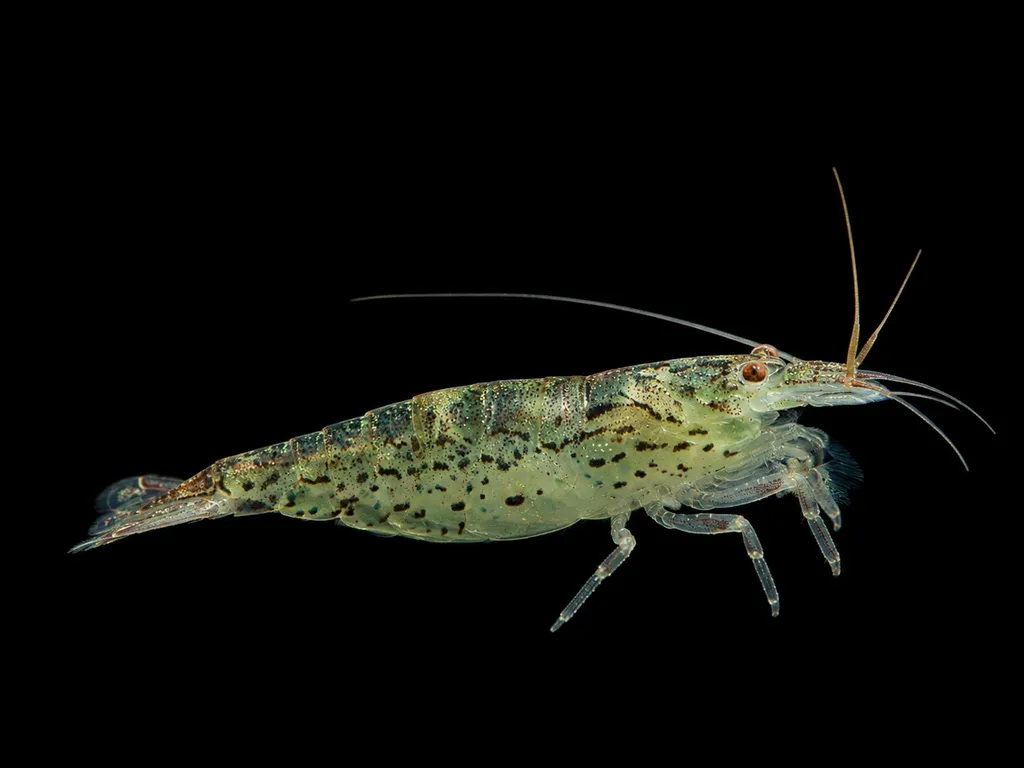
Green lace shrimp
Atyoida pilipes
Freshwater2.8 in (7 cm) · 14 gal (54 L)73–82°F (23–28°C)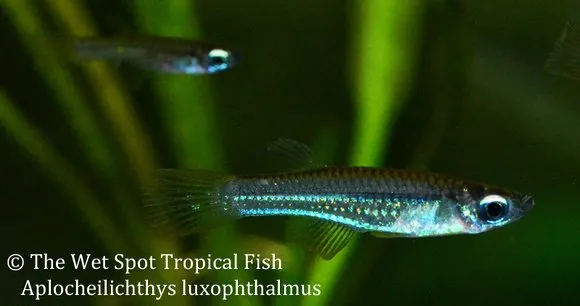
Filamentous lampeye
Poropanchax luxophthalmus
Freshwater1.6 in (4 cm) · 14 gal (54 L)72–79°F (22–26°C)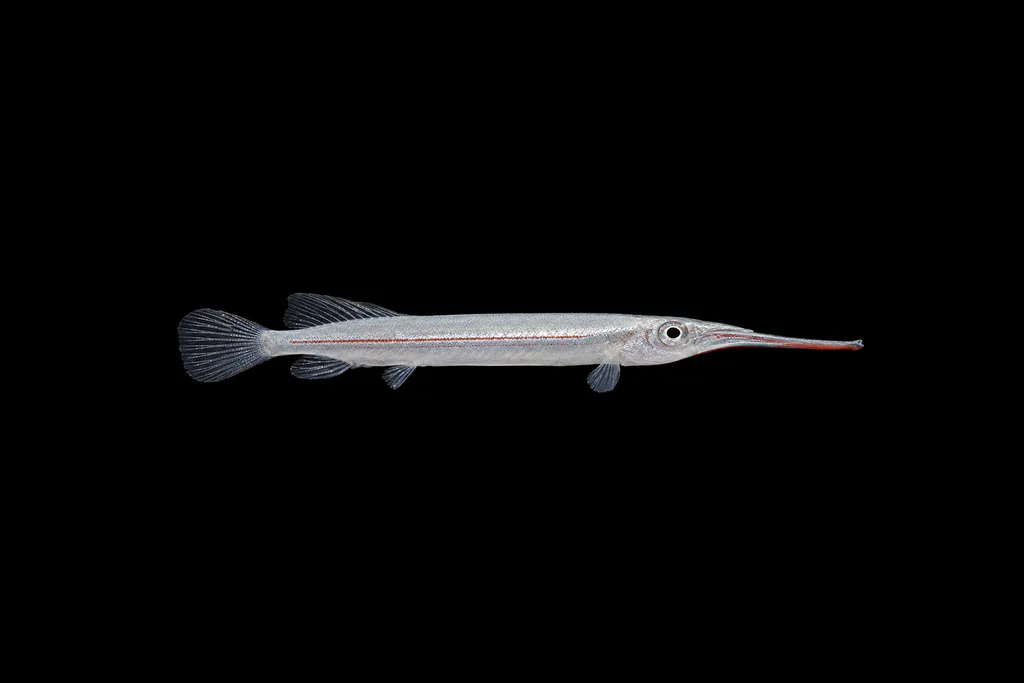
Fire halfbeak
Hemirhamphodon kapuasensis
Freshwater2.4 in (6 cm) · 14 gal (54 L)73–81°F (23–27°C)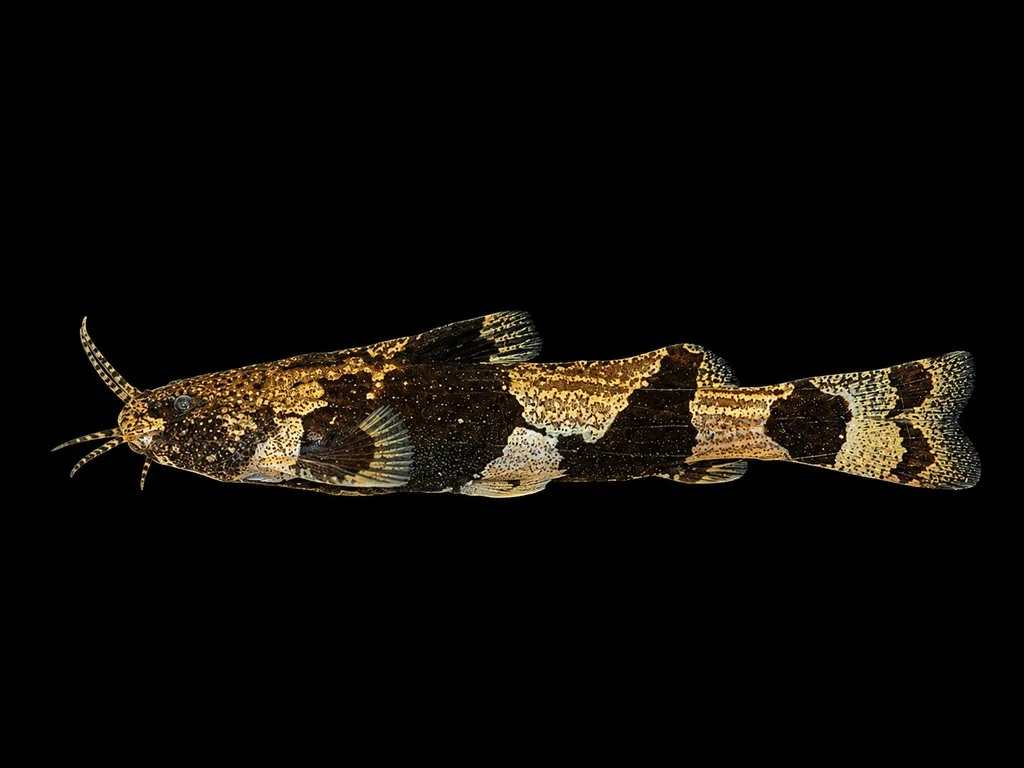
Burmese marble bee catfish
Akysis prashadi
Freshwater2.8 in (7 cm) · 14 gal (54 L)72–79°F (22–26°C)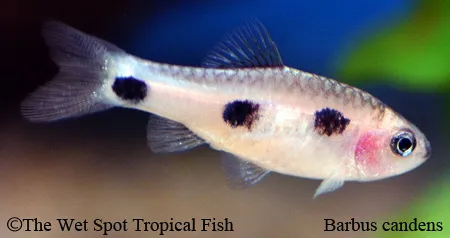
Glowing ember barb
Enteromius candens
Freshwater1.6 in (4 cm) · 14 gal (54 L)72–81°F (22–27°C)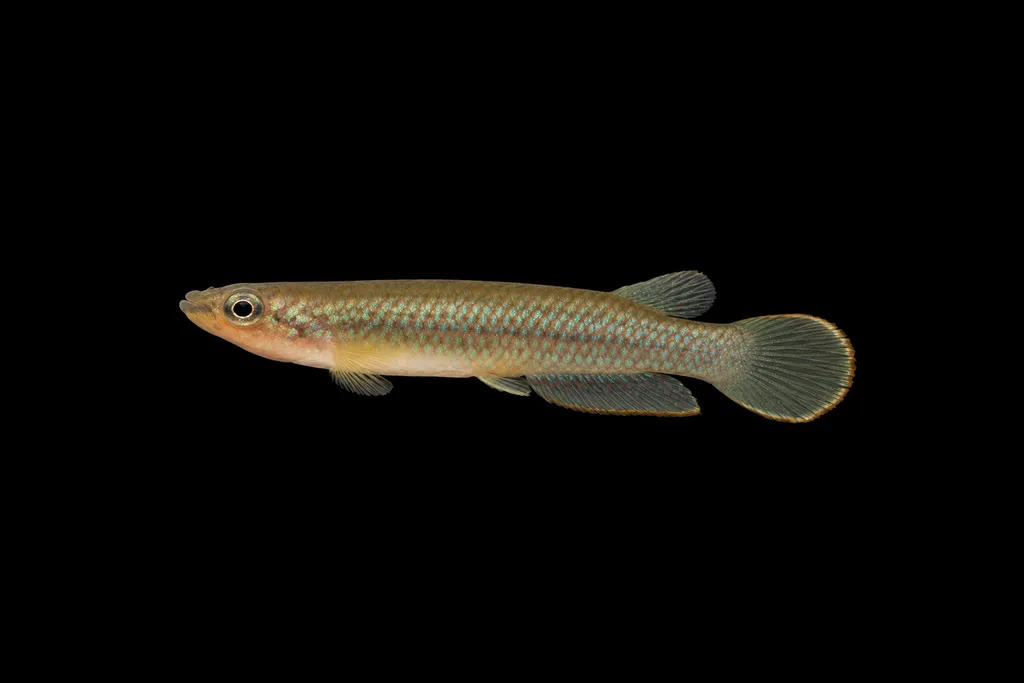
Guinean panchax
Epiplatys guineensis
Freshwater2.8 in (7 cm) · 14 gal (54 L)68–77°F (20–25°C)
Common questions
What size tank does a Poecilus shield skin need?
A Poecilus shield skin needs at least 14 gal (54 L). It spends most of its time in the bottom.
What temperature and pH does a Poecilus shield skin need?
A Poecilus shield skin is comfortable at 72–79°F (22–26°C) with a pH of 6.0–7.5.
What does a Poecilus shield skin eat?
A Poecilus shield skin eats small sinking foods, crushed wafers and fine frozen foods. Feed it where the food reaches the bottom, so it can find it.
How big does a Poecilus shield skin get?
An adult Poecilus shield skin reaches about 1.6 in (4 cm).
Does a Poecilus shield skin need a group?
Yes. A Poecilus shield skin is a shoaling species and should be kept in a group, not singly.
How does a Poecilus shield skin breed?
Poecilus shield skins breed like their cory cousins, with the same cupped-fin, egg-sticking pattern. Breeding them is of moderate difficulty.
Related species
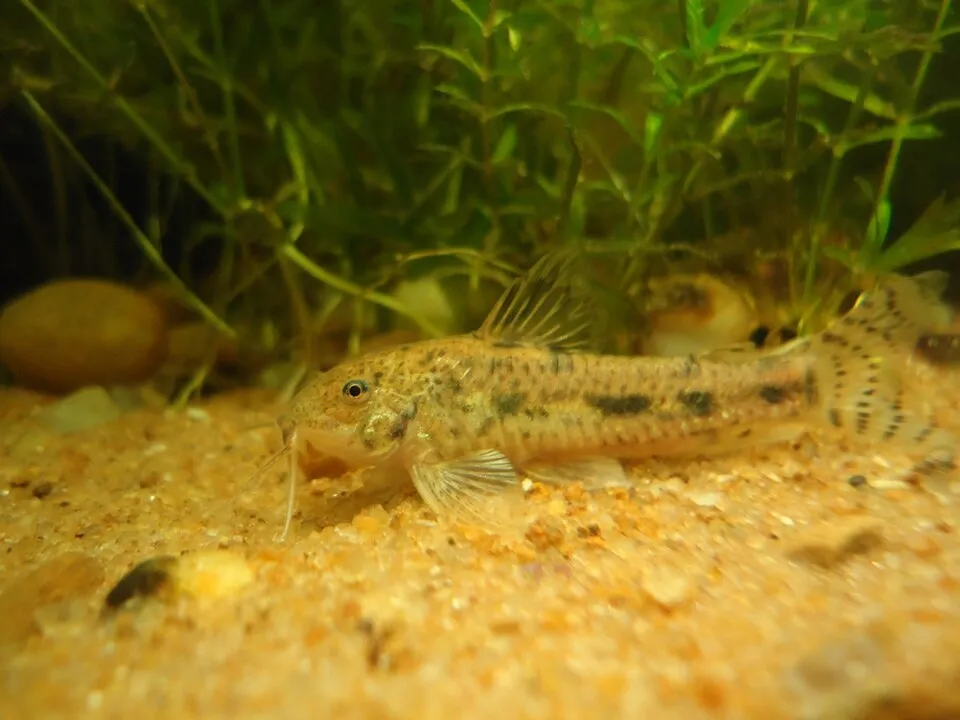
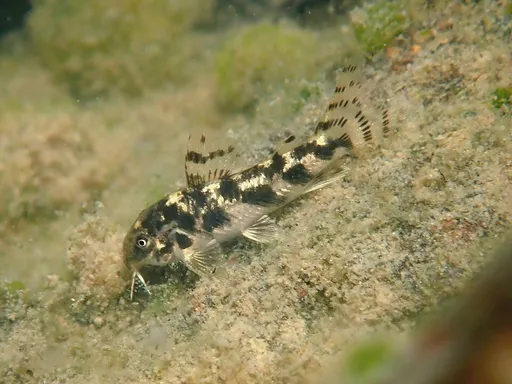 1.6 in (4 cm)16 gal (60 L)72–77°F (22–25°C)
Albater cory
Aspidoras albater
1.6 in (4 cm) · 16 gal (60 L)
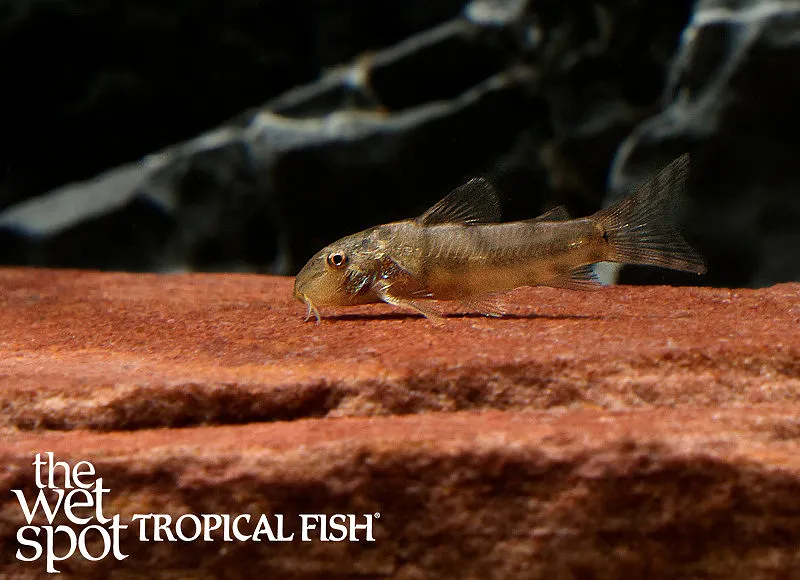
 1.5 in (3.8 cm)13 gal (50 L)72–77°F (22–25°C)
Brown-point shield skin
Aspidoras fuscoguttatus
1.5 in (3.8 cm) · 13 gal (50 L)
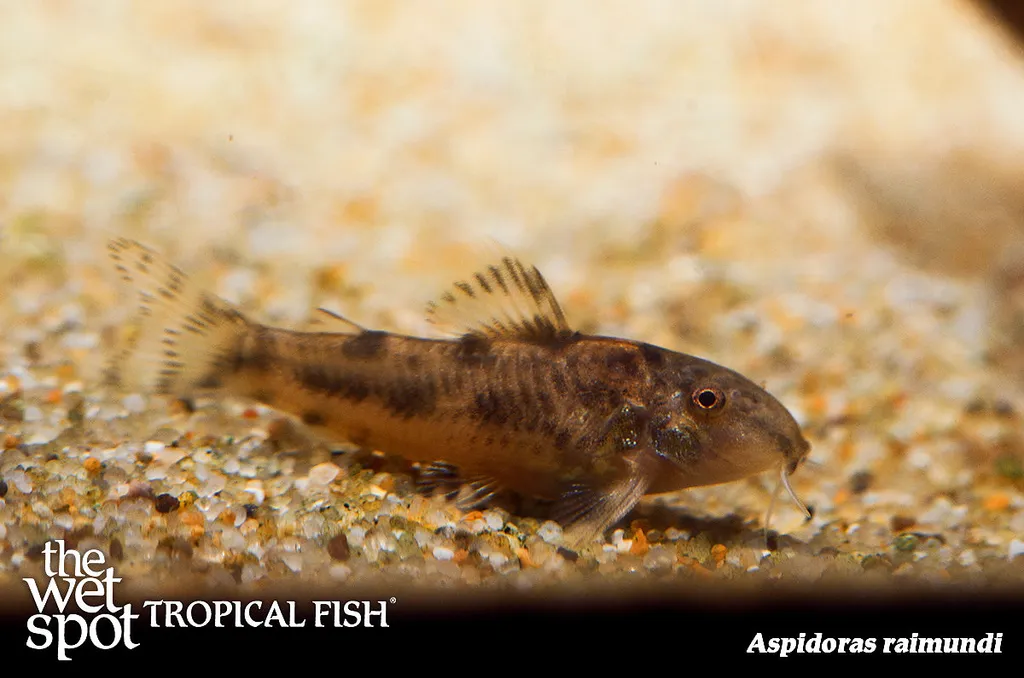
 1.7 in (4.4 cm)15 gal (55 L)70–77°F (21–25°C)
Loach catfish
Aspidoras rochai
1.7 in (4.4 cm) · 15 gal (55 L)
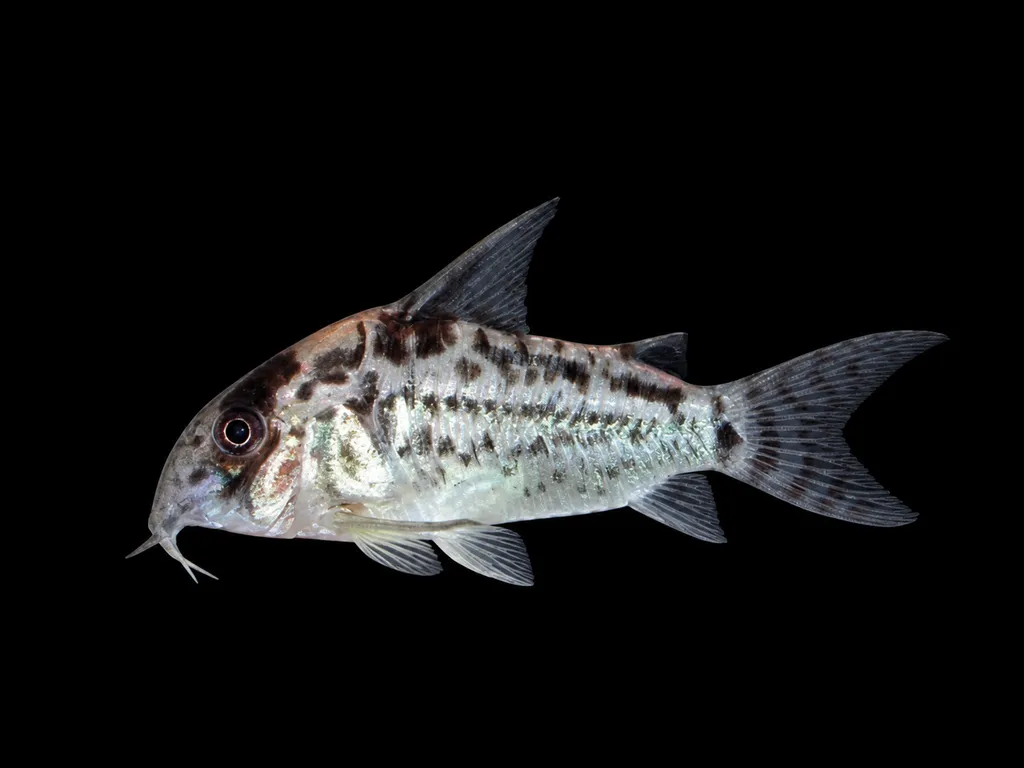
 1.8 in (4.5 cm)15 gal (55 L)68–77°F (20–25°C)
Aspidoras cory-cat
Aspidoras raimundi
1.8 in (4.5 cm) · 15 gal (55 L)
 1.6 in (4 cm)15 gal (55 L)72–79°F (22–26°C)
Evelyn's cory
Hoplisoma evelynae
1.6 in (4 cm) · 15 gal (55 L)
 1.6 in (4 cm)15 gal (55 L)72–81°F (22–27°C)
Many-spotted cory
Hoplisoma polystictum
1.6 in (4 cm) · 15 gal (55 L)