Aspidoras cory-cat
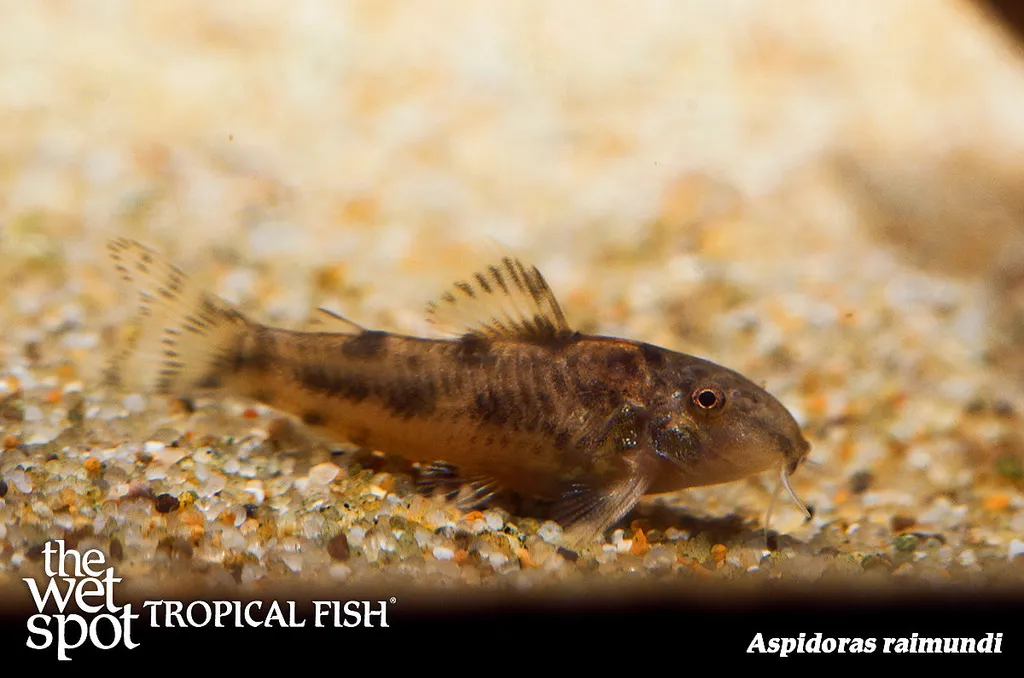
Aspidoras raimundi
FreshwaterFish
Care at a glance
- Temperature
- 68–77°F
- 20–25°C
- pH
- 6.0–7.5
- Adult size
- 1.8 in
- 4.5 cm
- Minimum tank
- 15 gal
- 55 L
- Temperament
- Peaceful
- Social behavior
- Shoaling
- Swim level
- Bottom
- Difficulty
- Medium
- Breeding
- No record
- Rarity
- Very rare
- Family
- Callichthyidae
- Origin
- Brazil
Overview
The Aspidoras cory-cat is a small, shy shoaling catfish for the bottom of a calm community tank. It does best with a keeper who has a little experience.
Caring for the Aspidoras cory-cat
Keep Aspidoras cory-cats in a group of at least six, and more if you can, since single fish hide away and lose condition. A tank of at least 15 gal (55 L) suits a starter group. Give them a soft sand bed, some driftwood, dried leaves and shady planted cover.
Keep the water soft and slightly acidic, at 68 to 77°F (20 to 25°C) and a pH of 6.0 to 7.5. Gentle flow and clean, well oxygenated water keep this sensitive fish settled.
They sift fine sand with their barbels for scraps of food. Feed sinking pellets, crushed wafers and frozen foods such as bloodworm or daphnia, and make sure enough reaches the substrate. They are gentle, so keep them only with small, calm community fish that will not compete for food at the floor.
Captive spawning is not well documented for this species. Aspidoras generally lay sticky eggs, which the female carries briefly in a pouch formed by her pelvic fins. She then attaches them to firm surfaces.
Good to know
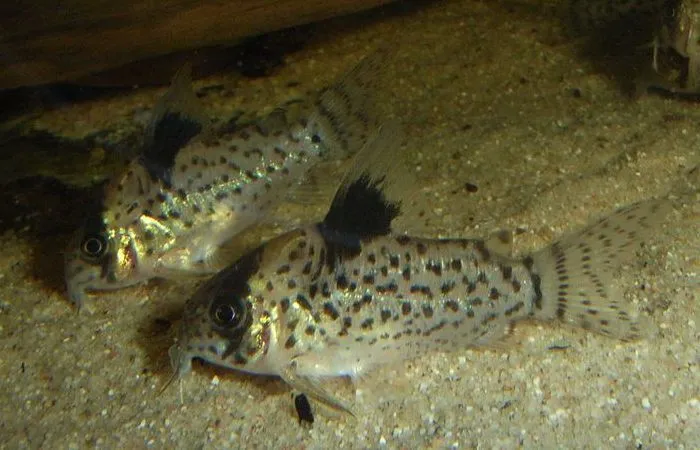
The Aspidoras cory-cat, Aspidoras raimundi, is a member of the armored catfish family Callichthyidae. It belongs to Aspidoras rather than Corydoras. It wears rows of fine dark speckling over a pale body. Like its relatives, it carries two rows of bony plates along each flank instead of scales.
In the wild
The Aspidoras cory-cat comes from clear, shallow coastal streams in Ceara, in northeastern Brazil. It lives there over sand and leaf litter.
Weekly picks
Tank mates
The Aspidoras cory-cat is a peaceful, shoaling species that keeps to the bottom. These picks share a community profile with it, are safe together in both directions, and overlap on water type, temperature and pH.
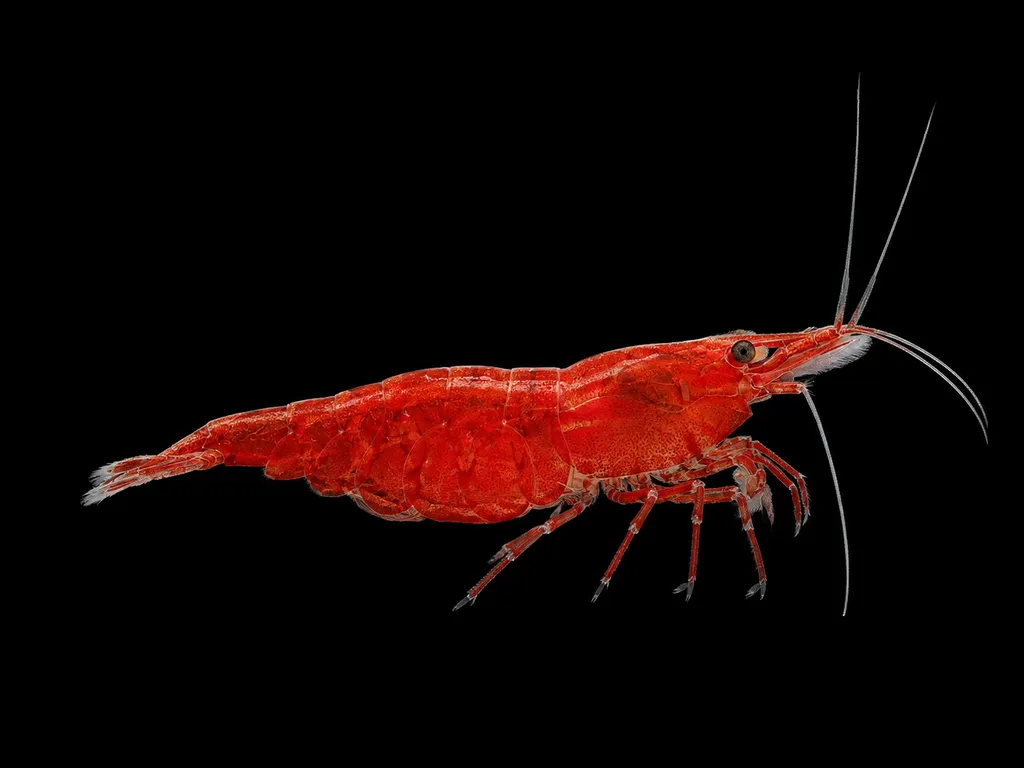
Neocaridina shrimp
Neocaridina davidi
Freshwater1.6 in (4 cm) · 5 gal (19 L)59–84°F (15–29°C)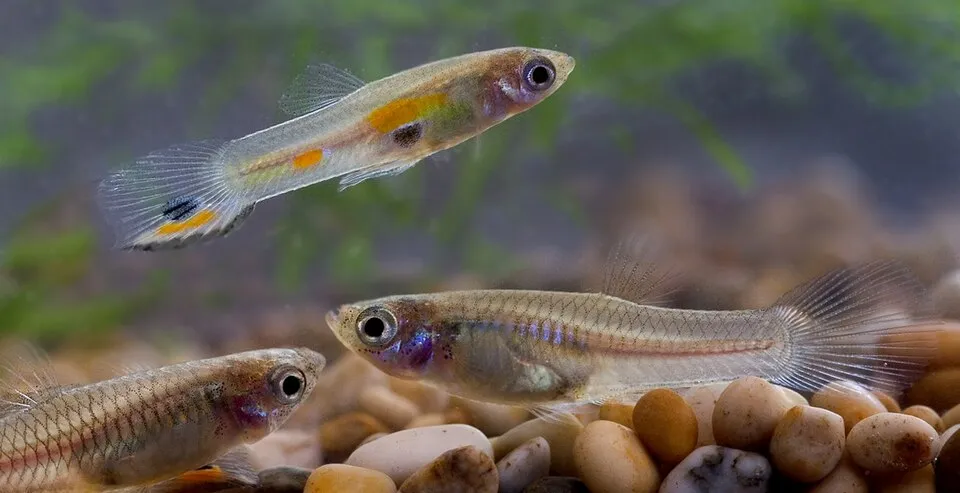
Guppy
Poecilia reticulata
FreshwaterBrackish2.4 in (6 cm) · 10 gal (38 L)64–82°F (18–28°C)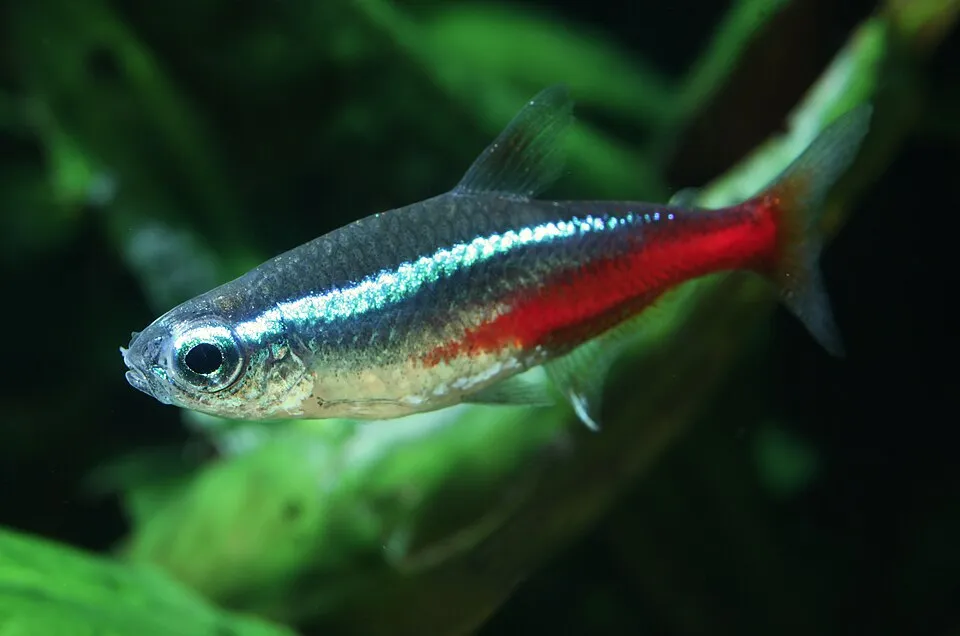
Neon tetra
Paracheirodon innesi
Freshwater1.5 in (3.8 cm) · 11 gal (40 L)70–77°F (21–25°C)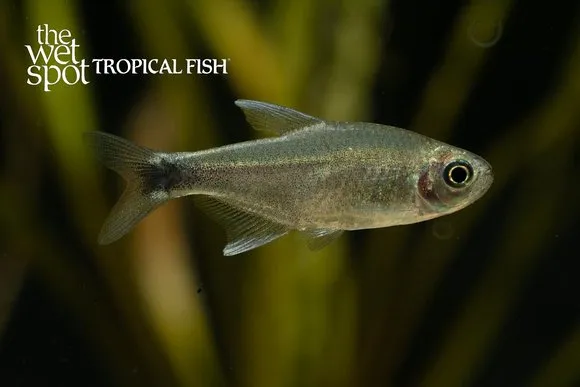
Negodagua tetra
Hyphessobrycon negodagua
Freshwater1.3 in (3.4 cm) · 15 gal (55 L)68–79°F (20–26°C)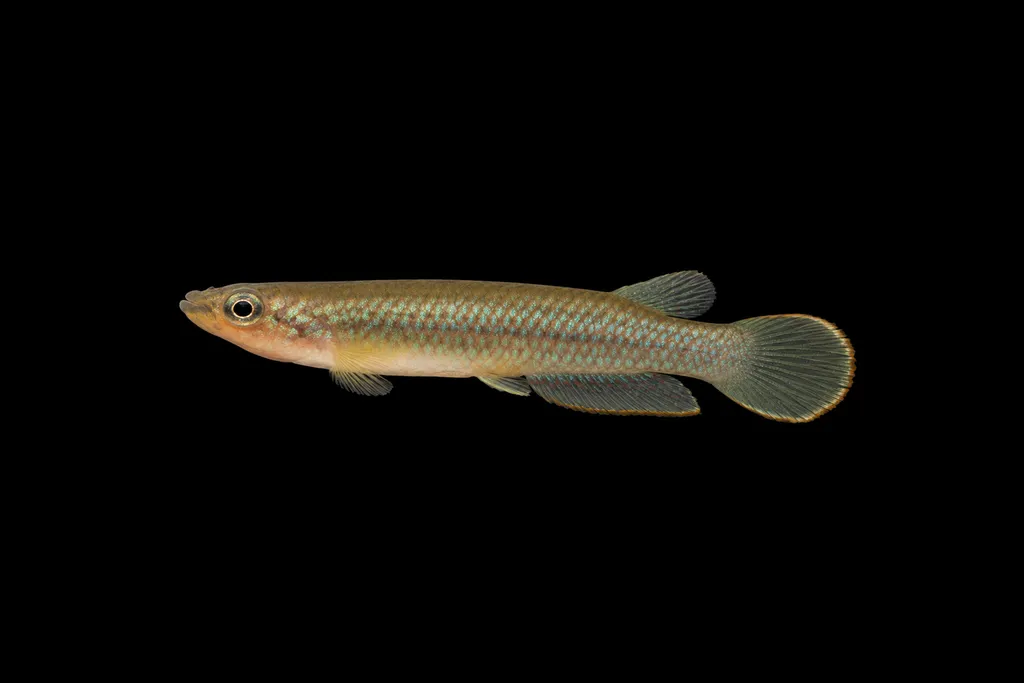
Guinean panchax
Epiplatys guineensis
Freshwater2.8 in (7 cm) · 14 gal (54 L)68–77°F (20–25°C)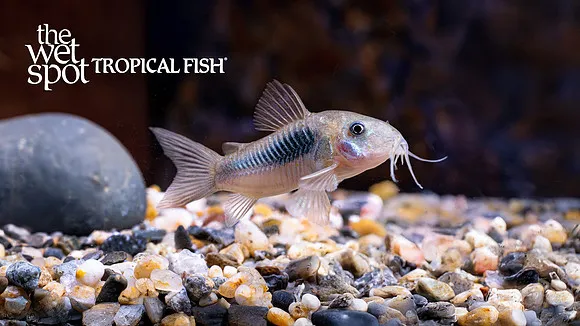
Blackstripe cory
Hoplisoma bondi
Freshwater2 in (5 cm) · 15 gal (55 L)70–79°F (21–26°C)
Common questions
What size tank does an Aspidoras cory-cat need?
An Aspidoras cory-cat needs at least 15 gal (55 L). It spends most of its time in the bottom.
What temperature and pH does an Aspidoras cory-cat need?
An Aspidoras cory-cat is comfortable at 68–77°F (20–25°C) with a pH of 6.0–7.5.
What does an Aspidoras cory-cat eat?
An Aspidoras cory-cat eats sinking pellets, crushed wafers and frozen foods such as bloodworm or daphnia. It sifts the sand with its barbels, so make sure enough food reaches the bottom.
How big does an Aspidoras cory-cat get?
An adult Aspidoras cory-cat reaches about 1.8 in (4.5 cm).
Does an Aspidoras cory-cat need a group?
Yes. An Aspidoras cory-cat is a shoaling species and should be kept in a group, not singly.
How does an Aspidoras cory-cat breed?
The Aspidoras cory-cat's captive spawning is not well documented. Aspidoras generally lay sticky eggs, which the female carries briefly in a pelvic fin pouch before attaching them to firm surfaces.
Related species
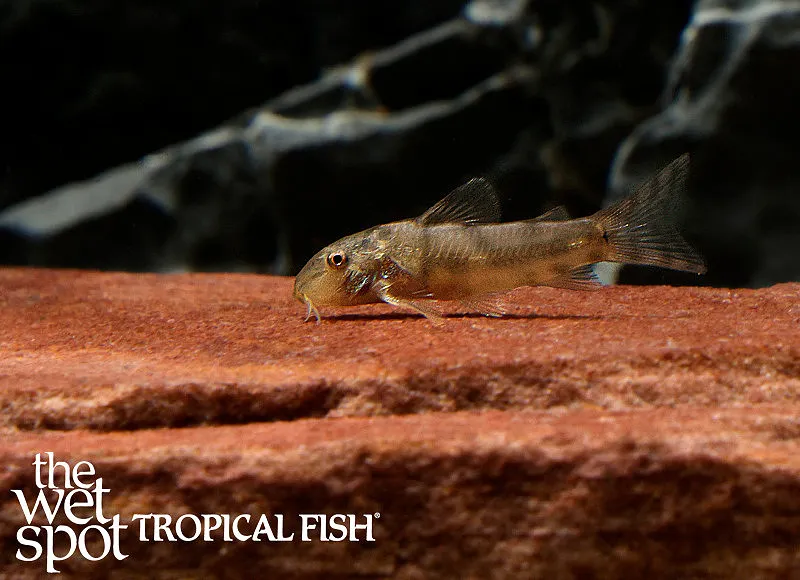 1.7 in (4.4 cm)15 gal (55 L)70–77°F (21–25°C)
Loach catfish
Aspidoras rochai
1.7 in (4.4 cm) · 15 gal (55 L)
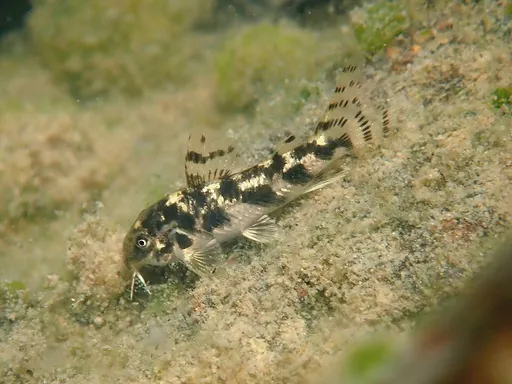 1.6 in (4 cm)16 gal (60 L)72–77°F (22–25°C)
Albater cory
Aspidoras albater
1.6 in (4 cm) · 16 gal (60 L)
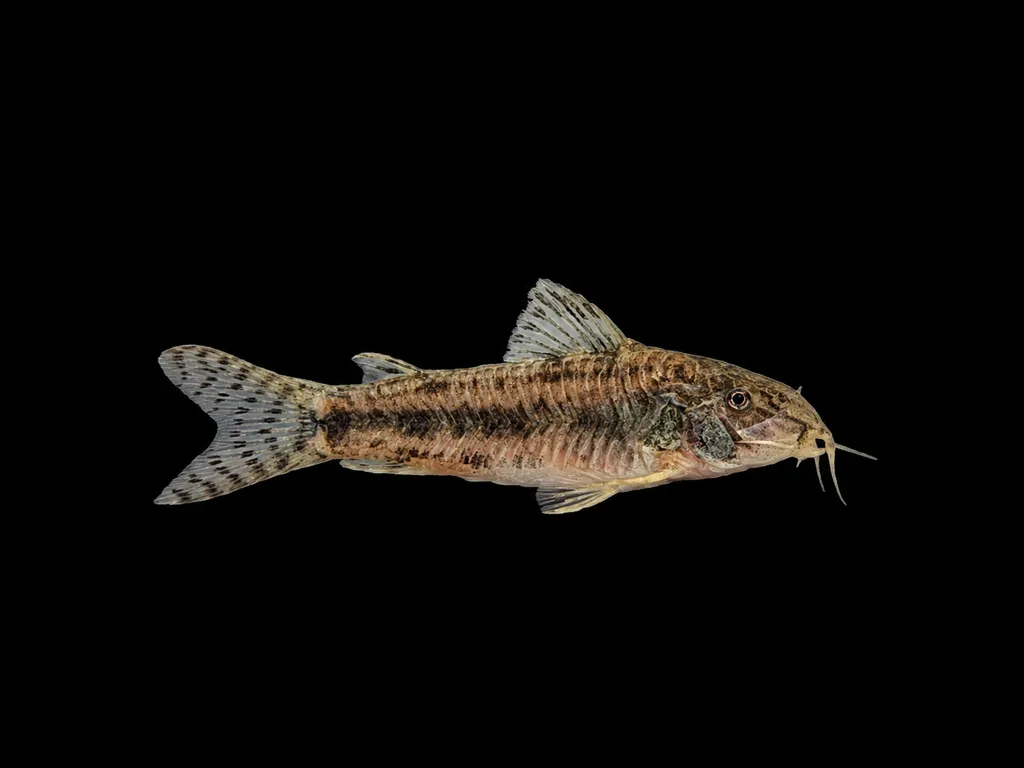 1.6 in (4 cm)14 gal (54 L)72–79°F (22–26°C)
Poecilus shield skin
Aspidoras poecilus
1.6 in (4 cm) · 14 gal (54 L)
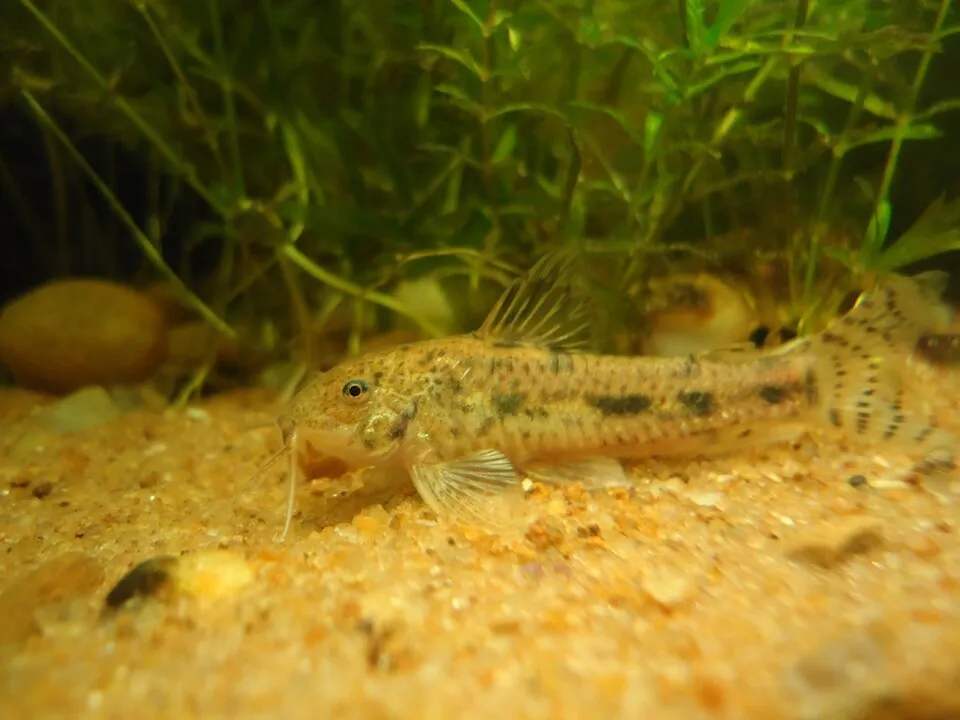 1.5 in (3.8 cm)13 gal (50 L)72–77°F (22–25°C)
Brown-point shield skin
Aspidoras fuscoguttatus
1.5 in (3.8 cm) · 13 gal (50 L)
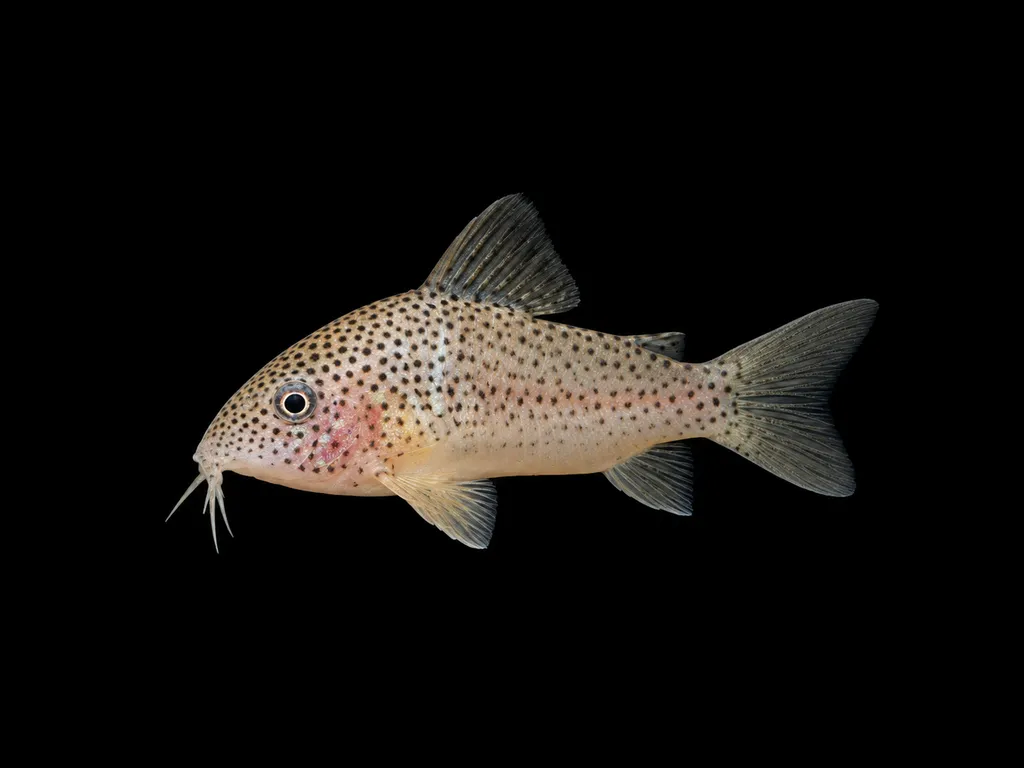 1.8 in (4.5 cm)15 gal (55 L)75–82°F (24–28°C)
Apiaka cory
Hoplisoma apiaka
1.8 in (4.5 cm) · 15 gal (55 L)
 1.8 in (4.5 cm)16 gal (60 L)73–79°F (23–26°C)
Blackfin cory
Hoplisoma leucomelas
1.8 in (4.5 cm) · 16 gal (60 L)