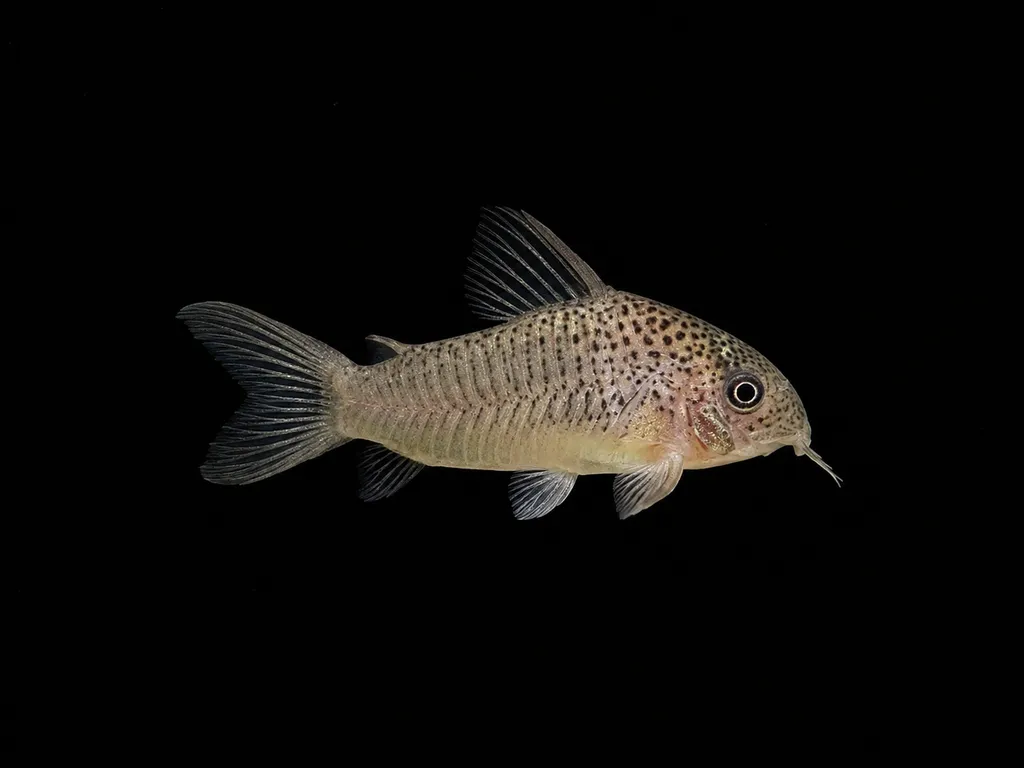
Many-spotted cory
Hoplisoma polystictum
Also known as Corydoras polystictus, Polystictus cory
FreshwaterFish
Care at a glance
- Temperature
- 72–81°F
- 22–27°C
- pH
- 6.0–7.5
- Adult size
- 1.6 in
- 4 cm
- Minimum tank
- 15 gal
- 55 L
- Temperament
- Peaceful
- Social behavior
- Shoaling
- Swim level
- Bottom
- Difficulty
- Medium
- Breeding
- Medium
- Rarity
- Rare
- Family
- Callichthyidae
- Origin
- Upper Rio Paraguay basin, Mato Grosso, Brazil and Bolivia
Overview
The many-spotted cory is one of the small classics of the southern cory fauna. It is a peaceful shoaler for the bottom of a community tank, best with a little experience.
Did you know
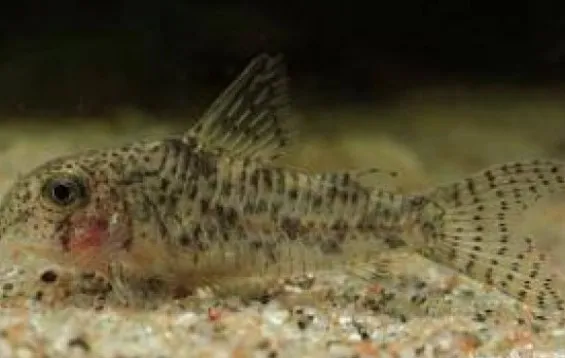
The many-spotted cory packs more spots per centimeter than nearly any cory, on one of the smallest bodies in the family.
Caring for the many-spotted cory
Keep a shoal of six or more many-spotted corys in a tank of at least 15 gal (55 L). Give them fine sand with some plant thickets, and the group shows constant, busy foraging.
Keep the water at 72 to 81°F (22 to 27°C) and a pH of 6.0 to 7.5. They handle mild seasonal cooling and tolerate room-temperature dips better than Amazon species. That makes them a candidate for lightly heated setups.
Feed fine sinking granules and small frozen foods, which suit their mouth size. Many-spotted corys are peaceful and safe with other community fish. They breed in captivity along standard lines, and breeding them is moderately difficult.
Good to know
Regan described the many-spotted cory in 1912, and the 2024 revision lists it as Hoplisoma polystictum. Its name means many-spotted, for the fine spray of dark dots over its head and body.
In the wild
The many-spotted cory comes from the upper Rio Paraguay basin, in Mato Grosso, Brazil, and in Bolivia. It lives around the fringes of the Pantanal, in clear pools and vegetated stream margins over sand.
Weekly picks
Tank mates
The many-spotted cory is a peaceful, shoaling species that keeps to the bottom. These picks share a community profile with it, are safe together in both directions, and overlap on water type, temperature and pH.
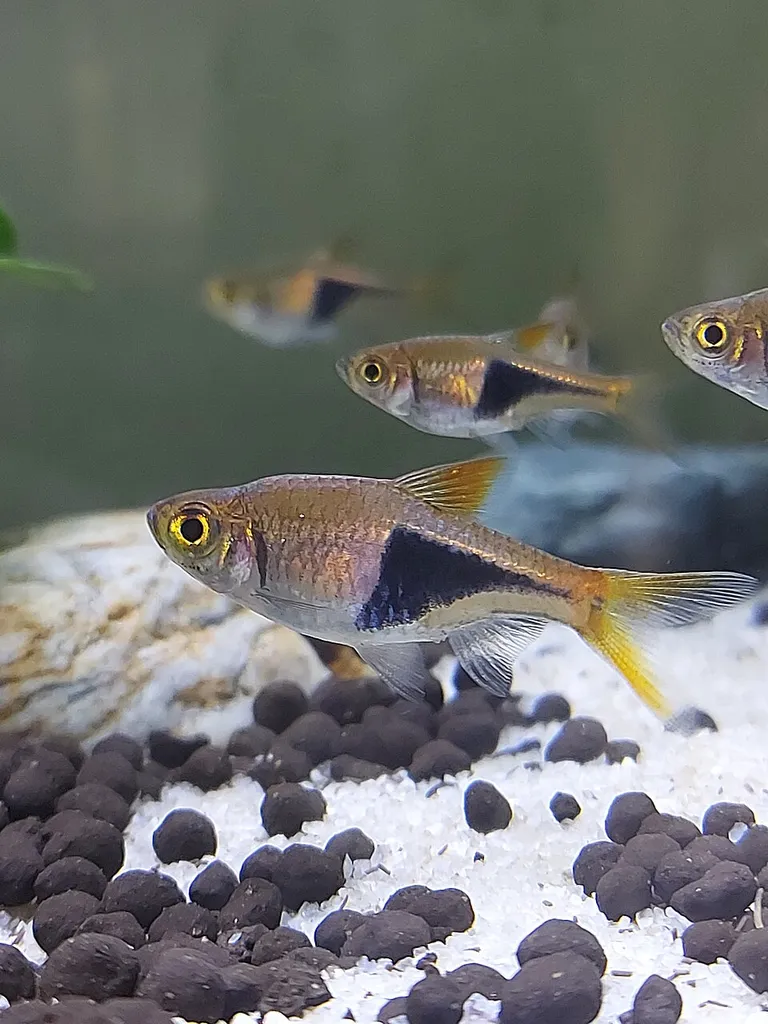
Harlequin rasbora
Trigonostigma heteromorpha
Freshwater2 in (5 cm) · 15 gal (55 L)72–82°F (22–28°C)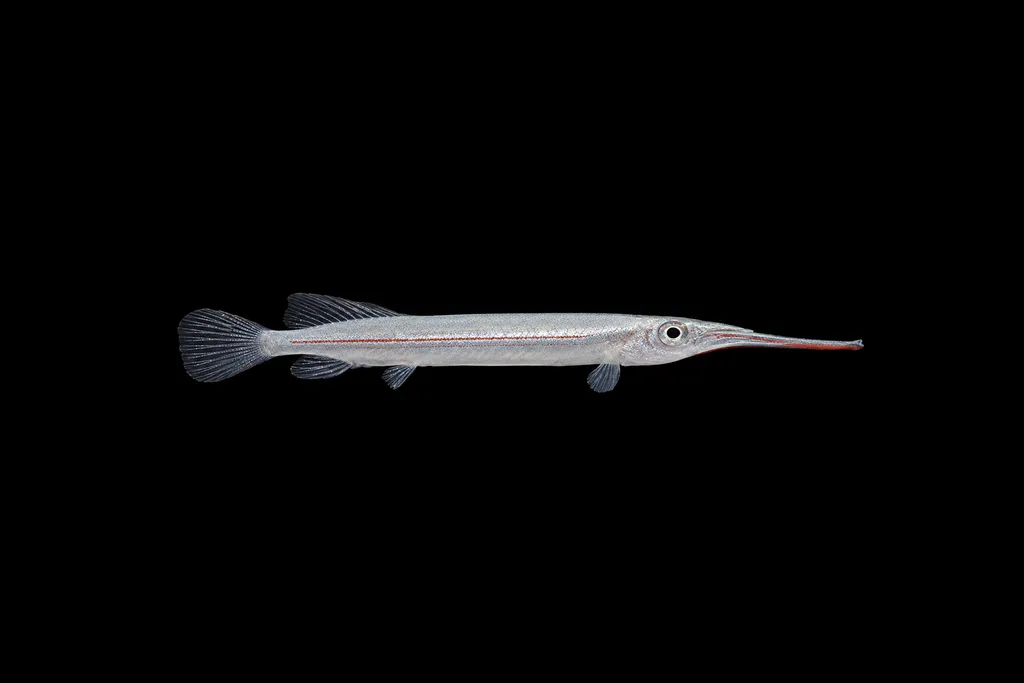
Fire halfbeak
Hemirhamphodon kapuasensis
Freshwater2.4 in (6 cm) · 14 gal (54 L)73–81°F (23–27°C)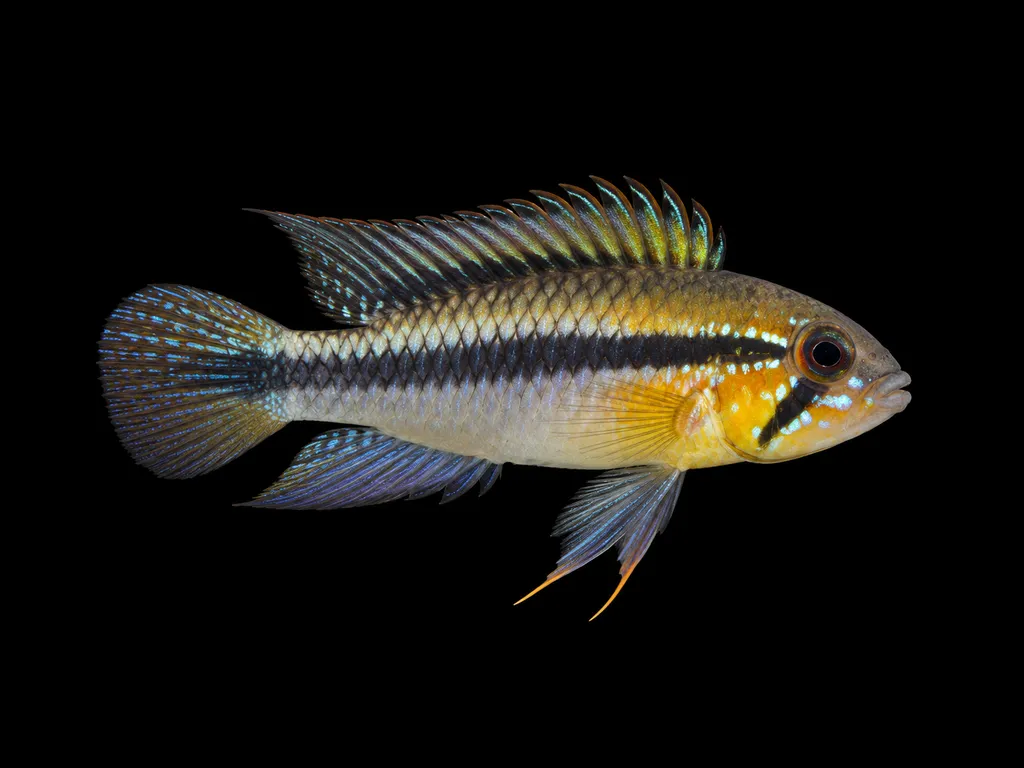
Bridge dwarf cichlid
Apistogramma gephyra
Freshwater1.8 in (4.5 cm) · 15 gal (55 L)77–84°F (25–29°C)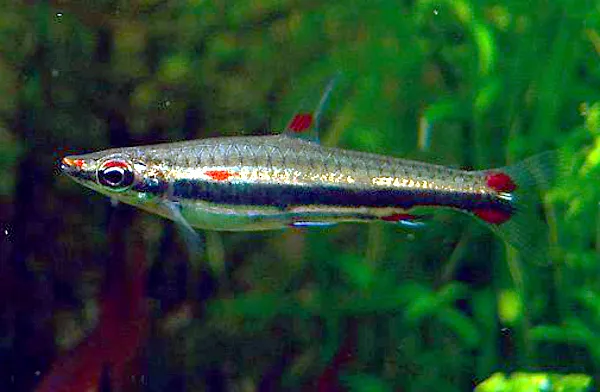
Three-lined pencilfish
Nannostomus trifasciatus
Freshwater1.3 in (3.3 cm) · 15 gal (55 L)72–82°F (22–28°C)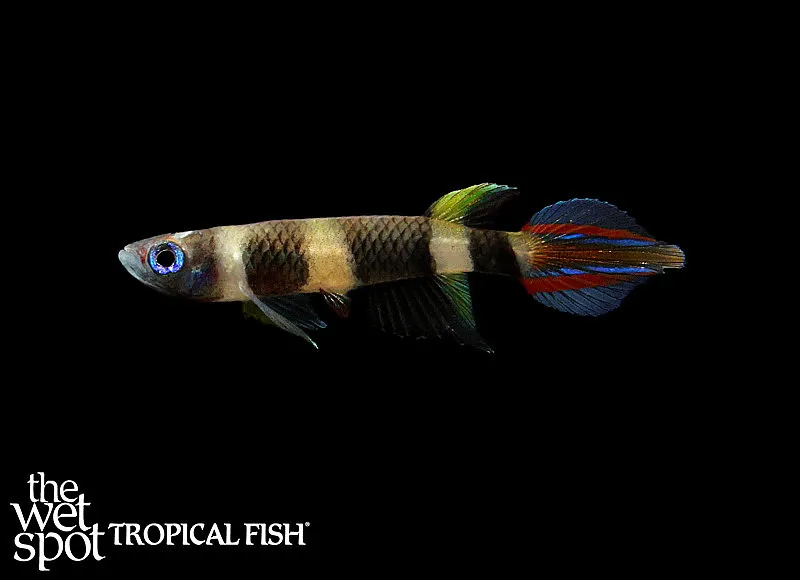
Clown killifish
Epiplatys annulatus
Freshwater1.4 in (3.5 cm) · 15 gal (55 L)68–79°F (20–26°C)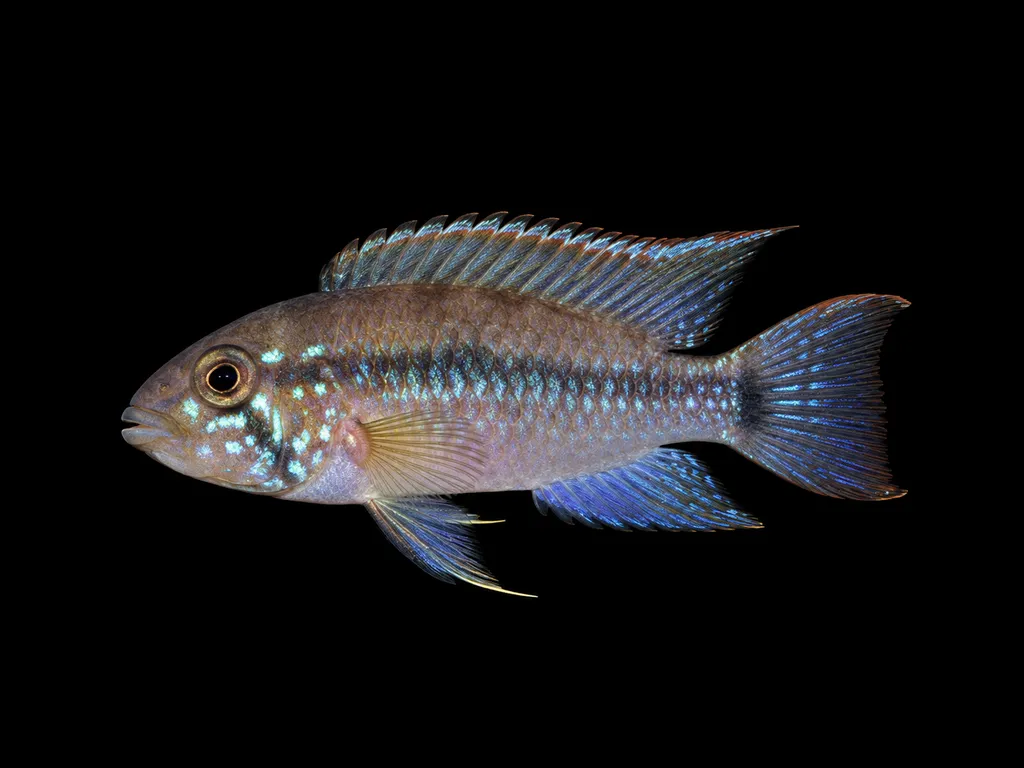
Martin's dwarf cichlid
Apistogramma martini
Freshwater1.6 in (4 cm) · 15 gal (55 L)73–81°F (23–27°C)
Common questions
What size tank does a many-spotted cory need?
A many-spotted cory needs at least 15 gal (55 L). It spends most of its time in the bottom.
What temperature and pH does a many-spotted cory need?
A many-spotted cory is comfortable at 72–81°F (22–27°C) with a pH of 6.0–7.5.
What does a many-spotted cory eat?
A many-spotted cory eats fine sinking granules and small frozen foods, which suit its mouth size.
How big does a many-spotted cory get?
An adult many-spotted cory reaches about 1.6 in (4 cm).
Does a many-spotted cory need a group?
Yes. A many-spotted cory is a shoaling species and should be kept in a group, not singly.
How does a many-spotted cory breed?
Many-spotted corys breed in captivity along standard cory lines. Breeding them is moderately difficult.
Related species
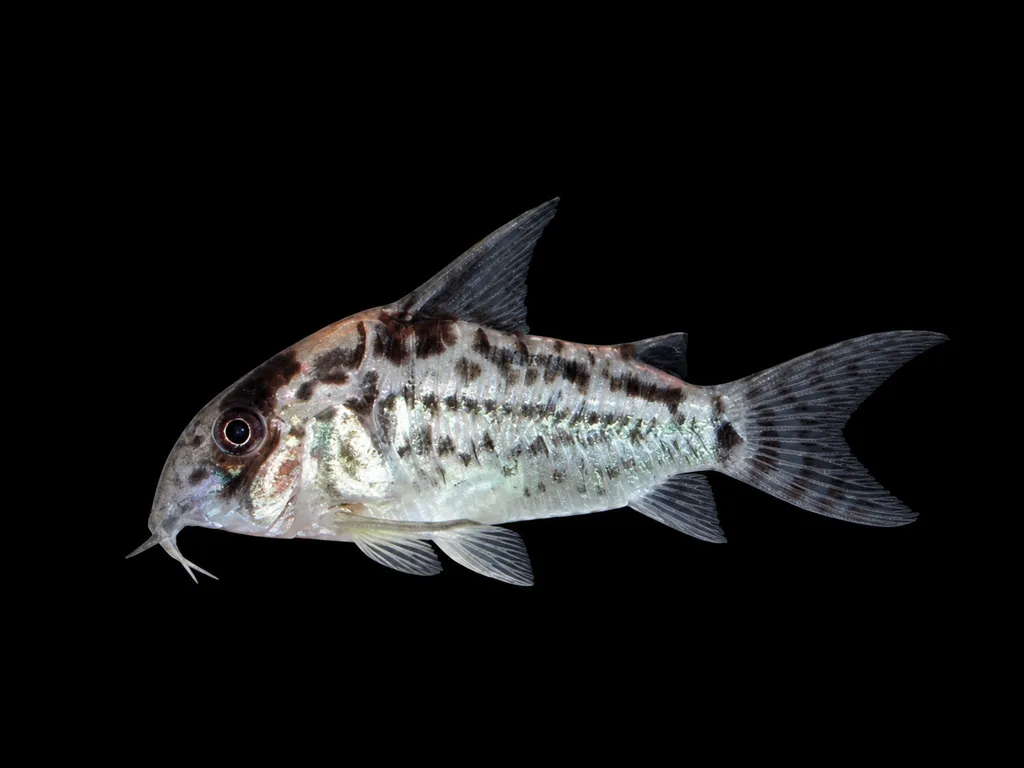 1.6 in (4 cm)15 gal (55 L)72–79°F (22–26°C)
Evelyn's cory
Hoplisoma evelynae
1.6 in (4 cm) · 15 gal (55 L)
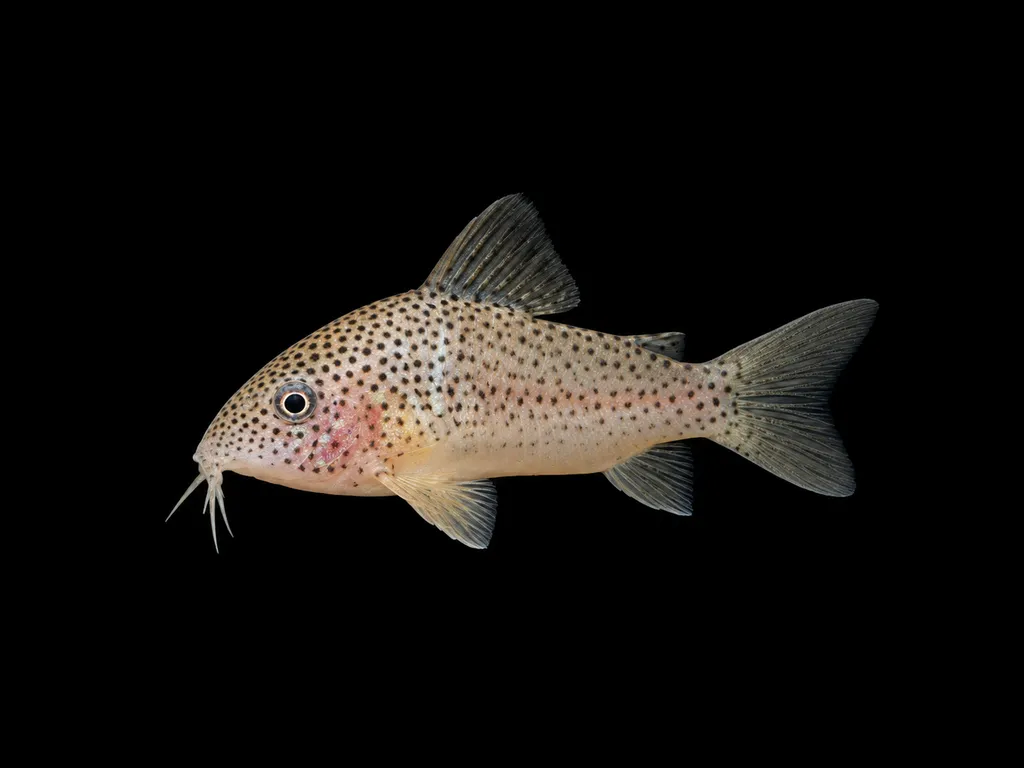 1.8 in (4.5 cm)15 gal (55 L)75–82°F (24–28°C)
Apiaka cory
Hoplisoma apiaka
1.8 in (4.5 cm) · 15 gal (55 L)
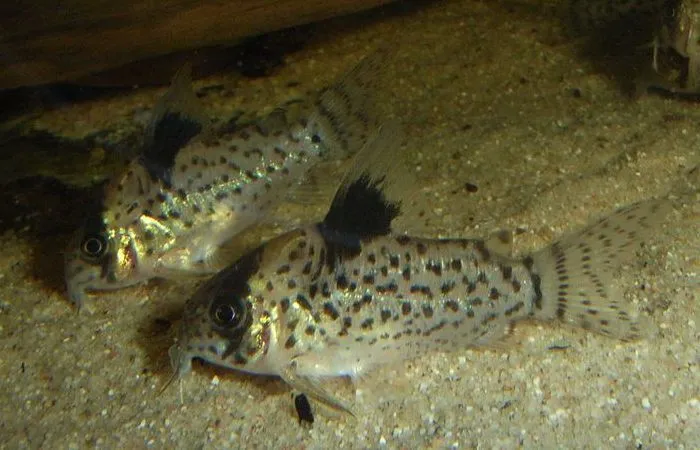 1.8 in (4.5 cm)16 gal (60 L)73–79°F (23–26°C)
Blackfin cory
Hoplisoma leucomelas
1.8 in (4.5 cm) · 16 gal (60 L)
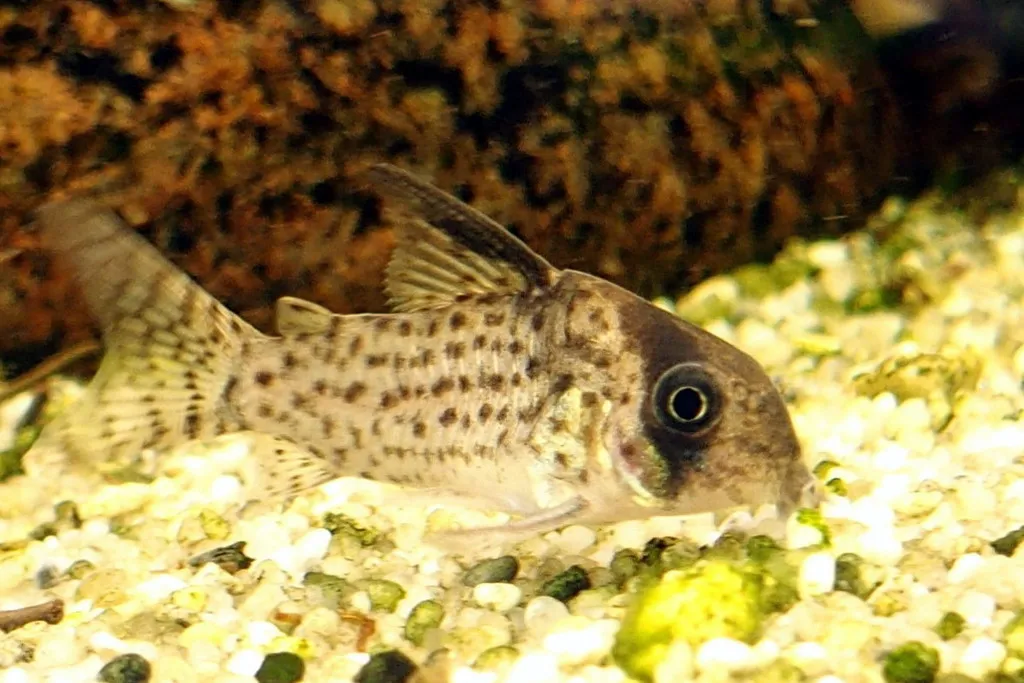 1.8 in (4.5 cm)15 gal (55 L)75–82°F (24–28°C)
Kane's cory
Hoplisoma kanei
1.8 in (4.5 cm) · 15 gal (55 L)
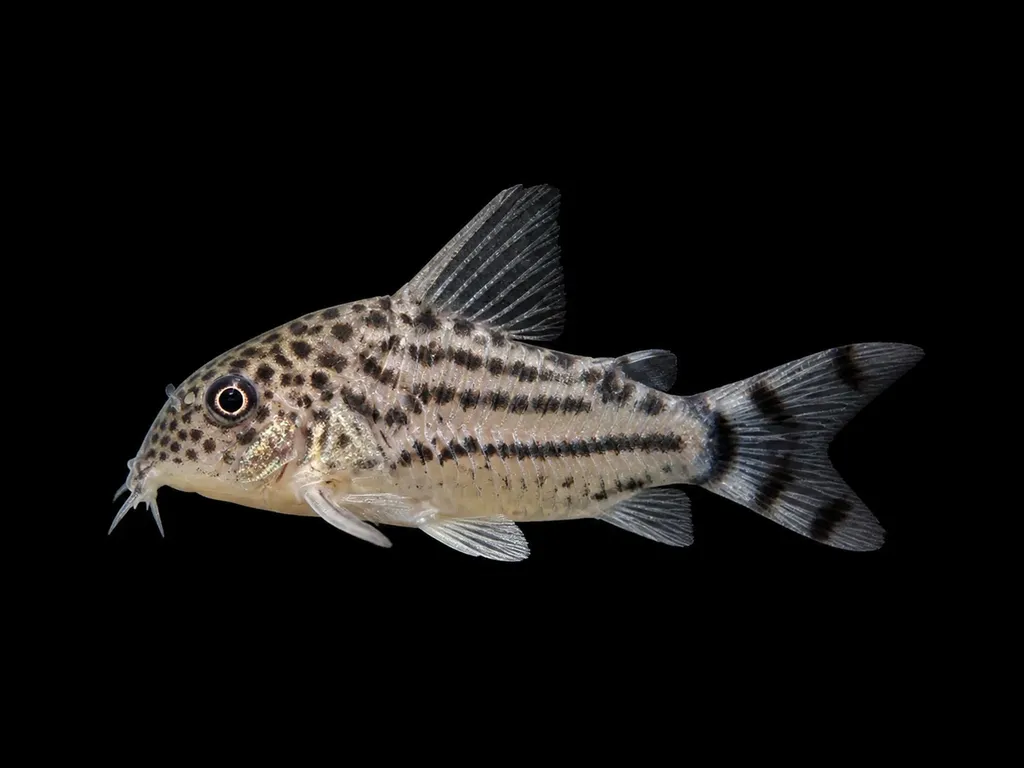 1.8 in (4.5 cm)16 gal (60 L)73–81°F (23–27°C)
Knaack's cory
Hoplisoma knaacki
1.8 in (4.5 cm) · 16 gal (60 L)
 1.4 in (3.5 cm)13 gal (50 L)70–82°F (21–28°C)
Barred-tail cory
Hoplisoma cochui
1.4 in (3.5 cm) · 13 gal (50 L)