Blacktop cory
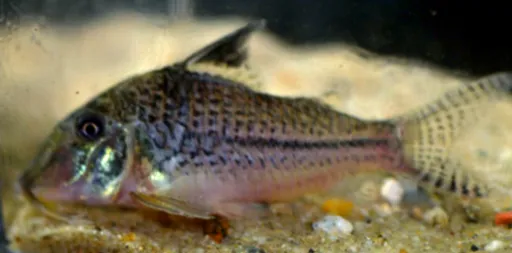
Corydoras acutus
FreshwaterFish
Care at a glance
- Temperature
- 72–82°F
- 22–28°C
- pH
- 6.0–7.5
- Adult size
- 1.7 in
- 4.4 cm
- Minimum tank
- 13 gal
- 50 L
- Temperament
- Peaceful
- Social behavior
- Shoaling
- Swim level
- Bottom
- Difficulty
- Medium
- Breeding
- No record
- Rarity
- Rare
- Family
- Callichthyidae
- Origin
- Brazil, Peru, Ecuador, Bolivia
Overview
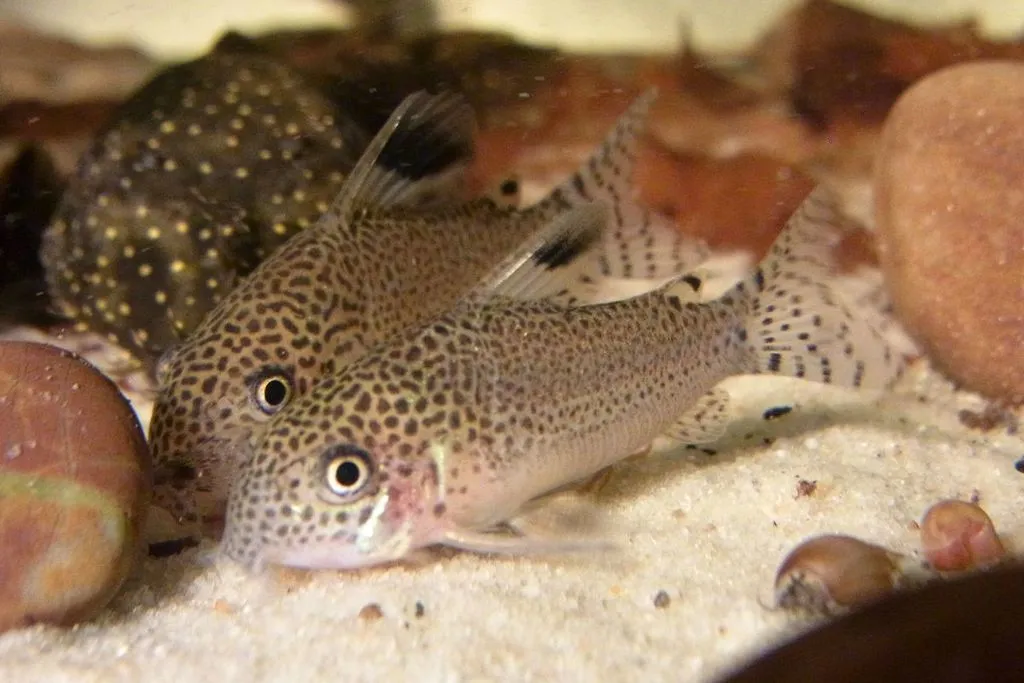
This is a small, easygoing shoaling cory, happiest in a group of six or more out on open sand. It stays down on the bottom, combing the substrate with its barbels, and gets along with any peaceful community fish that will not outpace it at dinner. Feed a mix of sinking pellets, frozen foods like bloodworm and brine shrimp, and a little vegetable matter, making sure it all sinks. Even though it is small, give it floor space: a tank of around 50 liters or more suits a modest group.
In the wild
Corydoras acutus ranges widely across the upper Amazon in Brazil, Peru, Ecuador, and Bolivia, living over sand in warm, soft, slightly acidic water. Recreate that with a soft sand bed, driftwood, leaf litter, and dappled shade from plants. It tolerates a fairly wide warm range, from about 22 to 28 C, with pH between 6.0 and 7.5. Keep the water clean and the current gentle.
Good to know
A member of the armored catfish family Callichthyidae, the blacktop cory reaches only about 4.4 cm. Its name acutus is Latin for pointed, a reference to its sharply angled snout and tall dorsal fin. The black upper edge of that dorsal fin gives the fish its common name. Bony plates armor the flanks in two rows. Home spawning of this species is not widely reported, though cories of its kind lay sticky eggs held briefly between the female's pelvic fins.
Did you know
The species name acutus, Latin for pointed, fits both the fish's tapered snout and its high, sharp dorsal fin, the black tip of which gives the blacktop cory its everyday name.
Weekly picks
Tank mates
Blacktop cory is a peaceful, shoaling species that keeps to the bottom. These picks share a community profile with it, are safe together in both directions, and overlap on water type, temperature and pH.
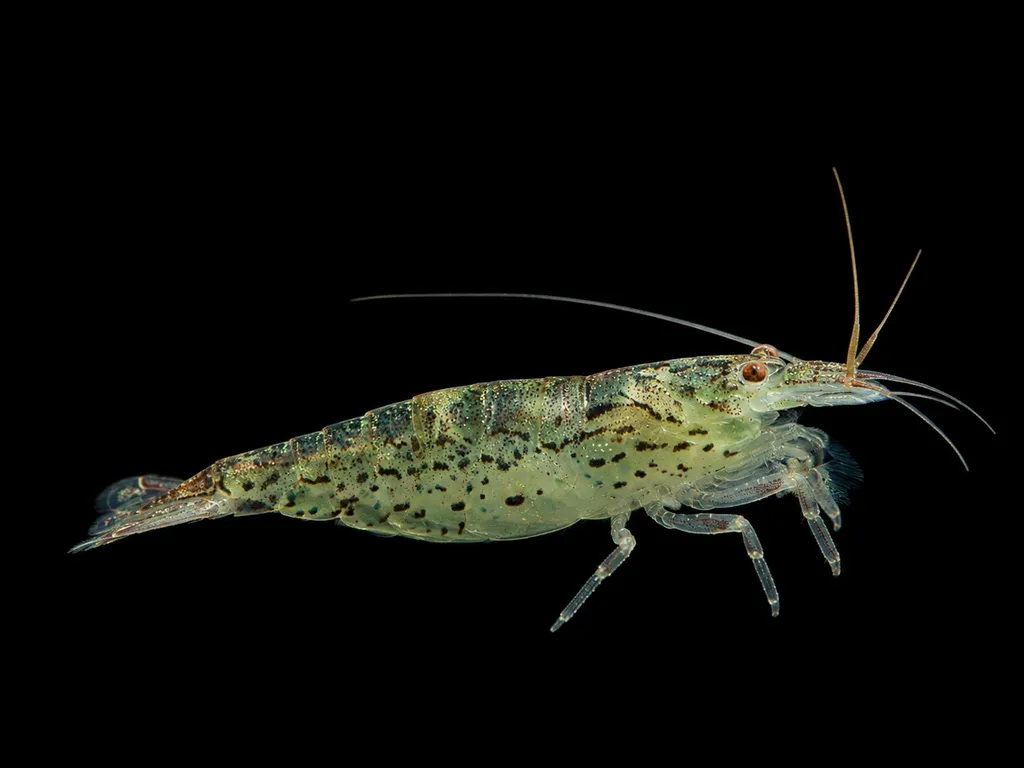
Green lace shrimp
Atyoida pilipes
Freshwater2.8 in (7 cm) · 14 gal (54 L)73–82°F (23–28°C)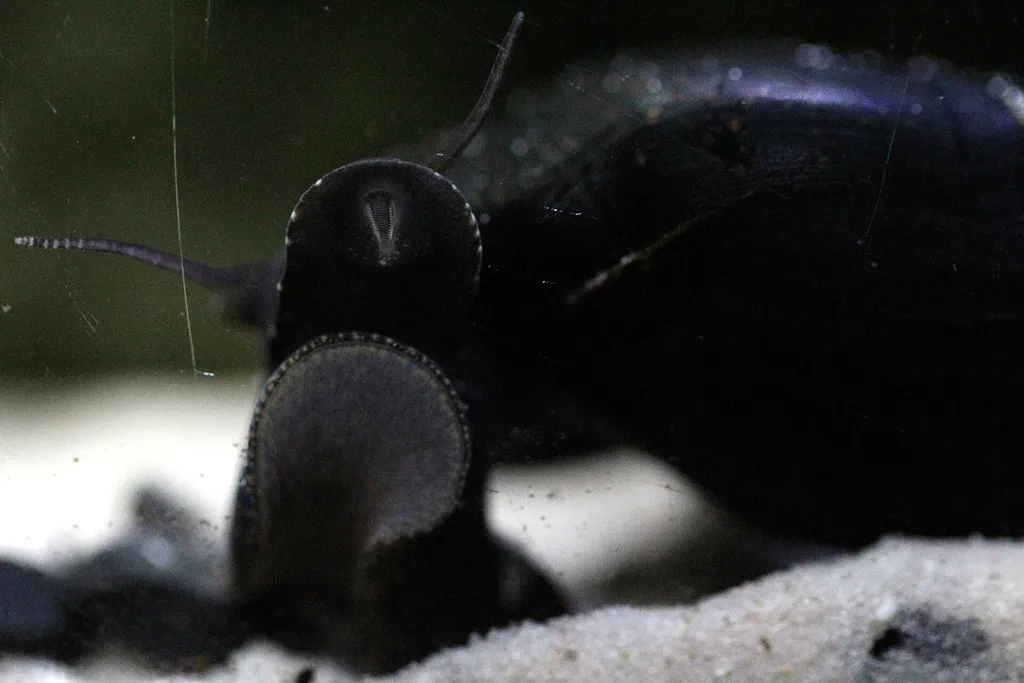
Black devil snail
Faunus ater
Freshwater3.9 in (10 cm) · 13 gal (50 L)72–86°F (22–30°C)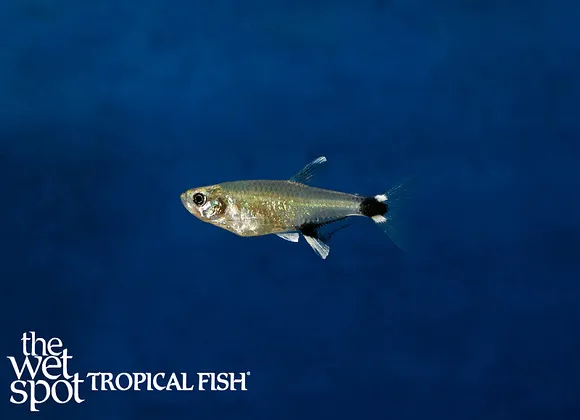
Panda darter tetra
Aphyocharax nattereri
Freshwater1.4 in (3.5 cm) · 14 gal (54 L)72–81°F (22–27°C)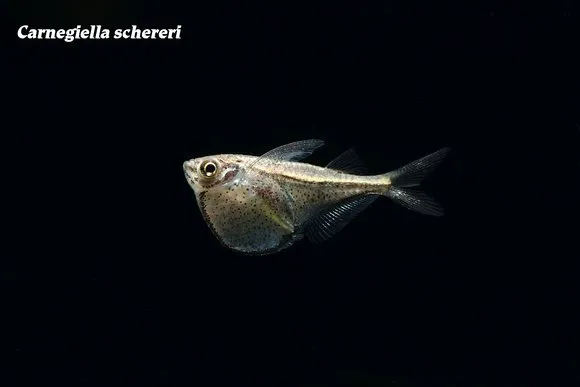
Scherer's hatchetfish
Carnegiella schereri
Freshwater1 in (2.6 cm) · 14 gal (54 L)73–82°F (23–28°C)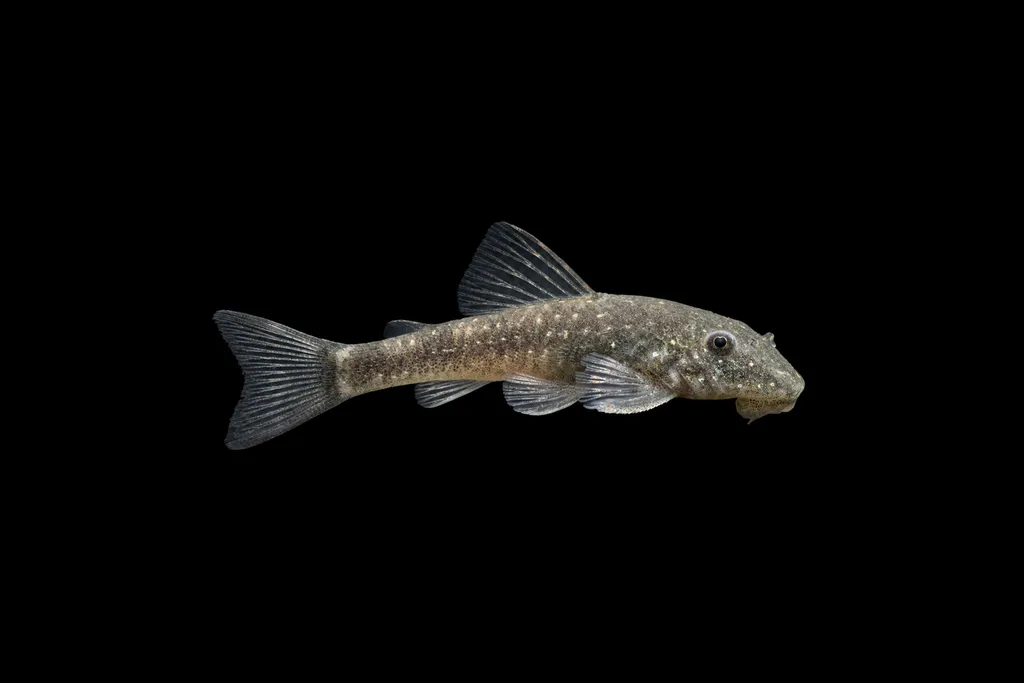
Bahia parotocinclus
Parotocinclus bahiensis
Freshwater1.6 in (4 cm) · 14 gal (54 L)72–81°F (22–27°C)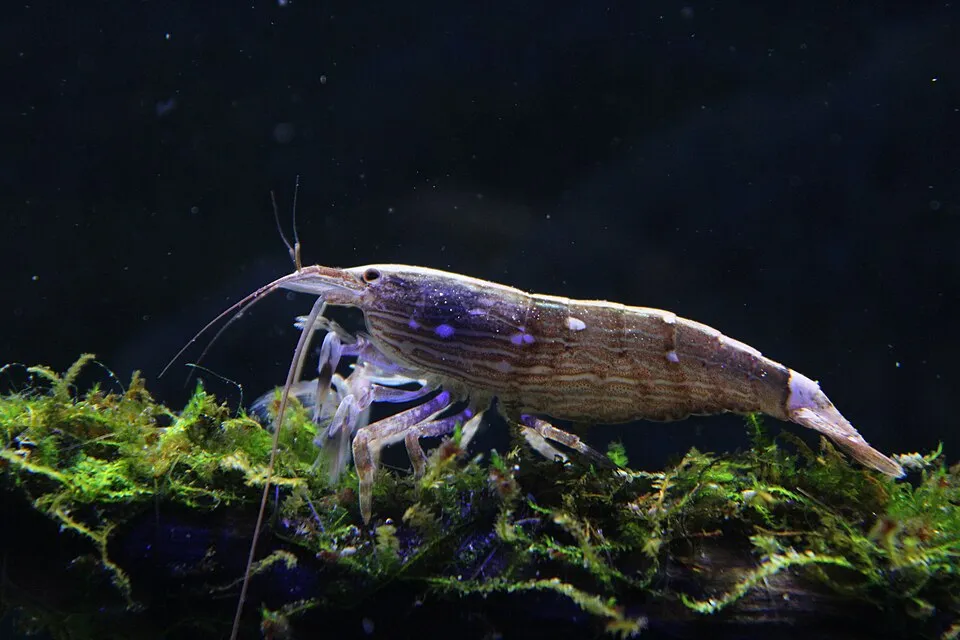
Bamboo shrimp
Atyopsis moluccensis
Freshwater3.9 in (10 cm) · 13 gal (50 L)72–84°F (22–29°C)
Common questions
What size tank does a Blacktop cory need?
A Blacktop cory needs at least 13 gal (50 L). It spends most of its time in the bottom.
What temperature and pH does a Blacktop cory need?
A Blacktop cory is comfortable at 72–82°F (22–28°C) with a pH of 6.0–7.5.
How big does a Blacktop cory get?
An adult Blacktop cory reaches about 1.7 in (4.4 cm).
Does a Blacktop cory need a group?
Yes. A Blacktop cory is a shoaling species and should be kept in a group, not singly.
Related species
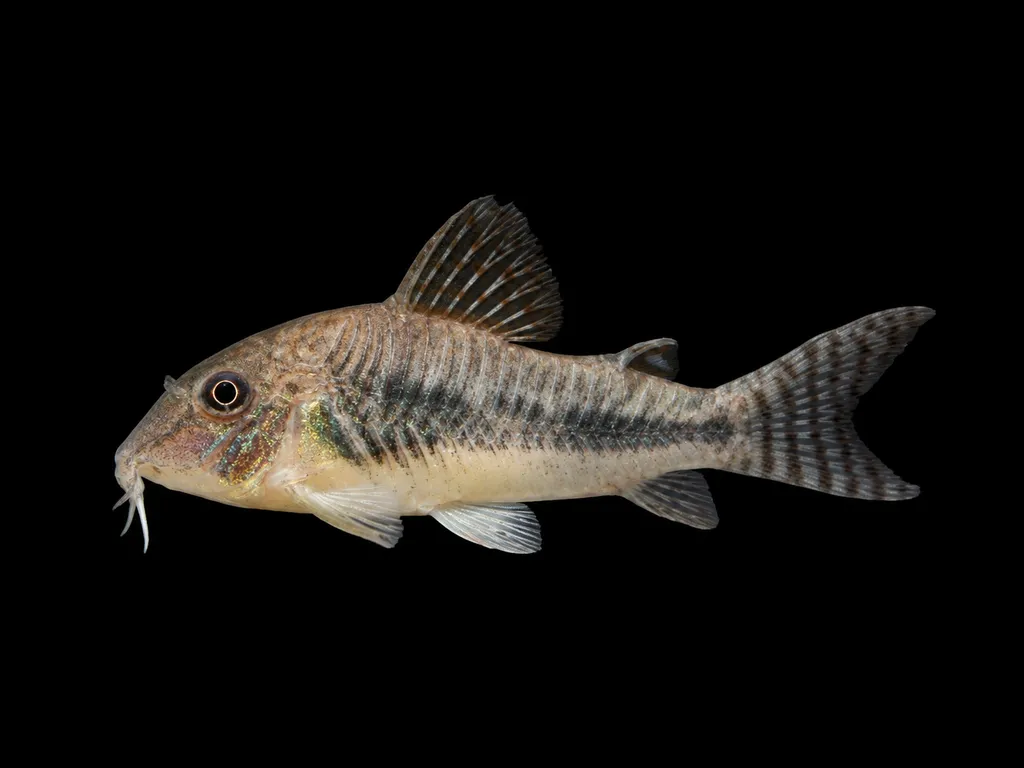 2 in (5 cm)20 gal (75 L)72–79°F (22–26°C)
Ellis's cory
Corydoras ellisae
2 in (5 cm) · 20 gal (75 L)
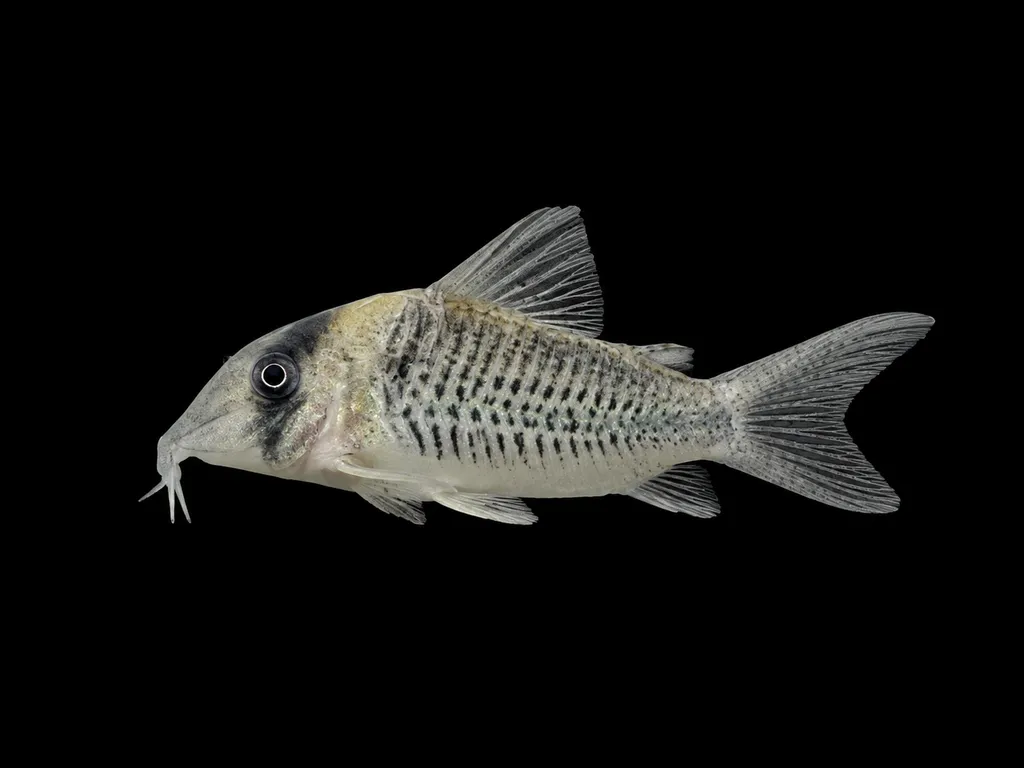
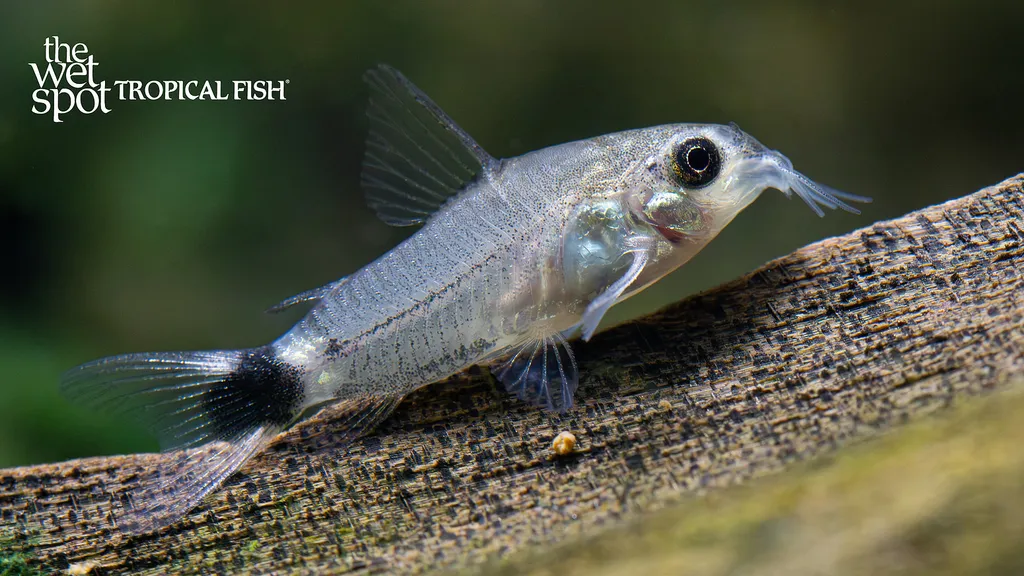 2 in (5 cm)16 gal (60 L)75–82°F (24–28°C)
Sarare cory
Corydoras sarareensis
2 in (5 cm) · 16 gal (60 L)
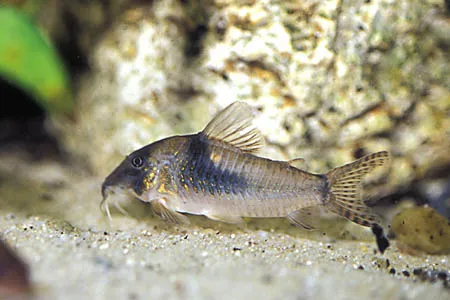
 2.2 in (5.5 cm)20 gal (75 L)75–82°F (24–28°C)
Caramater cory
Corydoras caramater
2.2 in (5.5 cm) · 20 gal (75 L)
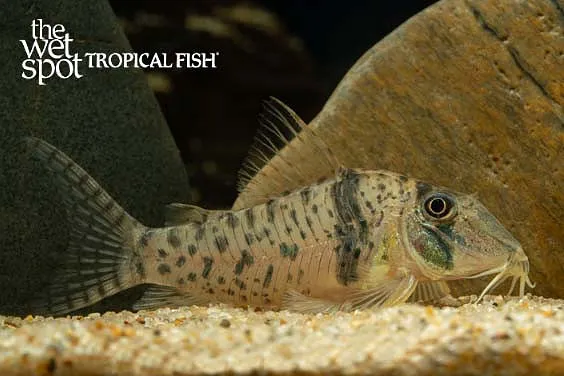
 2.4 in (6 cm)20 gal (75 L)75–82°F (24–28°C)
Northern longnose cory
Corydoras septentrionalis
2.4 in (6 cm) · 20 gal (75 L)
 2.4 in (6 cm)20 gal (75 L)73–81°F (23–27°C)
Orces's cory
Corydoras orcesi
2.4 in (6 cm) · 20 gal (75 L)
 2.4 in (6 cm)16 gal (60 L)73–81°F (23–27°C)
Punctatus cory
Corydoras punctatus
2.4 in (6 cm) · 16 gal (60 L)