Caramater cory
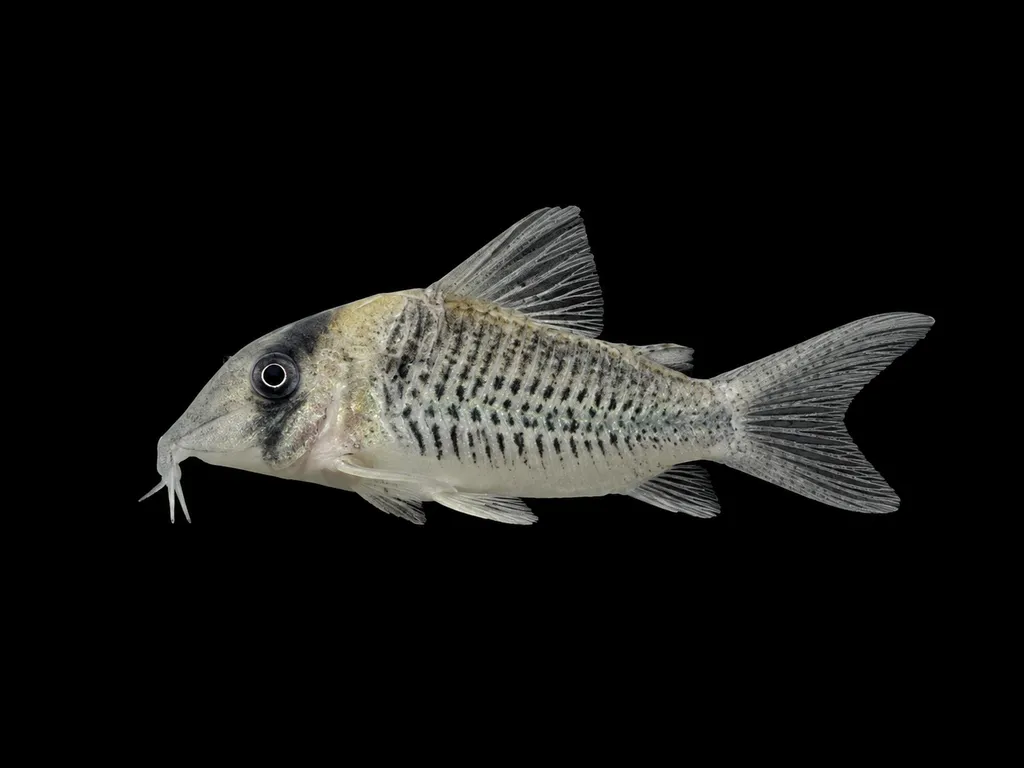
Corydoras caramater
Also known as Xingu long-snout cory, Luiza Cory
FreshwaterFish
Care at a glance
- Temperature
- 75–82°F
- 24–28°C
- pH
- 5.8–7.2
- Adult size
- 2.2 in
- 5.5 cm
- Minimum tank
- 20 gal
- 75 L
- Temperament
- Peaceful
- Social behavior
- Shoaling
- Swim level
- Bottom
- Difficulty
- Medium
- Breeding
- No record
- Rarity
- Rare
- Family
- Callichthyidae
- Origin
- Rio Xingu and Rio Tapajos basins, Para, Brazil
Overview
The Caramater cory is a long-snouted catfish for the open sand of a warm community tank. It is one of the newest corys in the hobby and best kept with a little experience.
Did you know
The Caramater cory went from unknown to science to swimming in hobby tanks in barely a year.
Caring for the Caramater cory
Keep Caramater cories in a group of six or more over sand, in 20 gal (75 L) or larger. Long-snouted corys like this one forage deeper into the substrate than round-nosed ones, so they appreciate open floor. Use fine sand with rounded stones and wood.
They need warm, oxygen-rich water and decent flow, at 75 to 82°F (24 to 28°C) and a pH of 5.8 to 7.2. Sinking granules and frozen foods cover the menu.
Caramater cories are peaceful and safe with other community fish. The species is so new that it has no aquarium breeding record yet, and even import numbers are tiny.
Good to know
The Caramater cory was described in 2024 by Tencatt and colleagues, in the same wave of work that reorganized the whole subfamily. It keeps the long-snouted build of Corydoras in the strict modern sense. The revised genus name is reserved for that lineage.
In the wild
Caramater cories come from clearwater tributaries of the Xingu and Tapajos in Para, Brazil. They work sand banks in warm, well-oxygenated water.
Weekly picks
Tank mates
The Caramater cory is a peaceful, shoaling species that keeps to the bottom. These picks share a community profile with it, are safe together in both directions, and overlap on water type, temperature and pH.

Purple pencilfish
Nannostomus rubrocaudatus
Freshwater1.2 in (3 cm) · 20 gal (75 L)75–82°F (24–28°C)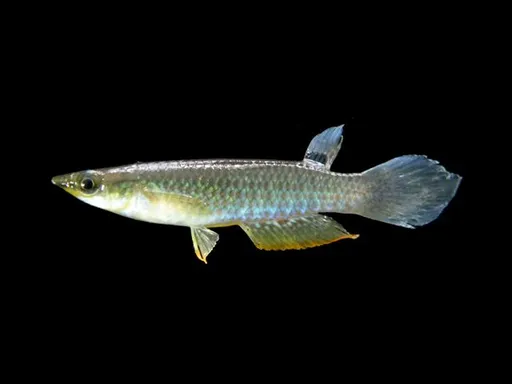
Blue panchax
Aplocheilus panchax
Freshwater3.5 in (9 cm) · 20 gal (75 L)72–82°F (22–28°C)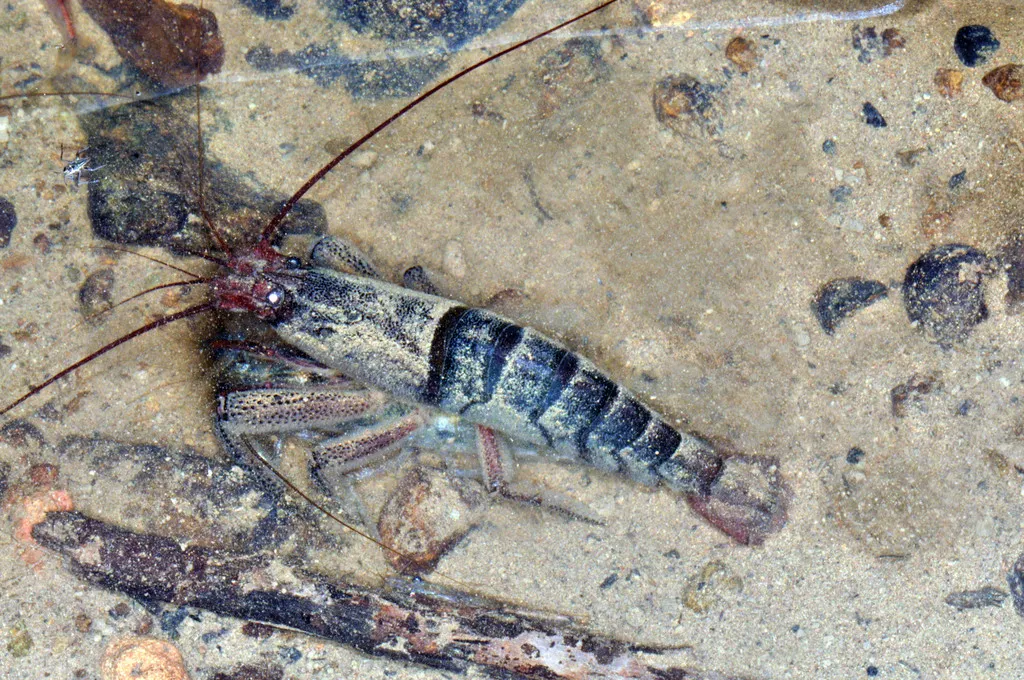
Marble wood shrimp
Atya scabra
Freshwater3.9 in (10 cm) · 20 gal (75 L)73–82°F (23–28°C)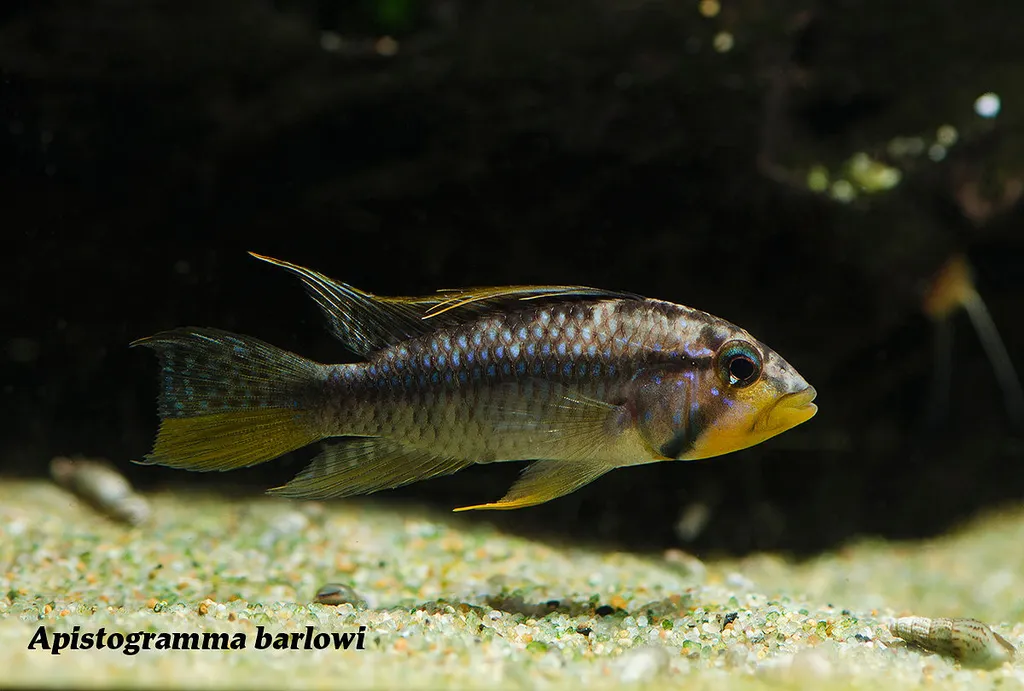
Barlow's dwarf cichlid
Apistogramma barlowi
Freshwater3.1 in (8 cm) · 20 gal (75 L)73–82°F (23–28°C)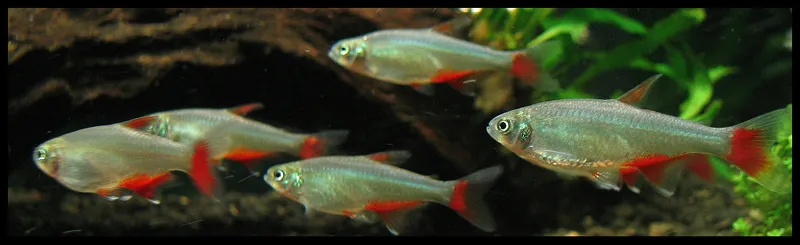
Bloodfin tetra
Aphyocharax anisitsi
Freshwater2.2 in (5.5 cm) · 20 gal (75 L)72–82°F (22–28°C)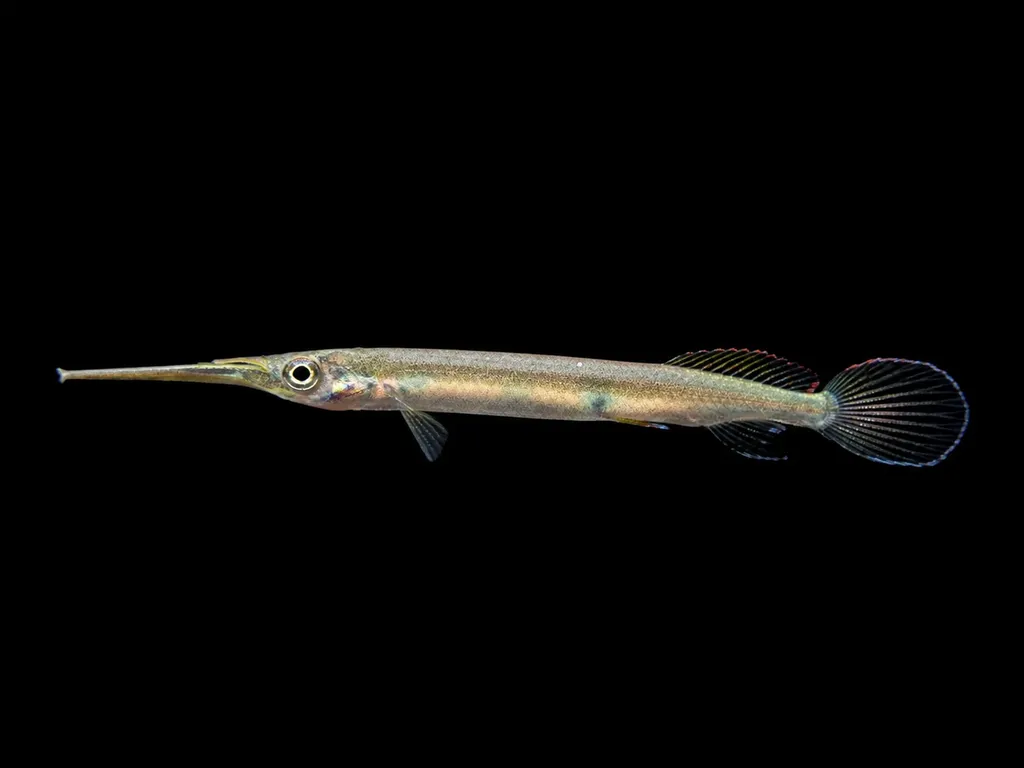
Kuekenthal's halfbeak
Hemirhamphodon kuekenthali
Freshwater3.3 in (8.5 cm) · 20 gal (75 L)73–81°F (23–27°C)
Common questions
What size tank does a Caramater cory need?
A Caramater cory needs at least 20 gal (75 L). It spends most of its time in the bottom.
What temperature and pH does a Caramater cory need?
A Caramater cory is comfortable at 75–82°F (24–28°C) with a pH of 5.8–7.2.
What does a Caramater cory eat?
A Caramater cory eats sinking granules and frozen foods.
How big does a Caramater cory get?
An adult Caramater cory reaches about 2.2 in (5.5 cm).
Does a Caramater cory need a group?
Yes. A Caramater cory is a shoaling species and should be kept in a group, not singly.
Related species
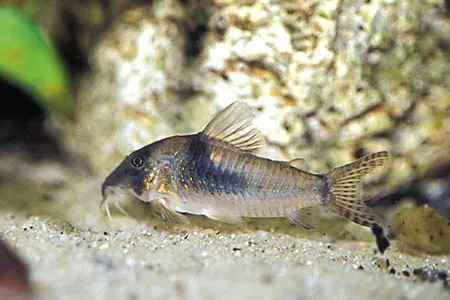 2.4 in (6 cm)20 gal (75 L)75–82°F (24–28°C)
Northern longnose cory
Corydoras septentrionalis
2.4 in (6 cm) · 20 gal (75 L)
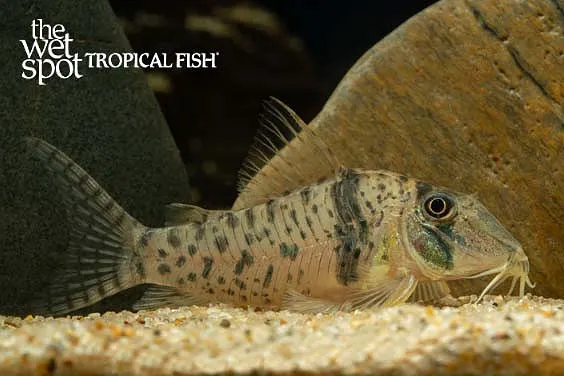 2.4 in (6 cm)20 gal (75 L)73–81°F (23–27°C)
Orces's cory
Corydoras orcesi
2.4 in (6 cm) · 20 gal (75 L)
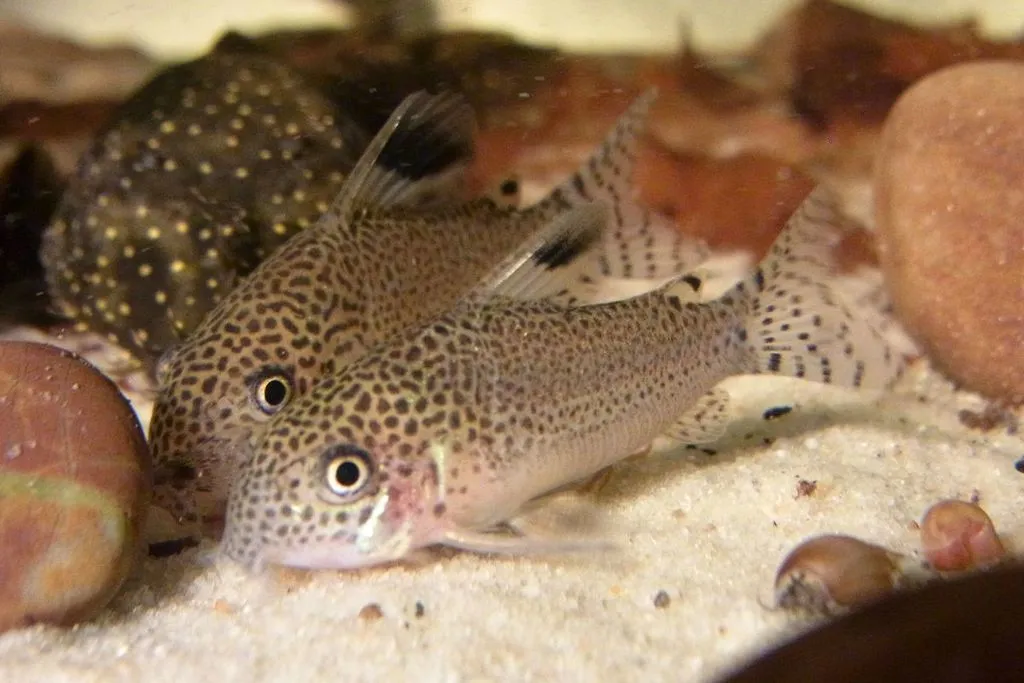 2.4 in (6 cm)16 gal (60 L)73–81°F (23–27°C)
Punctatus cory
Corydoras punctatus
2.4 in (6 cm) · 16 gal (60 L)
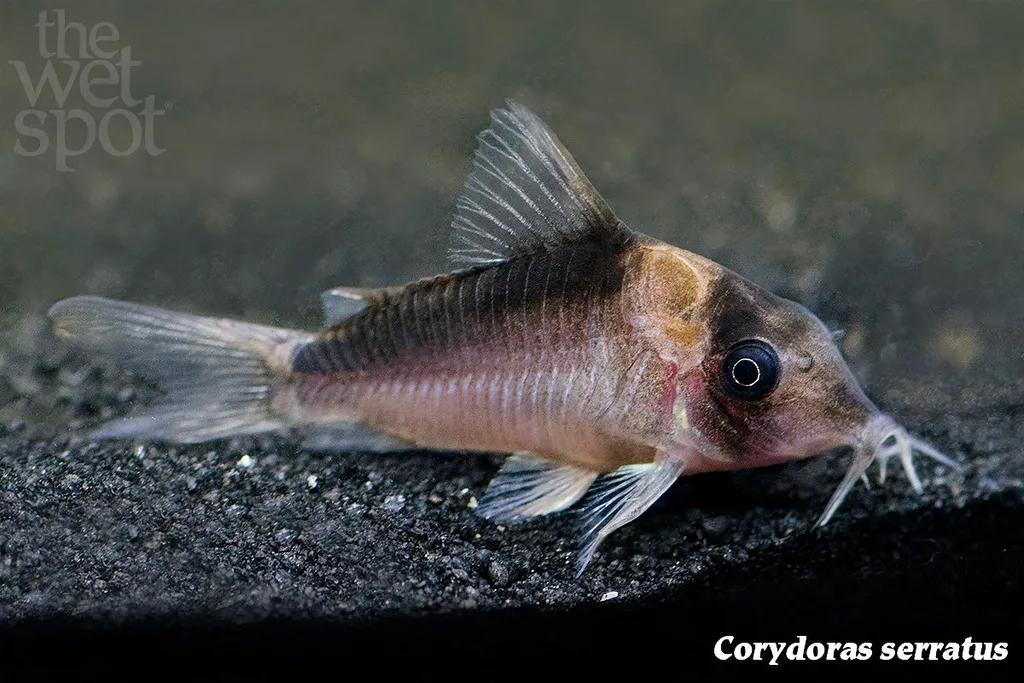 2.4 in (6 cm)20 gal (75 L)77–84°F (25–29°C)
Serratus cory
Corydoras serratus
2.4 in (6 cm) · 20 gal (75 L)
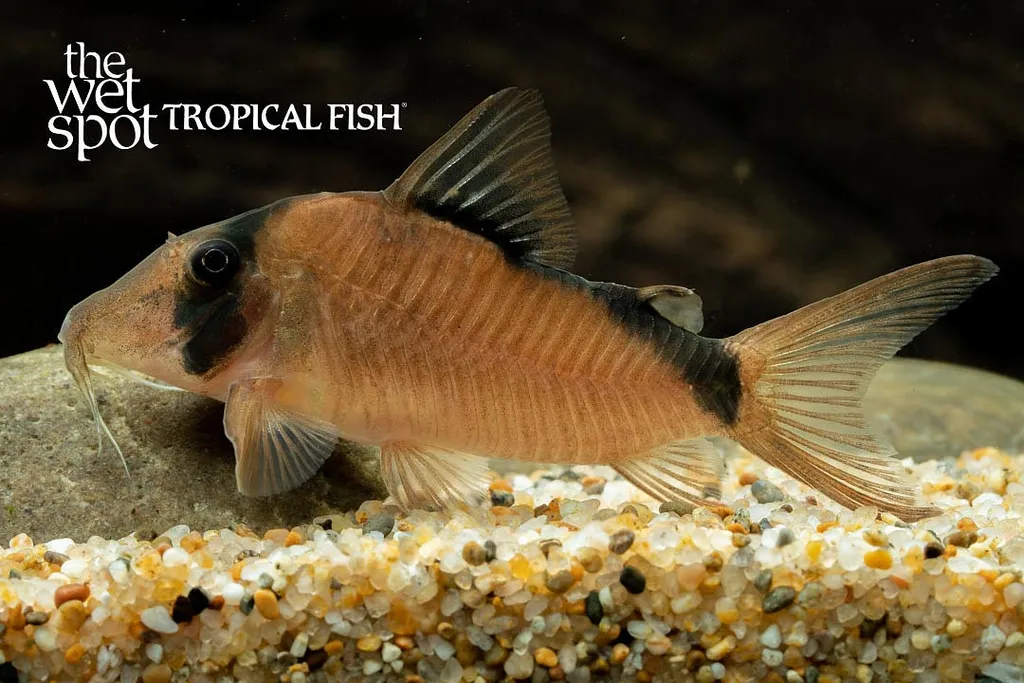 2.4 in (6 cm)20 gal (75 L)73–81°F (23–27°C)
Simulatus cory
Corydoras simulatus
2.4 in (6 cm) · 20 gal (75 L)
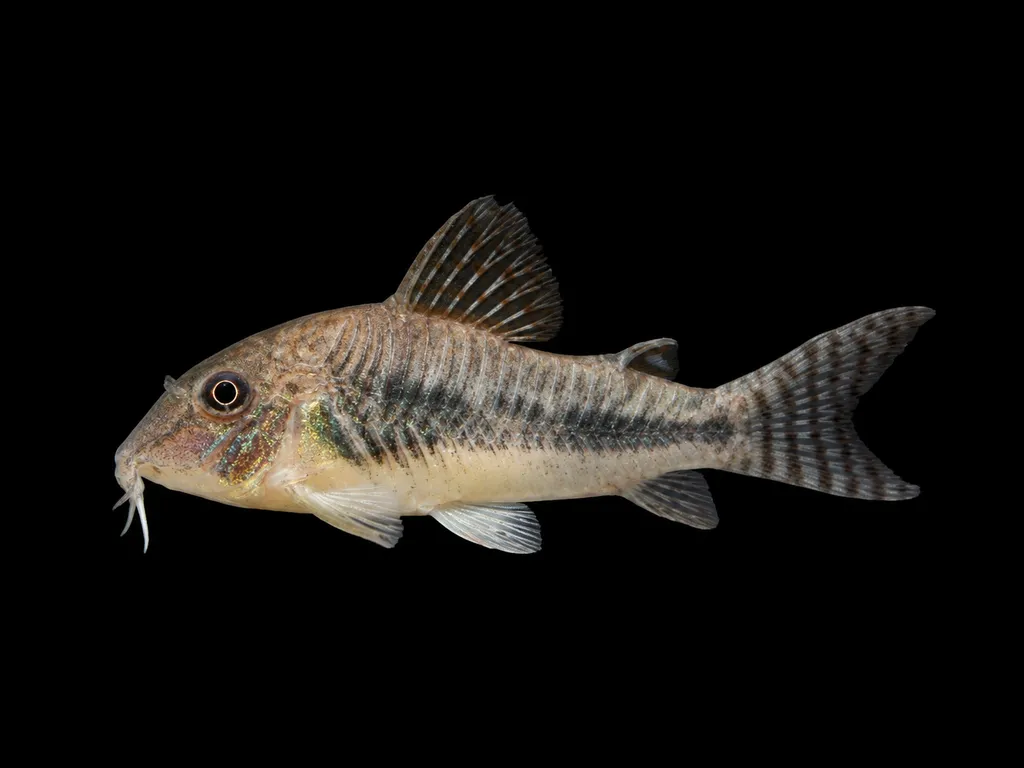 2 in (5 cm)20 gal (75 L)72–79°F (22–26°C)
Ellis's cory
Corydoras ellisae
2 in (5 cm) · 20 gal (75 L)