Ellis's cory
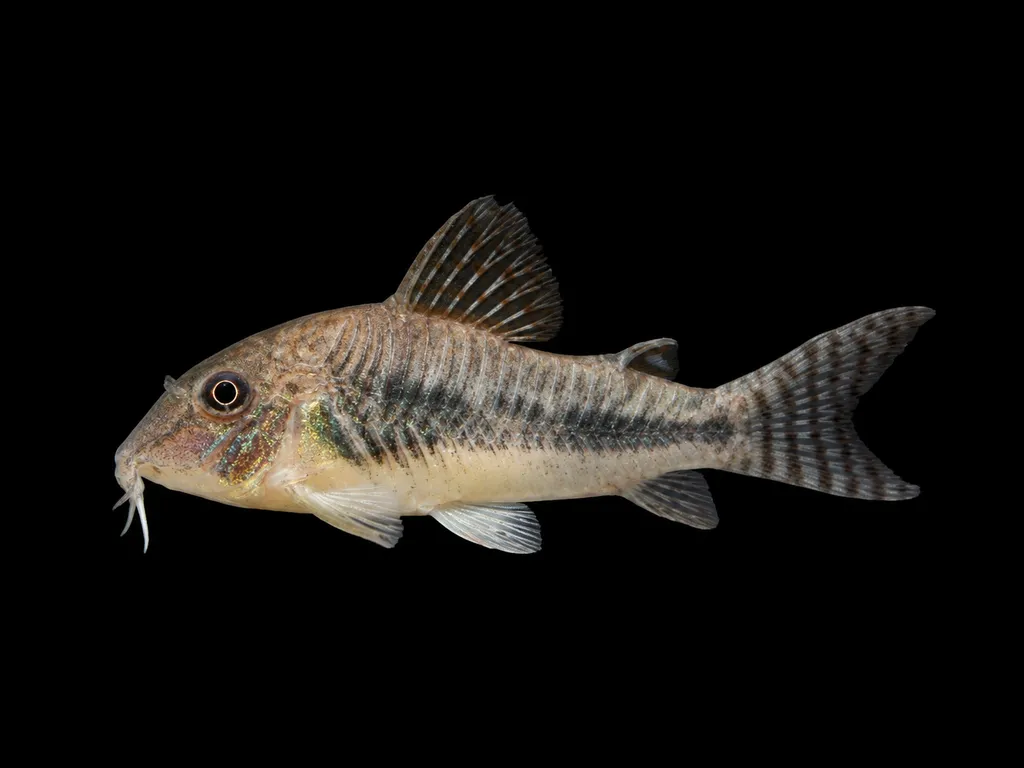
Corydoras ellisae
Also known as Ellisae cory
FreshwaterFish
Care at a glance
- Temperature
- 72–79°F
- 22–26°C
- pH
- 6.5–7.5
- Adult size
- 2 in
- 5 cm
- Minimum tank
- 20 gal
- 75 L
- Temperament
- Peaceful
- Social behavior
- Shoaling
- Swim level
- Bottom
- Difficulty
- Medium
- Breeding
- Egg depositor · Medium
- Rarity
- Rare
- Family
- Callichthyidae
- Origin
- Paraguay basin, Paraguay and Bolivia
Overview
Ellis's cory is a small, peaceful catfish that works the bottom of the tank in a busy group. It suits a calm community tank on the cooler side, and it is best with a little experience.
Caring for the Ellis's cory
Keep Ellis's cories in a group of at least six, and more if you can, since a lone cory hides and pines. A group needs 20 gal (75 L) or more over soft sand, where they can dig and feed without wearing down their barbels. Add some driftwood, shady planted areas and gentle filtration to keep this shy shoaling fish comfortable and out in the open.
It comes from cooler rivers, so it suits an unheated or lightly heated tank in a warm room rather than a hot tropical one. Keep the water at 72 to 79°F (22 to 26°C) and a near-neutral pH of 6.5 to 7.5. Feed sinking pellets, crushed wafers and frozen foods such as bloodworm, dropping in enough that some settles on the floor.
Ellis's cories are completely harmless and mix well with other small, calm community fish. Pairs spawn in the classic cory way, in a T-shaped embrace. The female carries the eggs in a basket formed by her pelvic fins, then presses them onto plants and glass a few at a time. Breeding them is of moderate difficulty.
Good to know
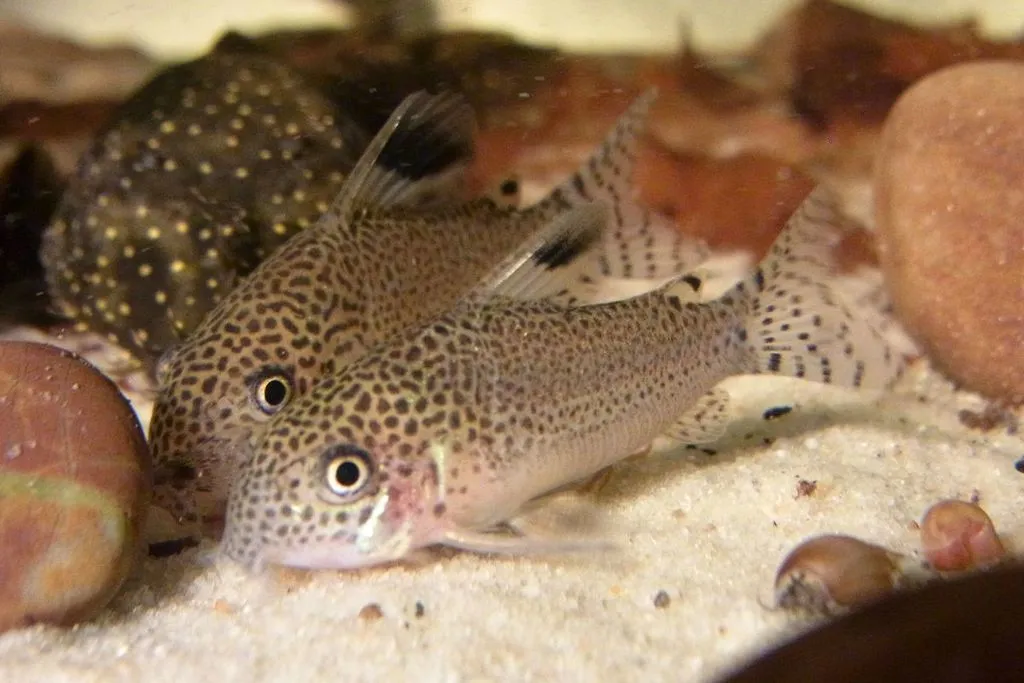
Ellis's cory, Corydoras ellisae, is a small armored catfish of the family Callichthyidae, with fine dark speckling over a pale, long-snouted body. It is a subtropical relative of the familiar peppered cory. It is also known as the Ellisae cory.
In the wild
Ellis's cory comes from the Paraguay river basin in Paraguay and Bolivia. It lives over sand and fine sediment in shallow, slow stretches of river that cool down through the winter.
Weekly picks
Tank mates
The Ellis's cory is a peaceful, shoaling species that keeps to the bottom. These picks share a community profile with it, are safe together in both directions, and overlap on water type, temperature and pH.
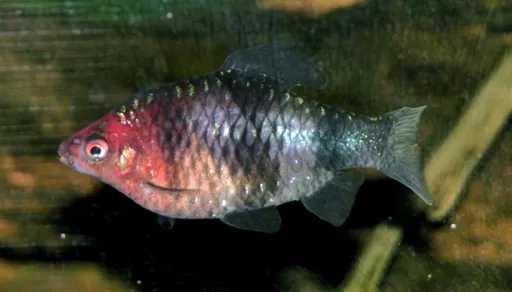
Black ruby barb
Pethia nigrofasciata
Freshwater2.4 in (6 cm) · 20 gal (75 L)72–79°F (22–26°C)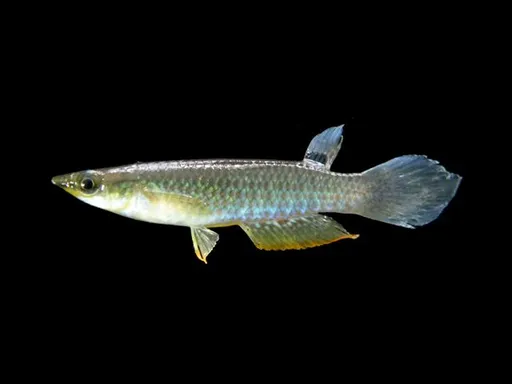
Blue panchax
Aplocheilus panchax
Freshwater3.5 in (9 cm) · 20 gal (75 L)72–82°F (22–28°C)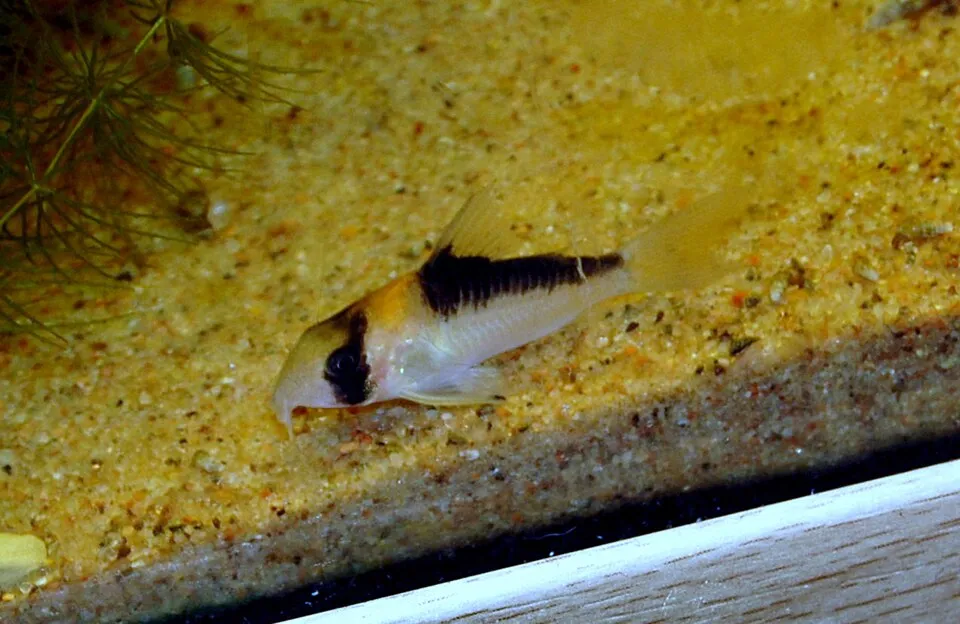
Adolfo's cory
Hoplisoma adolfoi
Freshwater2.4 in (6 cm) · 20 gal (75 L)70–79°F (21–26°C)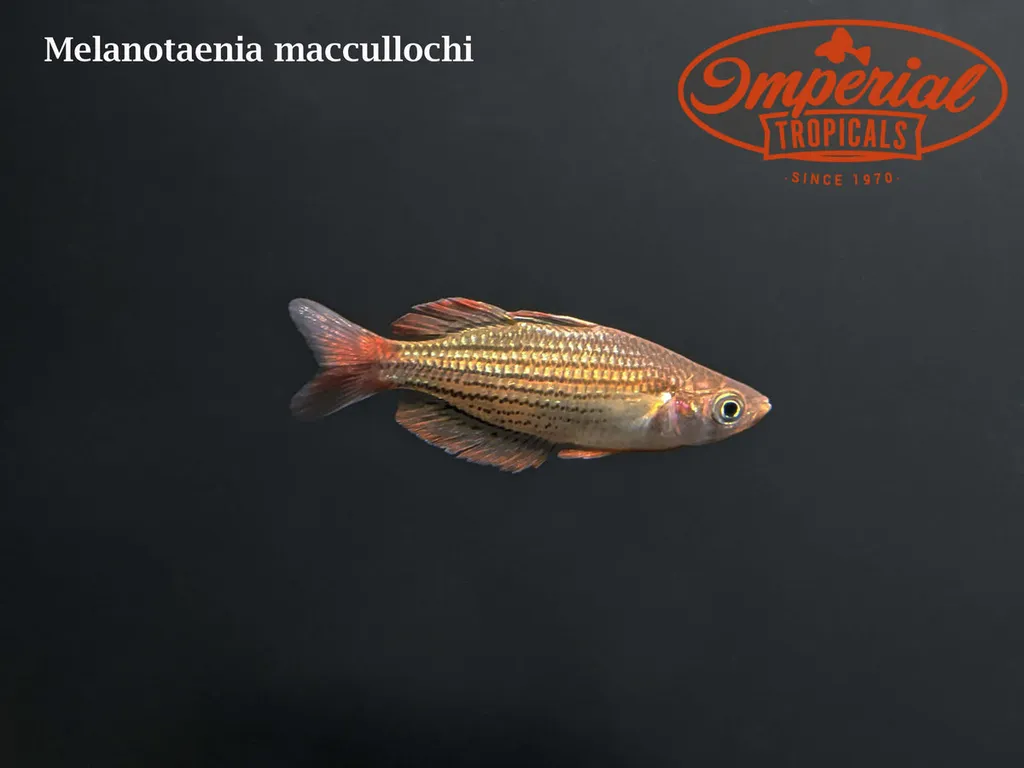
Dwarf rainbowfish
Melanotaenia maccullochi
Freshwater2.8 in (7 cm) · 20 gal (75 L)72–82°F (22–28°C)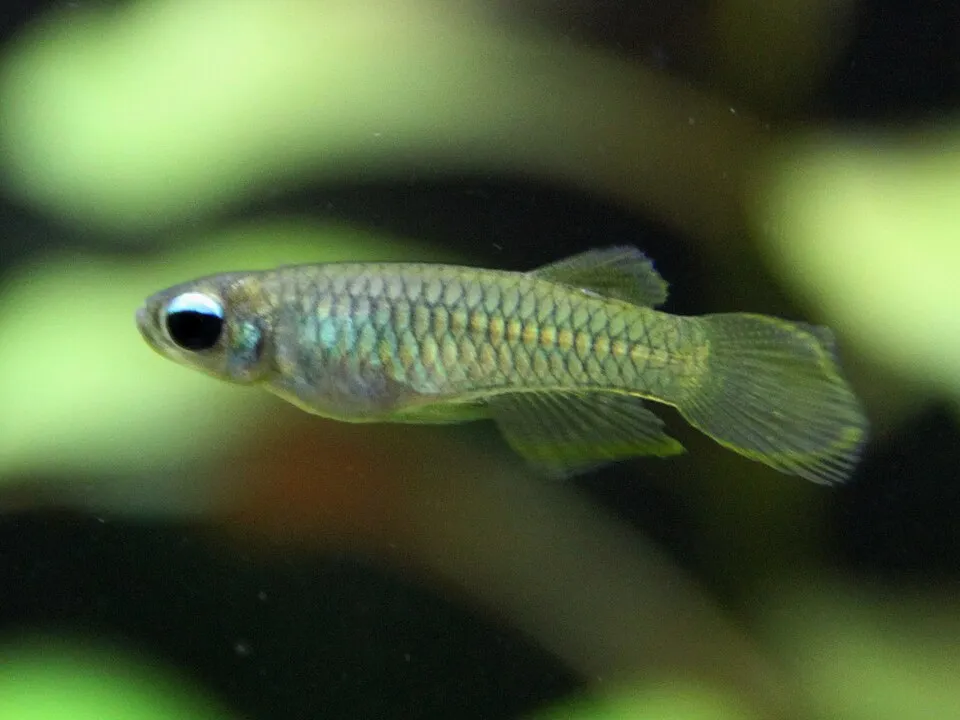
Norman's lampeye
Poropanchax normani
Freshwater1.6 in (4 cm) · 20 gal (75 L)72–79°F (22–26°C)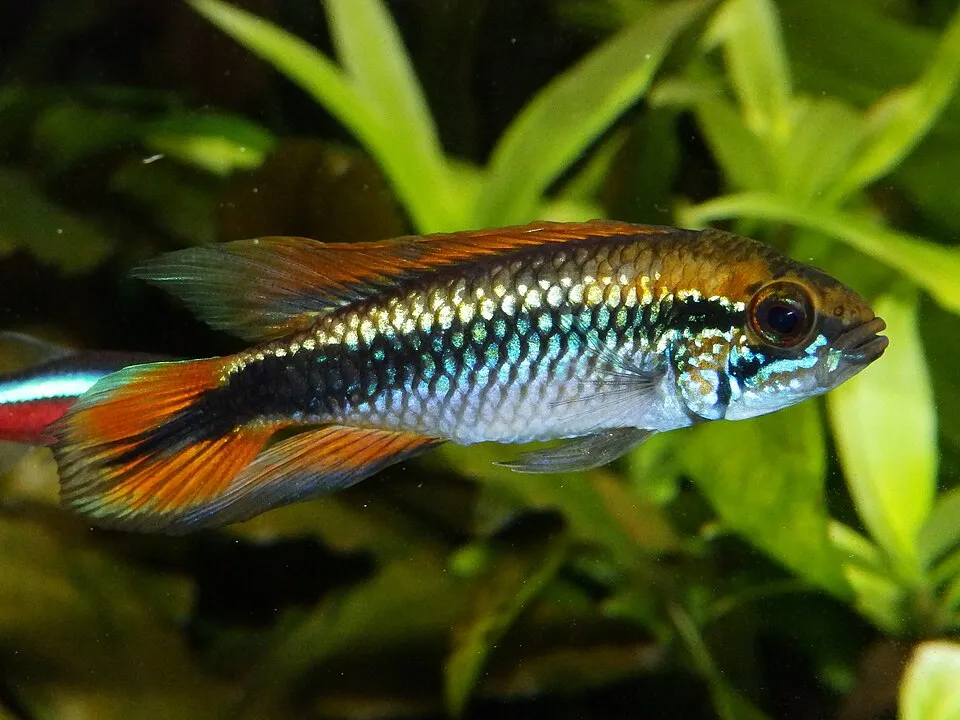
Agassiz's dwarf cichlid
Apistogramma agassizii
Freshwater3.5 in (9 cm) · 20 gal (75 L)72–84°F (22–29°C)
Common questions
What size tank does an Ellis's cory need?
An Ellis's cory needs at least 20 gal (75 L). It spends most of its time in the bottom.
What temperature and pH does an Ellis's cory need?
An Ellis's cory is comfortable at 72–79°F (22–26°C) with a pH of 6.5–7.5.
What does an Ellis's cory eat?
An Ellis's cory eats sinking pellets, crushed wafers and frozen foods such as bloodworm. Drop in enough that some settles on the floor, where it feeds.
How big does an Ellis's cory get?
An adult Ellis's cory reaches about 2 in (5 cm).
Does an Ellis's cory need a group?
Yes. An Ellis's cory is a shoaling species and should be kept in a group, not singly.
How does an Ellis's cory breed?
Ellis's cories spawn in a T-shaped embrace. The female carries the eggs in a basket formed by her pelvic fins, then presses them onto plants and glass a few at a time. Breeding them is of moderate difficulty.
Related species
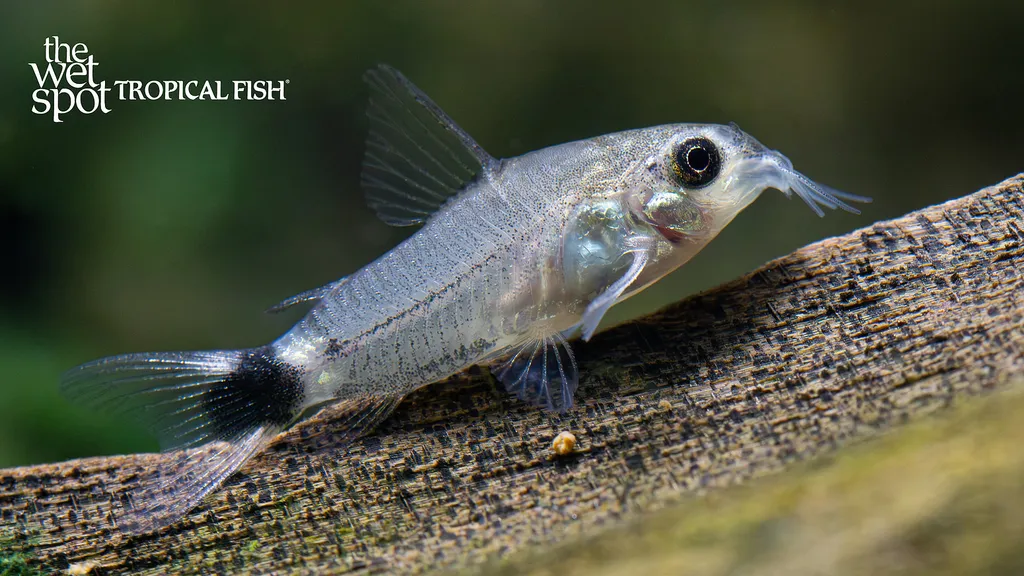 2 in (5 cm)16 gal (60 L)75–82°F (24–28°C)
Sarare cory
Corydoras sarareensis
2 in (5 cm) · 16 gal (60 L)
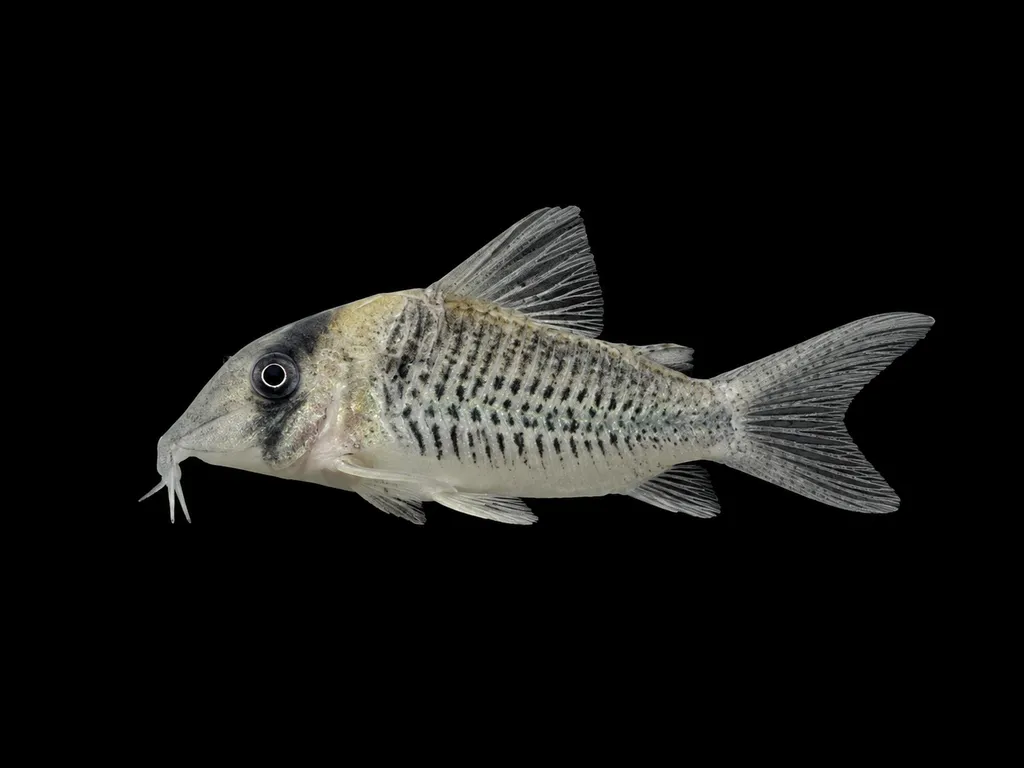 2.2 in (5.5 cm)20 gal (75 L)75–82°F (24–28°C)
Caramater cory
Corydoras caramater
2.2 in (5.5 cm) · 20 gal (75 L)
 1.7 in (4.4 cm)13 gal (50 L)72–82°F (22–28°C)
Blacktop cory
Corydoras acutus
1.7 in (4.4 cm) · 13 gal (50 L)
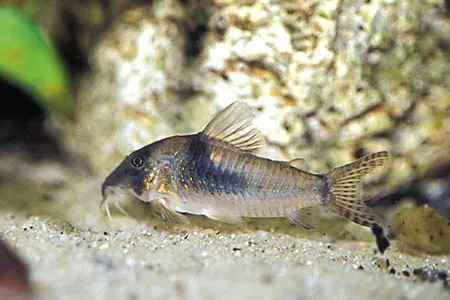 2.4 in (6 cm)20 gal (75 L)75–82°F (24–28°C)
Northern longnose cory
Corydoras septentrionalis
2.4 in (6 cm) · 20 gal (75 L)
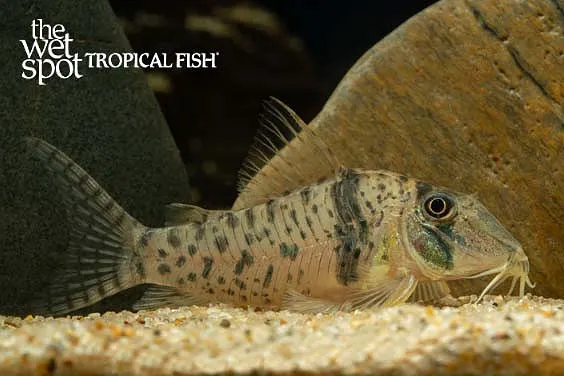 2.4 in (6 cm)20 gal (75 L)73–81°F (23–27°C)
Orces's cory
Corydoras orcesi
2.4 in (6 cm) · 20 gal (75 L)
 2.4 in (6 cm)16 gal (60 L)73–81°F (23–27°C)
Punctatus cory
Corydoras punctatus
2.4 in (6 cm) · 16 gal (60 L)