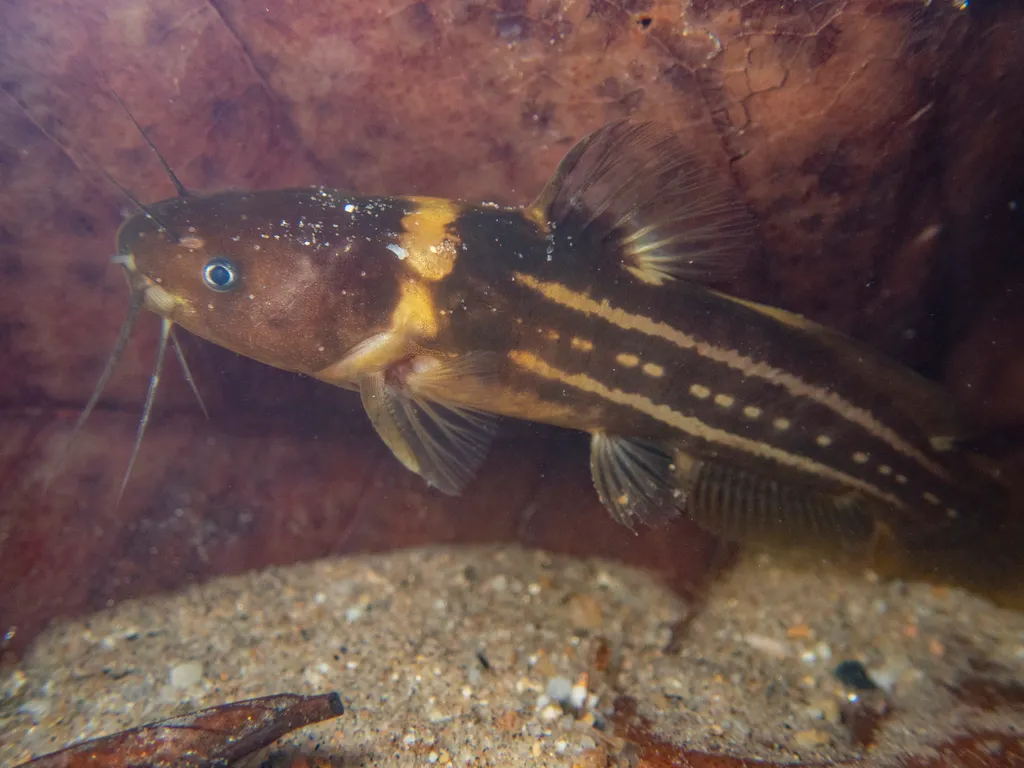
Three-lined bagrid
Tachysurus trilineatus
Also known as Pseudobagrus trilineatus, Three line cat
FreshwaterFish
Care at a glance
- Temperature
- 64–77°F
- 18–25°C
- pH
- 6.0–7.5
- Adult size
- 3.1 in
- 8 cm
- Minimum tank
- 30 gal
- 112 L
- Temperament
- Peaceful
- Social behavior
- Solitary
- Swim level
- Bottom
- Diet
- Carnivore
- Difficulty
- Medium
- Breeding
- No record
- Rarity
- Rare
- Family
- Bagridae
- Origin
- Streams of southern China
Overview
The three-lined bagrid is a small, peaceful catfish for an unheated or cool tank. It is best with a little experience.
Did you know
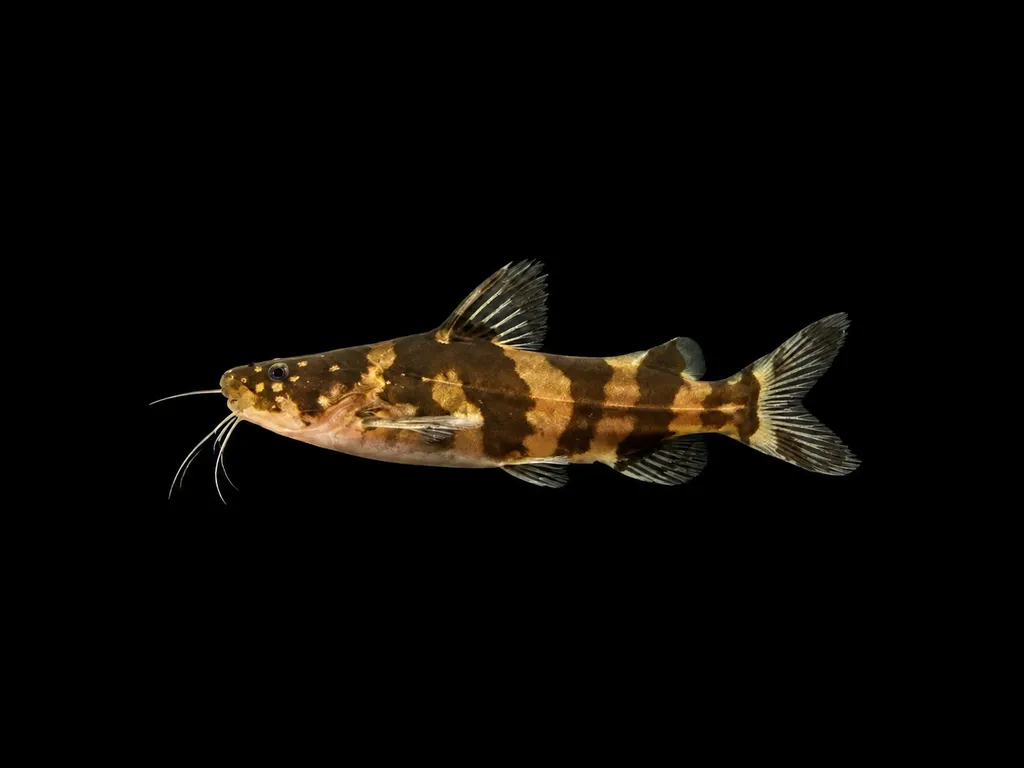
The three dark stripes along its length give the three-lined bagrid its trade nickname, the highway catfish. They look like lane markings painted on its flanks.
Caring for the three-lined bagrid
Keep one three-lined bagrid in a cool tank of at least 30 gal (112 L). It comes from subtropical water, so it does not need a heater. Set up a stream-style tank with a gravel and stone bed it can forage over, plus driftwood and stones to shelter among.
Keep the water at 64 to 77°F (18 to 25°C), soft to neutral, with a pH of 6.0 to 7.5. Give it a gentle to moderate current and clean, well-oxygenated water. It is carnivorous, so feed sinking foods, frozen bloodworm and small live foods.
The three-lined bagrid is a peaceful bottom-dweller that keeps to itself, so do not expect group behavior. Its gentle nature lets it share a tank with other calm fish of a similar size. Its mouth is small, but very tiny fish or shrimp could still be at risk. Its breeding is not documented in the aquarium.
Good to know
Tachysurus trilineatus is a small bagrid catfish in the family Bagridae. Its name, trilineatus, means three-lined, and one of the stripes on its yellowish-brown body breaks along the lateral line. Some authorities place it in the genus Pseudobagrus and others in Tachysurus.
In the wild
The three-lined bagrid is native to cool, flowing streams in the Dong Jiang, or Dong River, drainage of Guangdong Province in southern China.
Weekly picks
Tank mates
The three-lined bagrid is a peaceful, solitary species that keeps to the bottom. These picks share a community profile with it, are safe together in both directions, and overlap on water type, temperature and pH.
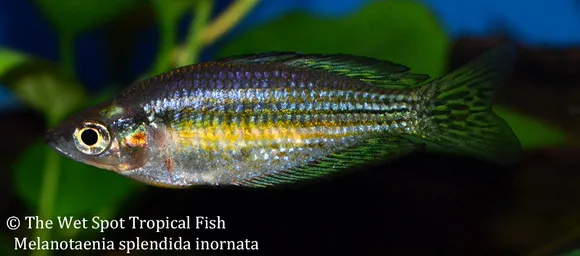
Checkered rainbowfish
Melanotaenia splendida inornata
Freshwater4.7 in (12 cm) · 29 gal (110 L)72–86°F (22–30°C)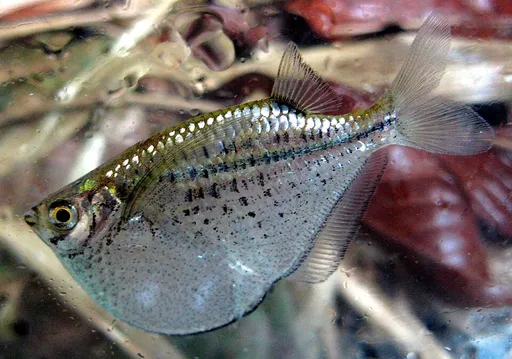
Spotted hatchetfish
Gasteropelecus maculatus
Freshwater3.5 in (9 cm) · 26 gal (100 L)73–82°F (23–28°C)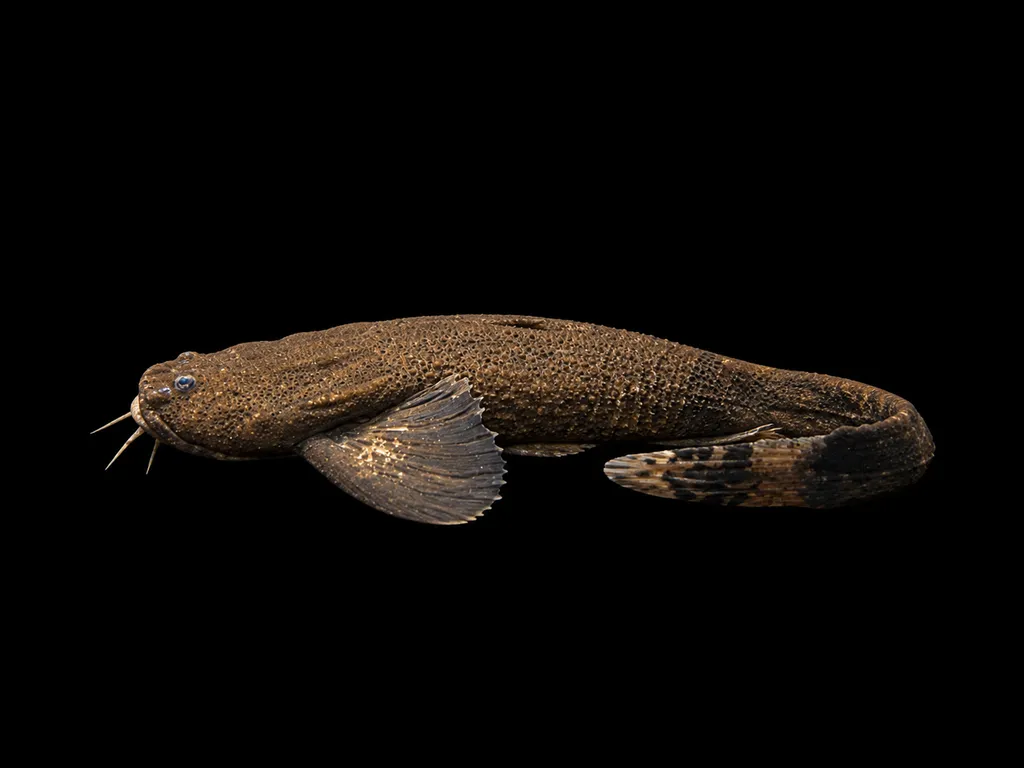
Two-ray banjo catfish
Amaralia hypsiura
Freshwater5.1 in (13 cm) · 30 gal (112 L)73–82°F (23–28°C)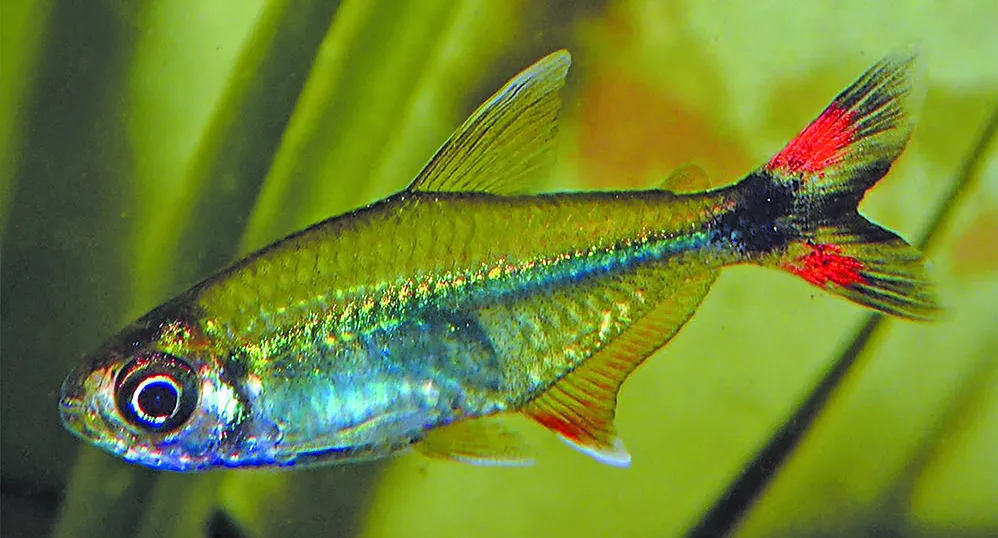
Bonita tetra
Moenkhausia bonita
Freshwater3.3 in (8.5 cm) · 29 gal (110 L)72–81°F (22–27°C)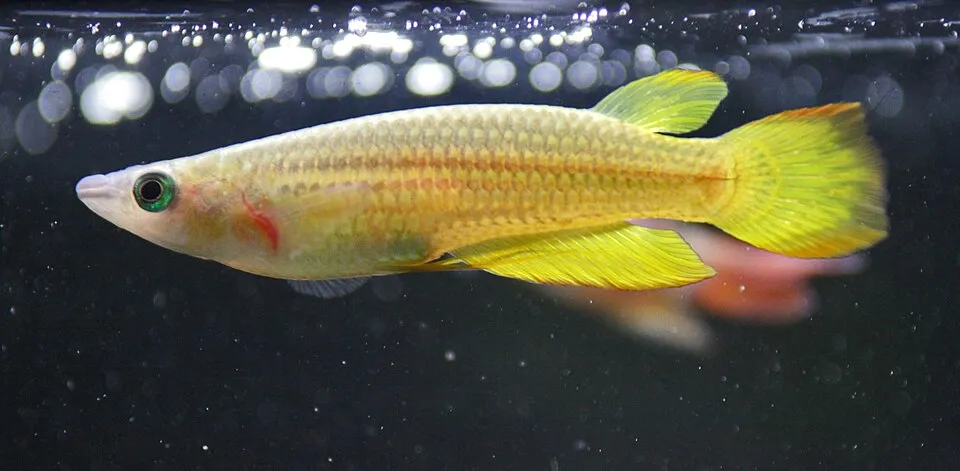
Striped panchax
Aplocheilus lineatus
Freshwater4.3 in (11 cm) · 30 gal (115 L)72–77°F (22–25°C)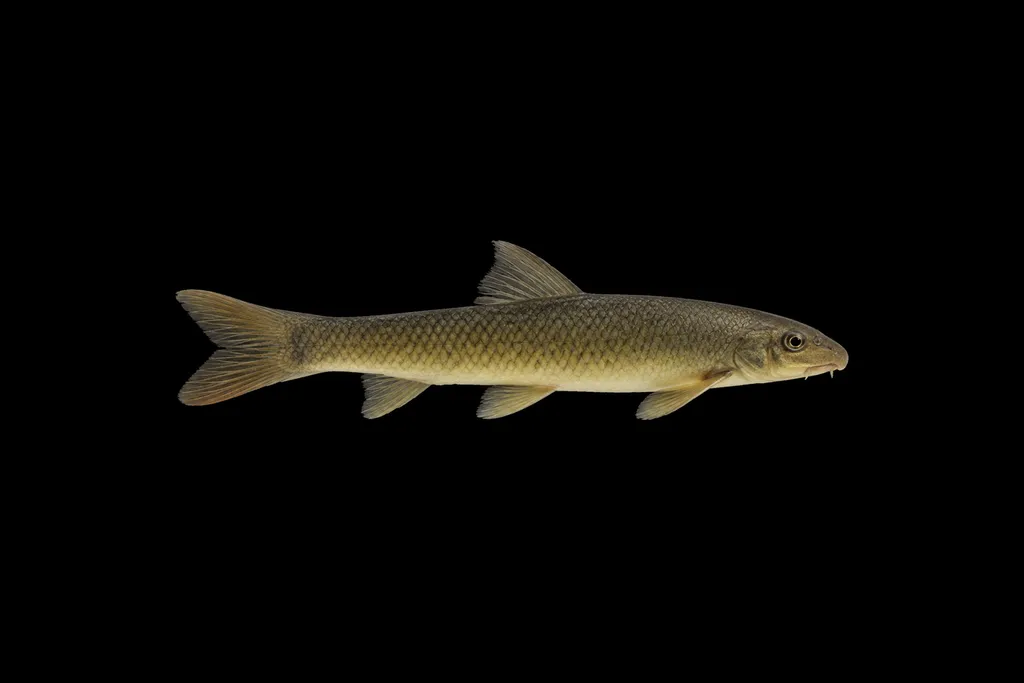
Lamta garra
Garra lamta
Freshwater4.7 in (12 cm) · 29 gal (110 L)64–77°F (18–25°C)
Common questions
What size tank does a three-lined bagrid need?
A three-lined bagrid needs at least 30 gal (112 L). It spends most of its time in the bottom.
What temperature and pH does a three-lined bagrid need?
A three-lined bagrid is comfortable at 64–77°F (18–25°C) with a pH of 6.0–7.5.
What does a three-lined bagrid eat?
A three-lined bagrid is a carnivore that eats sinking foods, frozen bloodworm and small live foods.
How big does a three-lined bagrid get?
An adult three-lined bagrid reaches about 3.1 in (8 cm).
Related species
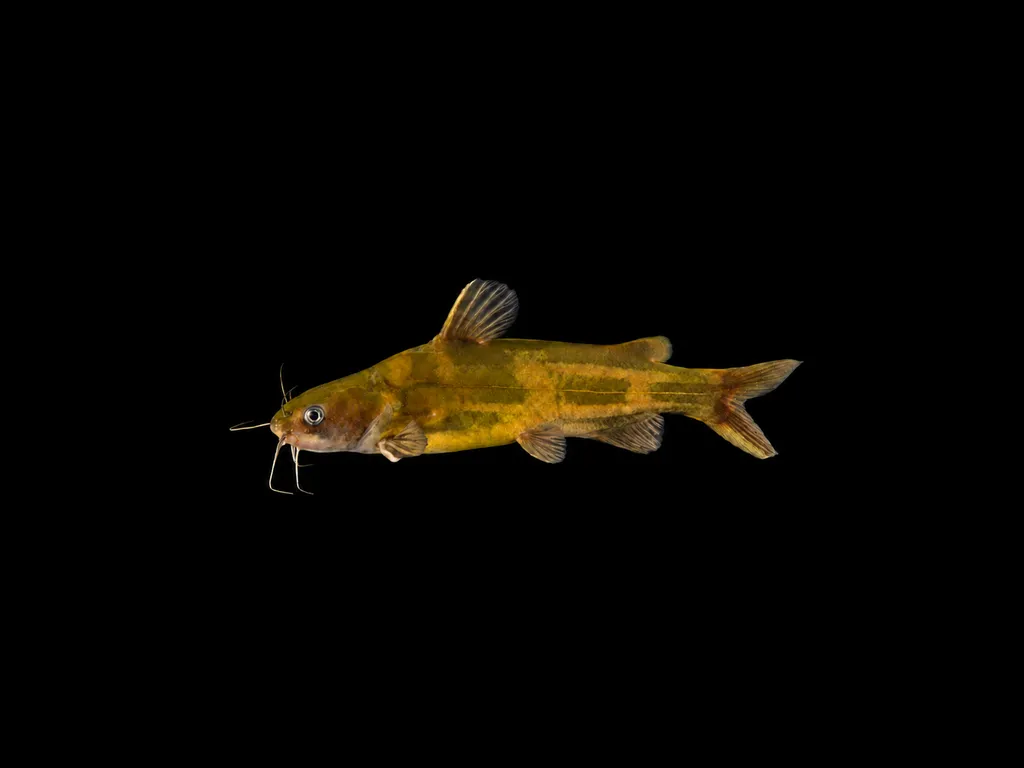 13.4 in (34 cm)106 gal (400 L)61–79°F (16–26°C)
Tawny dragon catfish
Tachysurus fulvidraco
13.4 in (34 cm) · 106 gal (400 L)
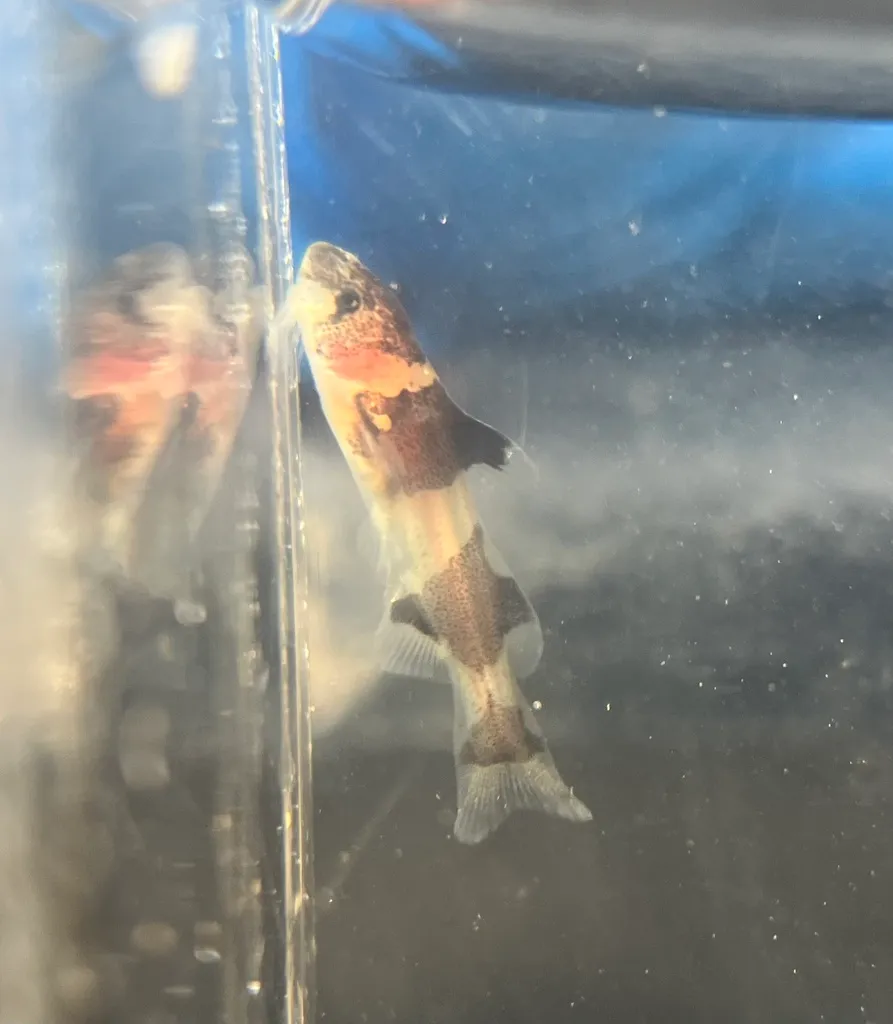 2.4 in (6 cm)20 gal (75 L)70–77°F (21–25°C)
Dwarf bumblebee catfish
Pseudomystus leiacanthus
2.4 in (6 cm) · 20 gal (75 L)
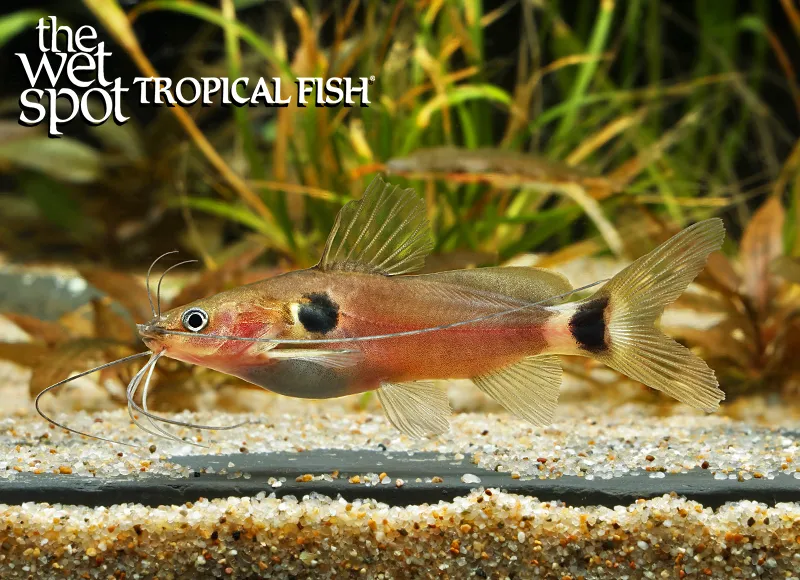 4.7 in (12 cm)30 gal (114 L)72–81°F (22–27°C)
Two-spot catfish
Mystus bimaculatus
4.7 in (12 cm) · 30 gal (114 L)
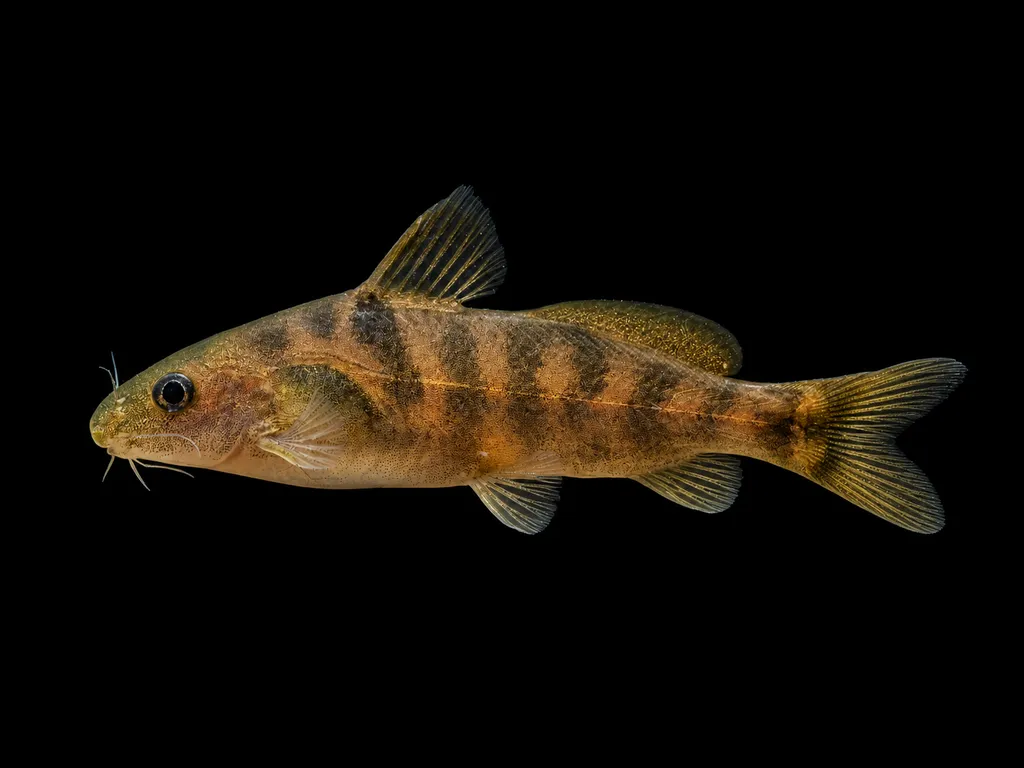 5 in (12.8 cm)29 gal (110 L)72–79°F (22–26°C)
Bengal tiger catfish
Batasio fluviatilis
5 in (12.8 cm) · 29 gal (110 L)
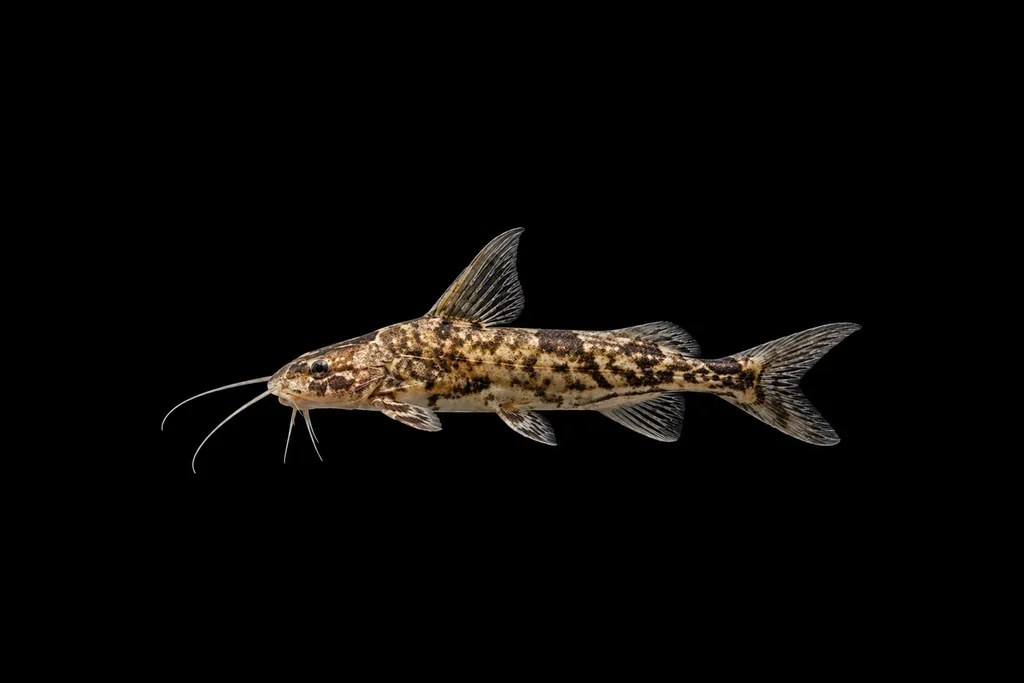 6.7 in (17 cm)40 gal (150 L)73–82°F (23–28°C)
Marbled leiocassis
Leiocassis poeciloptera
6.7 in (17 cm) · 40 gal (150 L)
 2.6 in (6.5 cm)29 gal (110 L)73–81°F (23–27°C)
Tiger stripe bee catfish
Pseudomystus heokhuii
2.6 in (6.5 cm) · 29 gal (110 L)