Saddle-back loach
Homaloptera orthogoniata
Also known as Saddled Lizard Loach
FreshwaterFish
Care at a glance
- Temperature
- 68–77°F
- 20–25°C
- pH
- 6.0–7.5
- Adult size
- 4.3 in
- 11 cm
- Minimum tank
- 45 gal
- 170 L
- Temperament
- Peaceful
- Social behavior
- Shoaling
- Swim level
- Bottom
- Difficulty
- Difficult
- Breeding
- No record
- Rarity
- Very rare
- Family
- Balitoridae
- Origin
- Borneo
Overview
The saddle-back loach is a slender hillstream fish that lives among rocks in fast water and is happiest in a group of six or more, where it is bolder and more active. It clings to and darts between stones on the bottom, grazing biofilm and picking at small foods, and it is entirely peaceful. It needs mature, algae-rich surfaces plus supplements of sinking wafers and small frozen foods such as daphnia and bloodworms. This is a demanding species that suffers in warm, still, or dirty water, so pair it only with calm, cool-water fish that share its needs. A group requires a well-oxygenated tank of around 170 liters or larger with strong flow.
In the wild
Homaloptera orthogoniata is endemic to Borneo, living in swift, clear headwater streams that run cool and highly oxygenated over rock and gravel. It needs those conditions in the tank, roughly 20 to 25 C with a pH from about 6 to 7.5 and a brisk current. Use a powerhead or strong return to keep the water moving, lay in smooth rounded stones and cobbles for grazing and shelter, and keep the tank mature so biofilm can build. Pristine, well-filtered water and steady oxygen are essential, since this loach declines quickly in stagnant or polluted conditions.
Good to know
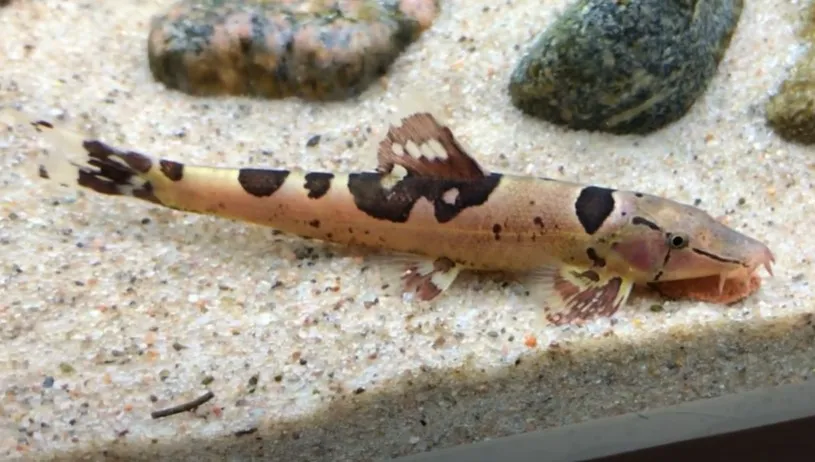
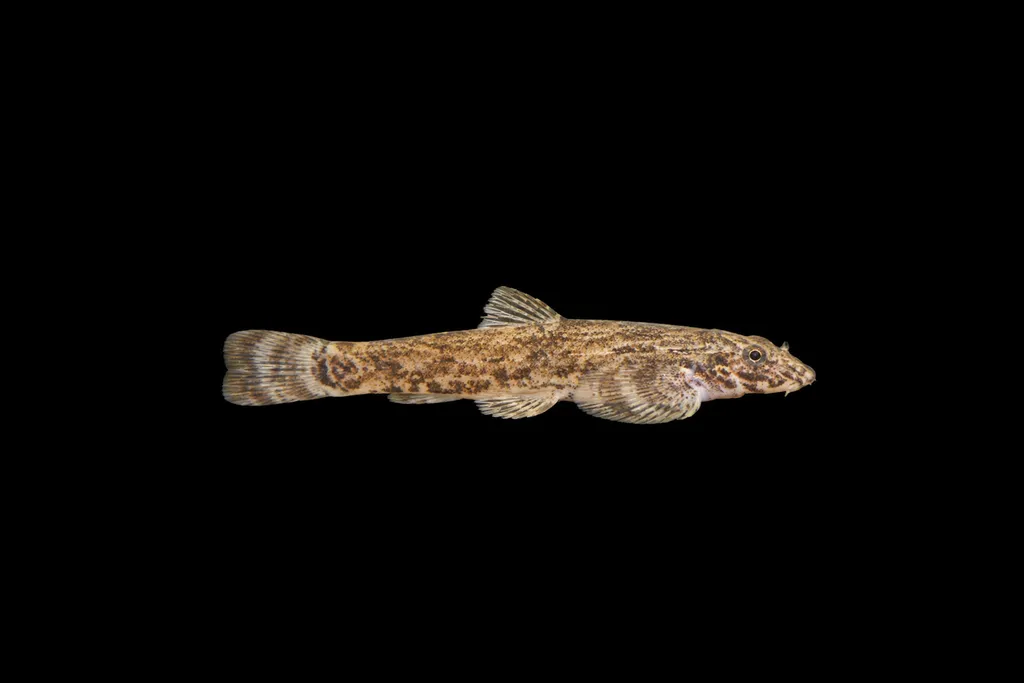
Homaloptera orthogoniata is a member of Balitoridae, the river loaches, and grows to around 11 cm. It has a low, tapering body marked with three or four large dark saddles across the back, and broad paired fins that help it grip rock in fast current. It lacks the erectile eye spine of the botiid and true loaches. Breeding is not recorded in home aquaria, and it is presumed to spawn among stones in flowing water, with trade fish taken from the wild.
Did you know
The saddle-back loach gets its name from the row of three or four broad, dark saddle markings that straddle its back, breaking up its outline against a mottled streambed. The pattern makes it one of the easier hillstream loaches to tell apart from its plainer relatives.
Weekly picks
Tank mates
Saddle-back loach is a peaceful, shoaling species that keeps to the bottom. These picks share a community profile with it, are safe together in both directions, and overlap on water type, temperature and pH.
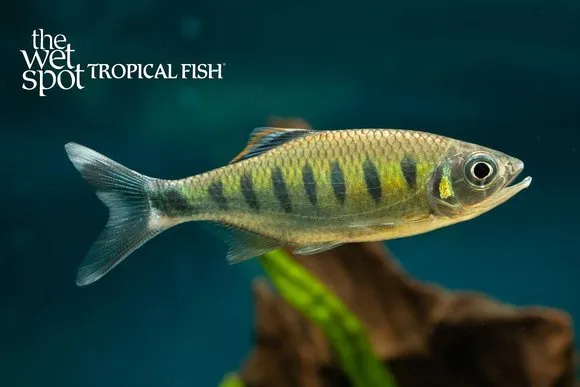
Fiery baril
Opsarius ardens
Freshwater4.1 in (10.5 cm) · 42 gal (160 L)68–79°F (20–26°C)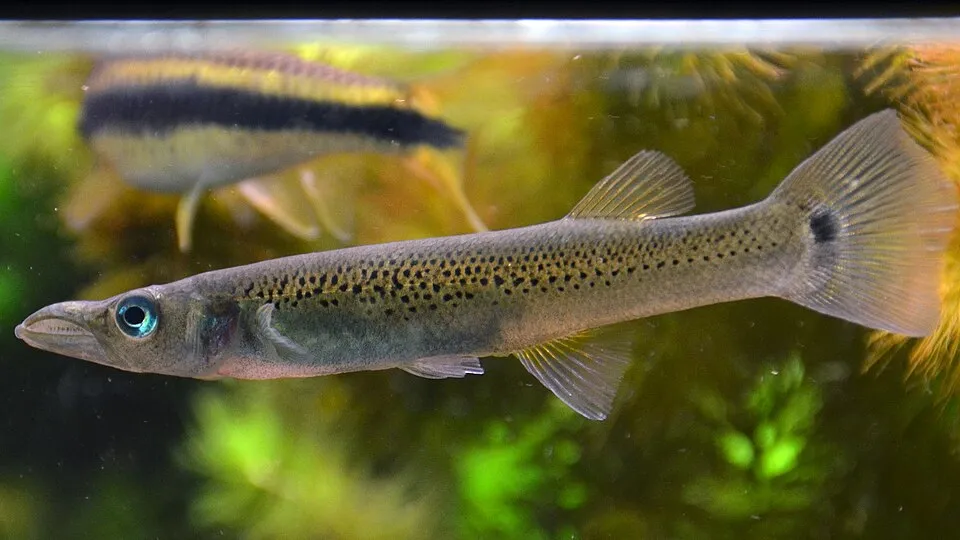
Pike topminnow
Belonesox belizanus
Freshwater7.9 in (20 cm) · 44 gal (165 L)73–82°F (23–28°C)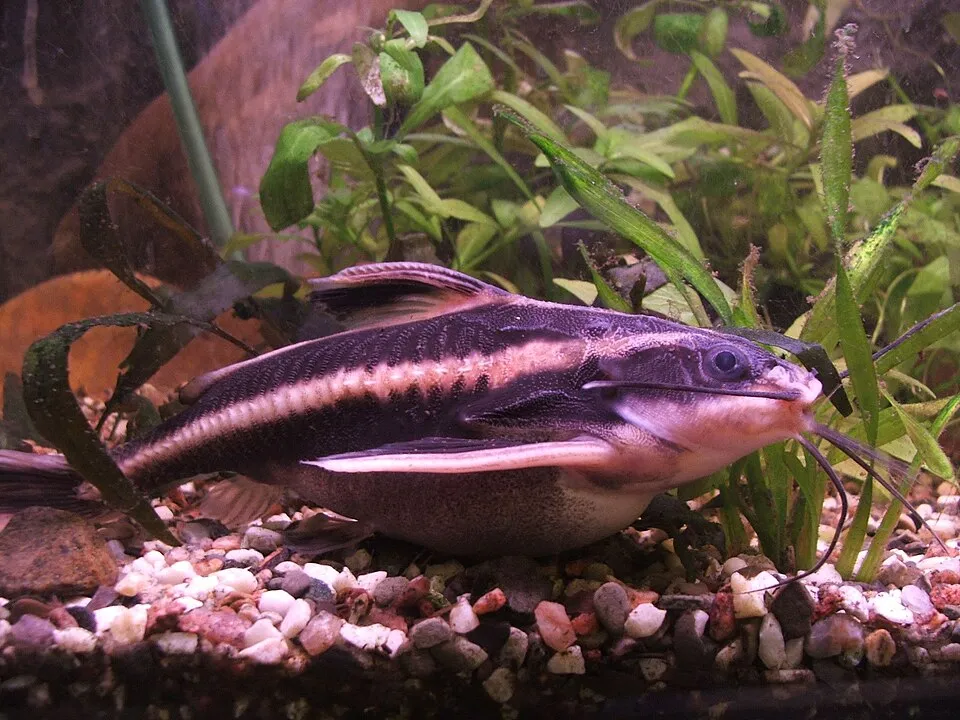
Striped raphael catfish
Platydoras armatulus
Freshwater8.7 in (22 cm) · 45 gal (170 L)75–86°F (24–30°C)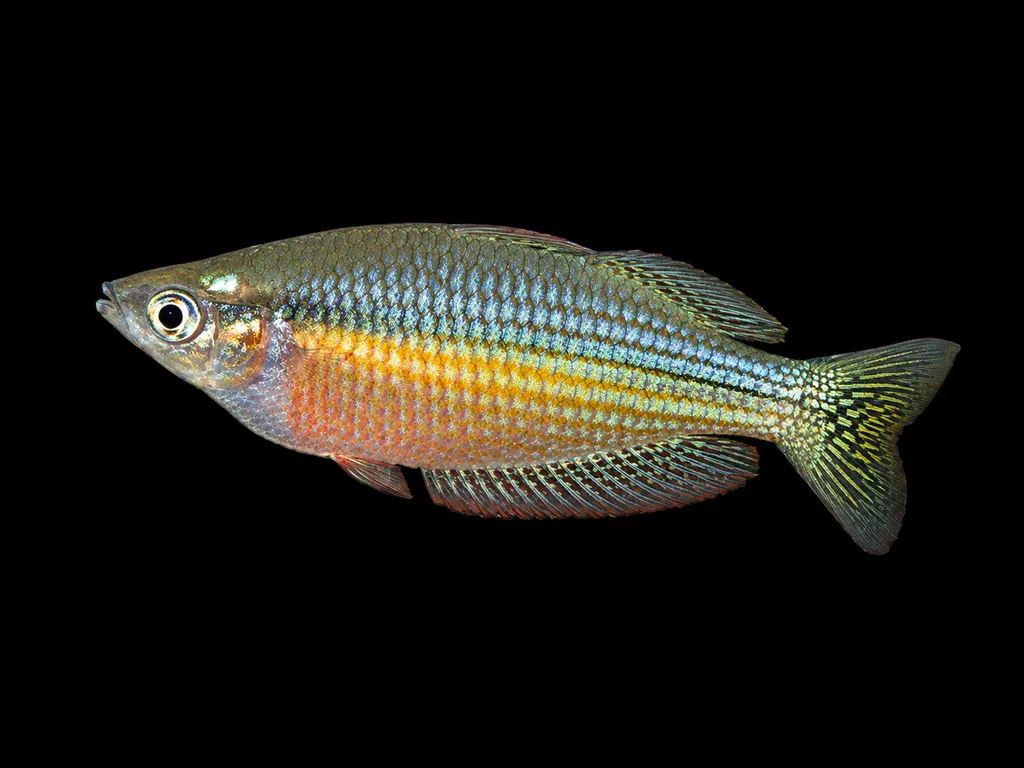
Desert rainbowfish
Melanotaenia splendida tatei
Freshwater3.9 in (10 cm) · 42 gal (160 L)64–86°F (18–30°C)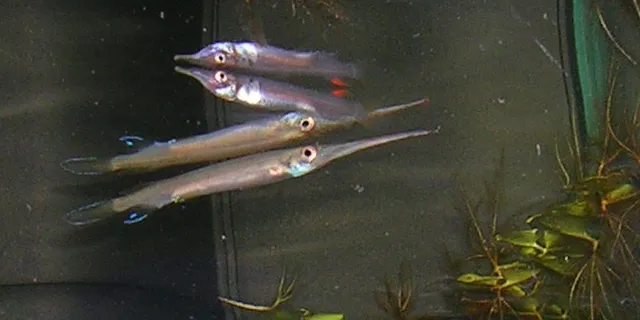
Forest halfbeak
Hemirhamphodon pogonognathus
Freshwater3.5 in (9 cm) · 34 gal (130 L)75–82°F (24–28°C)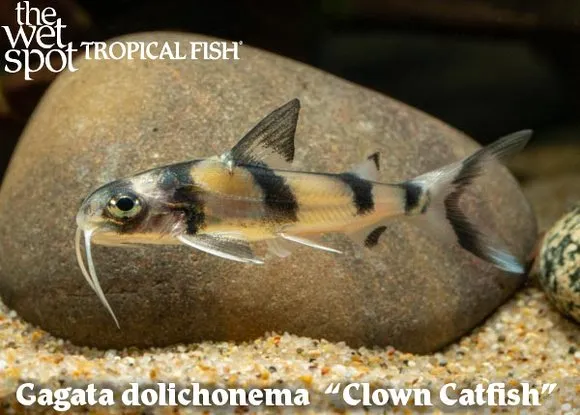
Clown gagata catfish
Gagata dolichonema
Freshwater5.1 in (13 cm) · 42 gal (160 L)68–79°F (20–26°C)
Common questions
What size tank does a Saddle-back loach need?
A Saddle-back loach needs at least 45 gal (170 L). It spends most of its time in the bottom.
What temperature and pH does a Saddle-back loach need?
A Saddle-back loach is comfortable at 68–77°F (20–25°C) with a pH of 6.0–7.5.
How big does a Saddle-back loach get?
An adult Saddle-back loach reaches about 4.3 in (11 cm).
Does a Saddle-back loach need a group?
Yes. A Saddle-back loach is a shoaling species and should be kept in a group, not singly.
Related species
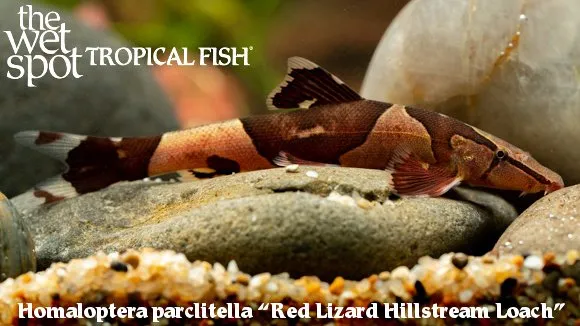 3.9 in (10 cm)29 gal (110 L)70–79°F (21–26°C)
Malayan lizard loach
Homaloptera parclitella
3.9 in (10 cm) · 29 gal (110 L)
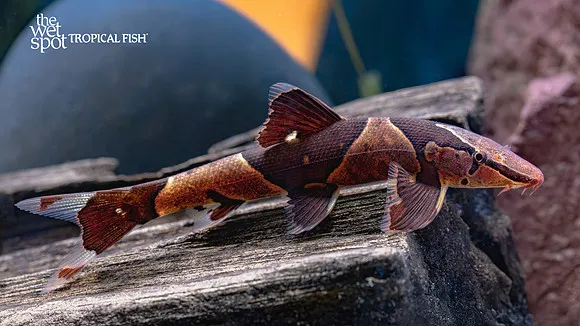 3.2 in (8.2 cm)24 gal (90 L)70–81°F (21–27°C)
Mekong lizard loach
Homaloptera confuzona
3.2 in (8.2 cm) · 24 gal (90 L)
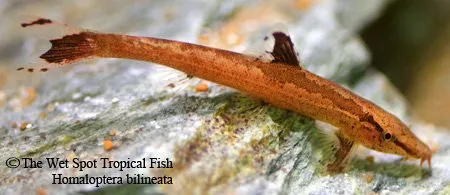 3.1 in (8 cm)24 gal (90 L)68–79°F (20–26°C)
Twin-stripe lizard loach
Homaloptera bilineata
3.1 in (8 cm) · 24 gal (90 L)
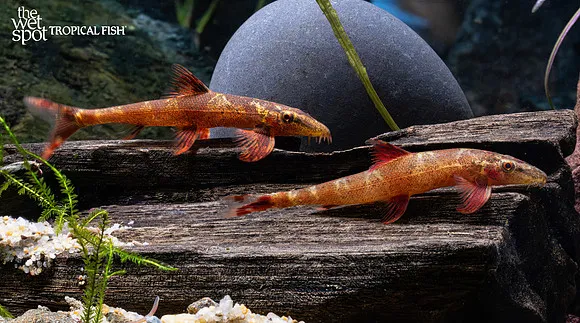 2.4 in (6 cm)20 gal (75 L)70–79°F (21–26°C)
Ogilvie's lizard loach
Homaloptera ogilviei
2.4 in (6 cm) · 20 gal (75 L)
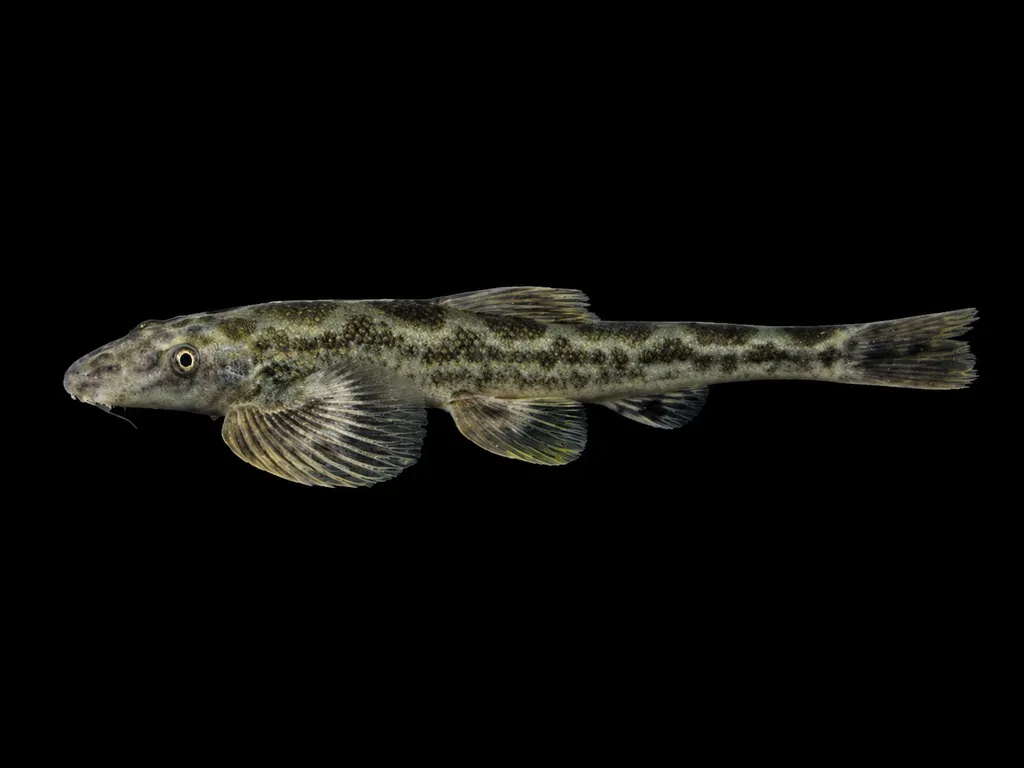 3.9 in (10 cm)25 gal (95 L)68–79°F (20–26°C)
Burmese stone loach
Balitora burmanica
3.9 in (10 cm) · 25 gal (95 L)
 3.1 in (8 cm)24 gal (90 L)70–79°F (21–26°C)
Zollinger's lizard loach
Balitoropsis zollingeri
3.1 in (8 cm) · 24 gal (90 L)