Leopard eel catfish
Ituglanis metae
Also known as Leopard candiru
FreshwaterFish
Care at a glance
- Temperature
- 73–82°F
- 23–28°C
- pH
- 6.0–7.5
- Adult size
- 3.1 in
- 8 cm
- Minimum tank
- 21 gal
- 80 L
- Temperament
- Peaceful
- Social behavior
- Solitary
- Swim level
- Bottom
- Difficulty
- Medium
- Breeding
- No record
- Rarity
- Rare
- Family
- Trichomycteridae
- Origin
- Meta drainage, Colombia
Overview
The leopard eel catfish is a peaceful, burrowing catfish for the sand bed of a community tank. It needs a bit more care than a beginner fish.
Did you know
The leopard eel catfish is a close relative of the candiru, the parasitic catfishes of Amazon legend, and it carries their gill-cover hooks. In the wild it is thought to latch onto larger fish. Whether it takes flesh or blood from its hosts is not known.
Caring for the leopard eel catfish
Keep the leopard eel catfish on its own in a tank of at least 21 gal (80 L), which is enough for one. It is not a group fish and spends most of the day hidden. It lives right on the bottom and likes to burrow.
Give it fine, soft sand to dig into, with plenty of wood and fallen leaves for shade. That cover lets it settle and come out to forage. Provide gentle, well-oxygenated flow.
Aim for 73 to 82°F (23 to 28°C) and a slightly acidic to neutral pH of 6.0 to 7.5. Keep conditions stable with regular water changes. Feed sinking foods after lights out, such as small pellets, bloodworm, tubifex, chopped earthworm and other meaty items that reach the floor.
It is peaceful with small, quick community fish that will not outcompete it at feeding time. Do not house it with large, slow-bodied fish it could latch onto. Its aquarium breeding is not documented, so nothing reliable is known about how it spawns in a tank.
Good to know
The leopard eel catfish, Ituglanis metae, is a slim, spotted member of Trichomycteridae, the pencil catfishes. It is also sold as the leopard candiru.
In the wild
The leopard eel catfish comes from the Meta river drainage in the llanos of Colombia. It threads through sand and leaf litter in warm, soft-water streams. Its recorded wild diet is benthic insect larvae.
Weekly picks
Tank mates
The leopard eel catfish is a peaceful, solitary species that keeps to the bottom. These picks share a community profile with it, are safe together in both directions, and overlap on water type, temperature and pH.
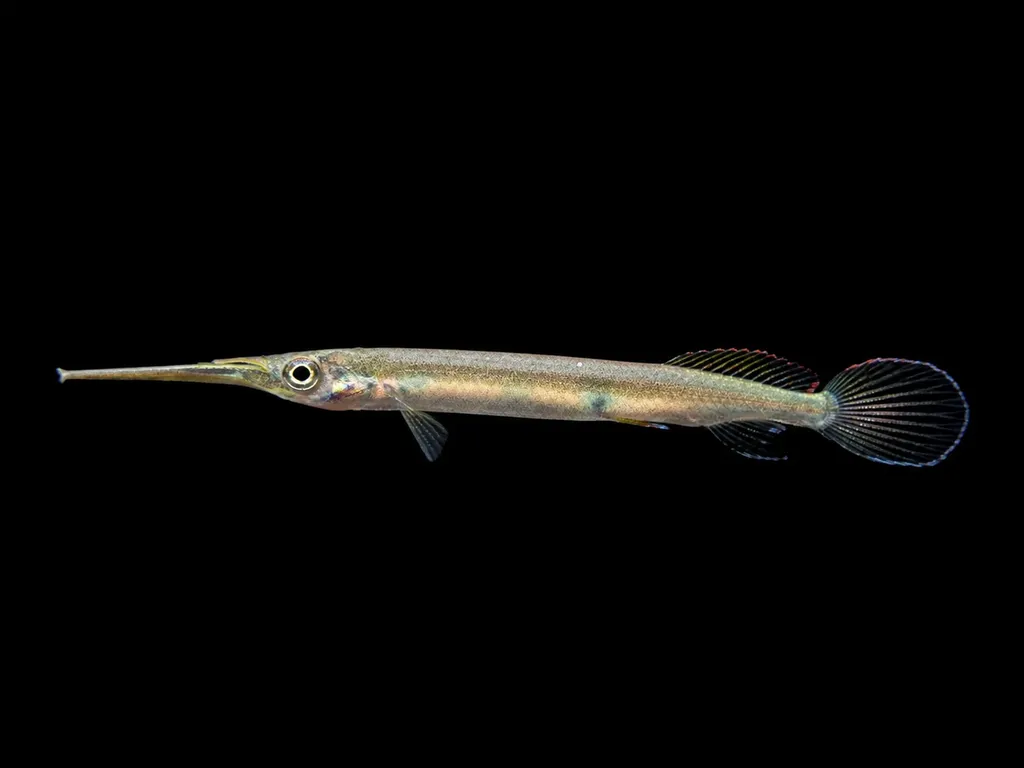
Kuekenthal's halfbeak
Hemirhamphodon kuekenthali
Freshwater3.3 in (8.5 cm) · 20 gal (75 L)73–81°F (23–27°C)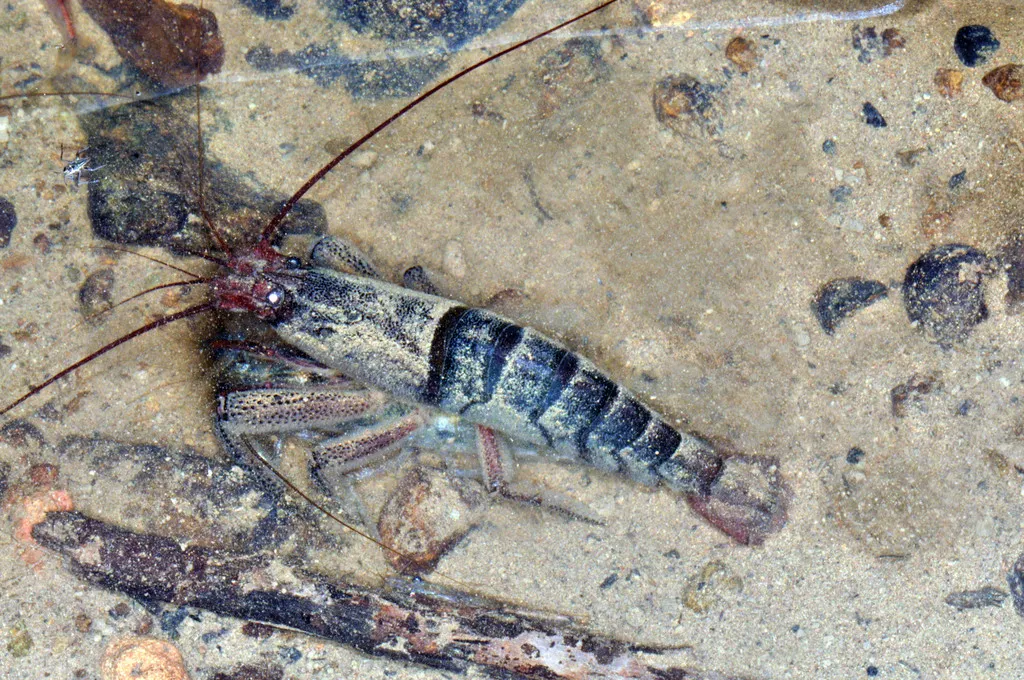
Marble wood shrimp
Atya scabra
Freshwater3.9 in (10 cm) · 20 gal (75 L)73–82°F (23–28°C)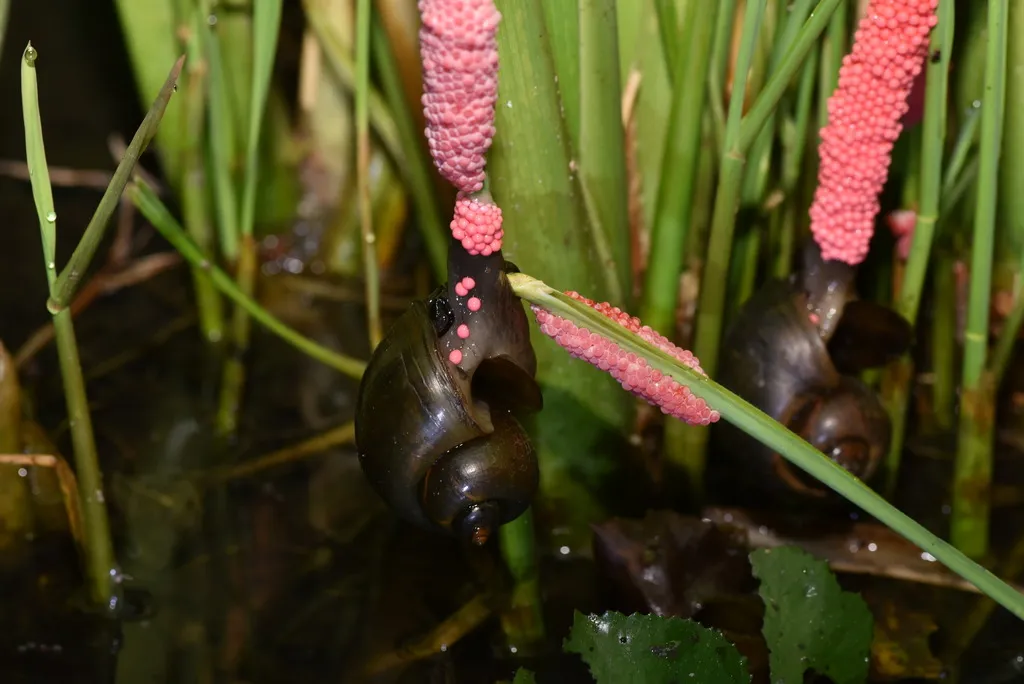
Apple snail
Pomacea canaliculata
Freshwater5.9 in (15 cm) · 21 gal (80 L)64–81°F (18–27°C)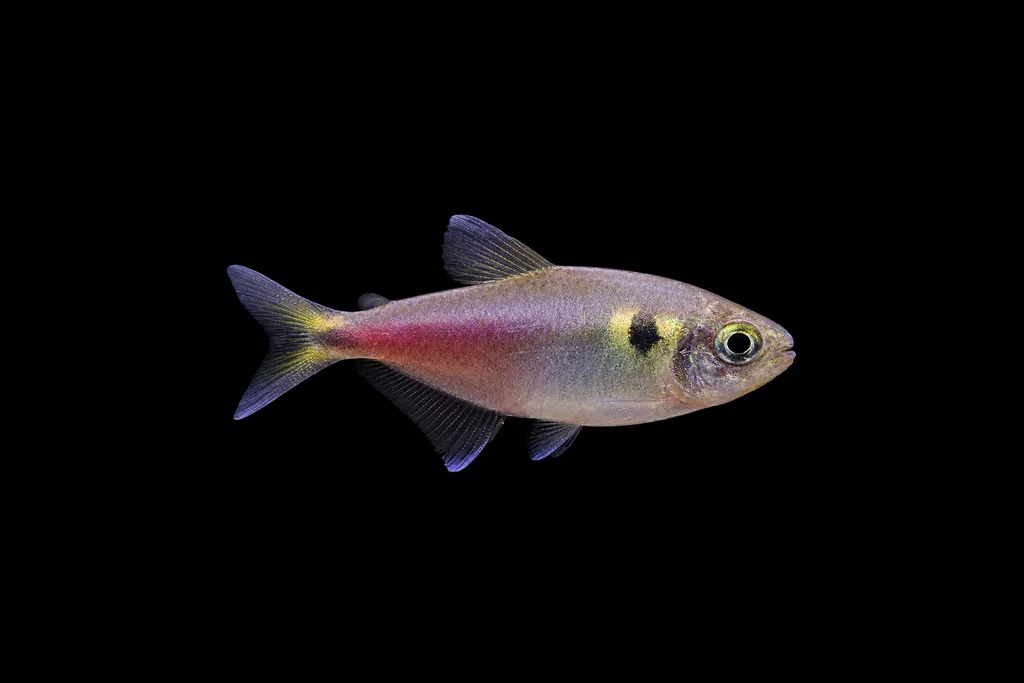
Pastel lily tetra
Psalidodon xavante
Freshwater2.4 in (6 cm) · 21 gal (80 L)72–81°F (22–27°C)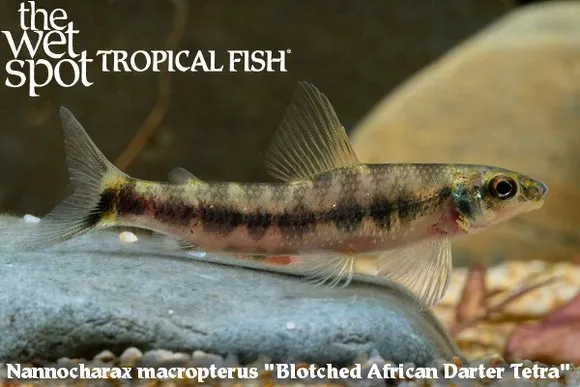
Blotched darter tetra
Nannocharax macropterus
Freshwater2.4 in (6 cm) · 21 gal (80 L)73–82°F (23–28°C)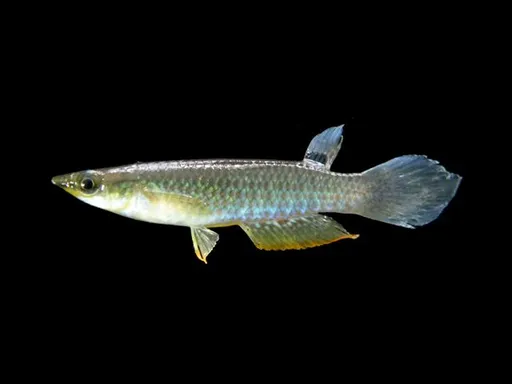
Blue panchax
Aplocheilus panchax
Freshwater3.5 in (9 cm) · 20 gal (75 L)72–82°F (22–28°C)
Common questions
What size tank does a leopard eel catfish need?
A leopard eel catfish needs at least 21 gal (80 L). It spends most of its time in the bottom.
What temperature and pH does a leopard eel catfish need?
A leopard eel catfish is comfortable at 73–82°F (23–28°C) with a pH of 6.0–7.5.
What does a leopard eel catfish eat?
A leopard eel catfish eats sinking foods such as small pellets, bloodworm, tubifex and chopped earthworm. Offer them after lights out.
How big does a leopard eel catfish get?
An adult leopard eel catfish reaches about 3.1 in (8 cm).
Related species
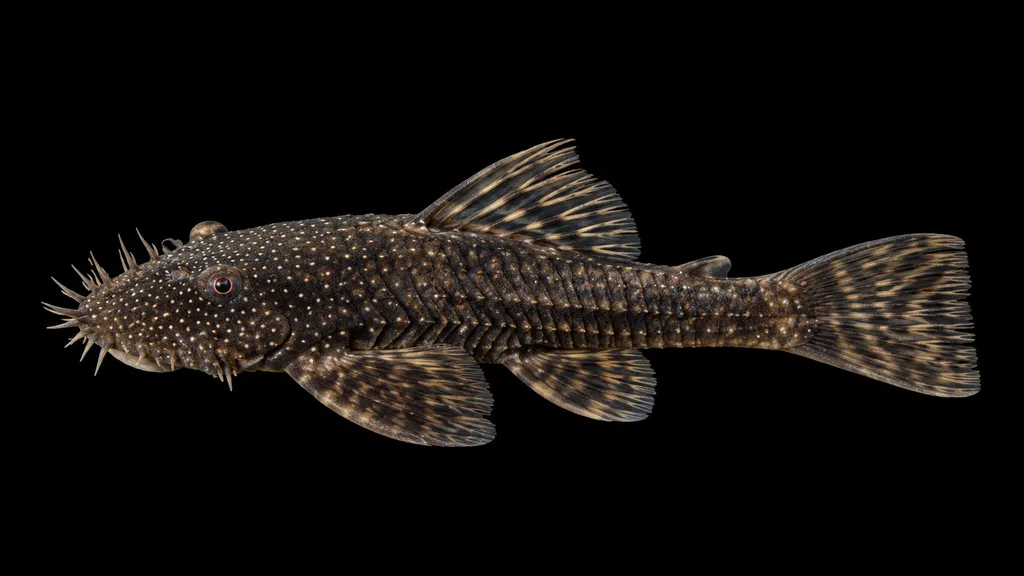 3.1 in (8 cm)29 gal (110 L)77–84°F (25–29°C)
Aguaboa bristlenose pleco
Ancistrus aguaboensis
3.1 in (8 cm) · 29 gal (110 L)
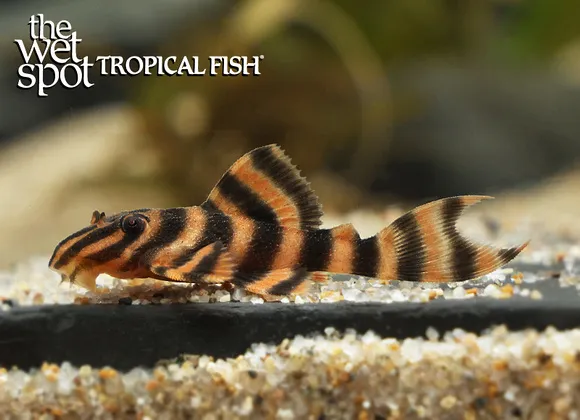 3.1 in (8 cm)42 gal (160 L)77–84°F (25–29°C)
Bloodred tiger pleco
Panaqolus claustellifer
3.1 in (8 cm) · 42 gal (160 L)
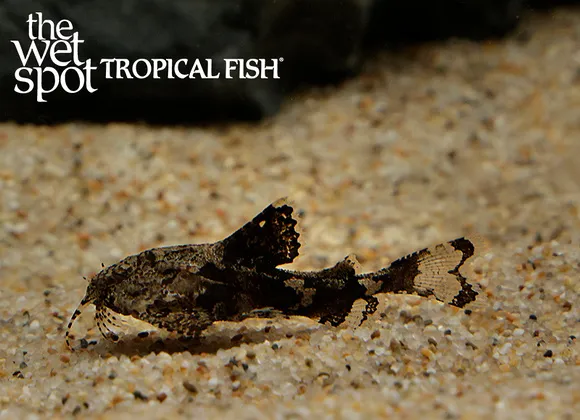 3.1 in (8 cm)14 gal (54 L)68–79°F (20–26°C)
Butterfly hara catfish
Hara hara
3.1 in (8 cm) · 14 gal (54 L)
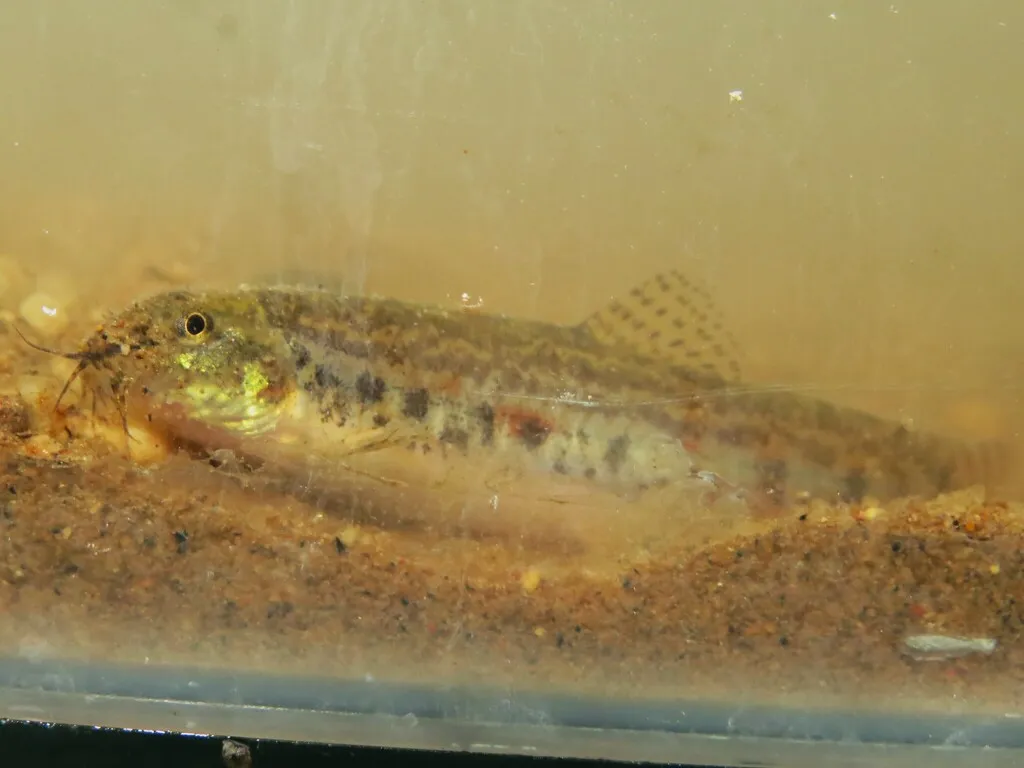 3.1 in (8 cm)20 gal (75 L)72–82°F (22–28°C)
Common spiny loach
Lepidocephalichthys thermalis
3.1 in (8 cm) · 20 gal (75 L)
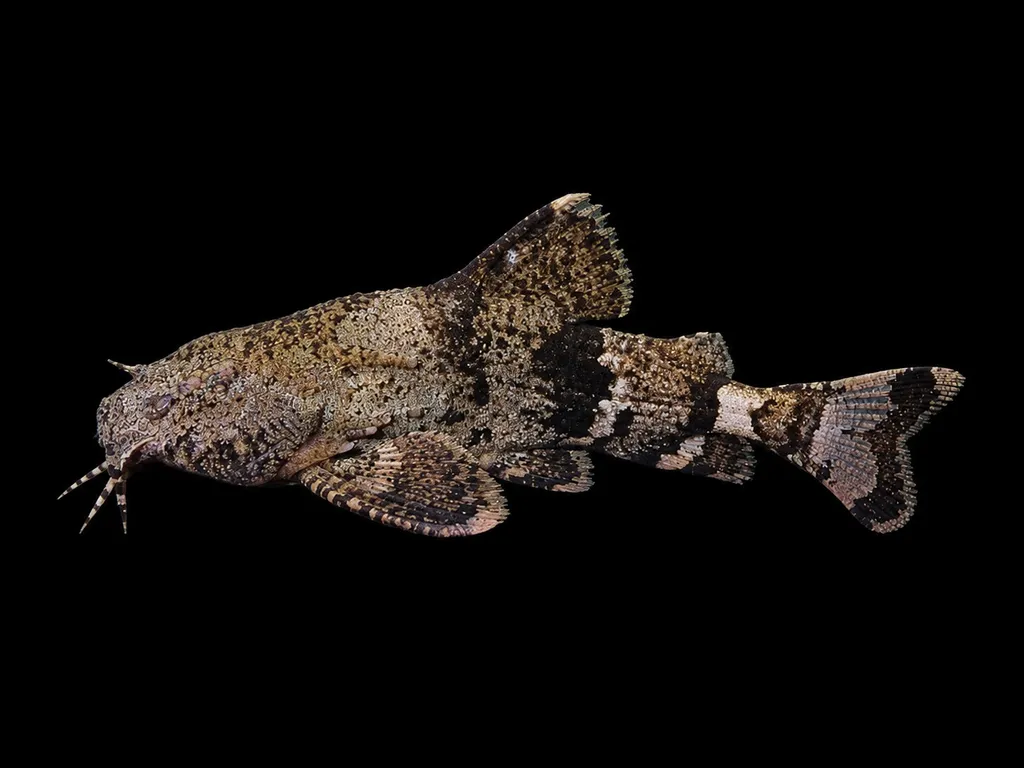 3.1 in (8 cm)14 gal (54 L)68–79°F (20–26°C)
Elongate moth catfish
Hara horai
3.1 in (8 cm) · 14 gal (54 L)
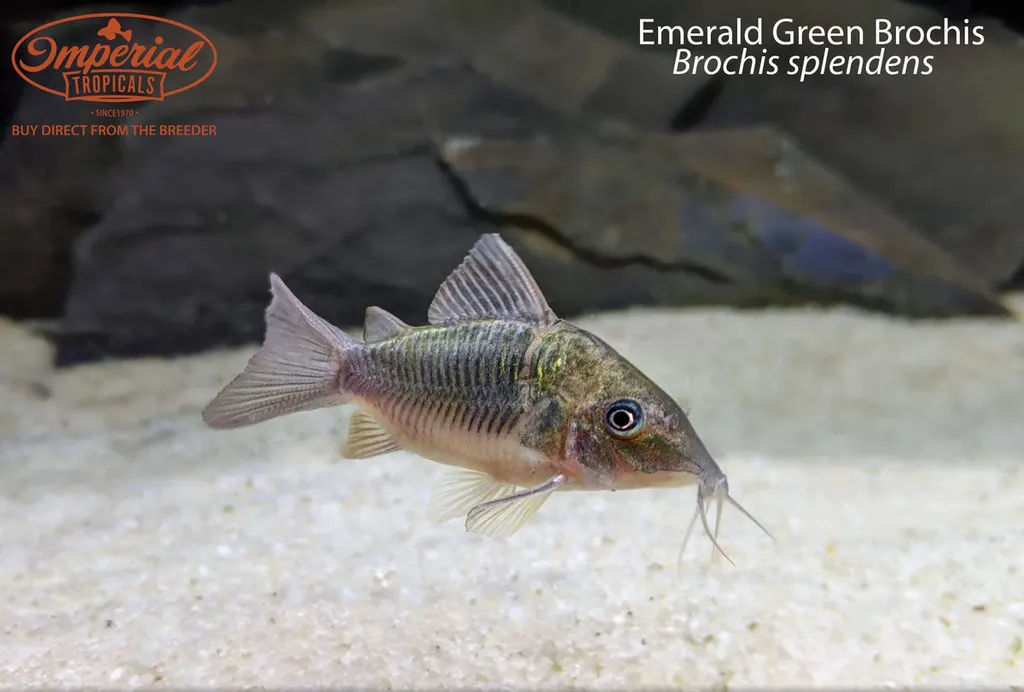 3.1 in (8 cm)40 gal (150 L)70–82°F (21–28°C)
Emerald catfish
Brochis splendens
3.1 in (8 cm) · 40 gal (150 L)