Grant's cory
Hoplisoma granti
Also known as Corydoras granti, Super arcuatus, Skunk Hoplisoma, Colombian skunk cory
FreshwaterFish
Care at a glance
- Temperature
- 73–81°F
- 23–27°C
- pH
- 5.8–7.2
- Adult size
- 2.6 in
- 6.5 cm
- Minimum tank
- 20 gal
- 75 L
- Temperament
- Peaceful
- Social behavior
- Shoaling
- Swim level
- Bottom
- Difficulty
- Medium
- Breeding
- Hard
- Rarity
- Rare
- Family
- Callichthyidae
- Origin
- Amazon-Solimoes drainages of Brazil, Colombia, Ecuador and Peru
Overview
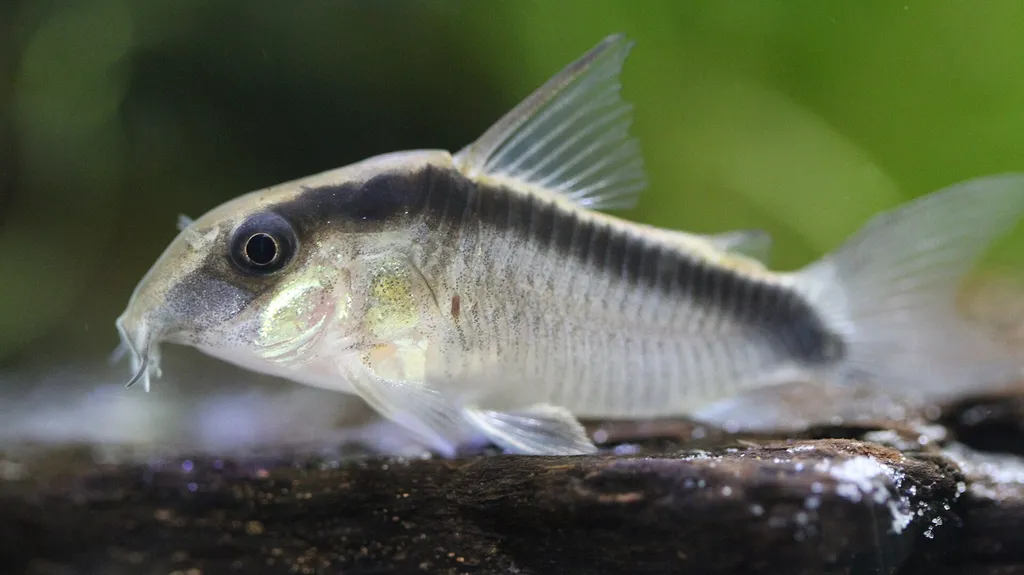
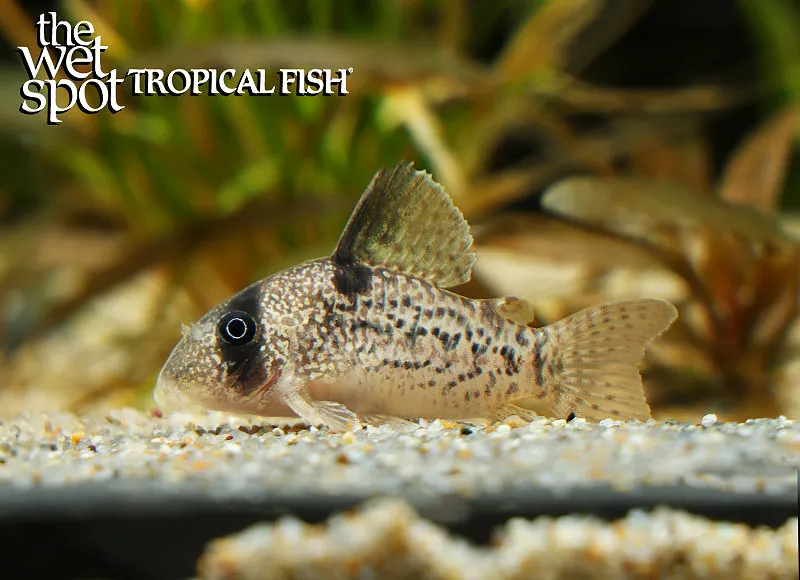
Grant's cory is a peaceful catfish for a soft-water community tank, and the larger, bolder-arched twin of the skunk cory. It suits a keeper with a little experience.
Did you know
For decades, shops sold Grant's cory as the super arcuatus, a skunk cory that seemed too big and too bold. In 2019 the label finally became a species, and most trade fish labeled super arcuatus are this one.
Caring for the Grant's cory
Keep Grant's cories in a group of six or more, in 20 gal (75 L) or larger. Give them fine sand with leaves and wood.
They handle the usual soft, warm cory water, at 73 to 81°F (23 to 27°C) and a pH of 5.8 to 7.2. Feed prepared sinking foods and frozen foods, which they eat without hesitation.
Grant's cories are peaceful and mix well with other peaceful soft-water fish. True breeding reports are scarce, and breeding them is hard. The reports that exist follow the cool-change method.
Good to know
Grant's cory was described in 2019 by Tencatt, Lima and Britto. It is named for Steven Grant, who first argued it was distinct. Its black arch runs from the snout over the back to the tail base, heavier and longer than in the true arcuatus. The 2024 revision lists it as Hoplisoma granti, in the family Callichthyidae.
In the wild
Grant's cory ranges along blackwater and mixed-water streams of the Amazon-Solimoes system in Brazil, Colombia, Ecuador and Peru. It shelters in leaf litter and sandy shallows.
Weekly picks
Tank mates
The Grant's cory is a peaceful, shoaling species that keeps to the bottom. These picks share a community profile with it, are safe together in both directions, and overlap on water type, temperature and pH.
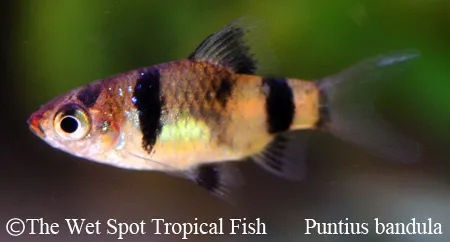
Bandula barb
Pethia bandula
Freshwater2 in (5 cm) · 20 gal (75 L)73–81°F (23–27°C)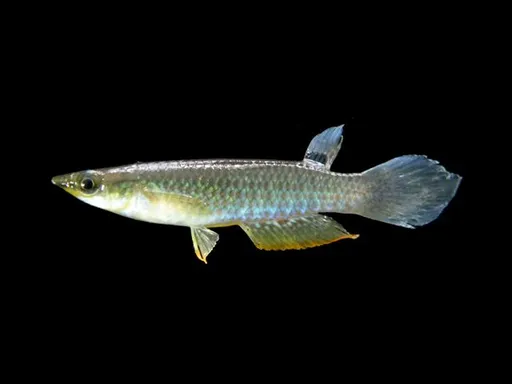
Blue panchax
Aplocheilus panchax
Freshwater3.5 in (9 cm) · 20 gal (75 L)72–82°F (22–28°C)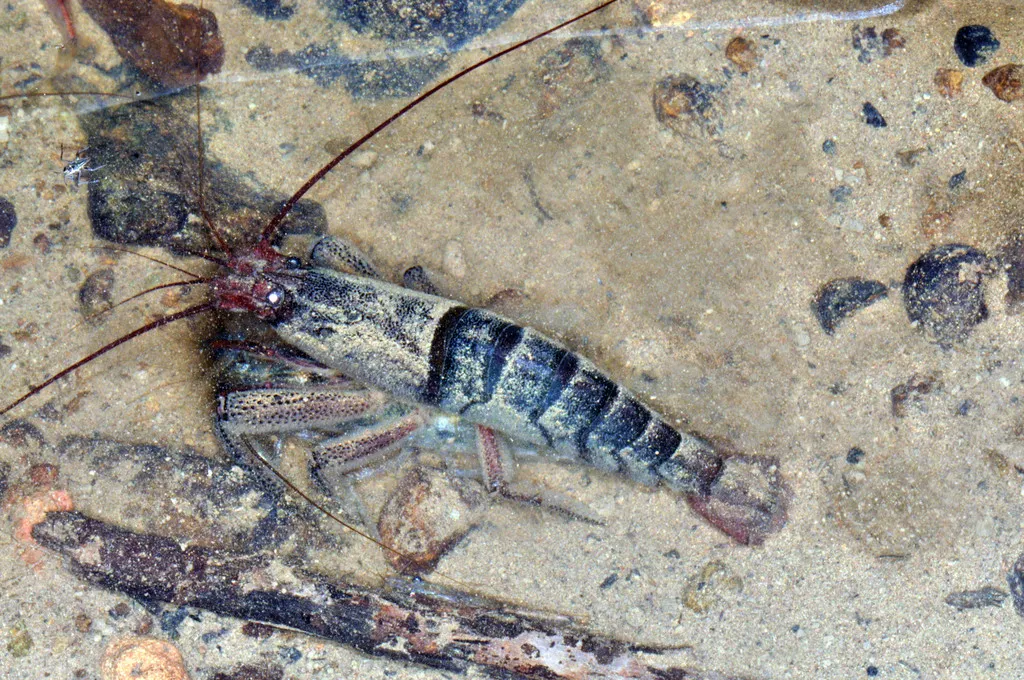
Marble wood shrimp
Atya scabra
Freshwater3.9 in (10 cm) · 20 gal (75 L)73–82°F (23–28°C)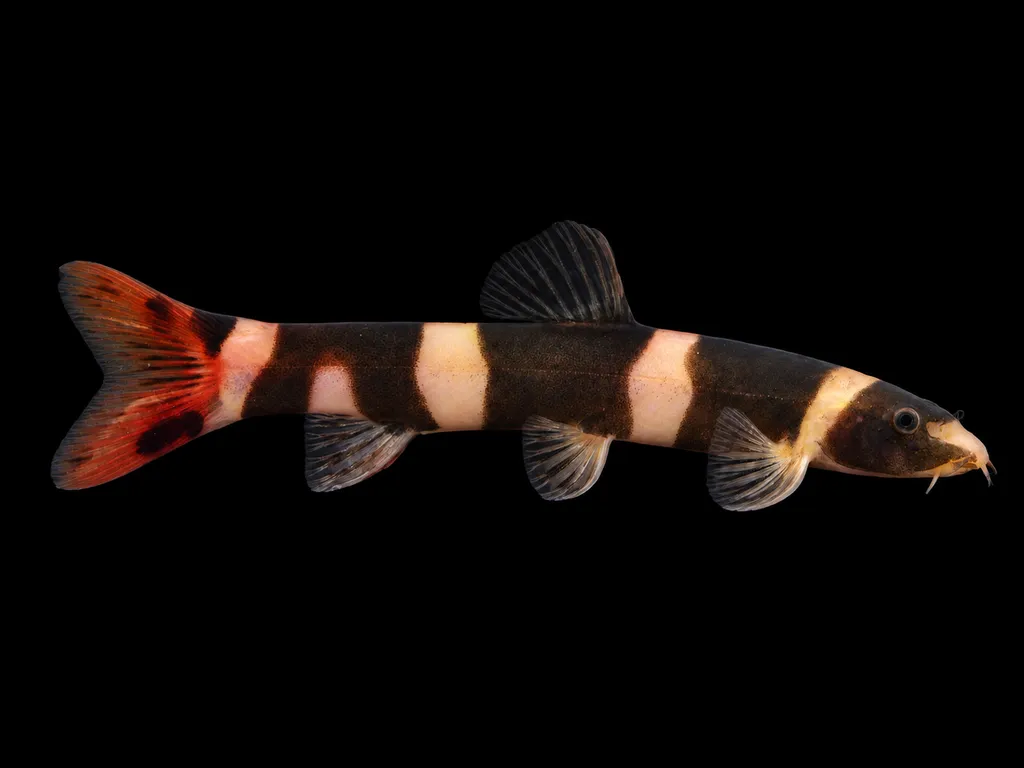
Barito loach
Kapuasia falaris
Freshwater2.6 in (6.5 cm) · 20 gal (75 L)73–81°F (23–27°C)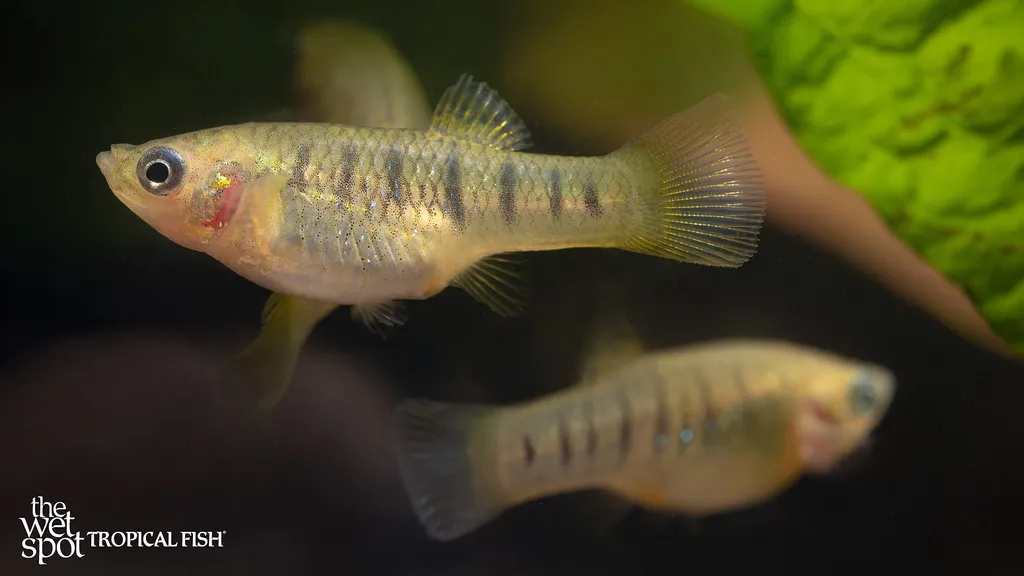
Humpbacked limia
Limia nigrofasciata
Freshwater2.4 in (6 cm) · 20 gal (75 L)72–82°F (22–28°C)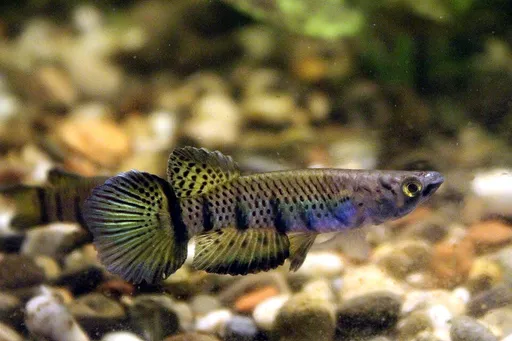
Six-barred panchax
Epiplatys sexfasciatus
Freshwater3.9 in (10 cm) · 20 gal (75 L)72–81°F (22–27°C)
Common questions
What size tank does a Grant's cory need?
A Grant's cory needs at least 20 gal (75 L). It spends most of its time in the bottom.
What temperature and pH does a Grant's cory need?
A Grant's cory is comfortable at 73–81°F (23–27°C) with a pH of 5.8–7.2.
What does a Grant's cory eat?
A Grant's cory eats prepared sinking foods and frozen foods without hesitation.
How big does a Grant's cory get?
An adult Grant's cory reaches about 2.6 in (6.5 cm).
Does a Grant's cory need a group?
Yes. A Grant's cory is a shoaling species and should be kept in a group, not singly.
How does a Grant's cory breed?
Grant's cories have few true breeding reports, and breeding them is hard. The reports that exist follow the cool-change method.
Related species
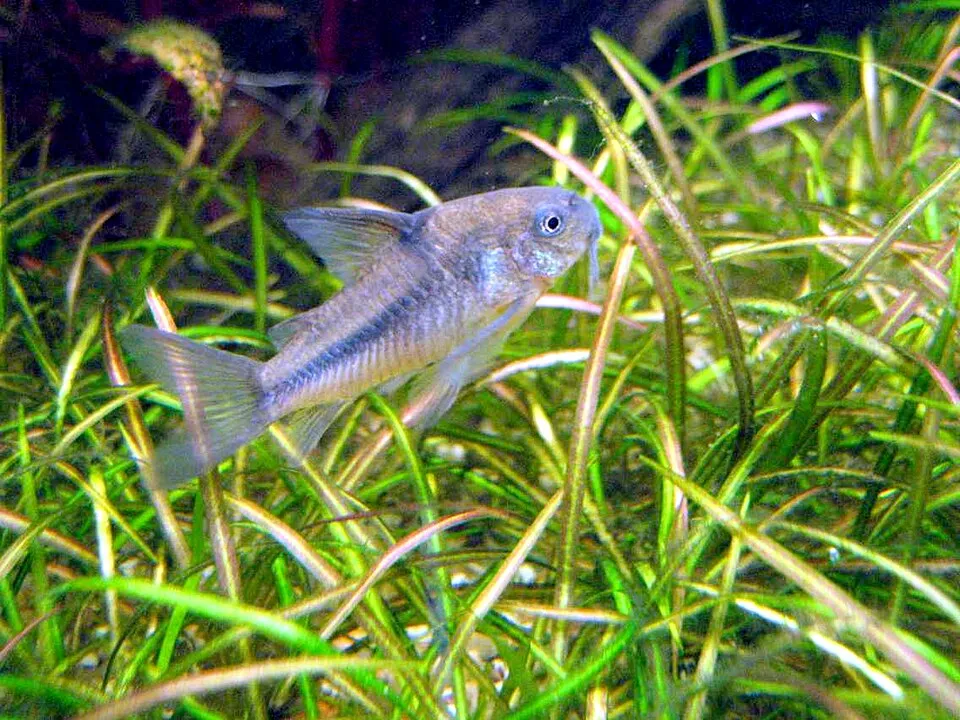 2.6 in (6.5 cm)20 gal (75 L)68–73°F (20–23°C)
Blue cory
Hoplisoma nattereri
2.6 in (6.5 cm) · 20 gal (75 L)
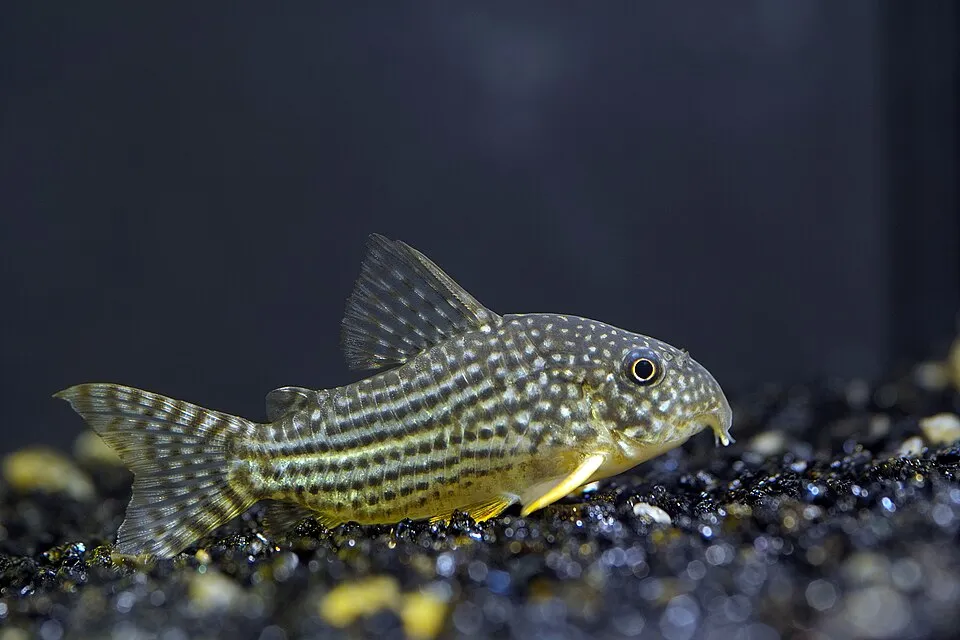 2.6 in (6.5 cm)20 gal (75 L)75–82°F (24–28°C)
Sterba's cory
Hoplisoma sterbai
2.6 in (6.5 cm) · 20 gal (75 L)
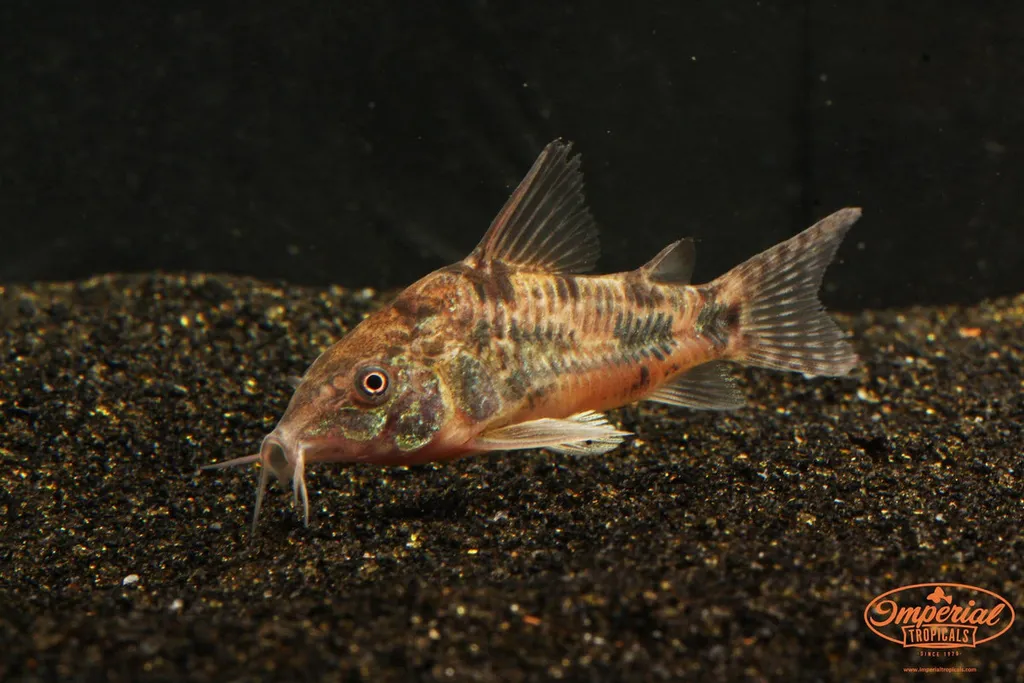 2.8 in (7 cm)21 gal (80 L)72–79°F (22–26°C)
Peppered cory
Hoplisoma paleatum
2.8 in (7 cm) · 21 gal (80 L)
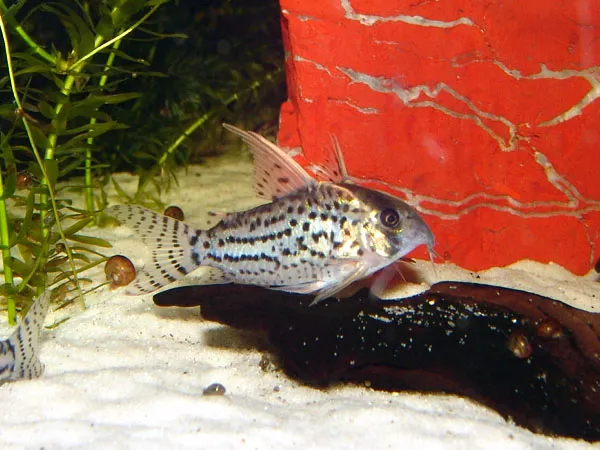 2.8 in (7 cm)20 gal (75 L)72–79°F (22–26°C)
Schwartz's catfish
Hoplisoma schwartzi
2.8 in (7 cm) · 20 gal (75 L)
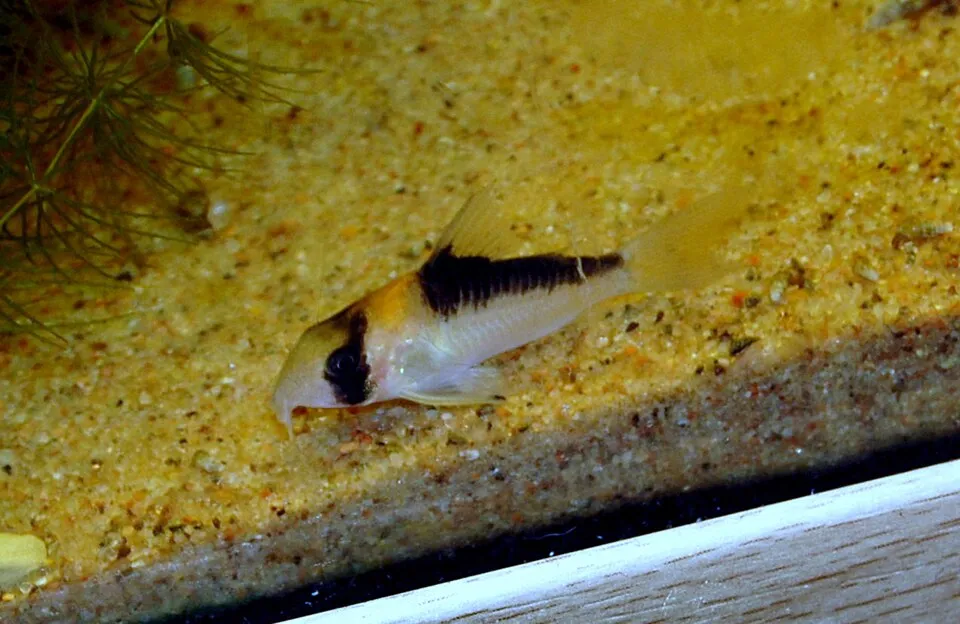 2.4 in (6 cm)20 gal (75 L)70–79°F (21–26°C)
Adolfo's cory
Hoplisoma adolfoi
2.4 in (6 cm) · 20 gal (75 L)
 2.4 in (6 cm)16 gal (60 L)75–82°F (24–28°C)
Ancestor cory
Hoplisoma noxium
2.4 in (6 cm) · 16 gal (60 L)