Skunk cory
Brochis arcuata
Also known as Corydoras arcuatus, Arched cory, Skunk corydoras, Super Arcuatus Cory
FreshwaterFish
Care at a glance
- Temperature
- 72–79°F
- 22–26°C
- pH
- 6.0–7.5
- Adult size
- 2.2 in
- 5.5 cm
- Minimum tank
- 20 gal
- 75 L
- Temperament
- Peaceful
- Social behavior
- Shoaling
- Swim level
- Bottom
- Difficulty
- Easy
- Breeding
- Medium
- Rarity
- Common
- Family
- Callichthyidae
- Origin
- Upper Amazon basin in Brazil and Peru, including the Solimoes, Tefe and Ucayali drainages.
Overview
The skunk cory is a peaceful, shoaling cory for the bottom of a community tank. It is easy to keep, a good first cory.
Did you know
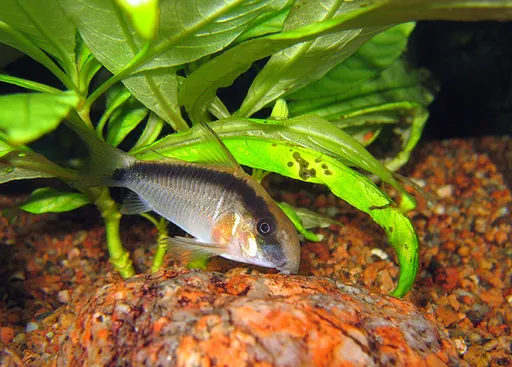
The true skunk cory has a short, rounded snout, and its arched stripe runs through the eye. That tells it apart from the longer-nosed false skunk cory, which is the separate species Corydoras narcissus.
Caring for the skunk cory
Keep skunk cories in a group of six or more over smooth sand, in a tank of 20 gal (75 L) or larger. They are active daytime foragers and appreciate open swimming room and shaded cover.
Keep the water soft and slightly acidic, at 72 to 79°F (22 to 26°C) and a pH of 6.0 to 7.5. Offer sinking pellets, frozen bloodworm and other small sinking foods.
Skunk cories are peaceful and safe with other community fish. Breeding them takes a moderate amount of effort.
Good to know
The skunk cory carries a single black stripe that arches from the snout over the top of the body to the tail base. That stripe gives the fish its common name. The 2024 revision moved it to the genus Brochis, where it is written Brochis arcuata.
In the wild
The skunk cory lives in the upper Amazon basin of Brazil and Peru, including the Solimoes, Tefe and Ucayali drainages. It keeps to clear and blackwater tributaries over sand and leaf litter, where the water is warm, soft and acidic. Groups move along the bottom in open areas near submerged wood and roots.
Weekly picks
Tank mates
The skunk cory is a peaceful, shoaling species that keeps to the bottom. These picks share a community profile with it, are safe together in both directions, and overlap on water type, temperature and pH.
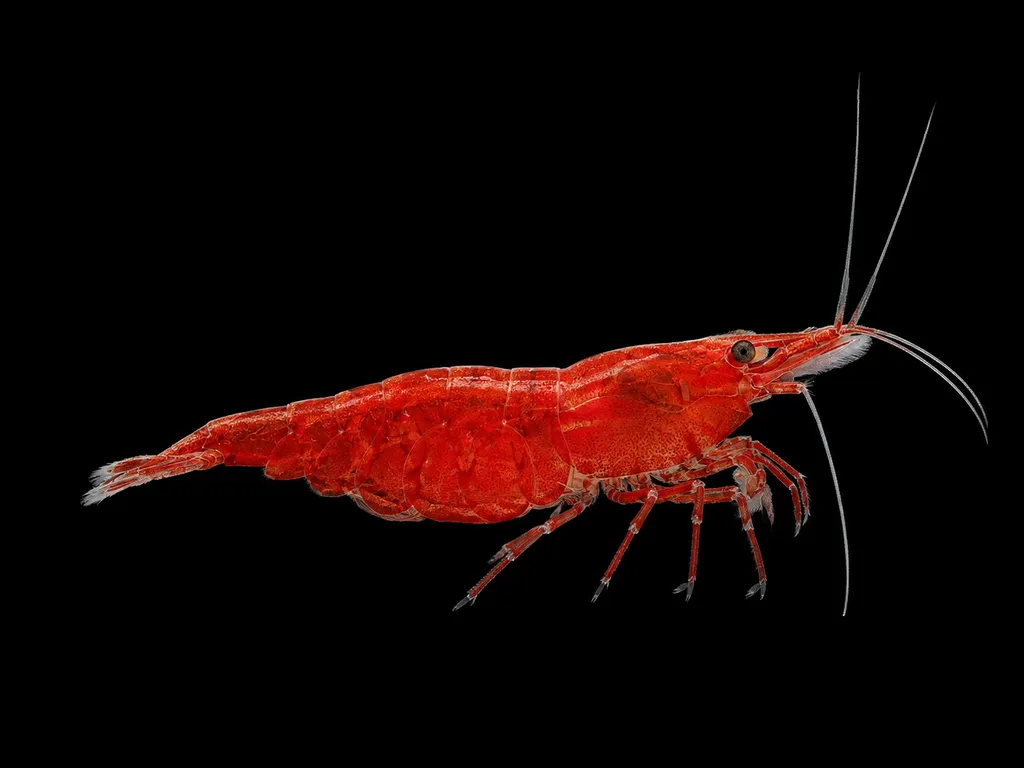
Neocaridina shrimp
Neocaridina davidi
Freshwater1.6 in (4 cm) · 5 gal (19 L)59–84°F (15–29°C)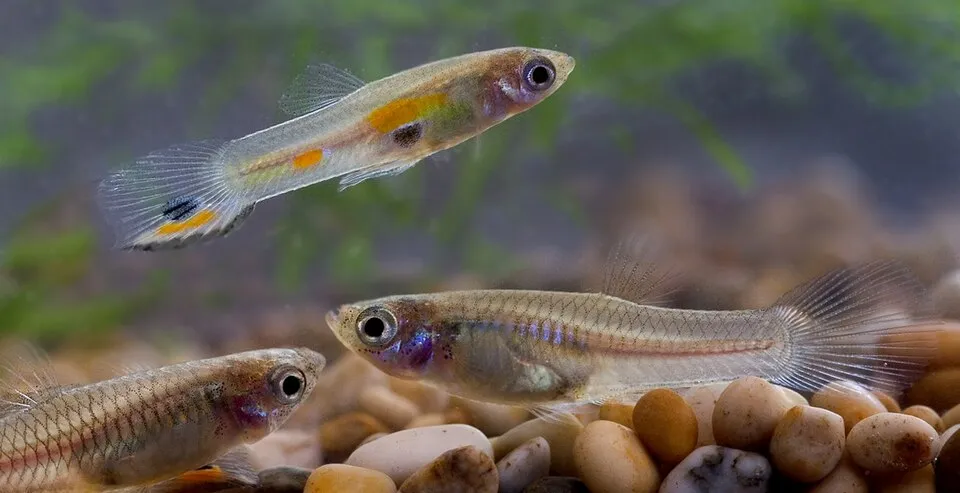
Guppy
Poecilia reticulata
FreshwaterBrackish2.4 in (6 cm) · 10 gal (38 L)64–82°F (18–28°C)
Neon tetra
Paracheirodon innesi
Freshwater1.5 in (3.8 cm) · 11 gal (40 L)70–77°F (21–25°C)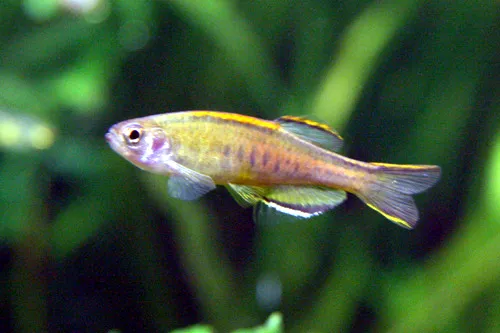
Glowlight danio
Danio choprae
Freshwater1.2 in (3 cm) · 20 gal (75 L)72–79°F (22–26°C)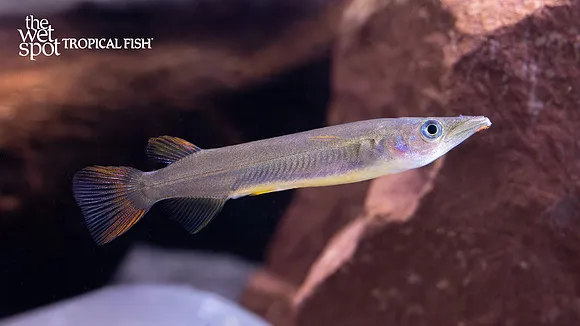
Rex halfbeak
Nomorhamphus rex
Freshwater2.2 in (5.5 cm) · 20 gal (75 L)72–79°F (22–26°C)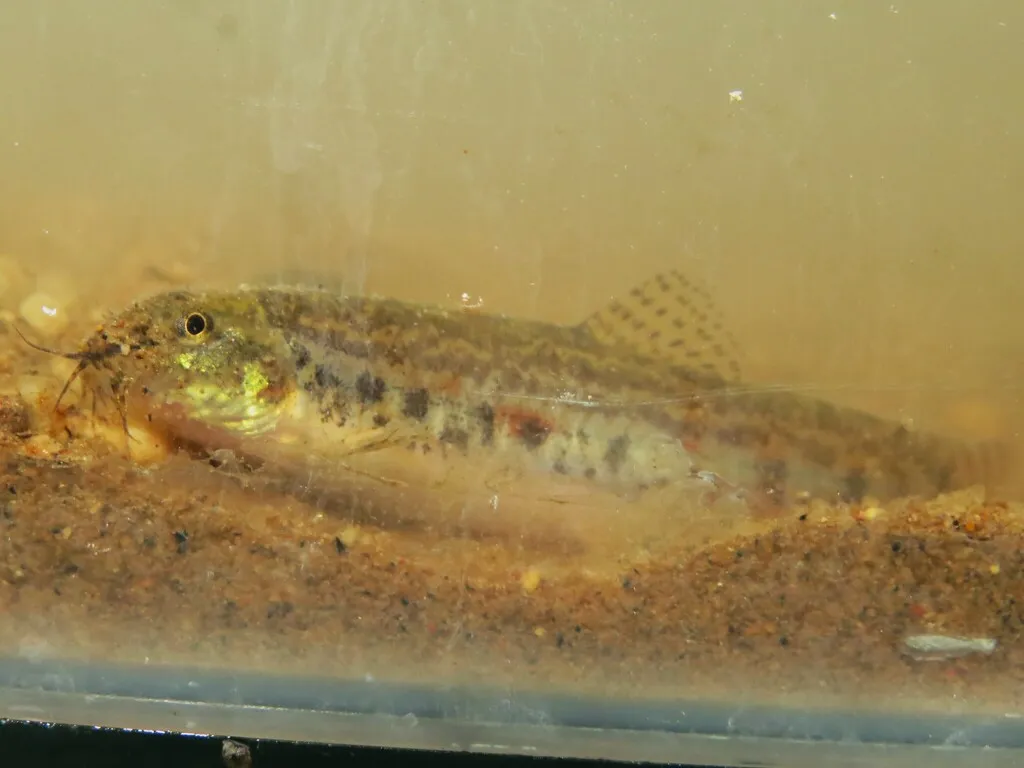
Common spiny loach
Lepidocephalichthys thermalis
Freshwater3.1 in (8 cm) · 20 gal (75 L)72–82°F (22–28°C)
Common questions
What size tank does a skunk cory need?
A skunk cory needs at least 20 gal (75 L). It spends most of its time in the bottom.
What temperature and pH does a skunk cory need?
A skunk cory is comfortable at 72–79°F (22–26°C) with a pH of 6.0–7.5.
What does a skunk cory eat?
A skunk cory eats sinking pellets, frozen bloodworm and other small sinking foods.
How big does a skunk cory get?
An adult skunk cory reaches about 2.2 in (5.5 cm).
Does a skunk cory need a group?
Yes. A skunk cory is a shoaling species and should be kept in a group, not singly.
Related species
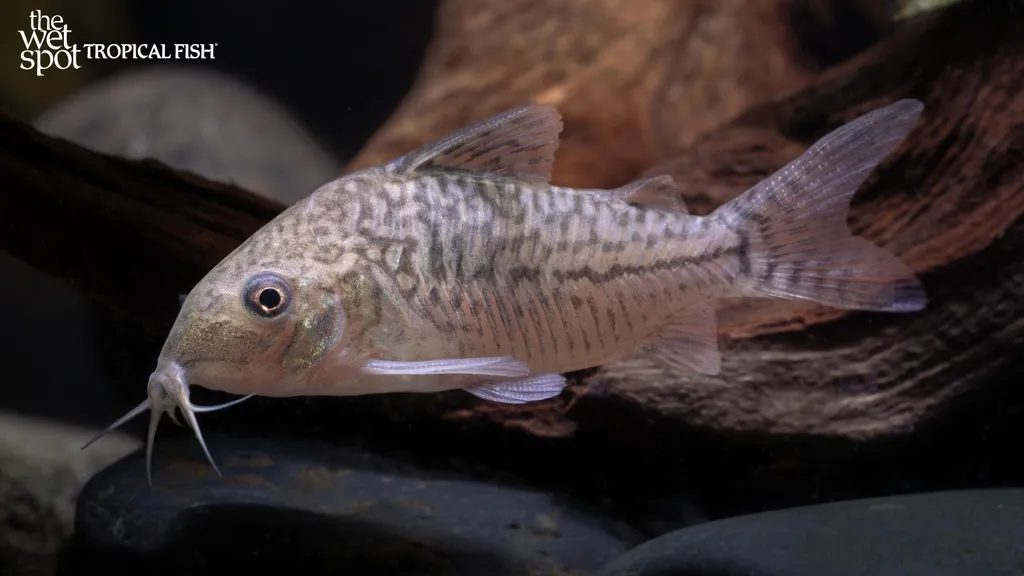 2.2 in (5.5 cm)16 gal (60 L)72–79°F (22–26°C)
False network catfish
Brochis sodalis
2.2 in (5.5 cm) · 16 gal (60 L)
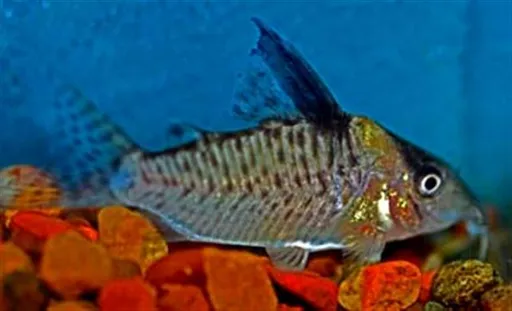 2.4 in (6 cm)20 gal (75 L)72–79°F (22–26°C)
False blochi cory
Brochis delphax
2.4 in (6 cm) · 20 gal (75 L)
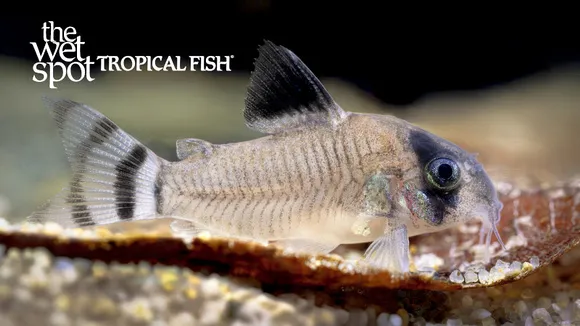 2.4 in (6 cm)20 gal (75 L)72–79°F (22–26°C)
Gomez's cory
Brochis gomezi
2.4 in (6 cm) · 20 gal (75 L)
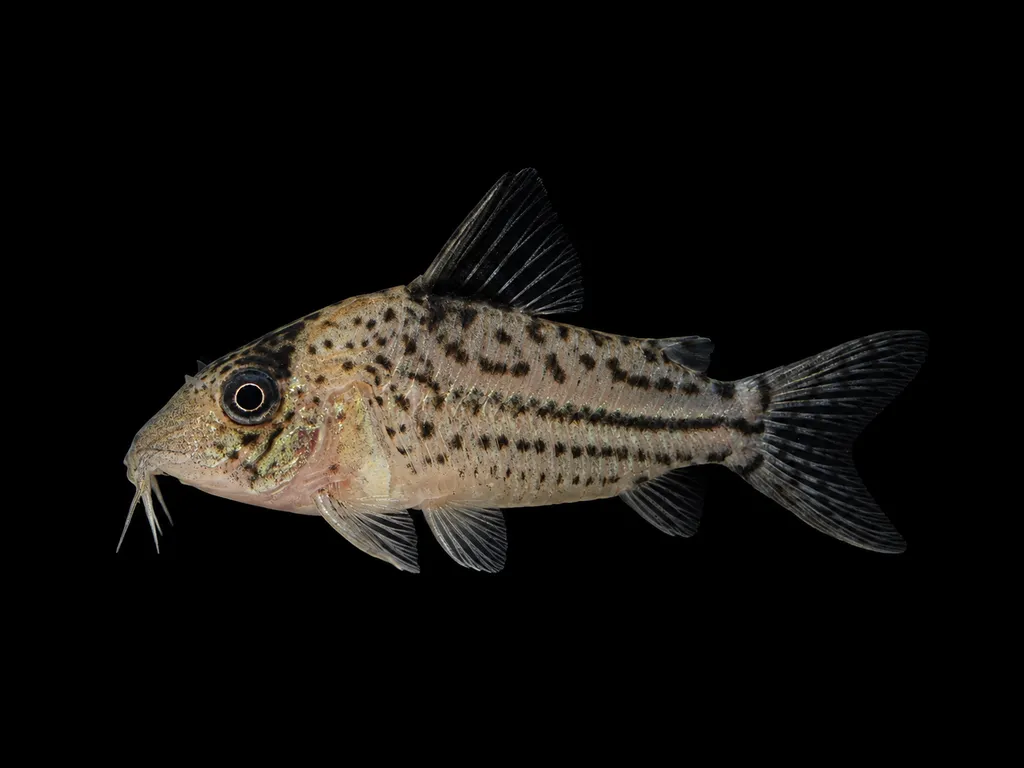 2.4 in (6 cm)20 gal (75 L)75–82°F (24–28°C)
Icana cory
Brochis incolicana
2.4 in (6 cm) · 20 gal (75 L)
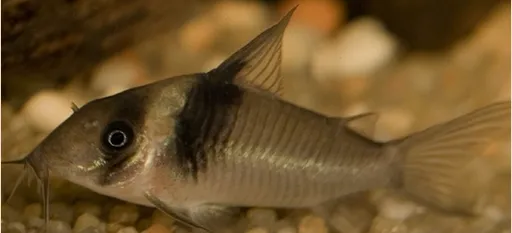 2.4 in (6 cm)20 gal (75 L)72–79°F (22–26°C)
Miguelito cory
Brochis virginiae
2.4 in (6 cm) · 20 gal (75 L)
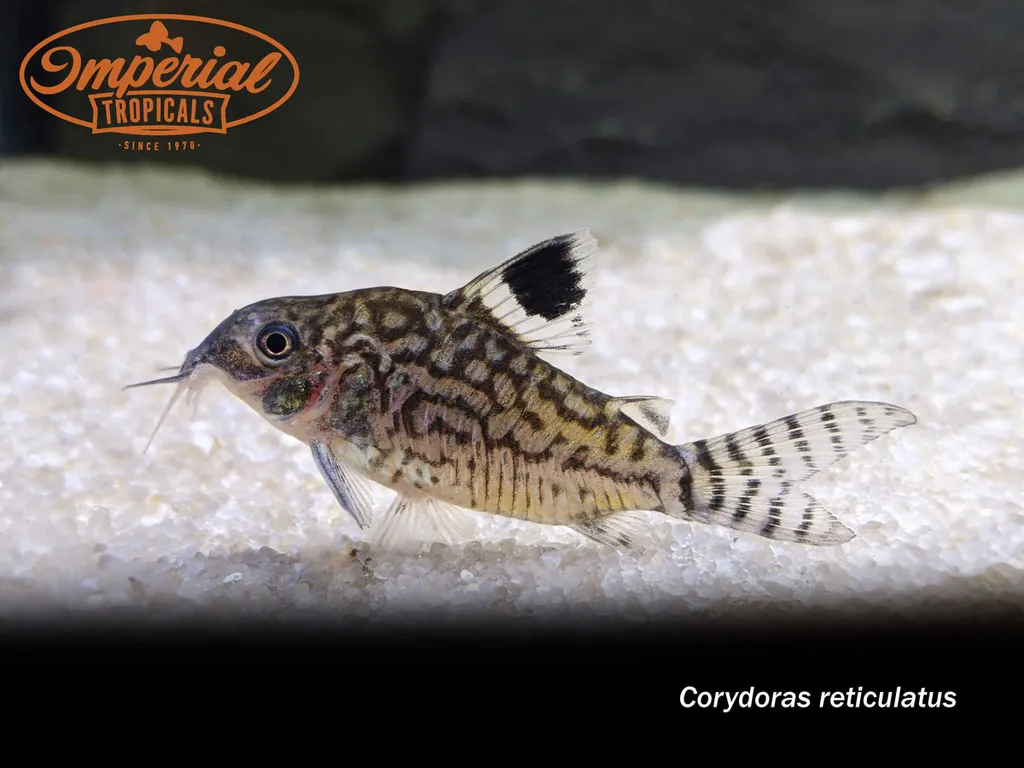 2.4 in (6 cm)20 gal (75 L)72–79°F (22–26°C)
Reticulated cory
Brochis reticulata
2.4 in (6 cm) · 20 gal (75 L)