Reticulated cory
Brochis reticulata
Also known as Corydoras reticulatus, Network cory
FreshwaterFish
Care at a glance
- Temperature
- 72–79°F
- 22–26°C
- pH
- 6.0–7.2
- Adult size
- 2.4 in
- 6 cm
- Minimum tank
- 20 gal
- 75 L
- Temperament
- Peaceful
- Social behavior
- Shoaling
- Swim level
- Bottom
- Difficulty
- Easy
- Breeding
- No record
- Rarity
- Common
- Family
- Callichthyidae
- Origin
- Lower Amazon River basin, Brazil (South America)
Overview
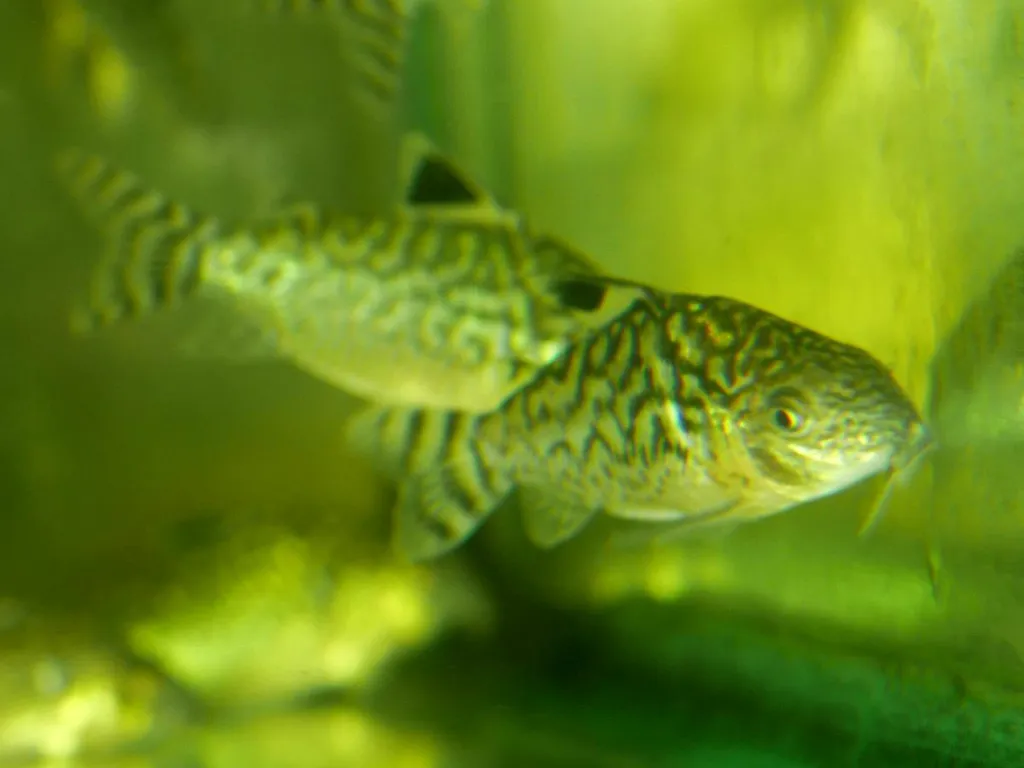
Keep them in a group of at least six, more if you have room, in a tank of 75 liters or larger. They are peaceful bottom dwellers that spend the day foraging across the sand, and singles or pairs get stressed and withdrawn. Run the water warm, 22 to 26 C, soft to moderately hard, with a pH between 6 and 7.2, and keep some flow and surface movement since they like it well oxygenated. The one thing they will not tolerate is a dirty bottom, which erodes their barbels and invites infection, so vacuum the substrate often. They make a good beginner community fish alongside small, gentle tankmates.
In the wild
Reticulated cories come from the lower Amazon basin in Brazil, where they work the bottom of warm, slow rivers and tributaries. The key to keeping them is the substrate. Give them soft, fine sand so they can sift mouthfuls of it without wearing down their barbels, and skip sharp gravel and undergravel filters. Plant the tank, add some driftwood and leaf litter if you want the tannin-stained look they appreciate, and keep the water warm at 22 to 26 C with a pH from 6 to 7.2.
Good to know
This is a member of the armored catfish family Callichthyidae, named for the netlike pattern across its body. Adults reach about 6 cm. Like other Corydoras it sifts the substrate with sensitive barbels and gulps air at the surface to breathe through its gut, so a clear path to the top matters. Captive breeding is not documented for this species, though it likely follows the cooler water change trigger used for its relatives.
Did you know
The barbels around the mouth are not just for show. They are packed with taste and touch sensors that let the fish read the sand for food it cannot see, which is why a clean, soft bottom matters so much. Let the substrate go foul and those barbels wear away, and the fish loses the tool it relies on to feed.
Weekly picks
Tank mates
Reticulated cory is a peaceful, shoaling species that keeps to the bottom. These picks share a community profile with it, are safe together in both directions, and overlap on water type, temperature and pH.
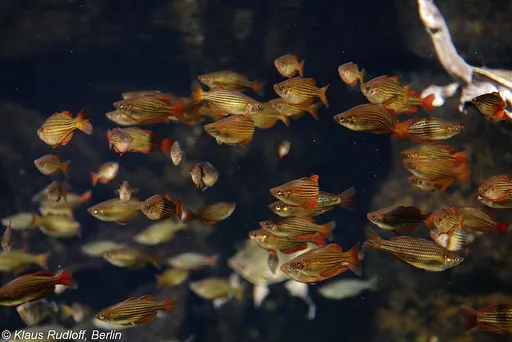
Dwarf rainbowfish
Melanotaenia maccullochi
Freshwater2.8 in (7 cm) · 20 gal (75 L)72–82°F (22–28°C)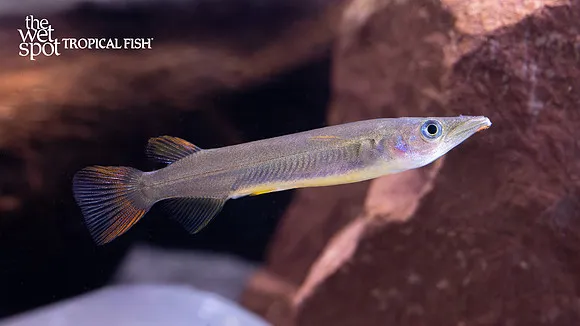
Rex halfbeak
Nomorhamphus rex
Freshwater2.2 in (5.5 cm) · 20 gal (75 L)72–79°F (22–26°C)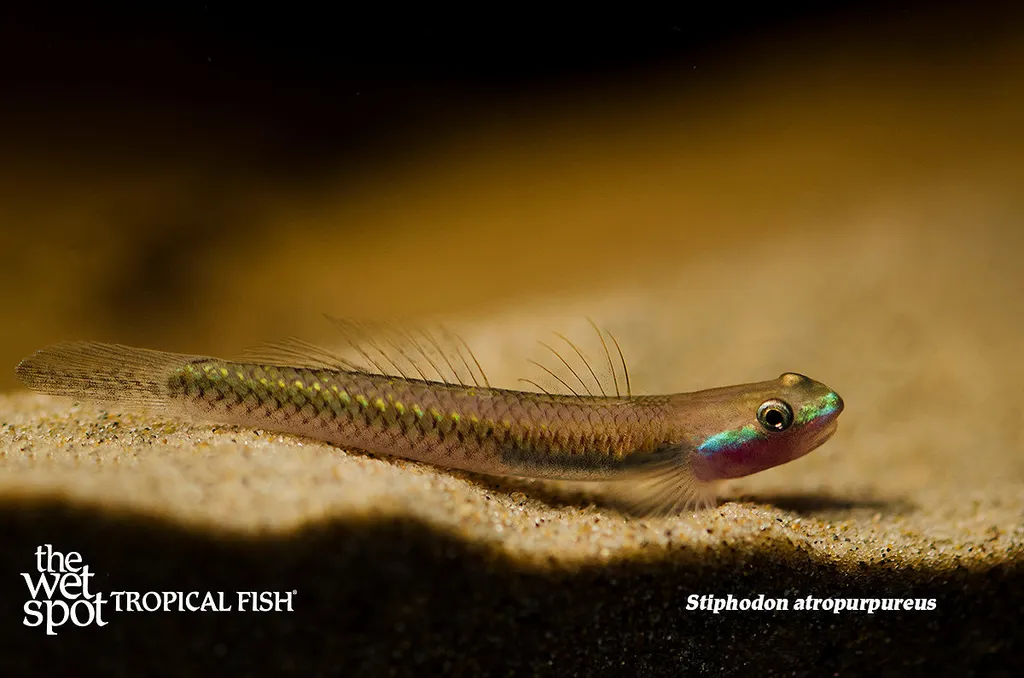
Blue neon dwarf goby
Stiphodon atropurpureus
Freshwater2 in (5 cm) · 20 gal (75 L)72–81°F (22–27°C)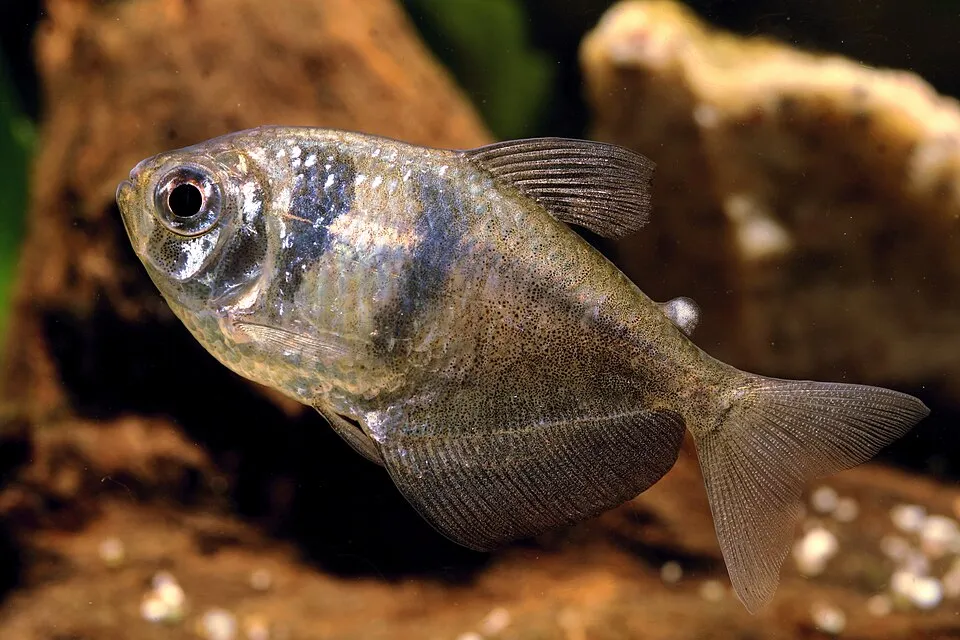
Black widow tetra
Gymnocorymbus ternetzi
Freshwater2.4 in (6 cm) · 20 gal (75 L)68–79°F (20–26°C)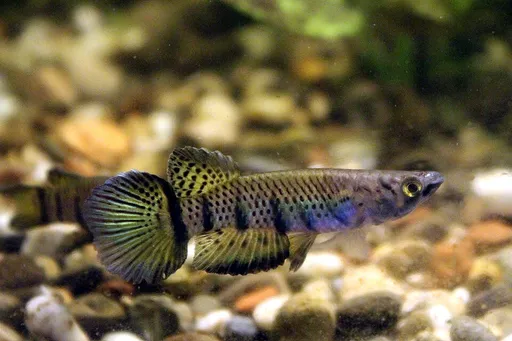
Six-barred panchax
Epiplatys sexfasciatus
Freshwater3.9 in (10 cm) · 20 gal (75 L)72–81°F (22–27°C)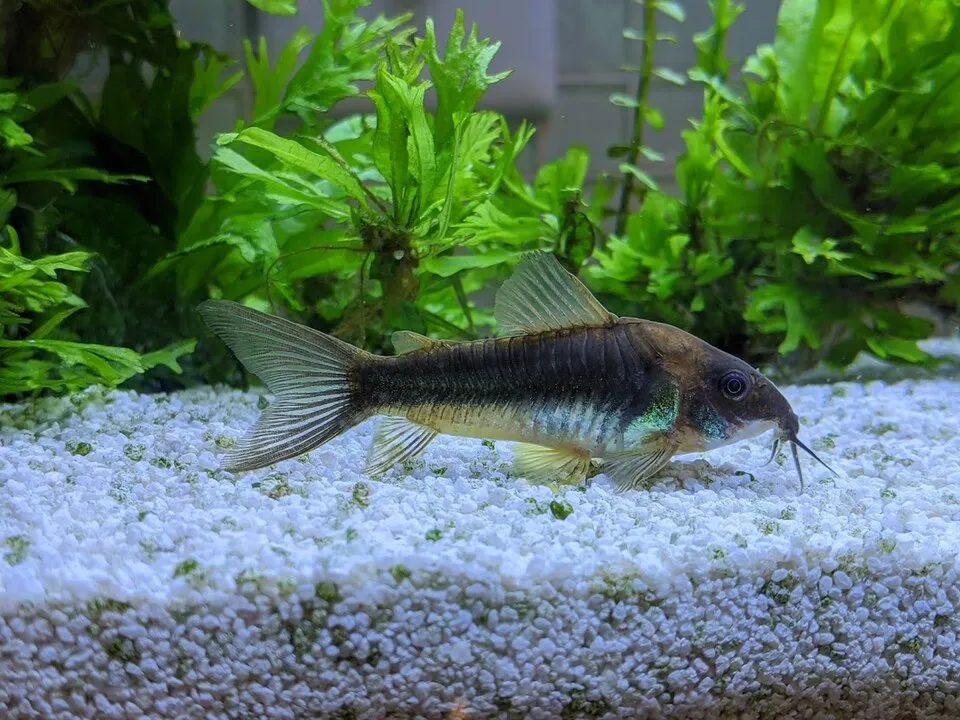
Bronze cory
Osteogaster aenea
Freshwater3 in (7.5 cm) · 20 gal (75 L)70–81°F (21–27°C)
Common questions
What size tank does a Reticulated cory need?
A Reticulated cory needs at least 20 gal (75 L). It spends most of its time in the bottom.
What temperature and pH does a Reticulated cory need?
A Reticulated cory is comfortable at 72–79°F (22–26°C) with a pH of 6.0–7.2.
How big does a Reticulated cory get?
An adult Reticulated cory reaches about 2.4 in (6 cm).
Does a Reticulated cory need a group?
Yes. A Reticulated cory is a shoaling species and should be kept in a group, not singly.
Related species
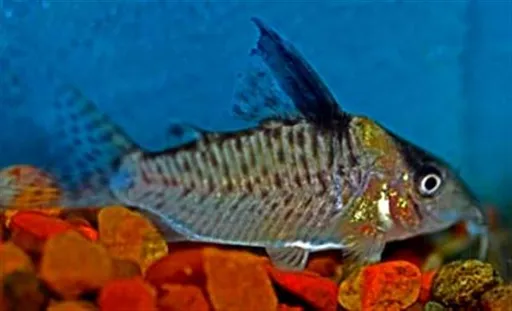 2.4 in (6 cm)20 gal (75 L)72–79°F (22–26°C)
False blochi cory
Brochis delphax
2.4 in (6 cm) · 20 gal (75 L)
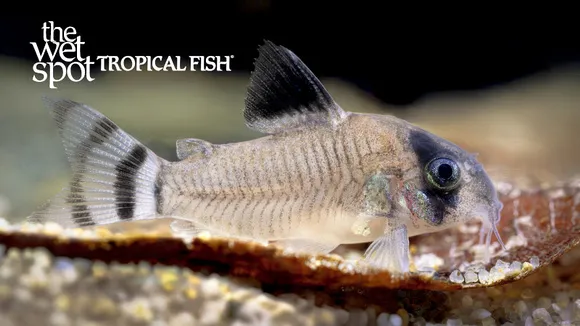 2.4 in (6 cm)20 gal (75 L)72–79°F (22–26°C)
Gomez's cory
Brochis gomezi
2.4 in (6 cm) · 20 gal (75 L)
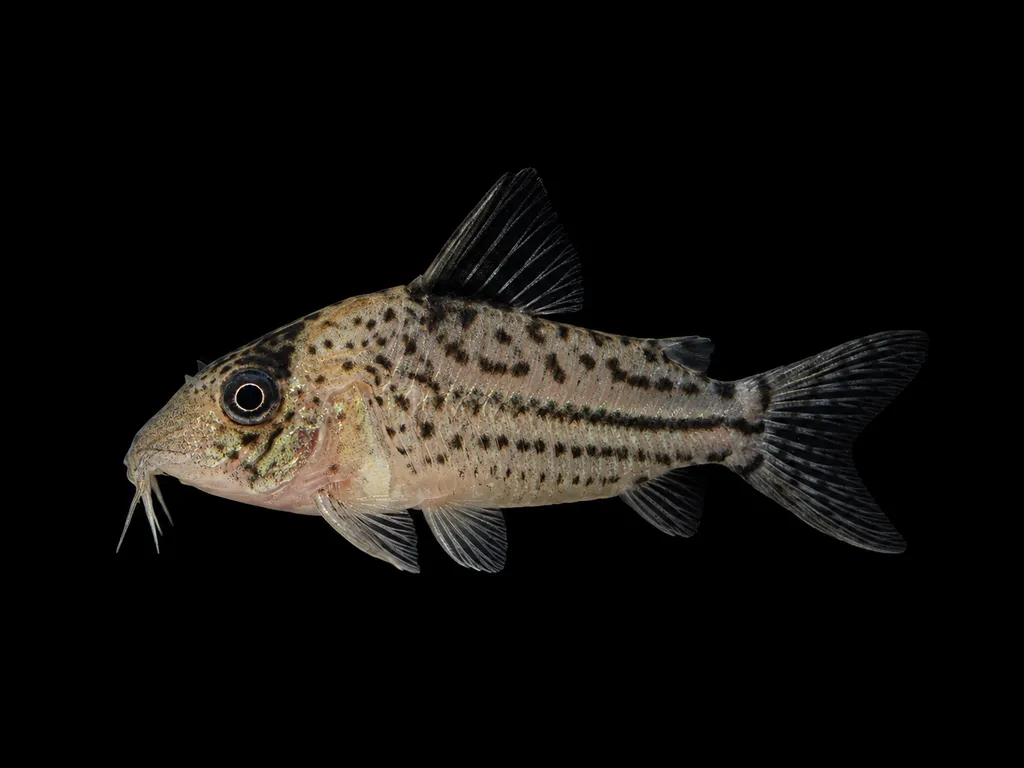 2.4 in (6 cm)20 gal (75 L)75–82°F (24–28°C)
Icana cory
Brochis incolicana
2.4 in (6 cm) · 20 gal (75 L)
 2.4 in (6 cm)20 gal (75 L)72–79°F (22–26°C)
Miguelito cory
Brochis virginiae
2.4 in (6 cm) · 20 gal (75 L)
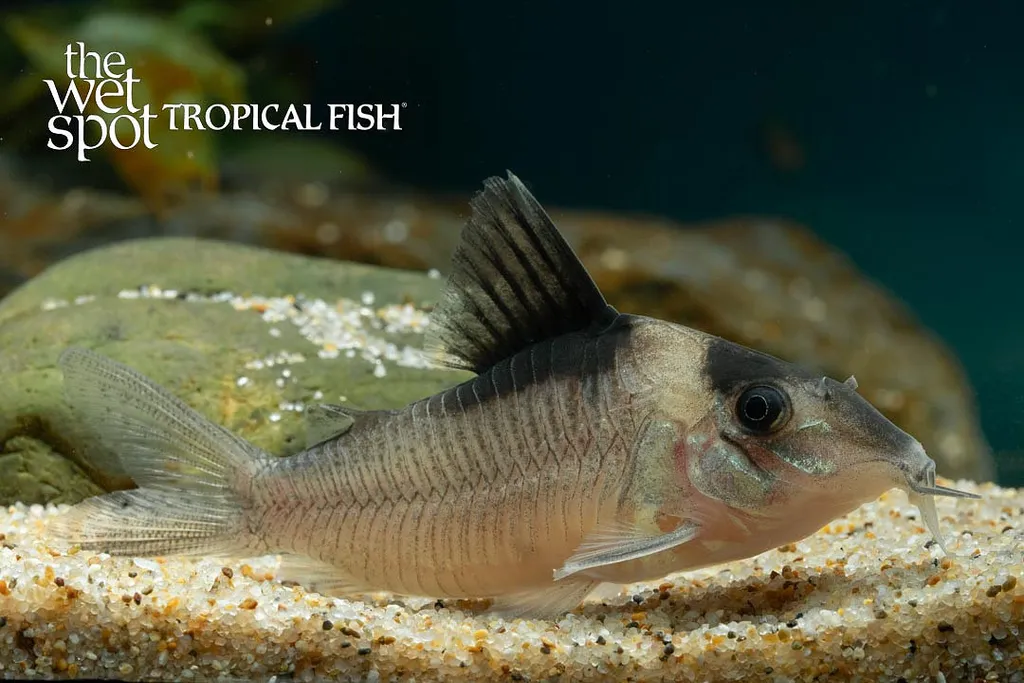 2.6 in (6.5 cm)20 gal (75 L)75–82°F (24–28°C)
Amanda Jane's cory
Brochis amandajanea
2.6 in (6.5 cm) · 20 gal (75 L)
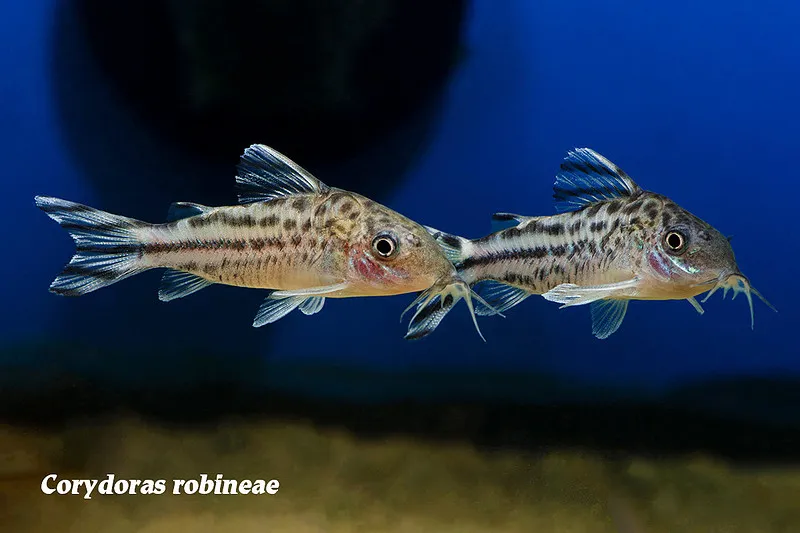 2.6 in (6.5 cm)20 gal (75 L)73–79°F (23–26°C)
Bannertail cory
Brochis robineae
2.6 in (6.5 cm) · 20 gal (75 L)