Miguelito cory
Brochis virginiae
Also known as Corydoras virginiae, Sangama cory, Virginia cory
FreshwaterFish
Care at a glance
- Temperature
- 72–79°F
- 22–26°C
- pH
- 6.0–7.5
- Adult size
- 2.4 in
- 6 cm
- Minimum tank
- 20 gal
- 75 L
- Temperament
- Peaceful
- Social behavior
- Shoaling
- Swim level
- Bottom
- Difficulty
- Easy
- Breeding
- Medium
- Rarity
- Common
- Family
- Callichthyidae
- Origin
- Rio Ucayali drainage in Peru.
Overview
Keep Miguelito cories in a group of six or more over smooth sand at 22 to 26 C in soft to neutral water. They are hardy and peaceful, and they settle into a planted community well. Offer sinking pellets, frozen bloodworm and other small foods that reach the bottom.
In the wild
The Miguelito cory lives in soft, slightly acidic tributaries of the Ucayali in Peru. It forages over sand in slow, shaded water among wood and leaf litter. Groups gather on the open bottom.
Good to know
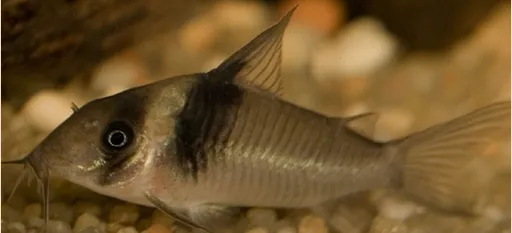
Its dark markings sit mostly on the head, a black mask through the eye and a black shoulder blotch, more like a panda cory than a striped one. The 2024 revision placed it in the genus Brochis as Brochis virginiae. It was described in 1993 and named after Virginia Schwartz.
Did you know
The Miguelito cory was named after Virginia Schwartz, wife of the exporter Adolfo Schwartz whose team collected the type specimens.
Weekly picks
Tank mates
Miguelito cory is a peaceful, shoaling species that keeps to the bottom. These picks share a community profile with it, are safe together in both directions, and overlap on water type, temperature and pH.
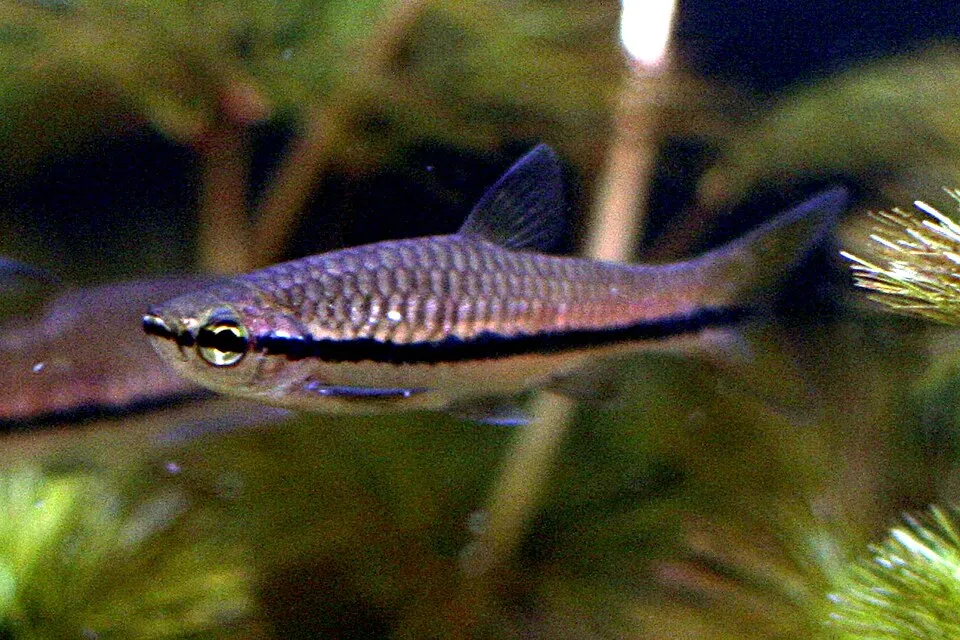
Brilliant rasbora
Rasbora einthovenii
Freshwater3.5 in (9 cm) · 20 gal (75 L)72–82°F (22–28°C)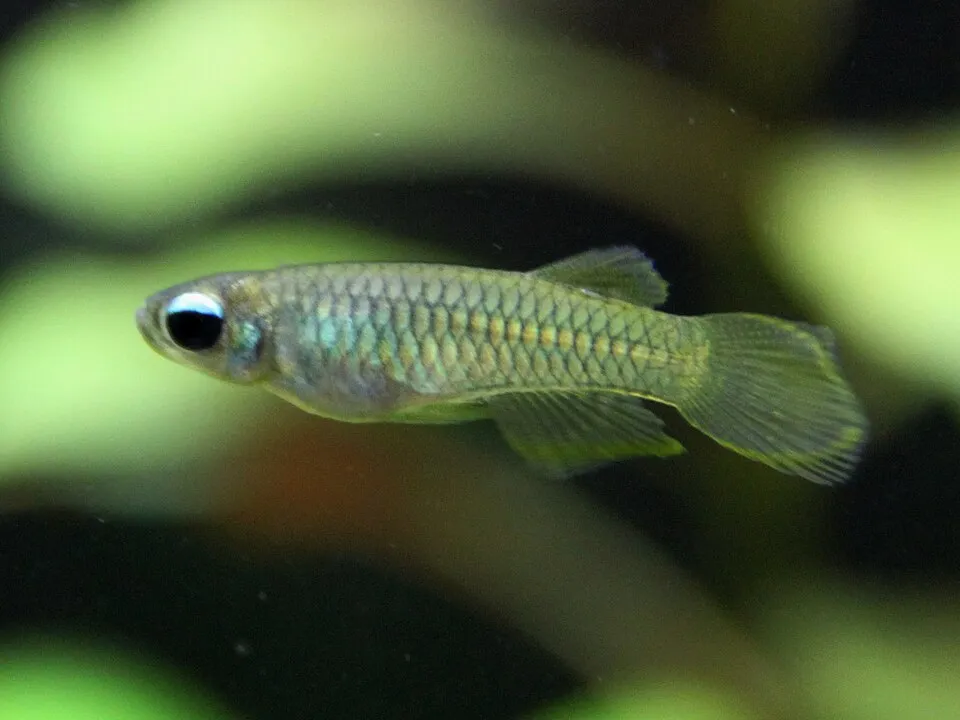
Norman's lampeye
Poropanchax normani
Freshwater1.6 in (4 cm) · 20 gal (75 L)72–79°F (22–26°C)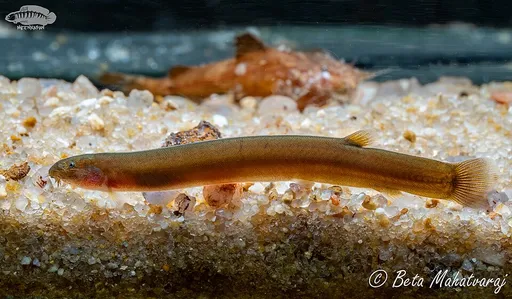
Cinnamon loach
Pangio pangia
Freshwater2.4 in (6 cm) · 20 gal (75 L)72–81°F (22–27°C)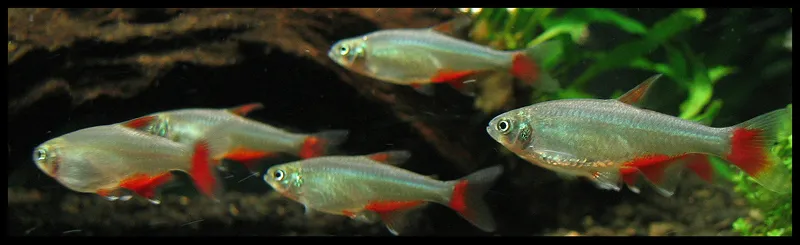
Bloodfin tetra
Aphyocharax anisitsi
Freshwater2.2 in (5.5 cm) · 20 gal (75 L)72–82°F (22–28°C)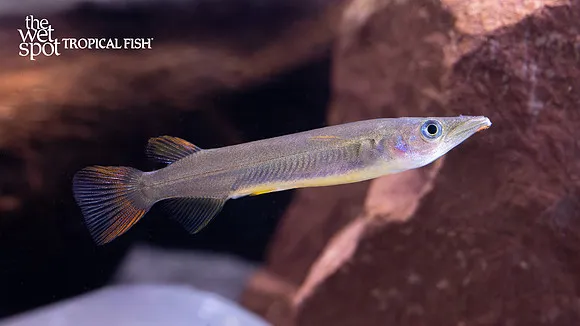
Rex halfbeak
Nomorhamphus rex
Freshwater2.2 in (5.5 cm) · 20 gal (75 L)72–79°F (22–26°C)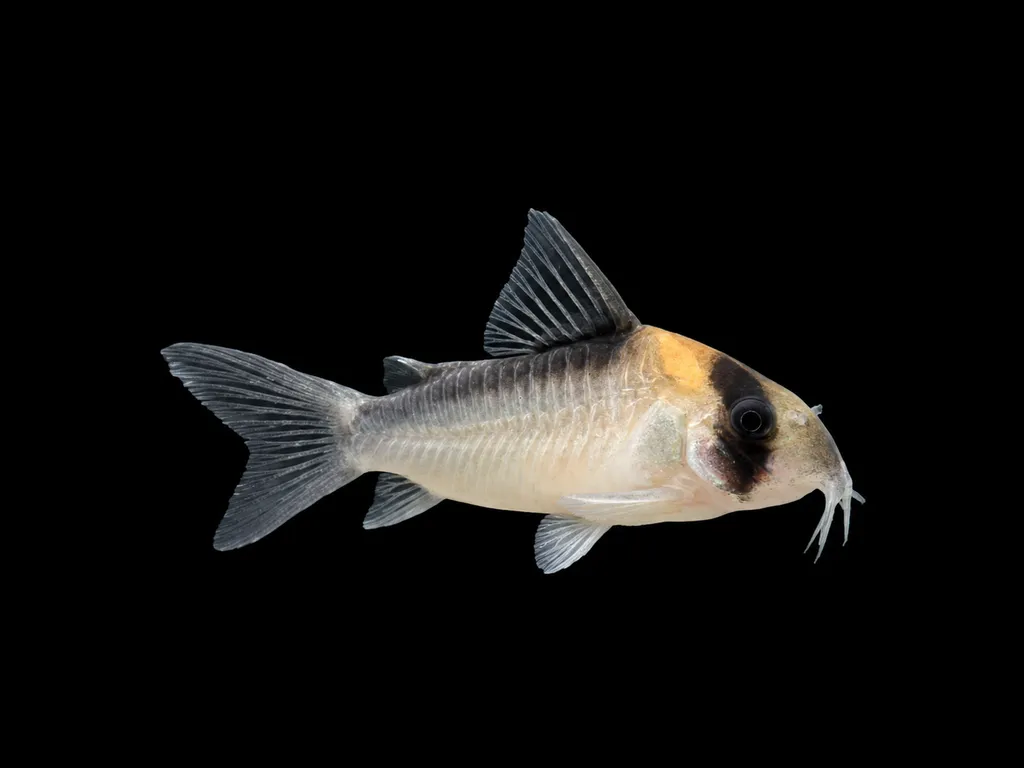
Burgess's cory
Hoplisoma burgessi
Freshwater2.2 in (5.5 cm) · 20 gal (75 L)72–79°F (22–26°C)
Common questions
What size tank does a Miguelito cory need?
A Miguelito cory needs at least 20 gal (75 L). It spends most of its time in the bottom.
What temperature and pH does a Miguelito cory need?
A Miguelito cory is comfortable at 72–79°F (22–26°C) with a pH of 6.0–7.5.
How big does a Miguelito cory get?
An adult Miguelito cory reaches about 2.4 in (6 cm).
Does a Miguelito cory need a group?
Yes. A Miguelito cory is a shoaling species and should be kept in a group, not singly.
Related species
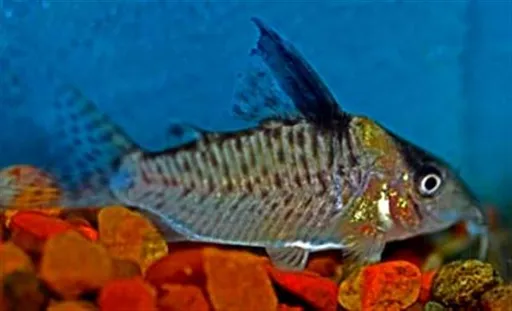 2.4 in (6 cm)20 gal (75 L)72–79°F (22–26°C)
False blochi cory
Brochis delphax
2.4 in (6 cm) · 20 gal (75 L)
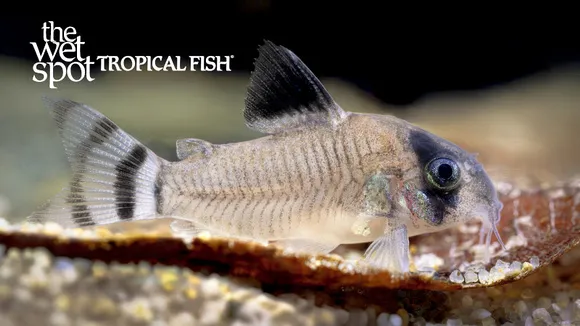 2.4 in (6 cm)20 gal (75 L)72–79°F (22–26°C)
Gomez's cory
Brochis gomezi
2.4 in (6 cm) · 20 gal (75 L)
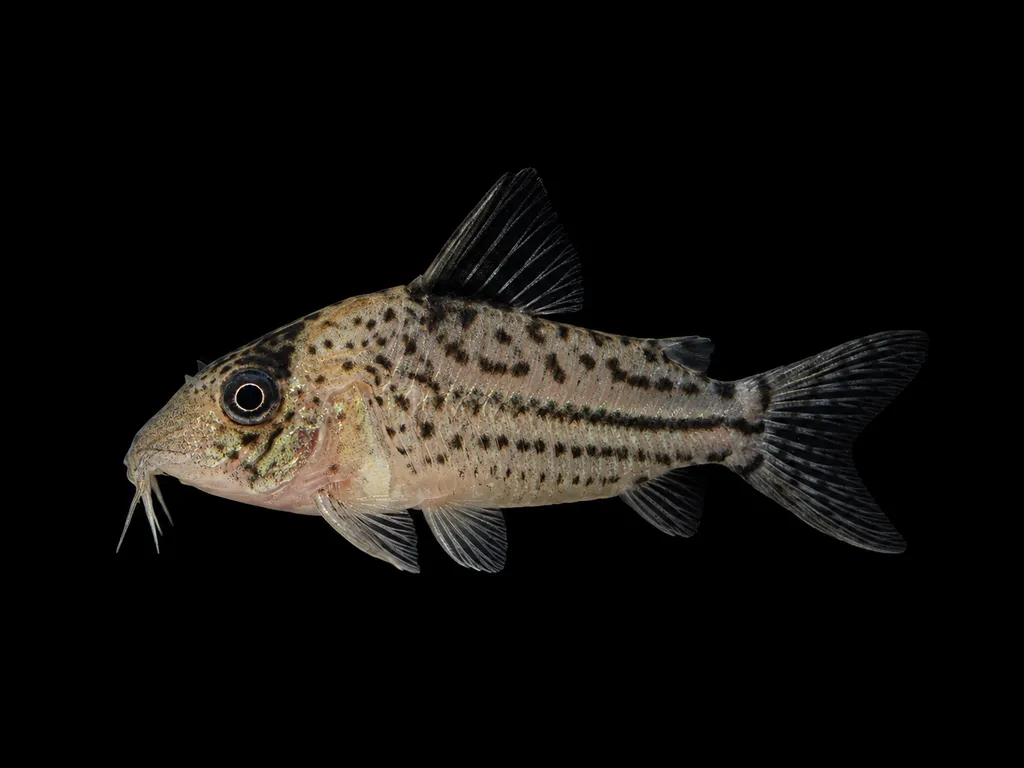 2.4 in (6 cm)20 gal (75 L)75–82°F (24–28°C)
Icana cory
Brochis incolicana
2.4 in (6 cm) · 20 gal (75 L)
 2.4 in (6 cm)20 gal (75 L)72–79°F (22–26°C)
Reticulated cory
Brochis reticulata
2.4 in (6 cm) · 20 gal (75 L)
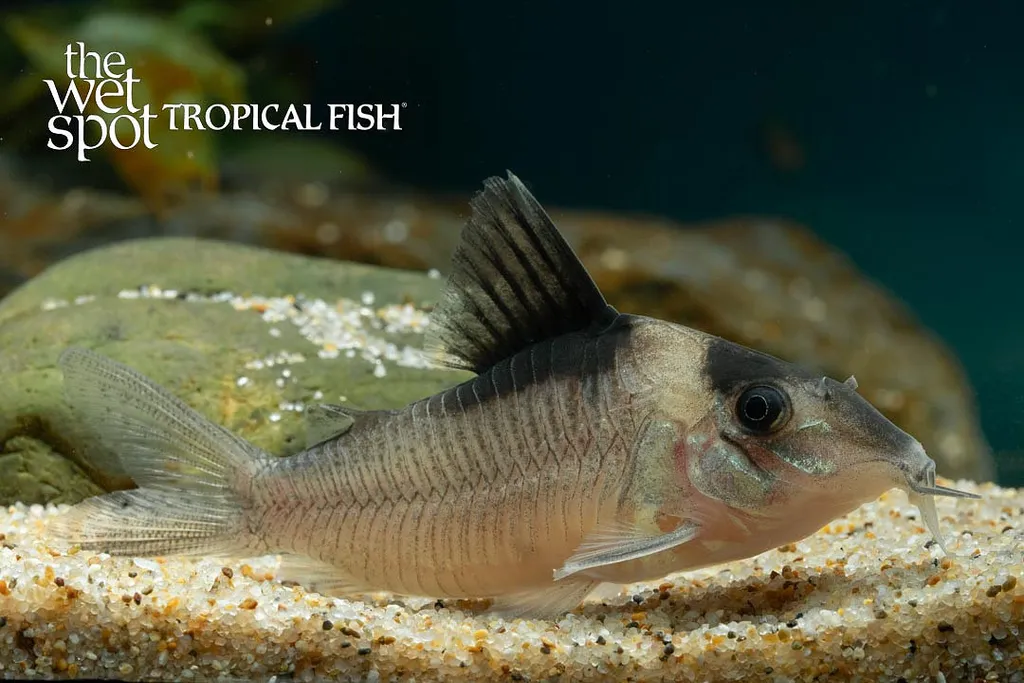 2.6 in (6.5 cm)20 gal (75 L)75–82°F (24–28°C)
Amanda Jane's cory
Brochis amandajanea
2.6 in (6.5 cm) · 20 gal (75 L)
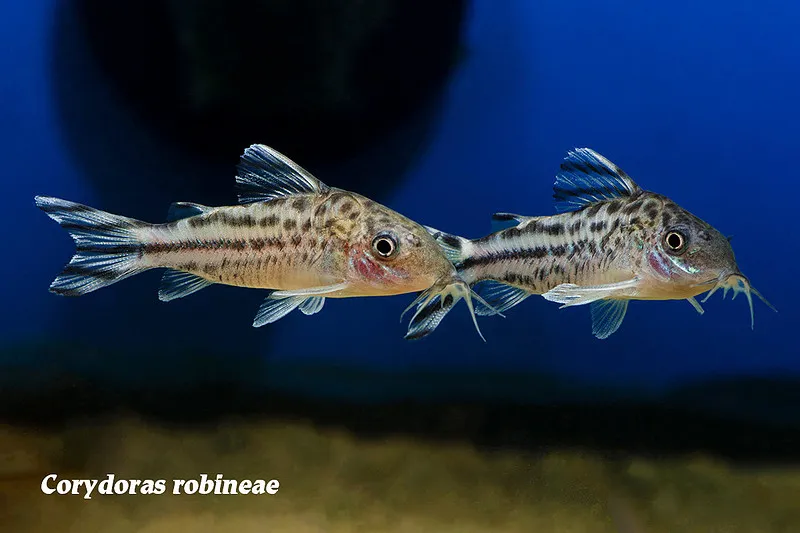 2.6 in (6.5 cm)20 gal (75 L)73–79°F (23–26°C)
Bannertail cory
Brochis robineae
2.6 in (6.5 cm) · 20 gal (75 L)