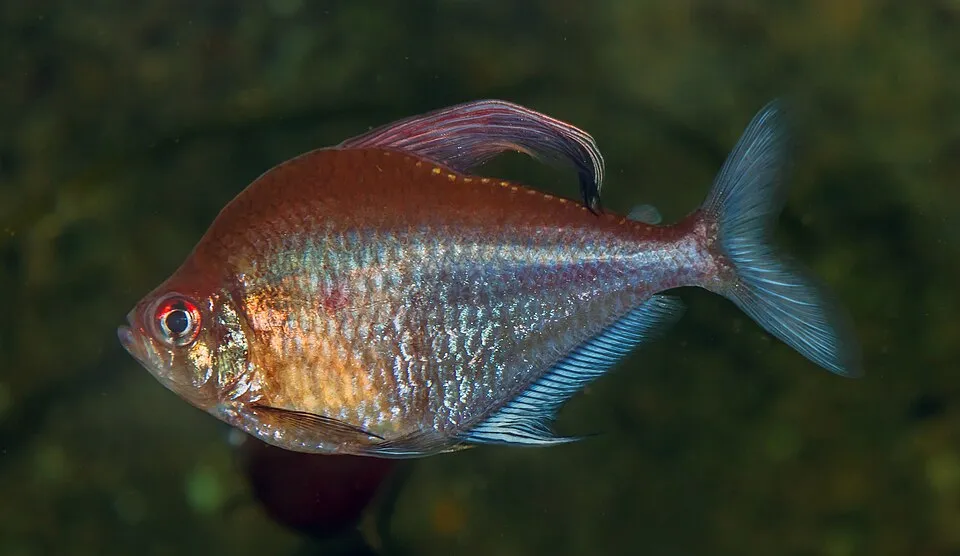
Bleeding heart tetra
Hyphessobrycon erythrostigma
Also known as Megalamphodus erythrostigma
FreshwaterFish
Care at a glance
- Temperature
- 70–81°F
- 21–27°C
- pH
- 6.0–7.5
- Adult size
- 2.4 in
- 6 cm
- Minimum tank
- 20 gal
- 75 L
- Temperament
- Peaceful
- Social behavior
- Schooling
- Swim level
- Middle
- Difficulty
- Easy
- Breeding
- Medium
- Rarity
- Rare
- Family
- Characidae
- Origin
- Peru
Overview
Keep six or more in a tank of about 75 liters and they'll work the middle layers. They're peaceful and easygoing, good for a community of similarly sized calm fish. Aim for the low to mid 20s C and a pH from slightly acidic to neutral. They're not fussy eaters and take flake, pellets, and frozen foods like bloodworms and brine shrimp.
In the wild
Bleeding heart tetras come from the slow, shaded waters of the upper Amazon in Peru, where the substrate is leaf litter and debris and the water runs soft and acidic. The tree cover keeps things dim. A planted tank with some open mid-water space, soft light, and maybe a few leaves on the bottom matches what they're used to.
Good to know
A characin in the family Characidae, this is one of the larger small tetras at around 6 cm with a tall, full body. The common name comes from the single red spot sitting over the heart. Males grow longer, more pointed dorsal and anal fins. They are egg scatterers and conservation status is Least Concern.
Did you know
Males display to each other by spreading their long fins fully and circling, which shows off the red heart spot. It's a standoff to settle rank rather than a real fight, and it brings out their best color.
Weekly picks
Tank mates
Bleeding heart tetra is a peaceful, schooling species that keeps to the middle. These picks share a community profile with it, are safe together in both directions, and overlap on water type, temperature and pH.
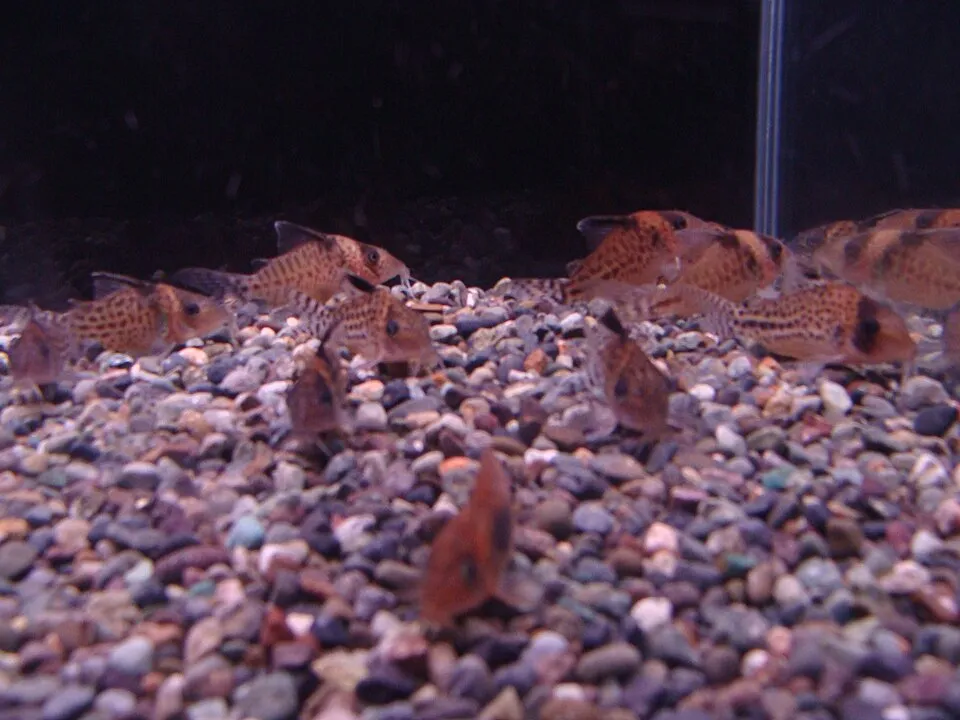
Spotted cory
Brochis ambiacus
Freshwater2.6 in (6.5 cm) · 20 gal (75 L)70–81°F (21–27°C)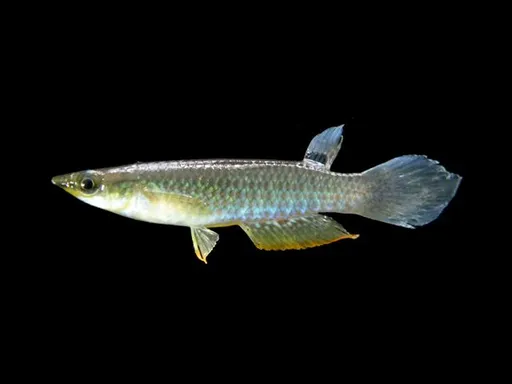
Blue panchax
Aplocheilus panchax
Freshwater3.5 in (9 cm) · 20 gal (75 L)72–82°F (22–28°C)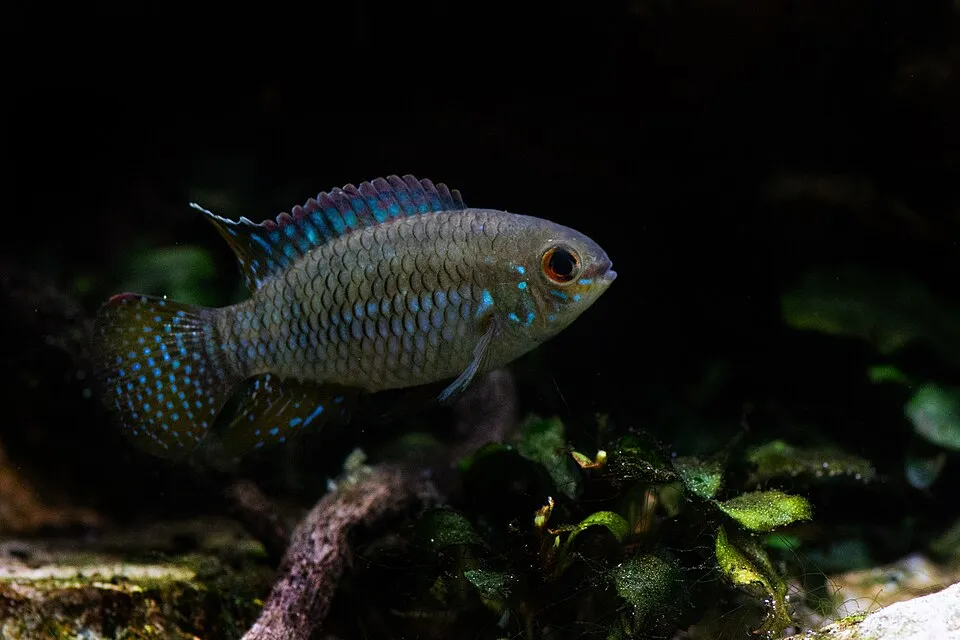
Dwarf flag cichlid
Laetacara curviceps
Freshwater2.2 in (5.5 cm) · 20 gal (75 L)68–82°F (20–28°C)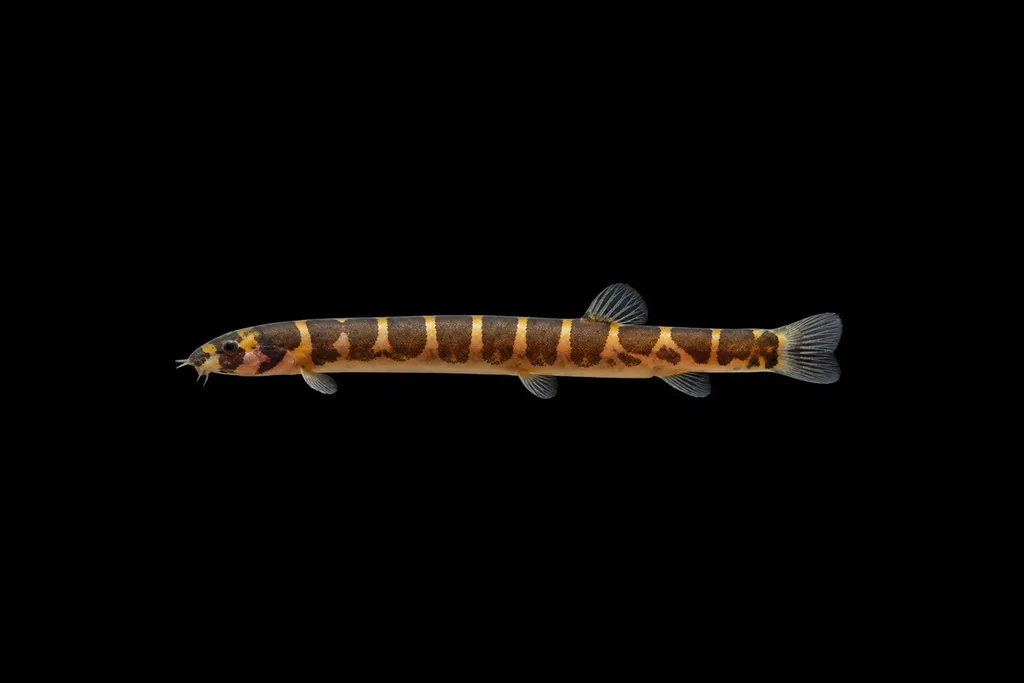
Borneo kuhli loach
Pangio borneensis
Freshwater2.5 in (6.3 cm) · 20 gal (75 L)72–81°F (22–27°C)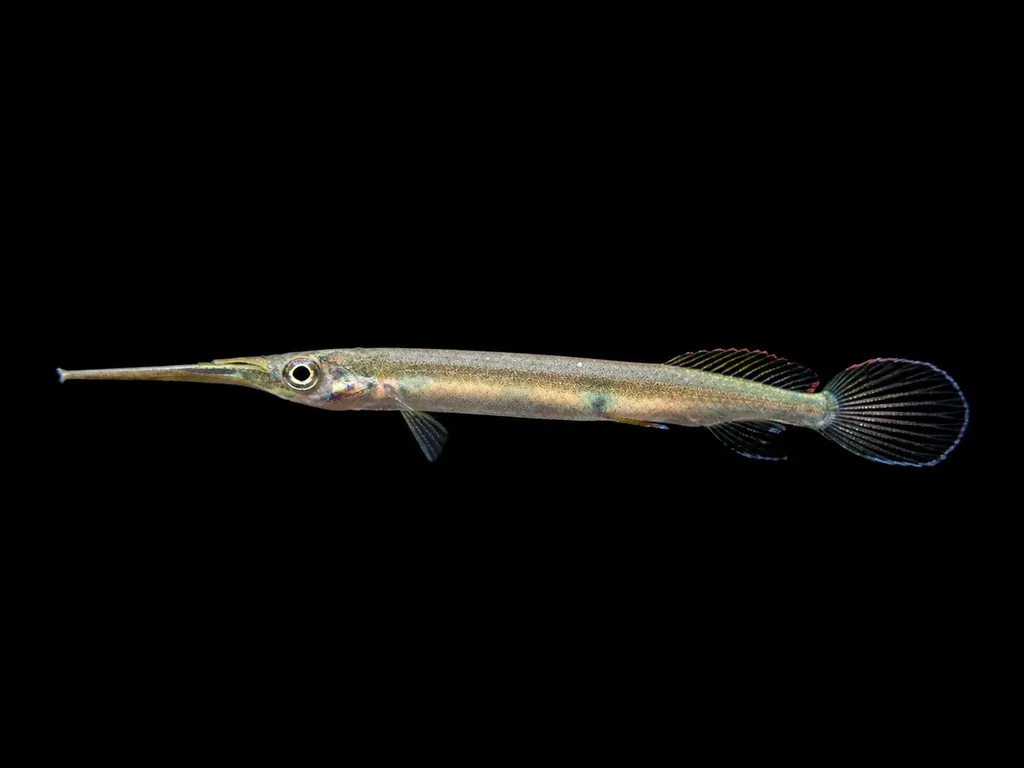
Kuekenthal's halfbeak
Hemirhamphodon kuekenthali
Freshwater3.3 in (8.5 cm) · 20 gal (75 L)73–81°F (23–27°C)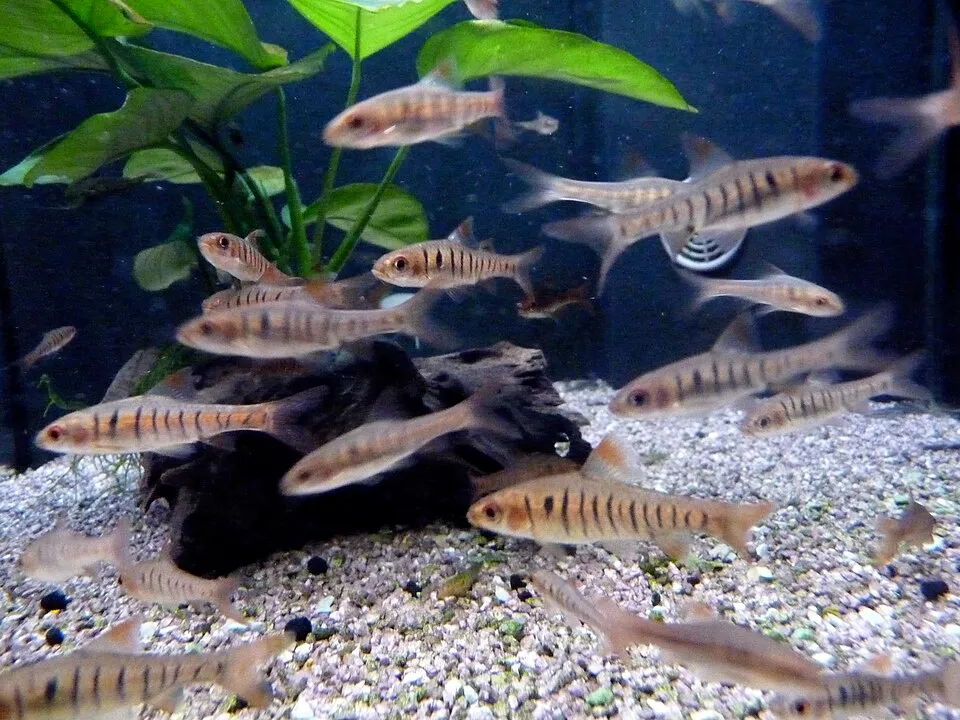
African banded barb
Barbus fasciolatus
Freshwater2.4 in (6 cm) · 20 gal (75 L)68–79°F (20–26°C)
Common questions
What size tank does a Bleeding heart tetra need?
A Bleeding heart tetra needs at least 20 gal (75 L). It spends most of its time in the middle.
What temperature and pH does a Bleeding heart tetra need?
A Bleeding heart tetra is comfortable at 70–81°F (21–27°C) with a pH of 6.0–7.5.
How big does a Bleeding heart tetra get?
An adult Bleeding heart tetra reaches about 2.4 in (6 cm).
Does a Bleeding heart tetra need a group?
Yes. A Bleeding heart tetra is a schooling species and should be kept in a group, not singly.
Related species
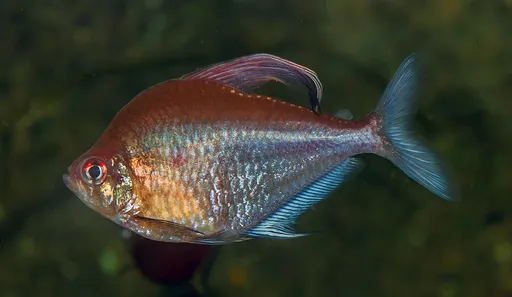 2.2 in (5.6 cm)24 gal (90 L)73–82°F (23–28°C)
Lesser bleeding heart tetra
Hyphessobrycon socolofi
2.2 in (5.6 cm) · 24 gal (90 L)
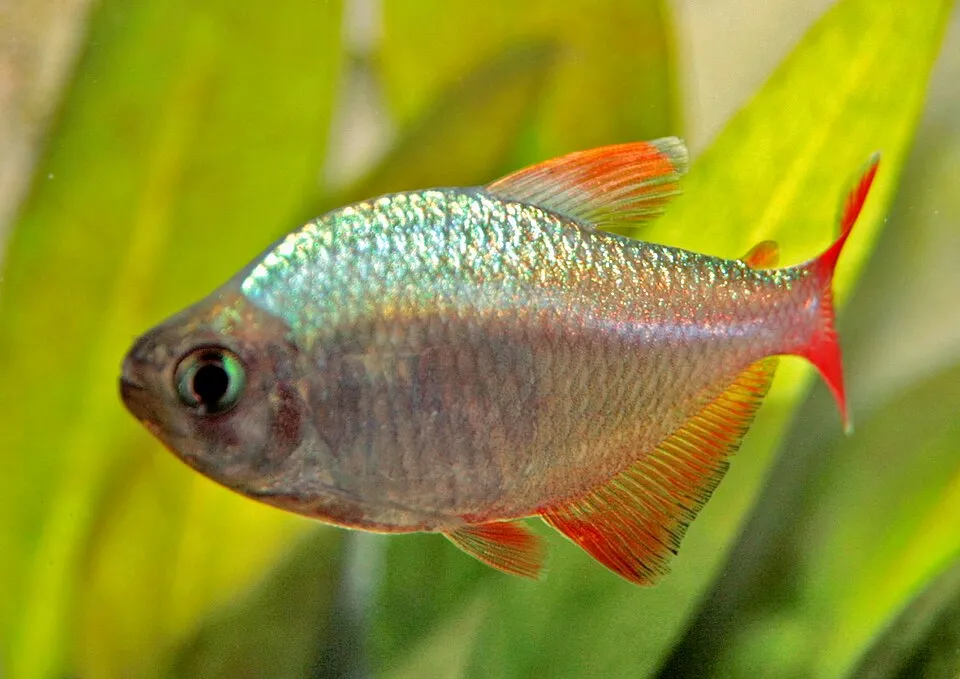 2.6 in (6.5 cm)20 gal (75 L)73–82°F (23–28°C)
Colombian tetra
Hyphessobrycon columbianus
2.6 in (6.5 cm) · 20 gal (75 L)
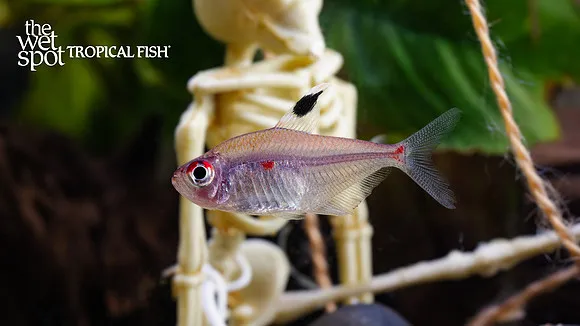 2.1 in (5.4 cm)20 gal (75 L)75–82°F (24–28°C)
Flameback bleeding heart tetra
Hyphessobrycon pyrrhonotus
2.1 in (5.4 cm) · 20 gal (75 L)
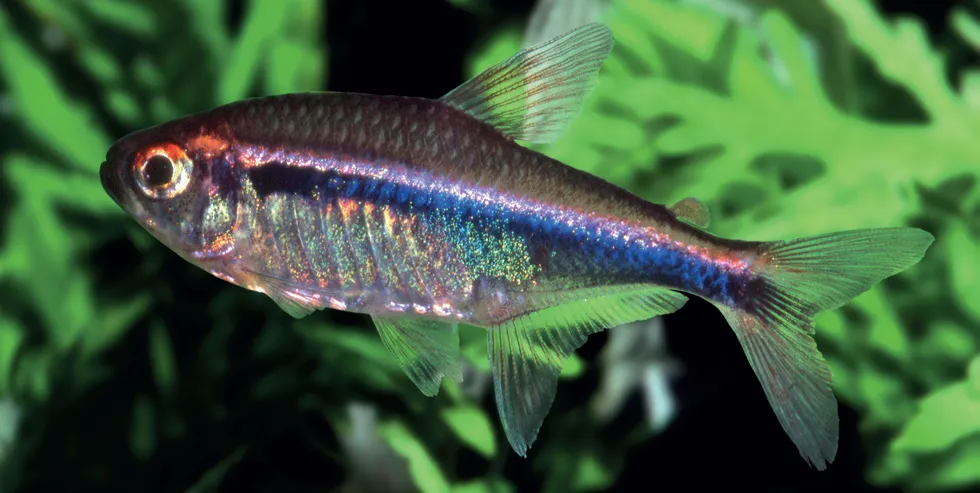 2 in (5.2 cm)17 gal (65 L)72–81°F (22–27°C)
Agulha tetra
Hyphessobrycon agulha
2 in (5.2 cm) · 17 gal (65 L)
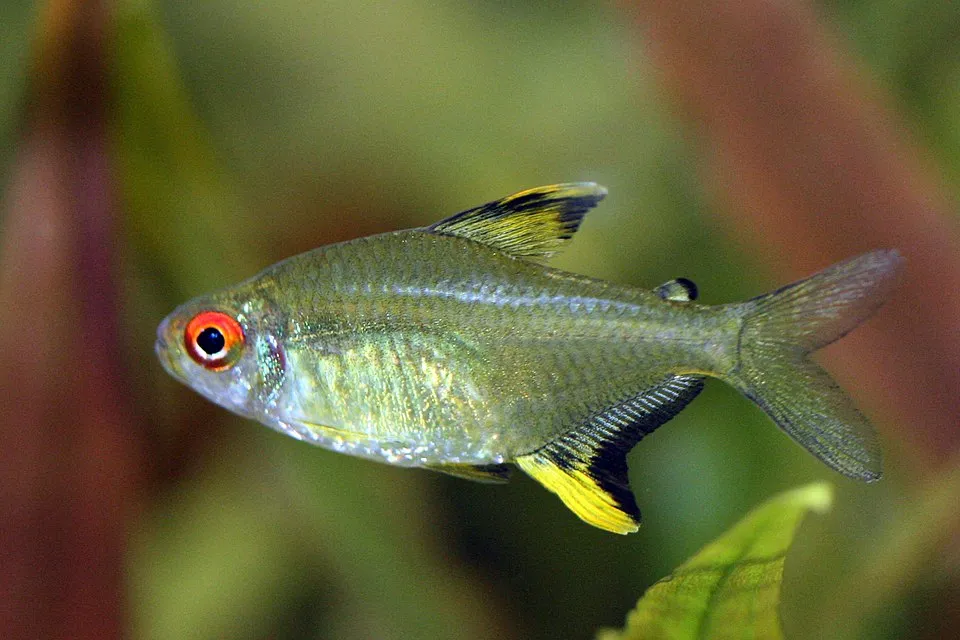 2 in (5 cm)17 gal (65 L)72–82°F (22–28°C)
Lemon tetra
Hyphessobrycon pulchripinnis
2 in (5 cm) · 17 gal (65 L)
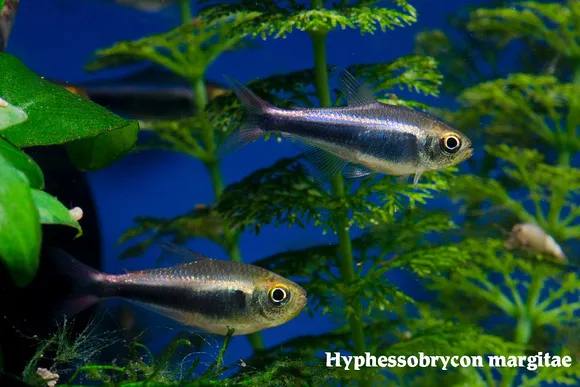 1.9 in (4.8 cm)16 gal (60 L)72–81°F (22–27°C)
Margitae tetra
Hyphessobrycon margitae
1.9 in (4.8 cm) · 16 gal (60 L)