Colombian tetra
Hyphessobrycon columbianus
FreshwaterFish
Care at a glance
- Temperature
- 73–82°F
- 23–28°C
- pH
- 6.0–7.0
- Adult size
- 2.6 in
- 6.5 cm
- Minimum tank
- 20 gal
- 75 L
- Temperament
- Peaceful
- Social behavior
- Schooling
- Swim level
- Middle
- Difficulty
- Easy
- Breeding
- Hard
- Rarity
- Rare
- Family
- Characidae
- Origin
- Colombia
Overview
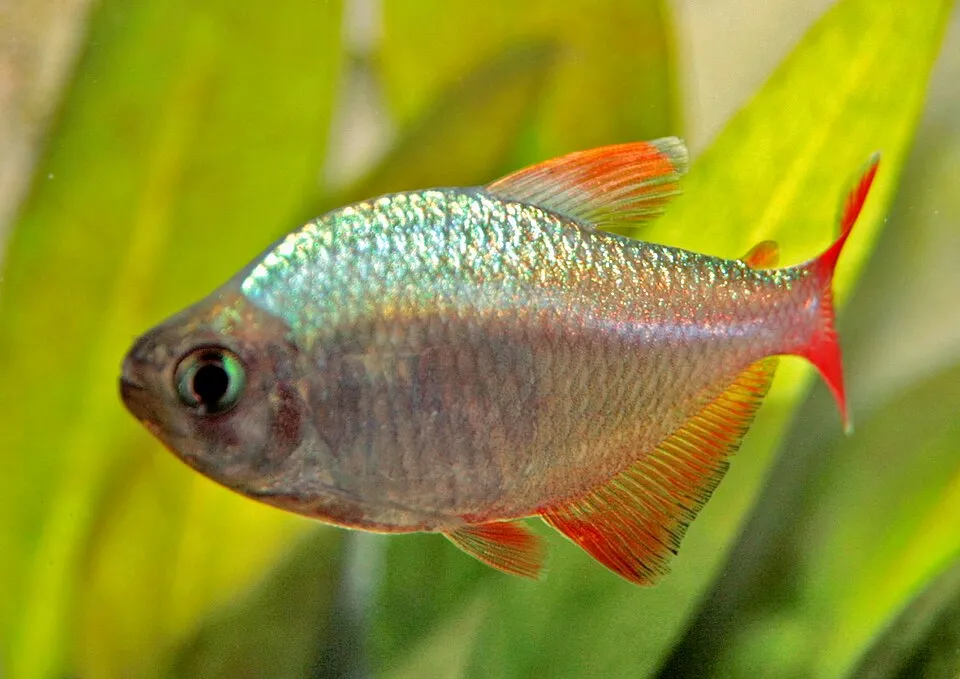
The Colombian tetra is an active, hardy shoaling fish that does best in a group of at least six, and a larger group keeps it settled and reduces fin-nipping. It swims mainly in the middle of the tank and suits a lively community of similarly sized fish, though very small or long-finned tankmates can get harassed by a bold group. Give it open swimming space with planted edges and a bit of current. It takes almost any food, so feed a good flake or micro-pellet with regular frozen and live treats to deepen the blue body and red fins. A tank of around 75 liters or larger suits a group.
In the wild
This tetra comes from the Acandi River and nearby slow creeks near Acandi in northwestern Colombia, close to the border with Panama. The water there is warm, soft, and slightly acidic, moving gently through shaded, wooded margins. Recreate that with temperatures of 23 to 28 C, a pH from 6.0 to 7.0, and soft to moderately hard water. Planting around the sides with driftwood and an open central channel gives it room to shoal while still feeling secure.
Good to know
The Colombian tetra sits in Characidae, the large American tetra family, and was only formally described in 2002, fairly late for such a common aquarium fish. It is one of the bigger Hyphessobrycon tetras, reaching around 6 to 7 cm, with a tall, compressed silver-blue body and red-tinted fins that brighten as it matures. Like other characids it is an egg-scattering spawner with no parental care. It is considered hard to breed at home, needing soft acidic water and dim light, though it is now widely produced on commercial farms.
Did you know
Despite being one of the most familiar tetras in the hobby, the Colombian tetra was not scientifically described until 2002. Its natural range is remarkably small, centred on a single river system in the far northwest of Colombia, yet tank-bred stock now makes it available almost everywhere.
Weekly picks
Tank mates
Colombian tetra is a peaceful, schooling species that keeps to the middle. These picks share a community profile with it, are safe together in both directions, and overlap on water type, temperature and pH.
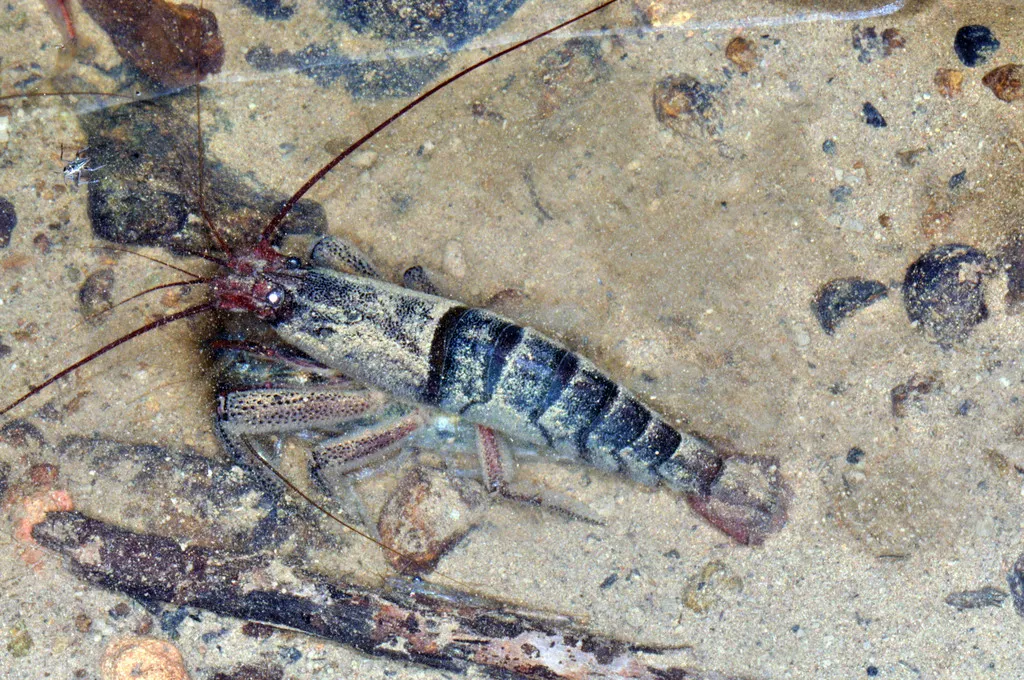
Marble wood shrimp
Atya scabra
Freshwater3.9 in (10 cm) · 20 gal (75 L)73–82°F (23–28°C)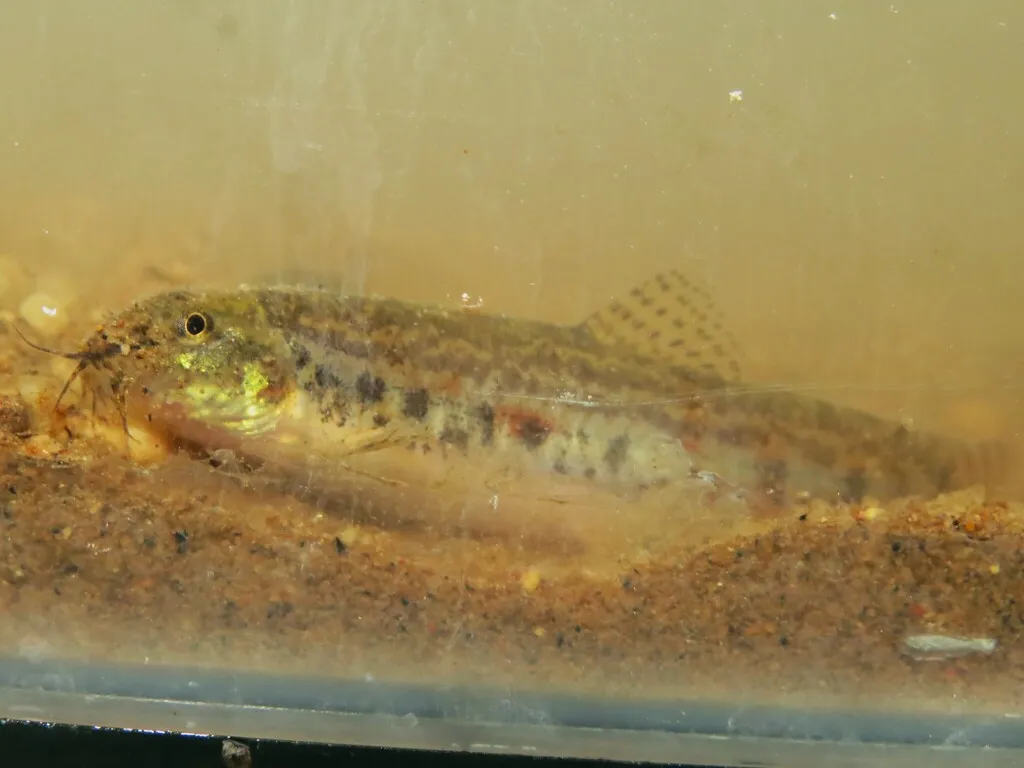
Common spiny loach
Lepidocephalichthys thermalis
Freshwater3.1 in (8 cm) · 20 gal (75 L)72–82°F (22–28°C)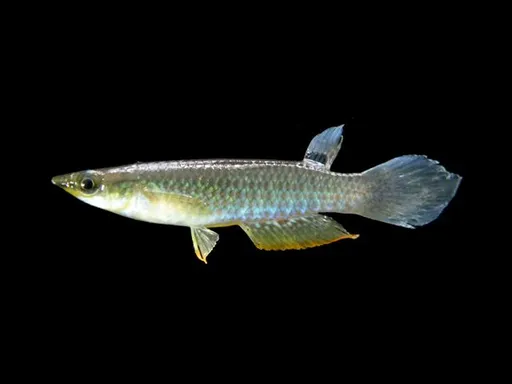
Blue panchax
Aplocheilus panchax
Freshwater3.5 in (9 cm) · 20 gal (75 L)72–82°F (22–28°C)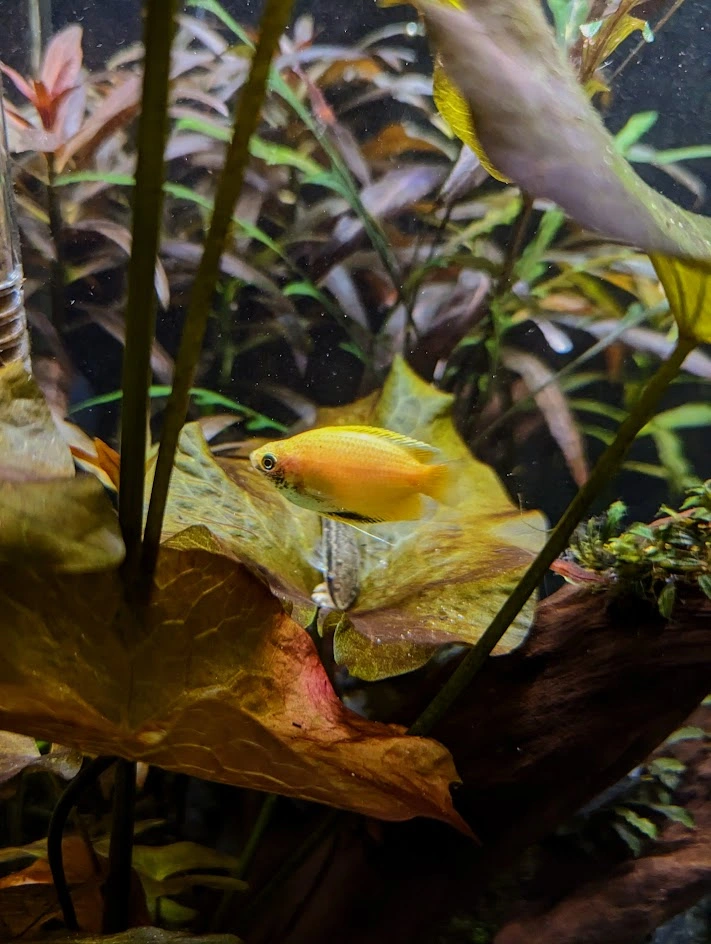
Honey gourami
Trichogaster chuna
Freshwater2 in (5 cm) · 20 gal (75 L)72–82°F (22–28°C)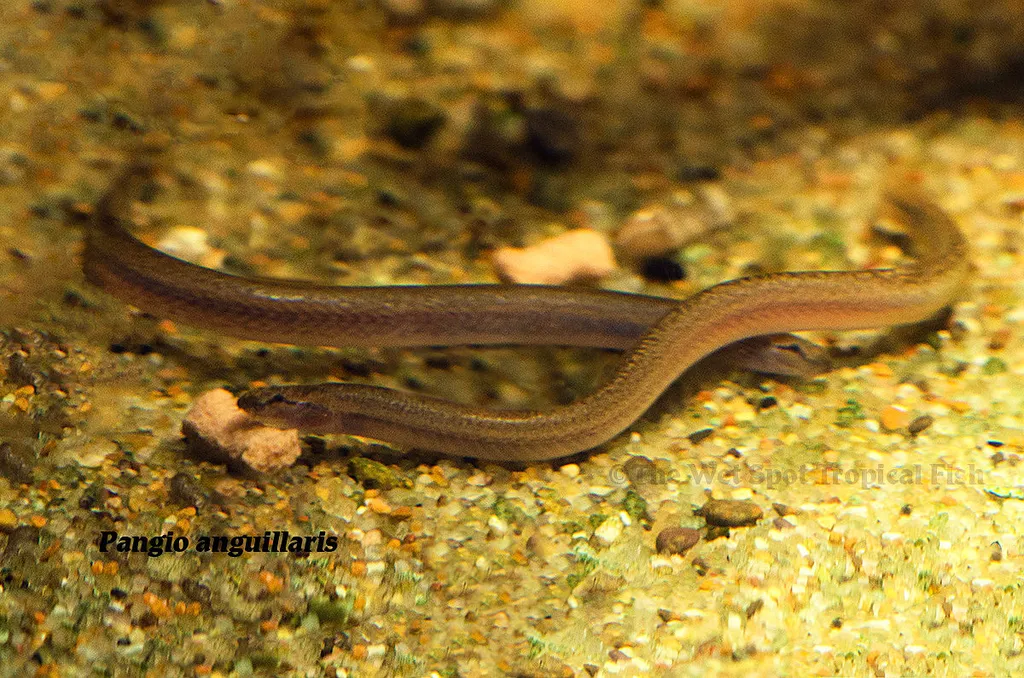
Eel kuhli loach
Pangio anguillaris
Freshwater4.7 in (12 cm) · 20 gal (75 L)72–82°F (22–28°C)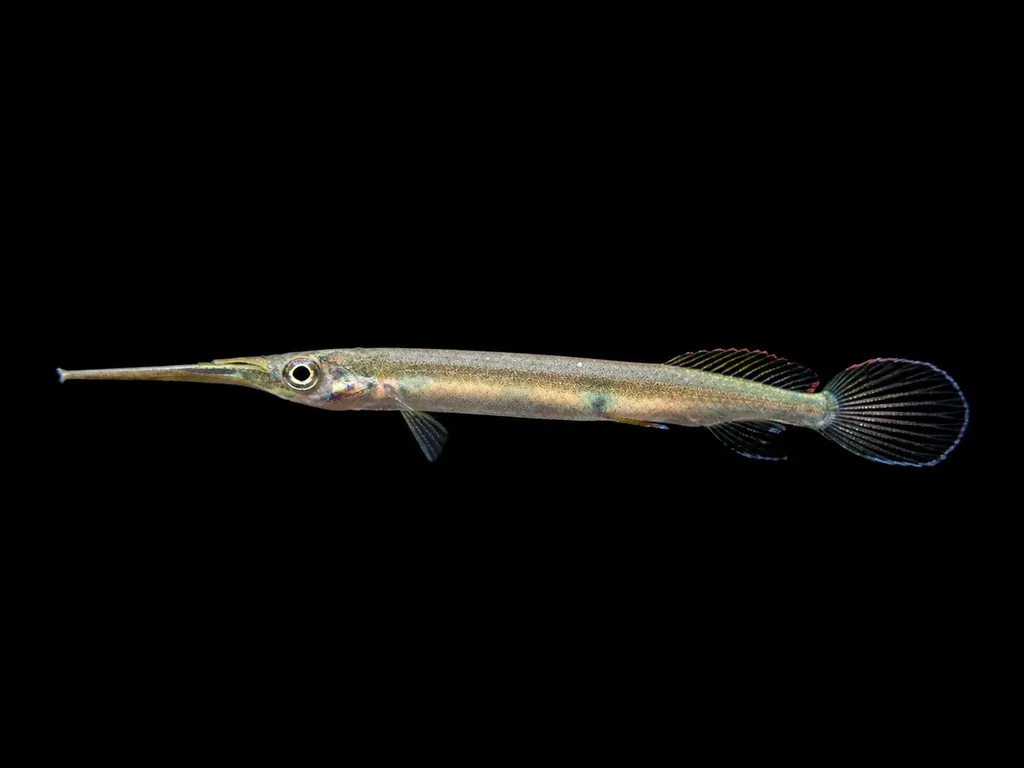
Kuekenthal's halfbeak
Hemirhamphodon kuekenthali
Freshwater3.3 in (8.5 cm) · 20 gal (75 L)73–81°F (23–27°C)
Common questions
What size tank does a Colombian tetra need?
A Colombian tetra needs at least 20 gal (75 L). It spends most of its time in the middle.
What temperature and pH does a Colombian tetra need?
A Colombian tetra is comfortable at 73–82°F (23–28°C) with a pH of 6.0–7.0.
How big does a Colombian tetra get?
An adult Colombian tetra reaches about 2.6 in (6.5 cm).
Does a Colombian tetra need a group?
Yes. A Colombian tetra is a schooling species and should be kept in a group, not singly.
Related species
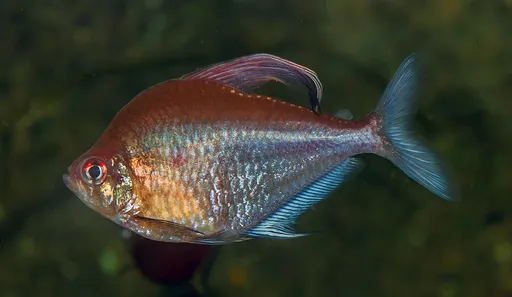
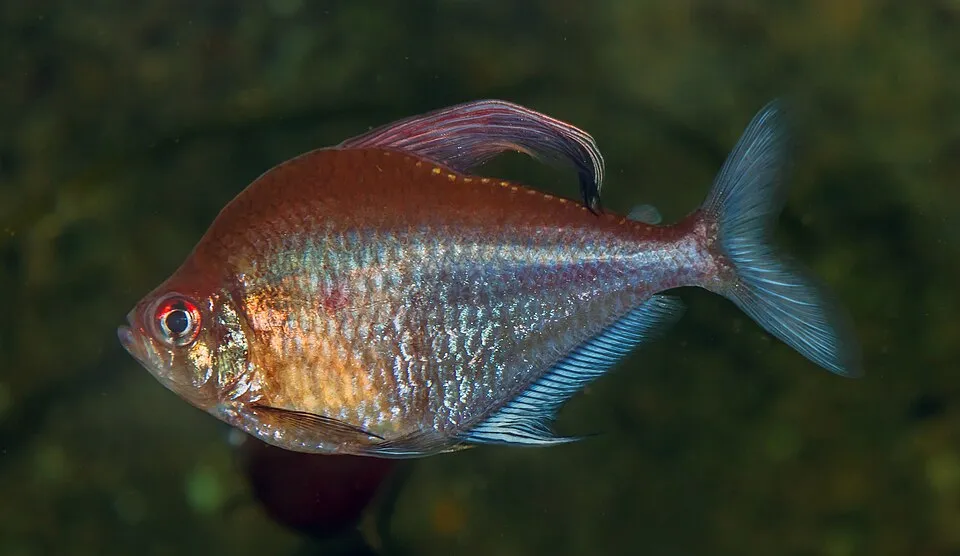 2.4 in (6 cm)20 gal (75 L)70–81°F (21–27°C)
Bleeding heart tetra
Hyphessobrycon erythrostigma
2.4 in (6 cm) · 20 gal (75 L)
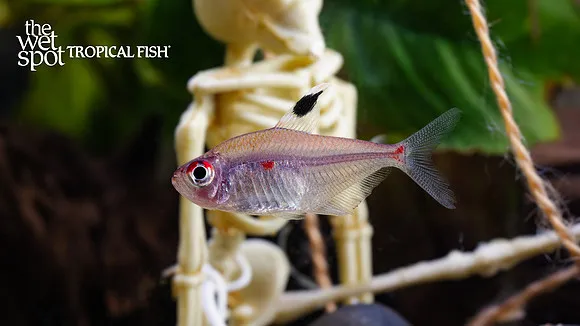
 2.2 in (5.6 cm)24 gal (90 L)73–82°F (23–28°C)
Lesser bleeding heart tetra
Hyphessobrycon socolofi
2.2 in (5.6 cm) · 24 gal (90 L)
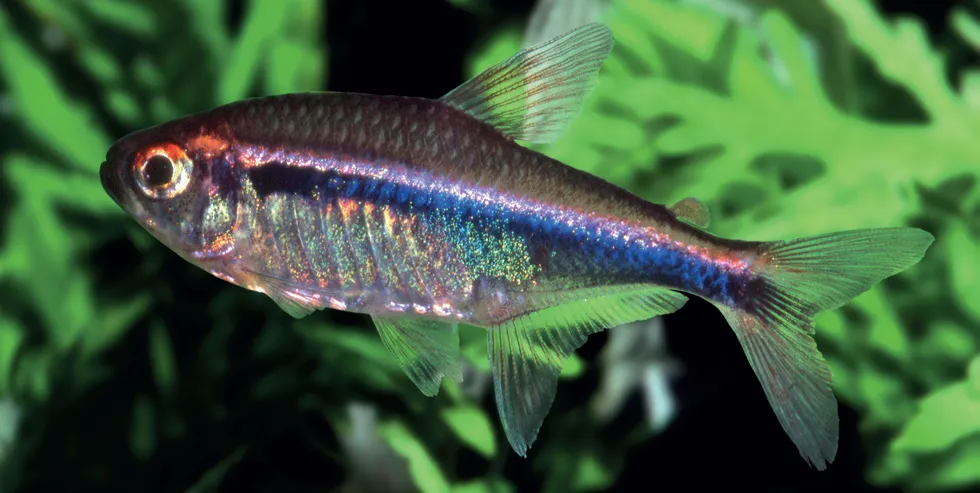
 2.1 in (5.4 cm)20 gal (75 L)75–82°F (24–28°C)
Flameback bleeding heart tetra
Hyphessobrycon pyrrhonotus
2.1 in (5.4 cm) · 20 gal (75 L)
 2 in (5.2 cm)17 gal (65 L)72–81°F (22–27°C)
Agulha tetra
Hyphessobrycon agulha
2 in (5.2 cm) · 17 gal (65 L)
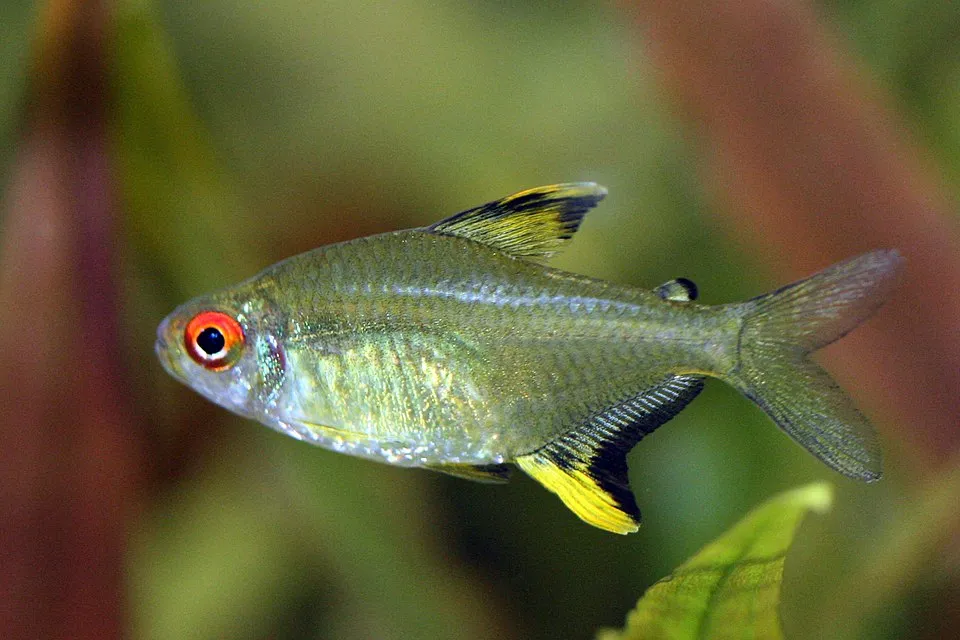 2 in (5 cm)17 gal (65 L)72–82°F (22–28°C)
Lemon tetra
Hyphessobrycon pulchripinnis
2 in (5 cm) · 17 gal (65 L)
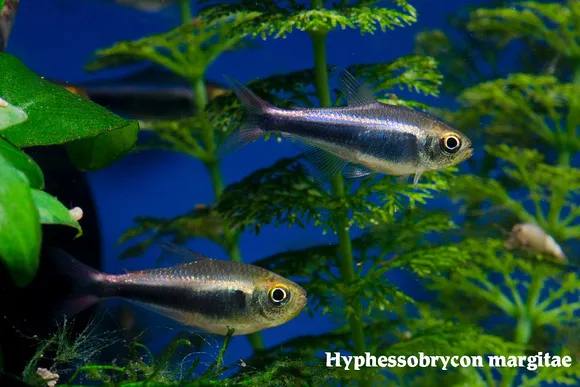 1.9 in (4.8 cm)16 gal (60 L)72–81°F (22–27°C)
Margitae tetra
Hyphessobrycon margitae
1.9 in (4.8 cm) · 16 gal (60 L)