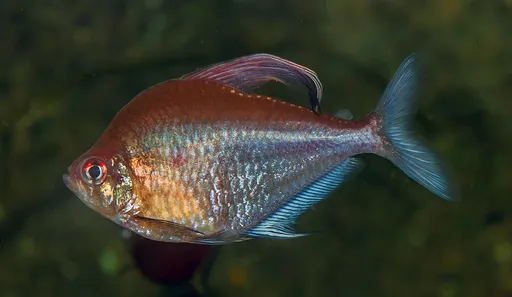
Lesser bleeding heart tetra
Hyphessobrycon socolofi
Also known as Socolof's tetra, Megalamphodus socolofi
FreshwaterFish
Care at a glance
- Temperature
- 73–82°F
- 23–28°C
- pH
- 5.5–7.5
- Adult size
- 2.2 in
- 5.6 cm
- Minimum tank
- 24 gal
- 90 L
- Temperament
- Peaceful
- Social behavior
- Schooling
- Swim level
- Middle
- Difficulty
- Easy
- Breeding
- Hard
- Rarity
- Common
- Family
- Characidae
- Origin
- Rio Negro basin (and Rio Nhamunda), Amazonas, Brazil
Overview
Keep them in a group of at least eight to ten in a tank of 90 liters or larger, which brings out their color and spreads out the mild territoriality males show toward each other. They are peaceful and sit in the middle of the water column. Hold the temperature between 23 and 28 C and the pH from 5.5 to 7.5, soft and acidic to neutral. They are sensitive to organic pollution building up, so stay on top of regular water changes and keep the tank clean. Feed small flakes, micro pellets, and frozen foods like daphnia or bloodworms, and pair them with other calm, similarly sized fish.
In the wild
Lesser bleeding heart tetras come from the Rio Negro basin and the Rio Nhamunda in Amazonas, Brazil. These are soft, acidic blackwater rivers stained dark with tannins, where the fish move over sand and leaf litter under low light. To match that, give them a tank of at least 90 liters with dark or sandy substrate, driftwood, and a layer of leaf litter, plus dim lighting and some shade from floating plants. Keep the water warm, from 23 to 28 C, and on the acidic to neutral side, with a pH between 5.5 and 7.5. They show their best color over a dark bottom in soft, tinted water.
Good to know
This is a characin in the family Characidae, part of the "bleeding heart" group but smaller than its better known relative Hyphessobrycon erythrostigma. Adults reach about 5.6 cm. In the wild they live in very soft, acidic water with a pH that can drop near 4, though the practical kept range is 5.5 to 7.5. They are egg scatterers with no parental care, which is part of why they are rarely bred at home.
Did you know
The name comes from the small red spot sitting over the heart, a marking shared across the bleeding heart group. This species is the lesser, or smaller, member of that group, staying well under the size of the more common Hyphessobrycon erythrostigma. Most stock in the trade is still wild caught from the Rio Negro, so the soft, tannin-stained conditions they evolved in are exactly what bring out their look.
Weekly picks
Tank mates
Lesser bleeding heart tetra is a peaceful, schooling species that keeps to the middle. These picks share a community profile with it, are safe together in both directions, and overlap on water type, temperature and pH.
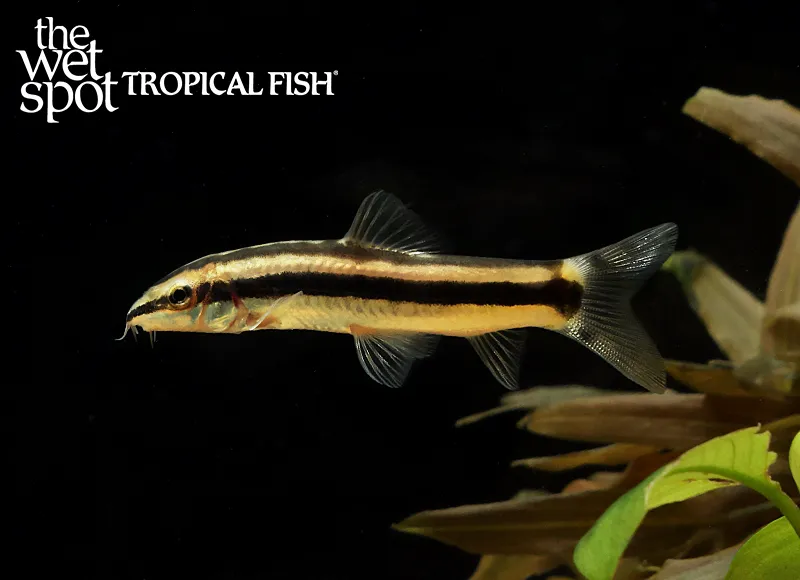
Black-lined loach
Ambastaia nigrolineata
Freshwater3.1 in (8 cm) · 24 gal (90 L)72–81°F (22–27°C)
Wrestling halfbeak
Dermogenys pusilla
FreshwaterBrackish2.8 in (7 cm) · 25 gal (95 L)75–82°F (24–28°C)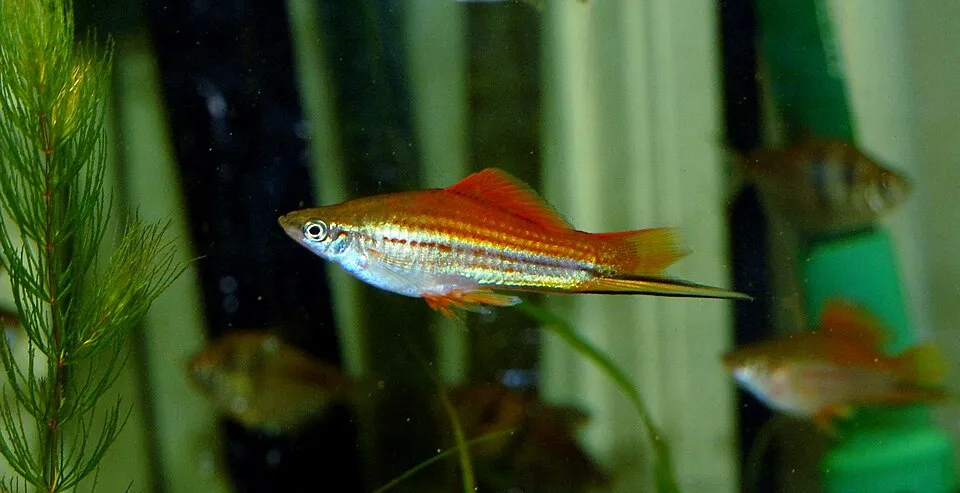
Green swordtail
Xiphophorus hellerii
Freshwater5.9 in (15 cm) · 24 gal (90 L)68–82°F (20–28°C)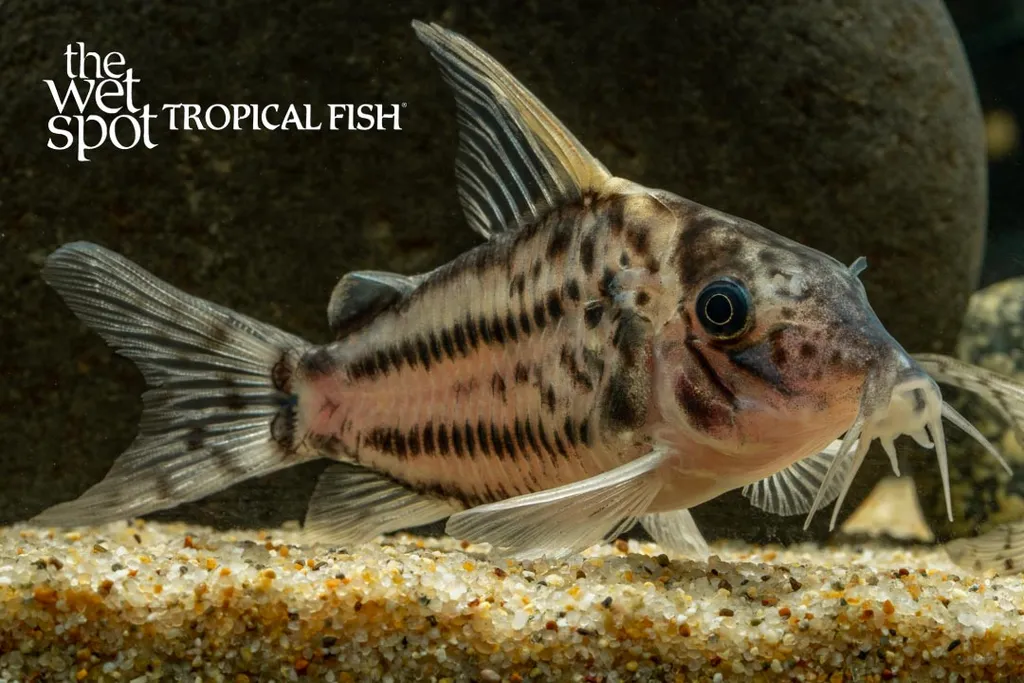
Pretty cory
Brochis pulchra
Freshwater2.6 in (6.5 cm) · 24 gal (90 L)75–82°F (24–28°C)Siamese flying barb
Laubuka siamensis
Freshwater2.6 in (6.5 cm) · 24 gal (90 L)72–81°F (22–27°C)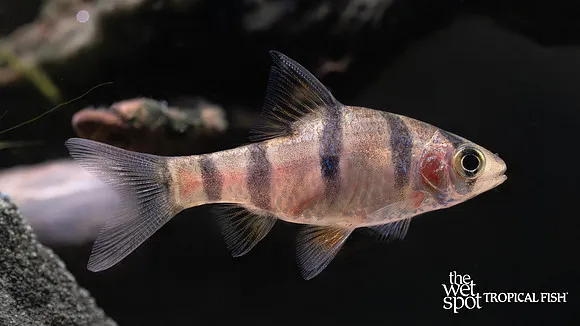
Six-banded barb
Desmopuntius hexazona
Freshwater2.4 in (6 cm) · 24 gal (90 L)73–82°F (23–28°C)
Common questions
What size tank does a Lesser bleeding heart tetra need?
A Lesser bleeding heart tetra needs at least 24 gal (90 L). It spends most of its time in the middle.
What temperature and pH does a Lesser bleeding heart tetra need?
A Lesser bleeding heart tetra is comfortable at 73–82°F (23–28°C) with a pH of 5.5–7.5.
How big does a Lesser bleeding heart tetra get?
An adult Lesser bleeding heart tetra reaches about 2.2 in (5.6 cm).
Does a Lesser bleeding heart tetra need a group?
Yes. A Lesser bleeding heart tetra is a schooling species and should be kept in a group, not singly.
Related species
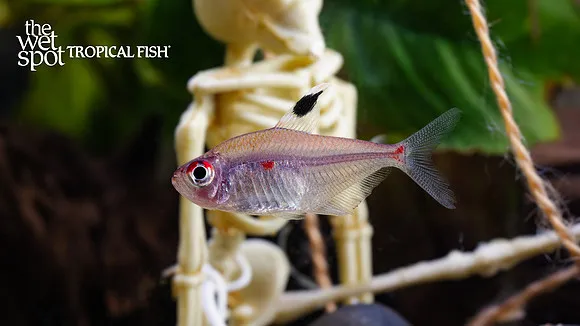 2.1 in (5.4 cm)20 gal (75 L)75–82°F (24–28°C)
Flameback bleeding heart tetra
Hyphessobrycon pyrrhonotus
2.1 in (5.4 cm) · 20 gal (75 L)
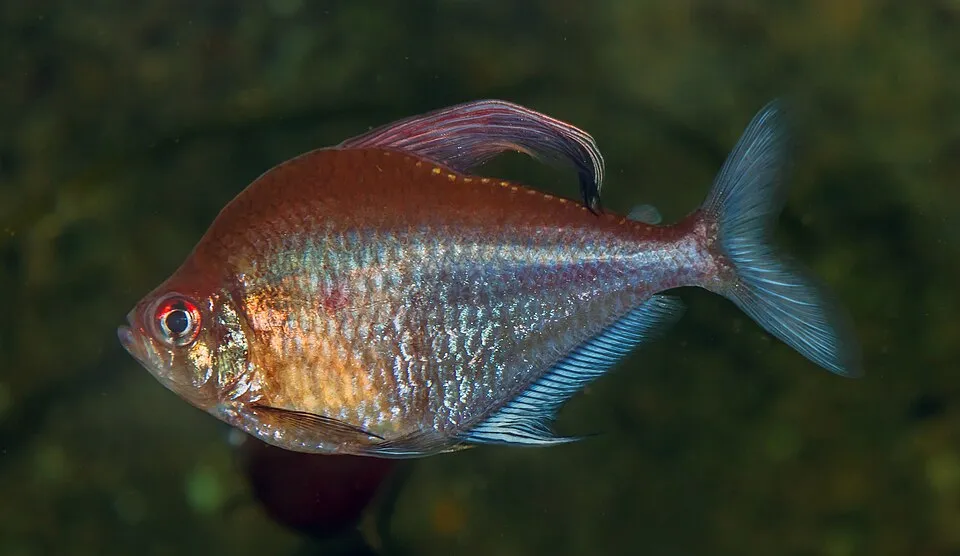 2.4 in (6 cm)20 gal (75 L)70–81°F (21–27°C)
Bleeding heart tetra
Hyphessobrycon erythrostigma
2.4 in (6 cm) · 20 gal (75 L)
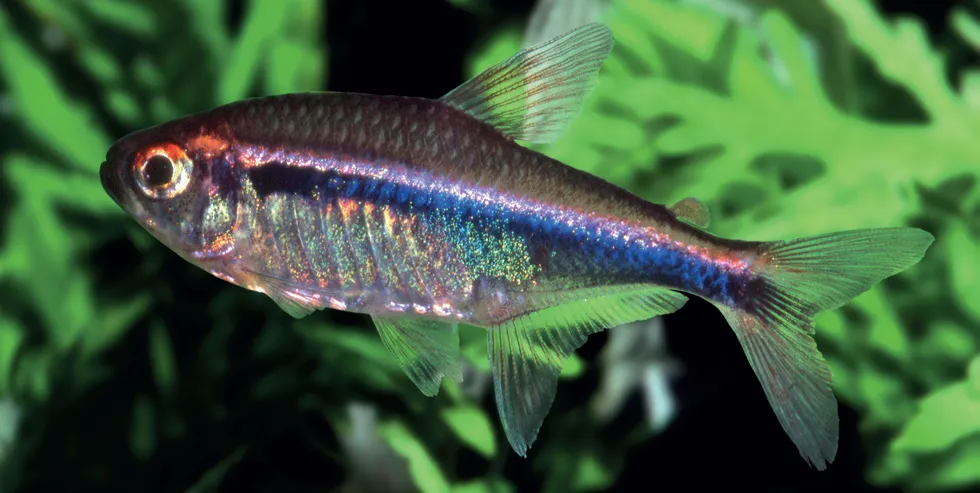 2 in (5.2 cm)17 gal (65 L)72–81°F (22–27°C)
Agulha tetra
Hyphessobrycon agulha
2 in (5.2 cm) · 17 gal (65 L)
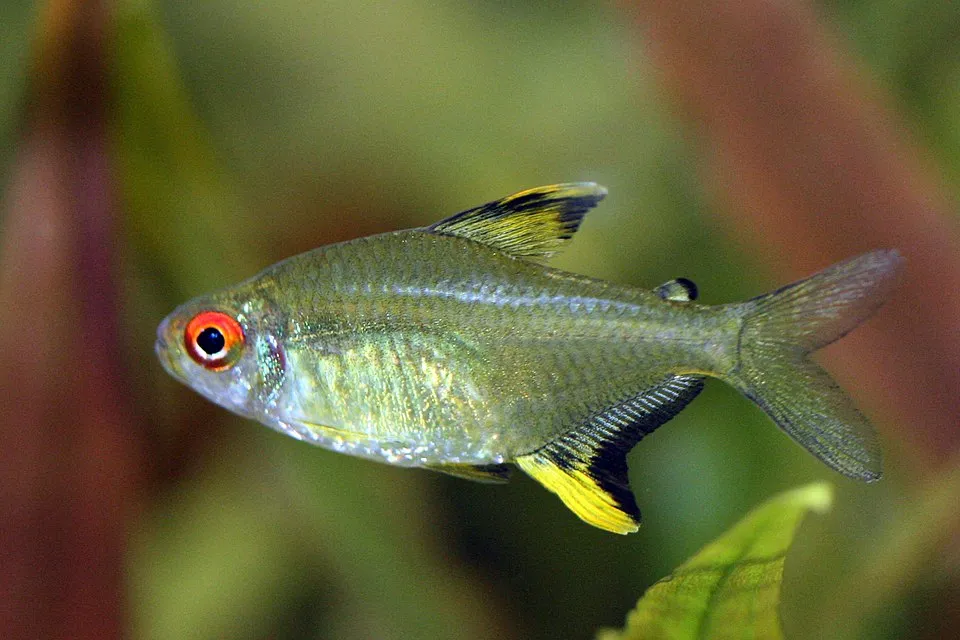 2 in (5 cm)17 gal (65 L)72–82°F (22–28°C)
Lemon tetra
Hyphessobrycon pulchripinnis
2 in (5 cm) · 17 gal (65 L)
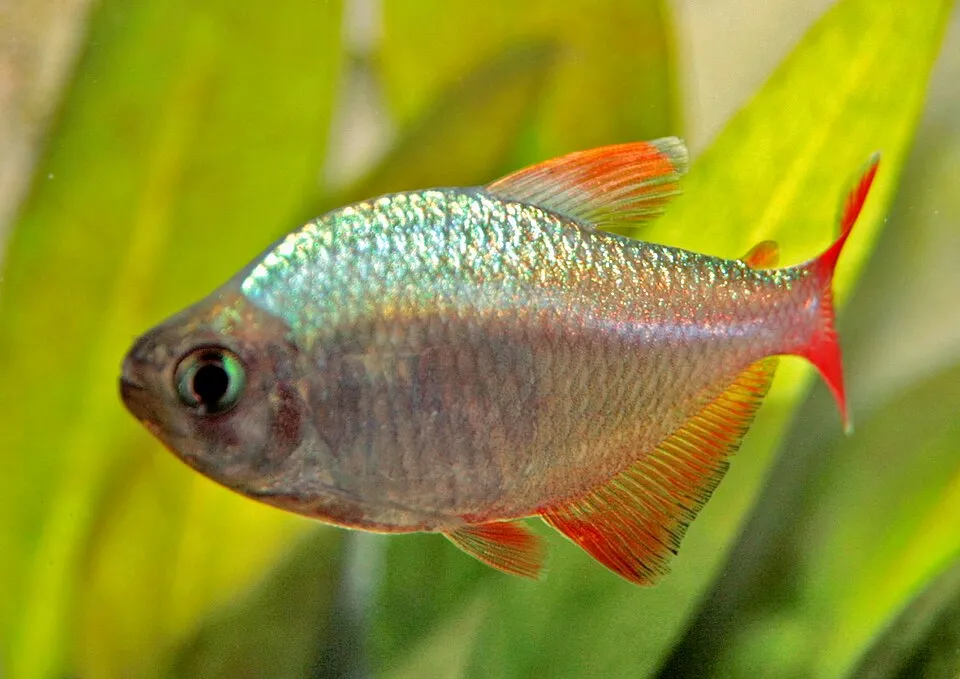 2.6 in (6.5 cm)20 gal (75 L)73–82°F (23–28°C)
Colombian tetra
Hyphessobrycon columbianus
2.6 in (6.5 cm) · 20 gal (75 L)
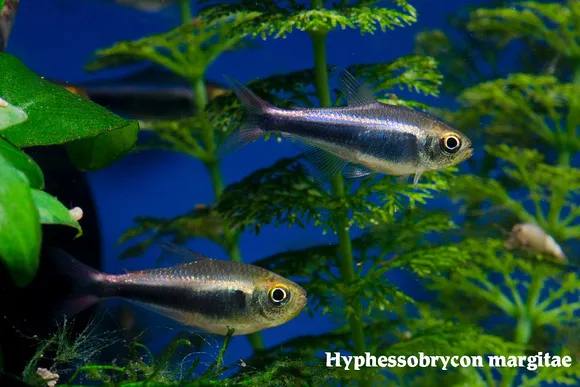 1.9 in (4.8 cm)16 gal (60 L)72–81°F (22–27°C)
Margitae tetra
Hyphessobrycon margitae
1.9 in (4.8 cm) · 16 gal (60 L)