Lemon tetra
Hyphessobrycon pulchripinnis
FreshwaterFish
Care at a glance
- Temperature
- 72–82°F
- 22–28°C
- pH
- 6.0–8.0
- Adult size
- 2 in
- 5 cm
- Minimum tank
- 17 gal
- 65 L
- Temperament
- Peaceful
- Social behavior
- Schooling
- Swim level
- Middle
- Difficulty
- Easy
- Breeding
- Hard
- Rarity
- Very common
- Family
- Characidae
- Origin
- Brazil
Overview
Lemon tetras are peaceful schoolers and should be kept in a group of at least six, ideally more, or they get skittish and nippy. They swim in the middle and upper water and are constantly active. Feed small foods like quality flake, micro-pellets, and the odd frozen treat such as brine shrimp or bloodworms. About 65 liters suits a school, with plants and open swimming room alongside calm tankmates.
In the wild
Lemon tetras come from clear, slow tributaries in the Brazilian Amazon, shaded by overhanging plants and full of roots and leaf litter. The water is soft and slightly acidic with a dim, tannin-tinted look. A planted tank with driftwood, a darker substrate, and subdued lighting brings out their color. Keep the water soft and the pH around 6 to 7.5, with temps in the mid 20s C.
Good to know
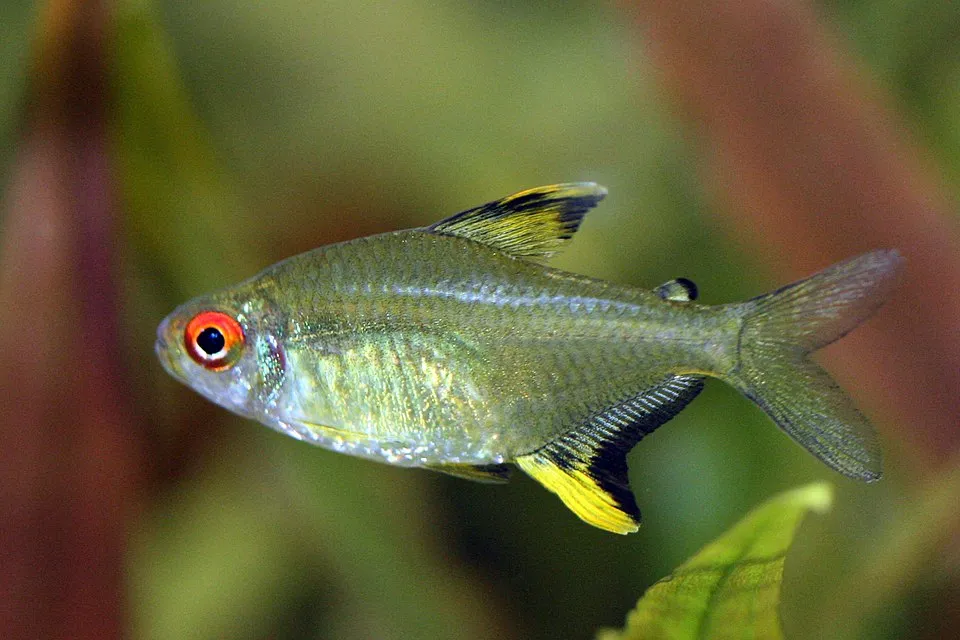
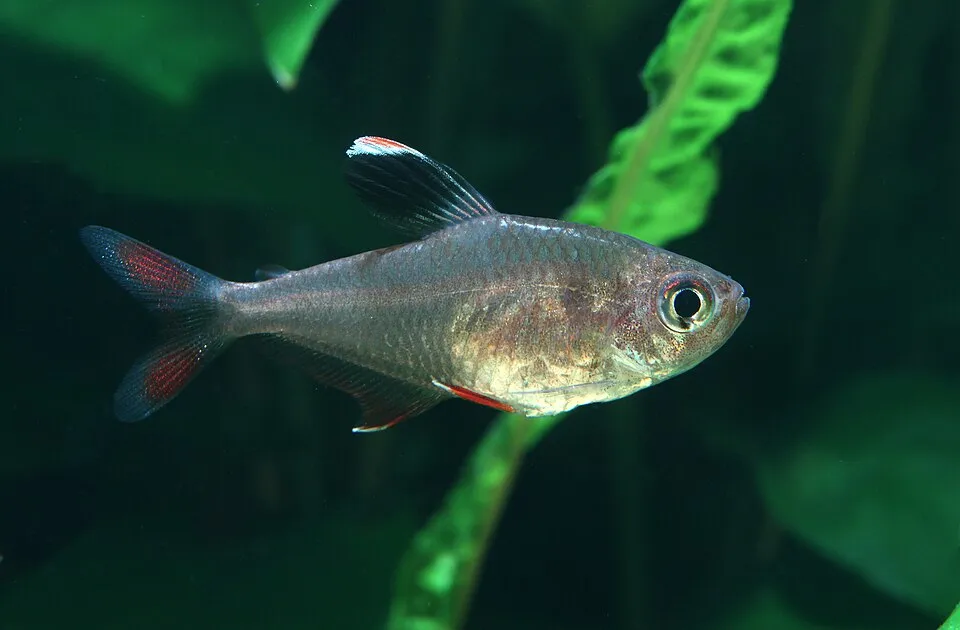
Hyphessobrycon pulchripinnis is a characin in the family Characidae and grows to about 5 cm. It has a translucent yellow body and a bright red top to the eye. It is an egg-scatterer with no parental care, and eggs hatch in roughly a day. The species is widespread and listed as Least Concern.
Did you know
In a tight group, dominant lemon tetras flush their fins with deep black-and-yellow edging during display, while subordinate fish stay washed out. The whole school's color intensity is a quick read on how settled and well-fed they are.
Weekly picks
Tank mates
Lemon tetra is a peaceful, schooling species that keeps to the middle. These picks share a community profile with it, are safe together in both directions, and overlap on water type, temperature and pH.
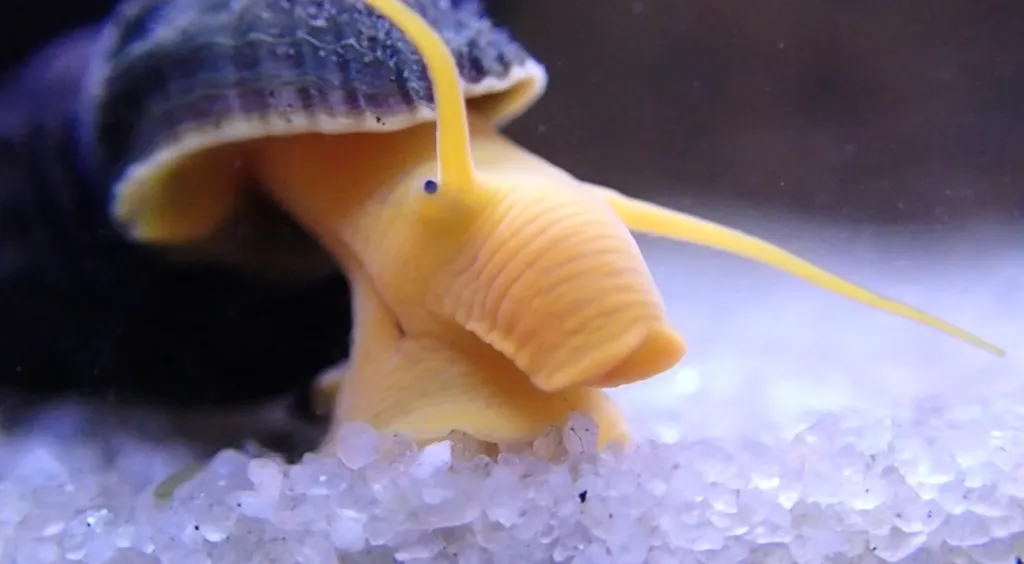
Gold rabbit snail
Tylomelania gemmifera
Freshwater2.8 in (7 cm) · 16 gal (60 L)75–82°F (24–28°C)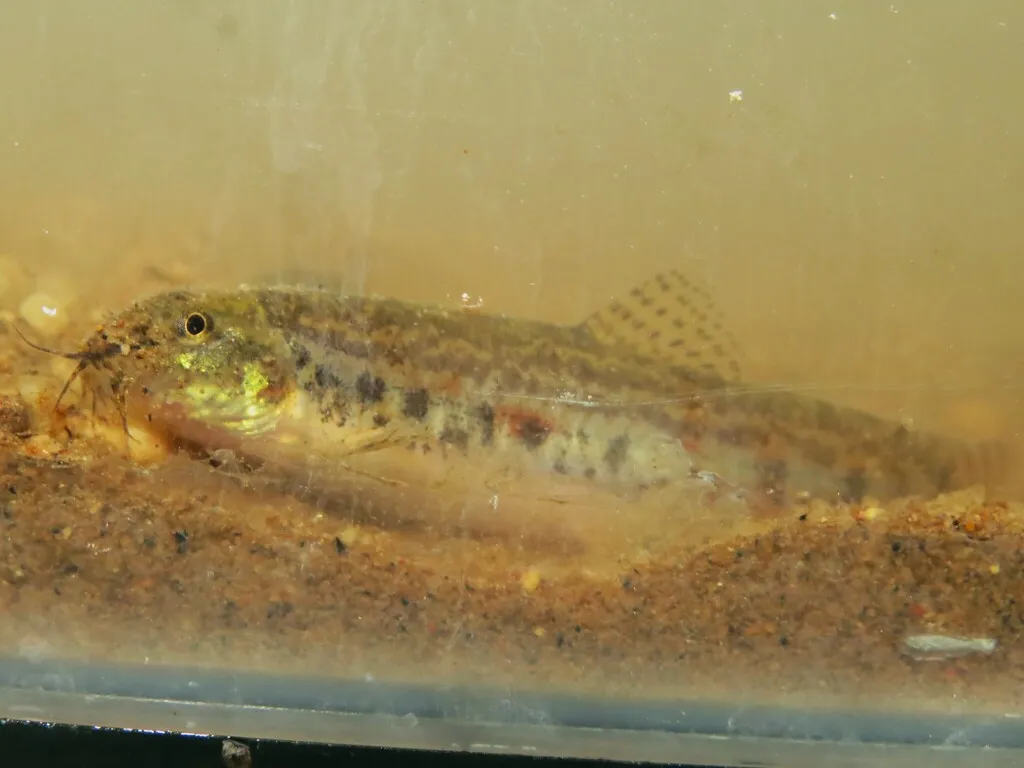
Common spiny loach
Lepidocephalichthys thermalis
Freshwater3.1 in (8 cm) · 20 gal (75 L)72–82°F (22–28°C)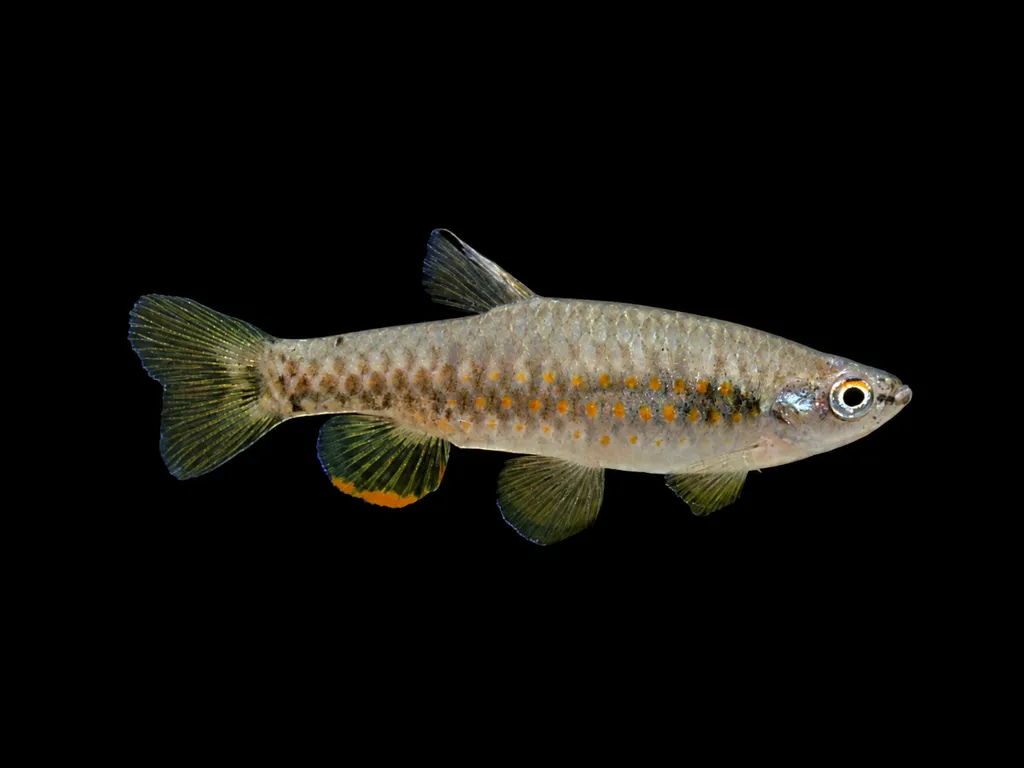
Fanning characin
Pyrrhulina rachoviana
Freshwater2 in (5 cm) · 16 gal (60 L)68–79°F (20–26°C)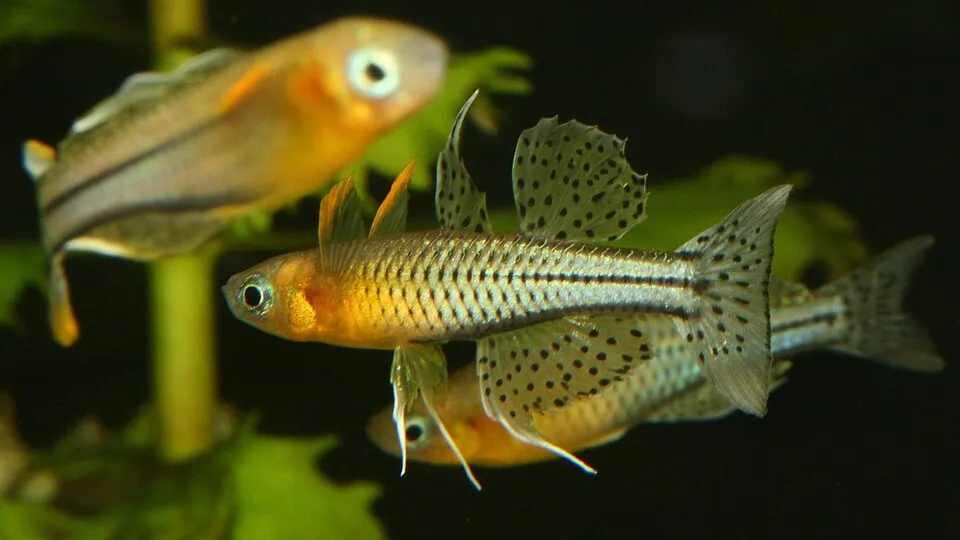
Spotted blue-eye
Pseudomugil gertrudae
Freshwater1.5 in (3.8 cm) · 17 gal (65 L)70–82°F (21–28°C)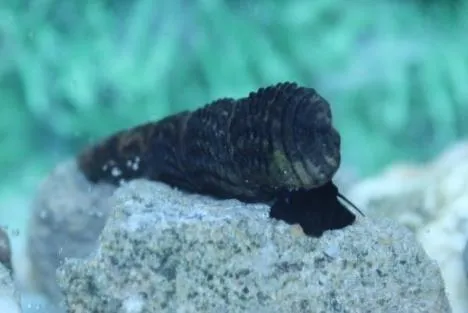
White spotted rabbit snail
Tylomelania towutica
Freshwater4.3 in (11 cm) · 16 gal (60 L)75–84°F (24–29°C)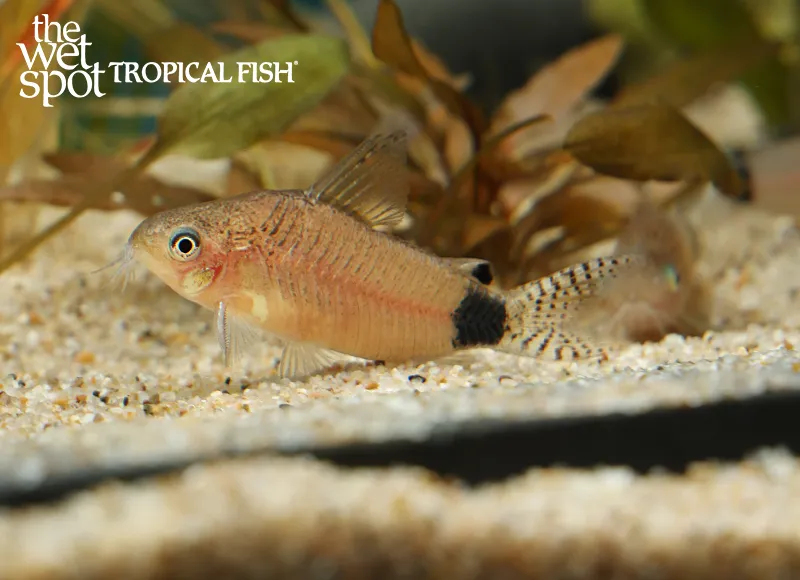
Guapore cory
Gastrodermus guapore
Freshwater2 in (5 cm) · 16 gal (60 L)72–82°F (22–28°C)
Common questions
What size tank does a Lemon tetra need?
A Lemon tetra needs at least 17 gal (65 L). It spends most of its time in the middle.
What temperature and pH does a Lemon tetra need?
A Lemon tetra is comfortable at 72–82°F (22–28°C) with a pH of 6.0–8.0.
How big does a Lemon tetra get?
An adult Lemon tetra reaches about 2 in (5 cm).
Does a Lemon tetra need a group?
Yes. A Lemon tetra is a schooling species and should be kept in a group, not singly.
Related species
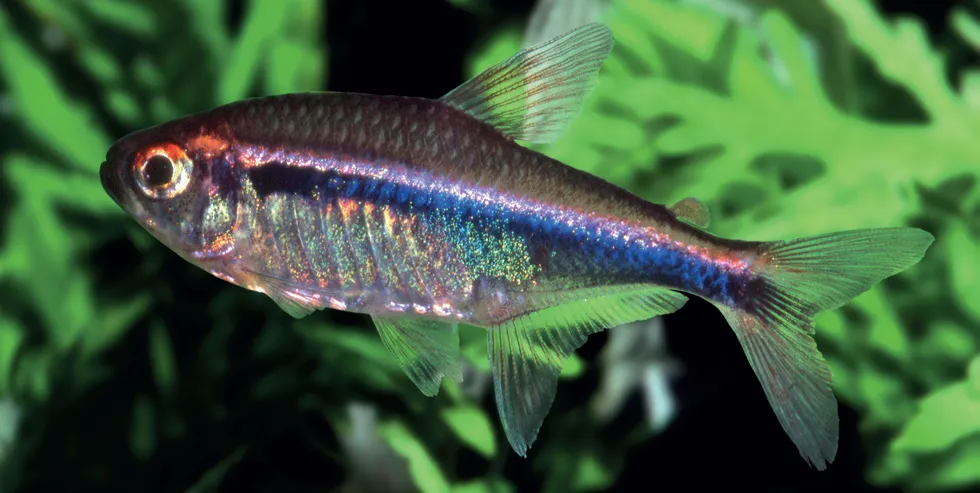 2 in (5.2 cm)17 gal (65 L)72–81°F (22–27°C)
Agulha tetra
Hyphessobrycon agulha
2 in (5.2 cm) · 17 gal (65 L)
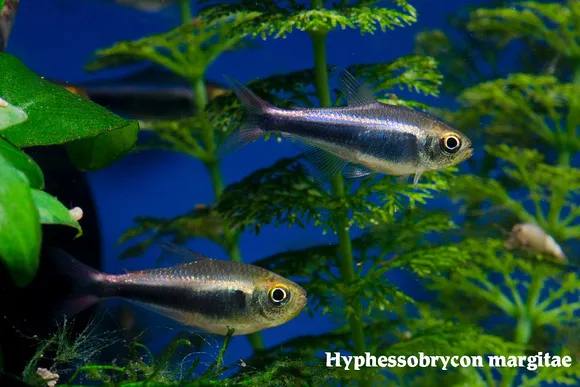 1.9 in (4.8 cm)16 gal (60 L)72–81°F (22–27°C)
Margitae tetra
Hyphessobrycon margitae
1.9 in (4.8 cm) · 16 gal (60 L)
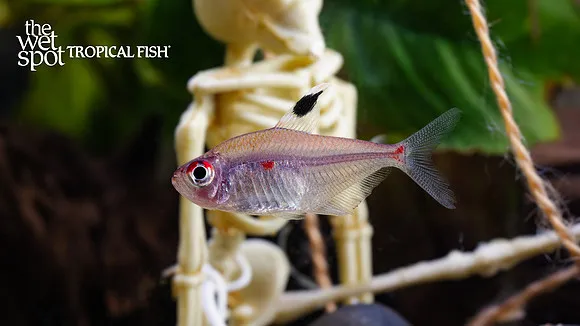 2.1 in (5.4 cm)20 gal (75 L)75–82°F (24–28°C)
Flameback bleeding heart tetra
Hyphessobrycon pyrrhonotus
2.1 in (5.4 cm) · 20 gal (75 L)
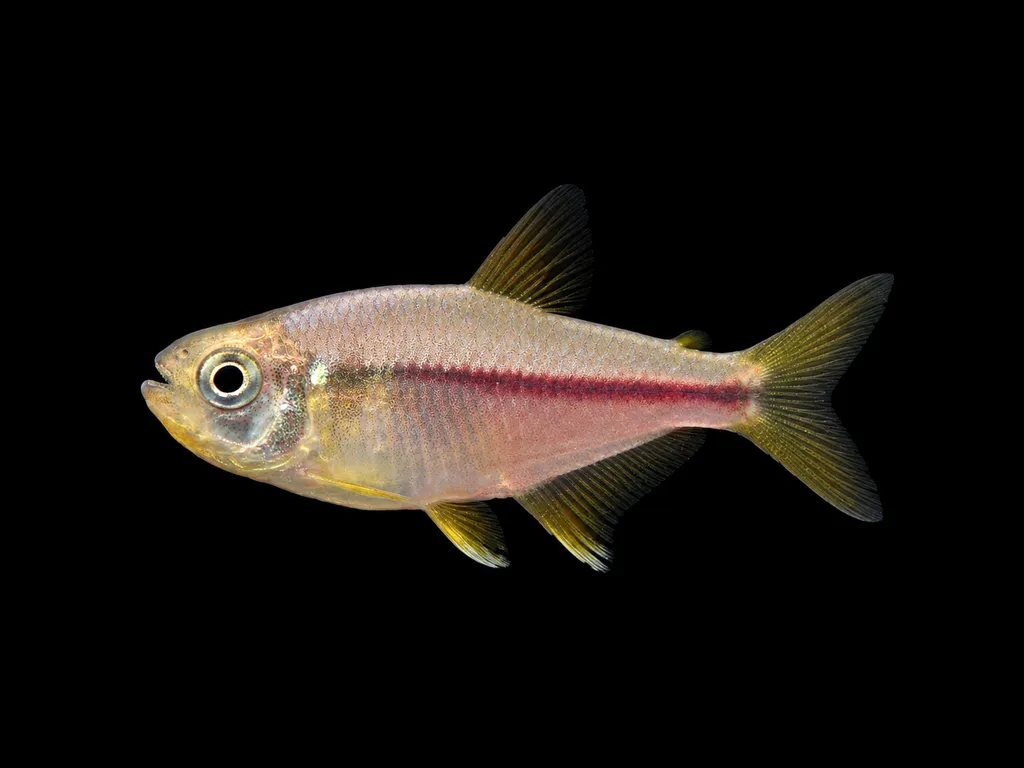 1.8 in (4.6 cm)16 gal (60 L)72–82°F (22–28°C)
Itaparica tetra
Hyphessobrycon itaparicensis
1.8 in (4.6 cm) · 16 gal (60 L)
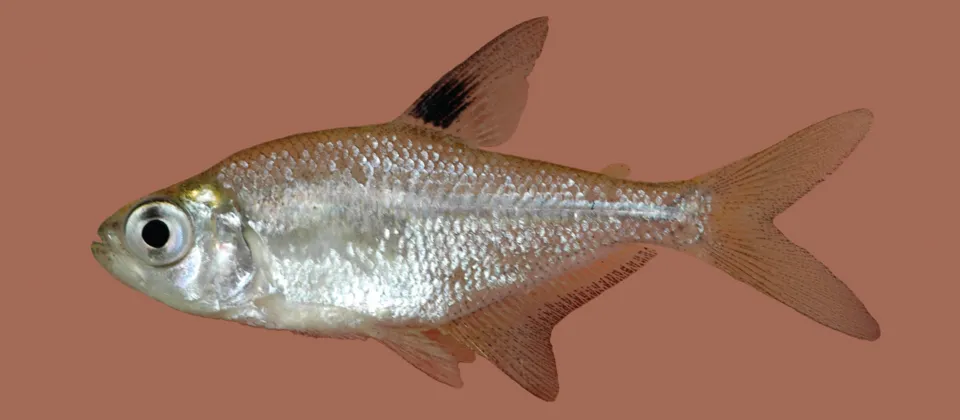 1.8 in (4.5 cm)16 gal (60 L)68–79°F (20–26°C)
Mayan tetra
Hyphessobrycon compressus
1.8 in (4.5 cm) · 16 gal (60 L)
 1.8 in (4.5 cm)20 gal (75 L)72–82°F (22–28°C)
Ornate tetra
Hyphessobrycon bentosi
1.8 in (4.5 cm) · 20 gal (75 L)