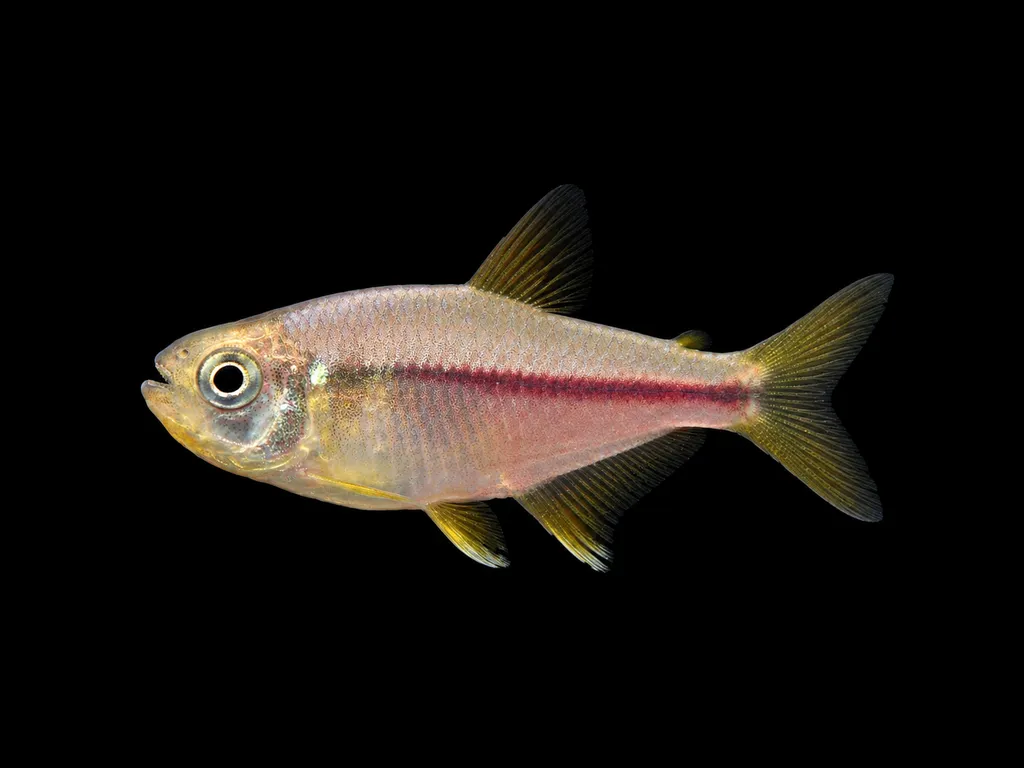
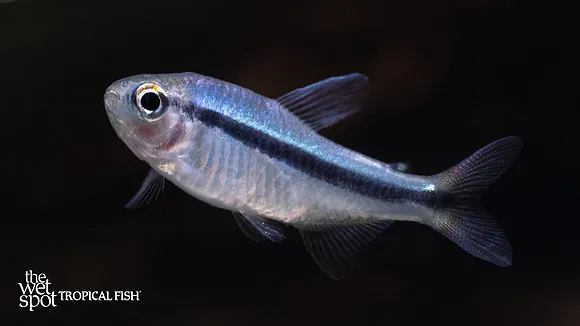
Itaparica tetra
Hyphessobrycon itaparicensis
Also known as Itaparicensis tetra, Pink Lemonade Tetra
FreshwaterFish
Care at a glance
- Temperature
- 72–82°F
- 22–28°C
- pH
- 6.0–7.5
- Adult size
- 1.8 in
- 4.6 cm
- Minimum tank
- 16 gal
- 60 L
- Temperament
- Peaceful
- Social behavior
- Schooling
- Swim level
- Middle
- Difficulty
- Medium
- Breeding
- No record
- Rarity
- Rare
- Family
- Characidae
- Origin
- Coastal streams of eastern Brazil, including Itaparica Island, Bahia
Overview
The Itaparica tetra is a peaceful, adaptable schooling fish, at least by rare-fish standards. It is moderately easy to keep.
Did you know
The Itaparica tetra's home island sits in a bay across from the city of Salvador. That puts this rarity closer to a metropolis of millions than to the Amazon.
Caring for the Itaparica tetra
Keep Itaparica tetras in a group of six or more, in a tank of 16 gal (60 L) or larger. A standard community setup with plants and gentle flow suits them.
They are content in moderately soft to neutral water, at 72 to 82°F (22 to 28°C) and a pH of 6.0 to 7.5. Feed flake, granules and frozen foods.
Pair them with peaceful fish of a similar size. Their slightly larger build lets them hold their own with rasboras and barbs.
Good to know
Hyphessobrycon itaparicensis is a characin in the family Characidae, named for Itaparica Island and also sold as the pink lemonade tetra. Coastal-basin tetras like it evolved in isolation from their Amazon relatives. That is why eastern Brazil keeps producing species found nowhere else.
In the wild
The Itaparica tetra comes from short coastal streams in eastern Brazil, including Itaparica Island off Bahia. These habitats are separate from the big Amazonian river systems.
Weekly picks
Tank mates
The Itaparica tetra is a peaceful, schooling species that keeps to the middle. These picks share a community profile with it, are safe together in both directions, and overlap on water type, temperature and pH.
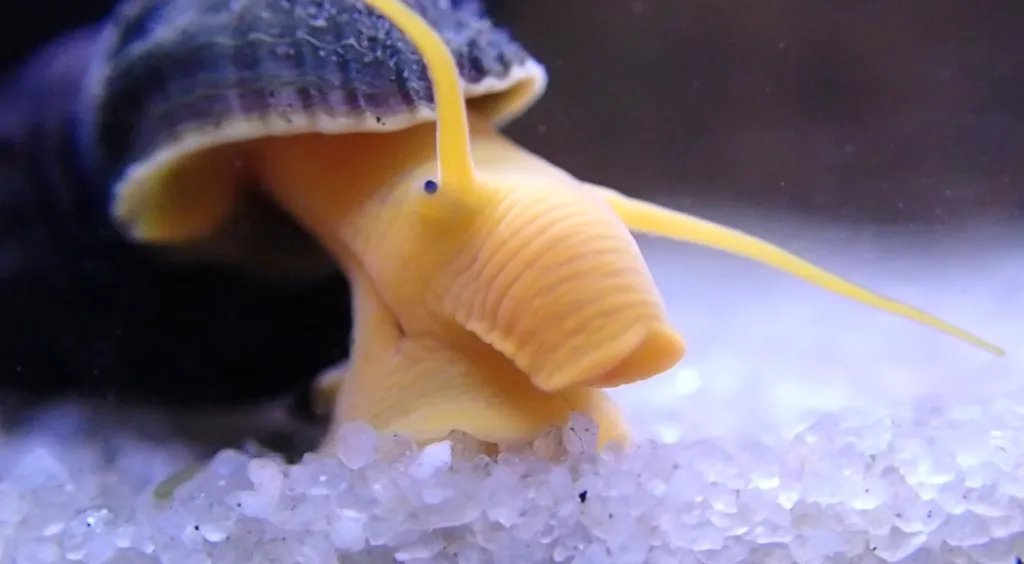
Gold rabbit snail
Tylomelania gemmifera
Freshwater2.8 in (7 cm) · 16 gal (60 L)75–82°F (24–28°C)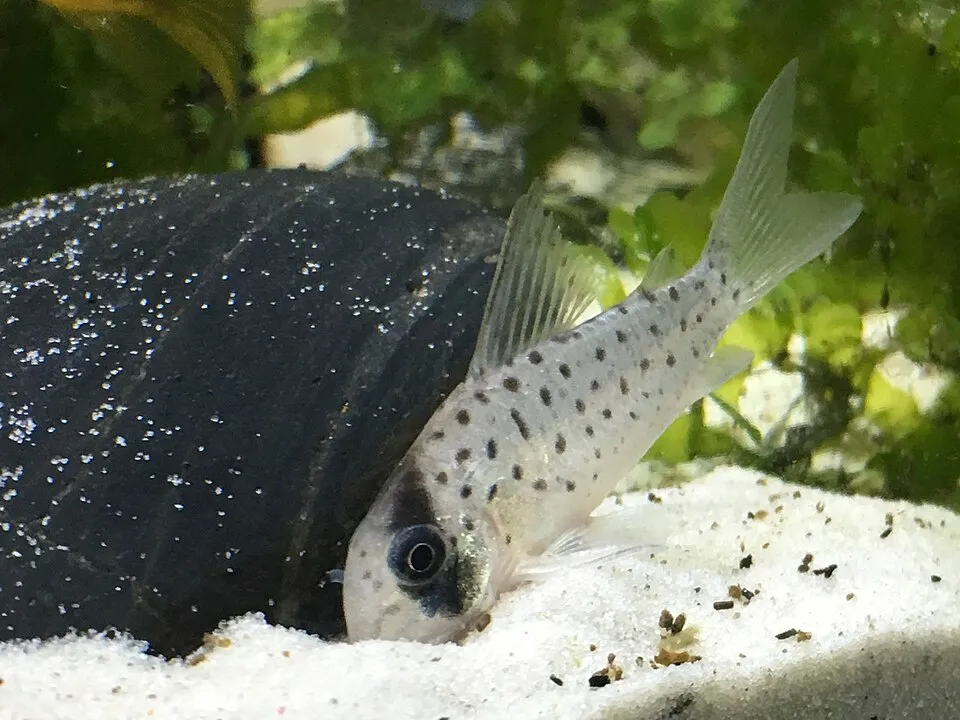
Fairy cory
Hoplisoma atropersonatum
Freshwater2 in (5 cm) · 16 gal (60 L)70–81°F (21–27°C)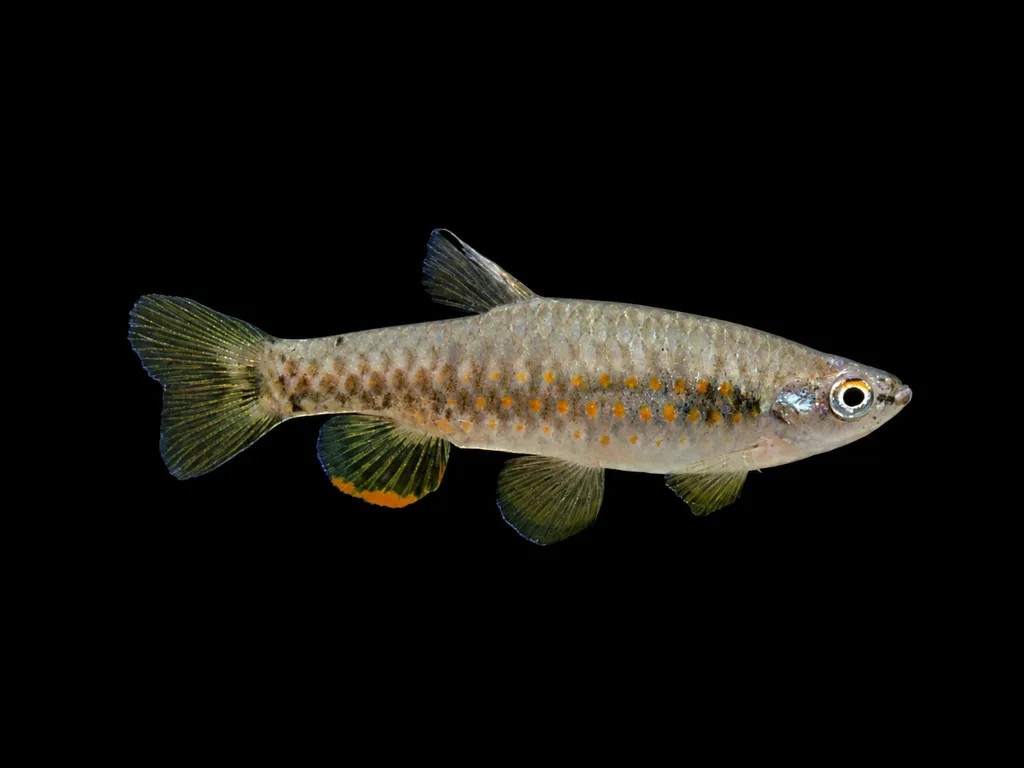
Fanning characin
Pyrrhulina rachoviana
Freshwater2 in (5 cm) · 16 gal (60 L)68–79°F (20–26°C)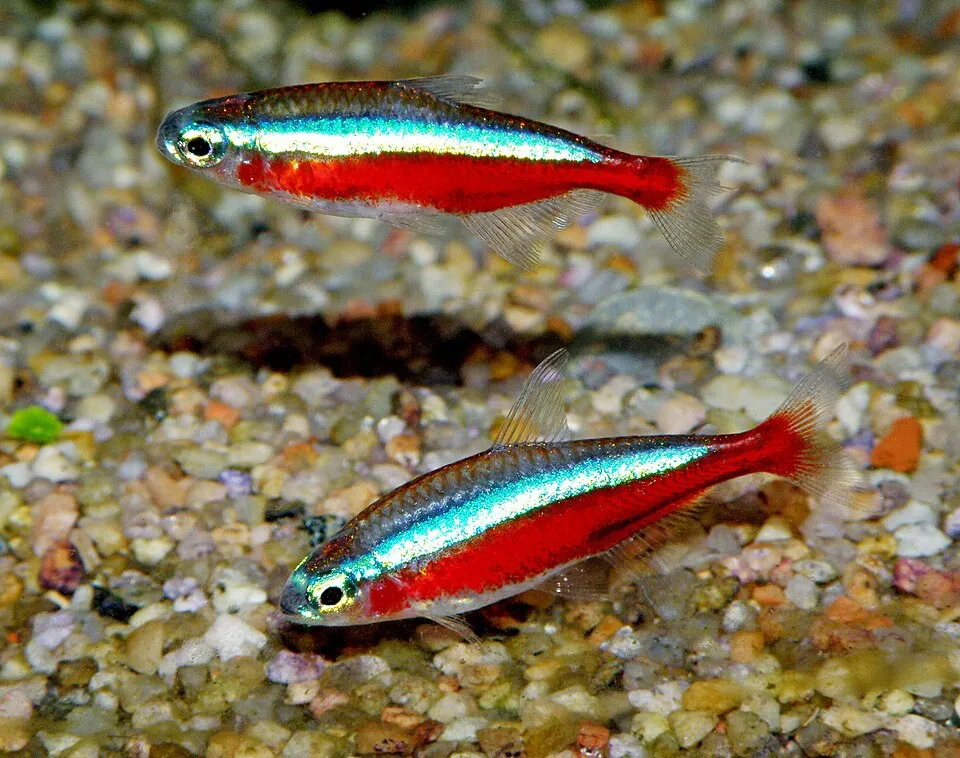
Cardinal tetra
Paracheirodon axelrodi
Freshwater1.8 in (4.5 cm) · 16 gal (60 L)73–84°F (23–29°C)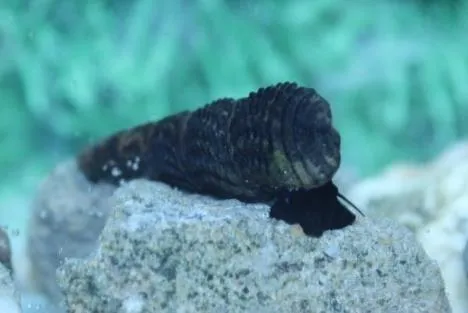
White spotted rabbit snail
Tylomelania towutica
Freshwater4.3 in (11 cm) · 16 gal (60 L)75–84°F (24–29°C)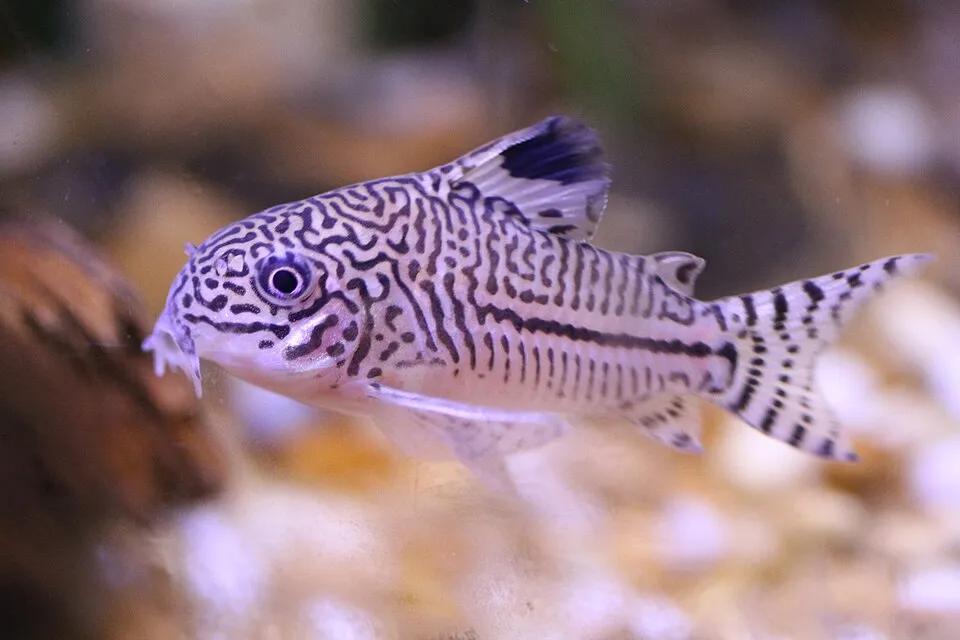
Threestripe cory
Hoplisoma trilineatum
Freshwater2.2 in (5.5 cm) · 16 gal (60 L)72–81°F (22–27°C)
Common questions
What size tank does an Itaparica tetra need?
An Itaparica tetra needs at least 16 gal (60 L). It spends most of its time in the middle.
What temperature and pH does an Itaparica tetra need?
An Itaparica tetra is comfortable at 72–82°F (22–28°C) with a pH of 6.0–7.5.
What does an Itaparica tetra eat?
An Itaparica tetra accepts flake, granules and frozen foods.
How big does an Itaparica tetra get?
An adult Itaparica tetra reaches about 1.8 in (4.6 cm).
Does an Itaparica tetra need a group?
Yes. An Itaparica tetra is a schooling species and should be kept in a group, not singly.
Related species
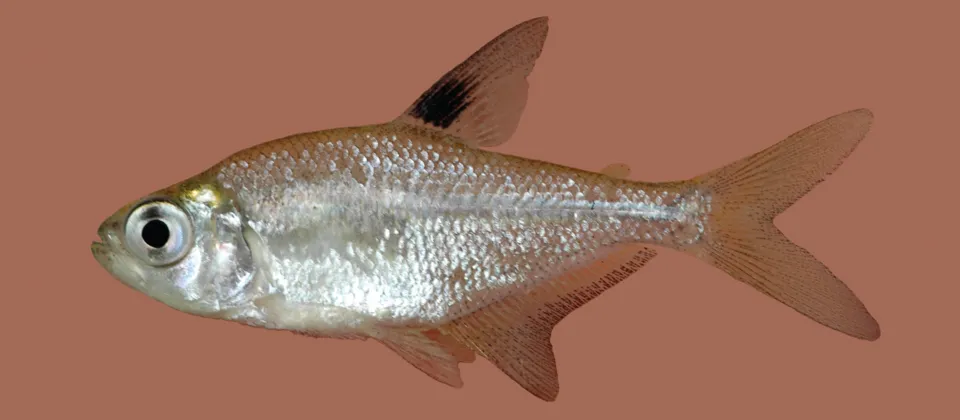 1.8 in (4.5 cm)16 gal (60 L)68–79°F (20–26°C)
Mayan tetra
Hyphessobrycon compressus
1.8 in (4.5 cm) · 16 gal (60 L)
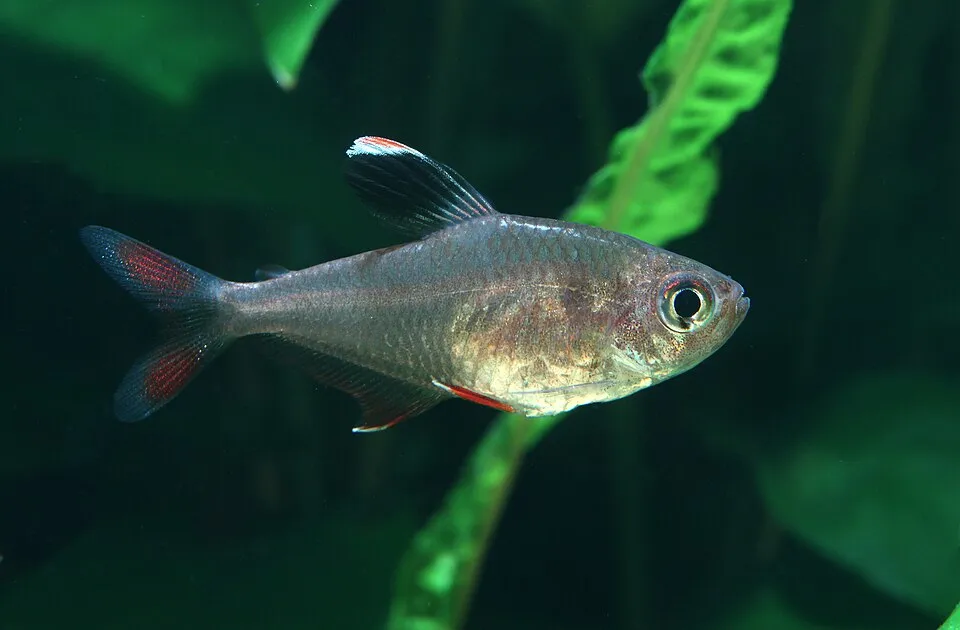 1.8 in (4.5 cm)20 gal (75 L)72–82°F (22–28°C)
Ornate tetra
Hyphessobrycon bentosi
1.8 in (4.5 cm) · 20 gal (75 L)
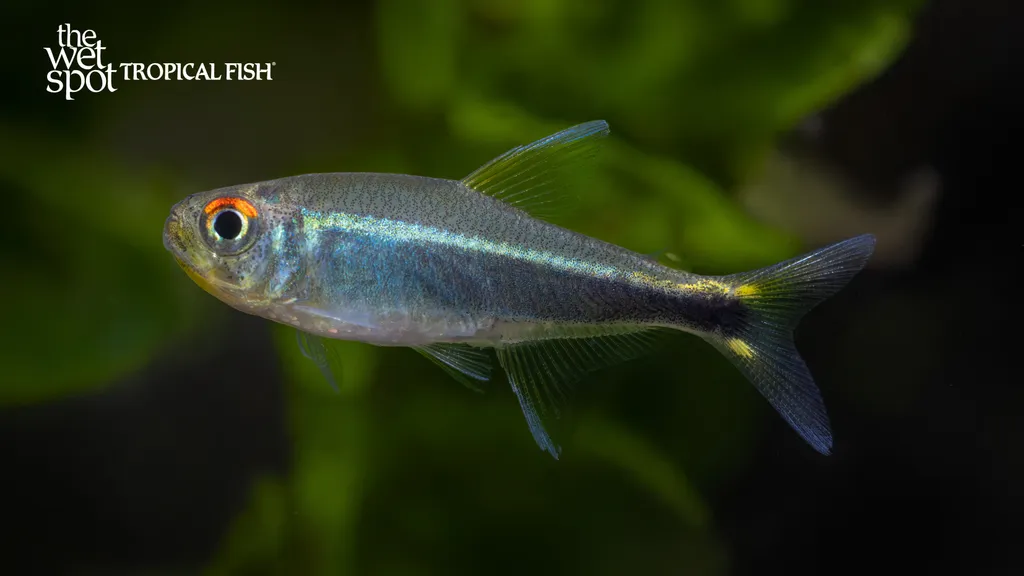 1.8 in (4.5 cm)20 gal (75 L)73–82°F (23–28°C)
Purple tetra
Hyphessobrycon metae
1.8 in (4.5 cm) · 20 gal (75 L)
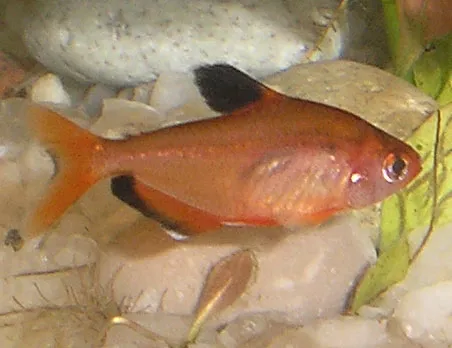 1.8 in (4.5 cm)17 gal (65 L)68–82°F (20–28°C)
Serpae tetra
Hyphessobrycon eques
1.8 in (4.5 cm) · 17 gal (65 L)
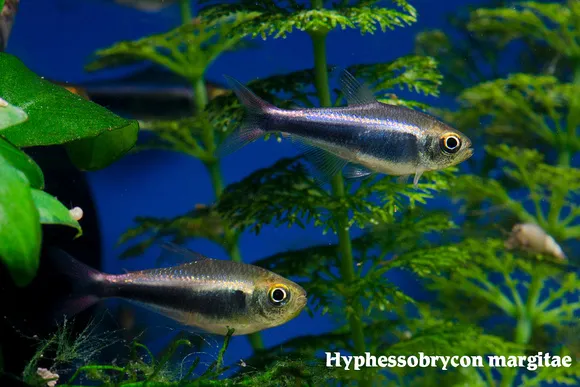 1.9 in (4.8 cm)16 gal (60 L)72–81°F (22–27°C)
Margitae tetra
Hyphessobrycon margitae
1.9 in (4.8 cm) · 16 gal (60 L)
 1.7 in (4.4 cm)16 gal (60 L)72–81°F (22–27°C)
Lapis tetra
Hyphessobrycon cyanotaenia
1.7 in (4.4 cm) · 16 gal (60 L)