Gomez's cory
Brochis gomezi
Also known as Corydoras gomezi, Gomezi cory
FreshwaterFish
Care at a glance
- Temperature
- 72–79°F
- 22–26°C
- pH
- 6.0–7.5
- Adult size
- 2.4 in
- 6 cm
- Minimum tank
- 20 gal
- 75 L
- Temperament
- Peaceful
- Social behavior
- Shoaling
- Swim level
- Bottom
- Difficulty
- Medium
- Breeding
- No record
- Rarity
- Very rare
- Family
- Callichthyidae
- Origin
- Western Amazon near the Colombia, Peru and Brazil tri-border, close to Leticia.
Overview
Keep them in a group of six or more over smooth sand at 22 to 26 C in soft, slightly acidic water. They are peaceful and best kept with calm tankmates in a settled tank. Feed sinking pellets and small frozen foods such as bloodworm.
In the wild
Gomez's cory comes from the tri-border area of the western Amazon near Leticia. It forages over sand and leaf litter in soft, slightly acidic water. It is rarely collected, so it seldom appears in shops.
Good to know
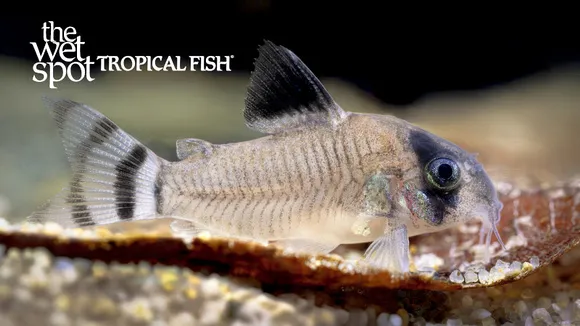
This is a spotted, short snouted cory with separate dark spots on the head and upper body, a dark side band and a marked dorsal fin. The 2024 revision moved it to the genus Brochis as Brochis gomezi. It is one of the more rarely imported spotted cories and has no widely documented aquarium spawning record.
Did you know
Gomez's cory comes from the point where Colombia, Peru and Brazil meet and only turns up in the trade now and then.
Weekly picks
Tank mates
Gomez's cory is a peaceful, shoaling species that keeps to the bottom. These picks share a community profile with it, are safe together in both directions, and overlap on water type, temperature and pH.
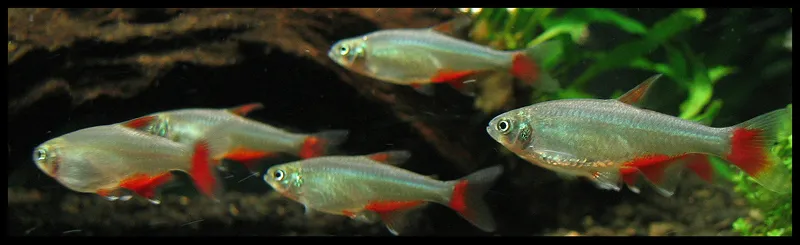
Bloodfin tetra
Aphyocharax anisitsi
Freshwater2.2 in (5.5 cm) · 20 gal (75 L)72–82°F (22–28°C)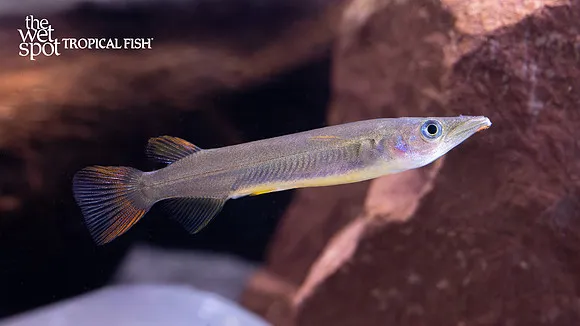
Rex halfbeak
Nomorhamphus rex
Freshwater2.2 in (5.5 cm) · 20 gal (75 L)72–79°F (22–26°C)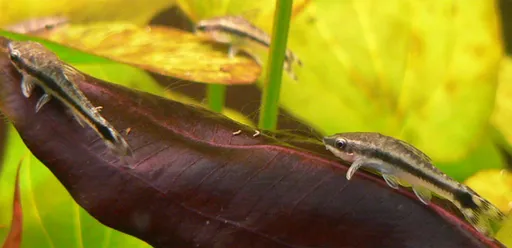
Common otocinclus
Otocinclus vittatus
Freshwater2 in (5 cm) · 20 gal (75 L)72–79°F (22–26°C)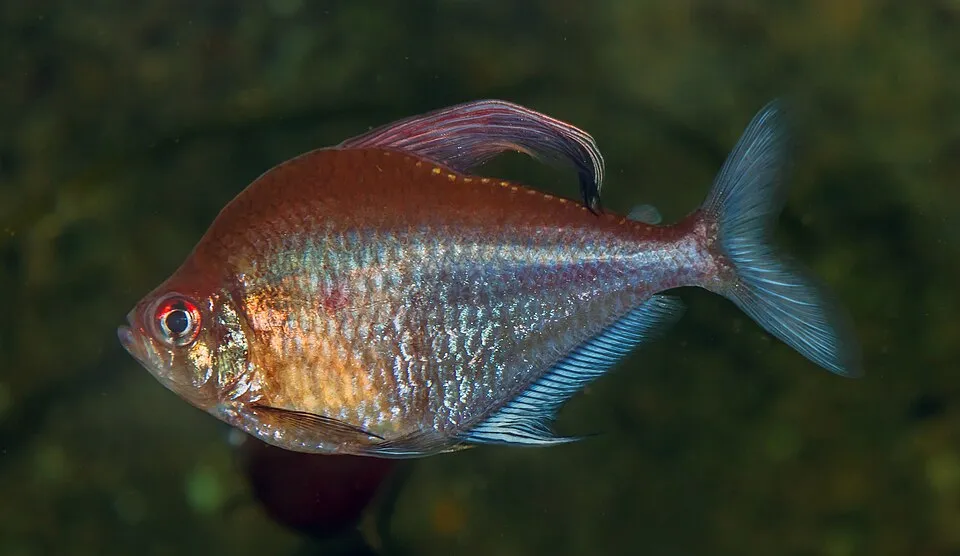
Bleeding heart tetra
Hyphessobrycon erythrostigma
Freshwater2.4 in (6 cm) · 20 gal (75 L)70–81°F (21–27°C)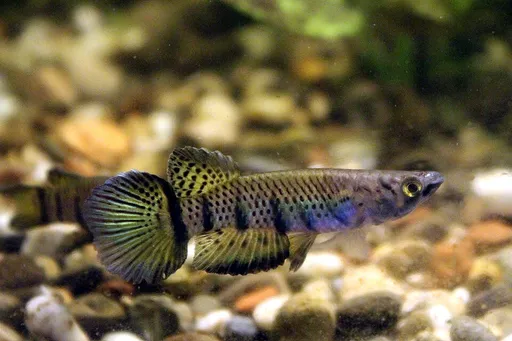
Six-barred panchax
Epiplatys sexfasciatus
Freshwater3.9 in (10 cm) · 20 gal (75 L)72–81°F (22–27°C)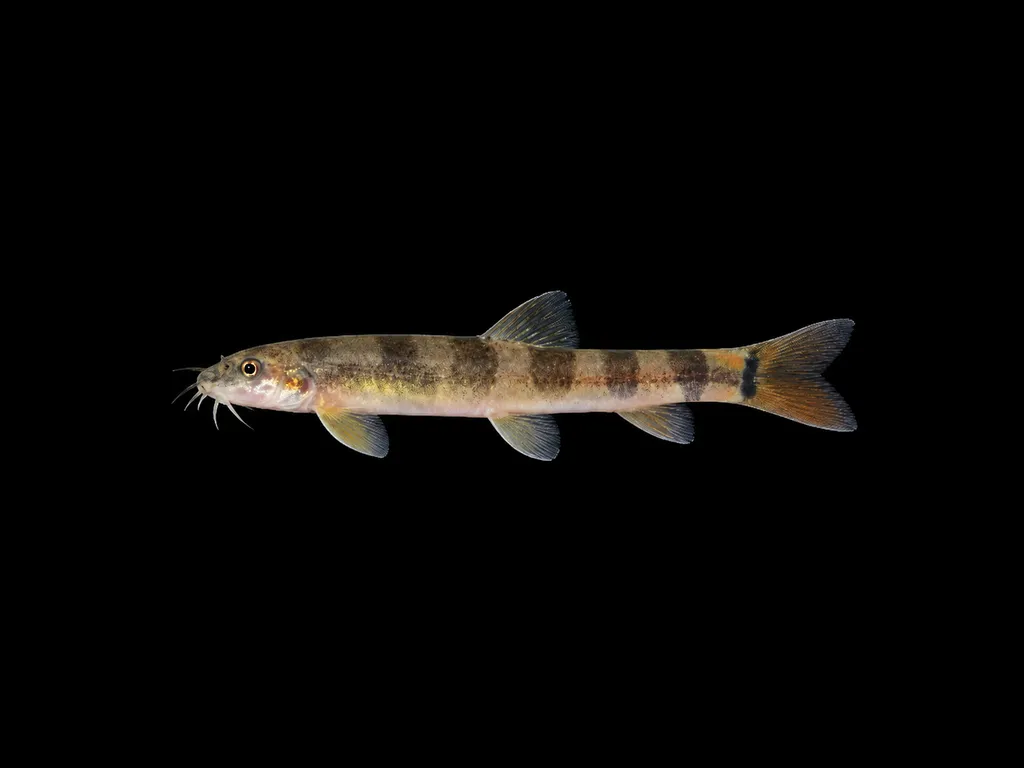
Aizawl loach
Schistura aizawlensis
Freshwater2.4 in (6 cm) · 20 gal (75 L)68–79°F (20–26°C)
Common questions
What size tank does a Gomez's cory need?
A Gomez's cory needs at least 20 gal (75 L). It spends most of its time in the bottom.
What temperature and pH does a Gomez's cory need?
A Gomez's cory is comfortable at 72–79°F (22–26°C) with a pH of 6.0–7.5.
How big does a Gomez's cory get?
An adult Gomez's cory reaches about 2.4 in (6 cm).
Does a Gomez's cory need a group?
Yes. A Gomez's cory is a shoaling species and should be kept in a group, not singly.
Related species
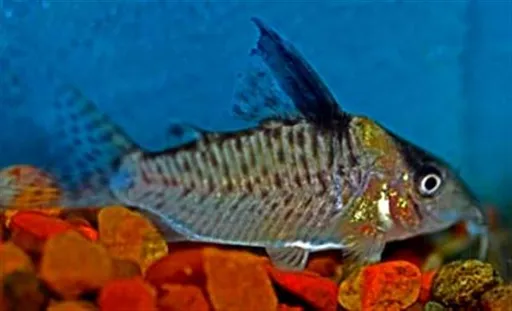 2.4 in (6 cm)20 gal (75 L)72–79°F (22–26°C)
False blochi cory
Brochis delphax
2.4 in (6 cm) · 20 gal (75 L)
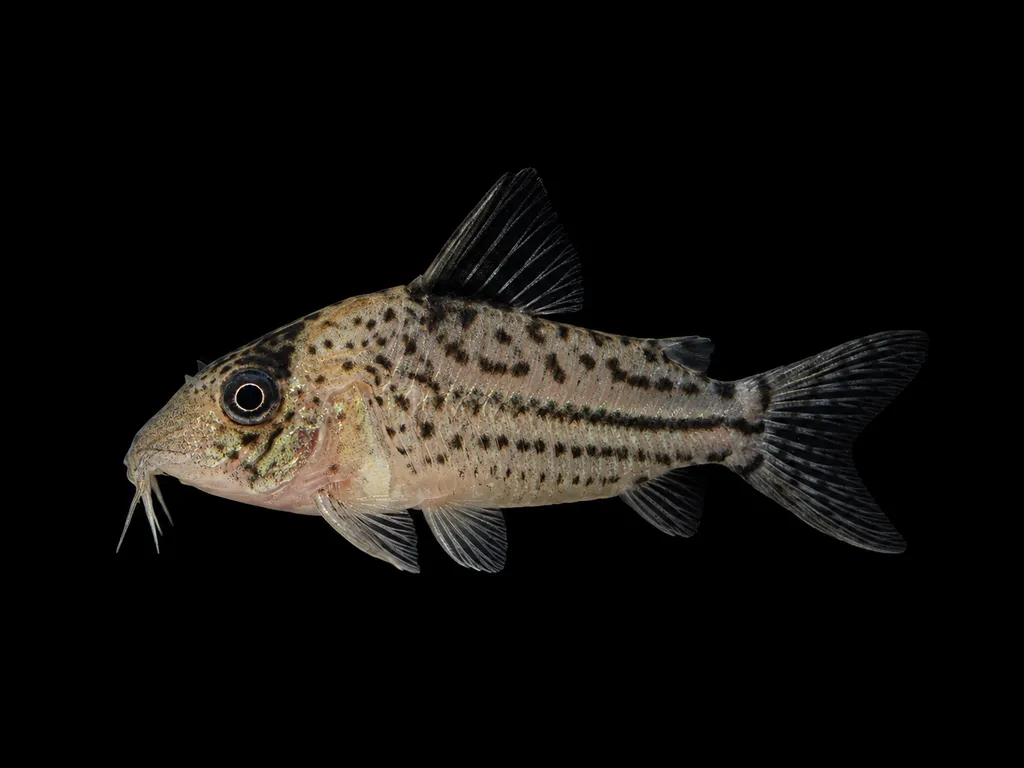 2.4 in (6 cm)20 gal (75 L)75–82°F (24–28°C)
Icana cory
Brochis incolicana
2.4 in (6 cm) · 20 gal (75 L)
 2.4 in (6 cm)20 gal (75 L)72–79°F (22–26°C)
Miguelito cory
Brochis virginiae
2.4 in (6 cm) · 20 gal (75 L)
 2.4 in (6 cm)20 gal (75 L)72–79°F (22–26°C)
Reticulated cory
Brochis reticulata
2.4 in (6 cm) · 20 gal (75 L)
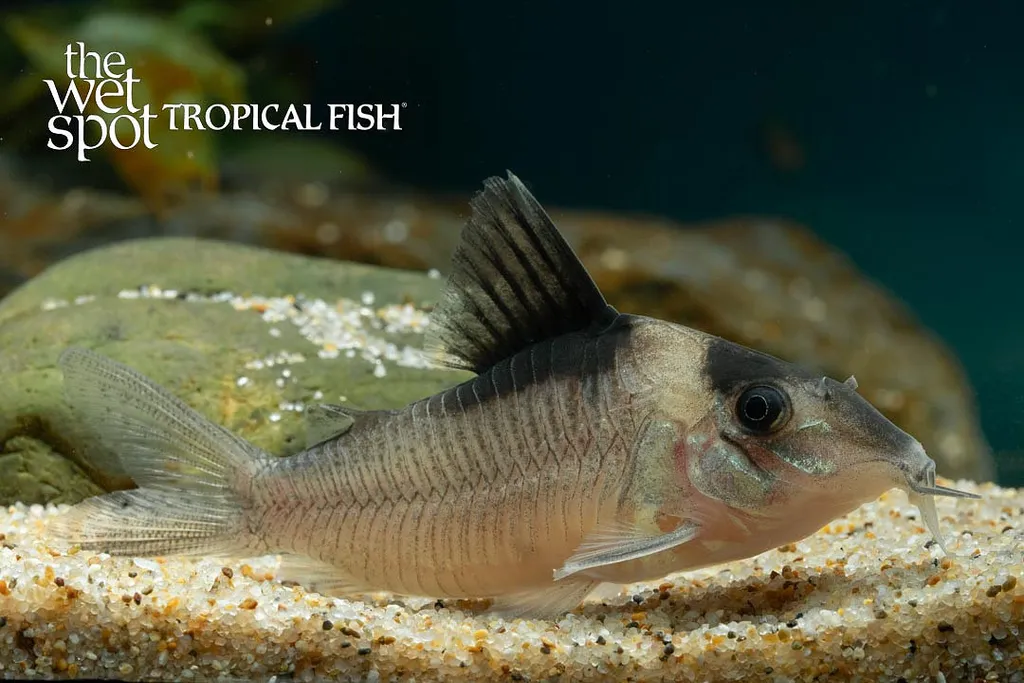 2.6 in (6.5 cm)20 gal (75 L)75–82°F (24–28°C)
Amanda Jane's cory
Brochis amandajanea
2.6 in (6.5 cm) · 20 gal (75 L)
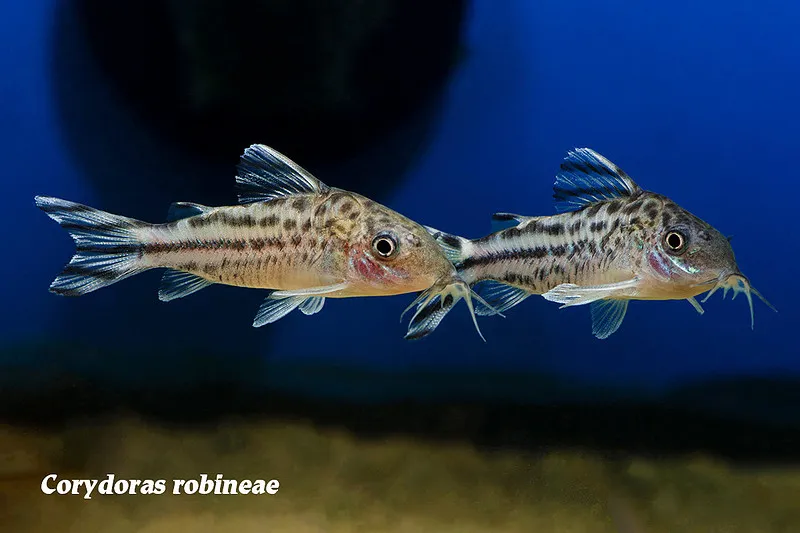 2.6 in (6.5 cm)20 gal (75 L)73–79°F (23–26°C)
Bannertail cory
Brochis robineae
2.6 in (6.5 cm) · 20 gal (75 L)