Amanda Jane's cory
Brochis amandajanea
Also known as Corydoras amandajanea, Sands' cory, Amanda Jane Cory
FreshwaterFish
Care at a glance
- Temperature
- 75–82°F
- 24–28°C
- pH
- 5.5–7.0
- Adult size
- 2.6 in
- 6.5 cm
- Minimum tank
- 20 gal
- 75 L
- Temperament
- Peaceful
- Social behavior
- Shoaling
- Swim level
- Bottom
- Difficulty
- Medium
- Breeding
- No record
- Rarity
- Rare
- Family
- Callichthyidae
- Origin
- Upper Rio Negro basin, Amazonas, Brazil
Overview
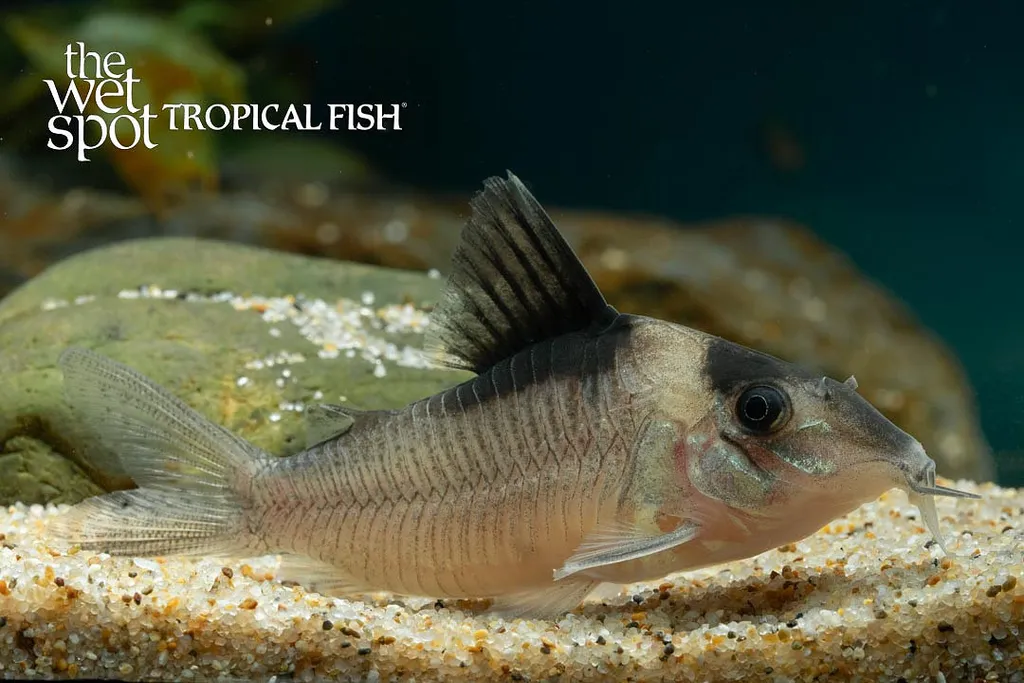
Amanda Jane's cory is a peaceful, spotted cory for the bottom of a soft water community tank. It is a step beyond the easiest cories.
Did you know
Amanda Jane's cory has no verified aquarium breeding report. The first keeper to document a spawn will be writing the reference everyone else cites.
Caring for the Amanda Jane's cory
Keep Amanda Jane's cories in a group of six or more, in a tank of at least 20 gal (75 L). They grow bold only in numbers. Give them fine, smooth sand with leaf cover and gentle flow.
Water quality matters more than the numbers on a test kit, but soft and slightly acidic water is their home ground. Aim for 75 to 82°F (24 to 28°C) and a pH of 5.5 to 7.0. Blackwater-style softness helps them settle.
Feed sinking granules, wafers and frozen foods such as bloodworm and daphnia. They are peaceful and safe with other community fish.
Good to know
Amanda Jane's cory was described by David Sands in 1995 and named for Amanda Jane Evers. The 2024 revision of the corydoradine catfishes places it in Brochis, as Brochis amandajanea. It wears a bold masked face and a network of spots over a pale body. It is one of several look-alike species from the same rivers.
In the wild
Amanda Jane's cory comes from tributaries of the upper Rio Negro in Amazonas, Brazil. Blackwater runs warm and soft there, over sand and sunken leaves, and the fish forage in groups along litter banks.
Weekly picks
Tank mates
The Amanda Jane's cory is a peaceful, shoaling species that keeps to the bottom. These picks share a community profile with it, are safe together in both directions, and overlap on water type, temperature and pH.
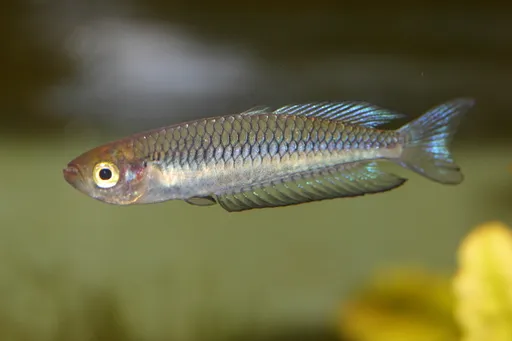
Ornate rainbowfish
Rhadinocentrus ornatus
Freshwater2.4 in (6 cm) · 20 gal (75 L)64–82°F (18–28°C)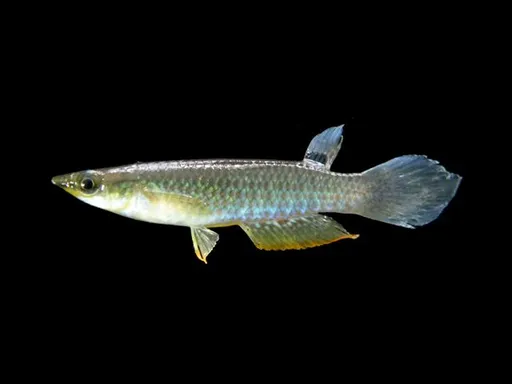
Blue panchax
Aplocheilus panchax
Freshwater3.5 in (9 cm) · 20 gal (75 L)72–82°F (22–28°C)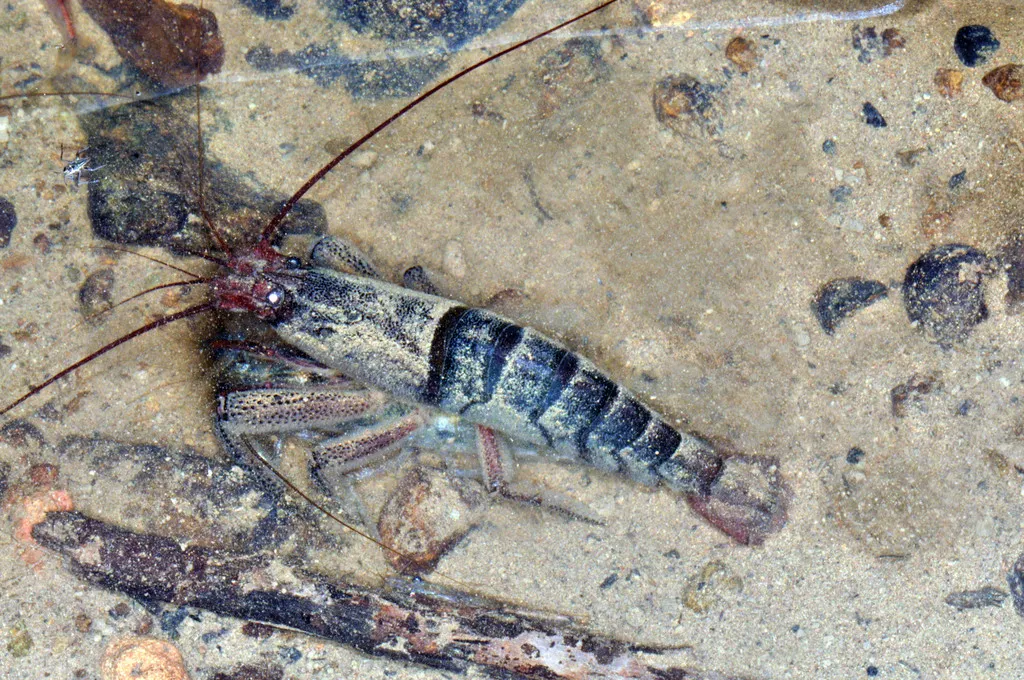
Marble wood shrimp
Atya scabra
Freshwater3.9 in (10 cm) · 20 gal (75 L)73–82°F (23–28°C)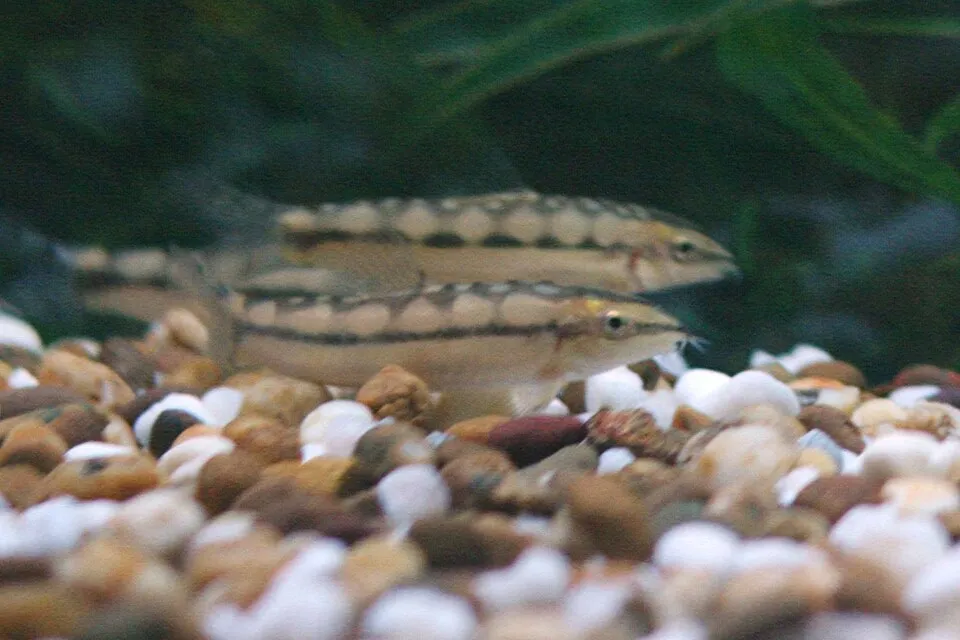
Dwarf botia
Ambastaia sidthimunki
Freshwater2.4 in (6 cm) · 20 gal (75 L)68–86°F (20–30°C)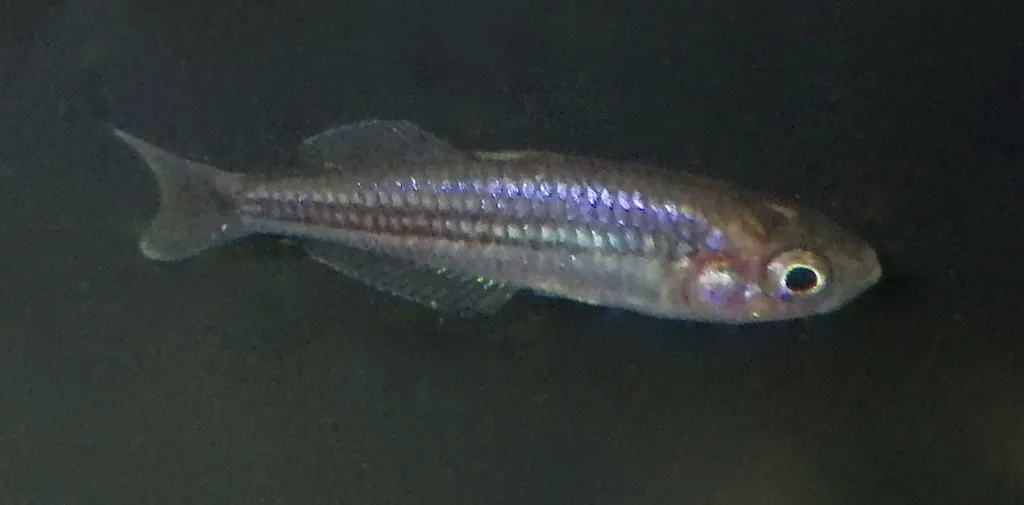
Pygmy rainbowfish
Melanotaenia pygmaea
Freshwater2.4 in (6 cm) · 20 gal (75 L)73–84°F (23–29°C)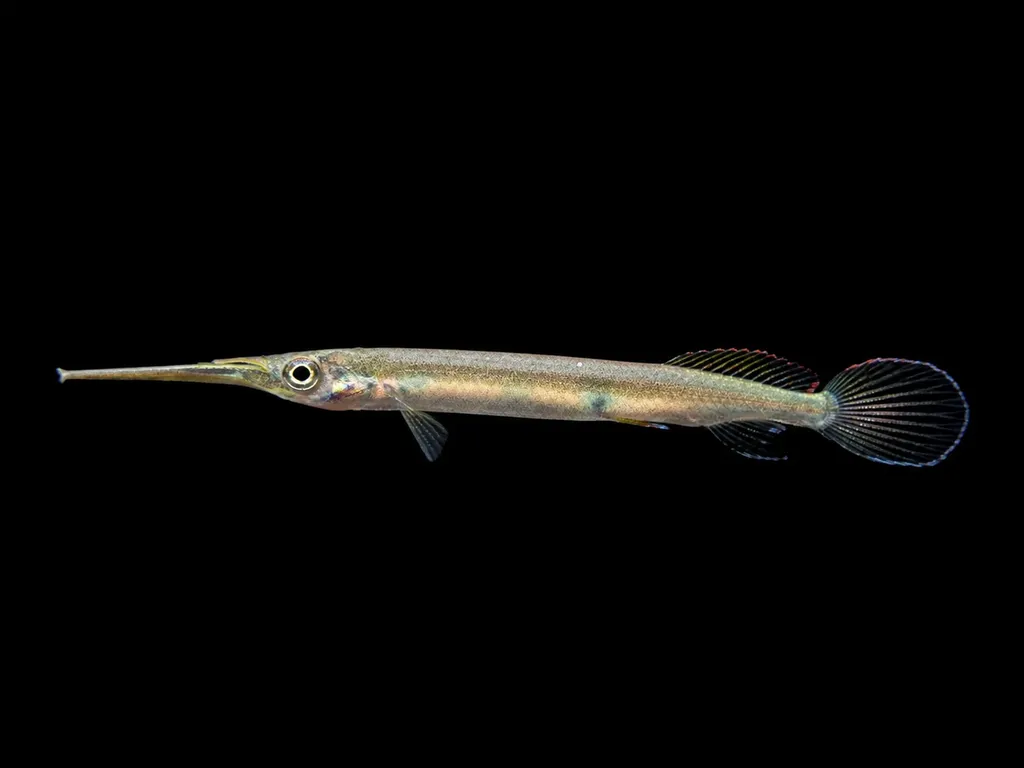
Kuekenthal's halfbeak
Hemirhamphodon kuekenthali
Freshwater3.3 in (8.5 cm) · 20 gal (75 L)73–81°F (23–27°C)
Common questions
What size tank does an Amanda Jane's cory need?
An Amanda Jane's cory needs at least 20 gal (75 L). It spends most of its time in the bottom.
What temperature and pH does an Amanda Jane's cory need?
An Amanda Jane's cory is comfortable at 75–82°F (24–28°C) with a pH of 5.5–7.0.
What does an Amanda Jane's cory eat?
An Amanda Jane's cory eats sinking granules, wafers and frozen foods such as bloodworm and daphnia.
How big does an Amanda Jane's cory get?
An adult Amanda Jane's cory reaches about 2.6 in (6.5 cm).
Does an Amanda Jane's cory need a group?
Yes. An Amanda Jane's cory is a shoaling species and should be kept in a group, not singly.
Related species
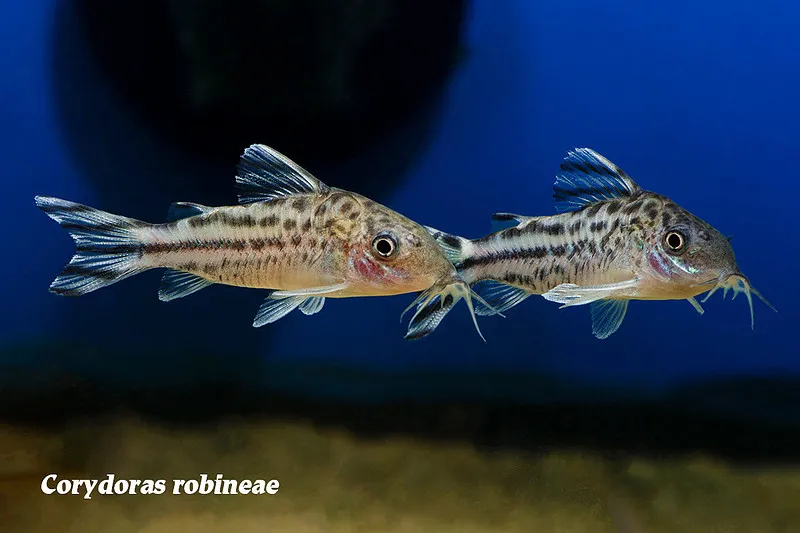 2.6 in (6.5 cm)20 gal (75 L)73–79°F (23–26°C)
Bannertail cory
Brochis robineae
2.6 in (6.5 cm) · 20 gal (75 L)
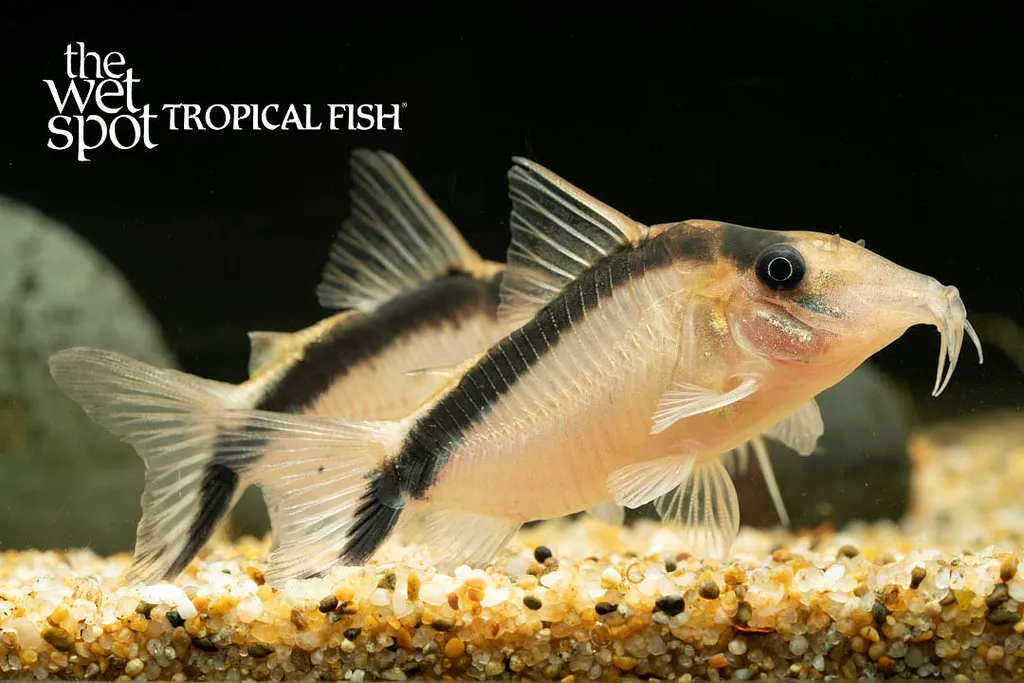 2.6 in (6.5 cm)20 gal (75 L)73–81°F (23–27°C)
Bethan's cory
Brochis bethanae
2.6 in (6.5 cm) · 20 gal (75 L)
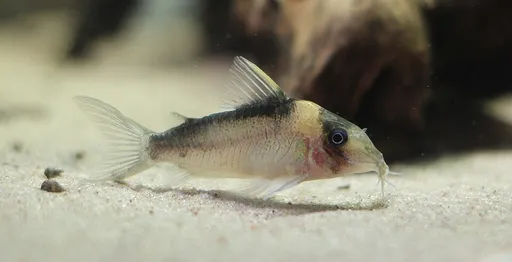 2.6 in (6.5 cm)21 gal (80 L)72–79°F (22–26°C)
Imitator cory
Brochis imitator
2.6 in (6.5 cm) · 21 gal (80 L)
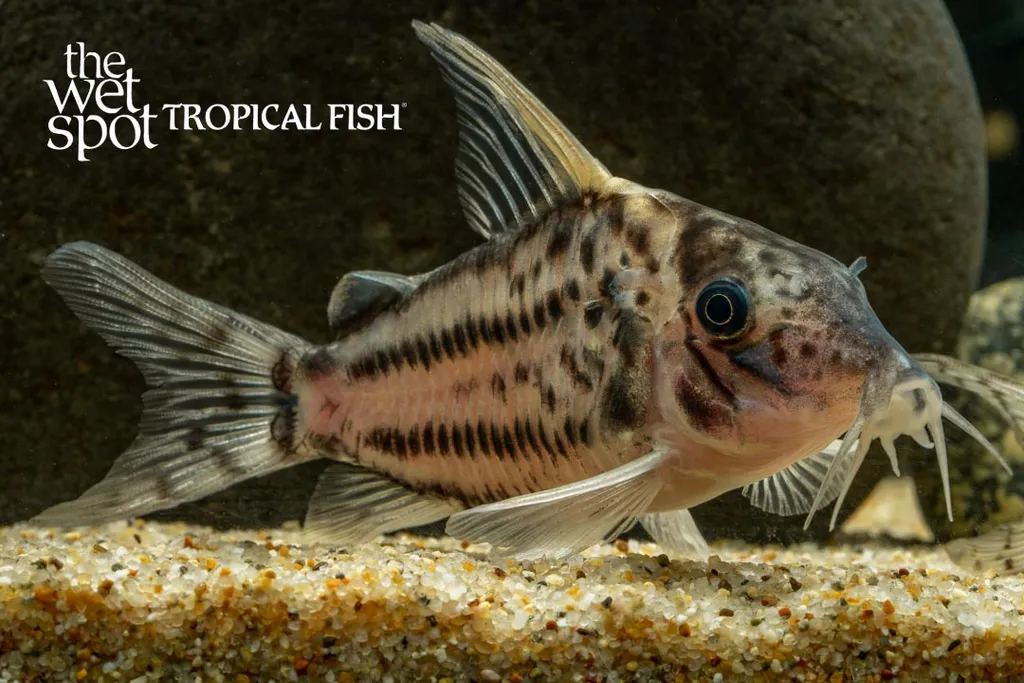 2.6 in (6.5 cm)24 gal (90 L)75–82°F (24–28°C)
Pretty cory
Brochis pulchra
2.6 in (6.5 cm) · 24 gal (90 L)
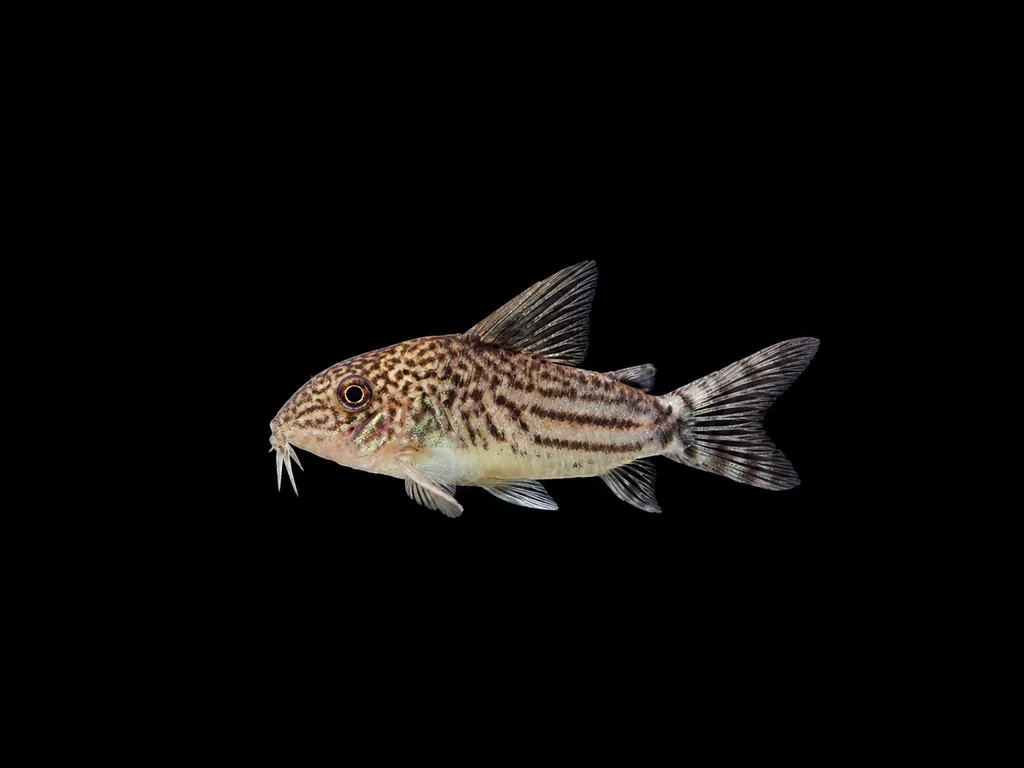 2.6 in (6.5 cm)20 gal (75 L)75–82°F (24–28°C)
Seuss's cory
Brochis seussi
2.6 in (6.5 cm) · 20 gal (75 L)
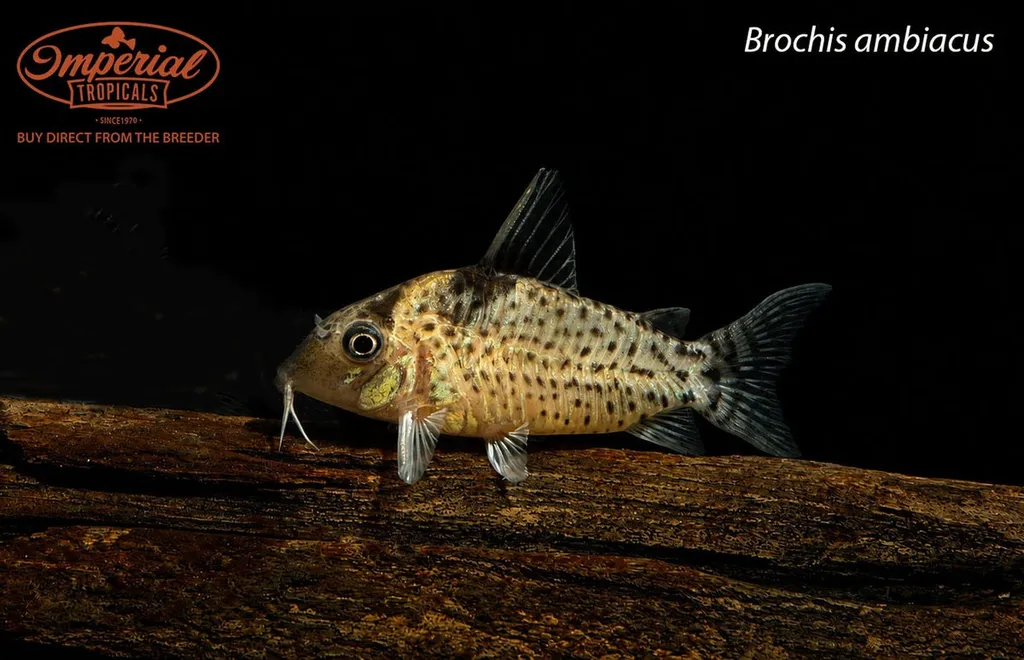 2.6 in (6.5 cm)20 gal (75 L)70–81°F (21–27°C)
Spotted cory
Brochis ambiacus
2.6 in (6.5 cm) · 20 gal (75 L)