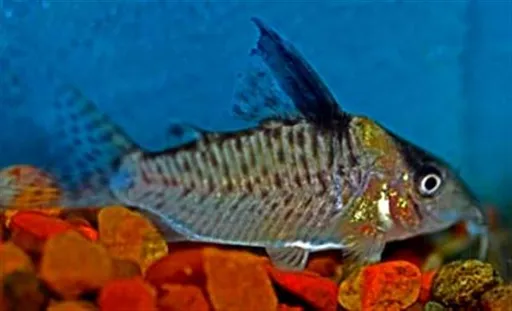
False blochi cory
Brochis delphax
Also known as Corydoras delphax, Delphax cory, Piglet Cory
FreshwaterFish
Care at a glance
- Temperature
- 72–79°F
- 22–26°C
- pH
- 5.5–7.5
- Adult size
- 2.4 in
- 6 cm
- Minimum tank
- 20 gal
- 75 L
- Temperament
- Peaceful
- Social behavior
- Shoaling
- Swim level
- Bottom
- Difficulty
- Medium
- Breeding
- Medium
- Rarity
- Rare
- Family
- Callichthyidae
- Origin
- Upper Orinoco basin, including the Rio Inirida, in Colombia.
Overview
Keep them in a group of six or more over smooth sand at 22 to 26 C in soft, slightly acidic water. They are peaceful and suit a quiet planted tank with gentle tankmates. Feed sinking pellets and small frozen foods that reach the bottom.
In the wild
The false blochi cory comes from soft, acidic tributaries of the upper Orinoco. It forages over sand and leaf litter in slow, shaded water. The species keeps to loose groups near submerged wood.
Good to know
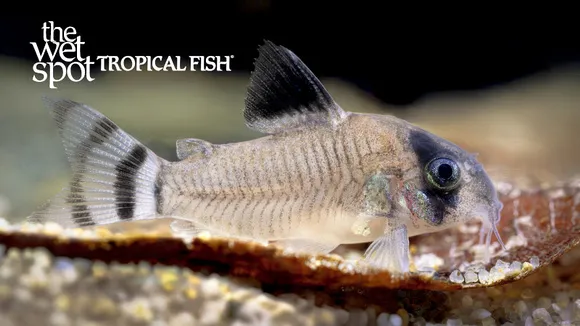
It is called the false blochi because it closely resembles the blochi cory, but it has a relatively longer, more pointed snout and body spots that fade with age. A dark patch marks the upper front of the dorsal fin. The 2024 revision placed it in the genus Brochis as Brochis delphax.
Did you know
The body spots of the false blochi cory fade as the fish gets older, while a dark patch stays on the front of the dorsal fin.
Weekly picks
Tank mates
False blochi cory is a peaceful, shoaling species that keeps to the bottom. These picks share a community profile with it, are safe together in both directions, and overlap on water type, temperature and pH.
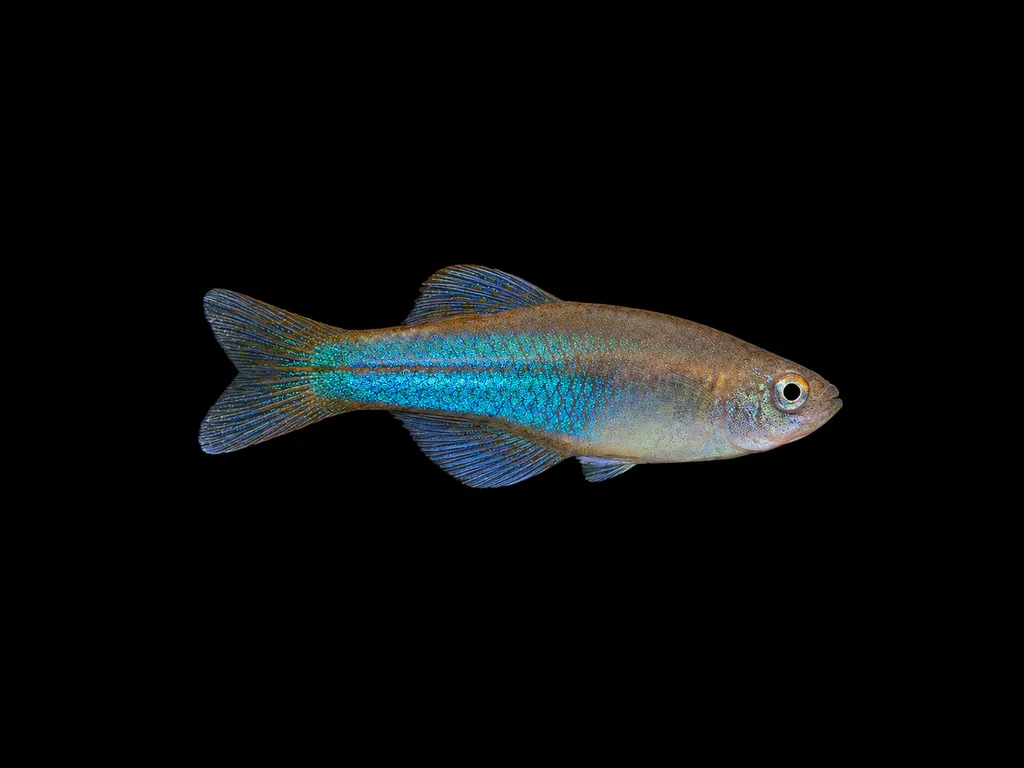
Blue-green lampeye
Procatopus aberrans
Freshwater2.2 in (5.5 cm) · 20 gal (75 L)72–79°F (22–26°C)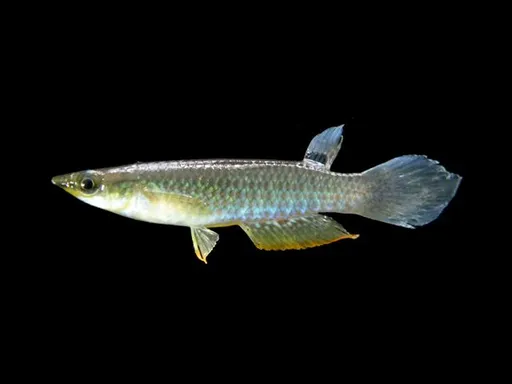
Blue panchax
Aplocheilus panchax
Freshwater3.5 in (9 cm) · 20 gal (75 L)72–82°F (22–28°C)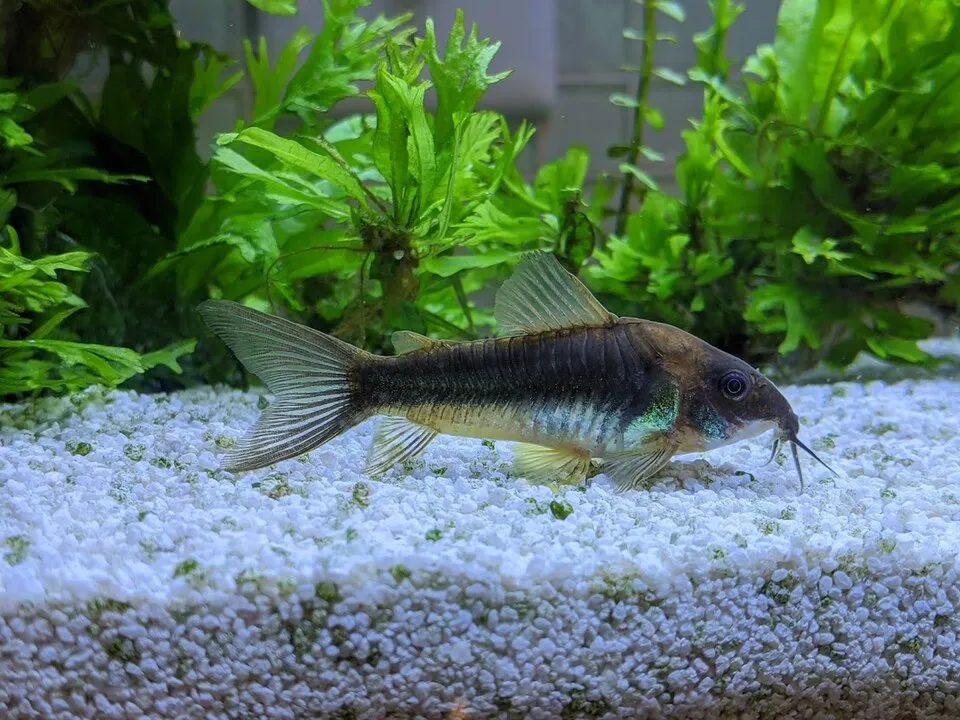
Bronze cory
Osteogaster aenea
Freshwater3 in (7.5 cm) · 20 gal (75 L)70–81°F (21–27°C)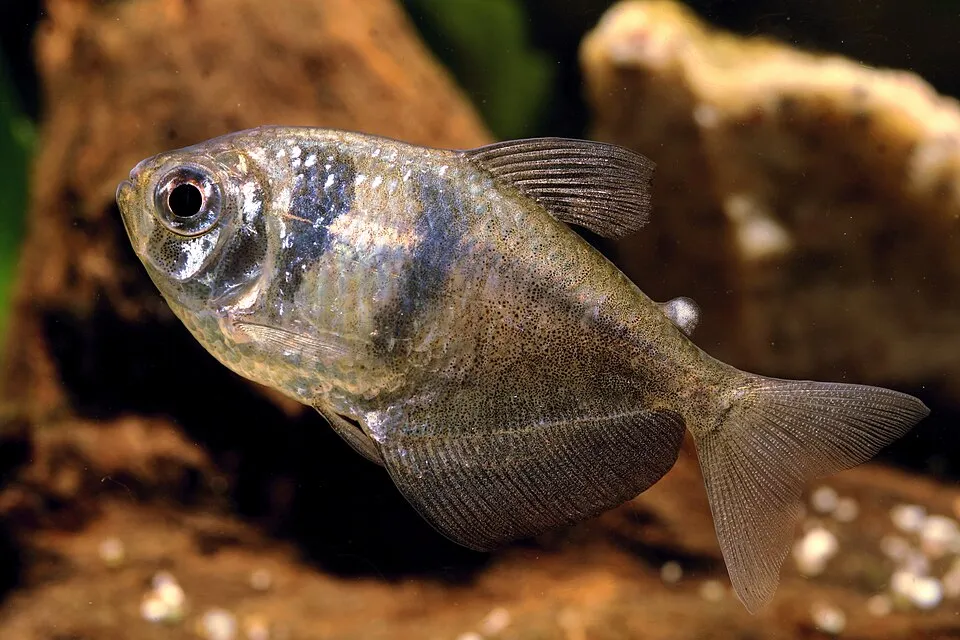
Black widow tetra
Gymnocorymbus ternetzi
Freshwater2.4 in (6 cm) · 20 gal (75 L)68–79°F (20–26°C)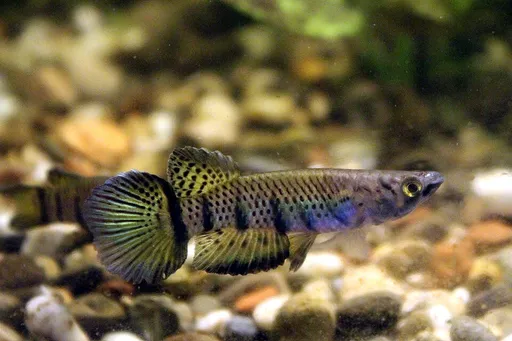
Six-barred panchax
Epiplatys sexfasciatus
Freshwater3.9 in (10 cm) · 20 gal (75 L)72–81°F (22–27°C)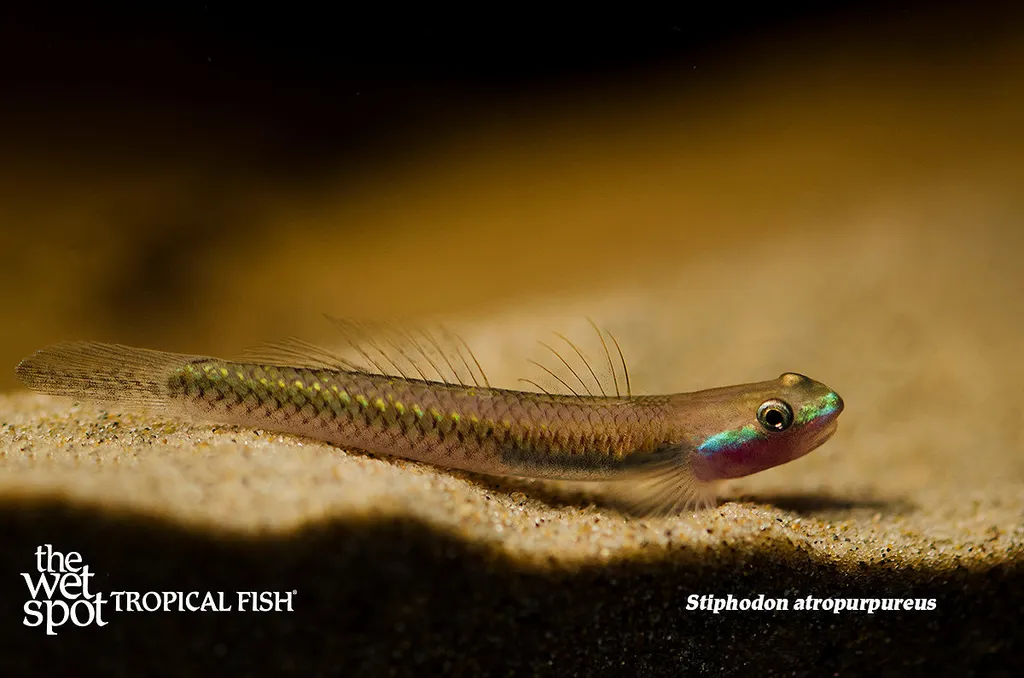
Blue neon dwarf goby
Stiphodon atropurpureus
Freshwater2 in (5 cm) · 20 gal (75 L)72–81°F (22–27°C)
Common questions
What size tank does a False blochi cory need?
A False blochi cory needs at least 20 gal (75 L). It spends most of its time in the bottom.
What temperature and pH does a False blochi cory need?
A False blochi cory is comfortable at 72–79°F (22–26°C) with a pH of 5.5–7.5.
How big does a False blochi cory get?
An adult False blochi cory reaches about 2.4 in (6 cm).
Does a False blochi cory need a group?
Yes. A False blochi cory is a shoaling species and should be kept in a group, not singly.
Related species
 2.4 in (6 cm)20 gal (75 L)72–79°F (22–26°C)
Gomez's cory
Brochis gomezi
2.4 in (6 cm) · 20 gal (75 L)
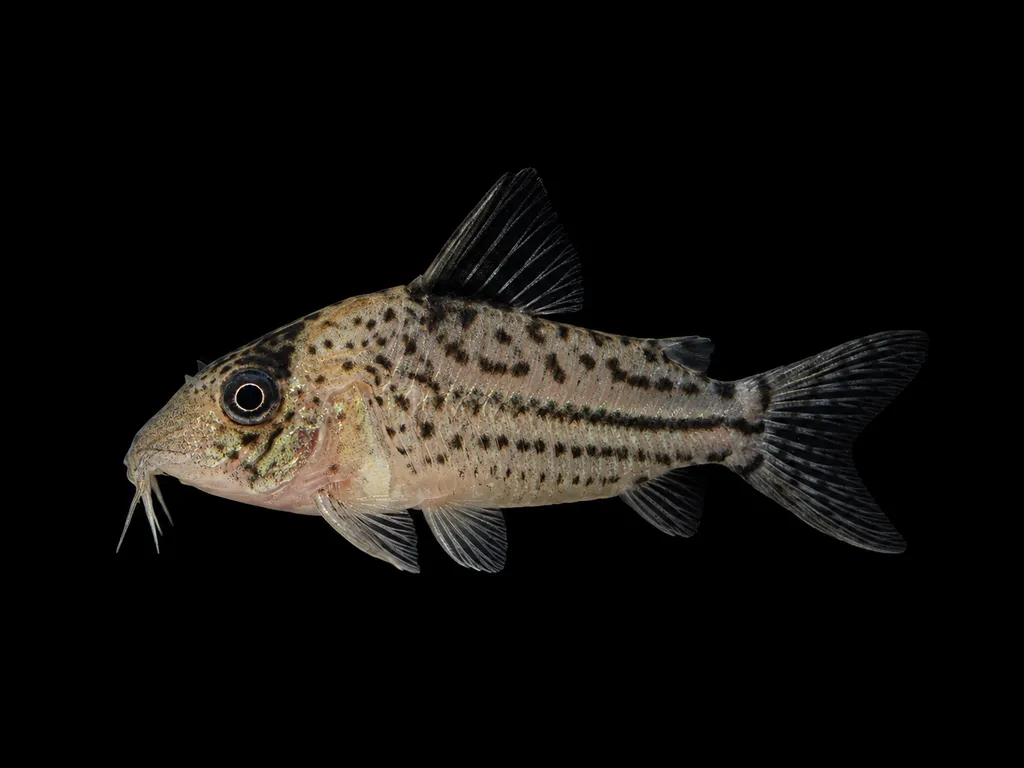 2.4 in (6 cm)20 gal (75 L)75–82°F (24–28°C)
Icana cory
Brochis incolicana
2.4 in (6 cm) · 20 gal (75 L)
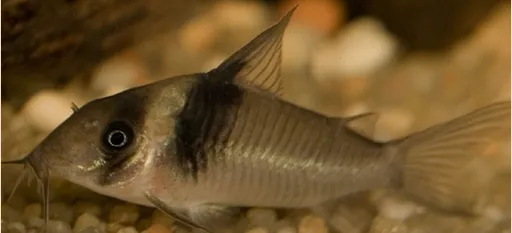 2.4 in (6 cm)20 gal (75 L)72–79°F (22–26°C)
Miguelito cory
Brochis virginiae
2.4 in (6 cm) · 20 gal (75 L)
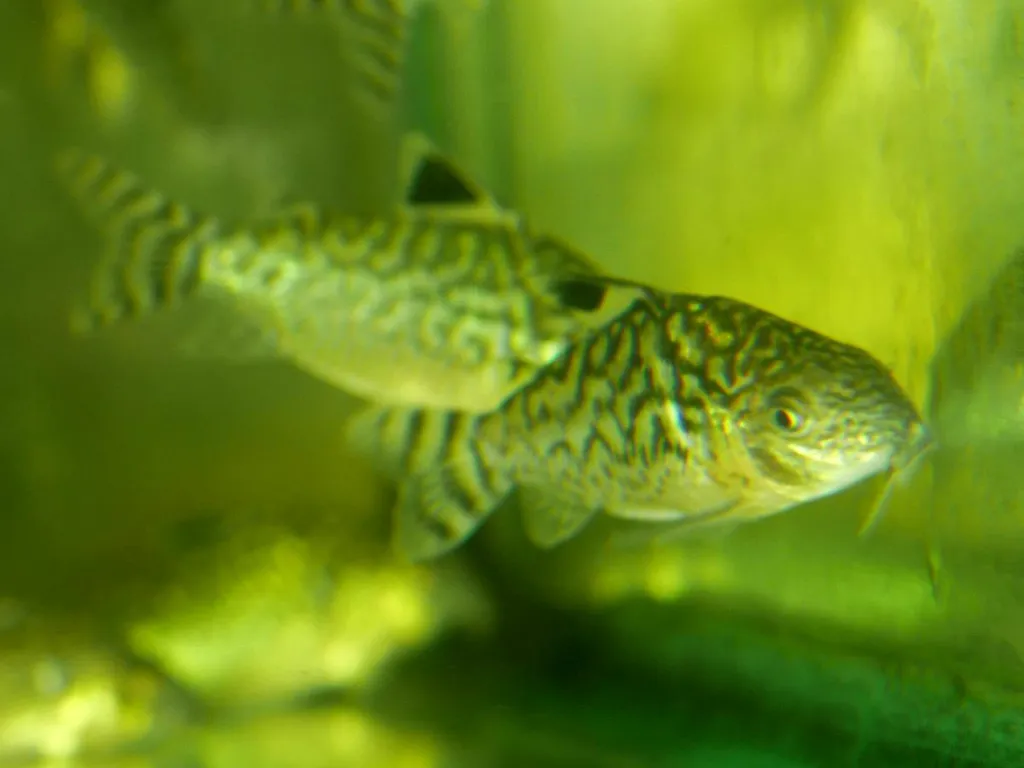 2.4 in (6 cm)20 gal (75 L)72–79°F (22–26°C)
Reticulated cory
Brochis reticulata
2.4 in (6 cm) · 20 gal (75 L)
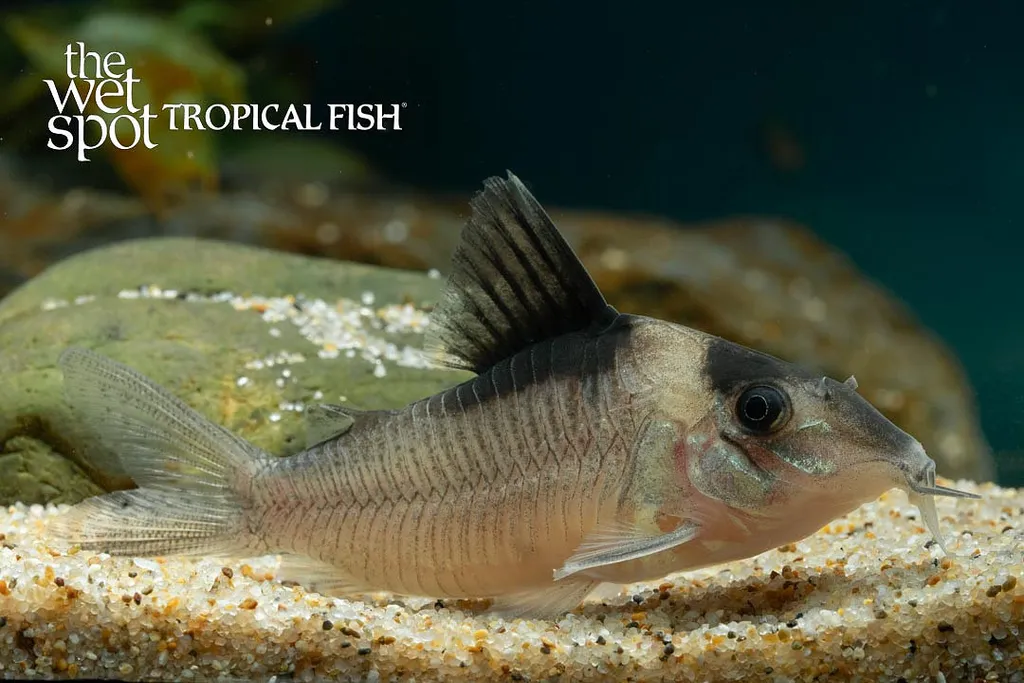 2.6 in (6.5 cm)20 gal (75 L)75–82°F (24–28°C)
Amanda Jane's cory
Brochis amandajanea
2.6 in (6.5 cm) · 20 gal (75 L)
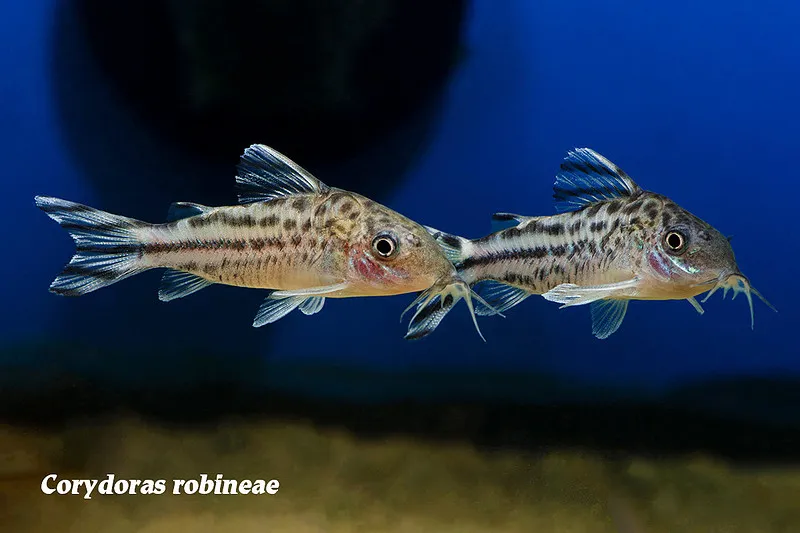 2.6 in (6.5 cm)20 gal (75 L)73–79°F (23–26°C)
Bannertail cory
Brochis robineae
2.6 in (6.5 cm) · 20 gal (75 L)