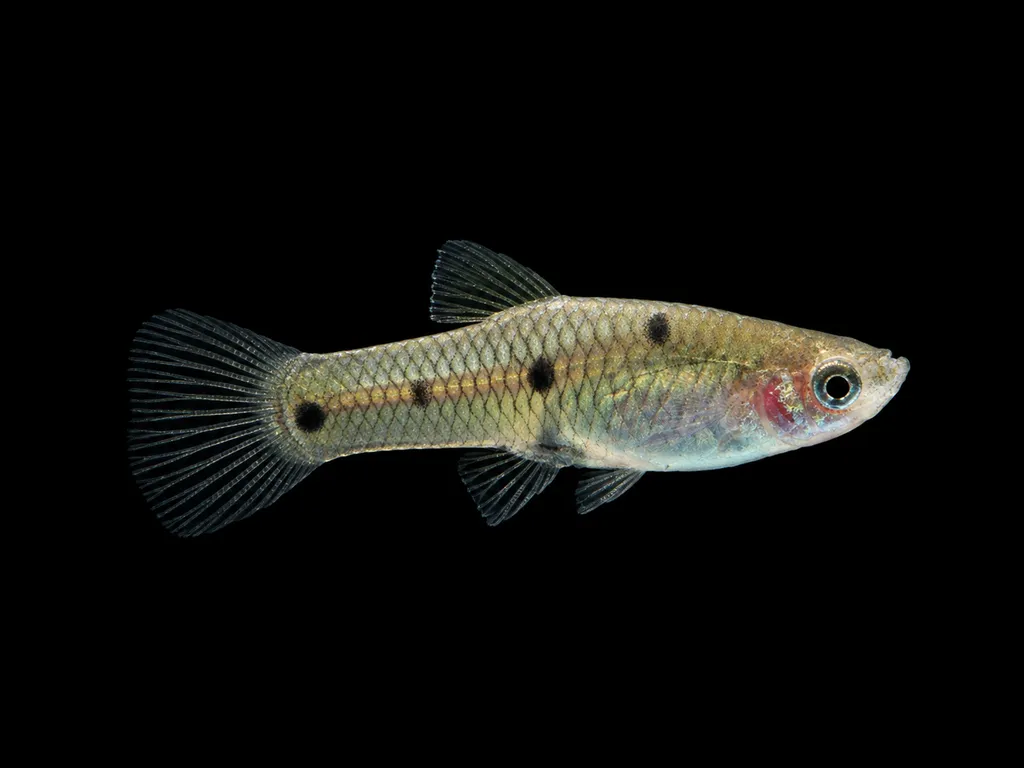
Fourspotted toothcarp
Phallichthys quadripunctatus
FreshwaterFish
Care at a glance
- Temperature
- 68–86°F
- 20–30°C
- pH
- 7.0–8.0
- Adult size
- 1.4 in
- 3.5 cm
- Minimum tank
- 11 gal
- 40 L
- Temperament
- Peaceful
- Social behavior
- Social
- Swim level
- Middle
- Difficulty
- Easy
- Breeding
- Easy
- Rarity
- Very rare
- Family
- Poeciliidae
- Origin
- Costa Rica
Overview
Keep these as a small social group in a tank of about 40 liters or more. They are peaceful mid-water fish that do fine in a community of similarly calm species. Water can run from 20 to 30 C and neutral to slightly alkaline, which makes them forgiving. Feed a varied diet of flake, micro-pellets, and occasional frozen brine shrimp or daphnia. A planted tank with light current keeps them comfortable.
In the wild
This little livebearer comes from slow freshwater streams and rivers in Costa Rica, usually in shallow stretches packed with plants and submerged roots. The water there is warm and runs neutral to slightly hard. Set up a planted tank with gentle flow, some root or wood cover, and a soft substrate. The plants matter both as cover for adults and as hiding spots for fry.
Good to know
Phallichthys quadripunctatus is in the family Poeciliidae, the livebearer group that includes guppies and mollies, and it stays small at around 3.5 cm. Like other poeciliids, it bears live, fully formed young instead of laying eggs, and breeding comes easily. Males have a gonopodium, a modified anal fin used to fertilize females internally. It is not considered threatened, though habitat damage and pollution can affect local populations.
Did you know
Because they breed so readily and the young are born swimming, a stable group will quietly populate a planted tank on its own. The fry hide in the plants and many survive without any extra effort, which makes this a low-fuss species for anyone wanting to watch livebearer behavior over generations.
Weekly picks
Tank mates
Fourspotted toothcarp is a peaceful, social species that keeps to the middle. These picks share a community profile with it, are safe together in both directions, and overlap on water type, temperature and pH.
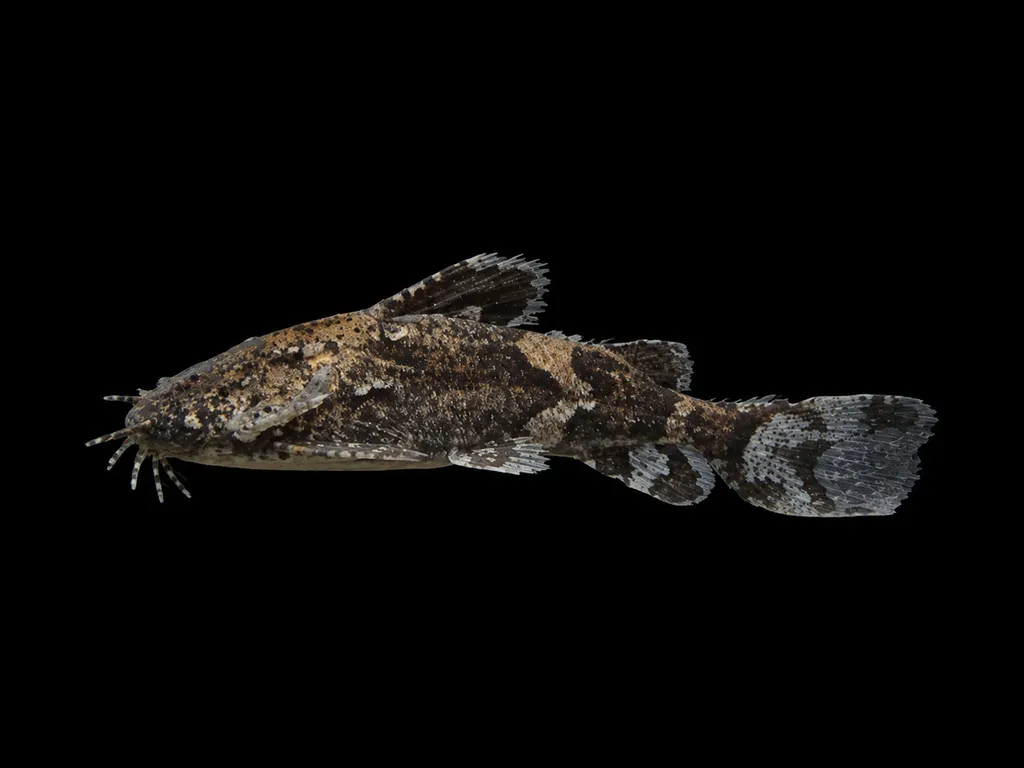
Burmese mini moth catfish
Hara minuscula
Freshwater1.2 in (3 cm) · 11 gal (40 L)68–79°F (20–26°C)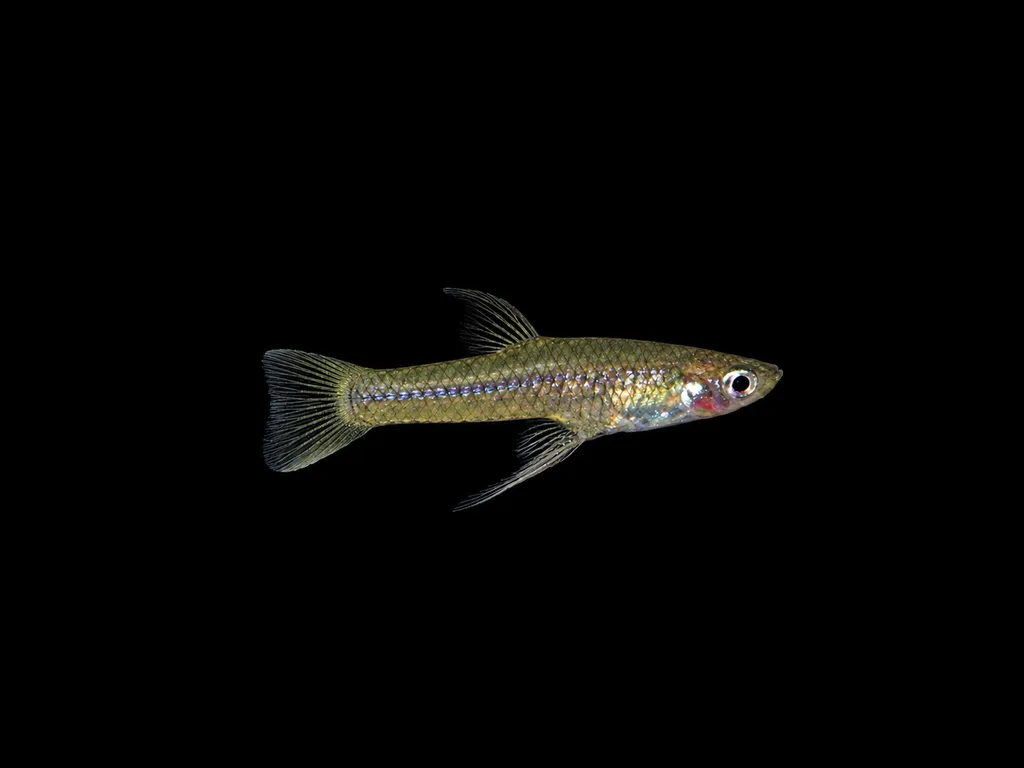
Sicklefin livebearer
Girardinus falcatus
Freshwater2.6 in (6.5 cm) · 11 gal (40 L)68–82°F (20–28°C)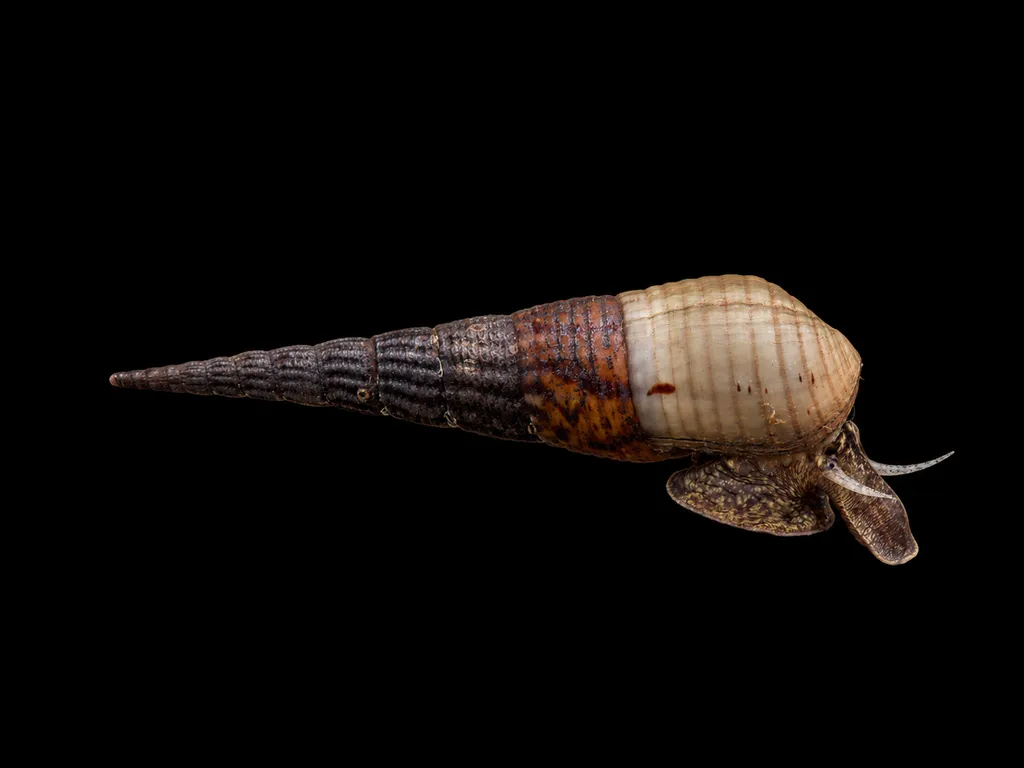
Chopstick snail
Stenomelania torulosa
Freshwater2 in (5 cm) · 11 gal (40 L)73–82°F (23–28°C)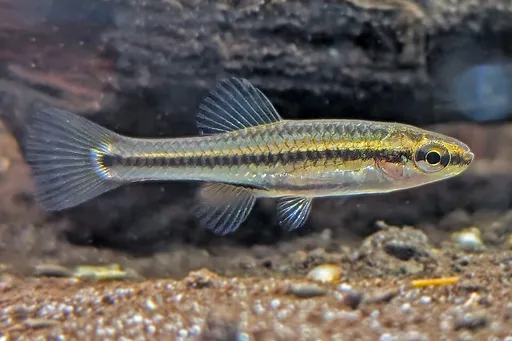
Bluefin killifish
Lucania goodei
Freshwater2 in (5 cm) · 11 gal (40 L)64–77°F (18–25°C)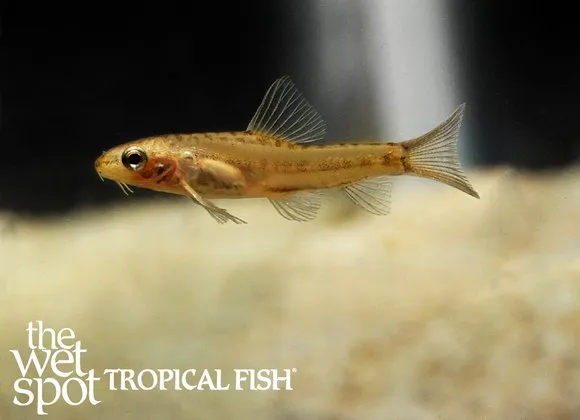
Mango loach
Physoschistura mango
Freshwater1 in (2.5 cm) · 11 gal (40 L)68–77°F (20–25°C)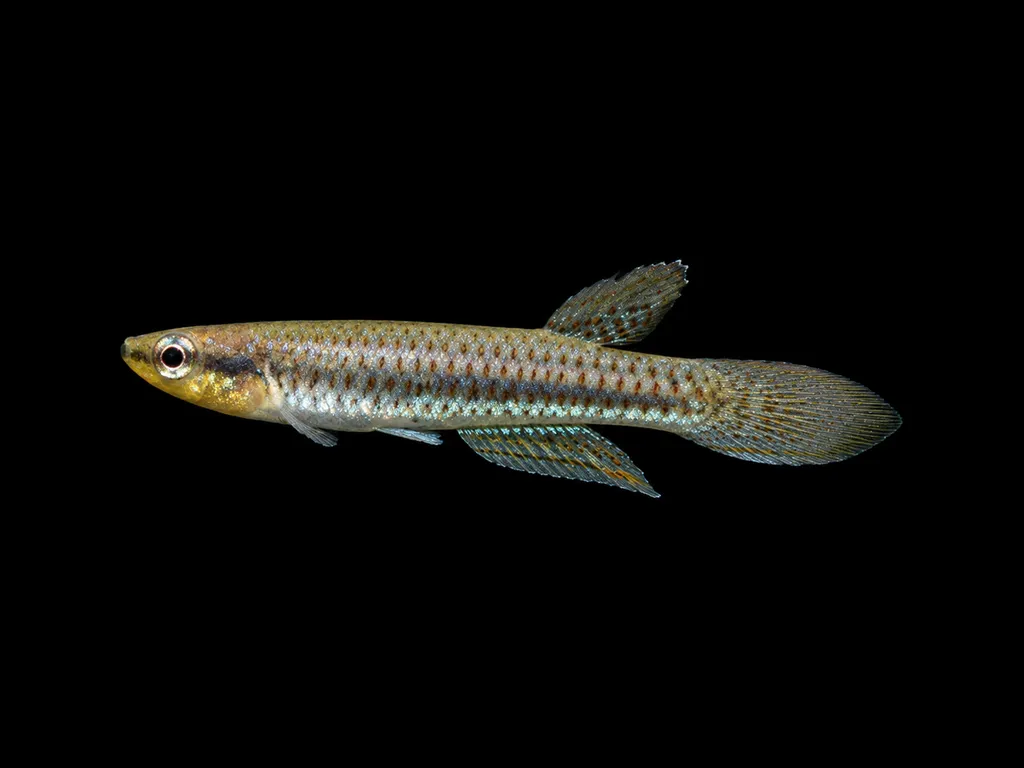
Dubois' panchax
Epiplatys duboisi
Freshwater1.4 in (3.5 cm) · 11 gal (40 L)68–77°F (20–25°C)
Common questions
What size tank does a Fourspotted toothcarp need?
A Fourspotted toothcarp needs at least 11 gal (40 L). It spends most of its time in the middle.
What temperature and pH does a Fourspotted toothcarp need?
A Fourspotted toothcarp is comfortable at 68–86°F (20–30°C) with a pH of 7.0–8.0.
How big does a Fourspotted toothcarp get?
An adult Fourspotted toothcarp reaches about 1.4 in (3.5 cm).
Related species
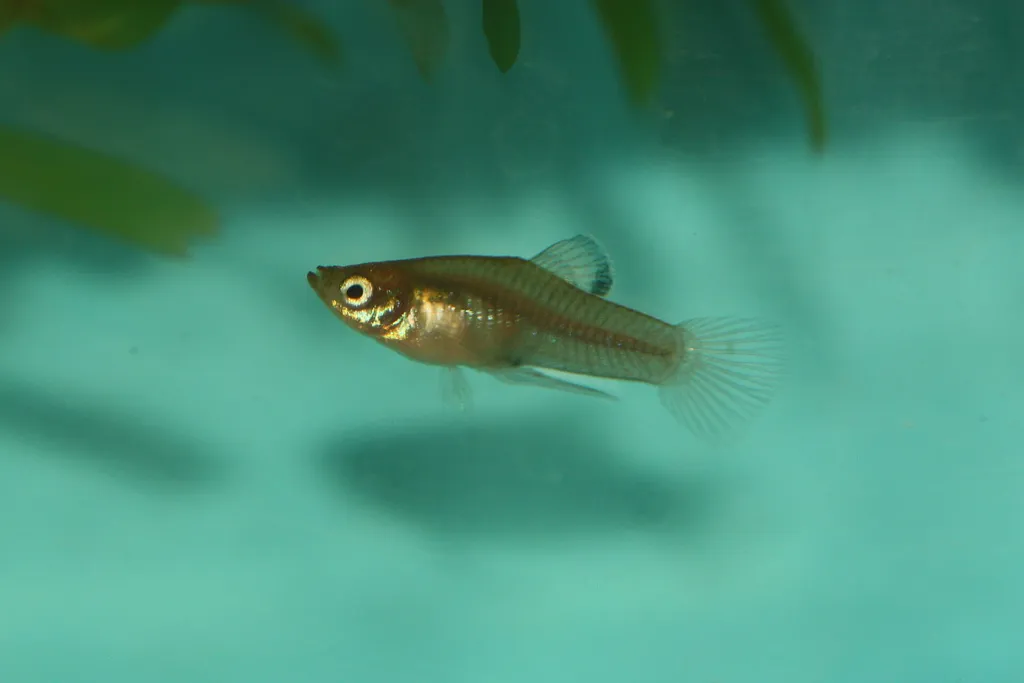 1.4 in (3.5 cm)11 gal (40 L)72–81°F (22–27°C)
Dwarf merry widow
Phallichthys tico
1.4 in (3.5 cm) · 11 gal (40 L)
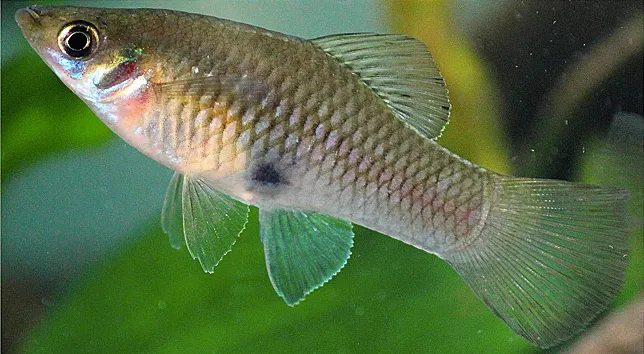 2.5 in (6.4 cm)16 gal (60 L)72–86°F (22–30°C)
Merry widow livebearer
Phallichthys amates
2.5 in (6.4 cm) · 16 gal (60 L)
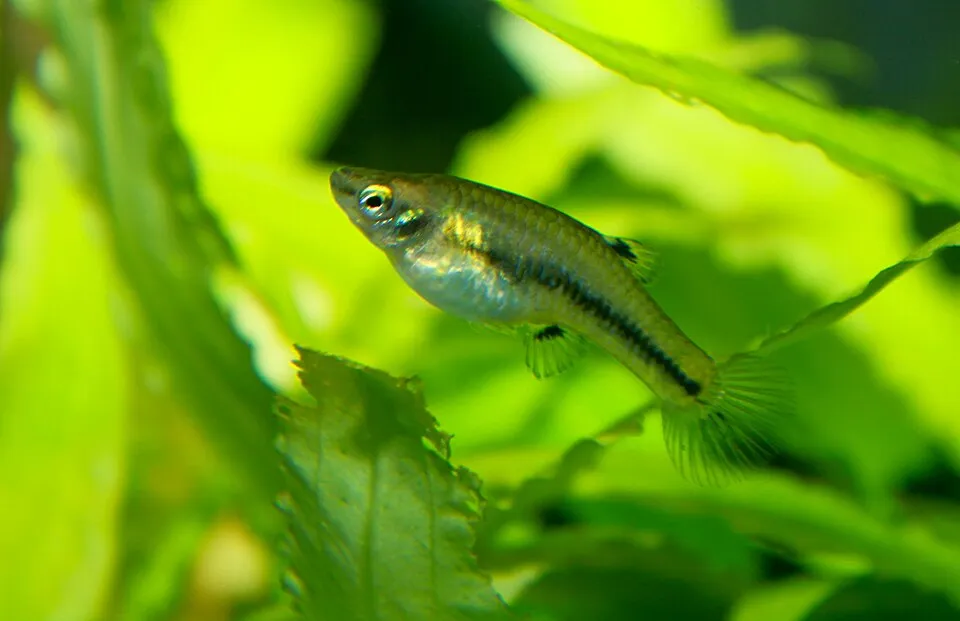 1.4 in (3.5 cm)5 gal (20 L)68–79°F (20–26°C)
Least killifish
Heterandria formosa
1.4 in (3.5 cm) · 5 gal (20 L)
 1.3 in (3.4 cm)11 gal (40 L)72–82°F (22–28°C)
Black-barred livebearer
Quintana atrizona
1.3 in (3.4 cm) · 11 gal (40 L)
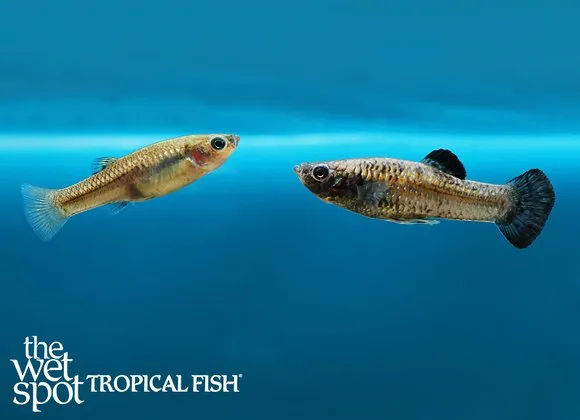 1.6 in (4 cm)11 gal (40 L)72–81°F (22–27°C)
Dwarf molly
Poecilia chica
1.6 in (4 cm) · 11 gal (40 L)
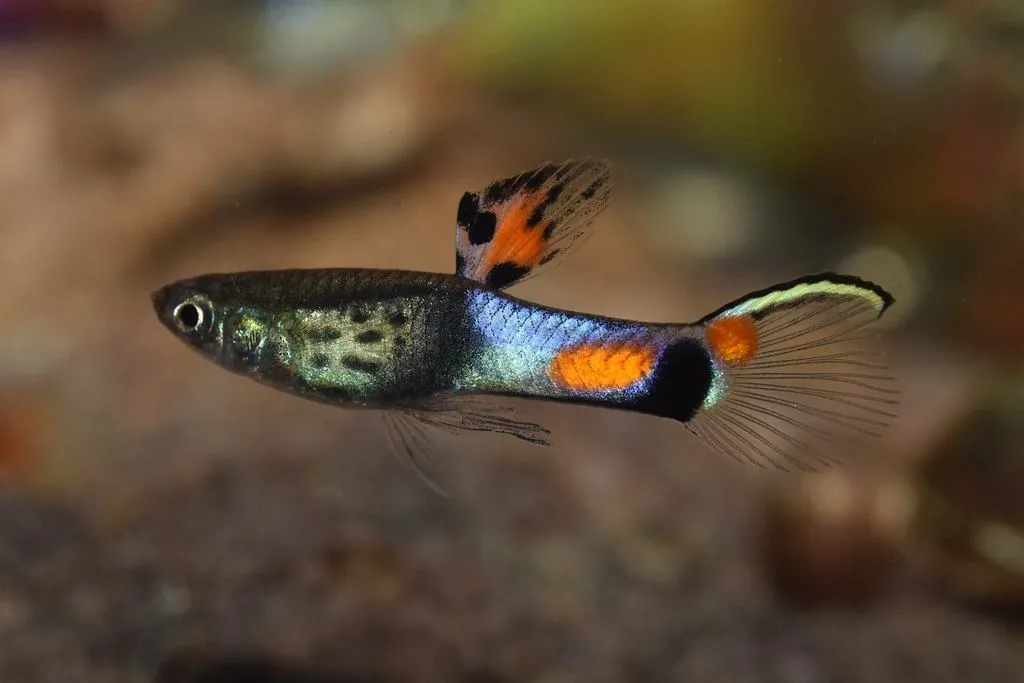 1.6 in (4 cm)5 gal (20 L)72–86°F (22–30°C)
Endler's livebearer
Poecilia wingei
1.6 in (4 cm) · 5 gal (20 L)