Merry widow livebearer
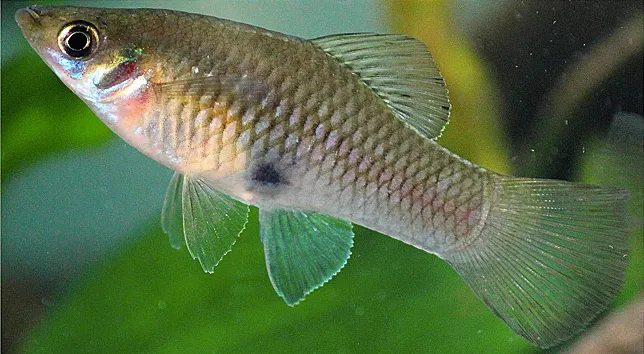
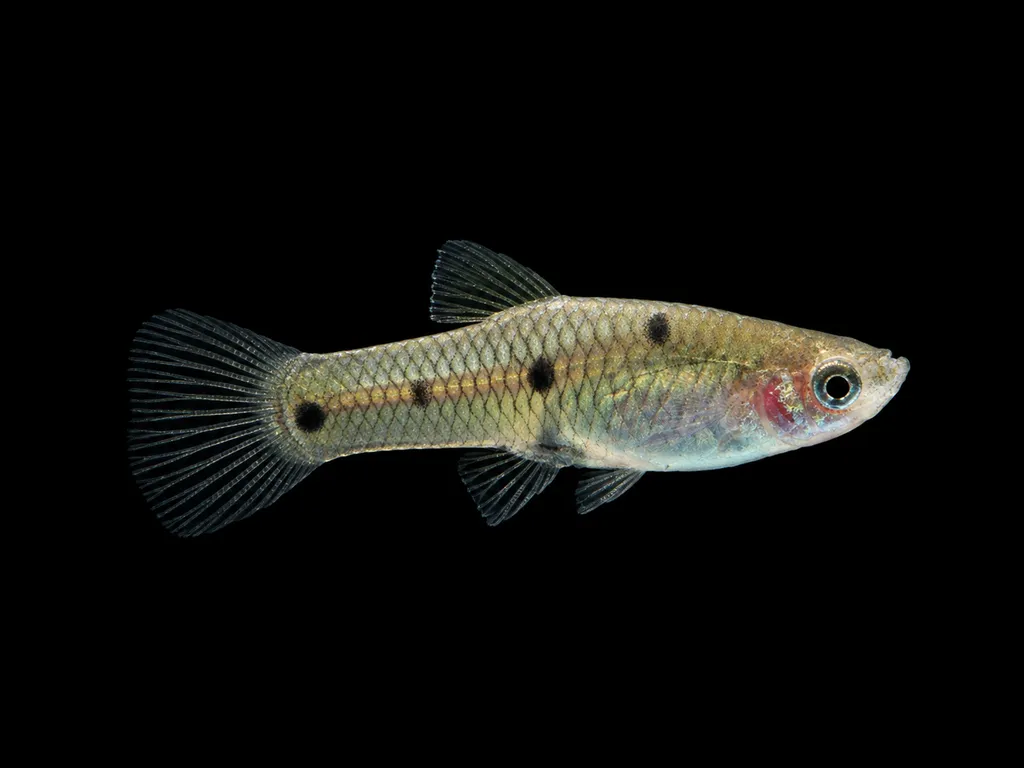
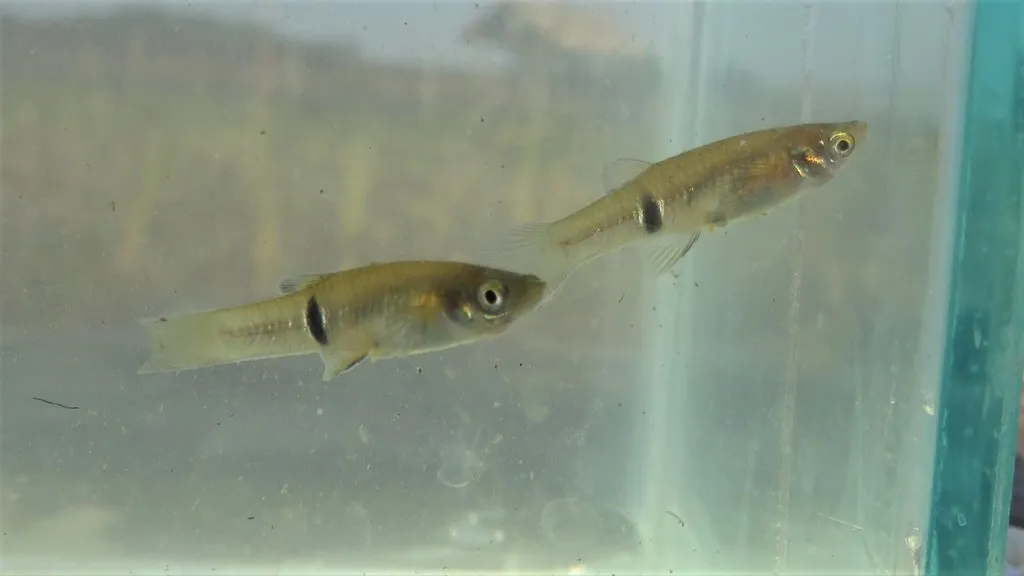
Phallichthys amates
FreshwaterFish
Care at a glance
- Temperature
- 72–86°F
- 22–30°C
- pH
- 7.0–8.0
- Adult size
- 2.5 in
- 6.4 cm
- Minimum tank
- 16 gal
- 60 L
- Temperament
- Peaceful
- Social behavior
- Social
- Swim level
- Middle
- Difficulty
- Easy
- Breeding
- Easy
- Rarity
- Very rare
- Family
- Poeciliidae
- Origin
- Guatemala, Panama
Overview
The merry widow is a gentle, easygoing livebearer that suits a peaceful community. Keep a group with more females than males, as males court often, and it will happily share the middle of the tank with other calm species. It grazes soft algae and takes almost any small food, so feed a good flake with some vegetable content plus occasional frozen daphnia or bloodworm. It prefers hard, neutral to alkaline water. It is undemanding and a sound choice for someone new to wild livebearers, and a tank of 60 liters or larger gives a small group plenty of room.
In the wild
Phallichthys amates ranges from Guatemala down to Panama, living in warm, slow to moderate streams, ponds and ditches, often among thick plants. Keep a temperature between 22 and 30 C and a pH from about 7 to 8, with hard, mineral-rich water. A well-planted tank with open swimming areas, gentle flow and steady filtration suits it. It is not fussy, but clean, stable water keeps it healthy and breeding freely.
Good to know
The merry widow belongs to the livebearer family Poeciliidae, with females reaching about 6 cm and males staying smaller. The male is known for an unusually long gonopodium, the modified anal fin used to fertilize the female internally, and this outsized organ gives the genus its name, Phallichthys. Females give birth to live young and breed readily, so this is an easy livebearer for a home tank.
Did you know
The genus name Phallichthys means penis fish, a blunt reference to the male's very long gonopodium, which can reach a large fraction of his own body length.
Weekly picks
Tank mates
Merry widow livebearer is a peaceful, social species that keeps to the middle. These picks share a community profile with it, are safe together in both directions, and overlap on water type, temperature and pH.
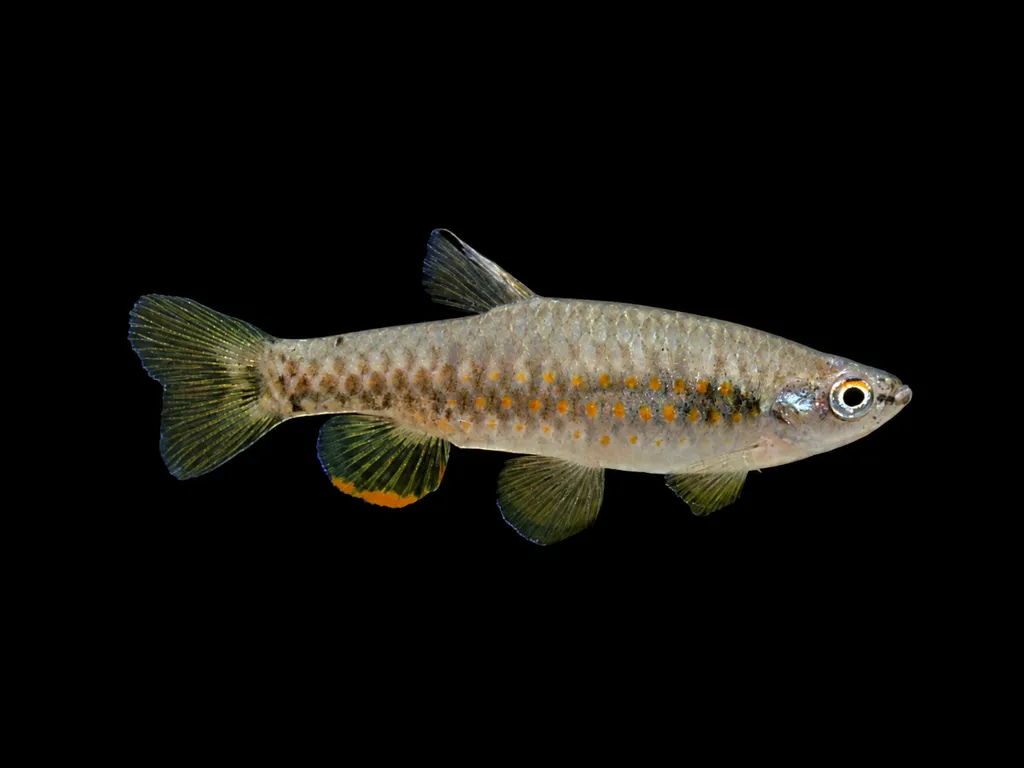
Fanning characin
Pyrrhulina rachoviana
Freshwater2 in (5 cm) · 16 gal (60 L)68–79°F (20–26°C)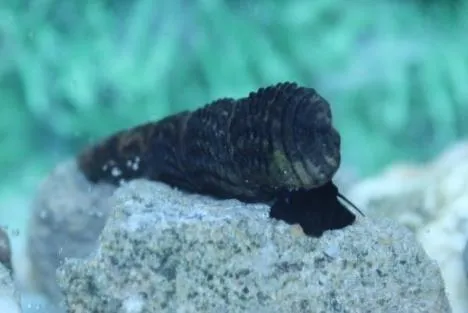
White spotted rabbit snail
Tylomelania towutica
Freshwater4.3 in (11 cm) · 16 gal (60 L)75–84°F (24–29°C)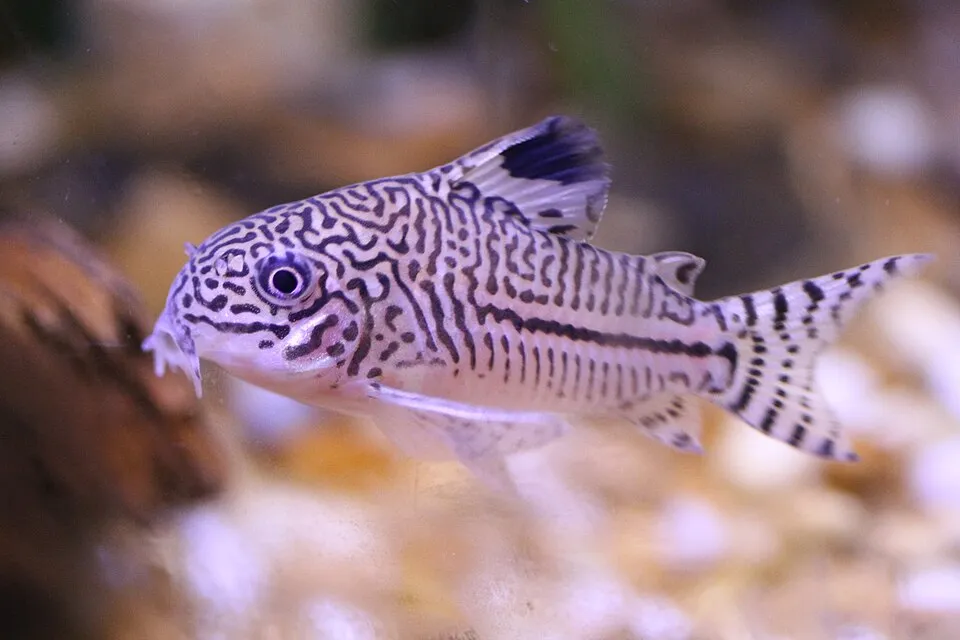
Threestripe cory
Hoplisoma trilineatum
Freshwater2.2 in (5.5 cm) · 16 gal (60 L)72–81°F (22–27°C)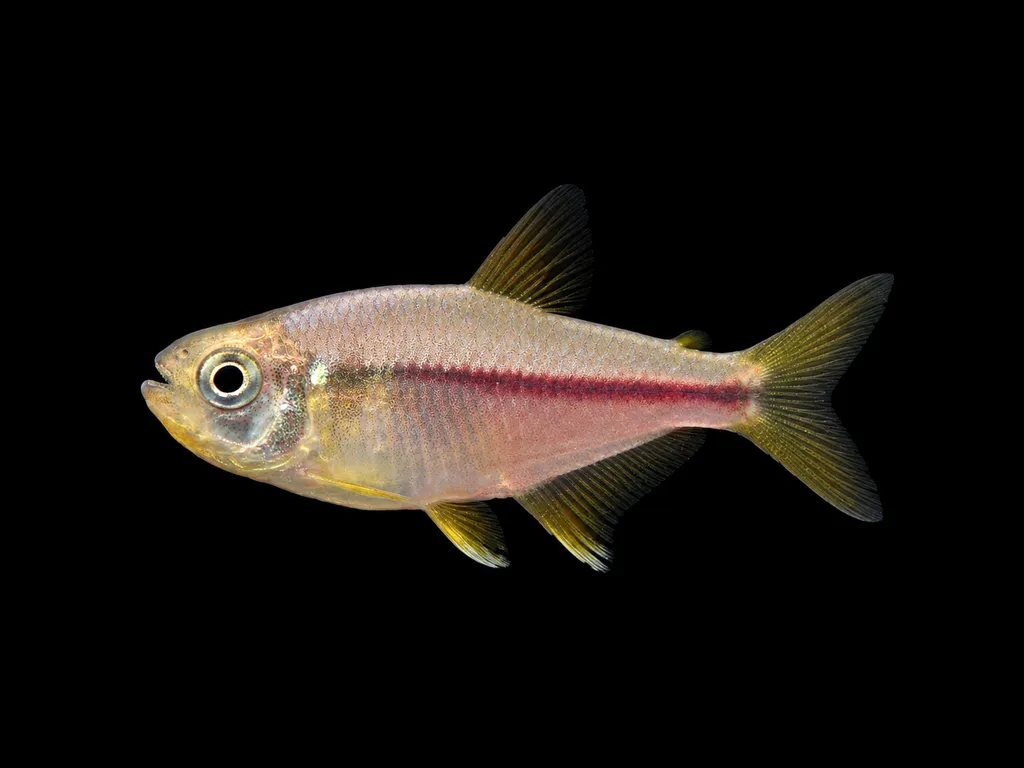
Itaparica tetra
Hyphessobrycon itaparicensis
Freshwater1.8 in (4.6 cm) · 16 gal (60 L)72–82°F (22–28°C)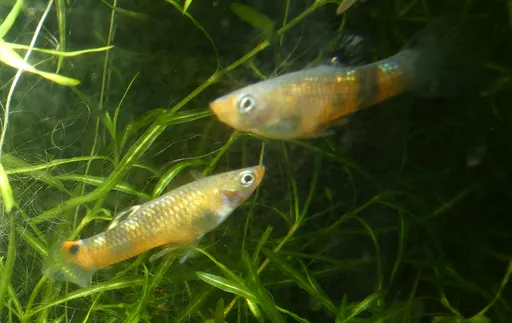
Scarlet livebearer
Micropoecilia picta
FreshwaterBrackish1.6 in (4 cm) · 16 gal (60 L)72–82°F (22–28°C)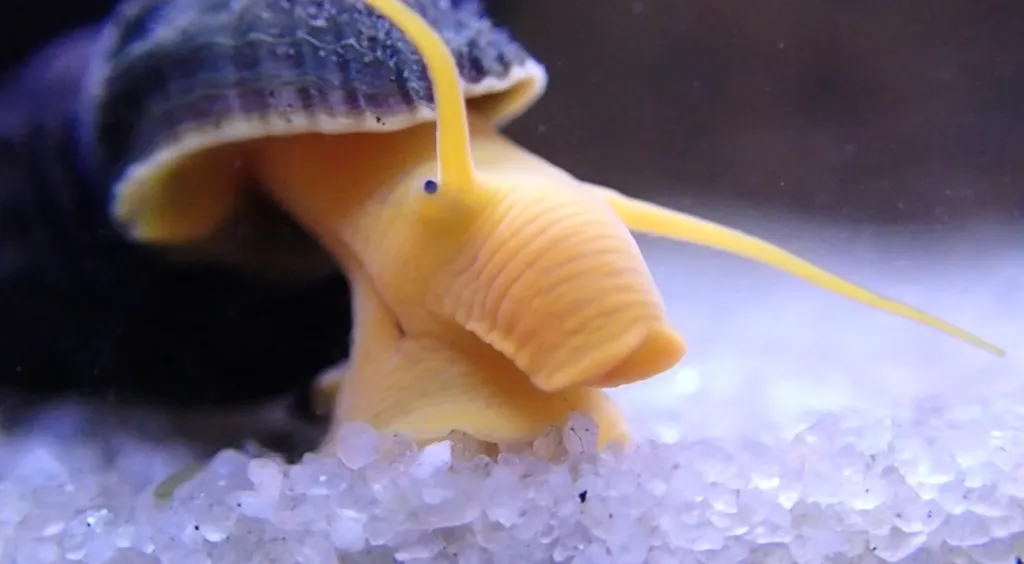
Gold rabbit snail
Tylomelania gemmifera
Freshwater2.8 in (7 cm) · 16 gal (60 L)75–82°F (24–28°C)
Common questions
What size tank does a Merry widow livebearer need?
A Merry widow livebearer needs at least 16 gal (60 L). It spends most of its time in the middle.
What temperature and pH does a Merry widow livebearer need?
A Merry widow livebearer is comfortable at 72–86°F (22–30°C) with a pH of 7.0–8.0.
How big does a Merry widow livebearer get?
An adult Merry widow livebearer reaches about 2.5 in (6.4 cm).
Related species
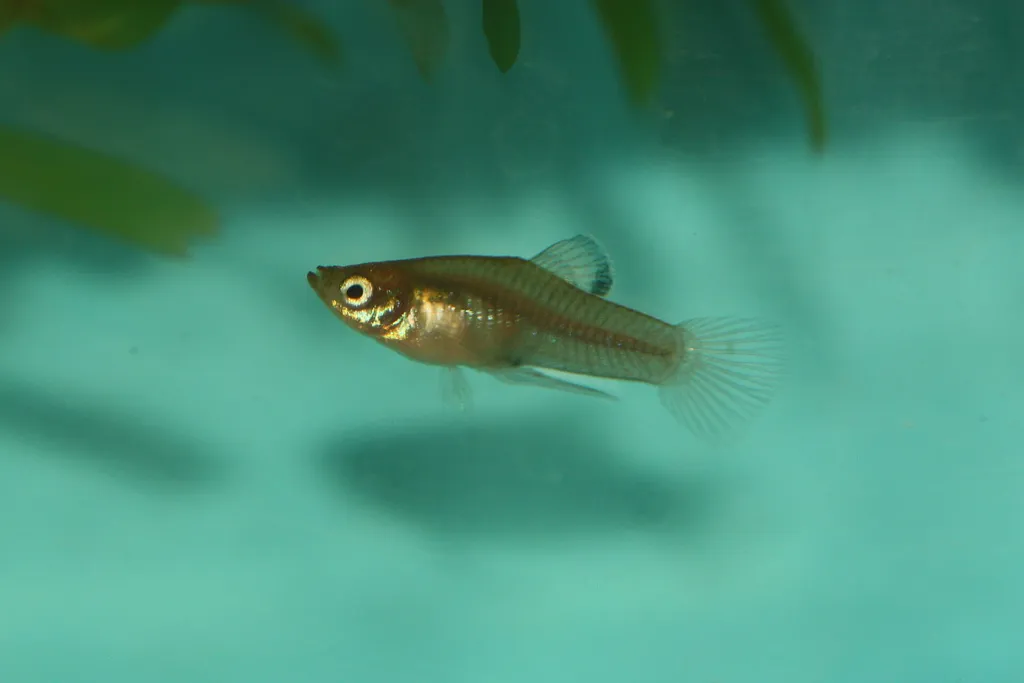 1.4 in (3.5 cm)11 gal (40 L)72–81°F (22–27°C)
Dwarf merry widow
Phallichthys tico
1.4 in (3.5 cm) · 11 gal (40 L)
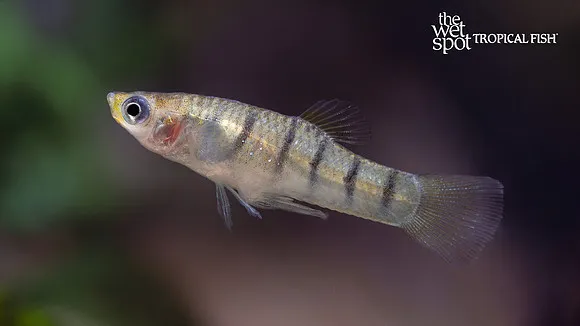
 1.4 in (3.5 cm)11 gal (40 L)68–86°F (20–30°C)
Fourspotted toothcarp
Phallichthys quadripunctatus
1.4 in (3.5 cm) · 11 gal (40 L)
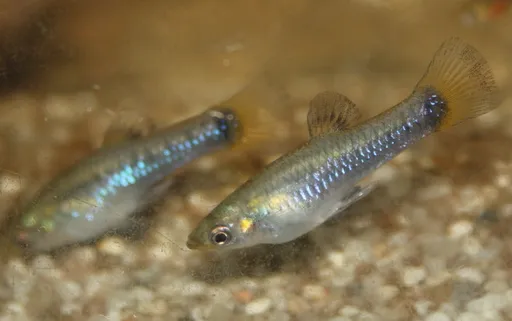
 2.6 in (6.5 cm)14 gal (54 L)72–81°F (22–27°C)
Tiger limia
Limia islai
2.6 in (6.5 cm) · 14 gal (54 L)
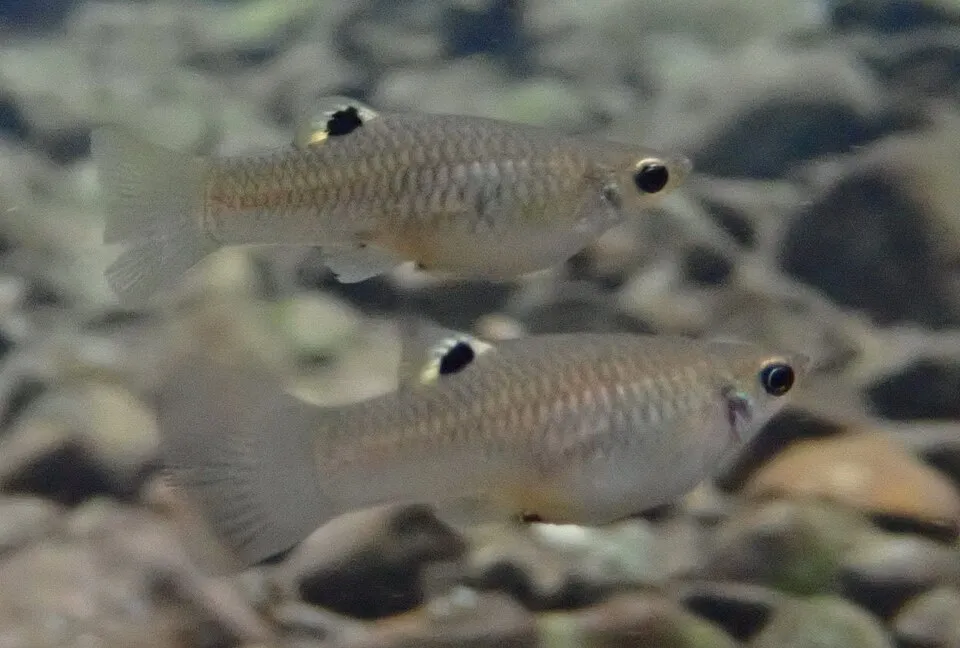
 2.4 in (6 cm)16 gal (60 L)72–82°F (22–28°C)
Blackbelly limia
Limia melanogaster
2.4 in (6 cm) · 16 gal (60 L)
 2.4 in (6 cm)16 gal (60 L)77–86°F (25–30°C)
Cauca molly
Poecilia caucana
2.4 in (6 cm) · 16 gal (60 L)
 2.4 in (6 cm)12 gal (45 L)64–75°F (18–24°C)
Dusky millions fish
Phalloceros caudimaculatus
2.4 in (6 cm) · 12 gal (45 L)