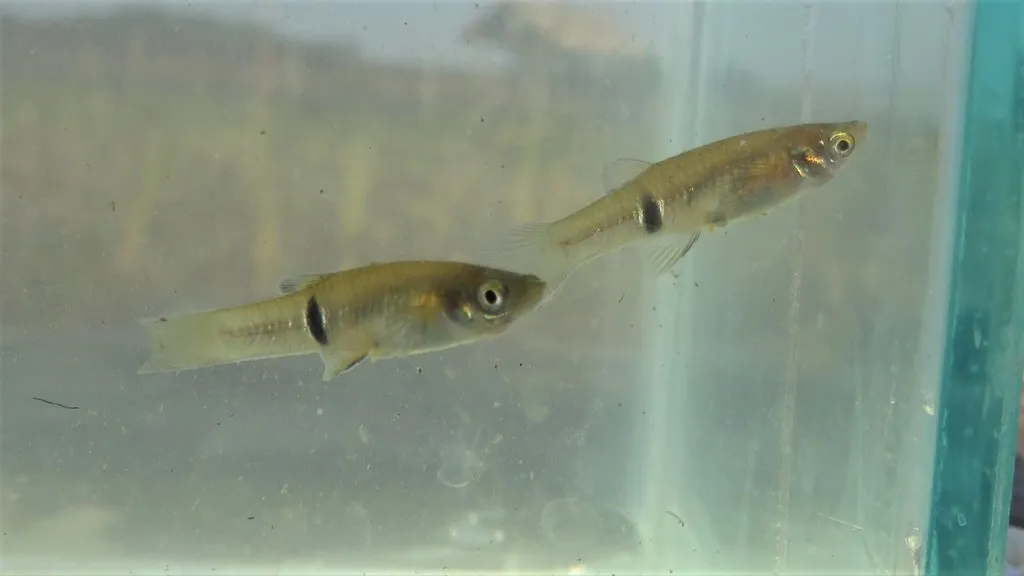
Dusky millions fish
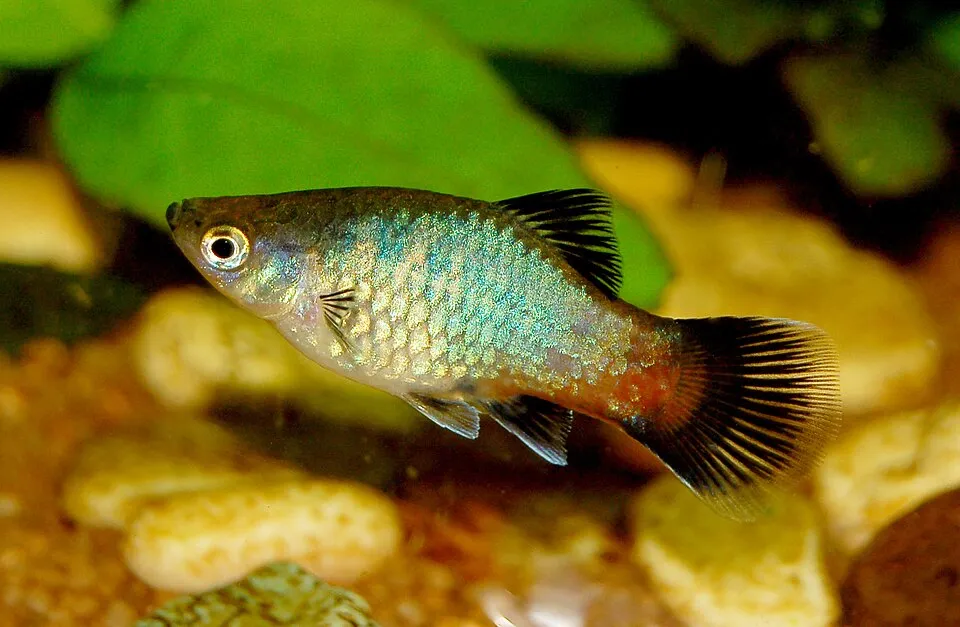
Phalloceros caudimaculatus
Also known as Caudo, Speckled livebearer
FreshwaterFish
Care at a glance
- Temperature
- 64–75°F
- 18–24°C
- pH
- 7.0–8.0
- Adult size
- 2.4 in
- 6 cm
- Minimum tank
- 12 gal
- 45 L
- Temperament
- Peaceful
- Social behavior
- Social
- Swim level
- Middle
- Difficulty
- Medium
- Breeding
- Easy
- Rarity
- Common
- Family
- Poeciliidae
- Origin
- South America: coastal Brazil (Rio de Janeiro southward) through Uruguay, Paraguay, and northern Argentina
Overview
Keep them in a group of at least six in a tank of 45 liters or larger, and skew the ratio to two or three females per male so no single female takes constant attention. They are peaceful, sit in the middle of the water column, and stay on the cool side, roughly 18 to 24 C, with a pH from 7 to 8. They dislike sudden chemistry shifts, so do small, frequent water changes. Feed flakes, small pellets, and frozen foods like daphnia, and pick non-nippy tankmates that also handle cool water. They are a hardy, prolific species and have become invasive in warmer regions, so never release them and check your local rules before keeping them.
In the wild
Dusky millions fish come from coastal South America, from Rio de Janeiro south through Uruguay, Paraguay, and northern Argentina. This is a subtropical range, so they do best on the cooler side, around 18 to 24 C, and tolerate unheated rooms and brief cold spells far better than long stretches of warm water. Give them a heavily planted tank with gentle filtration and modest flow, plus neutral to slightly alkaline, moderately hard water at a pH of 7 to 8. Dense planting also gives the fry somewhere to hide.
Good to know
This is a livebearer in the family Poeciliidae, the same group as guppies and mollies. Sexual dimorphism is marked: females reach about 6 cm while males stay smaller at around 3.5 cm. Like other poeciliids, females give birth to live, free-swimming fry rather than scattering eggs, and a healthy fish can live several years. They breed readily without much help.
Did you know
The common name comes from how freely they breed. A single well-fed group in a planted tank can turn into a crowd in short order, since females drop batch after batch of live young and the fry survive well among dense plants. That same hardiness is why they have spread far outside their native range.
Weekly picks
Tank mates
Dusky millions fish is a peaceful, social species that keeps to the middle. These picks share a community profile with it, are safe together in both directions, and overlap on water type, temperature and pH.
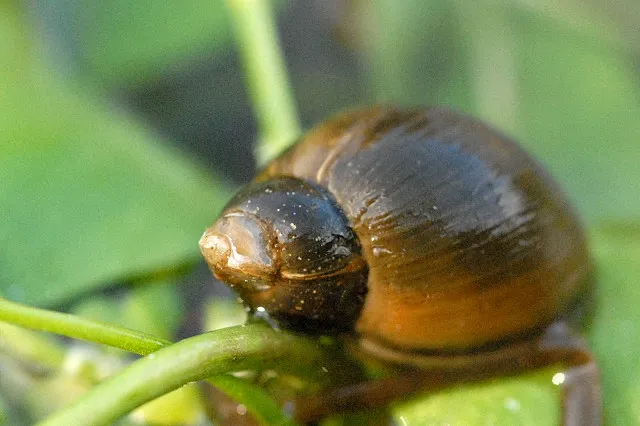
Wandering snail
Ampullaceana balthica
Freshwater0.8 in (2 cm) · 11 gal (40 L)50–84°F (10–29°C)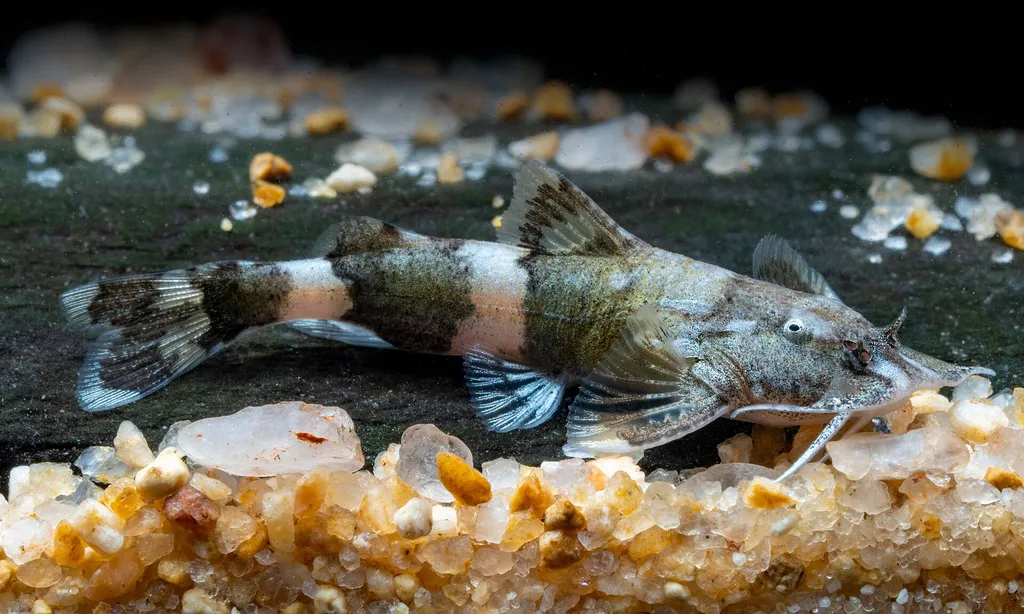
Cheetah moth catfish
Pseudolaguvia shawi
Freshwater1.5 in (3.8 cm) · 11 gal (40 L)68–79°F (20–26°C)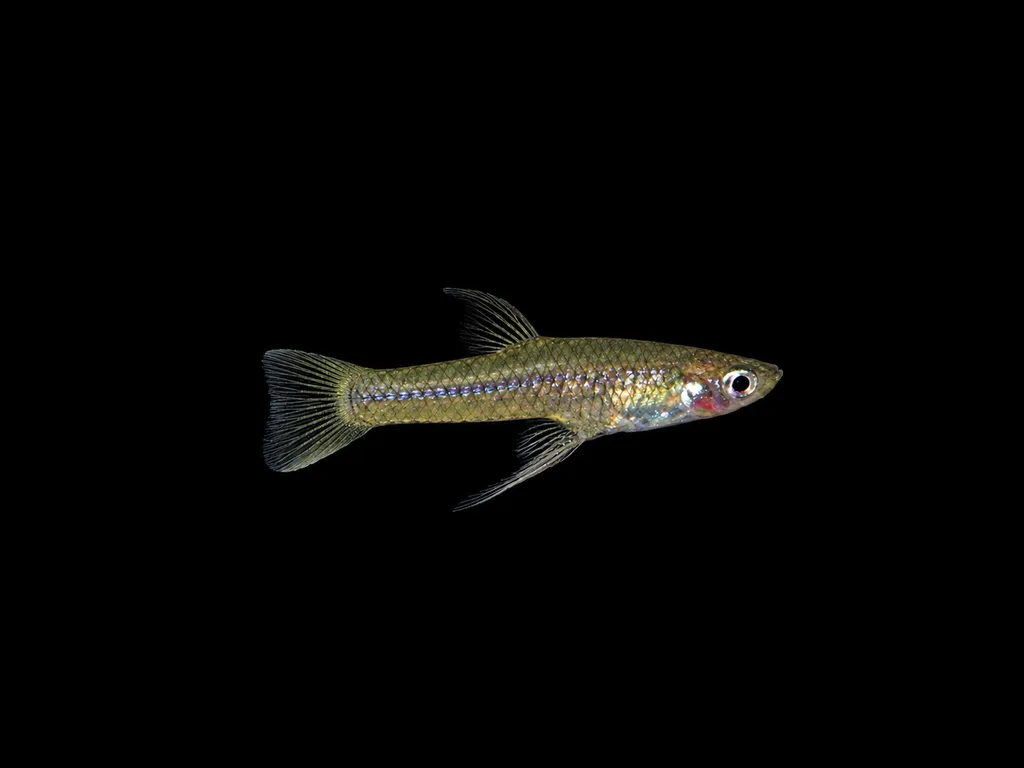
Sicklefin livebearer
Girardinus falcatus
Freshwater2.6 in (6.5 cm) · 11 gal (40 L)68–82°F (20–28°C)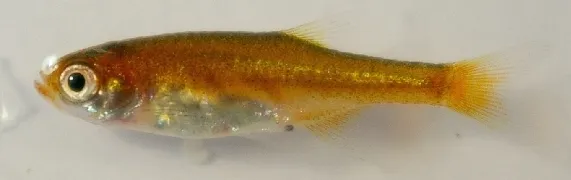
Red dwarf rasbora
Microrasbora rubescens
Freshwater1.2 in (3 cm) · 12 gal (45 L)68–77°F (20–25°C)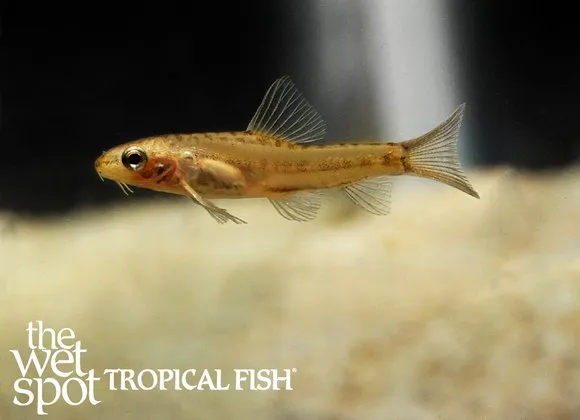
Mango loach
Physoschistura mango
Freshwater1 in (2.5 cm) · 11 gal (40 L)68–77°F (20–25°C)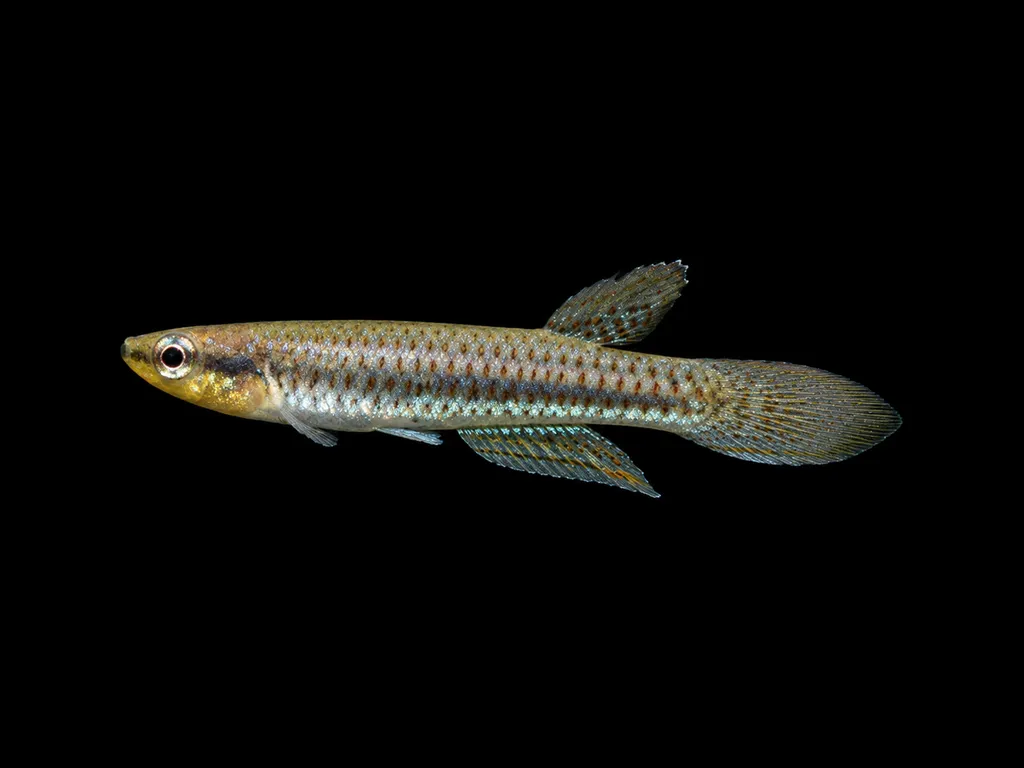
Dubois' panchax
Epiplatys duboisi
Freshwater1.4 in (3.5 cm) · 11 gal (40 L)68–77°F (20–25°C)
Common questions
What size tank does a Dusky millions fish need?
A Dusky millions fish needs at least 12 gal (45 L). It spends most of its time in the middle.
What temperature and pH does a Dusky millions fish need?
A Dusky millions fish is comfortable at 64–75°F (18–24°C) with a pH of 7.0–8.0.
How big does a Dusky millions fish get?
An adult Dusky millions fish reaches about 2.4 in (6 cm).
Related species
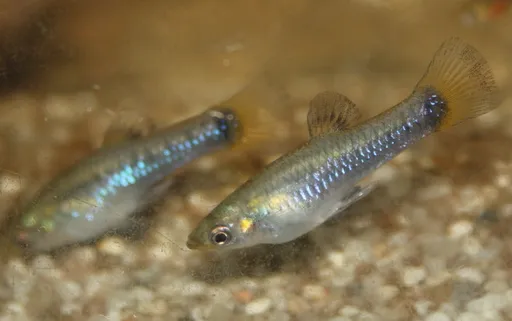 2.4 in (6 cm)16 gal (60 L)72–82°F (22–28°C)
Blackbelly limia
Limia melanogaster
2.4 in (6 cm) · 16 gal (60 L)
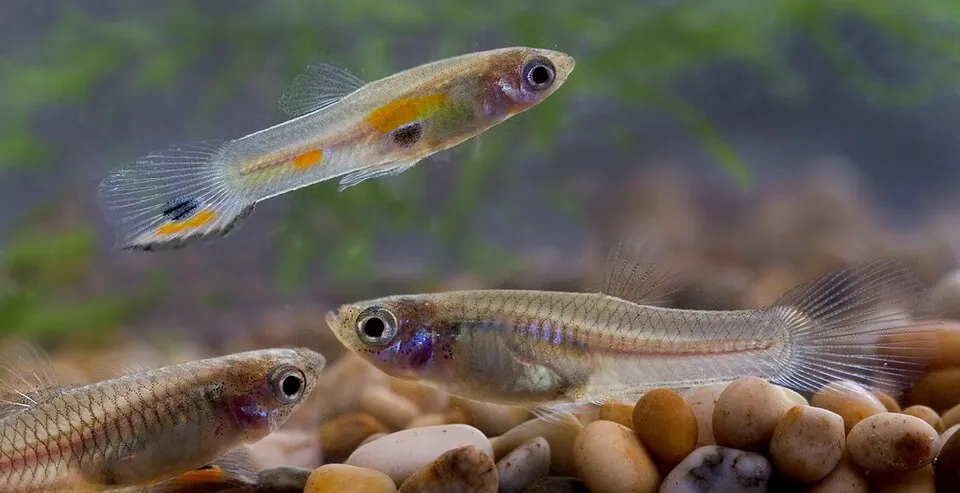 2.4 in (6 cm)13 gal (50 L)64–82°F (18–28°C)
Guppy
Poecilia reticulata
2.4 in (6 cm) · 13 gal (50 L)
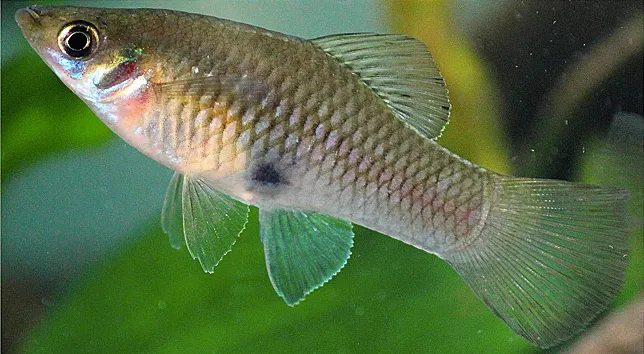 2.5 in (6.4 cm)16 gal (60 L)72–86°F (22–30°C)
Merry widow livebearer
Phallichthys amates
2.5 in (6.4 cm) · 16 gal (60 L)
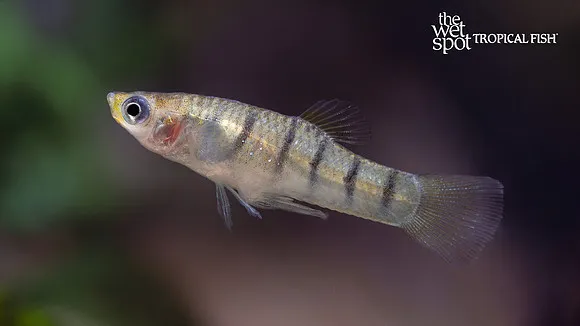 2.6 in (6.5 cm)14 gal (54 L)72–81°F (22–27°C)
Tiger limia
Limia islai
2.6 in (6.5 cm) · 14 gal (54 L)
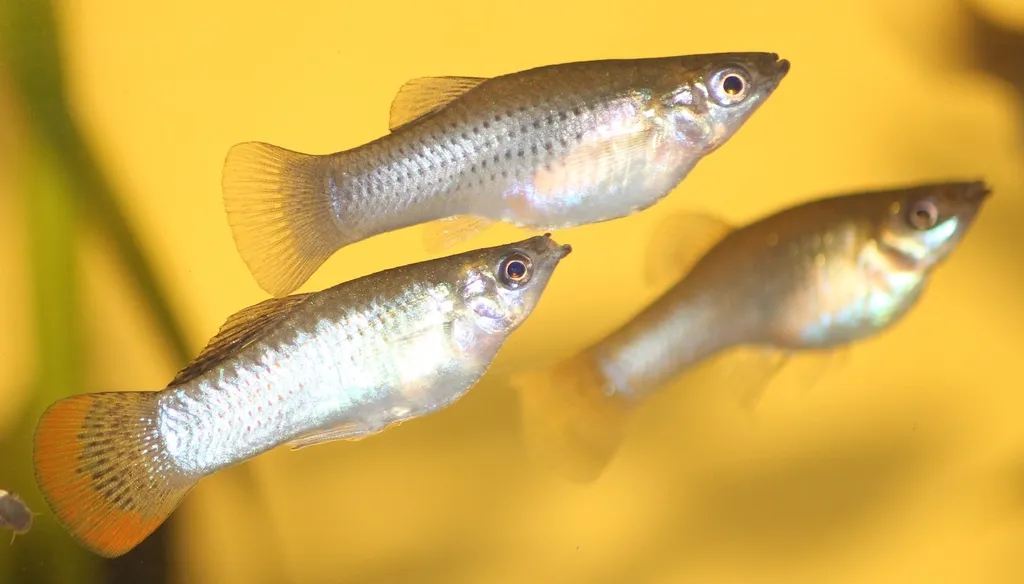 2.8 in (7 cm)29 gal (110 L)72–81°F (22–27°C)
Pacific molly
Poecilia butleri
2.8 in (7 cm) · 29 gal (110 L)
 2.8 in (7 cm)15 gal (55 L)68–79°F (20–26°C)
Southern platy
Xiphophorus maculatus
2.8 in (7 cm) · 15 gal (55 L)