Dwarf merry widow
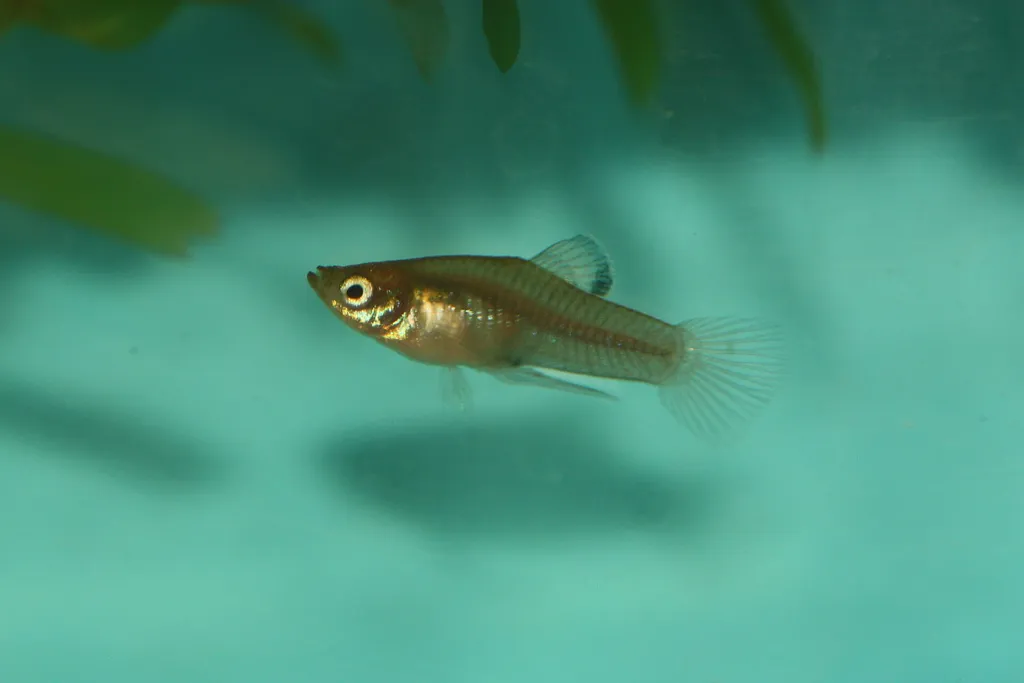
Phallichthys tico
Also known as Tico livebearer
FreshwaterFish
Care at a glance
- Temperature
- 72–81°F
- 22–27°C
- pH
- 6.5–7.8
- Adult size
- 1.4 in
- 3.5 cm
- Minimum tank
- 11 gal
- 40 L
- Temperament
- Peaceful
- Social behavior
- Social
- Swim level
- Middle
- Diet
- Omnivore
- Difficulty
- Medium
- Breeding
- Livebearer · Easy
- Rarity
- Rare
- Family
- Poeciliidae
- Origin
- San Juan drainage, Costa Rica and Nicaragua
Overview
The dwarf merry widow is one of the smallest livebearers, a gentle nano fish for a warm, planted tank. It is best kept by someone with a little experience.
Did you know
The dwarf merry widow's species name, tico, is the affectionate word Costa Ricans use for themselves. In effect, the fish is named after the people of the country it comes from.
Caring for the dwarf merry widow
Keep dwarf merry widows as a colony of several, with females outnumbering males, in a planted tank of 11 gal (40 L) or more. That is room enough for a breeding group. They spend their time in the middle of the tank and like plenty of soft plant cover to weave through.
Give them a warmly heated, gently filtered tank at 72 to 81°F (22 to 27°C) and a pH of 6.5 to 7.8. Thick planting and a dark substrate suit them. Floating plants soften the light, which helps them feel secure and show their colors.
Feed small foods they can manage, such as crushed flake, micro pellets and baby brine shrimp. Add some soft green matter as well, since they graze plants in the wild. Dwarf merry widows are thoroughly peaceful and easily bullied or outcompeted. Keep them only with tiny, calm tank mates, or on their own in a planted species tank.
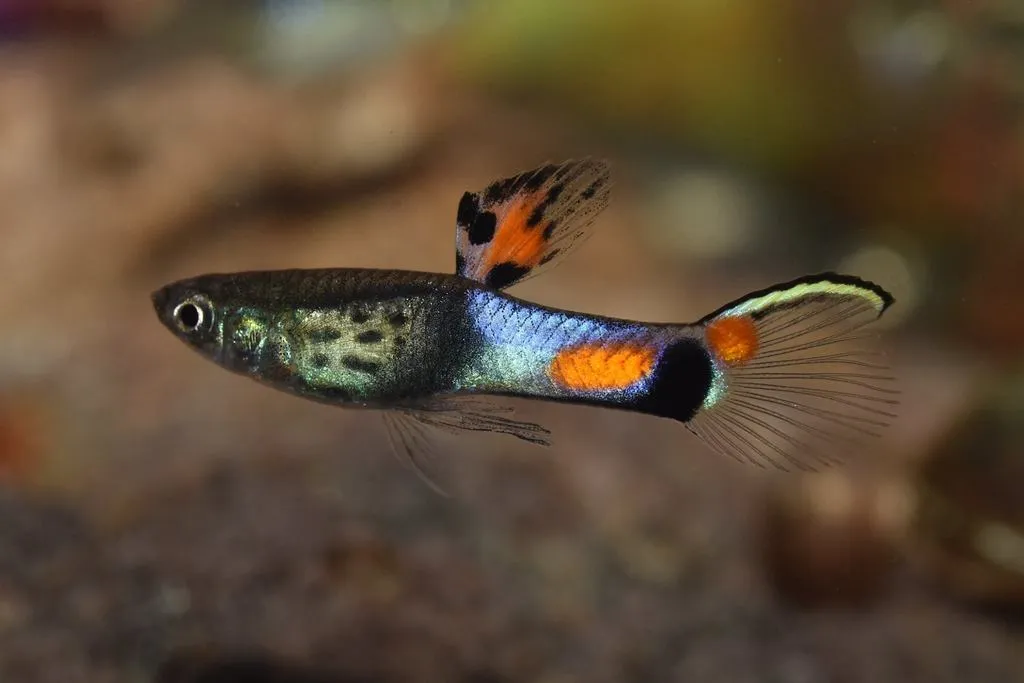
Females are larger than the slender males. The species is superfetating, so a female can carry several broods at different stages at once and release young in overlapping batches. Breeding is easy, and the main task is keeping the fry safe among plants.
Good to know
Phallichthys tico is a small poeciliid livebearer, described by William Bussing in 1963. It is also called the tico livebearer.
In the wild
The dwarf merry widow lives along the San Juan drainage of Costa Rica and Nicaragua. It keeps to warm, still or slow water at the margins of streams and ponds, usually among dense aquatic plants.
Weekly picks
Tank mates
The dwarf merry widow is a peaceful, social species that keeps to the middle. These picks share a community profile with it, are safe together in both directions, and overlap on water type, temperature and pH.
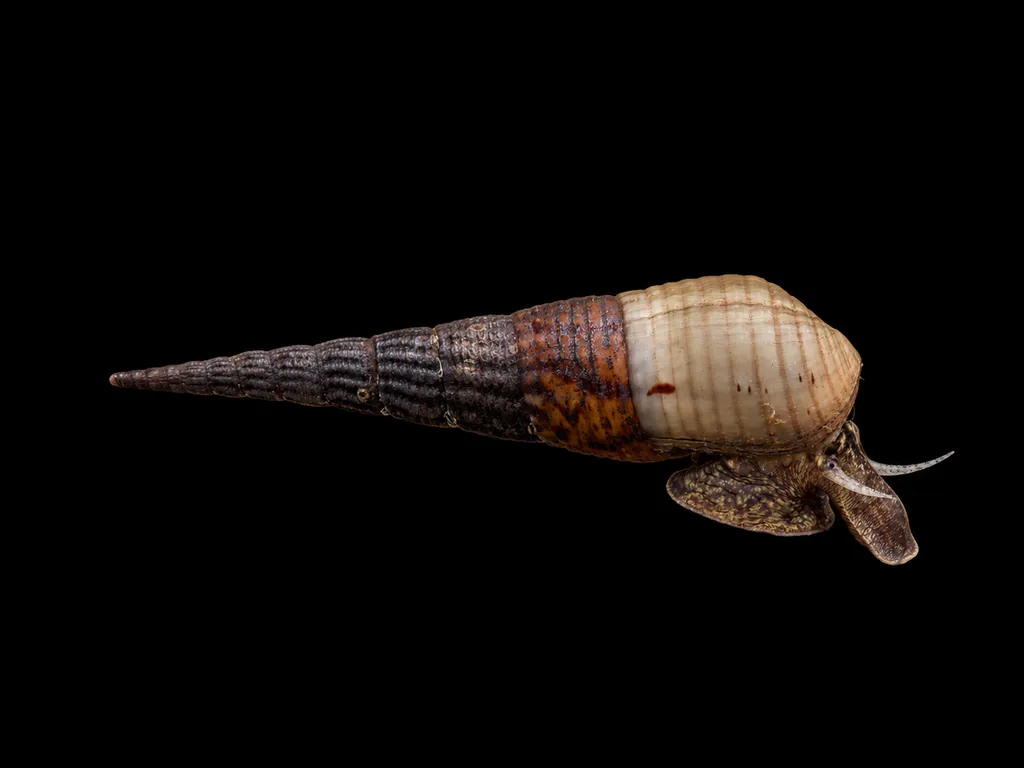
Chopstick snail
Stenomelania torulosa
Freshwater2 in (5 cm) · 11 gal (40 L)73–82°F (23–28°C)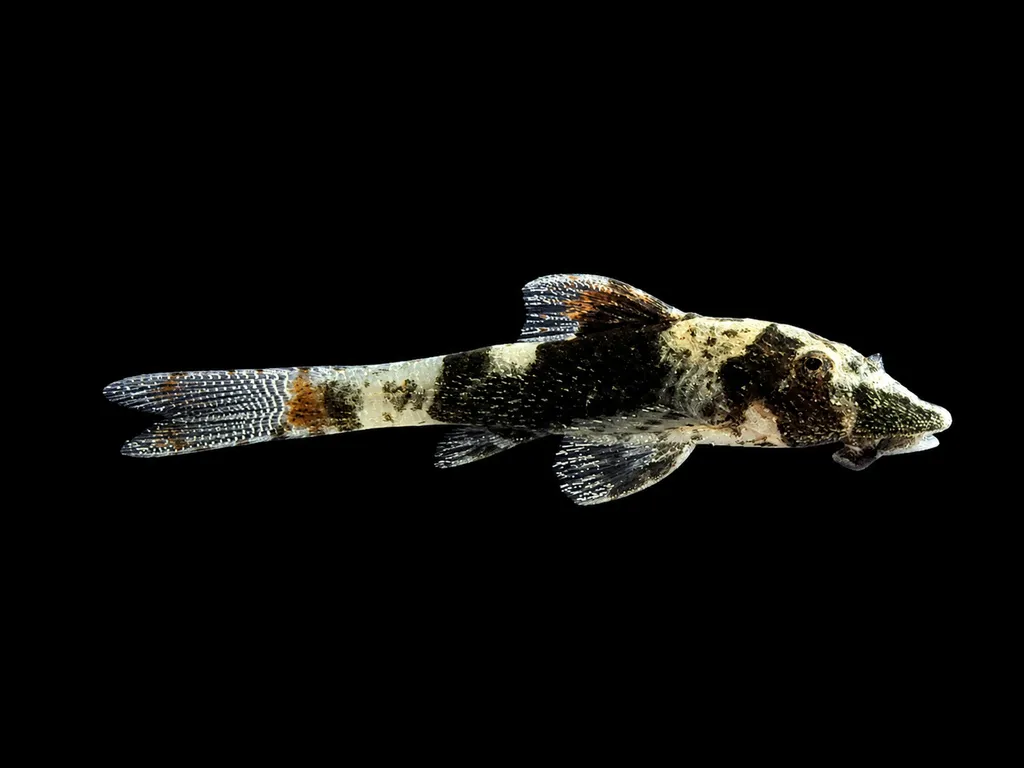
Bumblebee otocinclus
Rhinotocinclus isabelae
Freshwater0.8 in (2 cm) · 11 gal (40 L)73–82°F (23–28°C)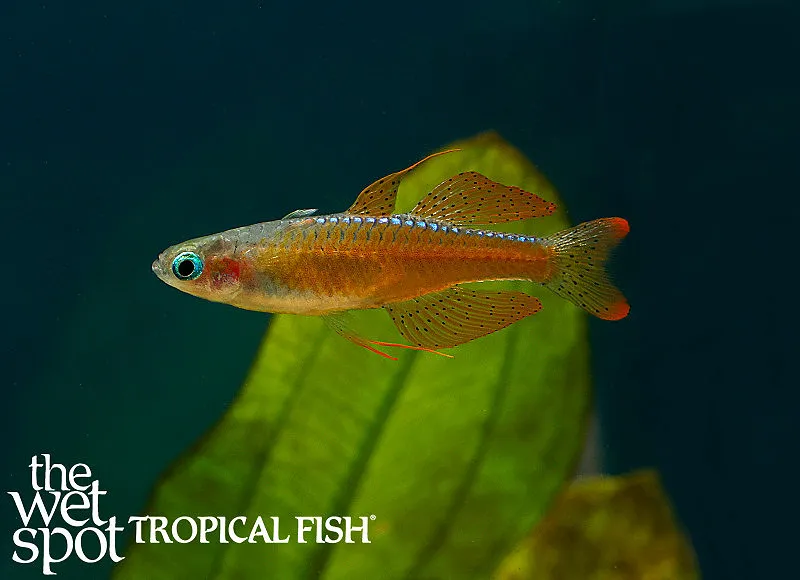
Red neon blue-eye
Pseudomugil luminatus
Freshwater1.4 in (3.5 cm) · 11 gal (40 L)72–81°F (22–27°C)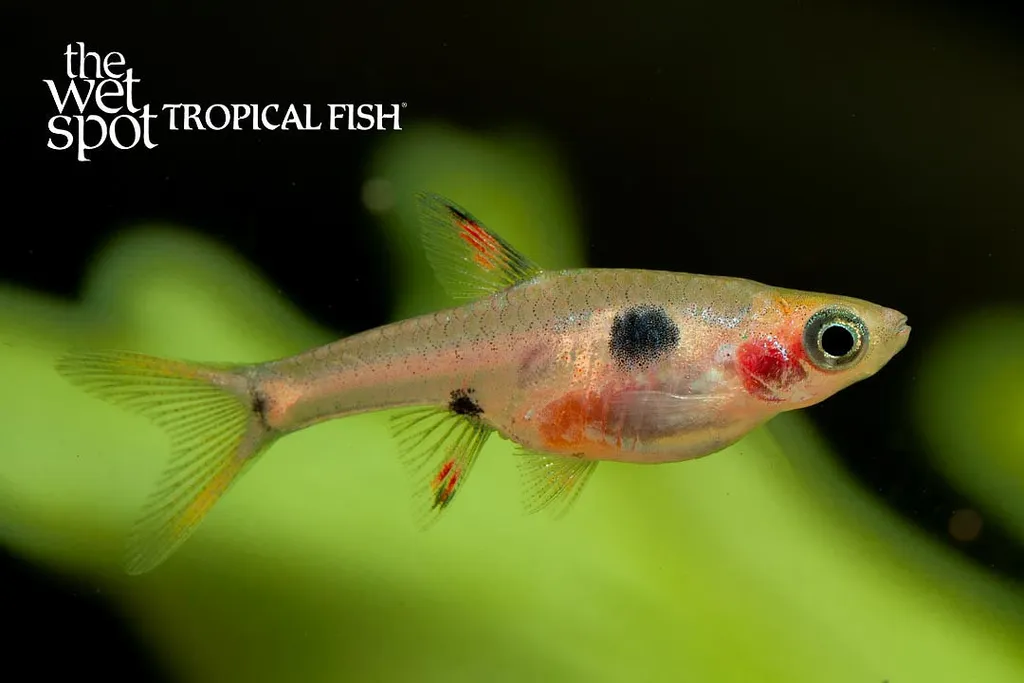
Dwarf rasbora
Boraras maculatus
Freshwater1 in (2.5 cm) · 11 gal (40 L)72–82°F (22–28°C)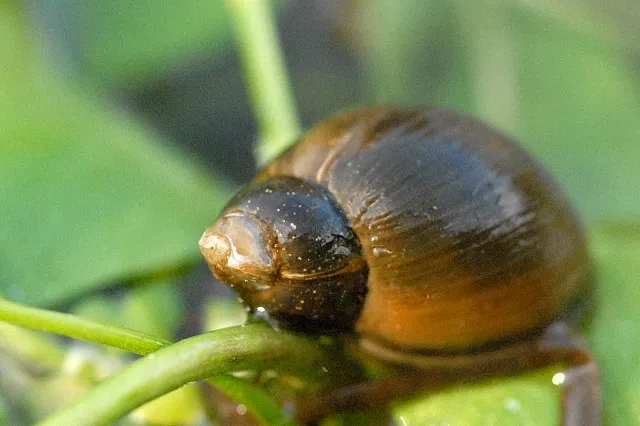
Wandering snail
Ampullaceana balthica
Freshwater0.8 in (2 cm) · 11 gal (40 L)50–84°F (10–29°C)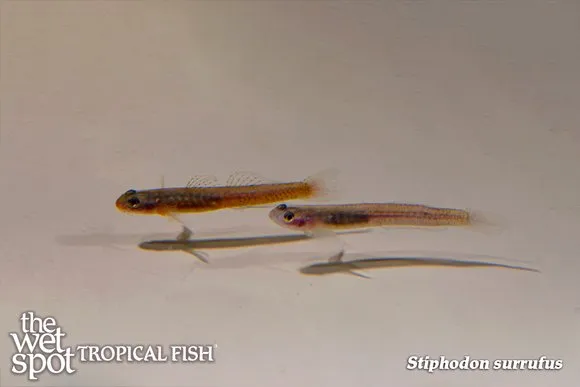
Birdsong goby
Stiphodon surrufus
Freshwater1 in (2.5 cm) · 11 gal (40 L)73–81°F (23–27°C)
Common questions
What size tank does a dwarf merry widow need?
A dwarf merry widow needs at least 11 gal (40 L). It spends most of its time in the middle.
What temperature and pH does a dwarf merry widow need?
A dwarf merry widow is comfortable at 72–81°F (22–27°C) with a pH of 6.5–7.8.
What does a dwarf merry widow eat?
A dwarf merry widow eats small foods such as crushed flake, micro pellets and baby brine shrimp. Give it some soft green matter too, since it grazes plants in the wild.
How big does a dwarf merry widow get?
An adult dwarf merry widow reaches about 1.4 in (3.5 cm).
How can you tell a male dwarf merry widow from a female?
Males are slender and smaller than the females.
How does a dwarf merry widow breed?
Dwarf merry widows are superfetating livebearers, so a female can carry several broods at different stages at once. Breeding is easy, and the main task is keeping the fry safe among plants.
Related species
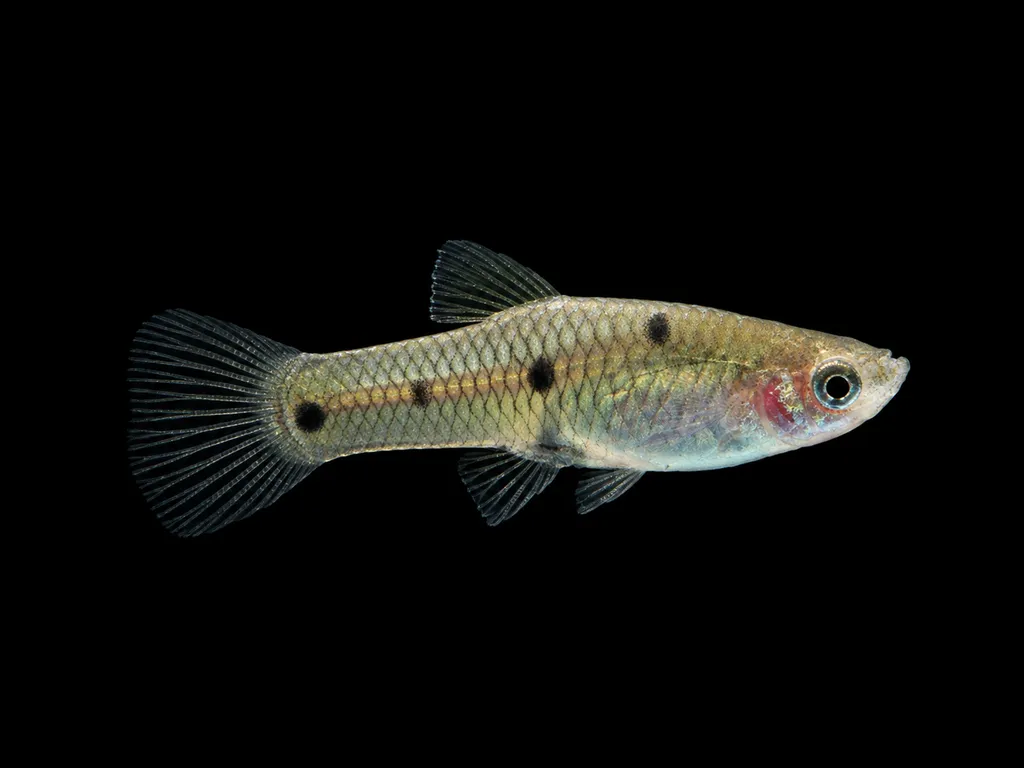 1.4 in (3.5 cm)11 gal (40 L)68–86°F (20–30°C)
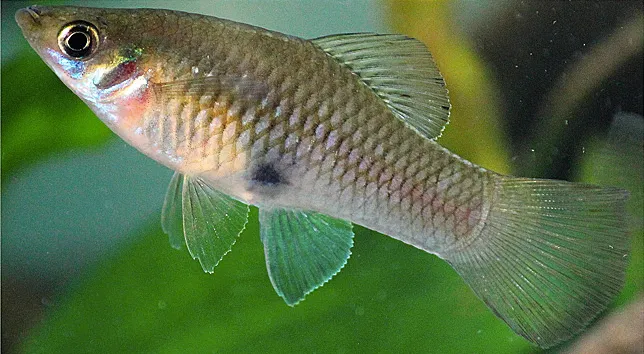
Fourspotted toothcarp
Phallichthys quadripunctatus
1.4 in (3.5 cm) · 11 gal (40 L)
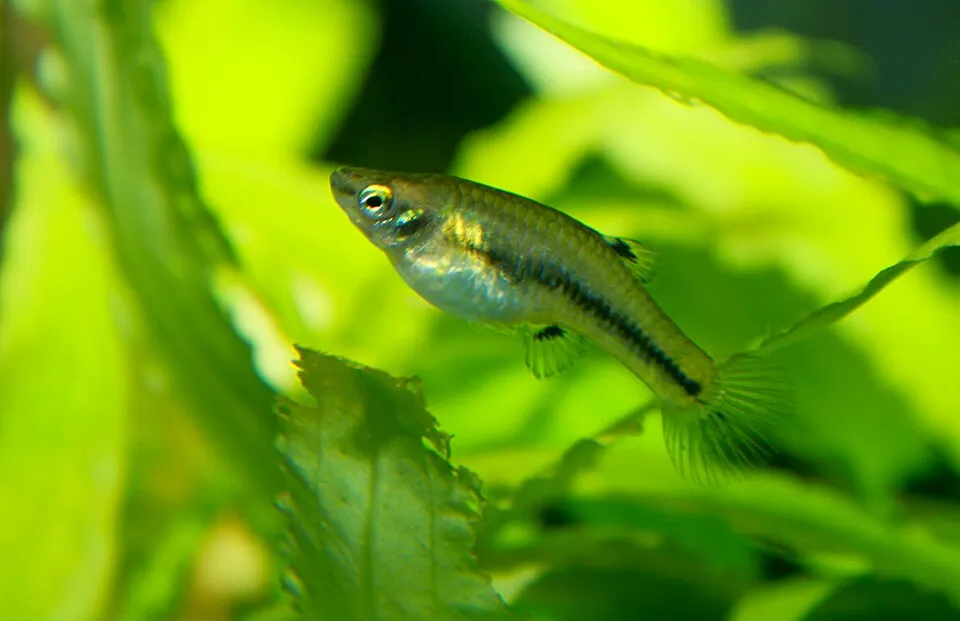
 2.5 in (6.4 cm)16 gal (60 L)72–86°F (22–30°C)
Merry widow livebearer
Phallichthys amates
2.5 in (6.4 cm) · 16 gal (60 L)
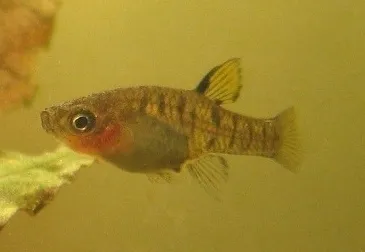
 1.4 in (3.5 cm)5 gal (20 L)68–79°F (20–26°C)
Least killifish
Heterandria formosa
1.4 in (3.5 cm) · 5 gal (20 L)
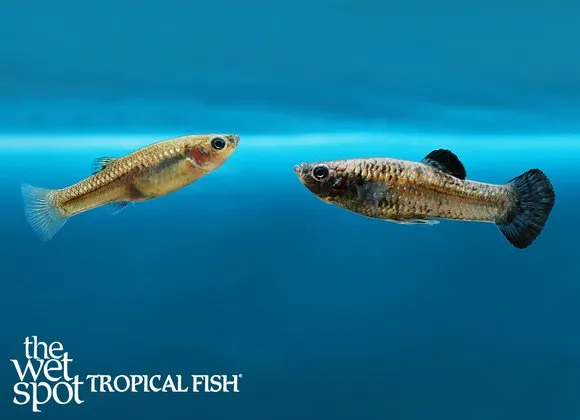
 1.3 in (3.4 cm)11 gal (40 L)72–82°F (22–28°C)
Black-barred livebearer
Quintana atrizona
1.3 in (3.4 cm) · 11 gal (40 L)
 1.6 in (4 cm)11 gal (40 L)72–81°F (22–27°C)
Dwarf molly
Poecilia chica
1.6 in (4 cm) · 11 gal (40 L)
 1.6 in (4 cm)11 gal (40 L)72–86°F (22–30°C)
Endler's livebearer
Poecilia wingei
1.6 in (4 cm) · 11 gal (40 L)