Black-barred livebearer
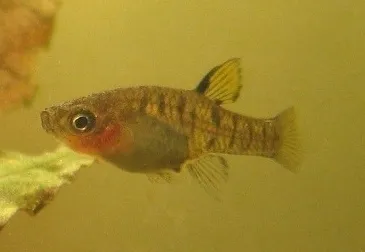
Quintana atrizona
Also known as Barred topminnow, Cuban barred livebearer
FreshwaterFish
Care at a glance
- Temperature
- 72–82°F
- 22–28°C
- pH
- 7.0–8.0
- Adult size
- 1.3 in
- 3.4 cm
- Minimum tank
- 11 gal
- 40 L
- Temperament
- Peaceful
- Social behavior
- Social
- Swim level
- Middle
- Difficulty
- Medium
- Breeding
- Livebearer · Easy
- Rarity
- Very rare
- Family
- Poeciliidae
- Origin
- Endemic to western Cuba, in heavily vegetated still and slow moving fresh waters.
Overview
The black-barred livebearer is a tiny, peaceful fish for a densely planted nano tank. It suits a keeper with a little experience.
Did you know
The black-barred livebearer was once a regular in the hobby but is now rarely seen. Keeping tank populations may matter for its survival.
Caring for the black-barred livebearer
Keep a group of black-barred livebearers in a densely planted tank of at least 11 gal (40 L), with gentle flow. Give them medium hard to hard water at 72 to 82°F (22 to 28°C) and a pH of 7.0 to 8.0.
Feed tiny foods such as crushed flake, microworms, baby brine shrimp and cyclops. The black-barred livebearer is peaceful and shy, and it is far too small for a general community. Keep it alone or with other peaceful nano fish and quiet tank mates.
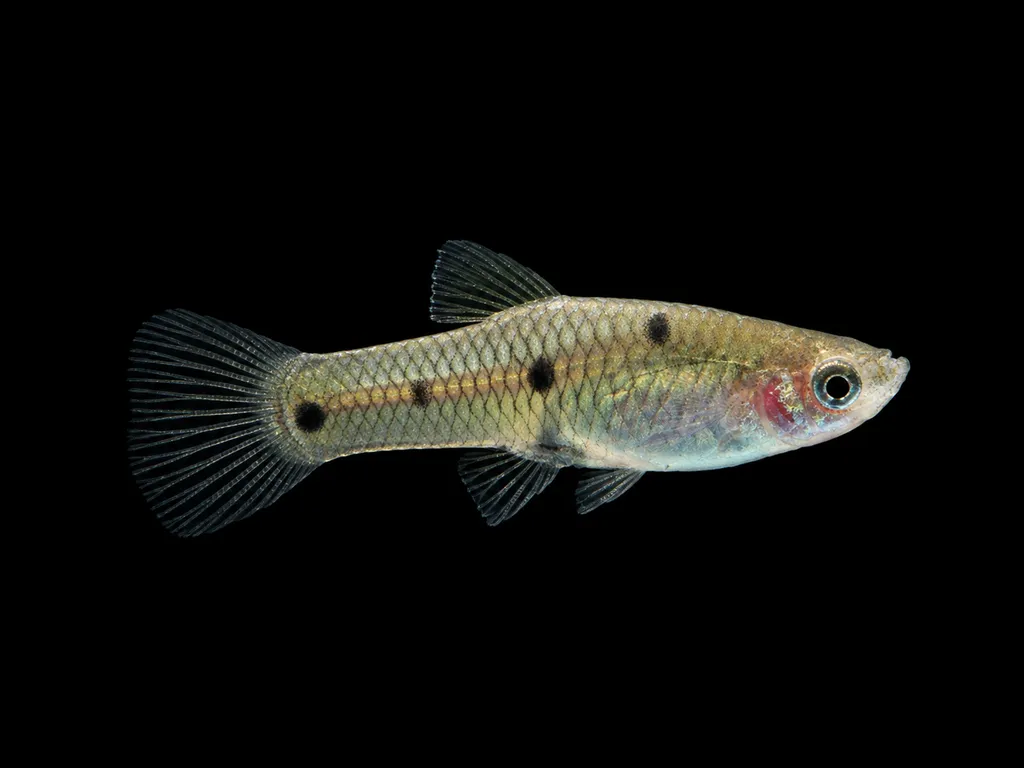
Males stay around 2 cm long, while females reach about 1.3 in (3.4 cm). This livebearer is easy to breed. Adults leave their own fry alone, so a planted species tank fills in on its own.
Good to know
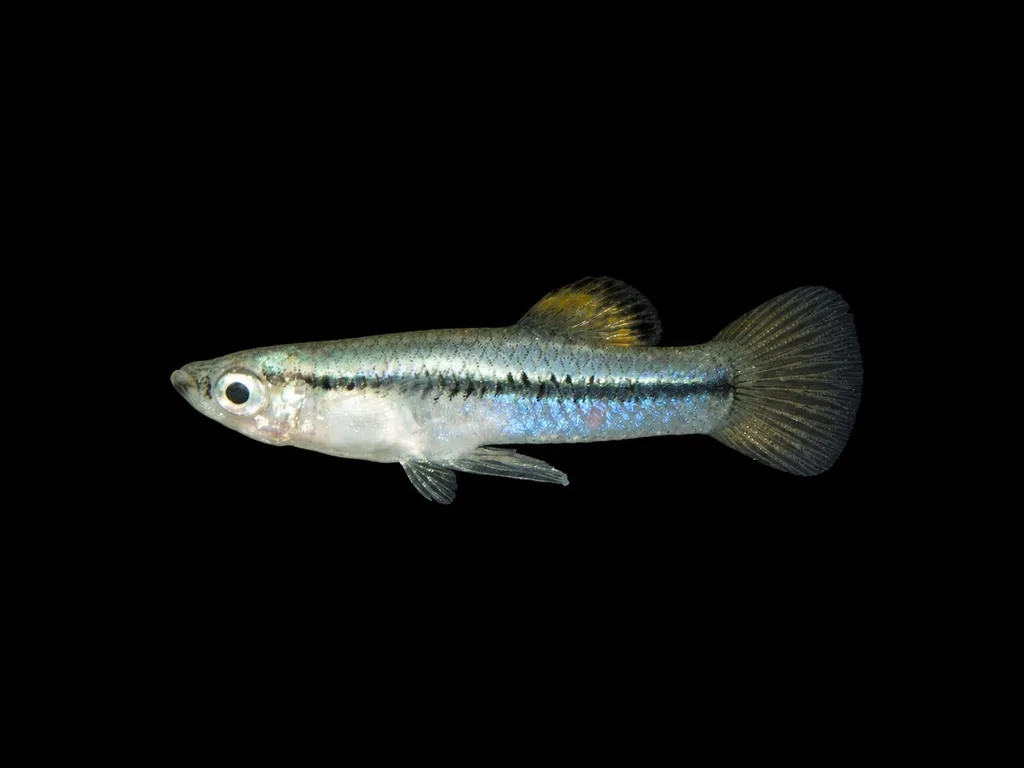
Quintana atrizona is the only species in its genus. It is critically endangered, as its Cuban wetland habitats are drained and degraded. Clean black vertical bars mark its pale body. Other names for it are the barred topminnow and the Cuban barred livebearer.
In the wild
The black-barred livebearer is endemic to western Cuba, where it lives in heavily vegetated still and slow-moving fresh waters. It moves in small groups among the plants.
Weekly picks
Tank mates
The black-barred livebearer is a peaceful, social species that keeps to the middle. These picks share a community profile with it, are safe together in both directions, and overlap on water type, temperature and pH.
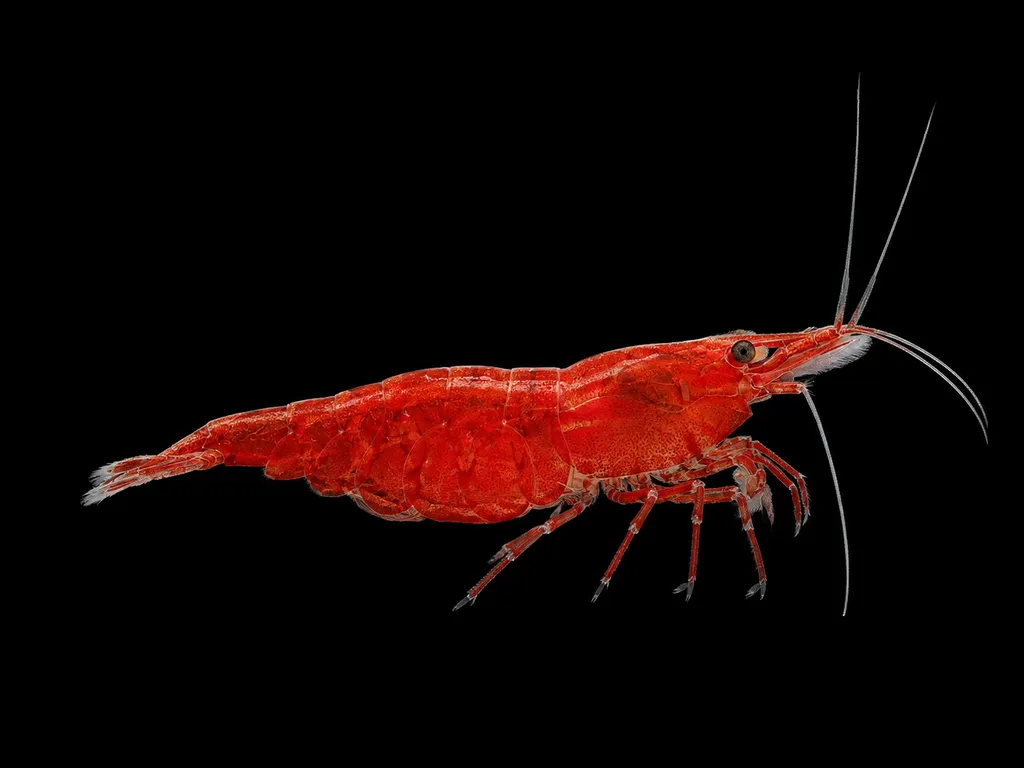
Neocaridina shrimp
Neocaridina davidi
Freshwater1.6 in (4 cm) · 5 gal (19 L)59–84°F (15–29°C)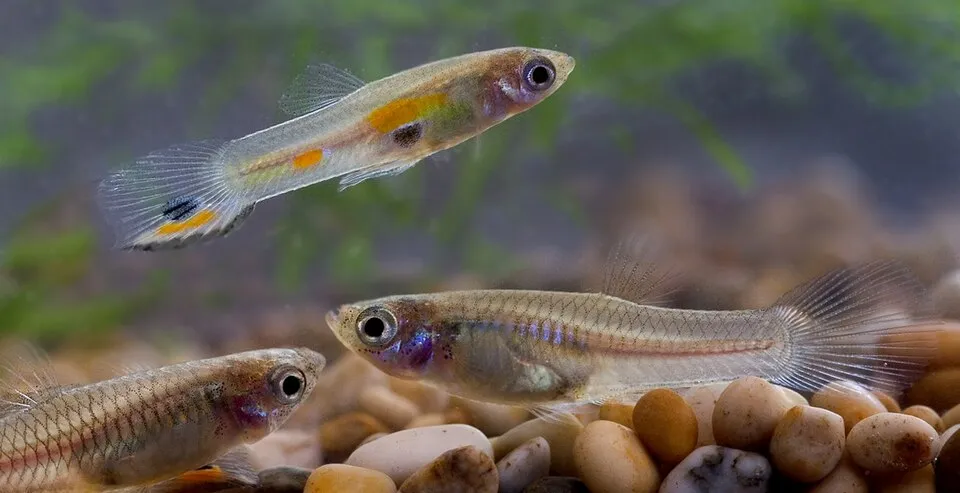
Guppy
Poecilia reticulata
FreshwaterBrackish2.4 in (6 cm) · 10 gal (38 L)64–82°F (18–28°C)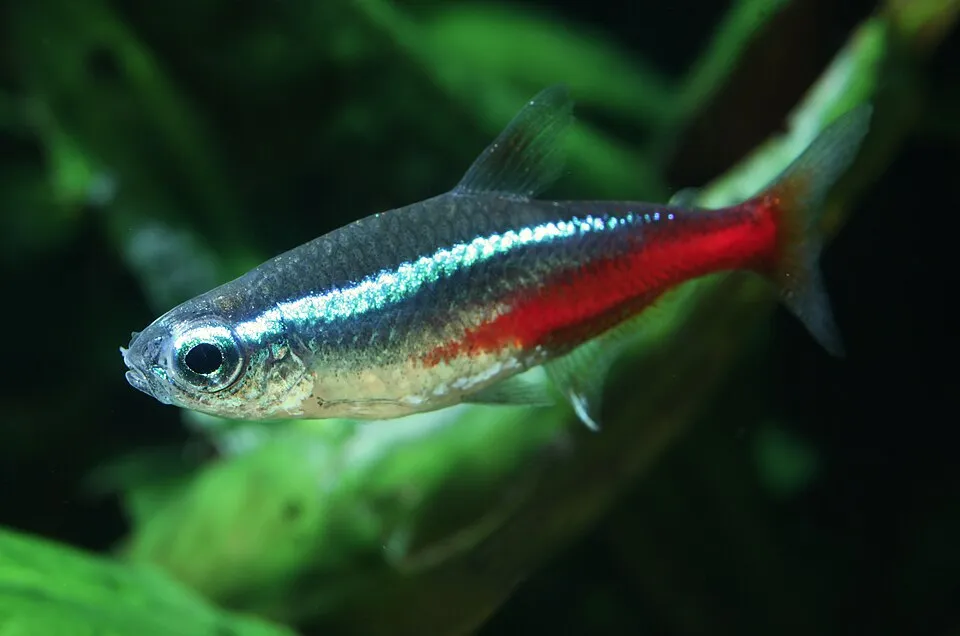
Neon tetra
Paracheirodon innesi
Freshwater1.5 in (3.8 cm) · 11 gal (40 L)70–77°F (21–25°C)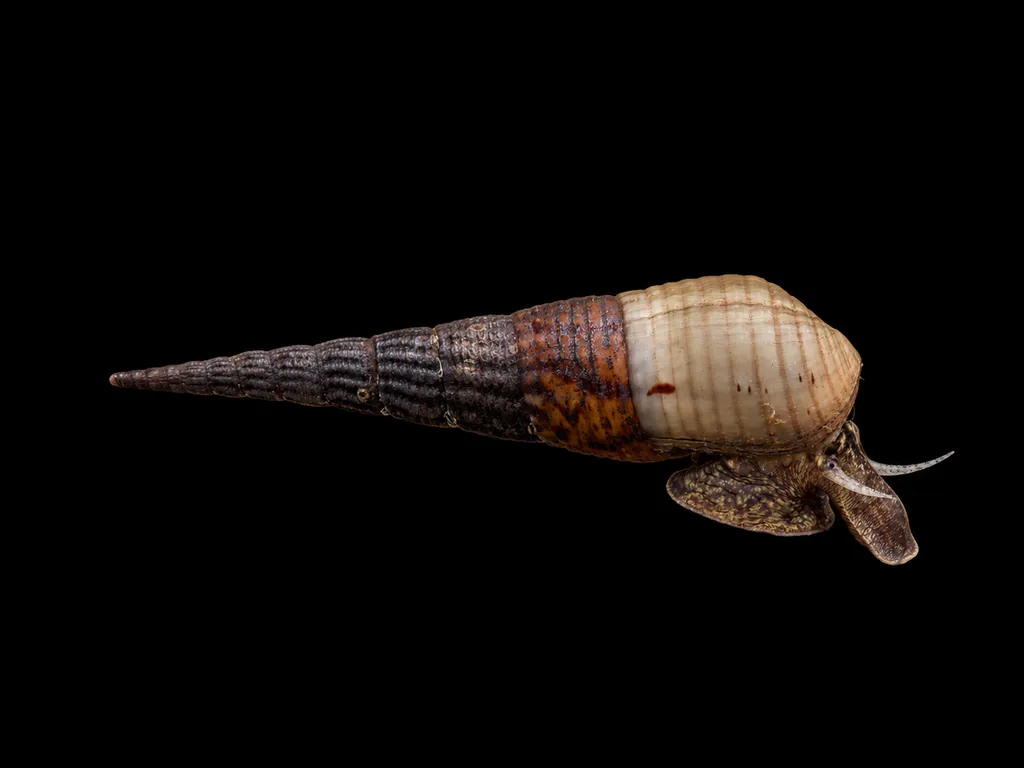
Chopstick snail
Stenomelania torulosa
Freshwater2 in (5 cm) · 11 gal (40 L)73–82°F (23–28°C)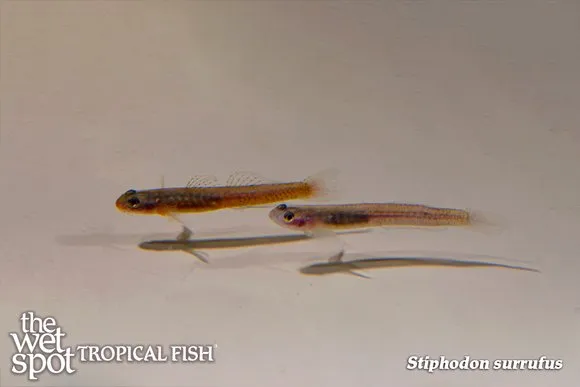
Birdsong goby
Stiphodon surrufus
Freshwater1 in (2.5 cm) · 11 gal (40 L)73–81°F (23–27°C)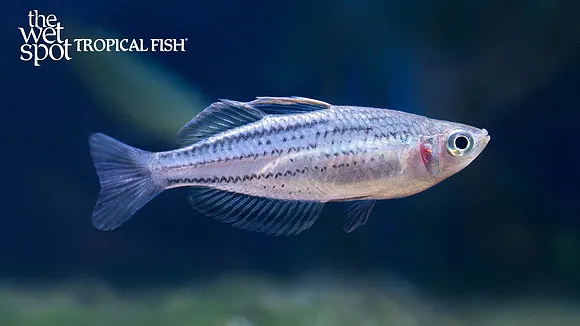
Green panchax
Aplocheilus blockii
Freshwater2 in (5 cm) · 11 gal (40 L)72–82°F (22–28°C)
Common questions
What size tank does a black-barred livebearer need?
A black-barred livebearer needs at least 11 gal (40 L). It spends most of its time in the middle.
What temperature and pH does a black-barred livebearer need?
A black-barred livebearer is comfortable at 72–82°F (22–28°C) with a pH of 7.0–8.0.
What does a black-barred livebearer eat?
A black-barred livebearer eats tiny foods such as crushed flake, microworms, baby brine shrimp and cyclops.
How big does a black-barred livebearer get?
An adult black-barred livebearer reaches about 1.3 in (3.4 cm).
How can you tell a male black-barred livebearer from a female?
Males stay around 2 cm long, while females reach about 1.3 in (3.4 cm).
How does a black-barred livebearer breed?
A black-barred livebearer is a livebearer and easy to breed. Adults leave their own fry alone, so a planted species tank fills in on its own.
Related species
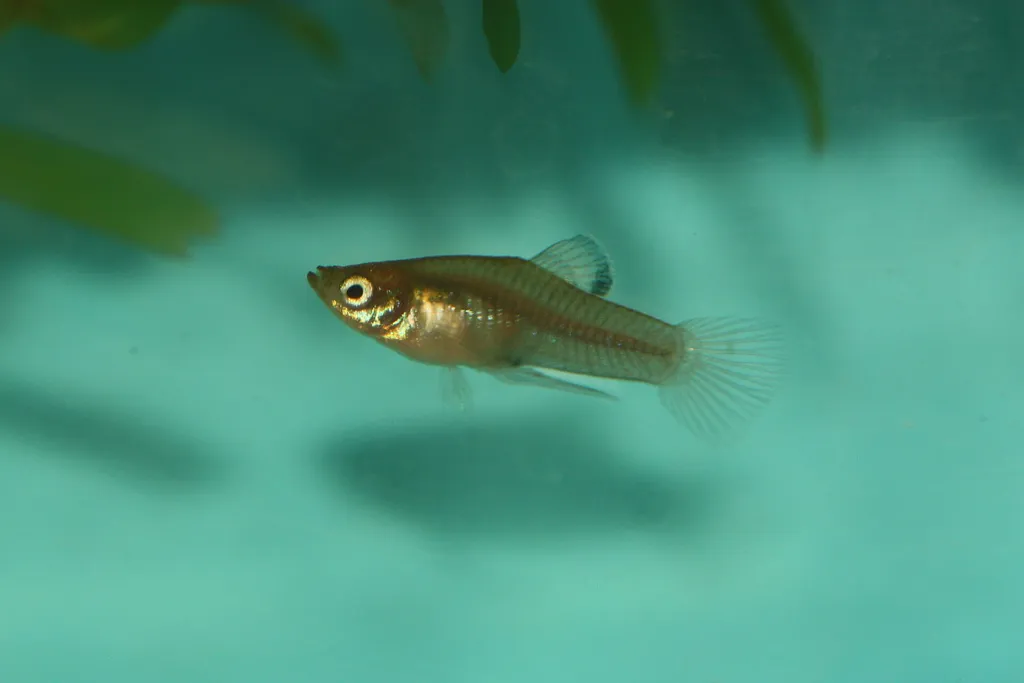 1.4 in (3.5 cm)11 gal (40 L)72–81°F (22–27°C)
Dwarf merry widow
Phallichthys tico
1.4 in (3.5 cm) · 11 gal (40 L)
 1.4 in (3.5 cm)11 gal (40 L)68–86°F (20–30°C)
Fourspotted toothcarp
Phallichthys quadripunctatus
1.4 in (3.5 cm) · 11 gal (40 L)
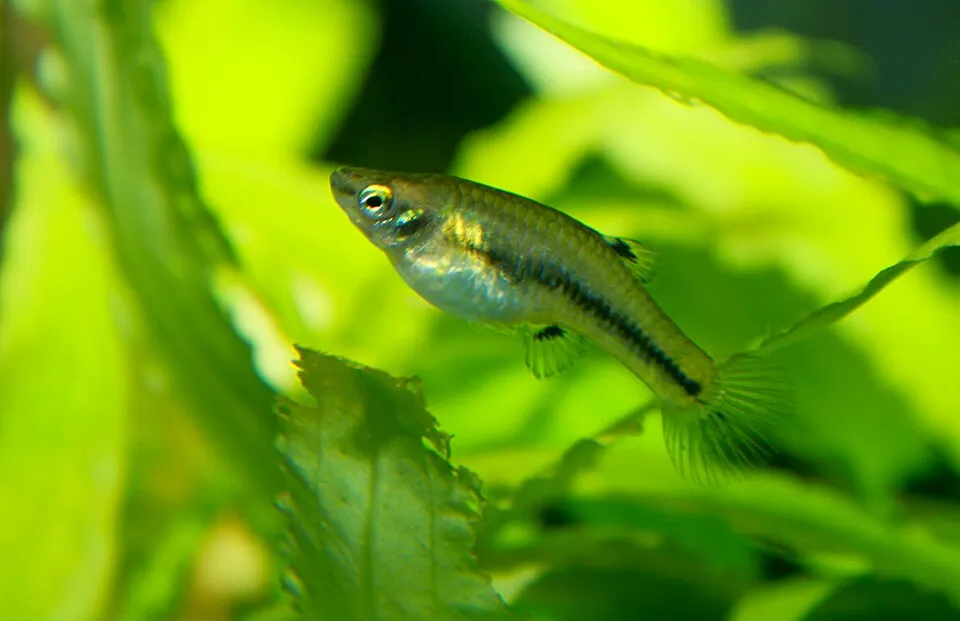 1.4 in (3.5 cm)5 gal (20 L)68–79°F (20–26°C)
Least killifish
Heterandria formosa
1.4 in (3.5 cm) · 5 gal (20 L)
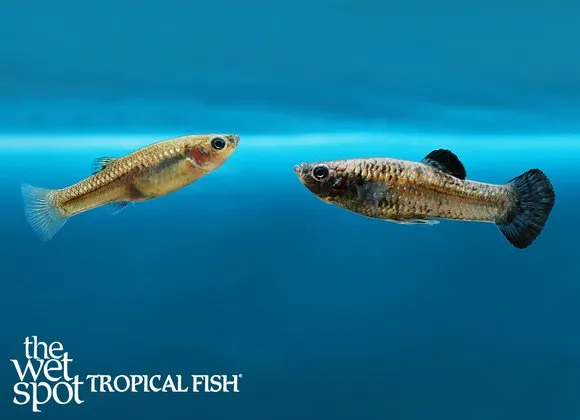 1.6 in (4 cm)11 gal (40 L)72–81°F (22–27°C)
Dwarf molly
Poecilia chica
1.6 in (4 cm) · 11 gal (40 L)
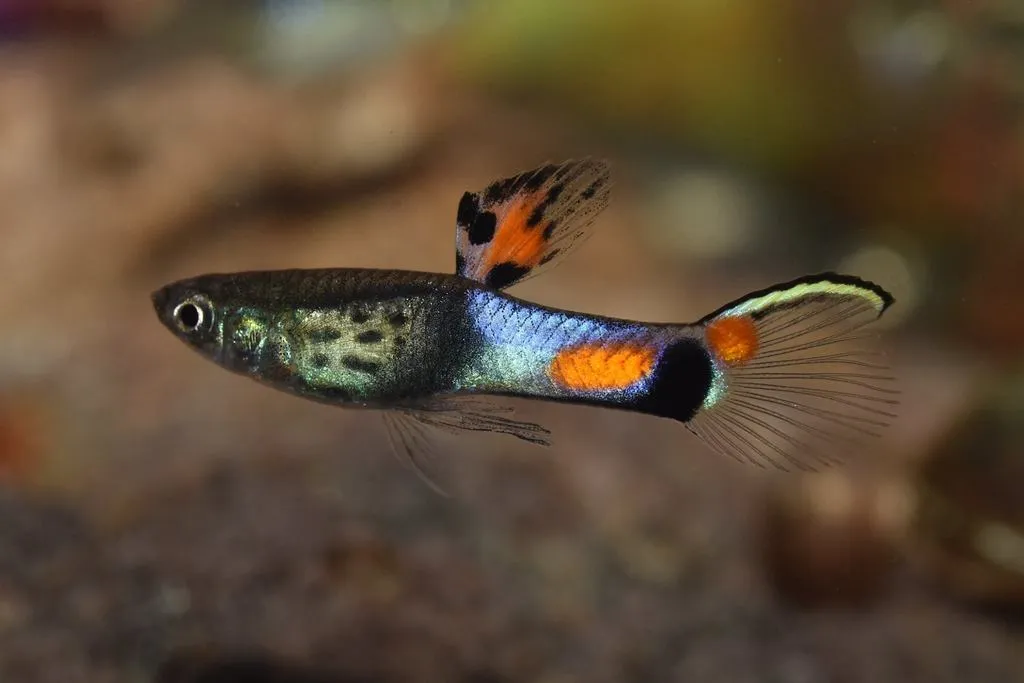 1.6 in (4 cm)10 gal (38 L)72–86°F (22–30°C)
Endler's livebearer
Poecilia wingei
1.6 in (4 cm) · 10 gal (38 L)
 1.8 in (4.5 cm)14 gal (54 L)72–81°F (22–27°C)
Blackline mosquitofish
Gambusia vittata
1.8 in (4.5 cm) · 14 gal (54 L)