Virgin nerite
Vitta virginea
Also known as Olive nerite, Virgin nerite snail
FreshwaterBrackishSnail
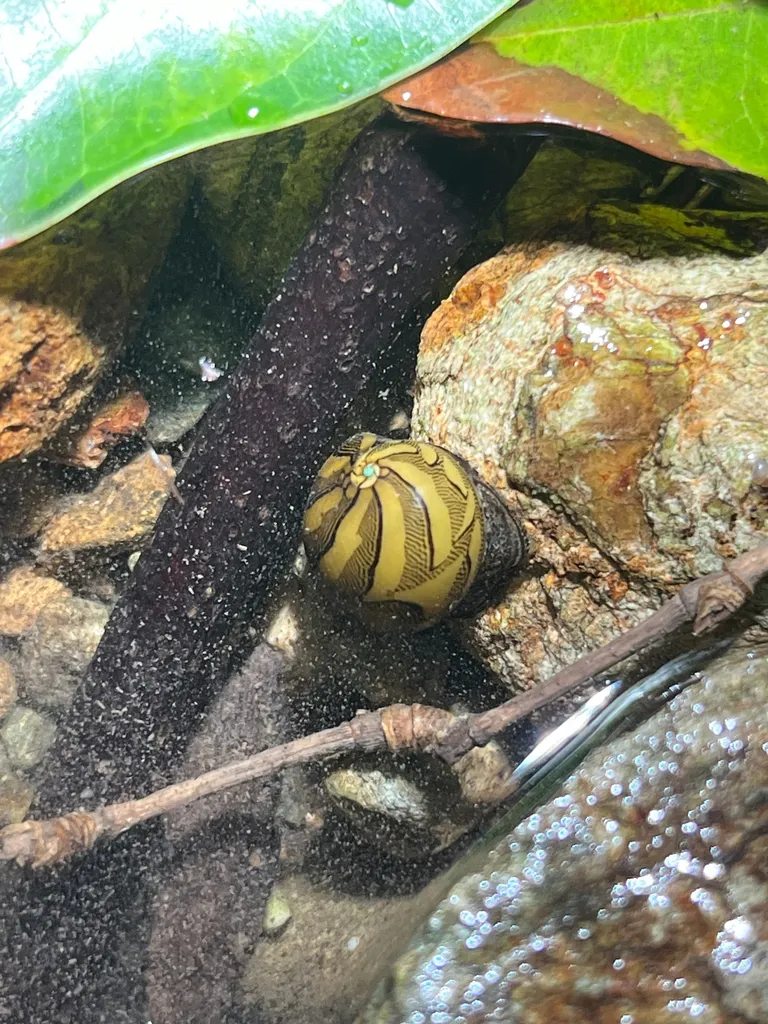
Care at a glance
- Temperature
- 72–79°F
- 22–26°C
- pH
- 7.5–8.5
- Adult size
- 0.8 in
- 2 cm
- Minimum tank
- 5 gal
- 20 L
- Temperament
- Peaceful
- Social behavior
- Solitary
- Swim level
- Bottom
- Difficulty
- Easy
- Breeding
- Hard
- Rarity
- Common
- Family
- Neritidae
- Origin
- Western Atlantic and Caribbean estuaries
Overview
Keep them on their own and stock by how much algae the tank grows rather than as a group, since they are solitary grazers and will starve a clean tank. They are peaceful bottom dwellers that work over glass, rock, and substrate all day. Give them hard alkaline water from pH 7.5 to 8.5 and a temperature of 22 to 26 C in a tank of 20 liters or more. If the algae runs out, drop in algae wafers or blanched vegetables like zucchini or spinach. Use a lid, because they climb the glass and will crawl out of an open tank.
In the wild
Virgin nerites come from estuaries along the Western Atlantic and Caribbean coasts, where they graze algae off rock, glass, and substrate in hard, mineral-rich water. To match that, keep them in a tank of at least 20 liters with hard, alkaline water and a pH from 7.5 to 8.5, since the calcium keeps their shell solid. Run the temperature between 22 and 26 C. In soft, acidic water the shell pits and erodes, so check your hardness before adding them.
Good to know
This is a small snail in the family Neritidae, staying around 2 cm as an adult. Breeding is hard in the home tank because the larvae need brackish water to develop, so it will not breed in fresh water and cannot overpopulate. Most stock in the trade is wild collected. With good water it lives a couple of years.
Did you know
This snail cannot breed in a freshwater tank no matter how settled it is. The females will lay small white egg capsules on hard surfaces, but the larvae need brackish water to hatch and grow, so the eggs simply sit there and never produce young.
Weekly picks
Tank mates
Virgin nerite is a peaceful, solitary species that keeps to the bottom. These picks share a community profile with it, are safe together in both directions, and overlap on water type, temperature and pH.
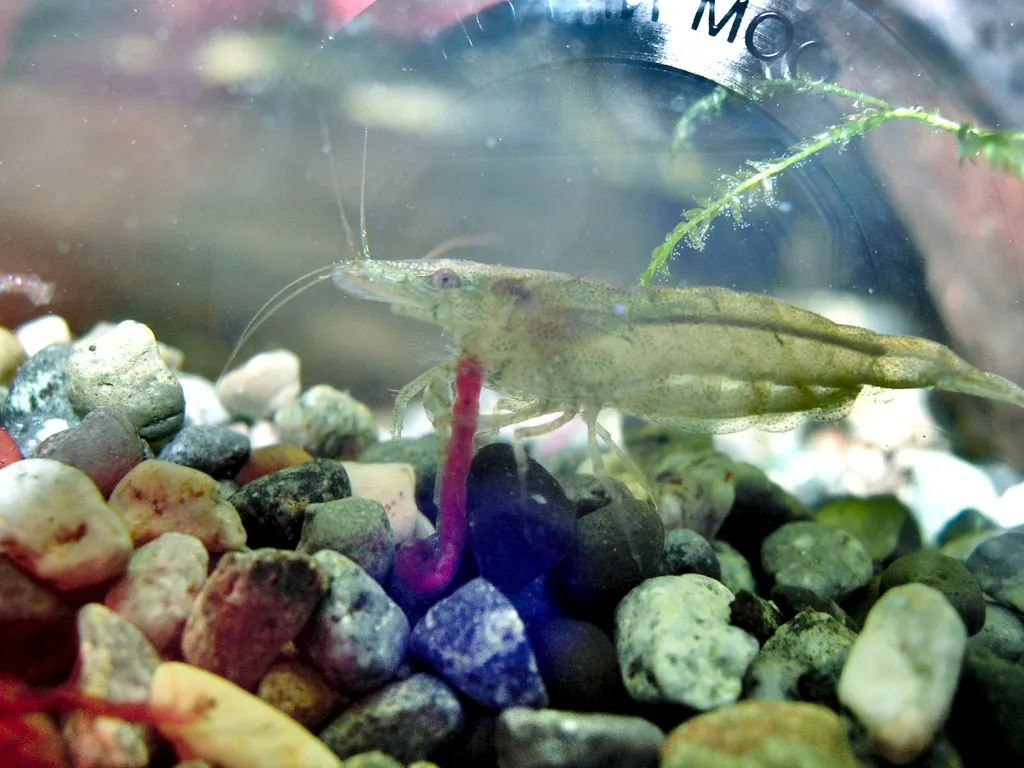
Okinawa cleaner shrimp
Neocaridina denticulata
Freshwater1.2 in (3 cm) · 5 gal (20 L)64–79°F (18–26°C)
Mango loach
Physoschistura mango
Freshwater1 in (2.5 cm) · 11 gal (40 L)68–77°F (20–25°C)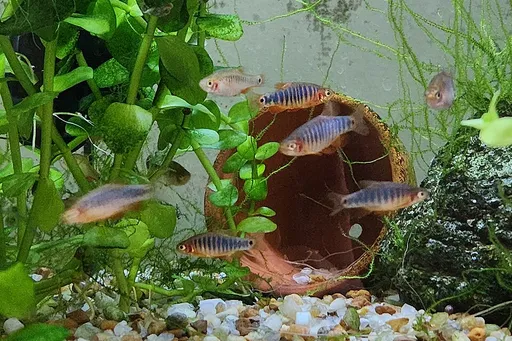
Emerald dwarf rasbora
Danio erythromicron
Freshwater0.8 in (2 cm) · 11 gal (40 L)68–75°F (20–24°C)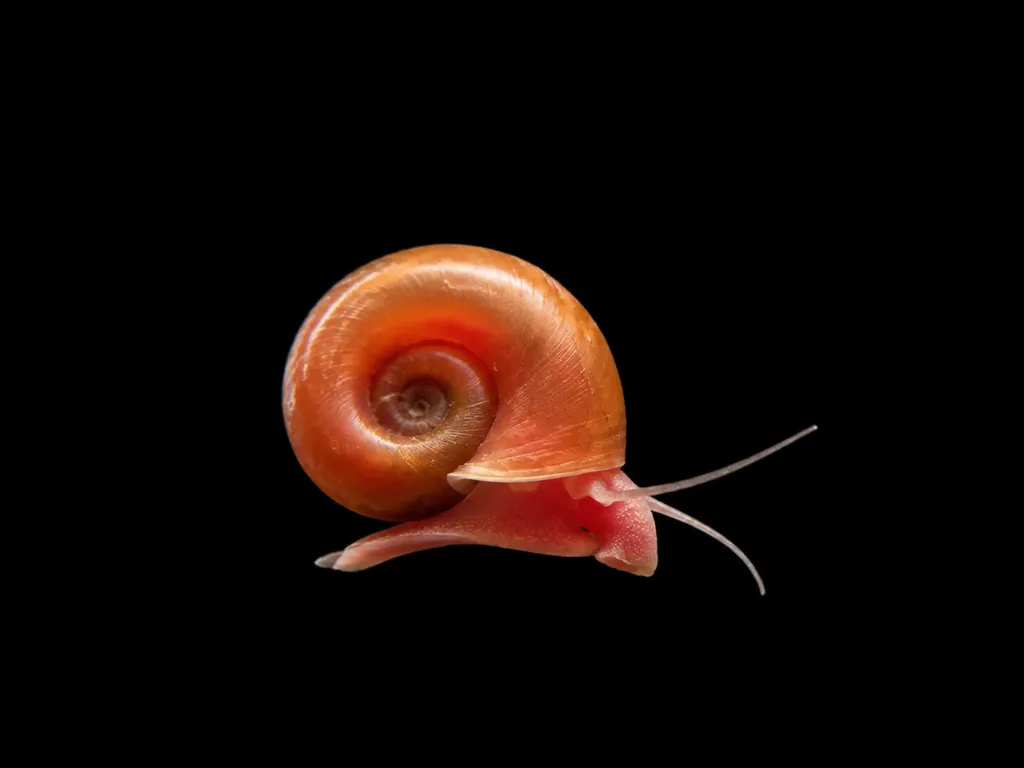
Red ramshorn snail
Indoplanorbis exustus
Freshwater0.8 in (2 cm) · 5 gal (20 L)68–86°F (20–30°C)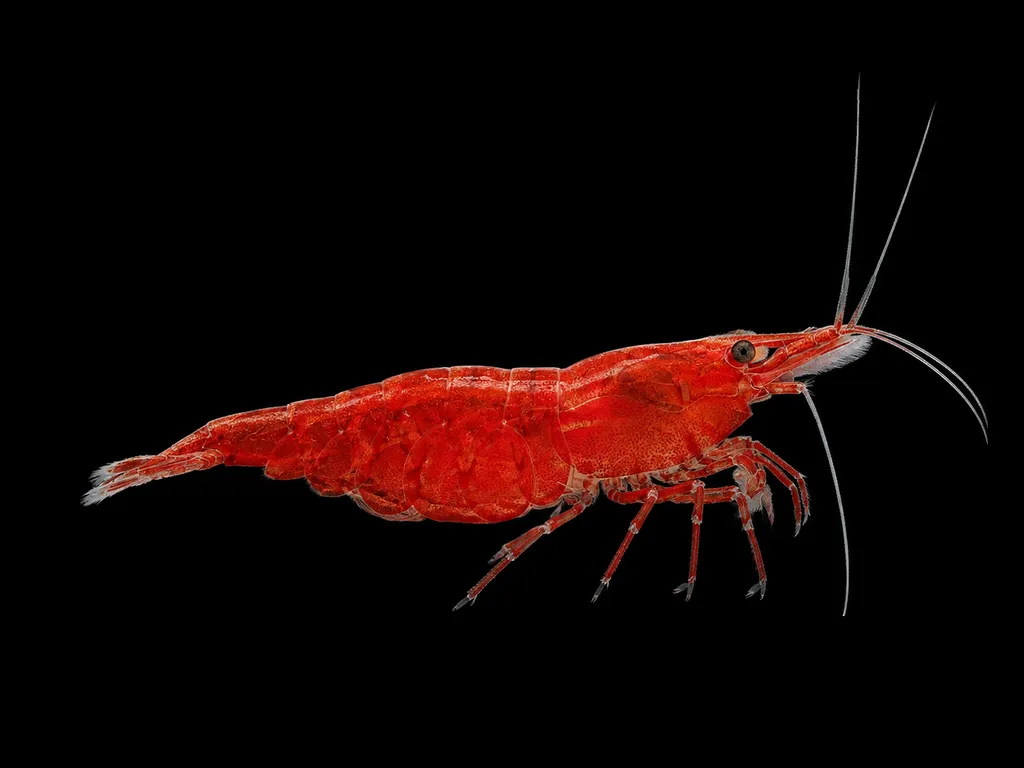
Neocaridina shrimp
Neocaridina davidi
Freshwater1.6 in (4 cm) · 5 gal (20 L)59–84°F (15–29°C)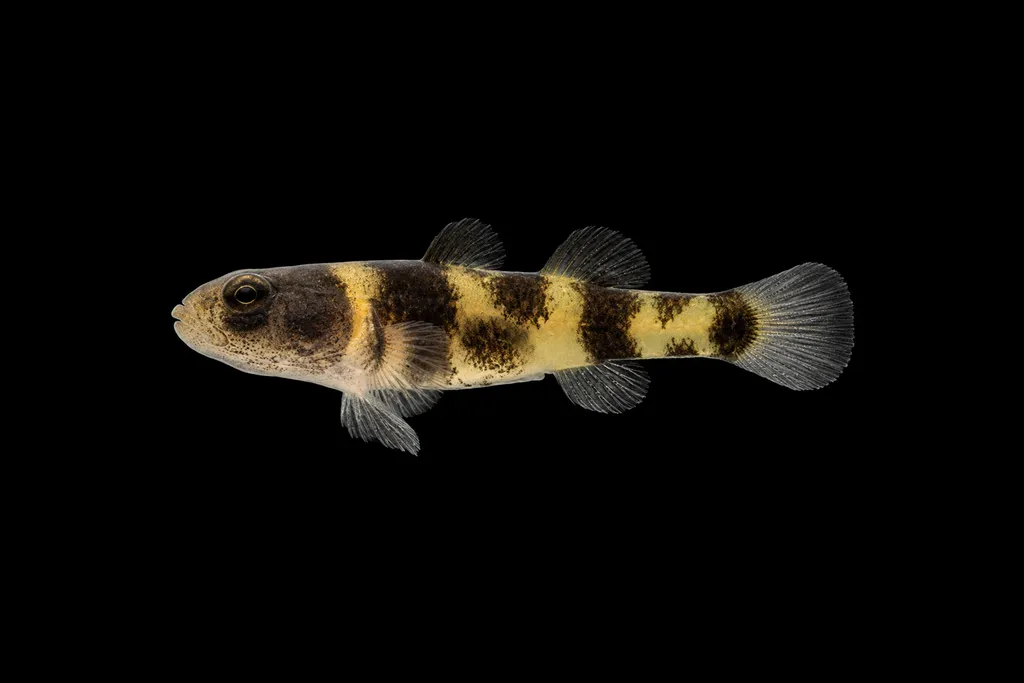
Freshwater bumblebee goby
Brachygobius aggregatus
Freshwater1.6 in (4 cm) · 11 gal (40 L)75–82°F (24–28°C)
Common questions
What size tank does a Virgin nerite need?
A Virgin nerite needs at least 5 gal (20 L). It spends most of its time in the bottom.
What temperature and pH does a Virgin nerite need?
A Virgin nerite is comfortable at 72–79°F (22–26°C) with a pH of 7.5–8.5.
How big does a Virgin nerite get?
An adult Virgin nerite reaches about 0.8 in (2 cm).
Related species
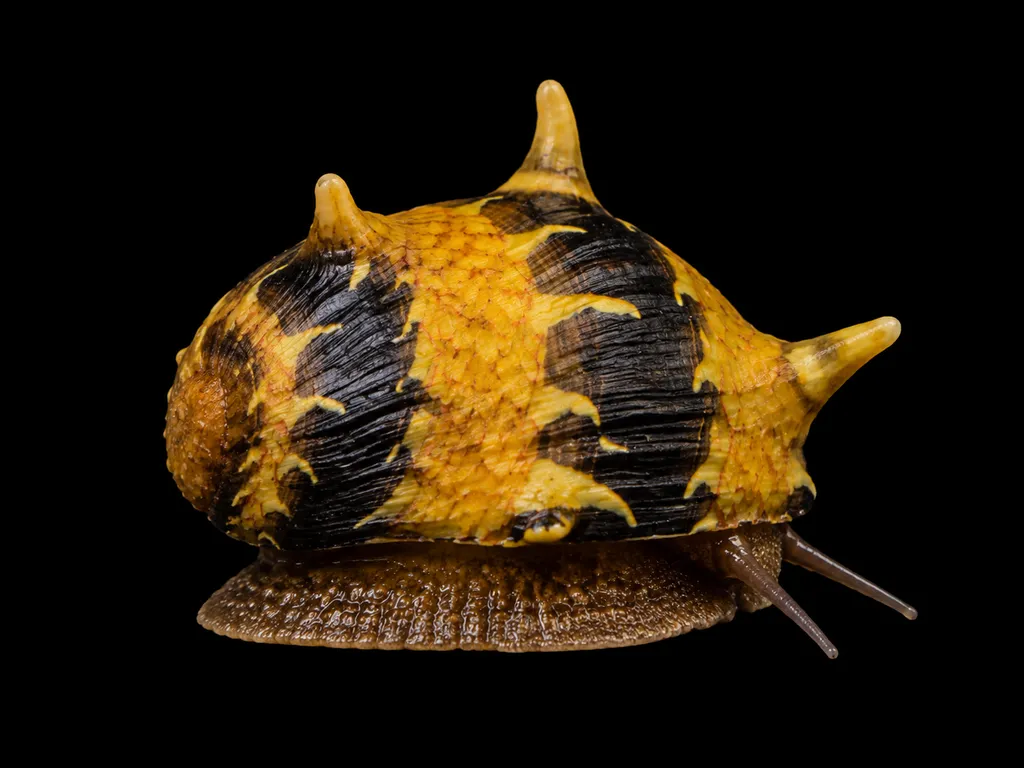 0.8 in (2 cm)5 gal (19 L)72–82°F (22–28°C)
Fancy antler snail
Clithon sowerianum
0.8 in (2 cm) · 5 gal (19 L)
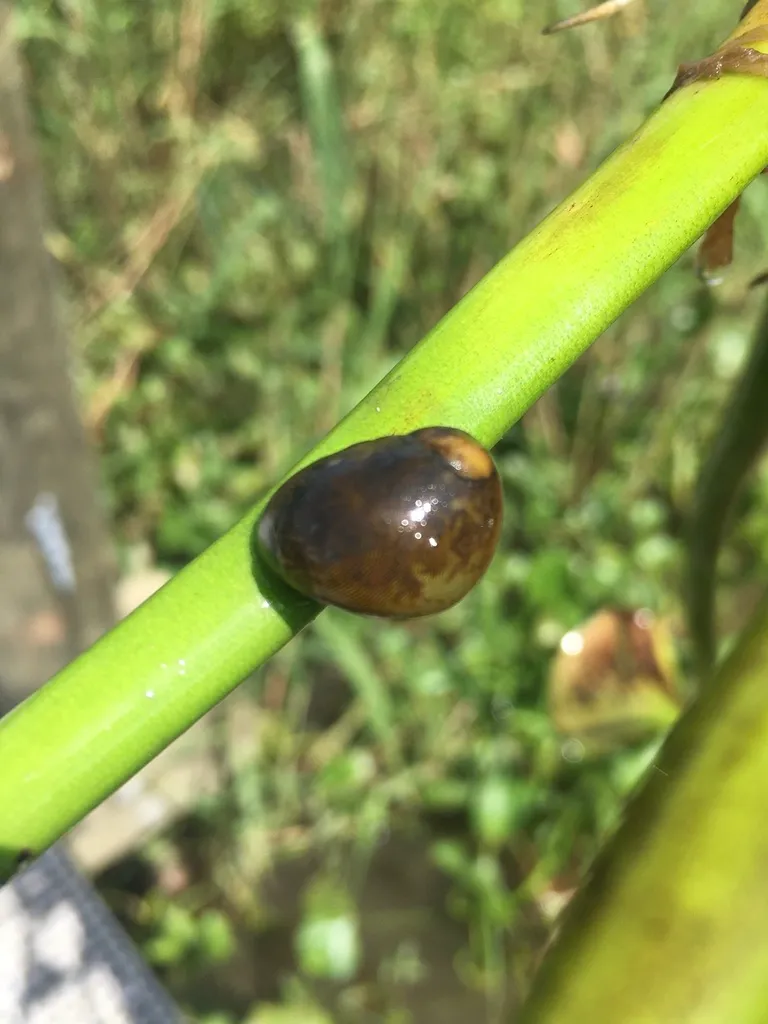 0.8 in (2 cm)5 gal (20 L)72–82°F (22–28°C)
Olive nerite
Vittina usnea
0.8 in (2 cm) · 5 gal (20 L)
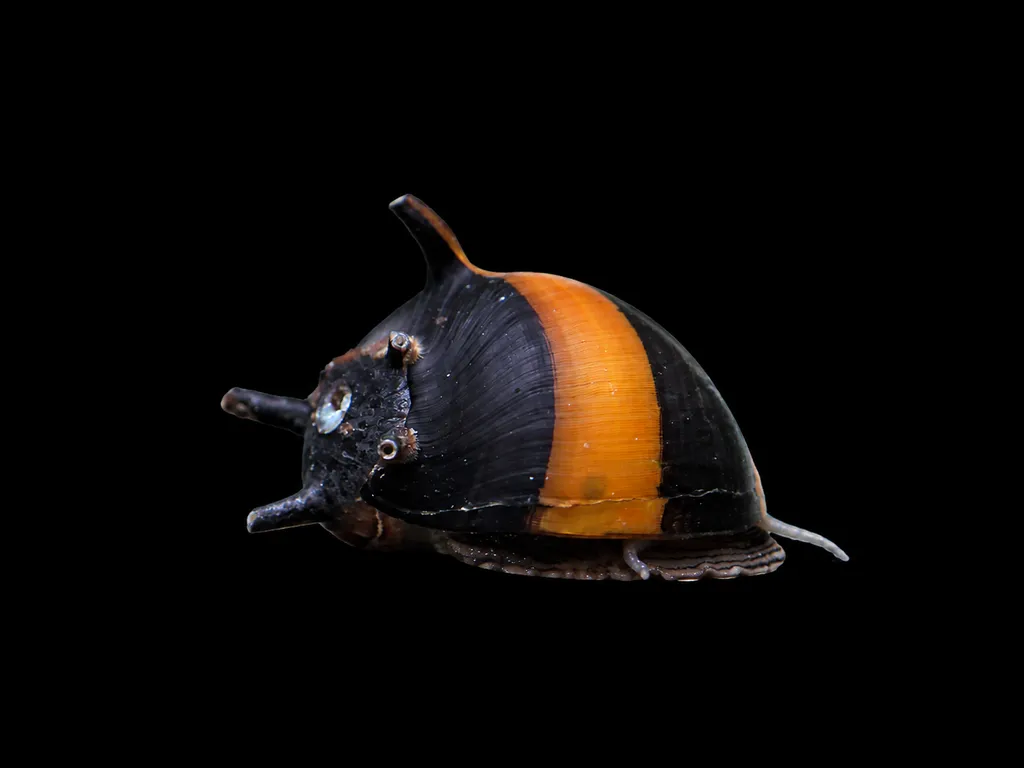 0.8 in (2 cm)5 gal (19 L)72–82°F (22–28°C)
Three-color thorn snail
Clithon sowerbyana
0.8 in (2 cm) · 5 gal (19 L)
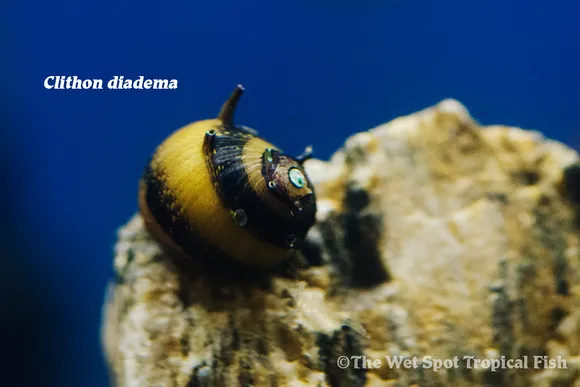 0.8 in (2 cm)5 gal (19 L)72–82°F (22–28°C)
Zebra thorn snail
Clithon diadema
0.8 in (2 cm) · 5 gal (19 L)
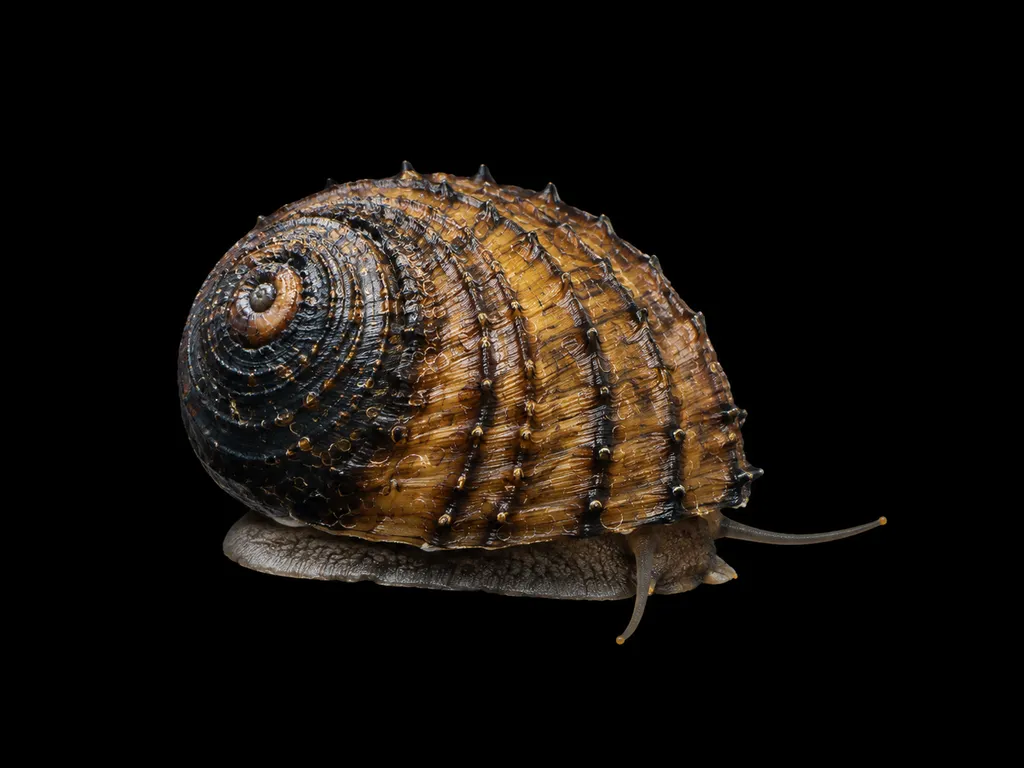 1 in (2.5 cm)5 gal (20 L)72–82°F (22–28°C)
King Koopa nerite
Neritina juttingae
1 in (2.5 cm) · 5 gal (20 L)
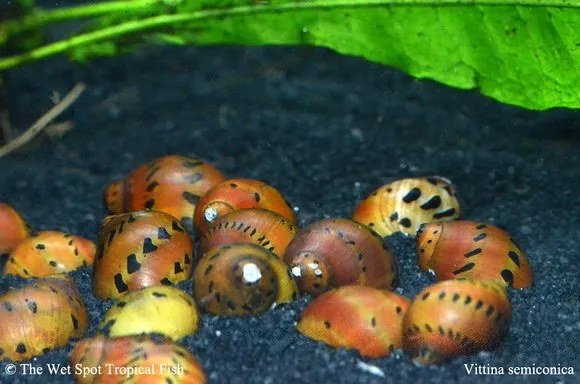 1 in (2.5 cm)5 gal (19 L)72–82°F (22–28°C)
Red onion snail
Vittina semiconica
1 in (2.5 cm) · 5 gal (19 L)