X-ray tetra
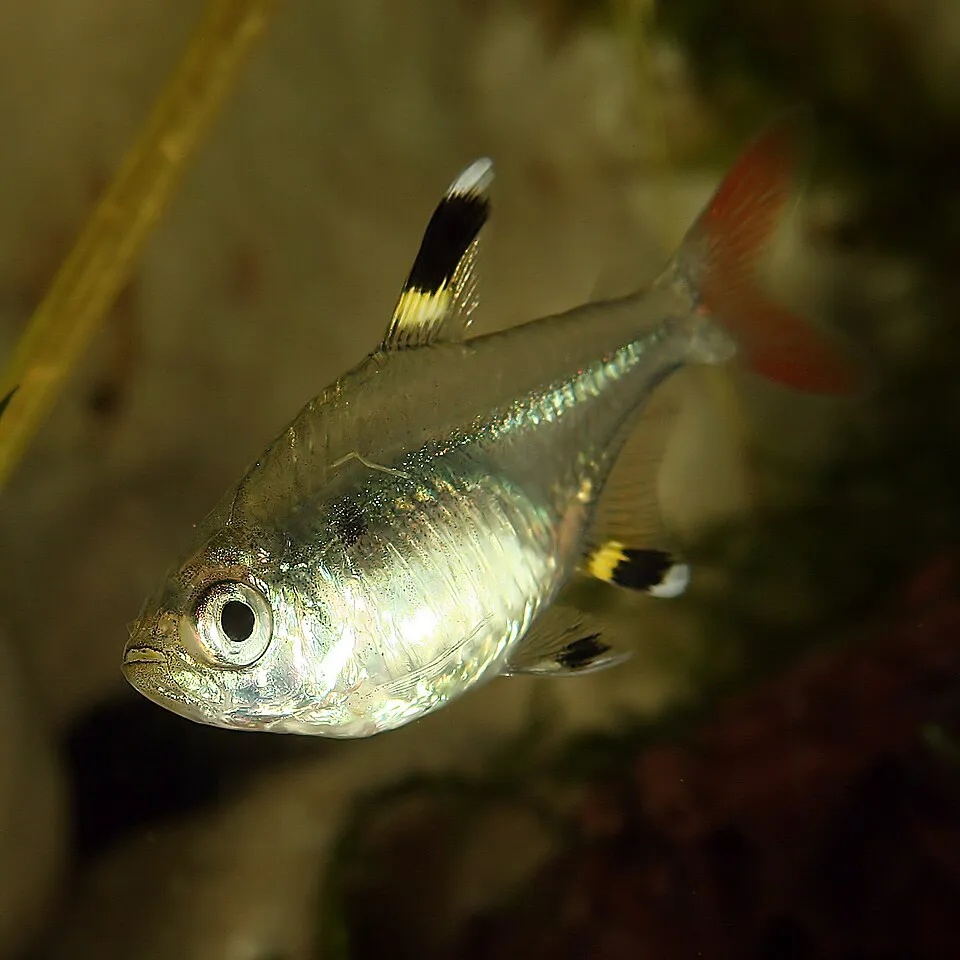
Pristella maxillaris
Also known as pristella tetra
FreshwaterFish
Care at a glance
- Temperature
- 72–82°F
- 22–28°C
- pH
- 6.0–8.0
- Adult size
- 1.8 in
- 4.5 cm
- Minimum tank
- 18 gal
- 70 L
- Temperament
- Peaceful
- Social behavior
- Schooling
- Swim level
- Middle
- Difficulty
- Easy
- Breeding
- Hard
- Rarity
- Very common
- Family
- Characidae
- Origin
- Venezuela, The Guianas
Overview
Keep a school of at least six to settle them and reduce nipping. They are active swimmers that stay mostly in the middle of the tank. They are not fussy eaters, taking flake, micro pellets, and frozen foods like bloodworms and brine shrimp. Around 70 liters suits a group, and a planted tank with some open water shows them off and keeps them comfortable.
In the wild
The X-ray tetra lives in coastal rivers and streams across Venezuela and the Guianas, including waters that turn brackish near the sea. That tolerance for a range of conditions makes it adaptable in the tank. Soft to moderately hard water with a pH from about 6 to 8 works, kept in the mid 20s C, with some plants and open swimming space.
Good to know
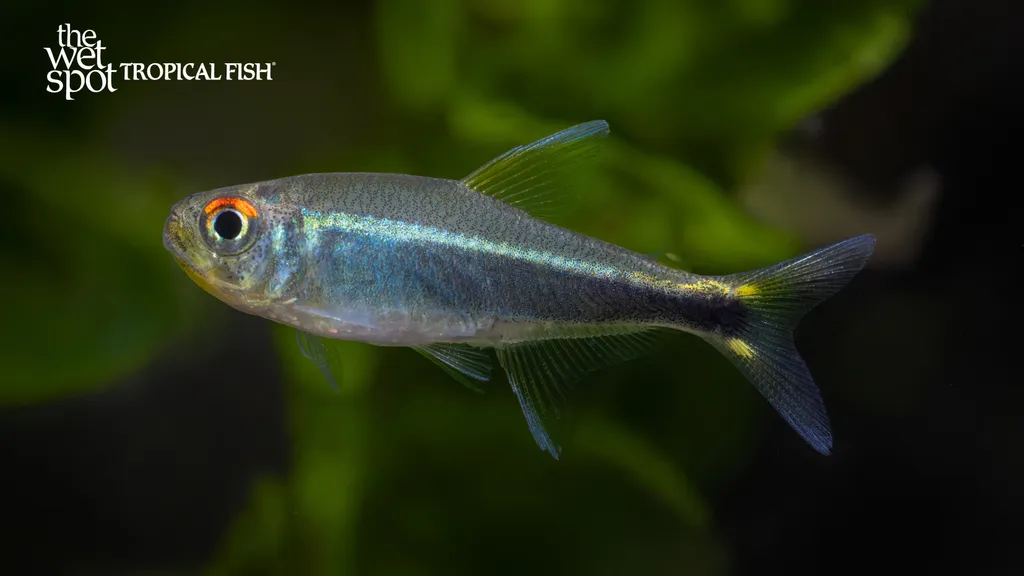
It is a small characin in the family Characidae, reaching about 4.5 cm. The body is see-through, so you can make out the backbone and the swim bladder, which is where the name comes from. It is an egg scatterer with no parental care, and spawning it is on the harder side. Unusually for a tetra, it handles slightly brackish water, reflecting its coastal range.
Did you know
Its standout feature is built-in armor against sound rather than just the clear body. X-ray tetras have a chain of small bones, the Weberian apparatus, linking the swim bladder to the inner ear. This gives them sharp hearing and helps the whole school react together to nearby movement or noise.
Weekly picks
Tank mates
X-ray tetra is a peaceful, schooling species that keeps to the middle. These picks share a community profile with it, are safe together in both directions, and overlap on water type, temperature and pH.
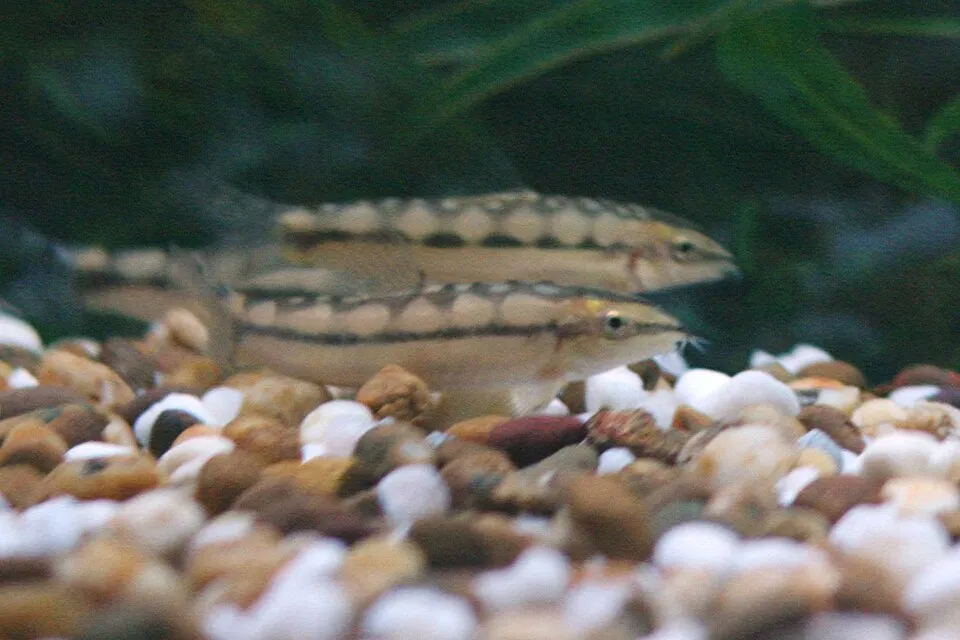
Dwarf botia
Ambastaia sidthimunki
Freshwater2.4 in (6 cm) · 20 gal (75 L)68–86°F (20–30°C)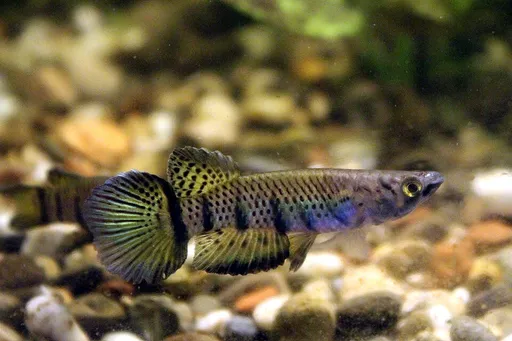
Six-barred panchax
Epiplatys sexfasciatus
Freshwater3.9 in (10 cm) · 20 gal (75 L)72–81°F (22–27°C)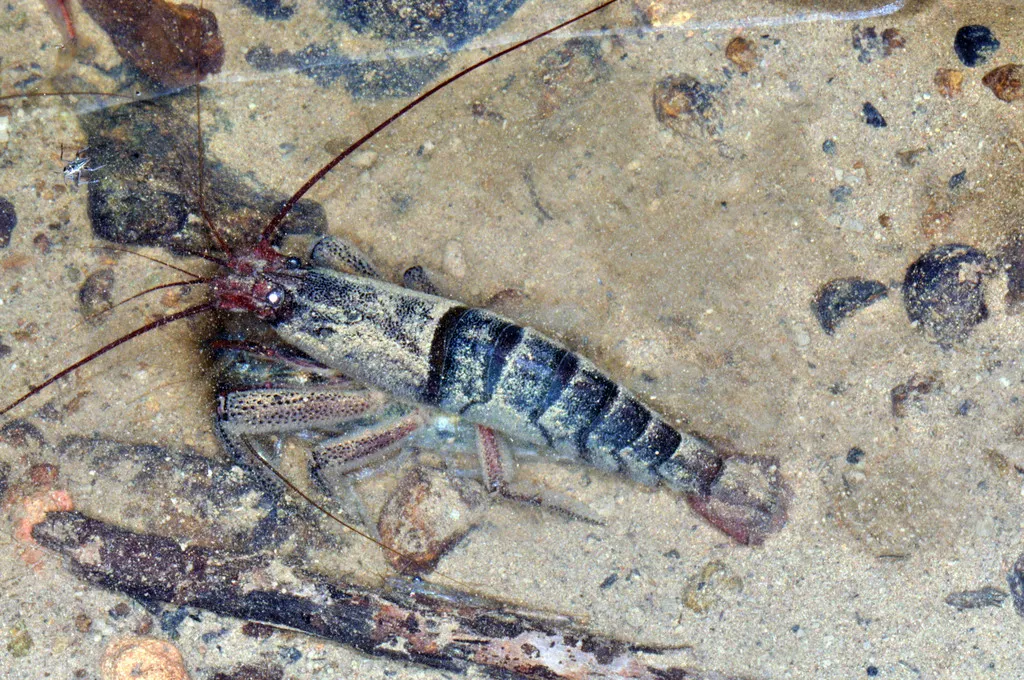
Marble wood shrimp
Atya scabra
Freshwater3.9 in (10 cm) · 20 gal (75 L)73–82°F (23–28°C)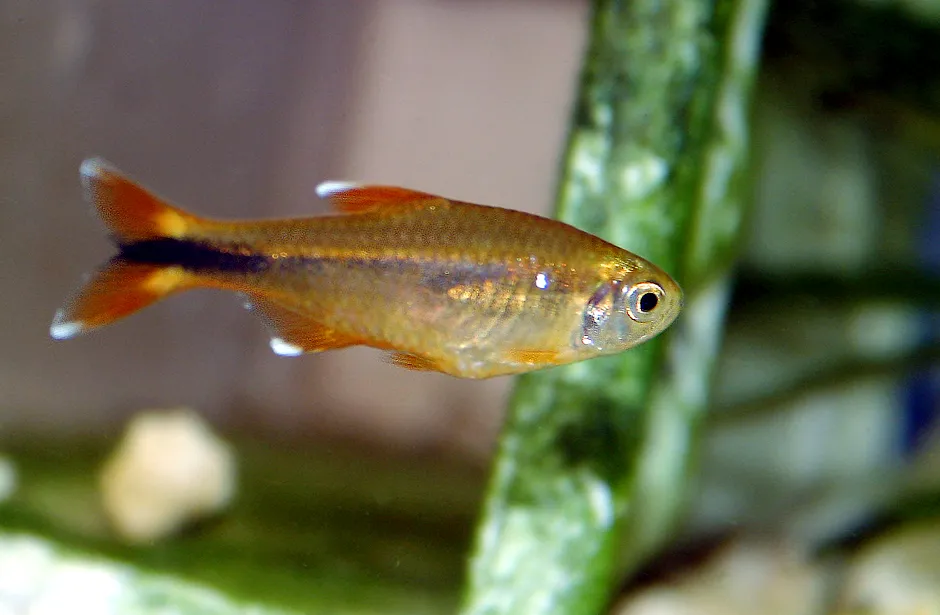
Silvertip tetra
Hasemania nana
Freshwater1.6 in (4 cm) · 18 gal (70 L)73–82°F (23–28°C)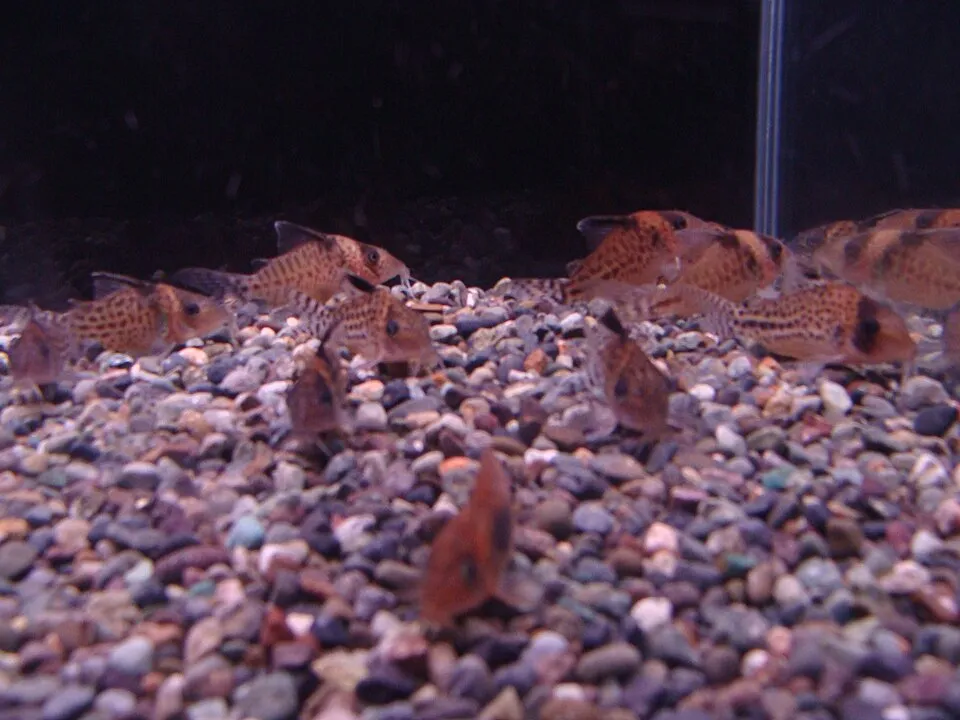
Spotted cory
Brochis ambiacus
Freshwater2.6 in (6.5 cm) · 20 gal (75 L)70–81°F (21–27°C)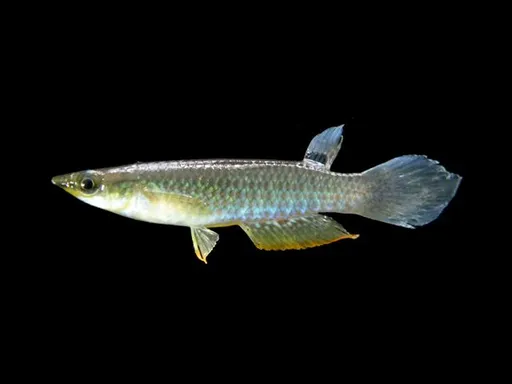
Blue panchax
Aplocheilus panchax
Freshwater3.5 in (9 cm) · 20 gal (75 L)72–82°F (22–28°C)
Common questions
What size tank does an X-ray tetra need?
An X-ray tetra needs at least 18 gal (70 L). It spends most of its time in the middle.
What temperature and pH does an X-ray tetra need?
An X-ray tetra is comfortable at 72–82°F (22–28°C) with a pH of 6.0–8.0.
How big does an X-ray tetra get?
An adult X-ray tetra reaches about 1.8 in (4.5 cm).
Does an X-ray tetra need a group?
Yes. An X-ray tetra is a schooling species and should be kept in a group, not singly.
Related species
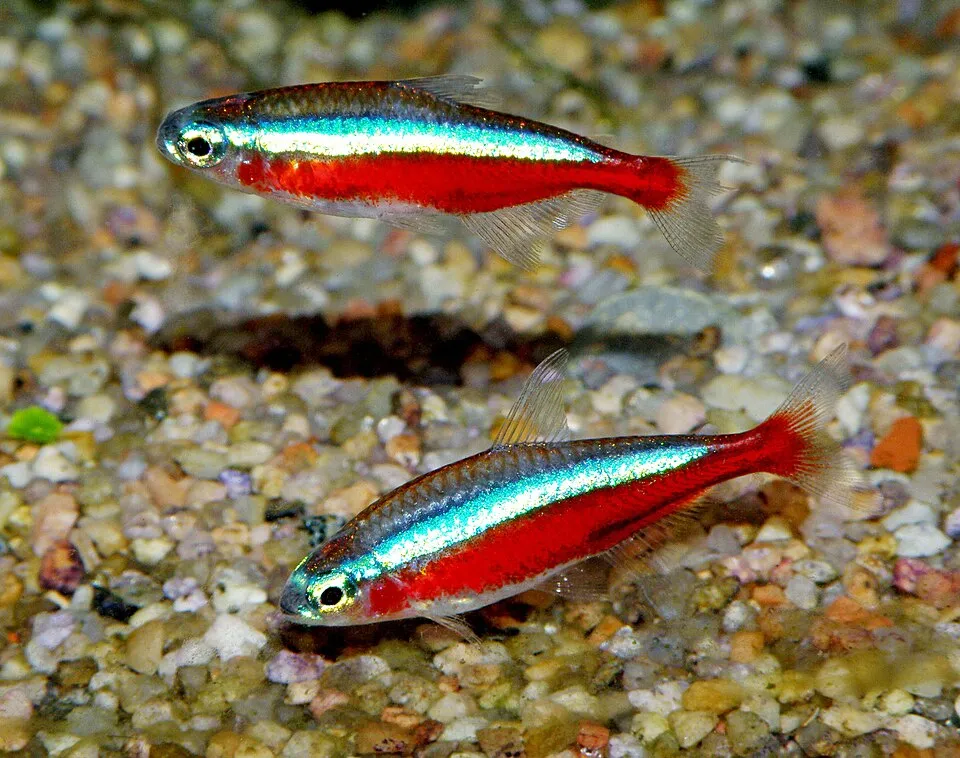 1.8 in (4.5 cm)16 gal (60 L)73–84°F (23–29°C)
Cardinal tetra
Paracheirodon axelrodi
1.8 in (4.5 cm) · 16 gal (60 L)
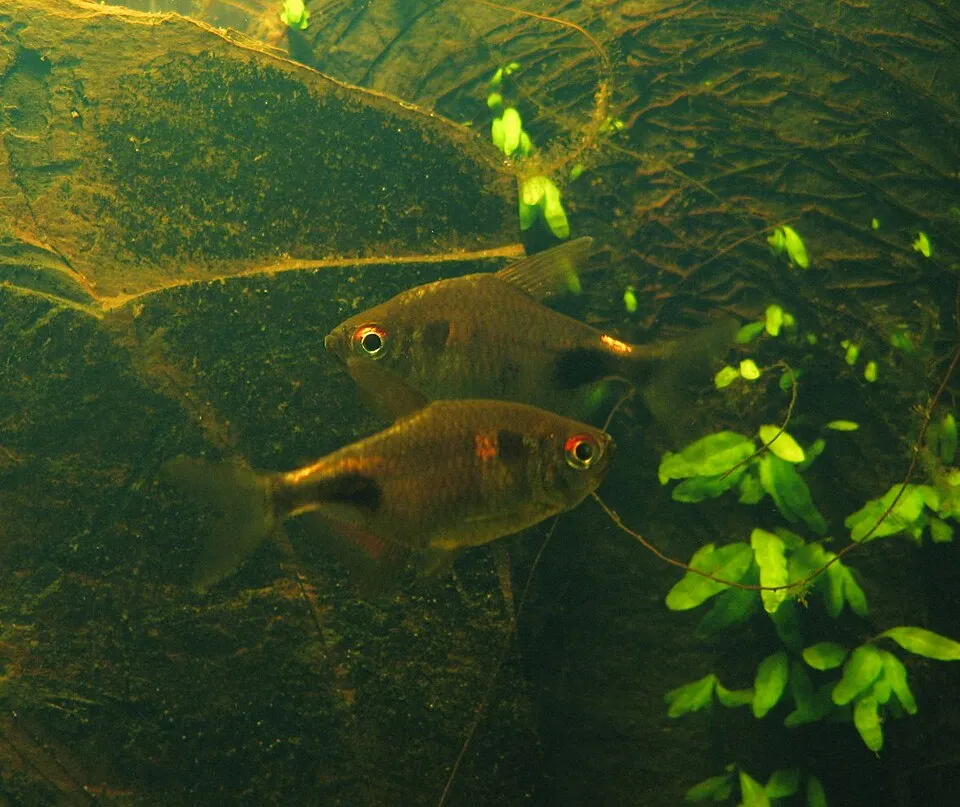 1.8 in (4.5 cm)20 gal (75 L)73–82°F (23–28°C)
Garnet tetra
Hemigrammus pulcher
1.8 in (4.5 cm) · 20 gal (75 L)
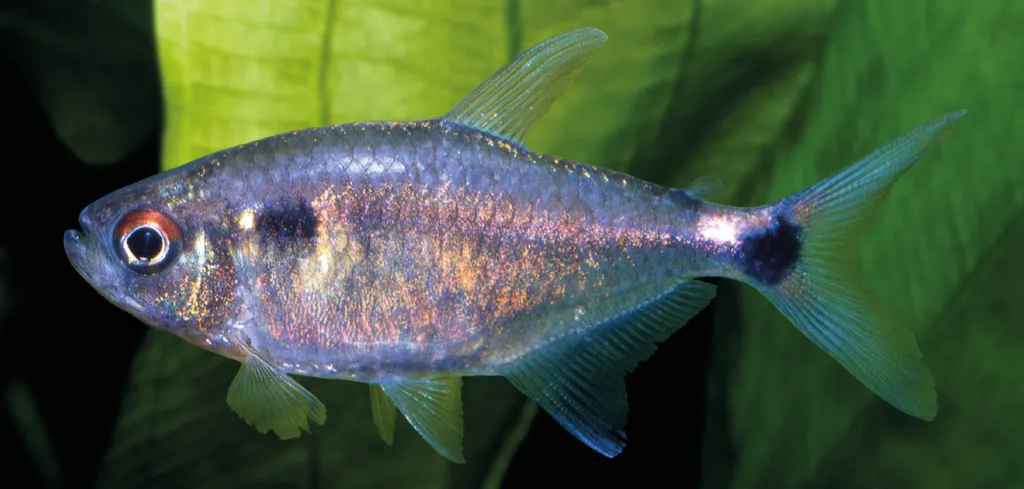 1.8 in (4.5 cm)17 gal (65 L)75–82°F (24–28°C)
Head-and-taillight tetra
Hemigrammus ocellifer
1.8 in (4.5 cm) · 17 gal (65 L)
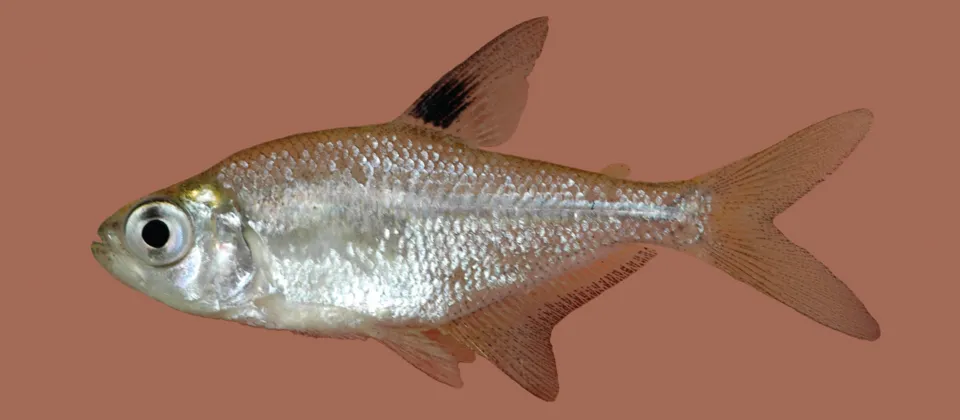 1.8 in (4.5 cm)16 gal (60 L)68–79°F (20–26°C)
Mayan tetra
Hyphessobrycon compressus
1.8 in (4.5 cm) · 16 gal (60 L)
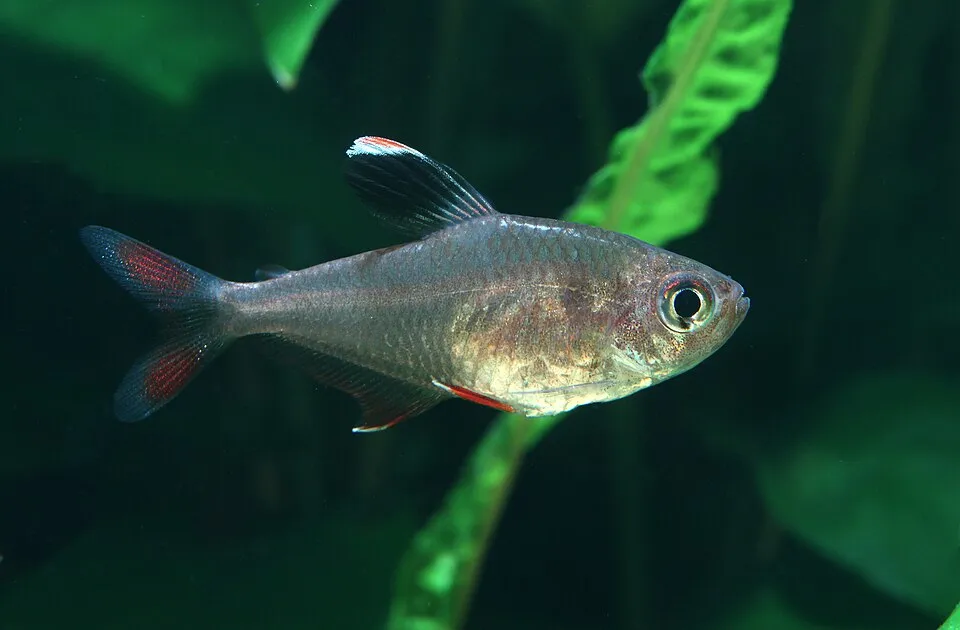 1.8 in (4.5 cm)20 gal (75 L)72–82°F (22–28°C)
Ornate tetra
Hyphessobrycon bentosi
1.8 in (4.5 cm) · 20 gal (75 L)
 1.8 in (4.5 cm)20 gal (75 L)73–82°F (23–28°C)
Purple tetra
Hyphessobrycon metae
1.8 in (4.5 cm) · 20 gal (75 L)