Yap's rasbora
Rasbora patrickyapi
Also known as Patrick Yap's rasbora, Patrick's rasbora
FreshwaterFish
Care at a glance
- Temperature
- 73–81°F
- 23–27°C
- pH
- 4.5–6.5
- Adult size
- 2.8 in
- 7 cm
- Minimum tank
- 24 gal
- 90 L
- Temperament
- Peaceful
- Social behavior
- Schooling
- Swim level
- Middle
- Difficulty
- Medium
- Breeding
- Egg scatterer
- Rarity
- Rare
- Family
- Danionidae
- Origin
- Katingan and Kahayan basins, Central Kalimantan, Indonesia
Overview
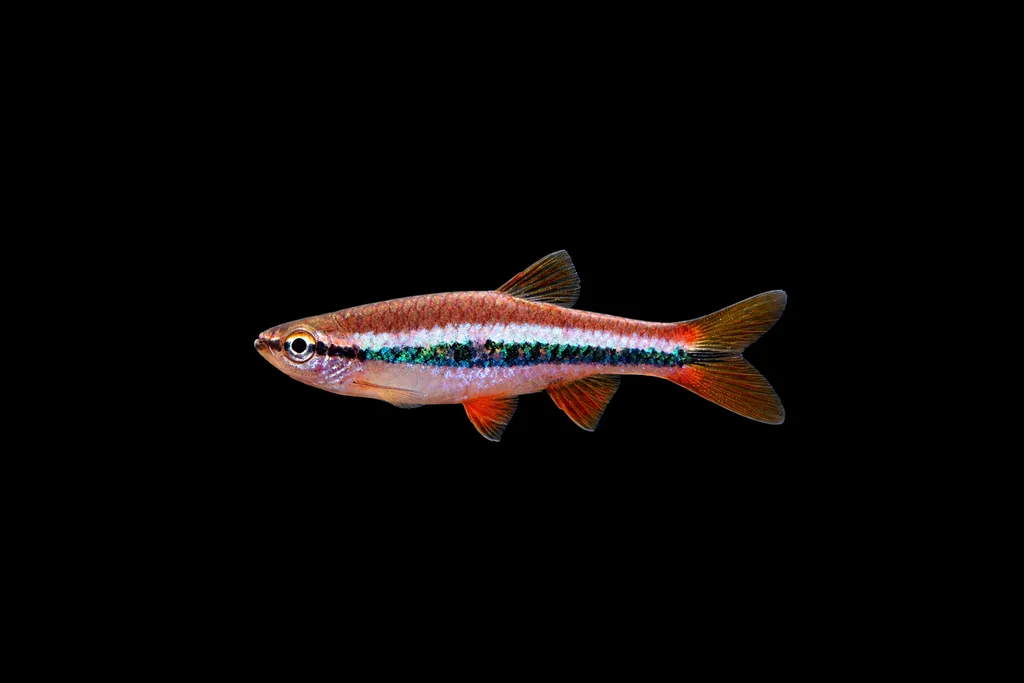
Yap's rasbora is a peaceful blackwater schooling fish that swims in the middle of a shaded, tannin-stained tank. It is a step up from the easiest rasboras.
Did you know
Yap's rasbora is named after Patrick Yap, a Singaporean aquarist and fish exporter. He supplied the specimens for its scientific description, an example of hobbyists and museum scientists working hand in hand.
Caring for the Yap's rasbora
Keep Yap's rasboras in a group of at least eight, in a planted, shaded tank of 24 gal (90 L) or more. A dim tank with a dark substrate, leaf litter and botanicals keeps a group at its best.
Keep the water soft and tannin-stained, at 73 to 81°F (23 to 27°C). Hold the pH well down on the acidic side, from 4.5 to 6.5. They are hardy and adaptable, but their dark stripe only really glows in soft, acidic water. In hard water it turns gray and dull.
Feed flake, small pellets, and frozen or live foods such as daphnia and bloodworm. Yap's rasboras are peaceful and suit a peat-swamp community with chocolate gouramis, kuhli loaches and small Boraras. Their aquarium breeding is not documented, though they are egg-scattering spawners like their relatives.
Good to know
Yap's rasbora, Rasbora patrickyapi, was described by Tan in 2009 and belongs to the family Danionidae. It is marked by a clean dark stripe on a parchment-gold body.
In the wild
Yap's rasbora comes from the Katingan and Kahayan basins of Central Kalimantan, Indonesian Borneo. It lives in lowland peat swamps and slow, tea-colored water beside blackwater streams, under deep shade.
Weekly picks
Tank mates
The Yap's rasbora is a peaceful, schooling species that keeps to the middle. These picks share a community profile with it, are safe together in both directions, and overlap on water type, temperature and pH.
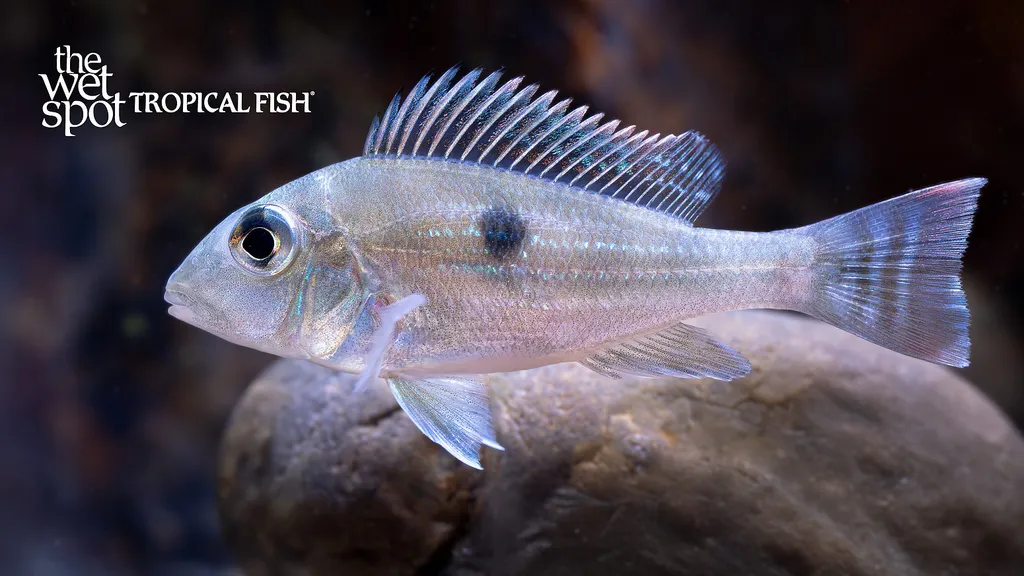
Spadetail checkerboard cichlid
Dicrossus maculatus
Freshwater3.5 in (9 cm) · 24 gal (90 L)79–86°F (26–30°C)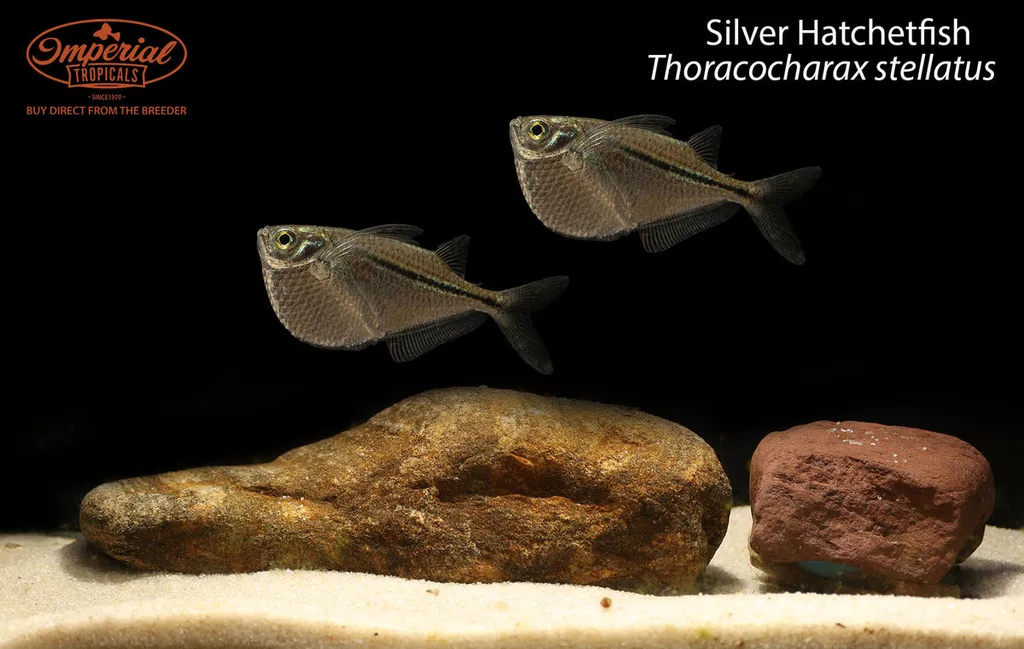
Spotfin hatchetfish
Thoracocharax stellatus
Freshwater3.5 in (9 cm) · 26 gal (100 L)73–82°F (23–28°C)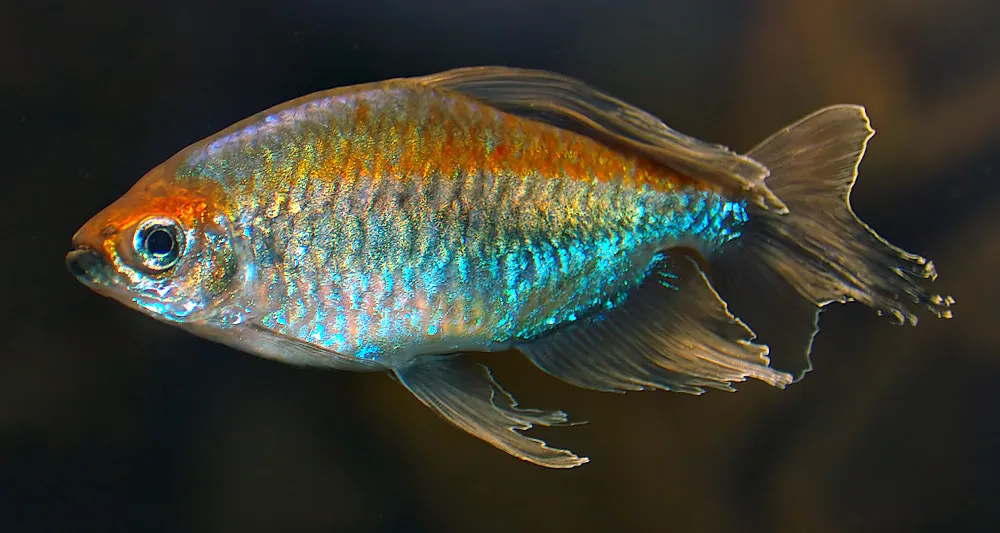
Congo tetra
Phenacogrammus interruptus
Freshwater3.1 in (8 cm) · 24 gal (90 L)73–82°F (23–28°C)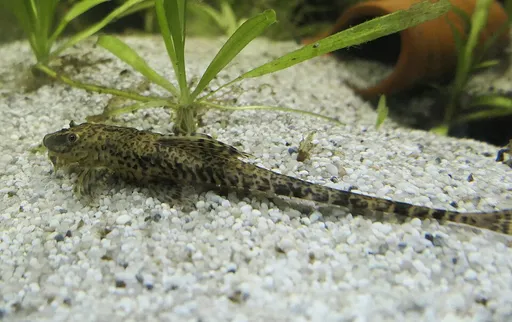
Red lizard whiptail
Rineloricaria lanceolata
Freshwater3.9 in (10 cm) · 24 gal (90 L)77–82°F (25–28°C)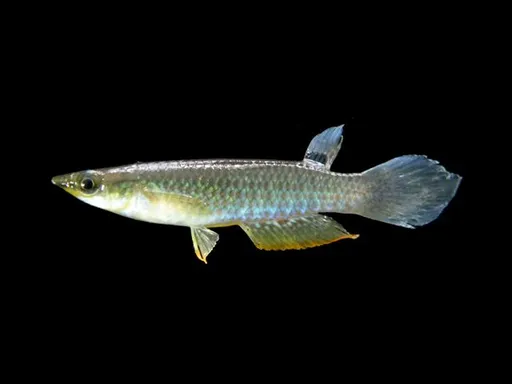
Blue panchax
Aplocheilus panchax
Freshwater3.5 in (9 cm) · 20 gal (75 L)72–82°F (22–28°C)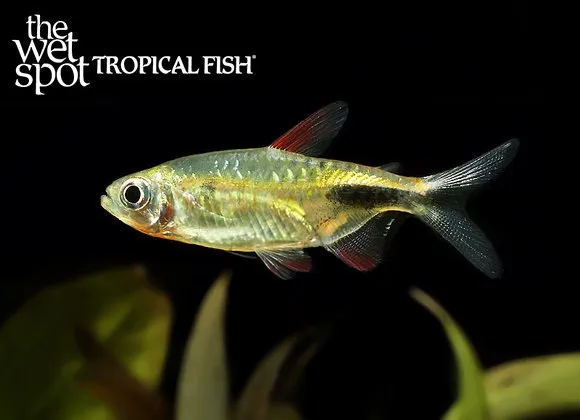
Copper Congo tetra
Hemigrammopetersius pulcher
Freshwater2.4 in (6 cm) · 24 gal (90 L)73–81°F (23–27°C)
Common questions
What size tank does a Yap's rasbora need?
A Yap's rasbora needs at least 24 gal (90 L). It spends most of its time in the middle.
What temperature and pH does a Yap's rasbora need?
A Yap's rasbora is comfortable at 73–81°F (23–27°C) with a pH of 4.5–6.5.
What does a Yap's rasbora eat?
A Yap's rasbora eats flake and small pellets, along with frozen or live foods such as daphnia and bloodworm.
How big does a Yap's rasbora get?
An adult Yap's rasbora reaches about 2.8 in (7 cm).
Does a Yap's rasbora need a group?
Yes. A Yap's rasbora is a schooling species and should be kept in a group, not singly.
How does a Yap's rasbora breed?
A Yap's rasbora is an egg-scattering spawner like its relatives. Its breeding in aquariums has not been documented.
Related species
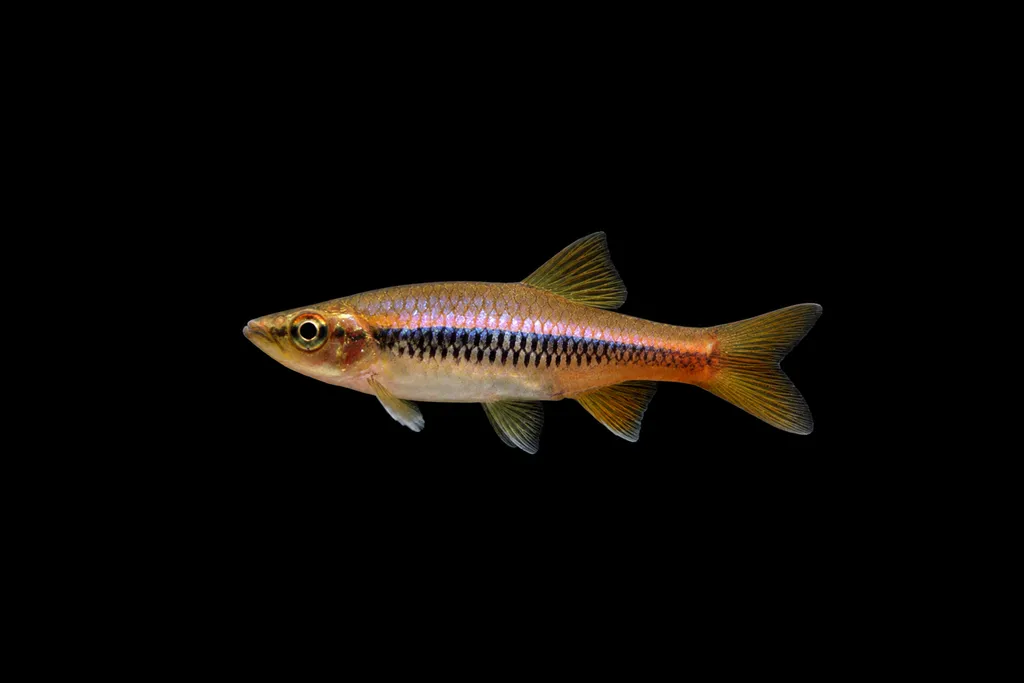
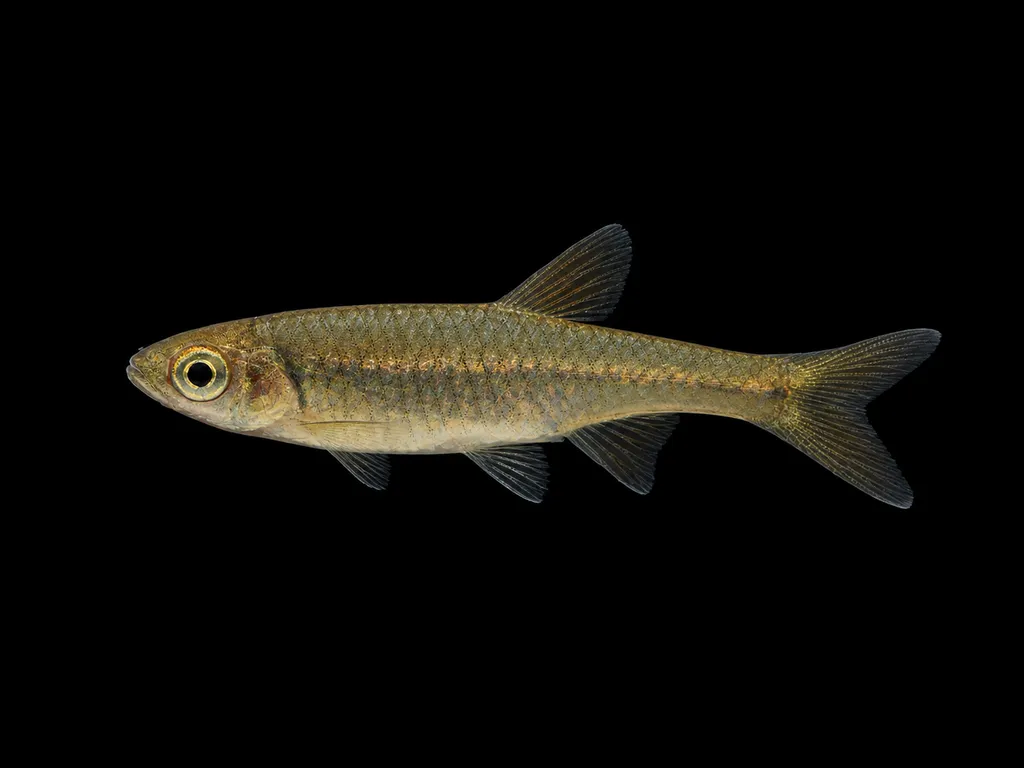 2.8 in (7 cm)24 gal (90 L)72–81°F (22–27°C)
Bangka rasbora
Rasbora bankanensis
2.8 in (7 cm) · 24 gal (90 L)
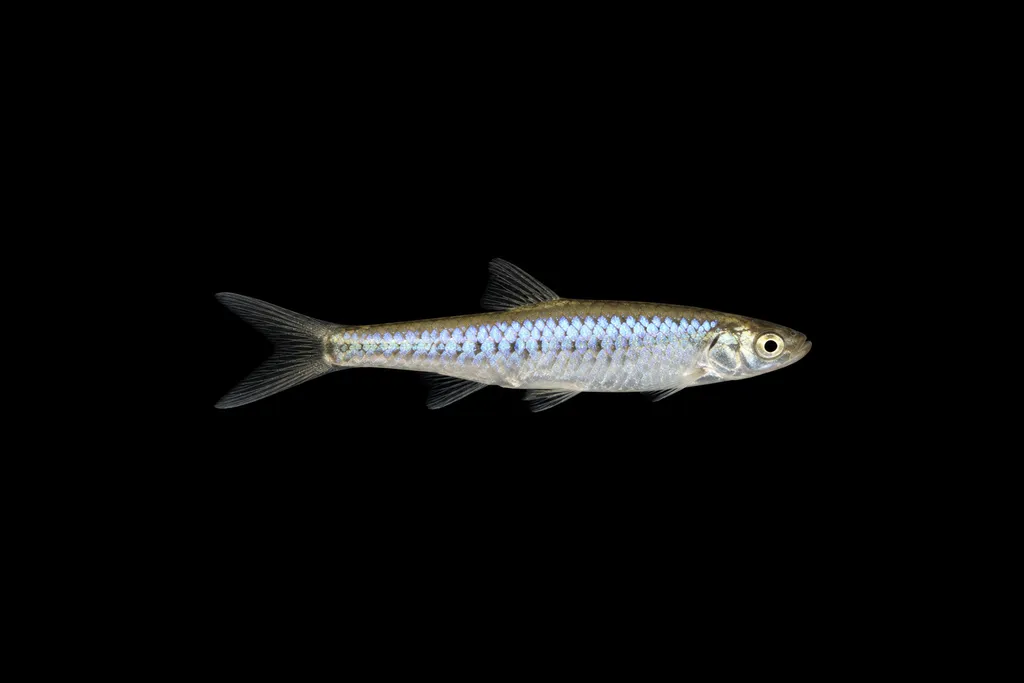
 3.3 in (8.5 cm)29 gal (110 L)73–81°F (23–27°C)
Wilpita rasbora
Rasbora wilpita
3.3 in (8.5 cm) · 29 gal (110 L)
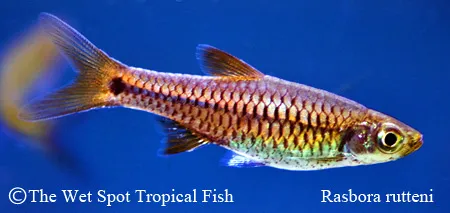
 2.2 in (5.5 cm)20 gal (75 L)72–81°F (22–27°C)
Ninescale rasbora
Rasbora ennealepis
2.2 in (5.5 cm) · 20 gal (75 L)
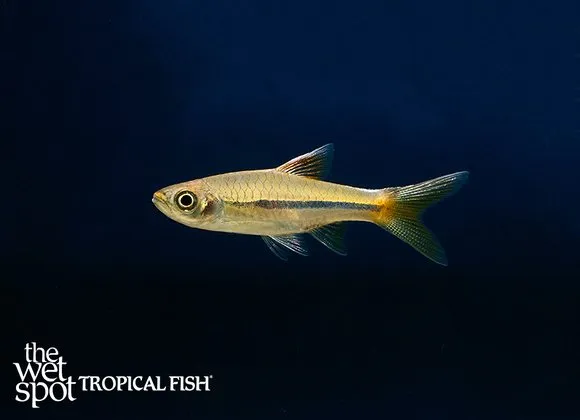
 2.2 in (5.5 cm)20 gal (75 L)73–81°F (23–27°C)
Rutten's rasbora
Rasbora rutteni
2.2 in (5.5 cm) · 20 gal (75 L)
 2.2 in (5.5 cm)20 gal (75 L)73–81°F (23–27°C)
Sarawak rasbora
Rasbora sarawakensis
2.2 in (5.5 cm) · 20 gal (75 L)
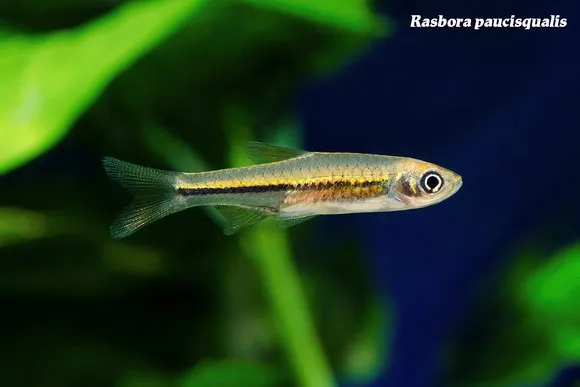 2 in (5 cm)20 gal (75 L)72–81°F (22–27°C)
Largescale rasbora
Rasbora paucisqualis
2 in (5 cm) · 20 gal (75 L)