Stoliczka's barb
Pethia stoliczkana
Also known as Stoliczkae's barb, Puntius stoliczkanus, Barbus stoliczkanus, Stoliczkana Barb, Pearlscale Barb
FreshwaterFish
Care at a glance
- Temperature
- 64–79°F
- 18–26°C
- pH
- 6.5–7.5
- Adult size
- 2 in
- 5 cm
- Minimum tank
- 20 gal
- 75 L
- Temperament
- Peaceful
- Social behavior
- Schooling
- Swim level
- Middle
- Difficulty
- Easy
- Breeding
- Medium
- Rarity
- Common
- Family
- Cyprinidae
- Origin
- Widespread from northeastern India through Myanmar and Thailand into western Laos.
Overview
Stoliczka's barb is an easy, adaptable little barb for a community tank. It handles a broad spread of conditions, which makes it hardy.
Did you know
Stoliczka's barb tolerates a span of temperatures that is unusually wide for a small barb. It can live in an unheated room-temperature tank in many climates. That makes it one of the easier barbs for a first cooler community.
Caring for the Stoliczka's barb
Keep Stoliczka's barbs in a group of at least six to eight in a tank of 20 gal (75 L) or more. Plenty of open swimming space with plants around the edges suits their active nature.
Keep the water at 64 to 79°F (18 to 26°C) with a pH of 6.5 to 7.5. Feed flakes, micropellets and frozen foods such as daphnia and bloodworm.
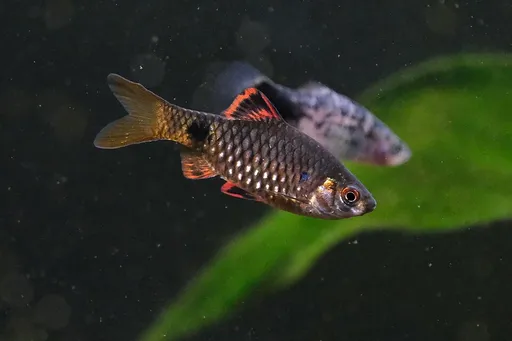
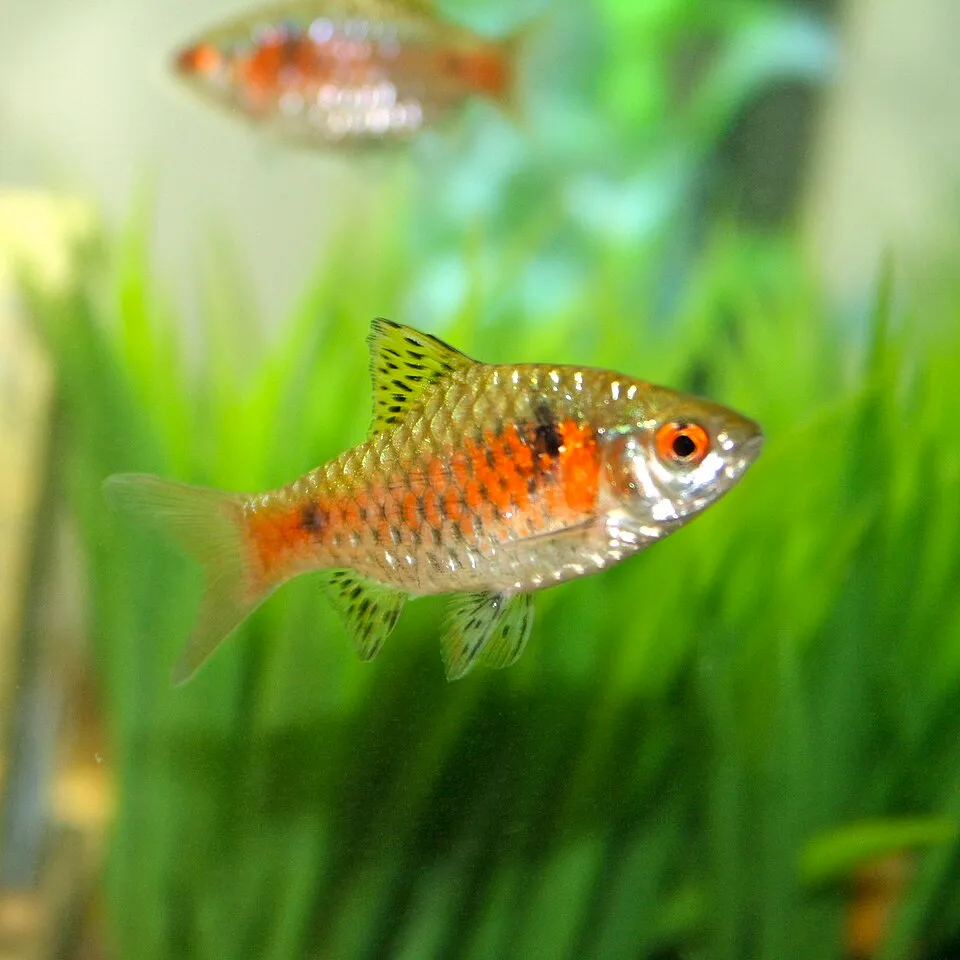
Stoliczka's barb is peaceful in a good-sized group. Males show a red-tinged dorsal fin with a dark blotch and spot, and they spar for color rank without doing harm. Breeding them is moderately difficult.
Good to know
Stoliczka's barb was formerly Puntius stoliczkanus or Barbus stoliczkanus. It moved to the genus Pethia in the 2012 revision of the small South Asian barbs. It was named after Ferdinand Stoliczka, a nineteenth-century naturalist who worked in the Himalayas.
In the wild
Stoliczka's barb lives in a wide range of streams, ponds, ditches and flooded fields. Its range runs from northeastern India across Myanmar and Thailand into western Laos.
Weekly picks
Tank mates
The Stoliczka's barb is a peaceful, schooling species that keeps to the middle. These picks share a community profile with it, are safe together in both directions, and overlap on water type, temperature and pH.
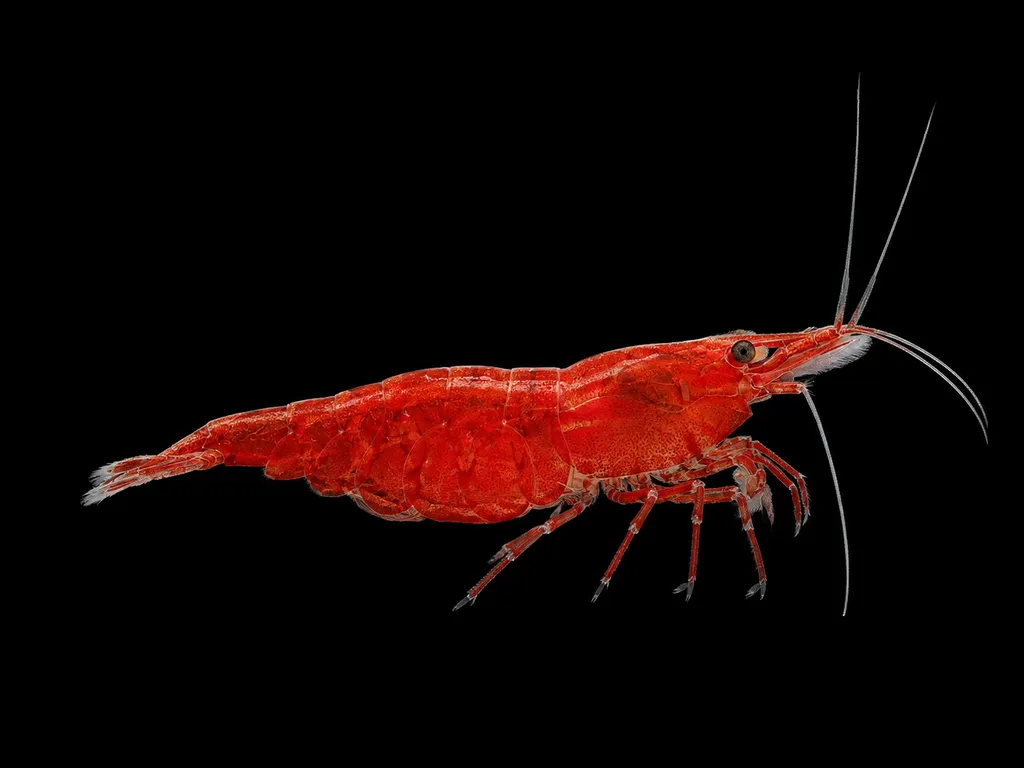
Neocaridina shrimp
Neocaridina davidi
Freshwater1.6 in (4 cm) · 5 gal (19 L)59–84°F (15–29°C)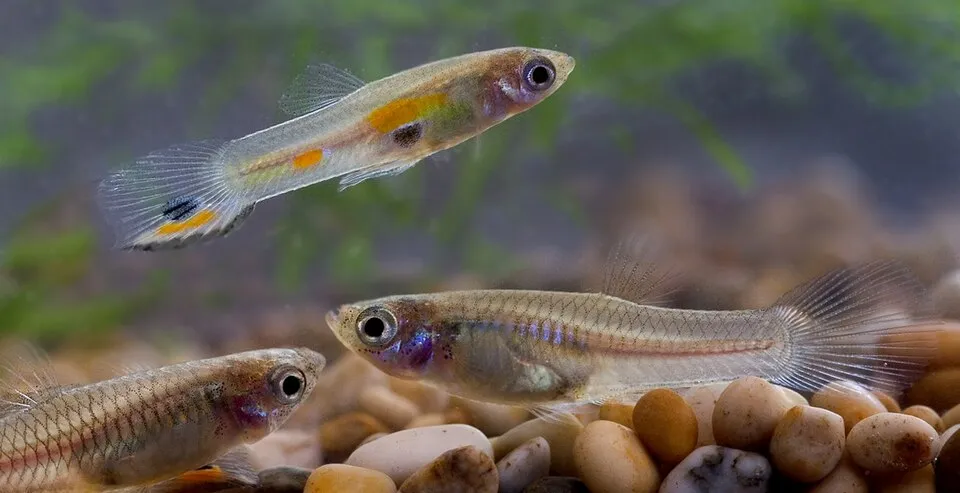
Guppy
Poecilia reticulata
FreshwaterBrackish2.4 in (6 cm) · 10 gal (38 L)64–82°F (18–28°C)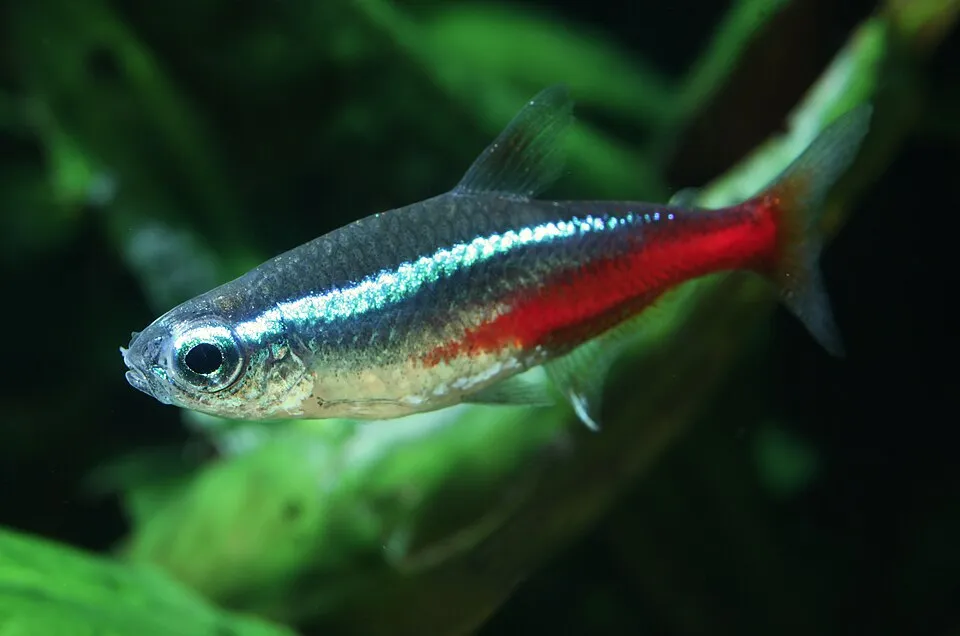
Neon tetra
Paracheirodon innesi
Freshwater1.5 in (3.8 cm) · 11 gal (40 L)70–77°F (21–25°C)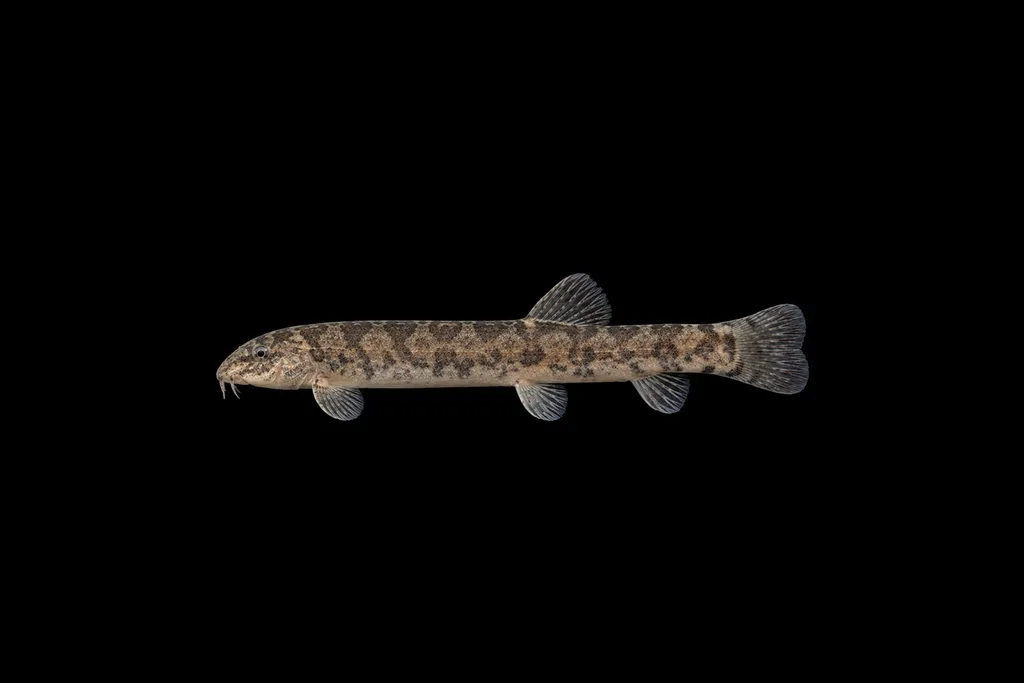
Cloud loach
Schistura nubigena
Freshwater2 in (5 cm) · 20 gal (75 L)64–75°F (18–24°C)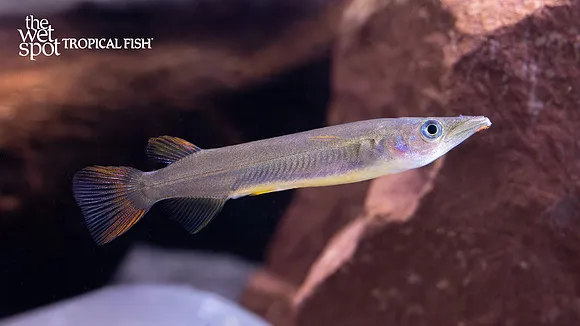
Rex halfbeak
Nomorhamphus rex
Freshwater2.2 in (5.5 cm) · 20 gal (75 L)72–79°F (22–26°C)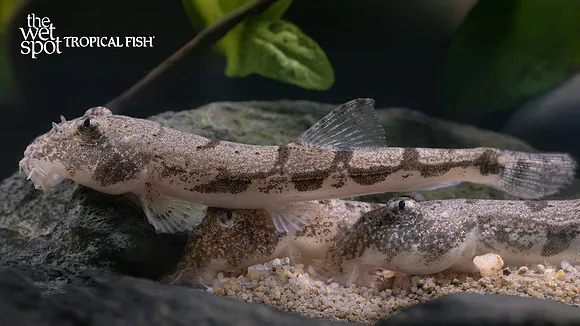
Chinese butterfly loach
Pseudogastromyzon cheni
Freshwater2.4 in (6 cm) · 20 gal (75 L)64–75°F (18–24°C)
Common questions
What size tank does a Stoliczka's barb need?
A Stoliczka's barb needs at least 20 gal (75 L). It spends most of its time in the middle.
What temperature and pH does a Stoliczka's barb need?
A Stoliczka's barb is comfortable at 64–79°F (18–26°C) with a pH of 6.5–7.5.
What does a Stoliczka's barb eat?
A Stoliczka's barb eats flakes, micropellets and frozen foods such as daphnia and bloodworm.
How big does a Stoliczka's barb get?
An adult Stoliczka's barb reaches about 2 in (5 cm).
Does a Stoliczka's barb need a group?
Yes. A Stoliczka's barb is a schooling species and should be kept in a group, not singly.
How can you tell a male Stoliczka's barb from a female?
Males show a red-tinged dorsal fin with a dark blotch and spot.
Related species
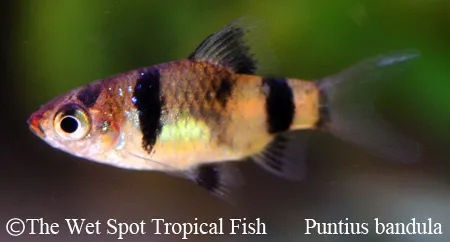 2 in (5 cm)20 gal (75 L)73–81°F (23–27°C)
Bandula barb
Pethia bandula
2 in (5 cm) · 20 gal (75 L)
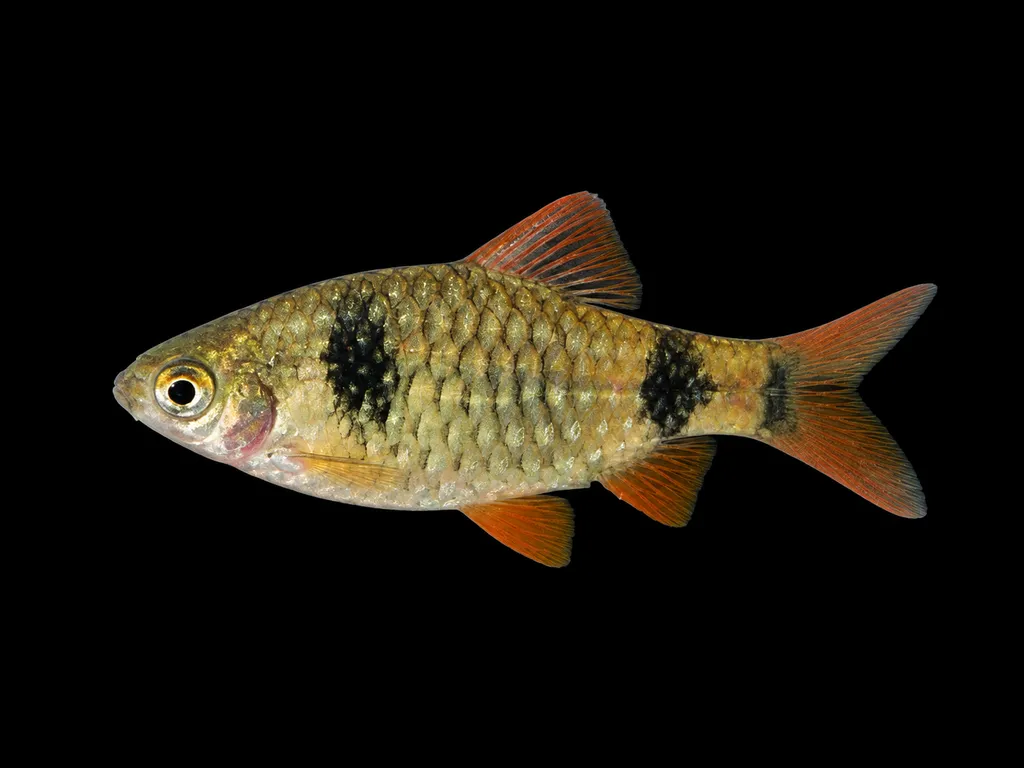 2 in (5 cm)16 gal (60 L)72–81°F (22–27°C)
Cuming's barb
Pethia cumingii
2 in (5 cm) · 16 gal (60 L)
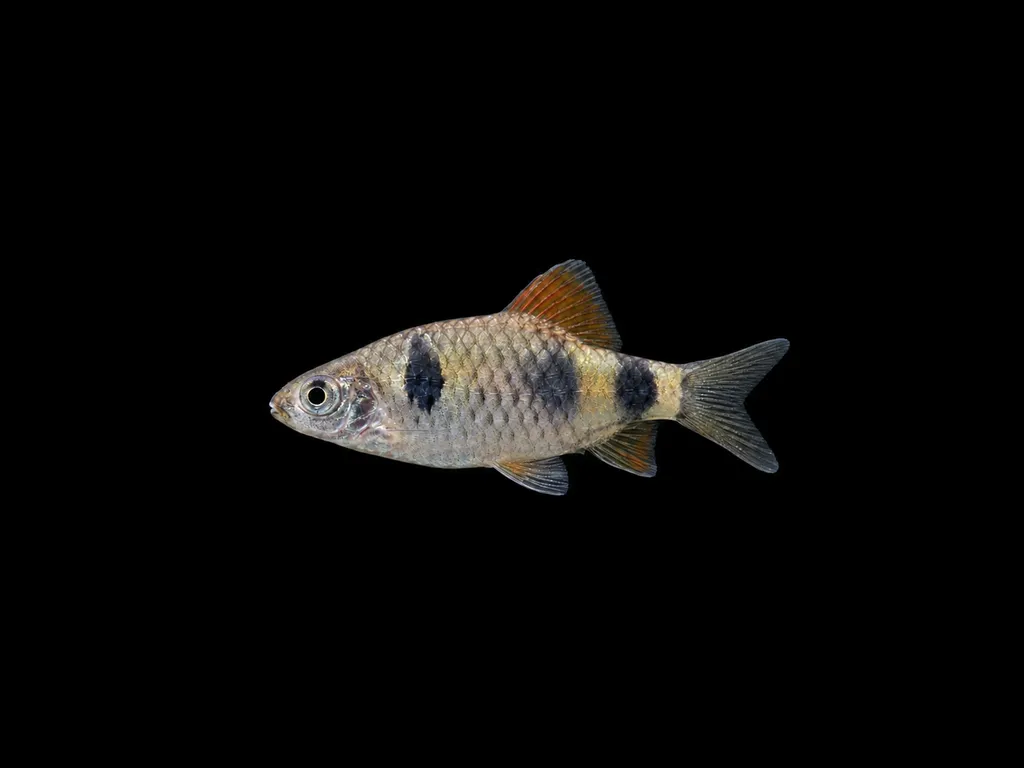 2 in (5 cm)20 gal (75 L)72–81°F (22–27°C)
Setna barb
Pethia setnai
2 in (5 cm) · 20 gal (75 L)
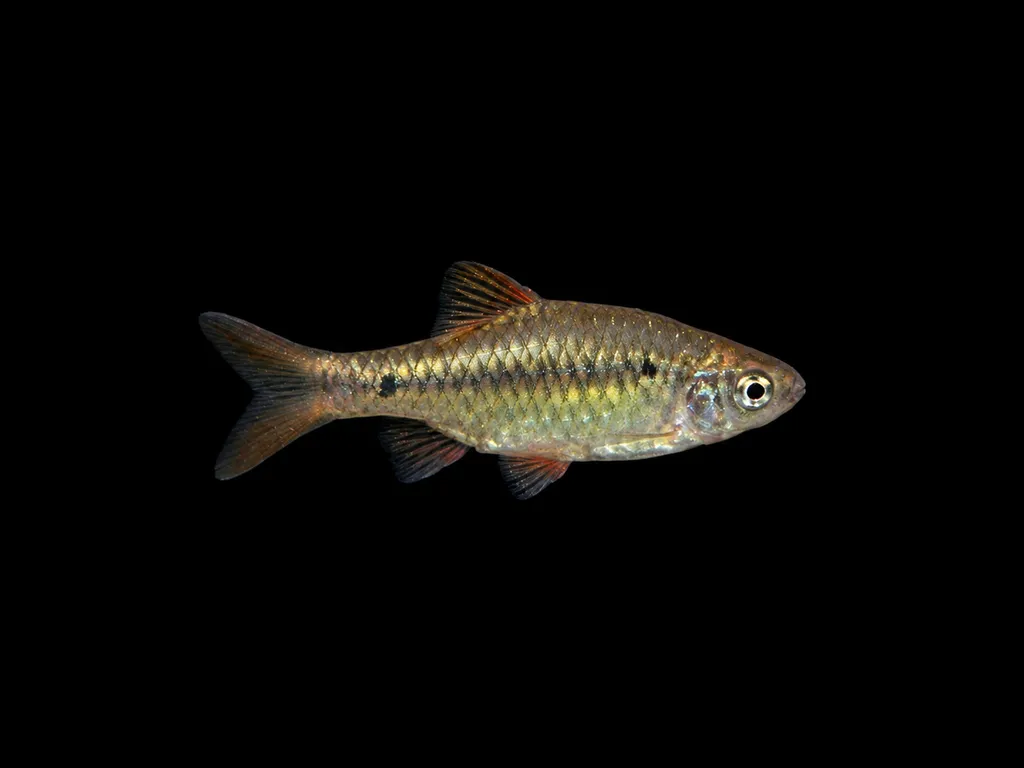 1.8 in (4.5 cm)14 gal (54 L)68–77°F (20–25°C)
Manipur barb
Pethia manipurensis
1.8 in (4.5 cm) · 14 gal (54 L)
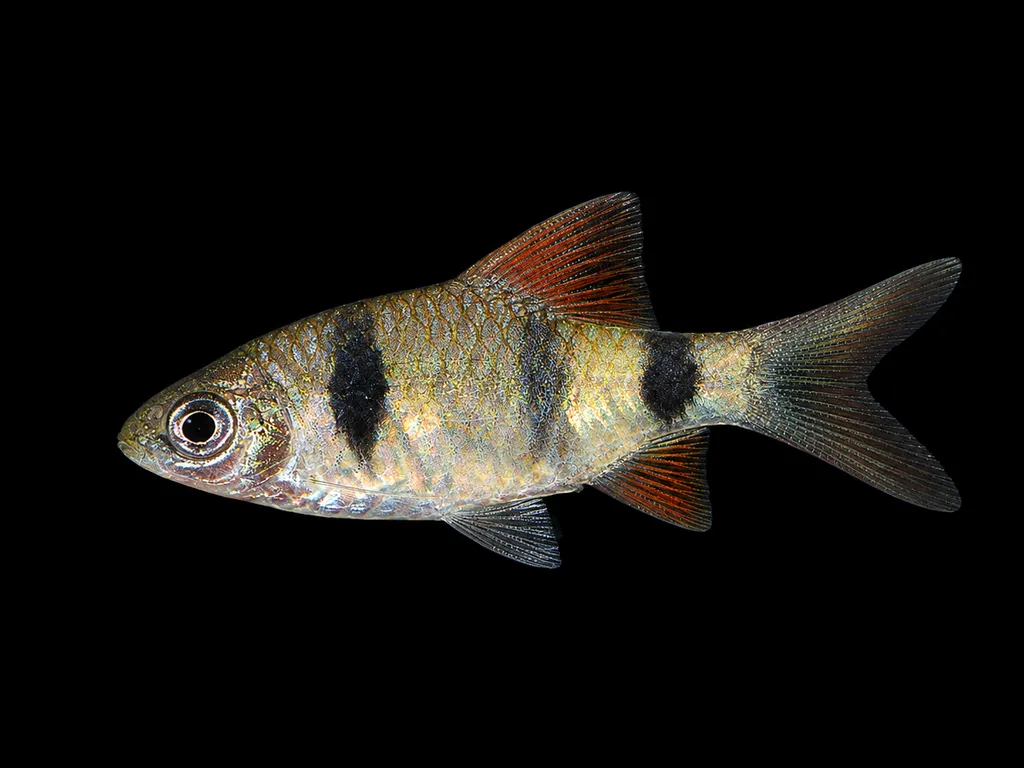 1.8 in (4.5 cm)14 gal (54 L)68–77°F (20–25°C)
Narayan barb
Pethia narayani
1.8 in (4.5 cm) · 14 gal (54 L)
 1.8 in (4.5 cm)20 gal (75 L)61–77°F (16–25°C)
Odessa barb
Pethia padamya
1.8 in (4.5 cm) · 20 gal (75 L)