Pantanal cory
Brochis pantanalensis
Also known as Corydoras pantanalensis
FreshwaterFish
Care at a glance
- Temperature
- 72–82°F
- 22–28°C
- pH
- 6.0–7.5
- Adult size
- 3 in
- 7.5 cm
- Minimum tank
- 26 gal
- 100 L
- Temperament
- Peaceful
- Social behavior
- Shoaling
- Swim level
- Bottom
- Difficulty
- Medium
- Breeding
- Egg layer · Medium
- Rarity
- Common
- Family
- Callichthyidae
- Origin
- Pantanal wetlands drainages of Bolivia and Brazil
Overview
The Pantanal cory is a hardy, peaceful shoaler for the bottom of a roomy community tank. It suits a keeper with a little experience.
Did you know
The Pantanal cory is adaptable, shaped by pools that warm, shrink and flood again through the year.
Caring for the Pantanal cory
Scale the tank to the fish, with at least 26 gal (100 L) for a shoal of six Pantanal corys. Keep them over sand with plant cover.
Keep the water at 72 to 82°F (22 to 28°C) and a pH of 6.0 to 7.5. They take seasonal temperature drift in stride. Pantanal corys eat everything that sinks and appreciate meaty frozen foods.
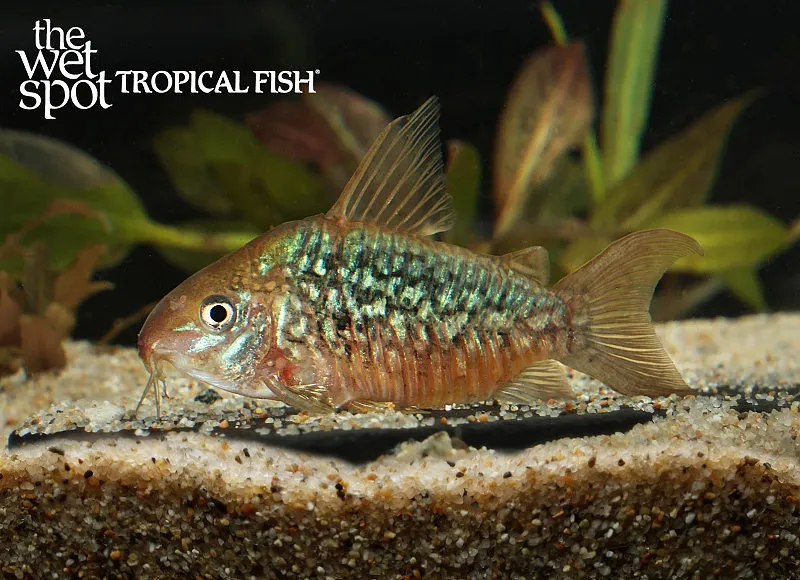
Pantanal corys are peaceful and safe with other community fish. Males in spawning condition shine metallic green across the flanks, like a beetle's wing case. Photographs never quite capture that sheen.
They have been bred repeatedly using the classic method. Big females produce large clutches of eggs. Breeding them is moderately difficult.
Good to know
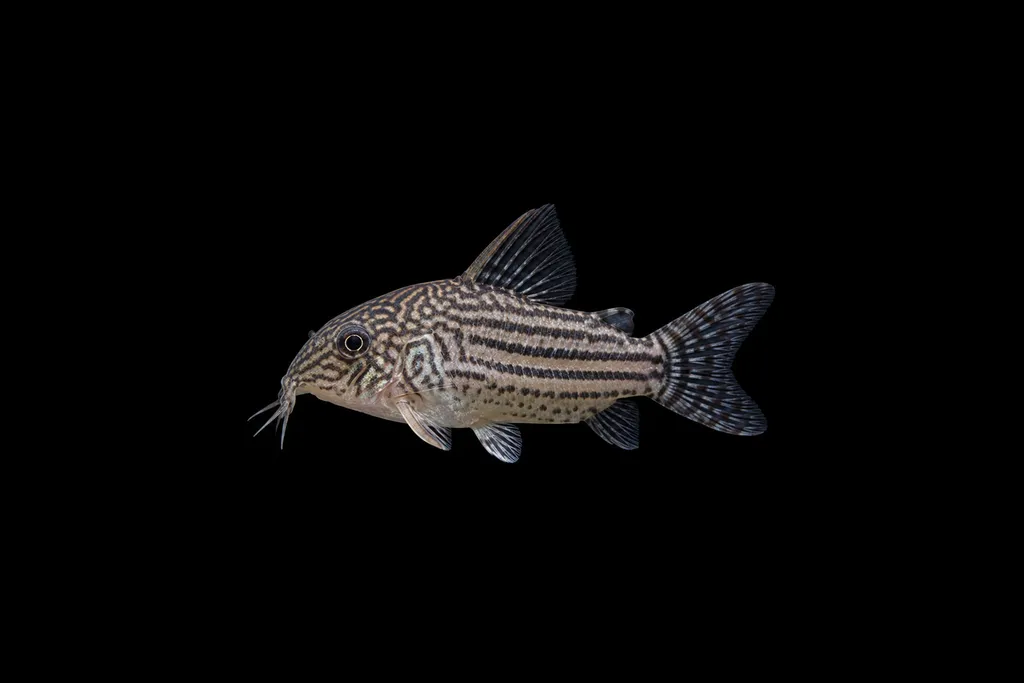
Joachim Knaack described the Pantanal cory in 2001, and the 2024 revision lists it as Brochis pantanalensis. It is one of the bulkiest corys, with a deep body and a mosaic of dark flecks.
In the wild
The Pantanal cory lives in the vast seasonal wetlands of the Pantanal, in drainages of Bolivia and Brazil.
Weekly picks
Tank mates
The Pantanal cory is a peaceful, shoaling species that keeps to the bottom. These picks share a community profile with it, are safe together in both directions, and overlap on water type, temperature and pH.
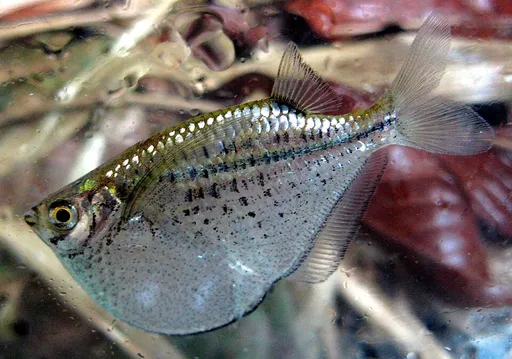
Spotted hatchetfish
Gasteropelecus maculatus
Freshwater3.5 in (9 cm) · 26 gal (100 L)73–82°F (23–28°C)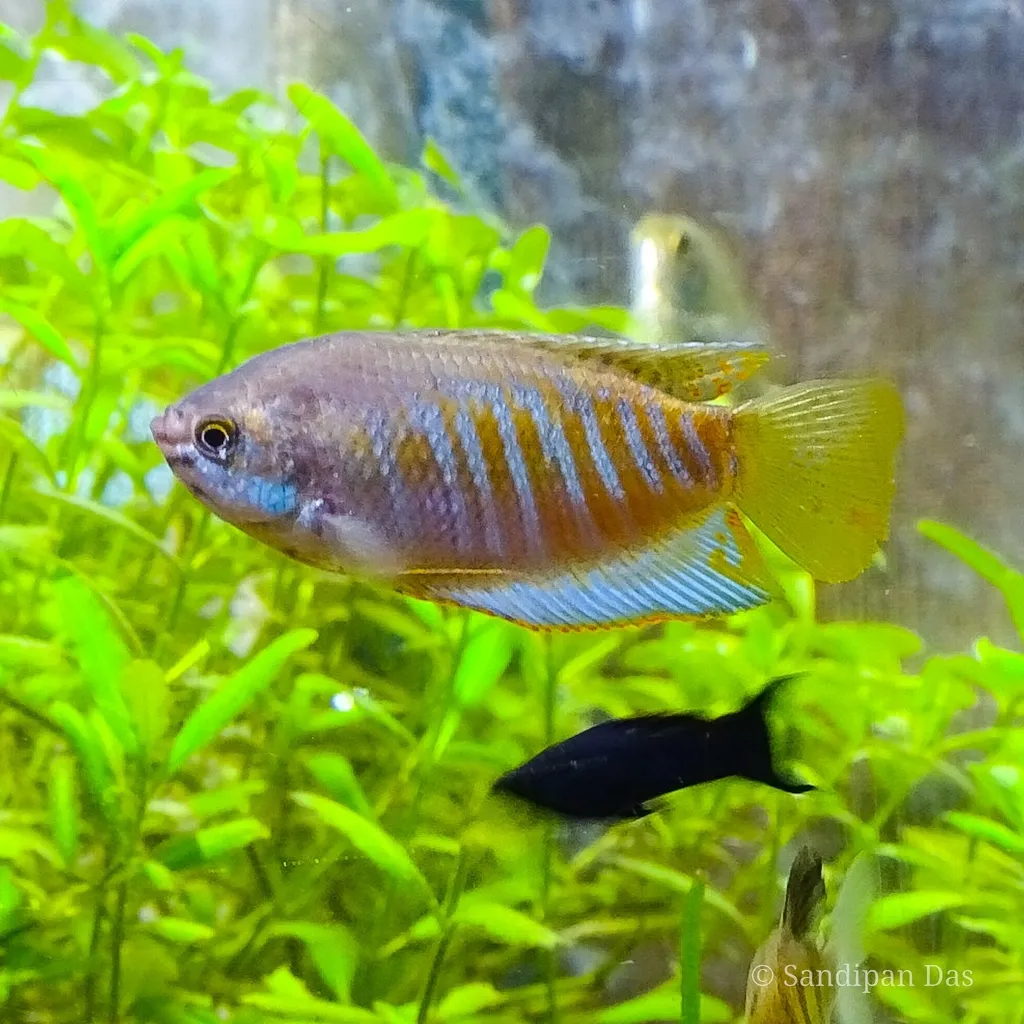
Banded gourami
Trichogaster fasciata
Freshwater3.5 in (9 cm) · 26 gal (100 L)70–82°F (21–28°C)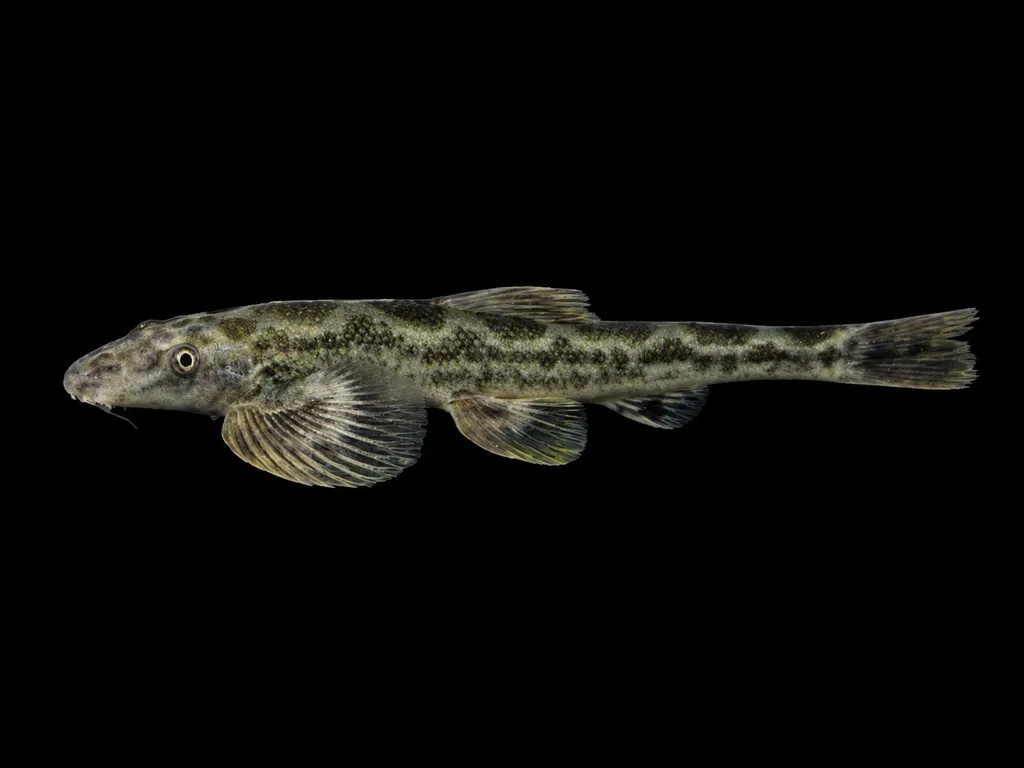
Burmese stone loach
Balitora burmanica
Freshwater3.9 in (10 cm) · 25 gal (95 L)68–79°F (20–26°C)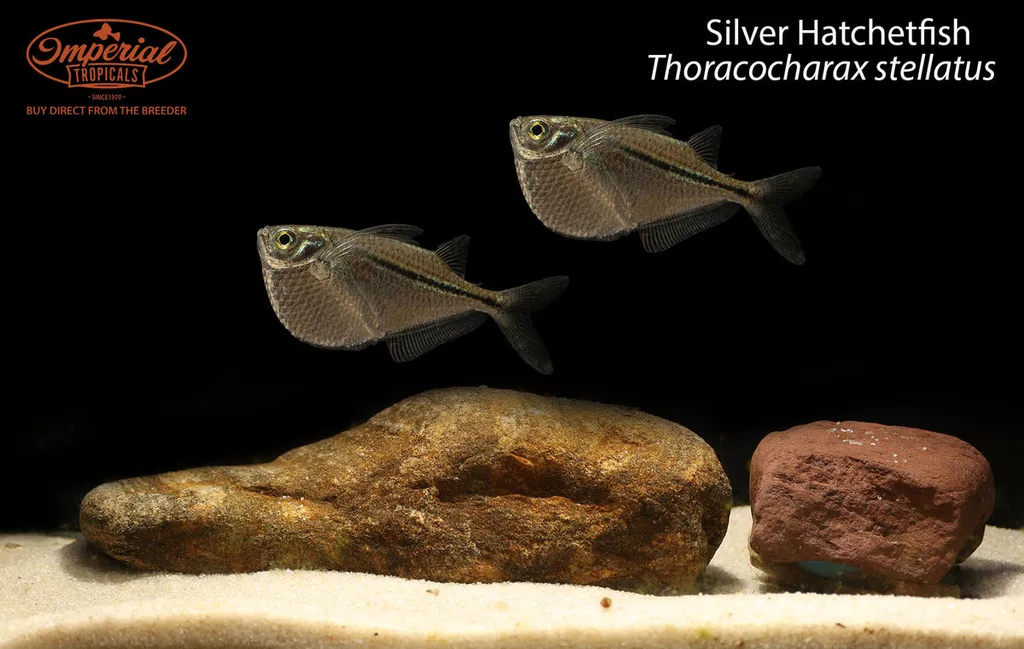
Spotfin hatchetfish
Thoracocharax stellatus
Freshwater3.5 in (9 cm) · 26 gal (100 L)73–82°F (23–28°C)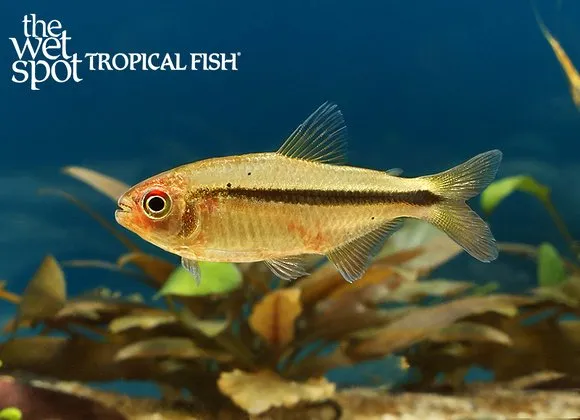
Cachimbo tetra
Hyphessobrycon cachimbensis
Freshwater2.7 in (6.8 cm) · 26 gal (100 L)72–81°F (22–27°C)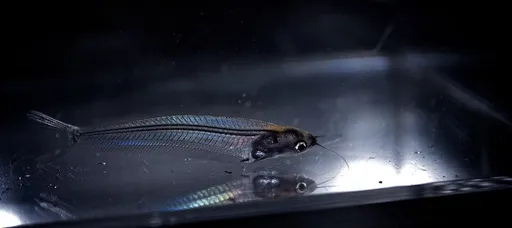
True glass catfish
Kryptopterus bicirrhis
Freshwater5.9 in (15 cm) · 26 gal (100 L)70–79°F (21–26°C)
Common questions
What size tank does a Pantanal cory need?
A Pantanal cory needs at least 26 gal (100 L). It spends most of its time in the bottom.
What temperature and pH does a Pantanal cory need?
A Pantanal cory is comfortable at 72–82°F (22–28°C) with a pH of 6.0–7.5.
What does a Pantanal cory eat?
A Pantanal cory eats everything that sinks and appreciates meaty frozen foods.
How big does a Pantanal cory get?
An adult Pantanal cory reaches about 3 in (7.5 cm).
Does a Pantanal cory need a group?
Yes. A Pantanal cory is a shoaling species and should be kept in a group, not singly.
How can you tell a male Pantanal cory from a female?
Males in spawning condition shine metallic green across the flanks, like a beetle's wing case.
How does a Pantanal cory breed?
Pantanal corys have been bred repeatedly using the classic method. Big females produce large clutches of eggs, and breeding them is moderately difficult.
Related species
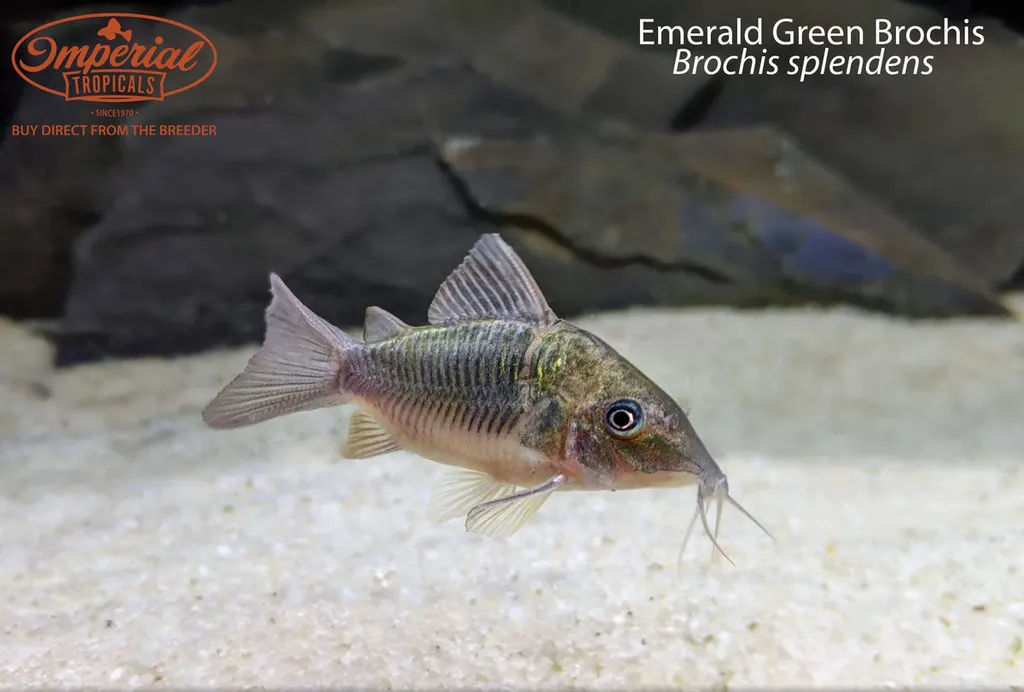 3.1 in (8 cm)40 gal (150 L)70–82°F (21–28°C)
Emerald catfish
Brochis splendens
3.1 in (8 cm) · 40 gal (150 L)
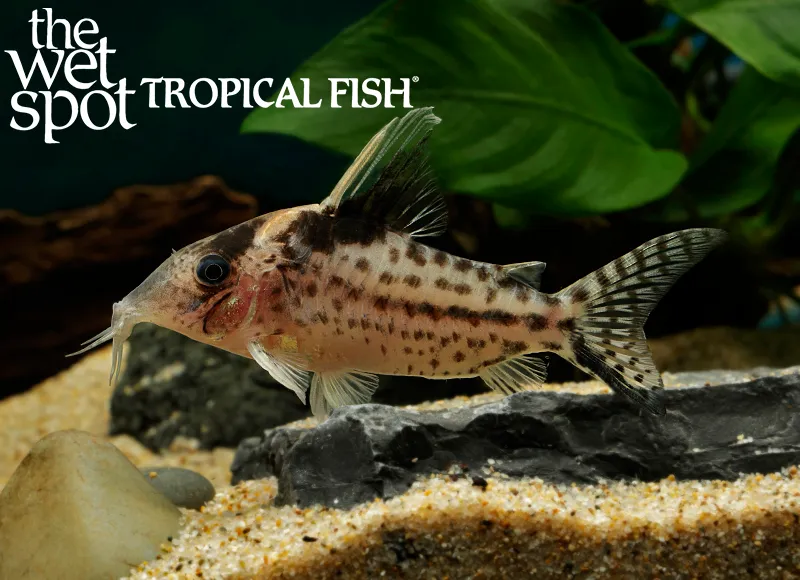 3.1 in (8 cm)40 gal (150 L)72–79°F (22–26°C)
Robust cory
Brochis robusta
3.1 in (8 cm) · 40 gal (150 L)
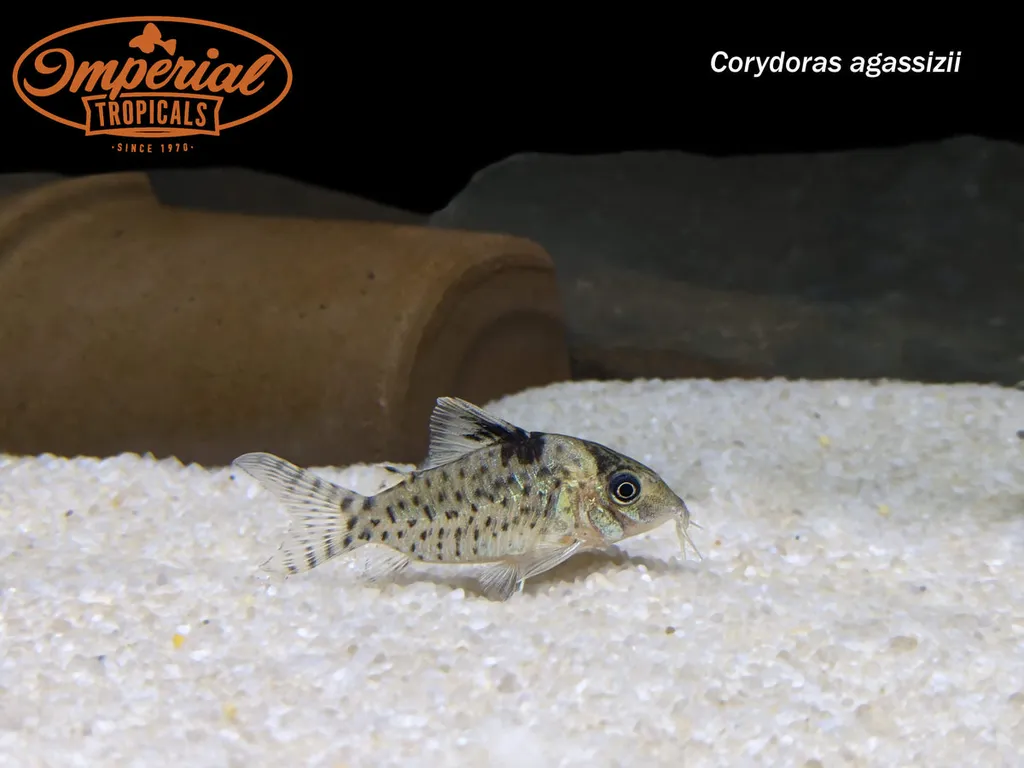 2.8 in (7 cm)24 gal (90 L)72–79°F (22–26°C)
Agassiz's cory
Brochis agassizii
2.8 in (7 cm) · 24 gal (90 L)
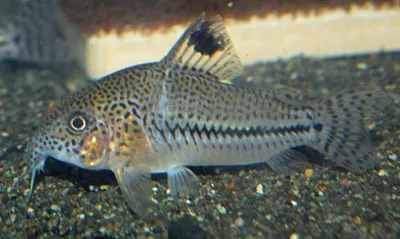 2.8 in (7 cm)24 gal (90 L)72–79°F (22–26°C)
Leopard cory
Brochis leopardus
2.8 in (7 cm) · 24 gal (90 L)
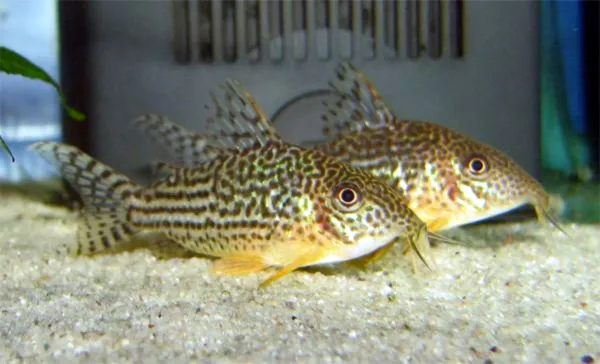 2.8 in (7 cm)20 gal (75 L)75–82°F (24–28°C)
Mosaic cory
Brochis haraldschultzi
2.8 in (7 cm) · 20 gal (75 L)
 2.8 in (7 cm)24 gal (90 L)72–79°F (22–26°C)
Ornate cory
Brochis ornata
2.8 in (7 cm) · 24 gal (90 L)