Ornate cory
Brochis ornata
Also known as Corydoras ornatus, Ornate corydoras
FreshwaterFish
Care at a glance
- Temperature
- 72–79°F
- 22–26°C
- pH
- 6.0–7.2
- Adult size
- 2.8 in
- 7 cm
- Minimum tank
- 24 gal
- 90 L
- Temperament
- Peaceful
- Social behavior
- Shoaling
- Swim level
- Bottom
- Difficulty
- Medium
- Breeding
- No record
- Rarity
- Rare
- Family
- Callichthyidae
- Origin
- Lower Rio Tapajos basin in Brazil.
Overview
Keep ornate cories in a group of six or more over smooth sand at 22 to 26 C in soft, slightly acidic water. They are peaceful and need open room to forage. Offer sinking pellets and small frozen foods such as bloodworm and daphnia.
In the wild
The ornate cory lives in clear, soft tributaries of the lower Tapajos. It forages over sand in slow, shaded water among wood and leaf litter. It is a larger, high bodied cory that uses open floor space.
Good to know
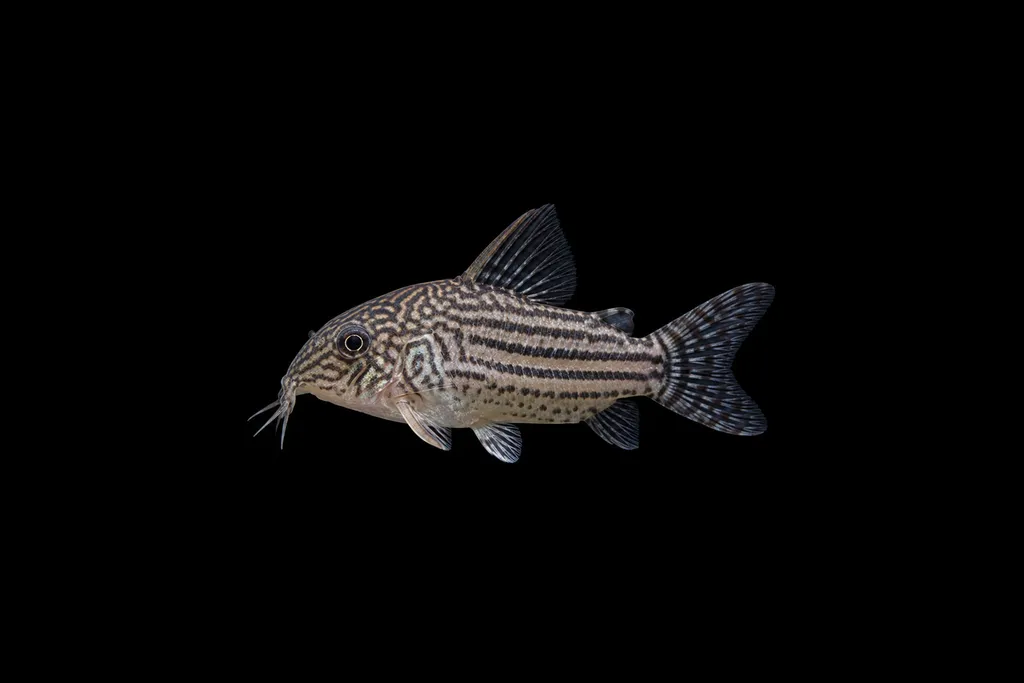
The name ornatus means adorned, a nod to its clean pattern of a black eye bar and three bold black stripes along the flanks. The 2024 revision placed it in the genus Brochis as Brochis ornata. It is one of the larger members of the group and has no widely documented aquarium spawning record.
Did you know
The ornate cory carries three bold black stripes down a clean white body, which is where its name meaning adorned comes from.
Weekly picks
Tank mates
Ornate cory is a peaceful, shoaling species that keeps to the bottom. These picks share a community profile with it, are safe together in both directions, and overlap on water type, temperature and pH.
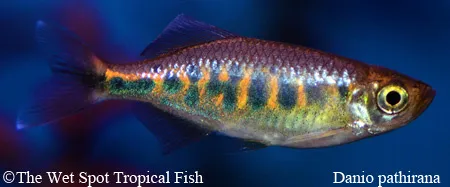
Barred danio
Devario pathirana
Freshwater2.4 in (6 cm) · 24 gal (90 L)70–79°F (21–26°C)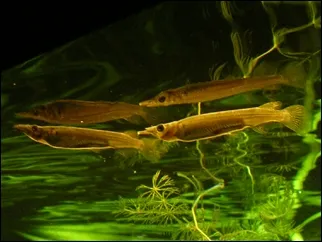
Wrestling halfbeak
Dermogenys pusilla
FreshwaterBrackish2.8 in (7 cm) · 25 gal (95 L)75–82°F (24–28°C)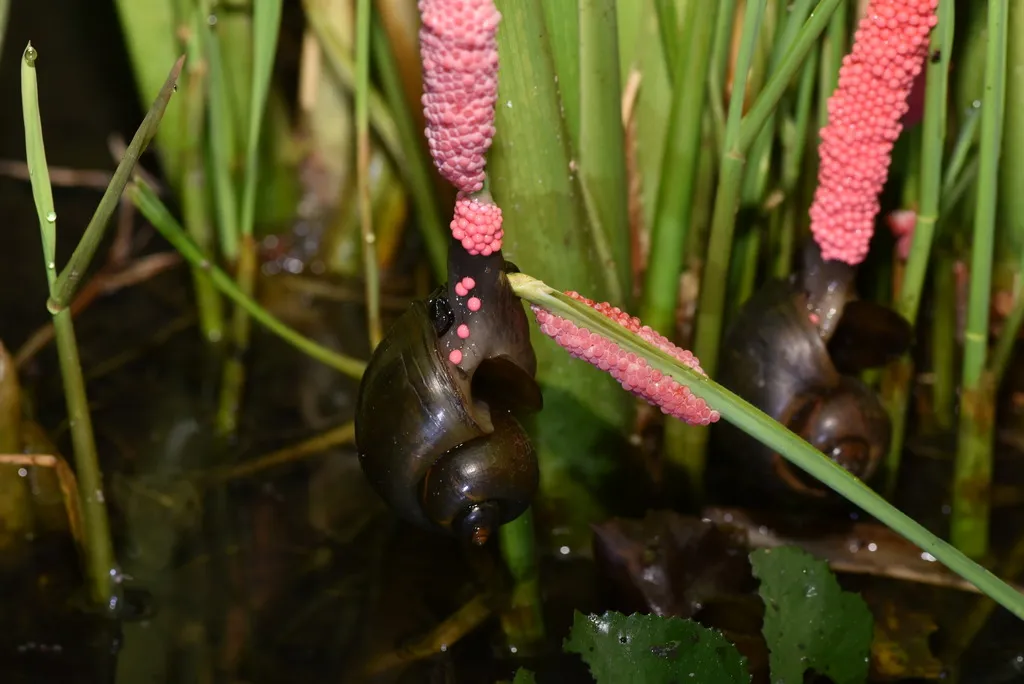
Apple snail
Pomacea canaliculata
Freshwater5.9 in (15 cm) · 21 gal (80 L)64–81°F (18–27°C)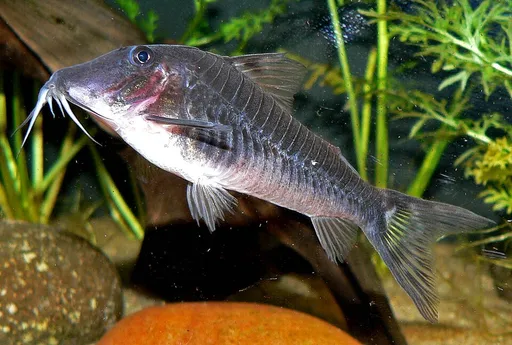
Peru black cory
Corydoras semiaquilus
Freshwater2.6 in (6.5 cm) · 24 gal (90 L)72–79°F (22–26°C)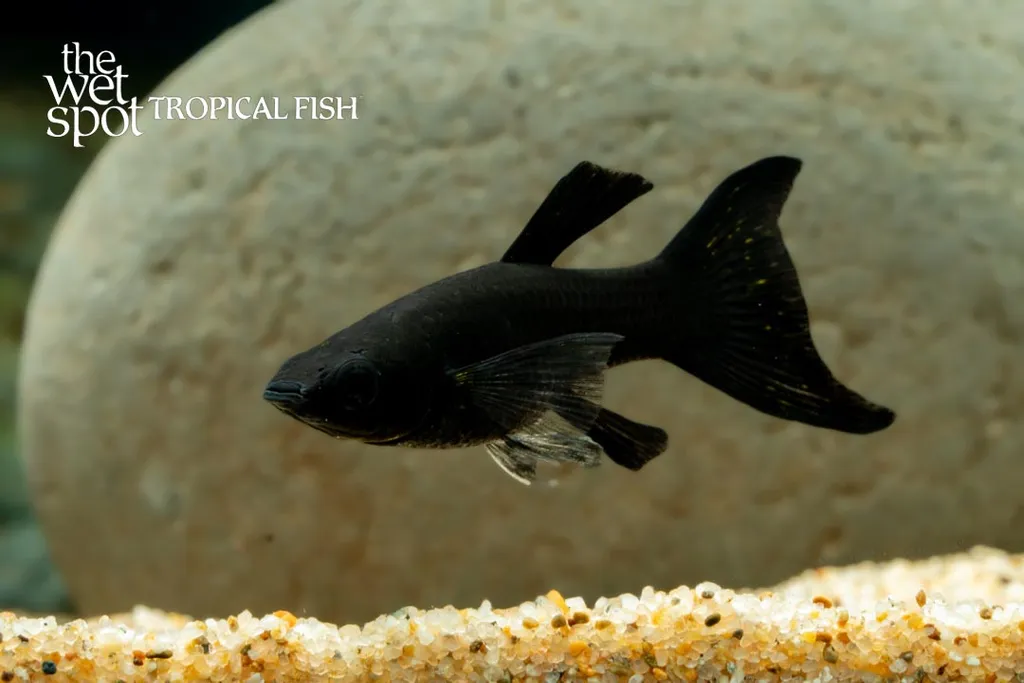
Black molly
Poecilia sphenops
FreshwaterBrackish4.7 in (12 cm) · 24 gal (90 L)70–82°F (21–28°C)Siamese flying barb
Laubuka siamensis
Freshwater2.6 in (6.5 cm) · 24 gal (90 L)72–81°F (22–27°C)
Common questions
What size tank does an Ornate cory need?
An Ornate cory needs at least 24 gal (90 L). It spends most of its time in the bottom.
What temperature and pH does an Ornate cory need?
An Ornate cory is comfortable at 72–79°F (22–26°C) with a pH of 6.0–7.2.
How big does an Ornate cory get?
An adult Ornate cory reaches about 2.8 in (7 cm).
Does an Ornate cory need a group?
Yes. An Ornate cory is a shoaling species and should be kept in a group, not singly.
Related species
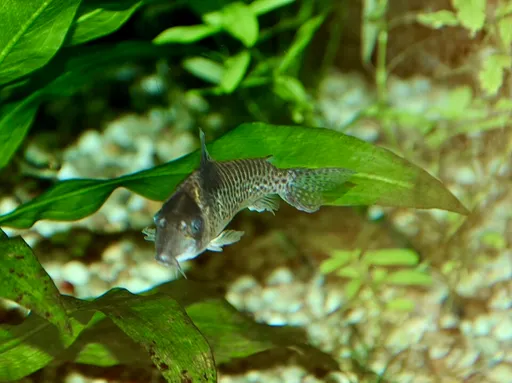 2.8 in (7 cm)24 gal (90 L)72–79°F (22–26°C)
Agassiz's cory
Brochis agassizii
2.8 in (7 cm) · 24 gal (90 L)
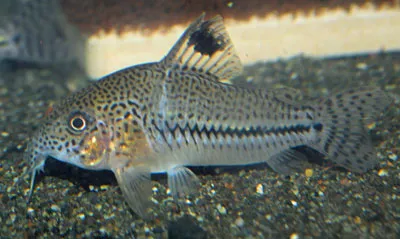 2.8 in (7 cm)24 gal (90 L)72–79°F (22–26°C)
Leopard cory
Brochis leopardus
2.8 in (7 cm) · 24 gal (90 L)
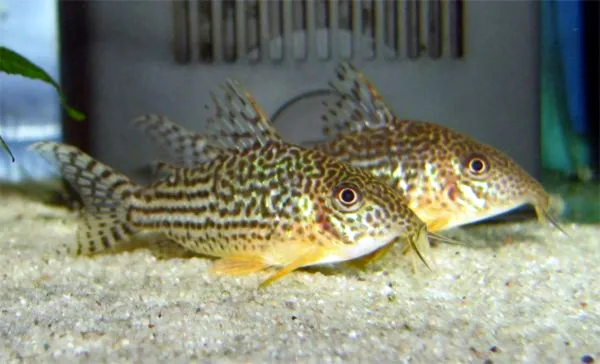 2.8 in (7 cm)20 gal (75 L)75–82°F (24–28°C)
Mosaic cory
Brochis haraldschultzi
2.8 in (7 cm) · 20 gal (75 L)
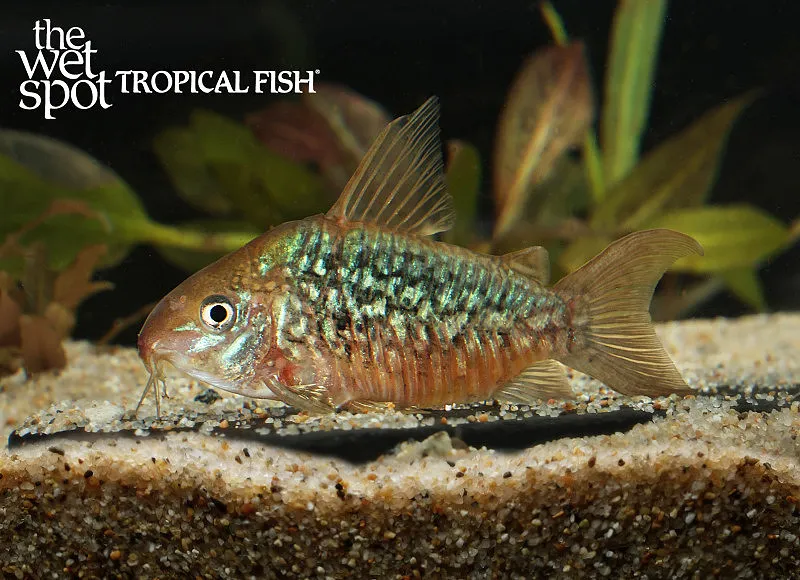 3 in (7.5 cm)26 gal (100 L)72–82°F (22–28°C)
Pantanal cory
Brochis pantanalensis
3 in (7.5 cm) · 26 gal (100 L)
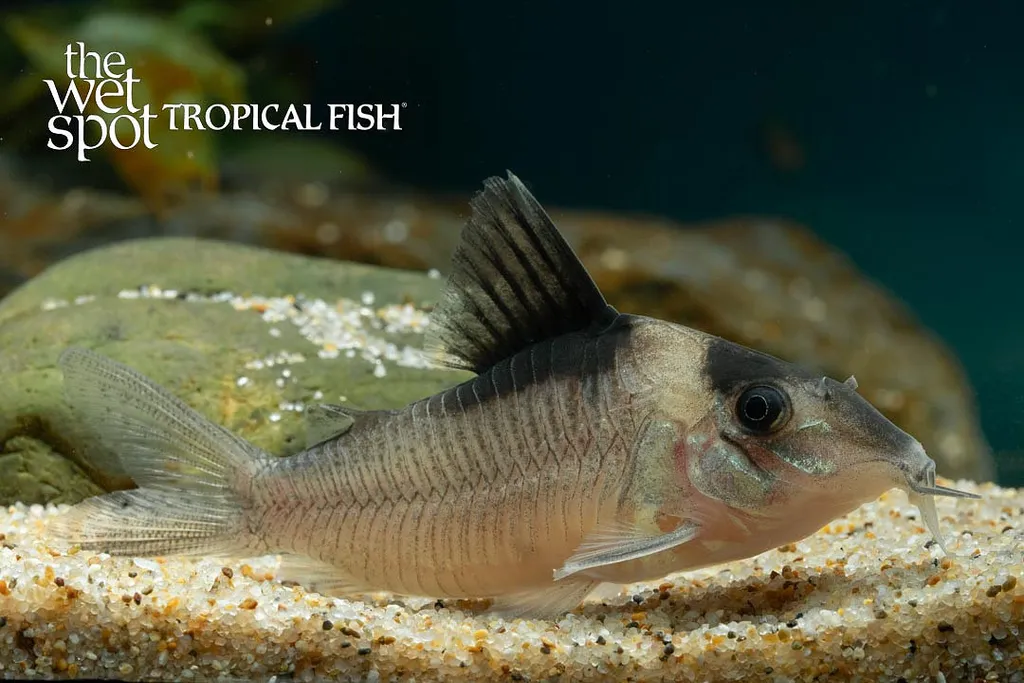 2.6 in (6.5 cm)20 gal (75 L)75–82°F (24–28°C)
Amanda Jane's cory
Brochis amandajanea
2.6 in (6.5 cm) · 20 gal (75 L)
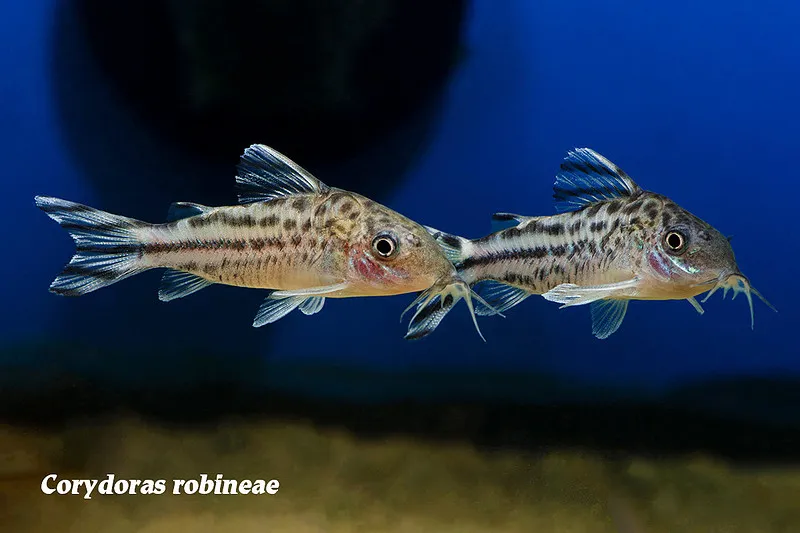 2.6 in (6.5 cm)20 gal (75 L)73–79°F (23–26°C)
Bannertail cory
Brochis robineae
2.6 in (6.5 cm) · 20 gal (75 L)