Cave otopharynx
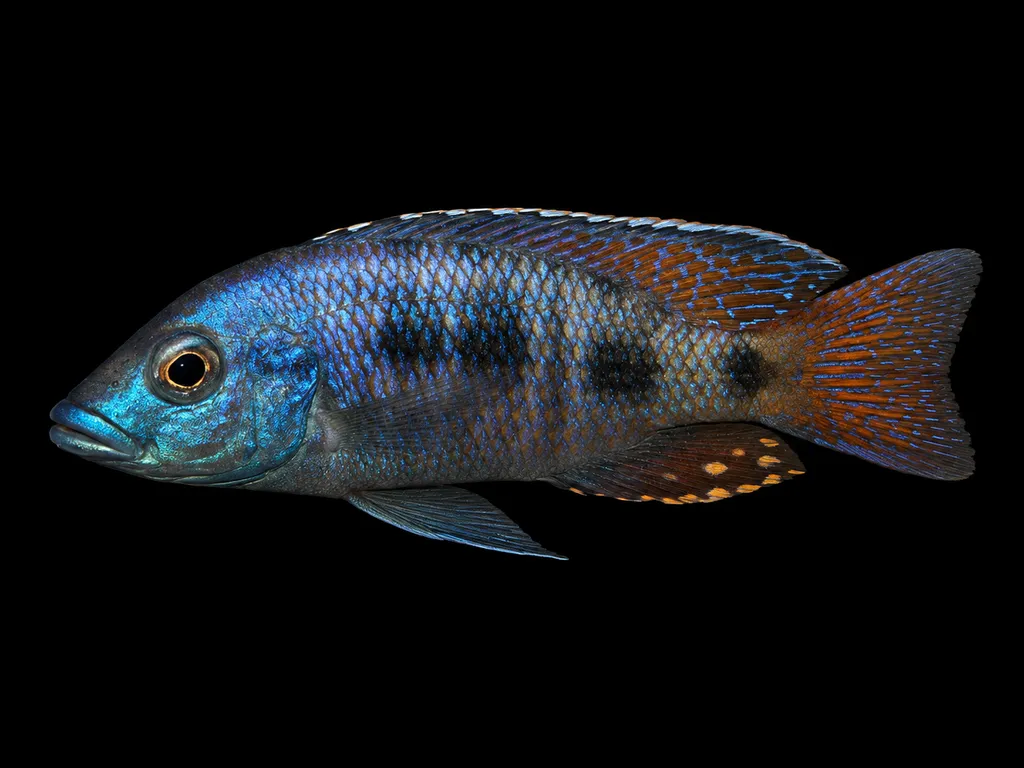
Otopharynx antron
Also known as Antron hap
FreshwaterFish
Care at a glance
- Temperature
- 75–81°F
- 24–27°C
- pH
- 7.5–8.5
- Adult size
- 4.7 in
- 12 cm
- Minimum tank
- 79 gal
- 300 L
- Temperament
- Mostly peaceful
- Social behavior
- Solitary
- Tankmates
- With caution
- Swim level
- Bottom
- Diet
- Carnivore
- Difficulty
- Medium
- Breeding
- Mouthbrooder · Medium
- Rarity
- Rare
- Family
- Cichlidae
- Origin
- Lake Malawi
Overview
The cave otopharynx is a modest, cave-holding hap from Lake Malawi for a rocky, hard-water tank. It suits a keeper with some cichlid experience.
Did you know
The cave otopharynx takes its species name, antron, from the Greek word for cave. Males blue up at the entrance of their caves to court passing females.
Caring for the cave otopharynx
Give a cave otopharynx at least 79 gal (300 L), with a sand floor. Pile stone so it leaves real caves and shaded overhangs. It lives at the bottom, where each male claims a cave of his own.
Keep the water stable and mineral-rich, at 75 to 81°F (24 to 27°C) and a pH of 7.5 to 8.5. It leans predatory, taking small invertebrates and fry. Feed meaty frozen and sinking foods.
Keep a single fish, or a male with one or two females, rather than a big group of its own kind. It is peaceful by Malawi standards but territorial around its cave. Pick tank mates with care, and keep it with other calm, hard-water cichlids that are not too pushy.
It is a maternal mouthbrooder, and breeding it is moderately difficult. The female carries the fertilized eggs and fry in her mouth for several weeks before releasing them.
Good to know
The cave otopharynx, Otopharynx antron, belongs to the family Cichlidae and is one of the Malawi haplochromines. It was one of two cave-dwelling Otopharynx described together from the lake in the 1990s.
In the wild
The cave otopharynx lives along Lake Malawi, over mixed sand and rock with small caves and hollows. Malawi is a hard, alkaline rift lake.
Common questions
What size tank does a cave otopharynx need?
A cave otopharynx needs at least 79 gal (300 L). It spends most of its time in the bottom.
What temperature and pH does a cave otopharynx need?
A cave otopharynx is comfortable at 75–81°F (24–27°C) with a pH of 7.5–8.5.
What does a cave otopharynx eat?
A cave otopharynx leans predatory and takes small invertebrates and fry. Feed it meaty frozen and sinking foods.
How big does a cave otopharynx get?
An adult cave otopharynx reaches about 4.7 in (12 cm).
How does a cave otopharynx breed?
The cave otopharynx is a maternal mouthbrooder. The female carries the fertilized eggs and fry in her mouth for several weeks, and breeding it is moderately difficult.
Related species
 5.1 in (13 cm)79 gal (300 L)75–81°F (24–27°C)
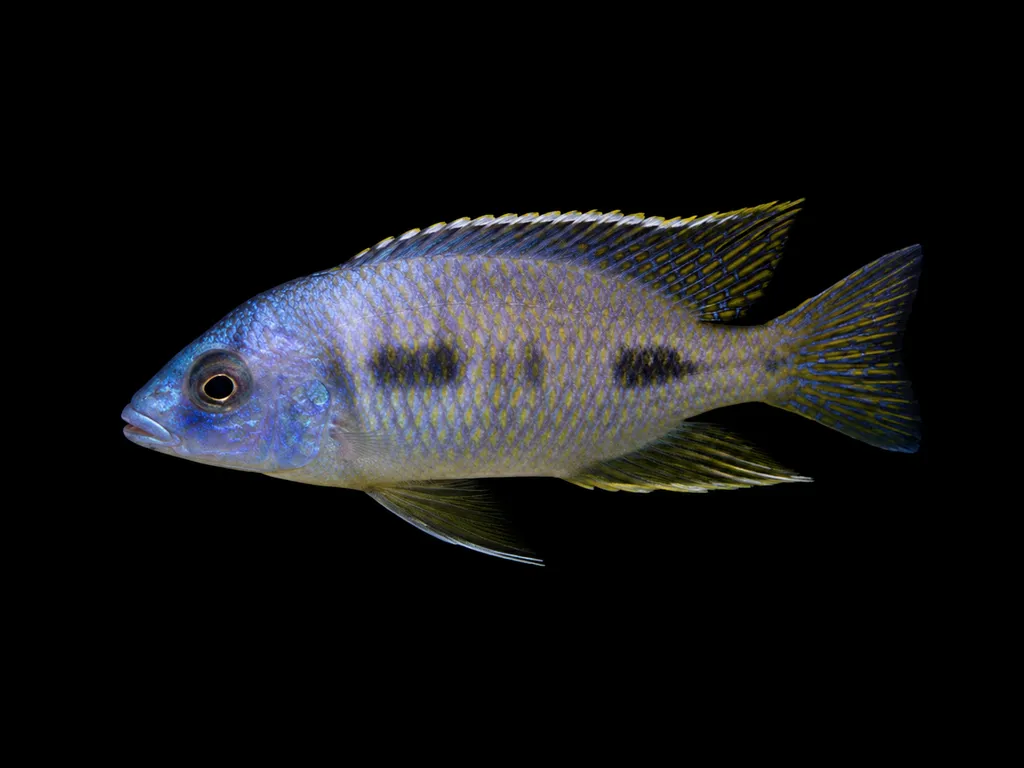
Heterodon hap
Otopharynx heterodon
5.1 in (13 cm) · 79 gal (300 L)
 6.3 in (16 cm)79 gal (300 L)75–81°F (24–27°C)
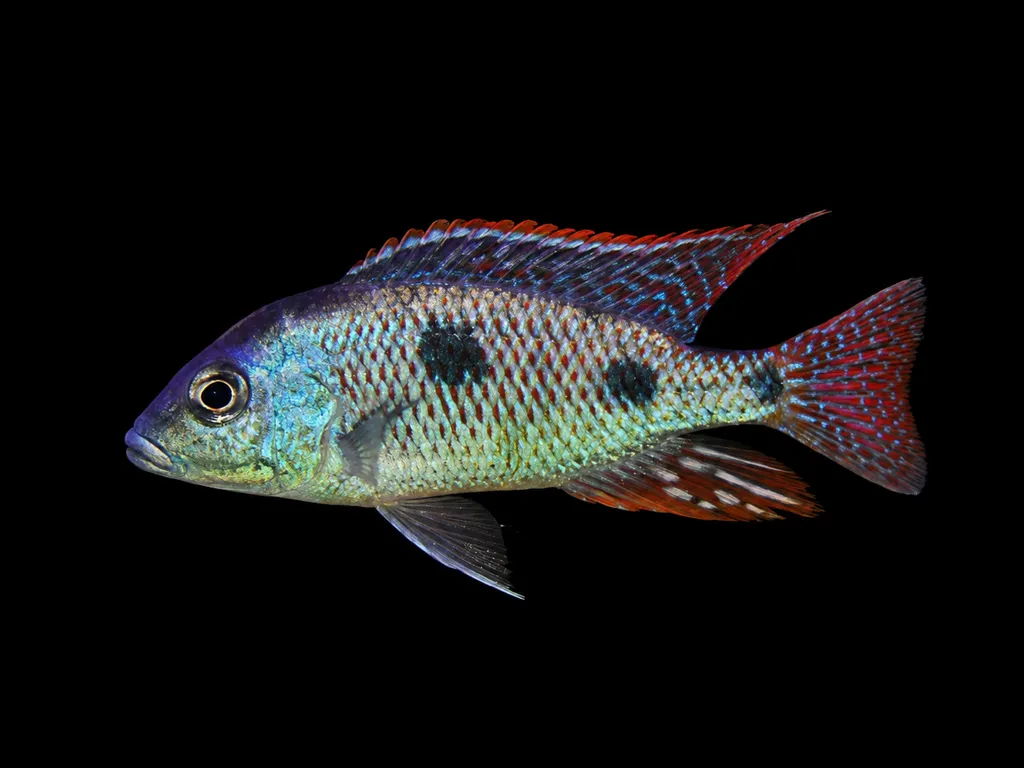
Four-spot otopharynx
Otopharynx tetrastigma
6.3 in (16 cm) · 79 gal (300 L)
 6.3 in (16 cm)53 gal (200 L)75–82°F (24–28°C)
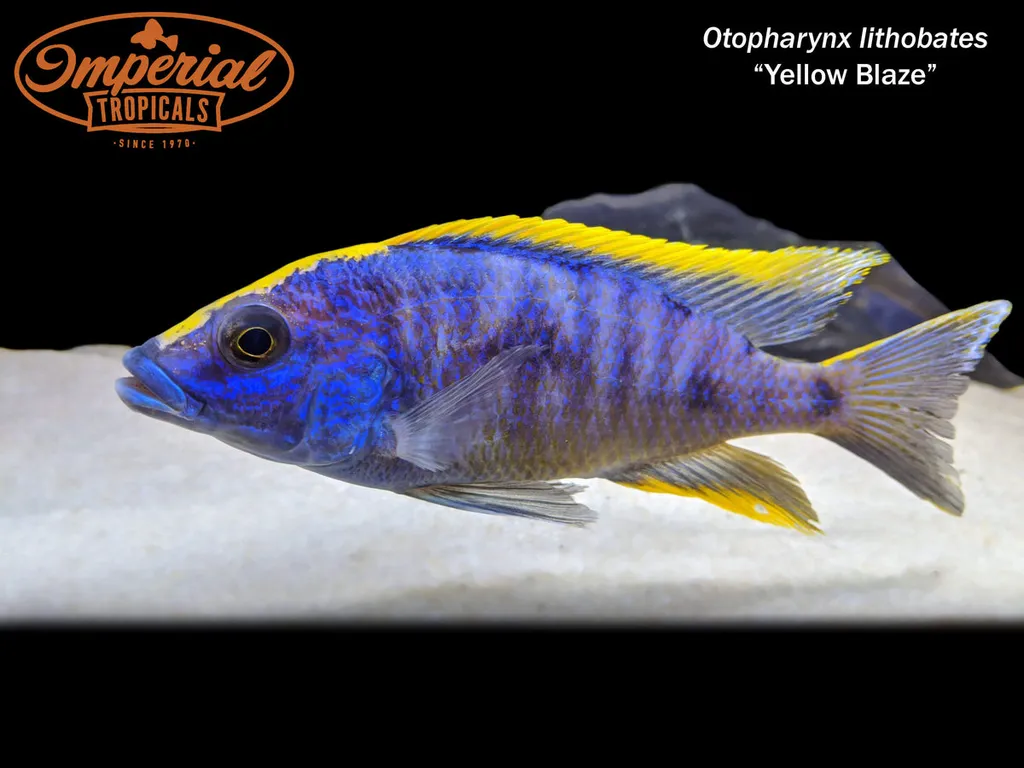
Sulphur-head hap
Otopharynx lithobates
6.3 in (16 cm) · 53 gal (200 L)
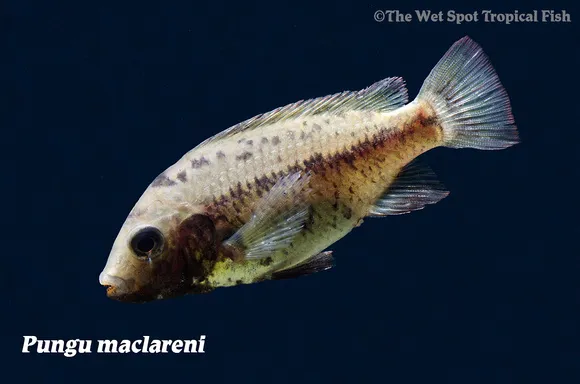 4.7 in (12 cm)53 gal (200 L)73–81°F (23–27°C)
Maclareni pungu
Pungu maclareni
4.7 in (12 cm) · 53 gal (200 L)
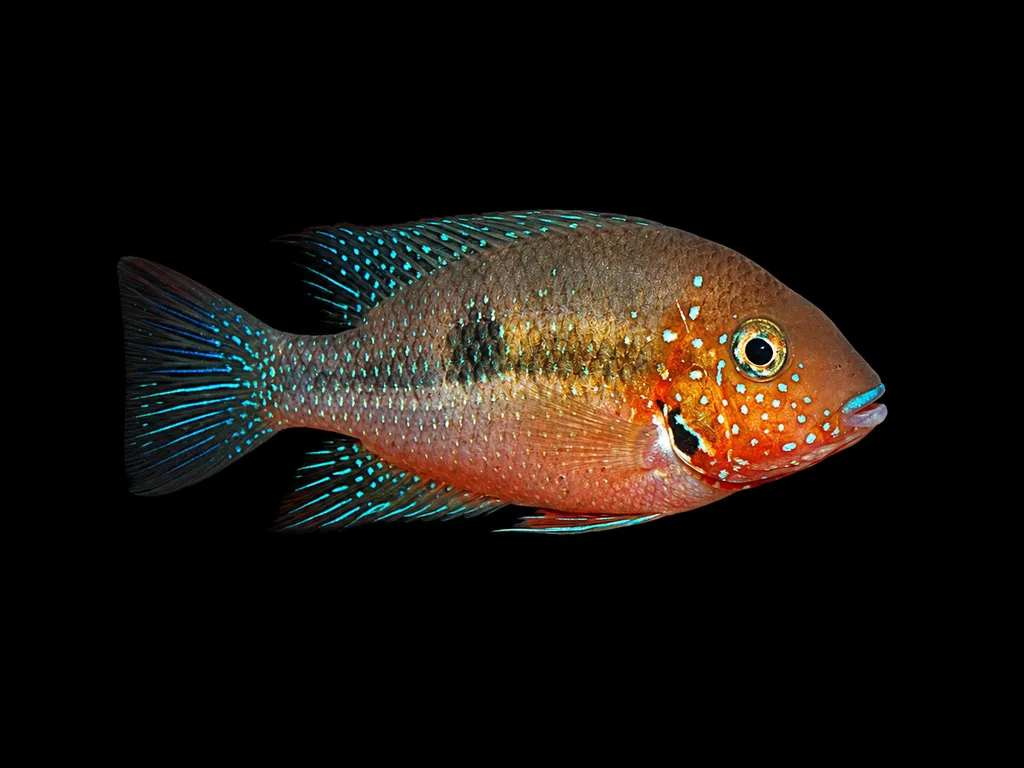 4.7 in (12 cm)53 gal (200 L)75–84°F (24–29°C)
Mixteco cichlid
Thorichthys panchovillai
4.7 in (12 cm) · 53 gal (200 L)
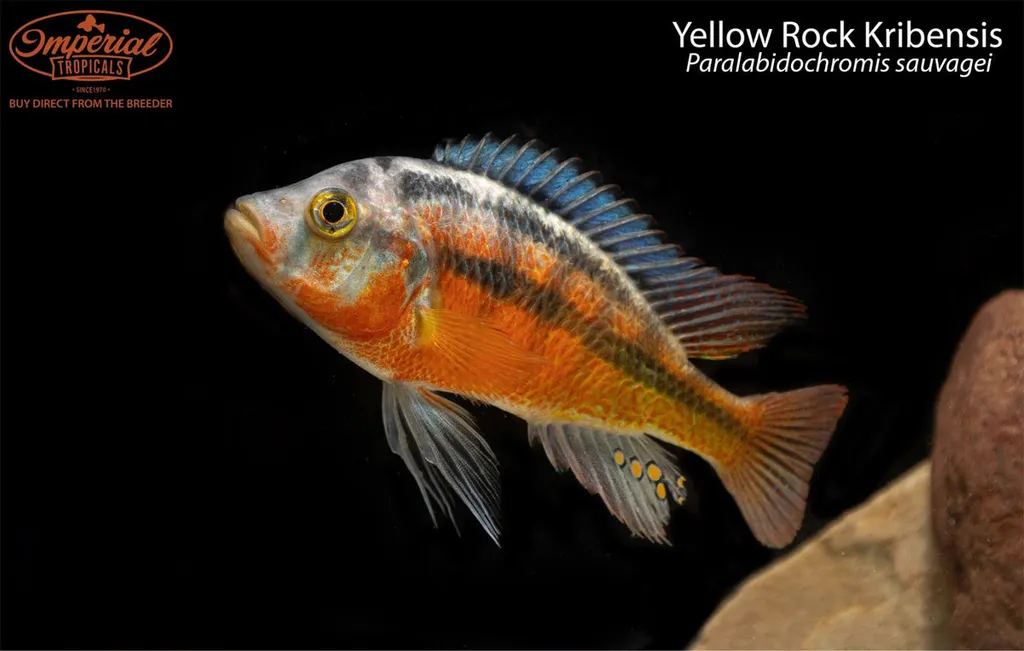 4.7 in (12 cm)66 gal (250 L)73–81°F (23–27°C)
Rock kribensis
Paralabidochromis sauvagei
4.7 in (12 cm) · 66 gal (250 L)