Sulphur-head hap
Otopharynx lithobates
Also known as Sulphurhead hap, Zimbabwe rock, Zimbabwe rock cichlid
FreshwaterFish
Care at a glance
- Temperature
- 75–82°F
- 24–28°C
- pH
- 7.6–8.8
- Adult size
- 6.3 in
- 16 cm
- Minimum tank
- 53 gal
- 200 L
- Temperament
- Mostly peaceful
- Social behavior
- Social
- Swim level
- Bottom
- Difficulty
- Medium
- Breeding
- Medium
- Rarity
- Common
- Family
- Cichlidae
- Origin
- Endemic to Lake Malawi (southern rocky areas, Africa)
Overview
Keep them as a harem of one male to three or more females in a tank of 200 liters or larger, which spreads the male's attention during spawning and stops a single female getting harassed. Run the water hard and alkaline, 24 to 28 C, with a pH from 7.6 to 8.8. This is a bottom-oriented, mostly peaceful Malawi cichlid, but it is still territorial and will eat small fish, so skip tiny community tankmates and avoid boisterous mbuna. Feed a carnivore-leaning diet of live and frozen foods and avoid the spirulina-heavy diets sold for mbuna.
In the wild
The Sulphur-head hap is endemic to Lake Malawi in Africa, where it lives over the southern rocky areas of this hard, alkaline rift lake. Match that with hard, alkaline water, high KH and GH, and a pH from 7.6 to 8.8, holding the temperature between 24 and 28 C. Stability matters more than hitting an exact number, so aim for steady readings. Give them a tank of at least 200 liters built from rockwork with caves over sandy substrate, with open sand lanes between the piles, since this is a rock-dwelling fish hardly ever seen in open water.
Good to know
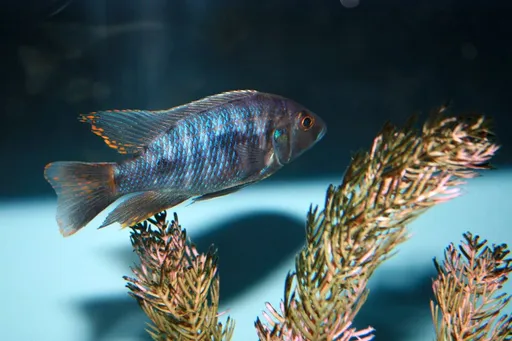
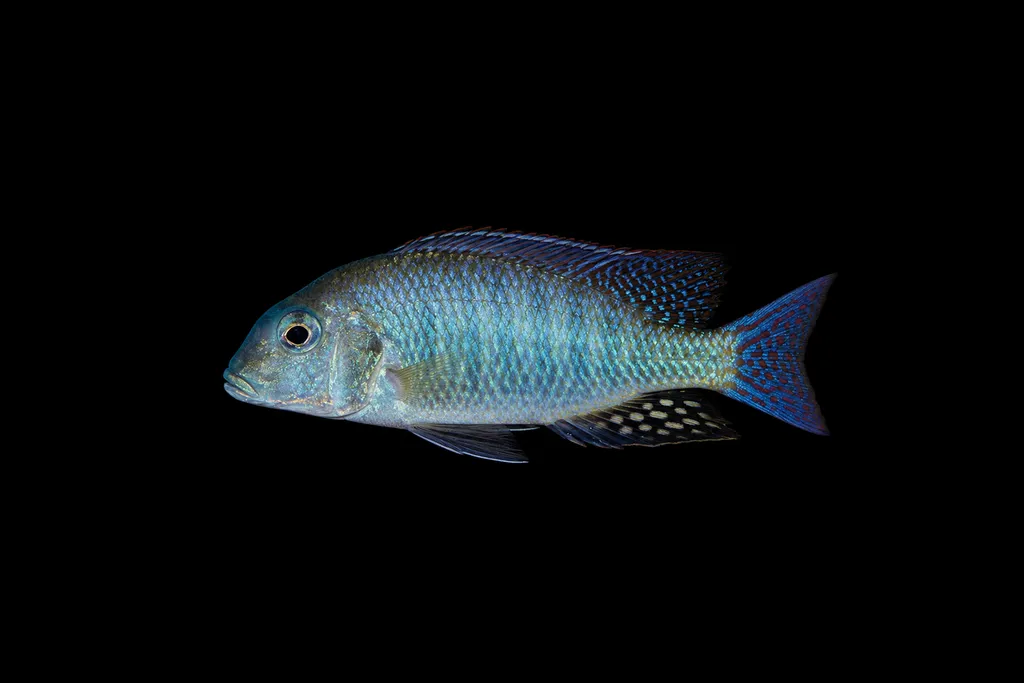
This is Otopharynx lithobates, a hap in the family Cichlidae. Dominant males reach about 16 cm, while females stay closer to 10 to 12 cm. It is a maternal mouthbrooder, so the female holds the eggs and fry in her mouth until they are free swimming. Males color up with a neon blue head and a yellow to orange sulphur blaze, while females and juveniles stay plain silver.
Did you know
The common name comes from the male's breeding dress. His head turns electric blue while a band of yellow to orange runs across the top, the color that earned the fish its sulphur tag and the old trade name red-top. Outside of display he can dial that color back, and females and young fish never show it at all, staying a plain silver that makes the breeding males stand out even more.
Weekly picks
Tank mates
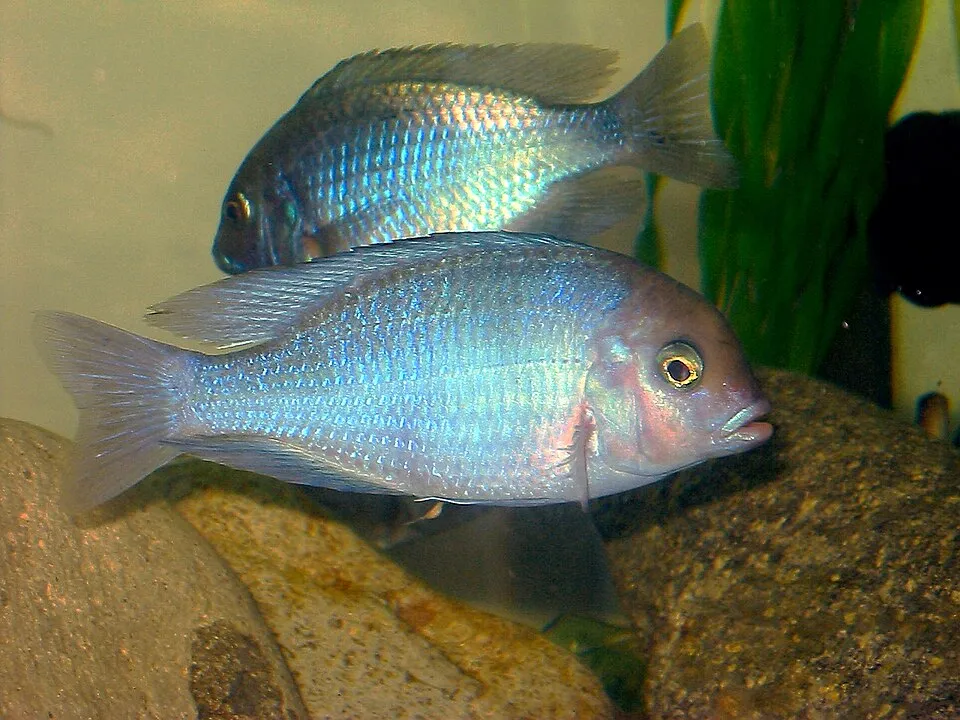
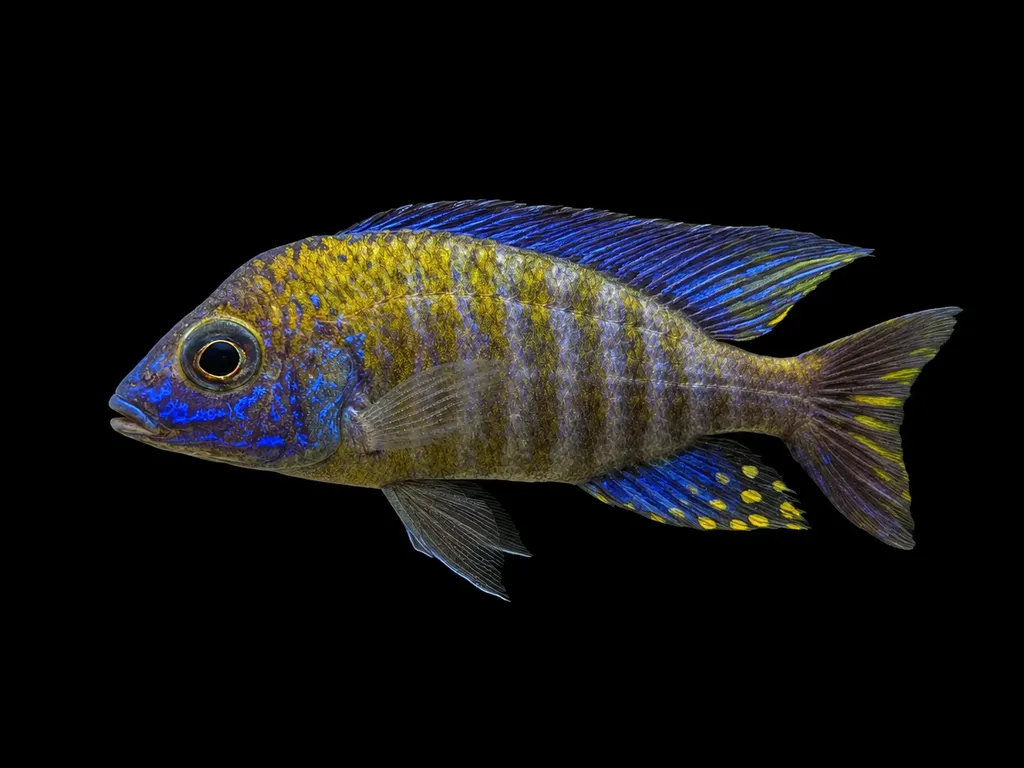
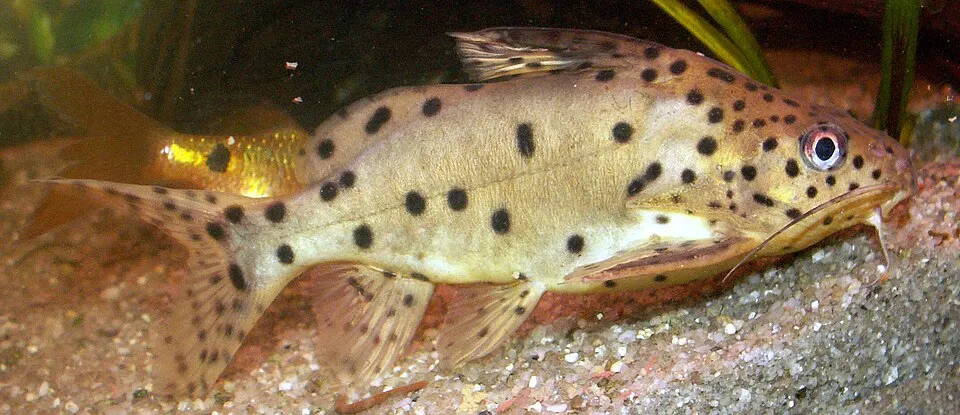
Sulphur-head hap is a mostly peaceful, social species that keeps to the bottom. These picks share a community profile with it, are safe together in both directions, and overlap on water type, temperature and pH.
Common questions
What size tank does a Sulphur-head hap need?
A Sulphur-head hap needs at least 53 gal (200 L). It spends most of its time in the bottom.
What temperature and pH does a Sulphur-head hap need?
A Sulphur-head hap is comfortable at 75–82°F (24–28°C) with a pH of 7.6–8.8.
How big does a Sulphur-head hap get?
An adult Sulphur-head hap reaches about 6.3 in (16 cm).
Related species
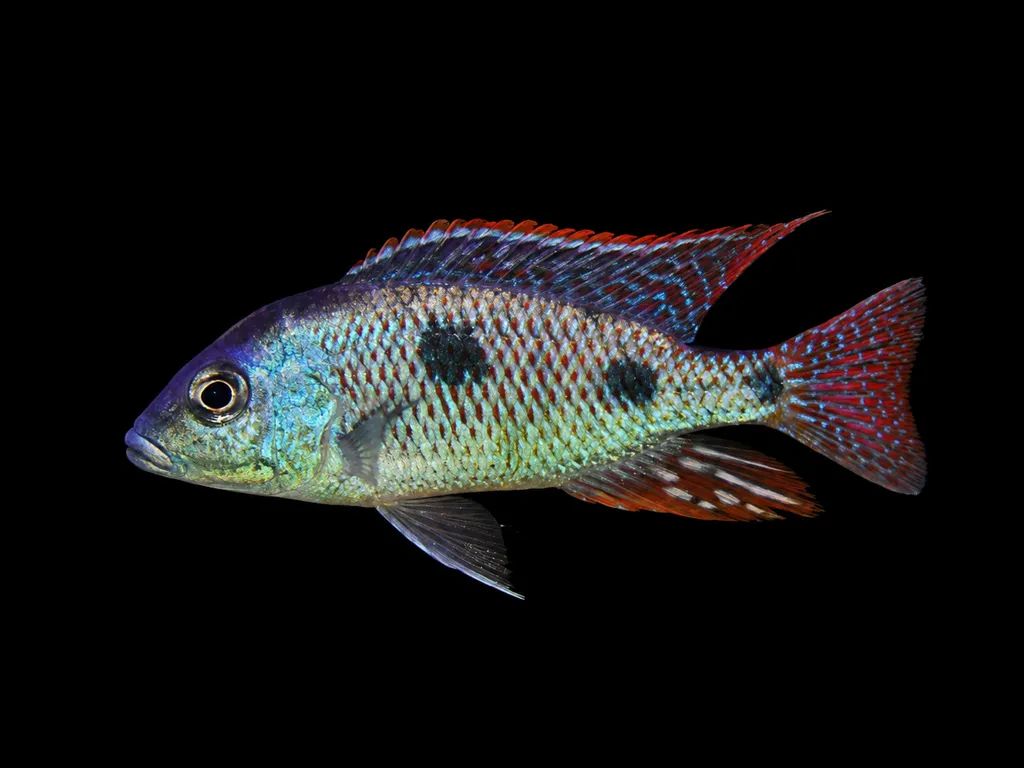 6.3 in (16 cm)79 gal (300 L)75–81°F (24–27°C)
Four-spot otopharynx
Otopharynx tetrastigma
6.3 in (16 cm) · 79 gal (300 L)
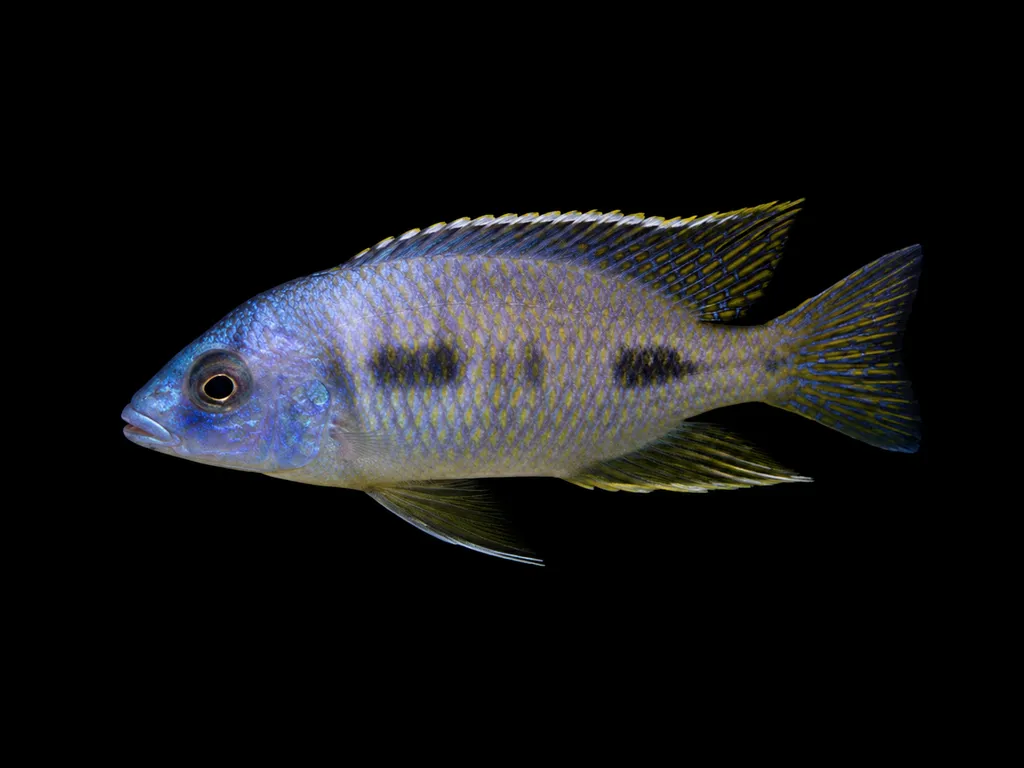 5.1 in (13 cm)79 gal (300 L)75–81°F (24–27°C)
Heterodon hap
Otopharynx heterodon
5.1 in (13 cm) · 79 gal (300 L)
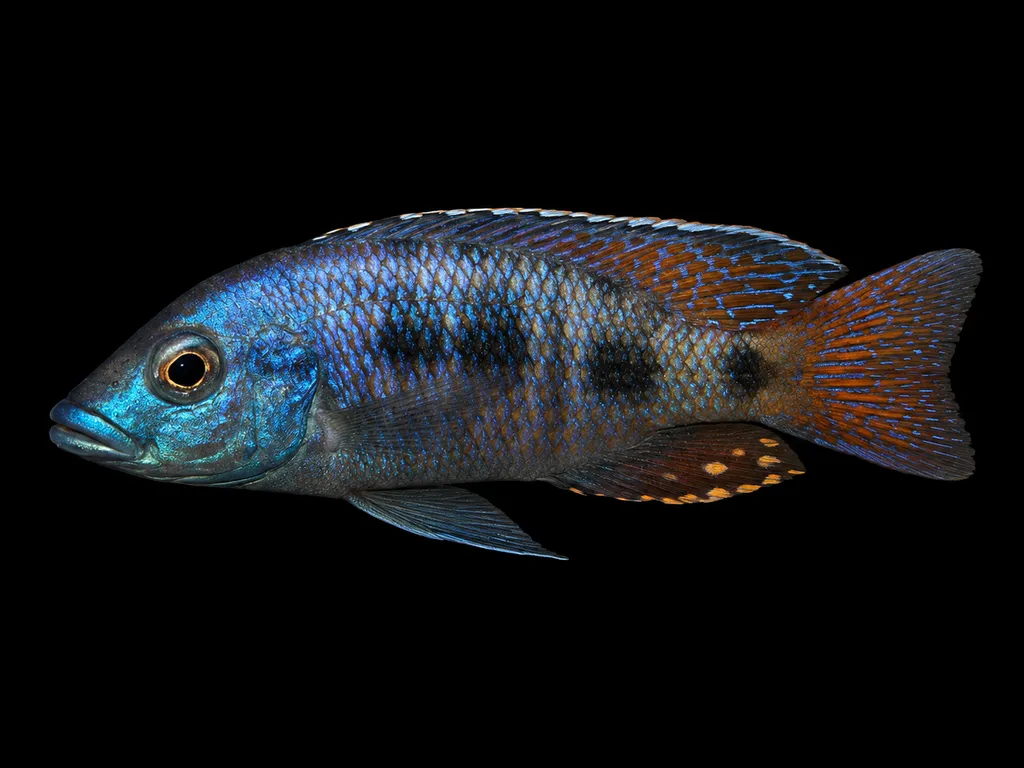 4.7 in (12 cm)79 gal (300 L)75–81°F (24–27°C)
Cave otopharynx
Otopharynx antron
4.7 in (12 cm) · 79 gal (300 L)
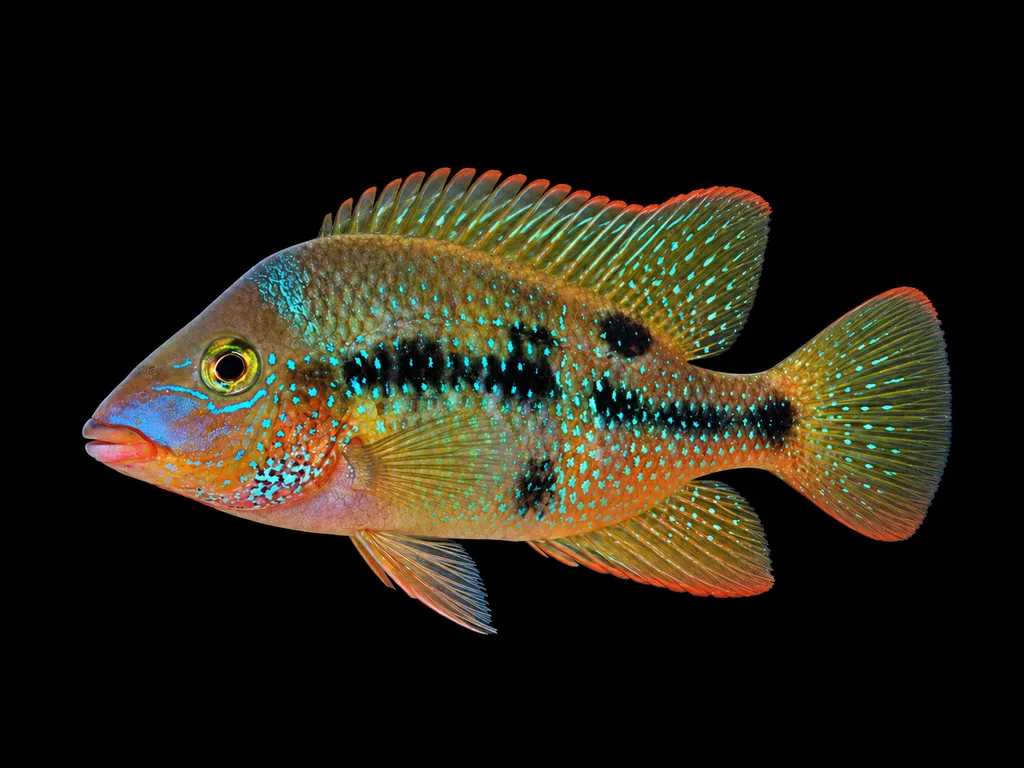 6.3 in (16 cm)79 gal (300 L)75–84°F (24–29°C)
Altifrons cichlid
Cribroheros altifrons
6.3 in (16 cm) · 79 gal (300 L)
 6.3 in (16 cm)79 gal (300 L)75–81°F (24–27°C)
Altus lethrinops
Lethrinops altus
6.3 in (16 cm) · 79 gal (300 L)
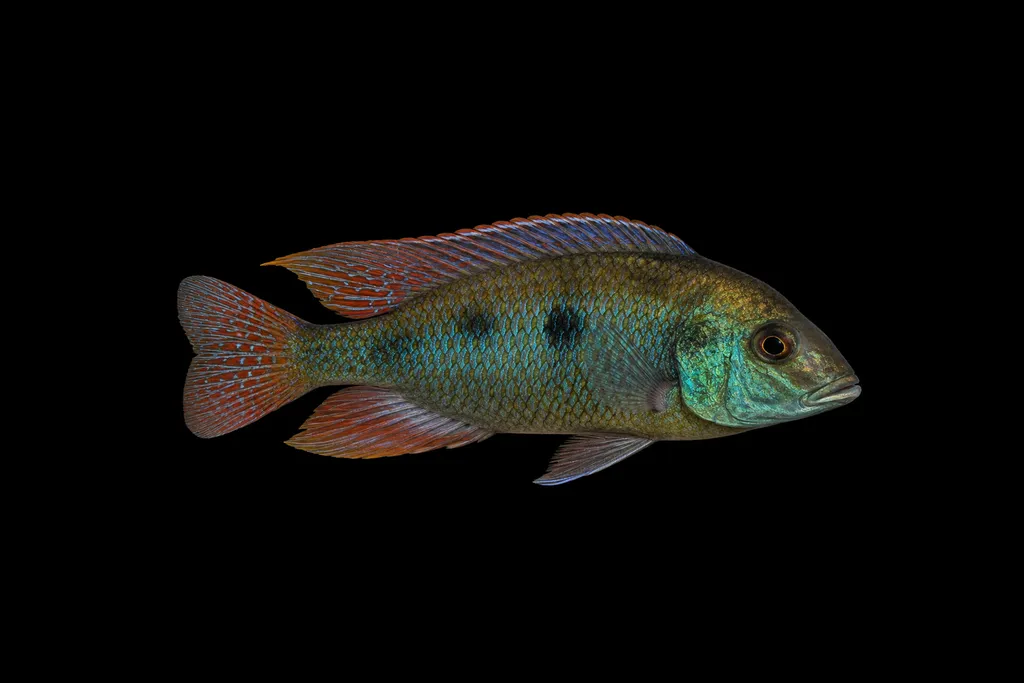 6.3 in (16 cm)79 gal (300 L)75–81°F (24–27°C)
Intermedius sand hap
Tramitichromis intermedius
6.3 in (16 cm) · 79 gal (300 L)