Intermedius sand hap
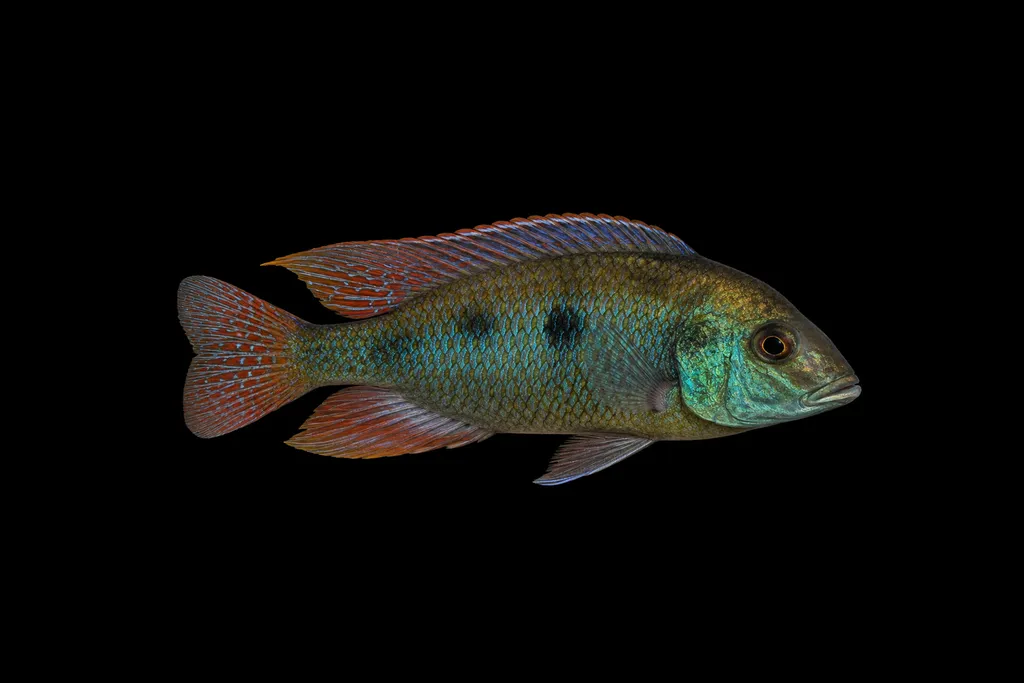
Tramitichromis intermedius
Also known as Lethrinops intermedius
FreshwaterFish
Care at a glance
- Temperature
- 75–81°F
- 24–27°C
- pH
- 7.5–8.5
- Adult size
- 6.3 in
- 16 cm
- Minimum tank
- 79 gal
- 300 L
- Temperament
- Mostly peaceful
- Social behavior
- Social
- Swim level
- Bottom
- Difficulty
- Medium
- Breeding
- Mouthbrooder · Medium
- Rarity
- Rare
- Family
- Cichlidae
- Origin
- Lake Malawi
Overview
The Intermedius sand hap is a peaceful, sand-sifting cichlid for a calm tank with a broad, open floor. It takes a little experience to keep well.
Did you know
The Intermedius sand hap feeds like a living sieve. It takes a mouthful of sand and passes it out through the gills, so the grit falls away. Only the small buried animals are kept and swallowed.
Caring for the Intermedius sand hap
Give the Intermedius sand hap a tank of at least 79 gal (300 L), with plenty of floor area. A deep bed of soft, rounded sand is essential, with nothing sharp in it. Keep rockwork light and around the edges, because open floor matters more than rock.
Keep the water hard and alkaline like the lake, at 75 to 81°F (24 to 27°C) and a pH of 7.5 to 8.5. These rift lake fish prefer it clean and stable. Feed sinking pellets and frozen foods such as brine shrimp and bloodworm, and let it forage over the sand between feeds.
Keep one male with several females. The Intermedius sand hap is too gentle for a rowdy mbuna tank. House it with other calm species such as peacocks, utaka and similar haps.
It is a maternal mouthbrooder. It spawns with moderate difficulty in a calm, suitable setup.
Good to know
Tramitichromis intermedius is a sand-dwelling hap in the family Cichlidae, once placed in the genus Lethrinops. The two genera are separated on fine details of the jaws and feeding apparatus that suit them to sifting sand.
In the wild
The Intermedius sand hap lives over the shallow, sandy floors of sheltered bays in southern Lake Malawi, sifting the sand for food.
Weekly picks
Tank mates
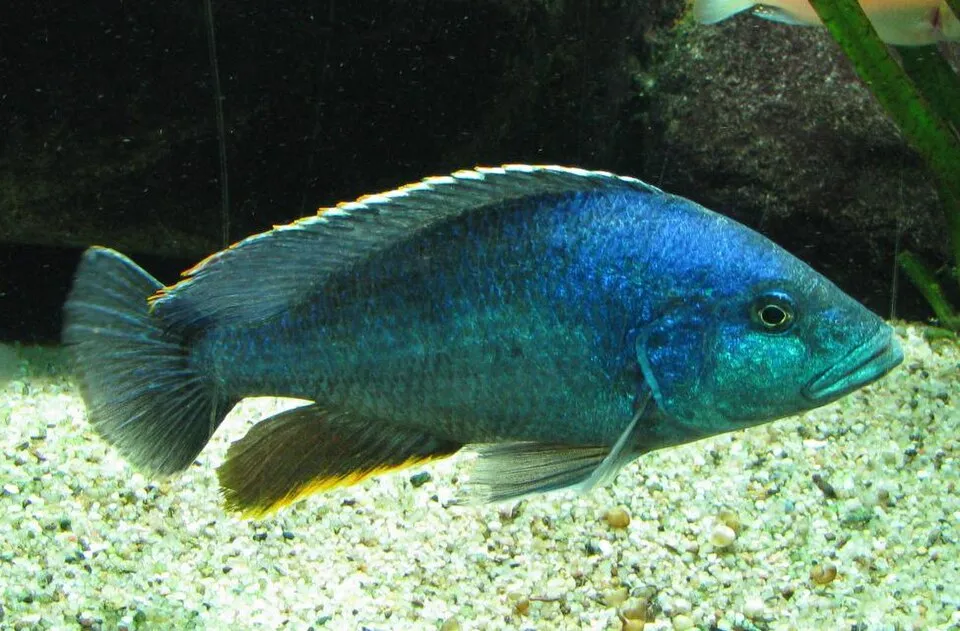
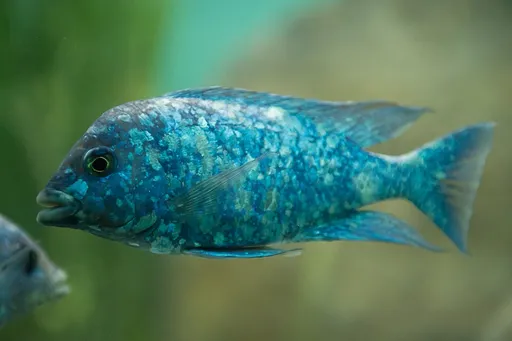
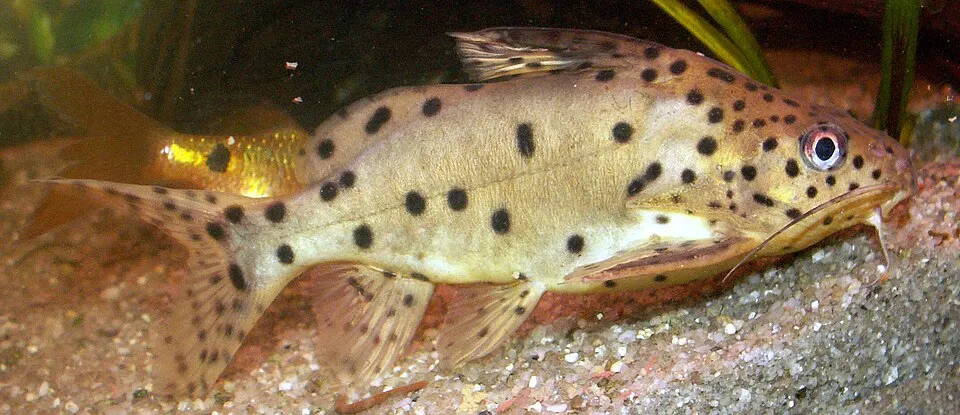
The Intermedius sand hap is a mostly peaceful, social species that keeps to the bottom. These picks share a community profile with it, are safe together in both directions, and overlap on water type, temperature and pH.
Common questions
What size tank does an Intermedius sand hap need?
An Intermedius sand hap needs at least 79 gal (300 L). It spends most of its time in the bottom.
What temperature and pH does an Intermedius sand hap need?
An Intermedius sand hap is comfortable at 75–81°F (24–27°C) with a pH of 7.5–8.5.
What does an Intermedius sand hap eat?
An Intermedius sand hap eats sinking pellets and frozen foods such as brine shrimp and bloodworm. Between feeds, it forages over the sand.
How big does an Intermedius sand hap get?
An adult Intermedius sand hap reaches about 6.3 in (16 cm).
How does an Intermedius sand hap breed?
An Intermedius sand hap is a maternal mouthbrooder. It spawns with moderate difficulty, given a calm, suitable setup.
Related species
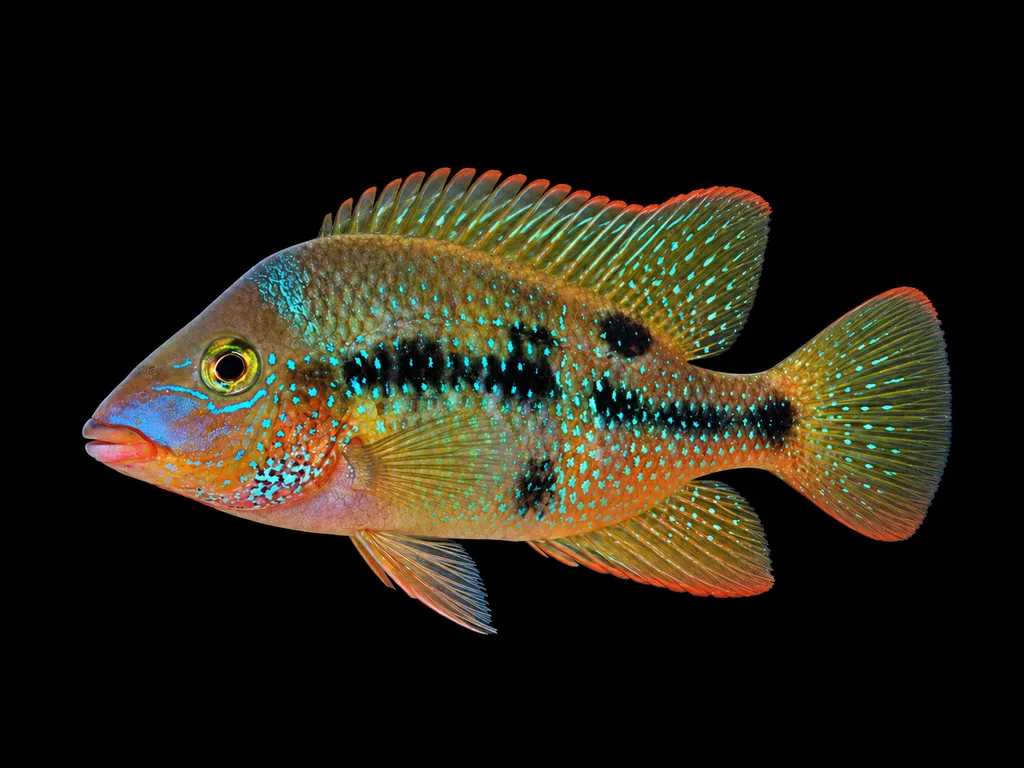 6.3 in (16 cm)79 gal (300 L)75–84°F (24–29°C)
Altifrons cichlid
Cribroheros altifrons
6.3 in (16 cm) · 79 gal (300 L)
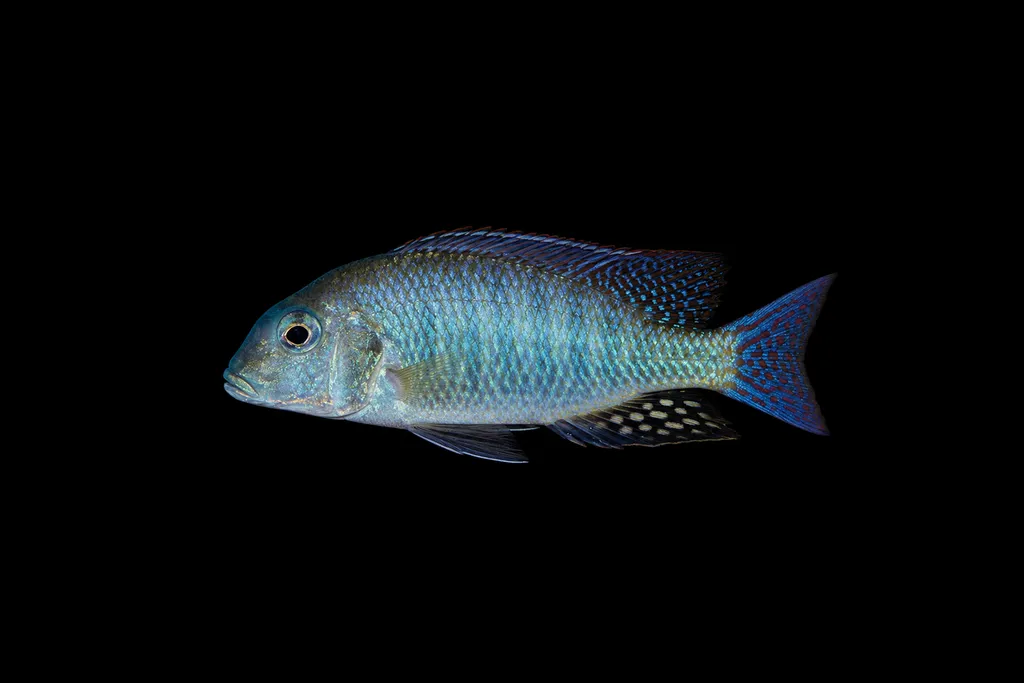 6.3 in (16 cm)79 gal (300 L)75–81°F (24–27°C)
Altus lethrinops
Lethrinops altus
6.3 in (16 cm) · 79 gal (300 L)
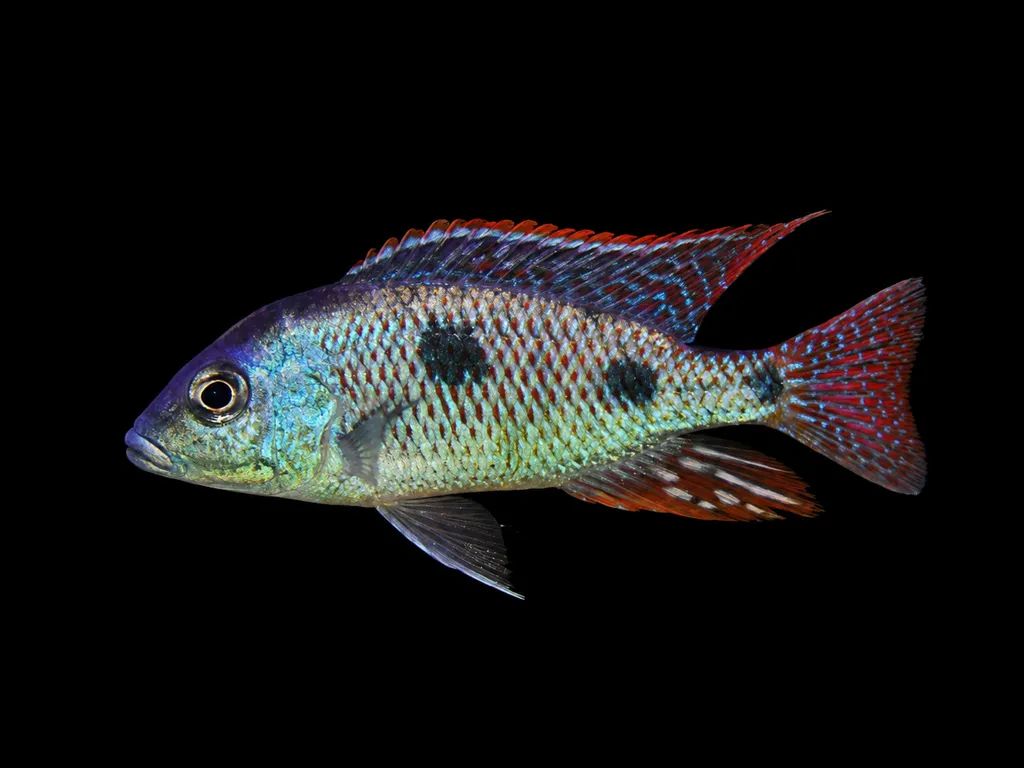 6.3 in (16 cm)79 gal (300 L)75–81°F (24–27°C)
Four-spot otopharynx
Otopharynx tetrastigma
6.3 in (16 cm) · 79 gal (300 L)
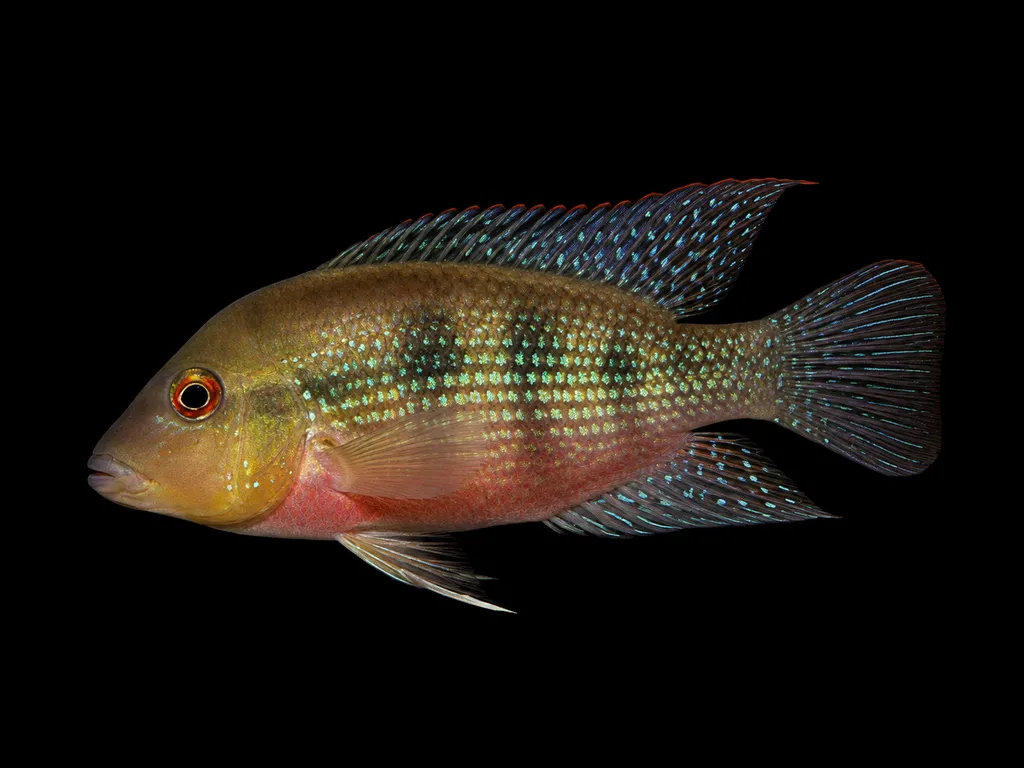 6.3 in (16 cm)79 gal (300 L)75–84°F (24–29°C)
Longfin sifter cichlid
Cribroheros longimanus
6.3 in (16 cm) · 79 gal (300 L)
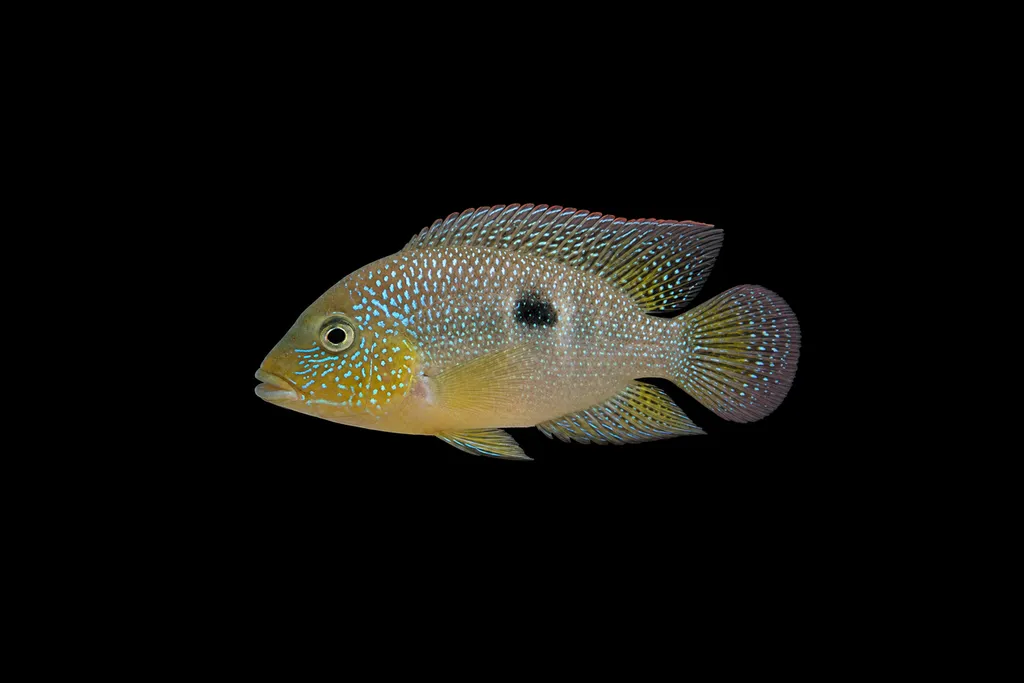 6.3 in (16 cm)79 gal (300 L)75–84°F (24–29°C)
Rhytisma cichlid
Cribroheros rhytisma
6.3 in (16 cm) · 79 gal (300 L)
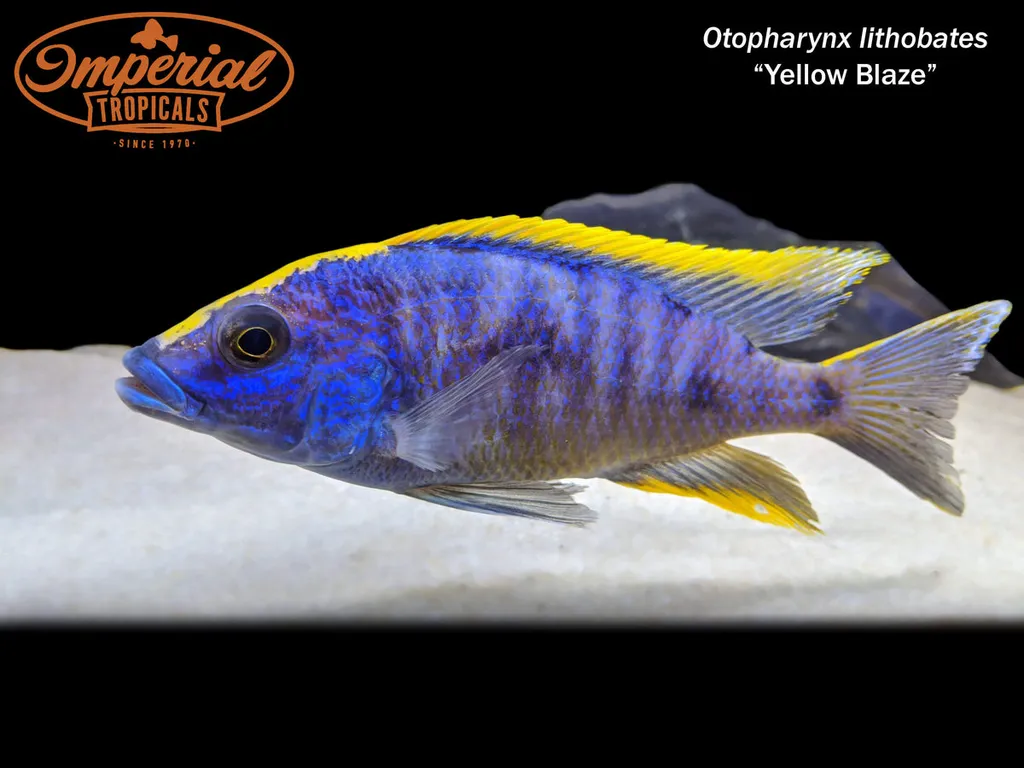 6.3 in (16 cm)53 gal (200 L)75–82°F (24–28°C)
Sulphur-head hap
Otopharynx lithobates
6.3 in (16 cm) · 53 gal (200 L)