Star sapphire cichlid
Placidochromis phenochilus
Also known as Star sapphire, Phenochilus, Mdoka white lips, Placidochromis gisseli, Gissel cichlid
FreshwaterFish
Care at a glance
- Temperature
- 77–82°F
- 25–28°C
- pH
- 7.8–8.6
- Adult size
- 7.9 in
- 20 cm
- Minimum tank
- 79 gal
- 300 L
- Temperament
- Mostly peaceful
- Social behavior
- Social
- Swim level
- Bottom
- Difficulty
- Easy
- Breeding
- Easy
- Rarity
- Common
- Family
- Cichlidae
- Origin
- Sandy and rocky areas of the northwestern shore of Lake Malawi in East Africa.
Overview
Give a group a tank of at least 300 liters with open sand and some rock, hard alkaline water at 25 to 28 C, pH 7.8 to 8.6. It is peaceful for its size and belongs with other calm haps and peacocks rather than aggressive mbuna. Feed sinking pellets and frozen foods, and be patient since the males color up slowly. One male with several females works best.
In the wild
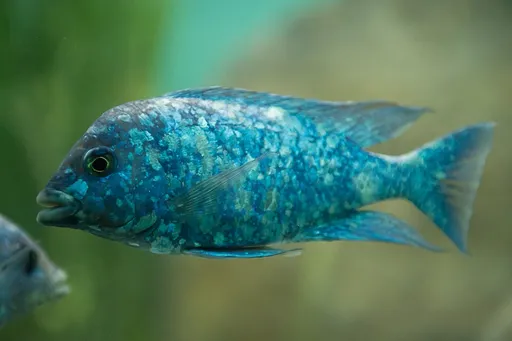
The star sapphire is a large sand and rock hap from the northwest of Lake Malawi. Adult males turn a deep metallic blue speckled with white dots that look like stars. The Mdoka population also develops bright white lips.
Good to know
Placidochromis phenochilus is a maternal mouthbrooder that reaches a good size but keeps a calm temperament. In the wild it follows sand sifting cichlids and eats what they stir up, much like its relative the deepwater hap. The white spotting on males develops slowly and can take a couple of years to show fully.
Did you know
Young males look plain silver for a long time, so the shimmering blue and white adult color is a slow reward that can take two years to arrive.
Weekly picks
Tank mates
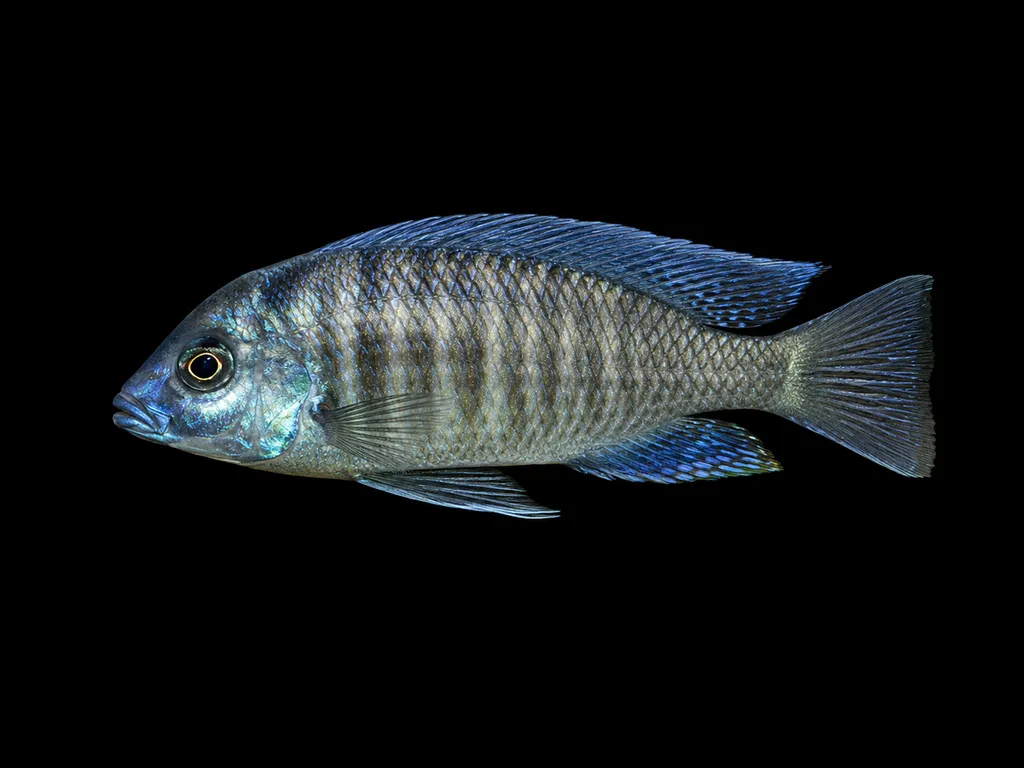
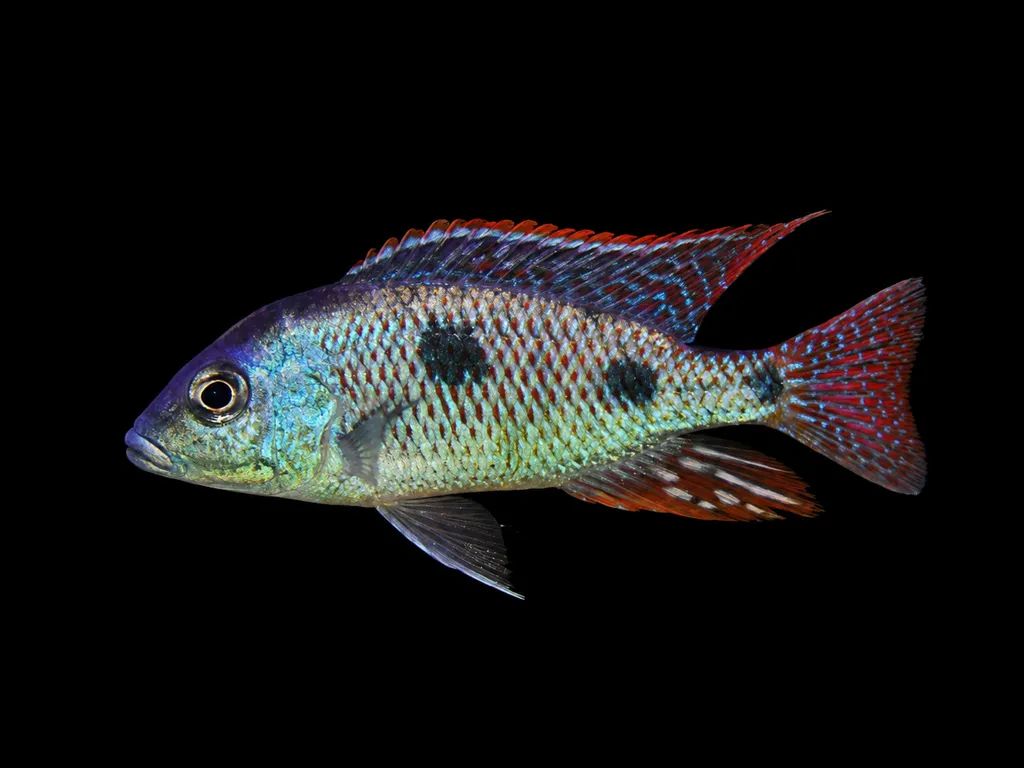
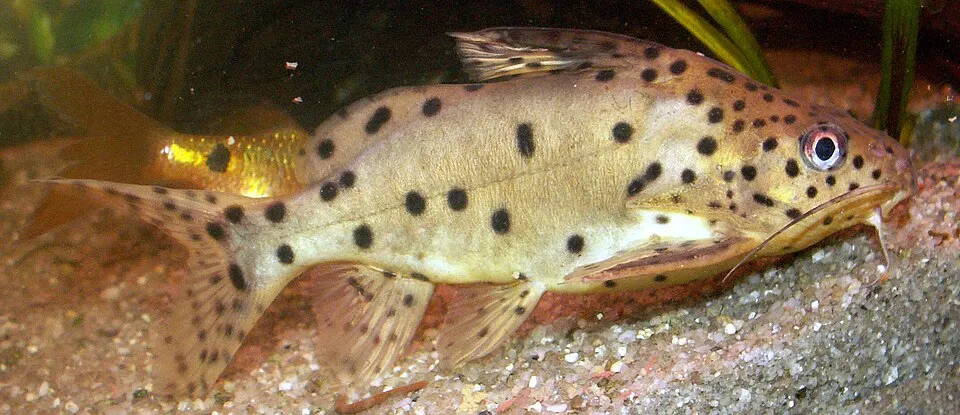
Star sapphire cichlid is a mostly peaceful, social species that keeps to the bottom. These picks share a community profile with it, are safe together in both directions, and overlap on water type, temperature and pH.
Common questions
What size tank does a Star sapphire cichlid need?
A Star sapphire cichlid needs at least 79 gal (300 L). It spends most of its time in the bottom.
What temperature and pH does a Star sapphire cichlid need?
A Star sapphire cichlid is comfortable at 77–82°F (25–28°C) with a pH of 7.8–8.6.
How big does a Star sapphire cichlid get?
An adult Star sapphire cichlid reaches about 7.9 in (20 cm).
Related species
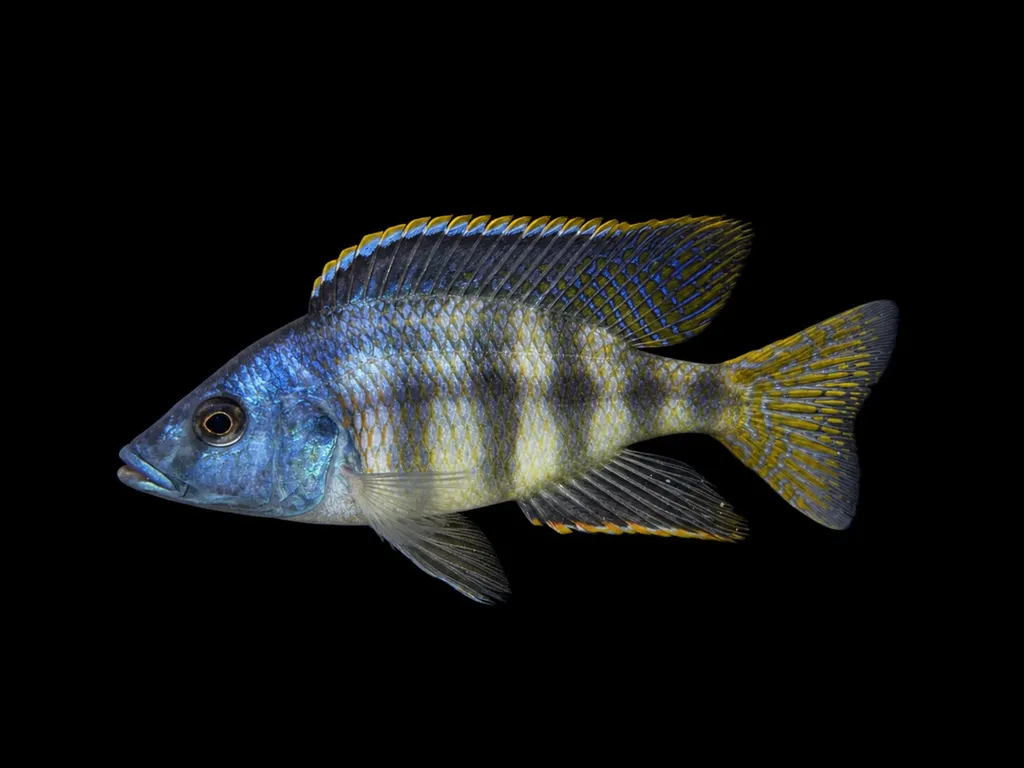 7.9 in (20 cm)119 gal (450 L)75–81°F (24–27°C)
Johnston's placidochromis
Placidochromis johnstoni
7.9 in (20 cm) · 119 gal (450 L)
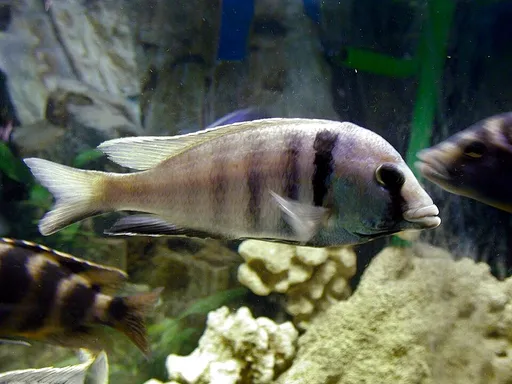 7.1 in (18 cm)66 gal (250 L)75–81°F (24–27°C)
Deepwater hap
Placidochromis electra
7.1 in (18 cm) · 66 gal (250 L)
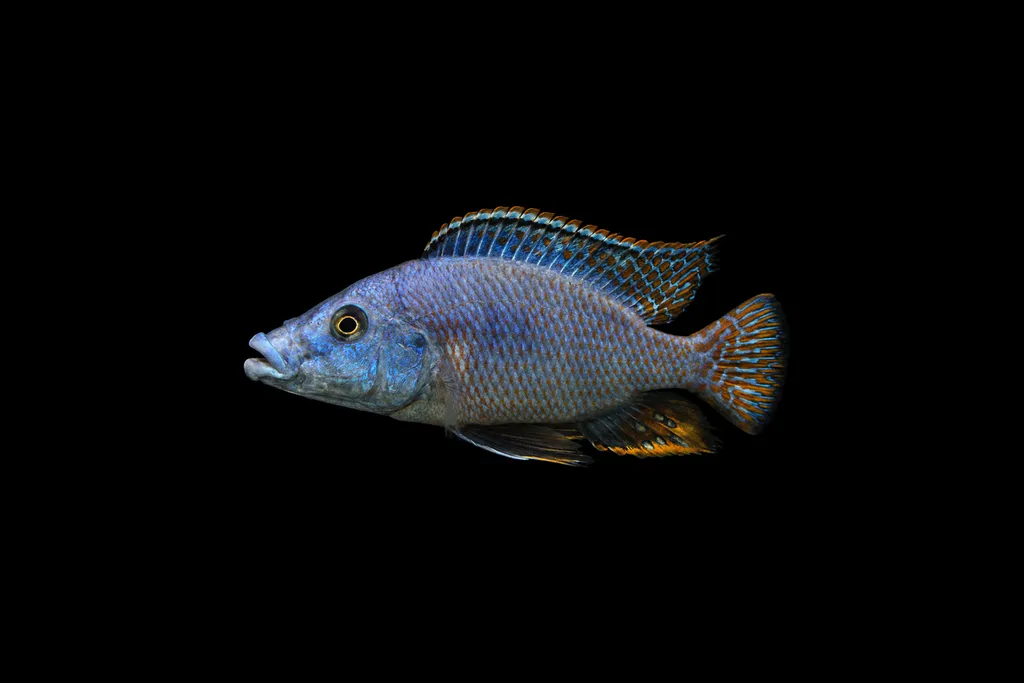 9.1 in (23 cm)119 gal (450 L)75–81°F (24–27°C)
VC-10 hap
Placidochromis milomo
9.1 in (23 cm) · 119 gal (450 L)
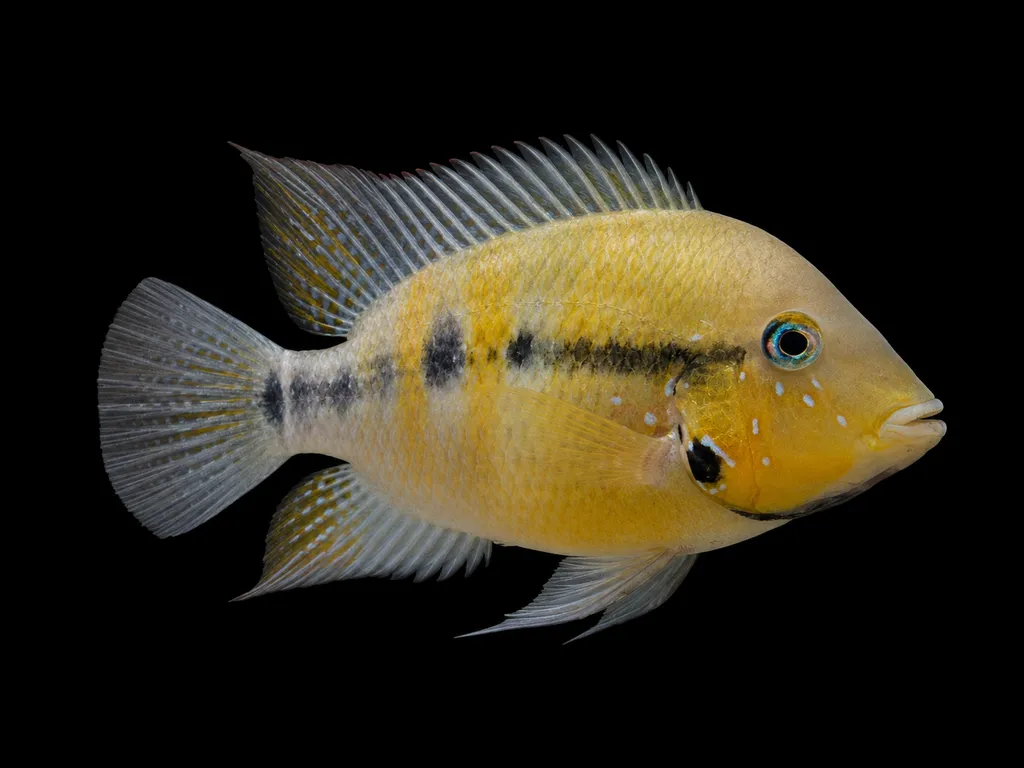 7.9 in (20 cm)66 gal (250 L)75–84°F (24–29°C)
Blackgullet firemouth
Thorichthys pasionis
7.9 in (20 cm) · 66 gal (250 L)
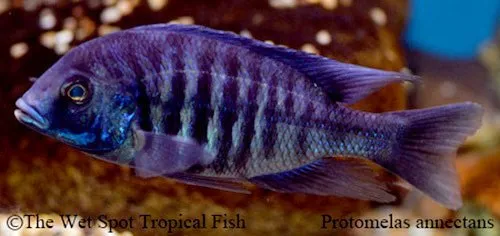 7.9 in (20 cm)119 gal (450 L)75–81°F (24–27°C)
Chameleon hap
Protomelas annectens
7.9 in (20 cm) · 119 gal (450 L)
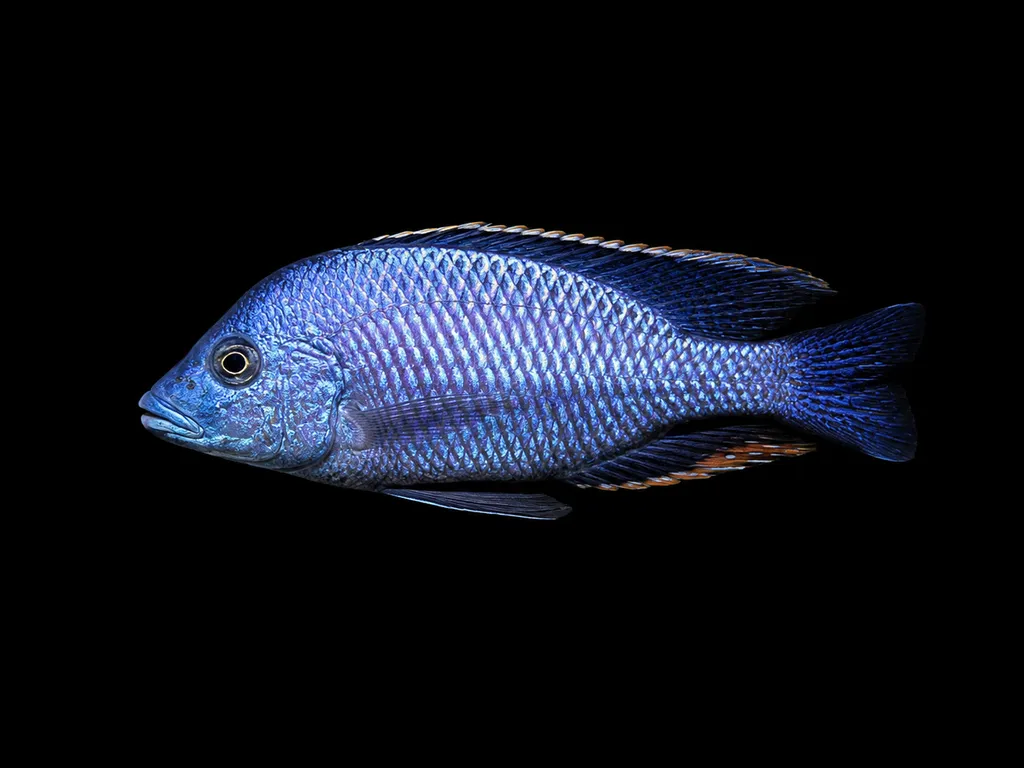 7.9 in (20 cm)119 gal (450 L)75–81°F (24–27°C)
Oxyrhynchus hap
Hemitilapia oxyrhynchus
7.9 in (20 cm) · 119 gal (450 L)