Deepwater hap
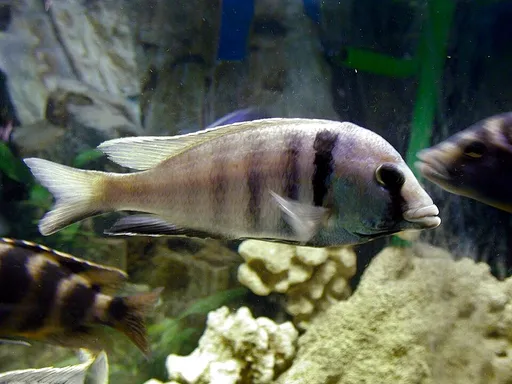
Placidochromis electra
Also known as Electra, Deep water hap, Likoma hap
FreshwaterFish
Care at a glance
- Temperature
- 75–81°F
- 24–27°C
- pH
- 7.8–8.6
- Adult size
- 7.1 in
- 18 cm
- Minimum tank
- 66 gal
- 250 L
- Temperament
- Mostly peaceful
- Social behavior
- Social
- Swim level
- Bottom
- Difficulty
- Easy
- Breeding
- Easy
- Rarity
- Common
- Family
- Cichlidae
- Origin
- Sandy areas near rocks and around Likoma Island in Lake Malawi, East Africa.
Overview
Give a group a tank of at least 250 liters with an open sand bottom and some rock structure. Water should be hard and alkaline at 24 to 27 C, pH 7.8 to 8.6. It is calm for its size and mixes well with peacocks and other gentle haps rather than aggressive mbuna. Feed sinking pellets and frozen foods, with sand it can sift for a natural feeding routine.
In the wild
The deepwater hap lives over sand near rocky areas, especially around Likoma Island in Lake Malawi. In the wild it shadows larger sand sifting cichlids and snaps up invertebrates they dig loose. Males glow pale blue with dark vertical bars while females stay silver.
Good to know
Despite the name, this fish is not found unusually deep and does most of its feeding in the sandy shallows. It is a maternal mouthbrooder, with the female carrying eggs and fry in her throat for about three weeks. The genus Placidochromis holds a large number of similar sand and rock dwelling Malawi haps.
Did you know
In the lake it often trails behind sand diggers, treating their digging like a moving buffet of exposed worms and larvae.
Weekly picks
Tank mates
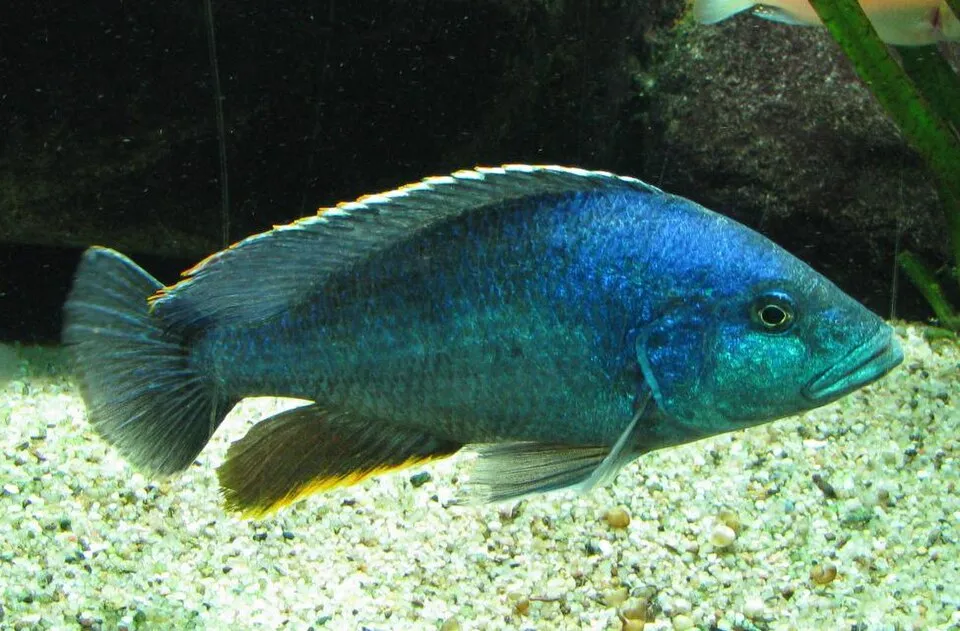
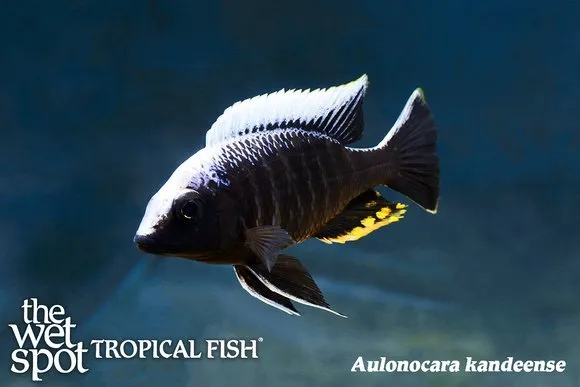
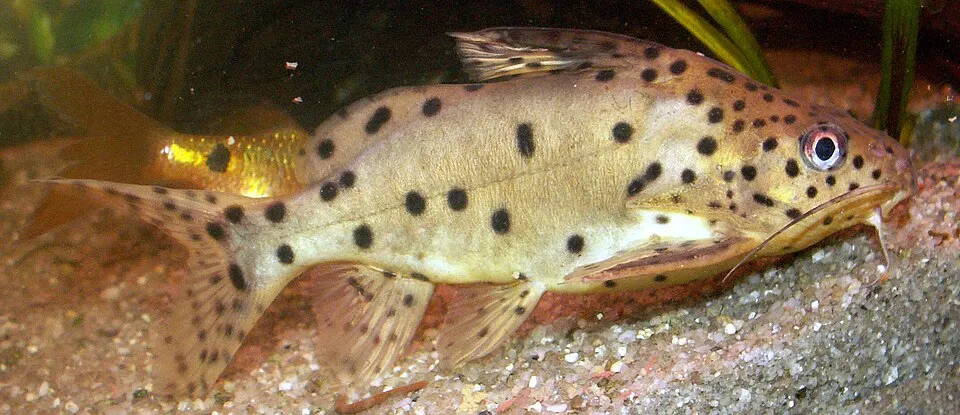
Deepwater hap is a mostly peaceful, social species that keeps to the bottom. These picks share a community profile with it, are safe together in both directions, and overlap on water type, temperature and pH.
Common questions
What size tank does a Deepwater hap need?
A Deepwater hap needs at least 66 gal (250 L). It spends most of its time in the bottom.
What temperature and pH does a Deepwater hap need?
A Deepwater hap is comfortable at 75–81°F (24–27°C) with a pH of 7.8–8.6.
How big does a Deepwater hap get?
An adult Deepwater hap reaches about 7.1 in (18 cm).
Related species
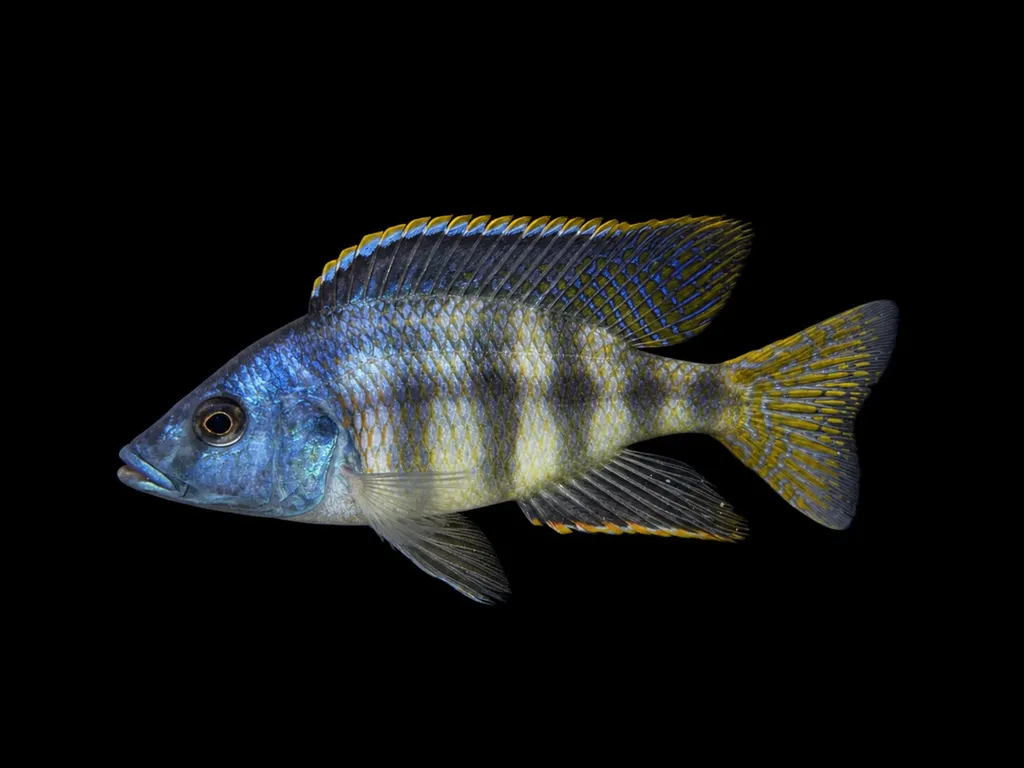 7.9 in (20 cm)119 gal (450 L)75–81°F (24–27°C)
Johnston's placidochromis
Placidochromis johnstoni
7.9 in (20 cm) · 119 gal (450 L)
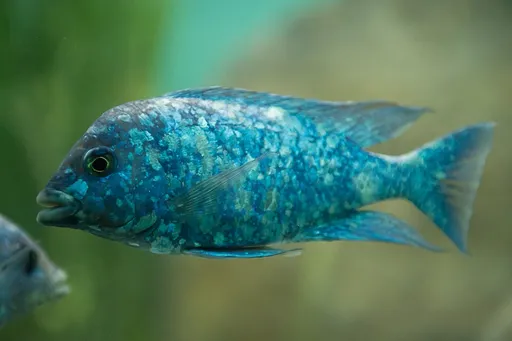 7.9 in (20 cm)79 gal (300 L)77–82°F (25–28°C)
Star sapphire cichlid
Placidochromis phenochilus
7.9 in (20 cm) · 79 gal (300 L)
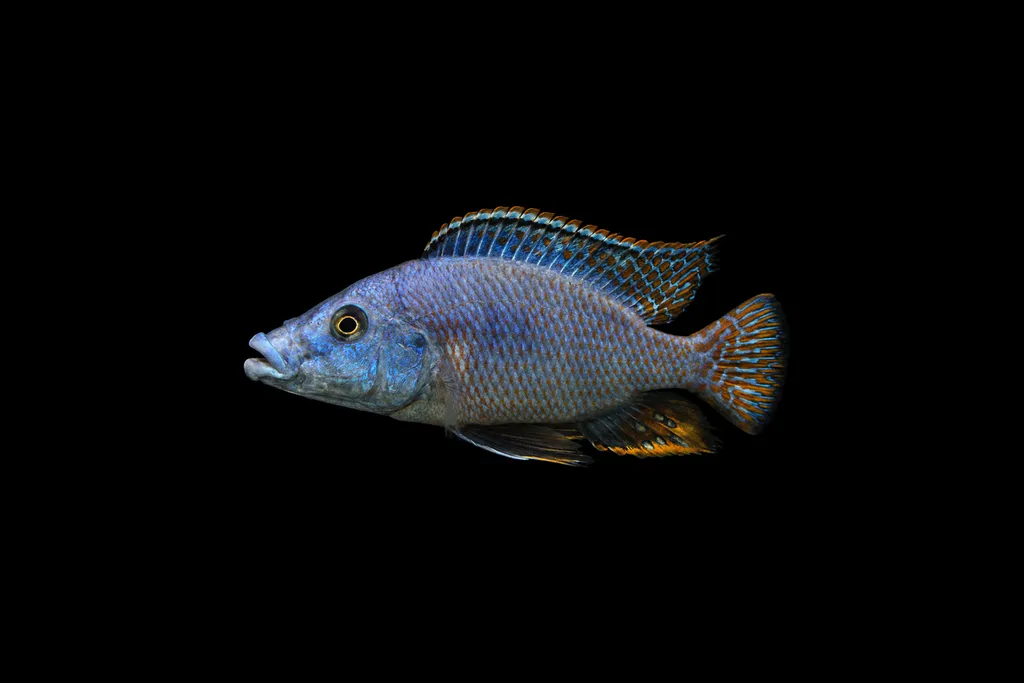 9.1 in (23 cm)119 gal (450 L)75–81°F (24–27°C)
VC-10 hap
Placidochromis milomo
9.1 in (23 cm) · 119 gal (450 L)
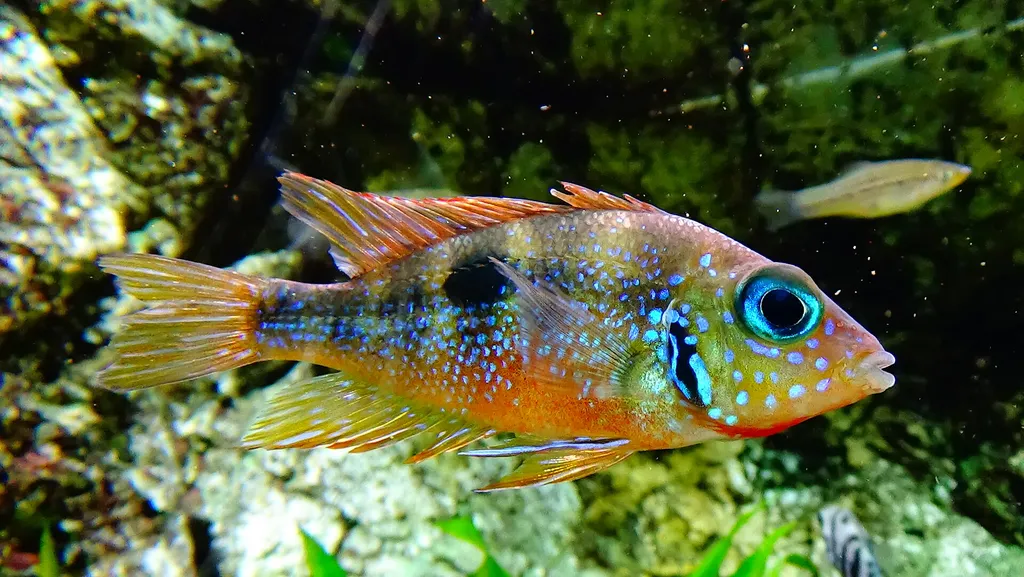 7.1 in (18 cm)66 gal (250 L)75–84°F (24–29°C)
Blue flash firemouth
Thorichthys aureus
7.1 in (18 cm) · 66 gal (250 L)
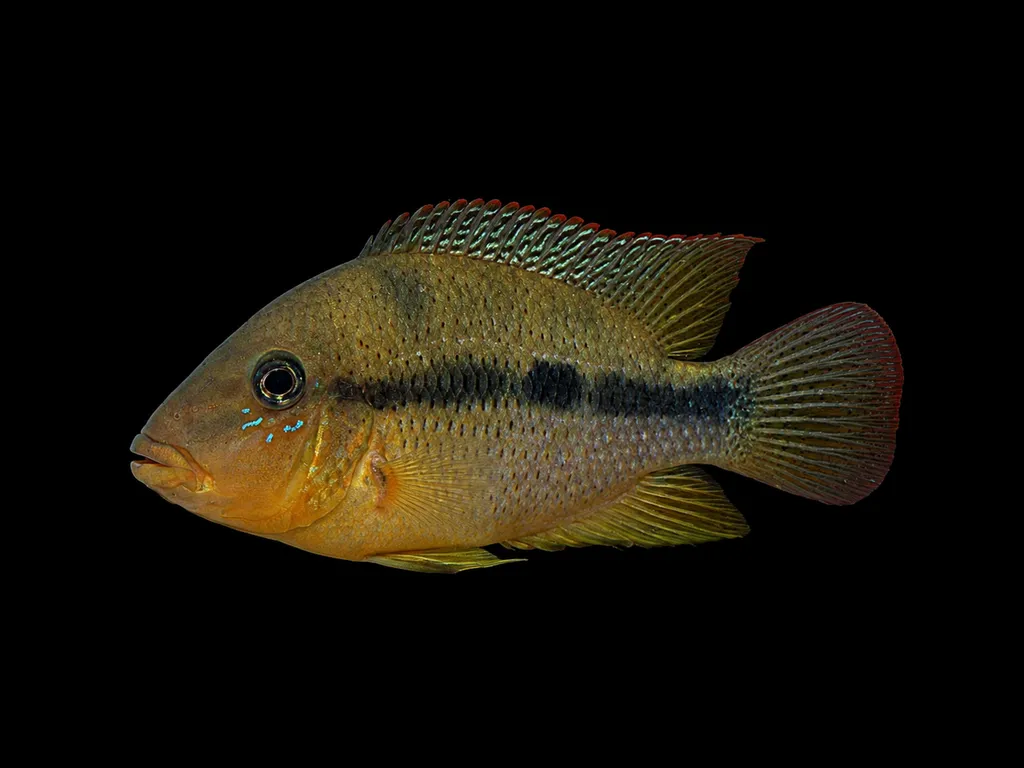 7.1 in (18 cm)79 gal (300 L)75–84°F (24–29°C)
Bussing's cichlid
Cribroheros bussingi
7.1 in (18 cm) · 79 gal (300 L)
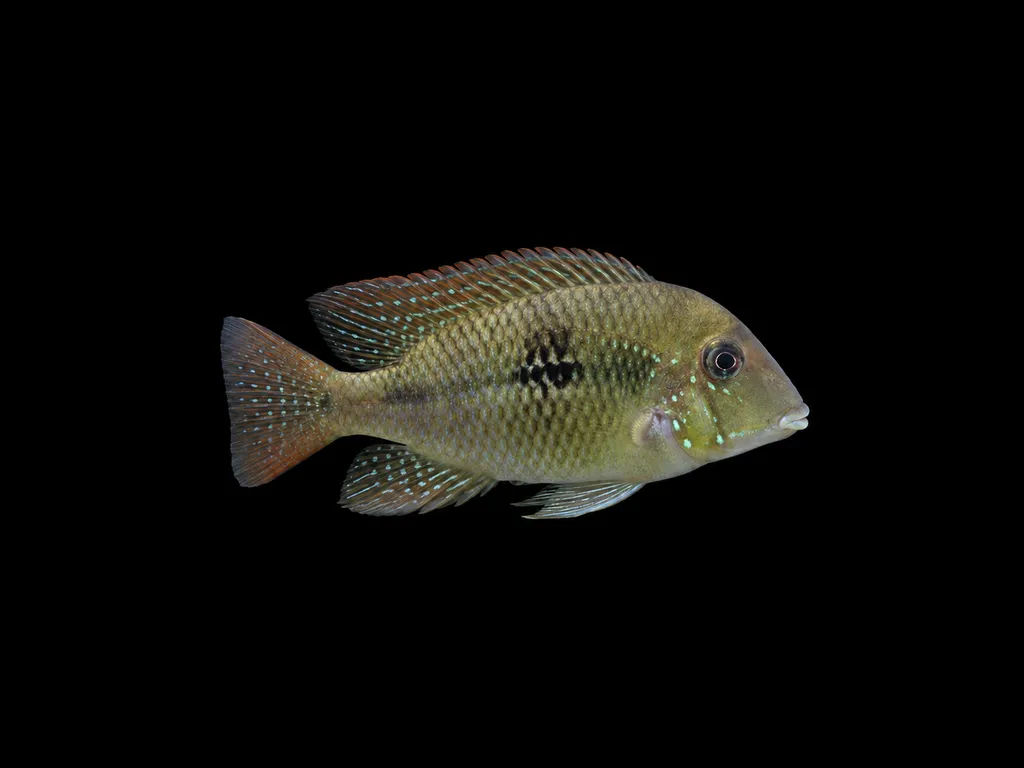 7.1 in (18 cm)79 gal (300 L)61–79°F (16–26°C)
Smoothcheek eartheater
Gymnogeophagus gymnogenys
7.1 in (18 cm) · 79 gal (300 L)