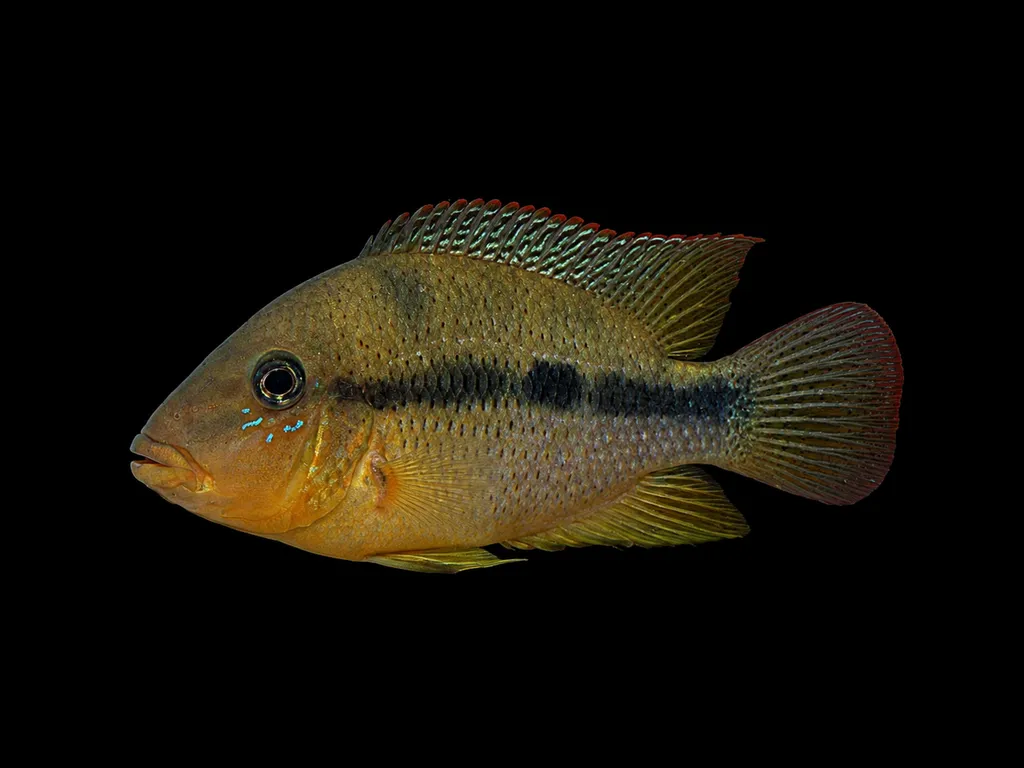
Bussing's cichlid
Cribroheros bussingi
Also known as Amphilophus bussingi
FreshwaterFish
Care at a glance
- Temperature
- 75–84°F
- 24–29°C
- pH
- 7.0–8.2
- Adult size
- 7.1 in
- 18 cm
- Minimum tank
- 79 gal
- 300 L
- Temperament
- Mostly peaceful
- Social behavior
- Solitary
- Tankmates
- With caution
- Swim level
- Bottom
- Difficulty
- Medium
- Breeding
- Medium
- Rarity
- Common
- Family
- Cichlidae
- Origin
- Caribbean slope, Costa Rica
Overview
Bussing's cichlid is a steady, sand-sifting Central American cichlid for a large tank. It suits a keeper with a little cichlid experience.
Did you know
The genus name of Bussing's cichlid, Cribroheros, refers to the sieve-like pores on its head. These pores are part of the sensory system it uses to find prey in sand.
Caring for the Bussing's cichlid
Give a Bussing's cichlid at least 79 gal (300 L), with a floor of sand fine enough for it to take into its mouth. It spends its time near the bottom, sifting that sand for food. Add cover to break up sight lines.
Keep the water at 75 to 84°F (24 to 29°C) and a pH of 7.0 to 8.2. Feed sinking pellets and frozen foods.
Keep one fish or a pair rather than a group. It suits a mixed community of fish from its own region better than most cichlids its size, but choose tank mates with caution.
It stays civil until it pairs off and takes a nest. From then on it defends a firm radius, and everything else in the tank needs somewhere to go. Breeding it is moderately difficult.
Good to know
Bussing's cichlid belongs to the family Cichlidae, and its name honors William Bussing. He cataloged the freshwater fishes of all of Costa Rica, and his work remains the reference for the region.
In the wild
Bussing's cichlid works sandy runs and pools in the rivers of Costa Rica's Caribbean slope. The water there is warm and moderately hard.
Common questions
What size tank does a Bussing's cichlid need?
A Bussing's cichlid needs at least 79 gal (300 L). It spends most of its time in the bottom.
What temperature and pH does a Bussing's cichlid need?
A Bussing's cichlid is comfortable at 75–84°F (24–29°C) with a pH of 7.0–8.2.
What does a Bussing's cichlid eat?
A Bussing's cichlid eats sinking pellets and frozen foods. It also sifts the sand near the bottom for food.
How big does a Bussing's cichlid get?
An adult Bussing's cichlid reaches about 7.1 in (18 cm).
How does a Bussing's cichlid breed?
Bussing's cichlids pair off and take a nest, then defend a firm radius around it. Breeding them is moderately difficult.
Related species
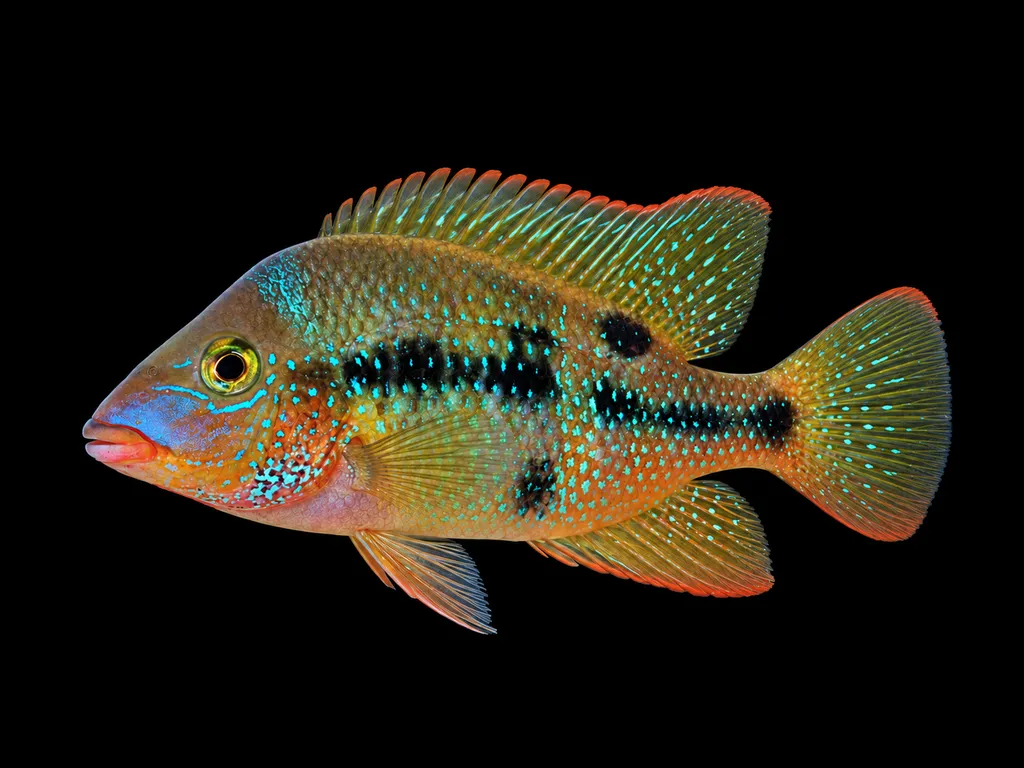 6.3 in (16 cm)79 gal (300 L)75–84°F (24–29°C)
Altifrons cichlid
Cribroheros altifrons
6.3 in (16 cm) · 79 gal (300 L)
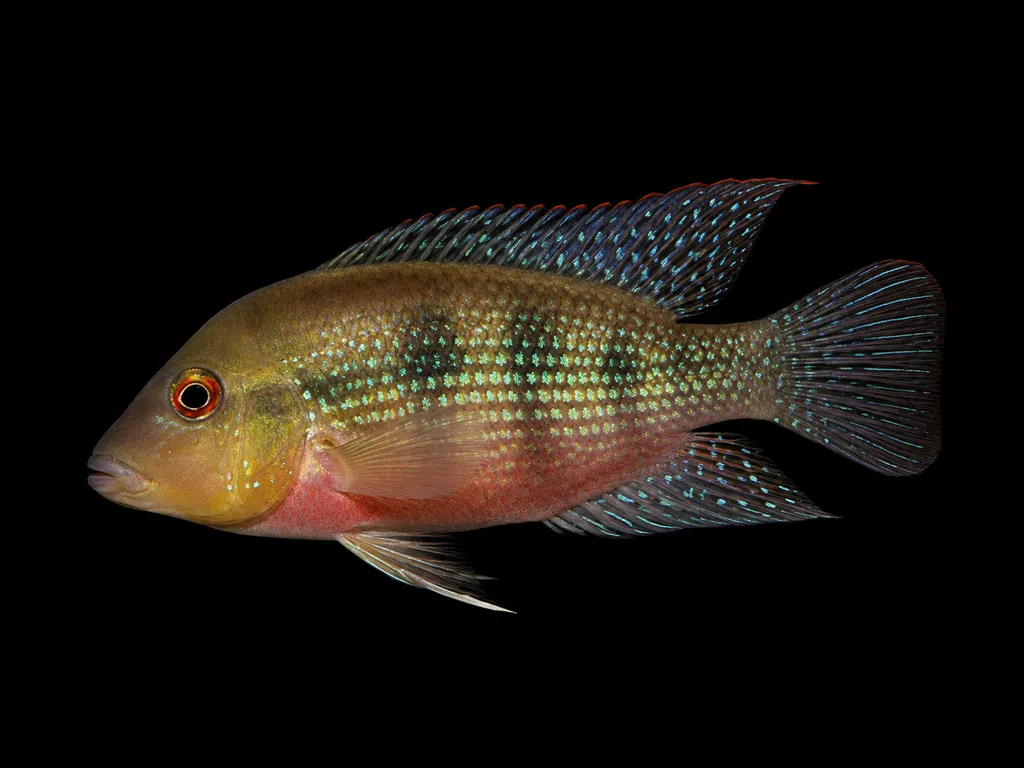 6.3 in (16 cm)79 gal (300 L)75–84°F (24–29°C)
Longfin sifter cichlid
Cribroheros longimanus
6.3 in (16 cm) · 79 gal (300 L)
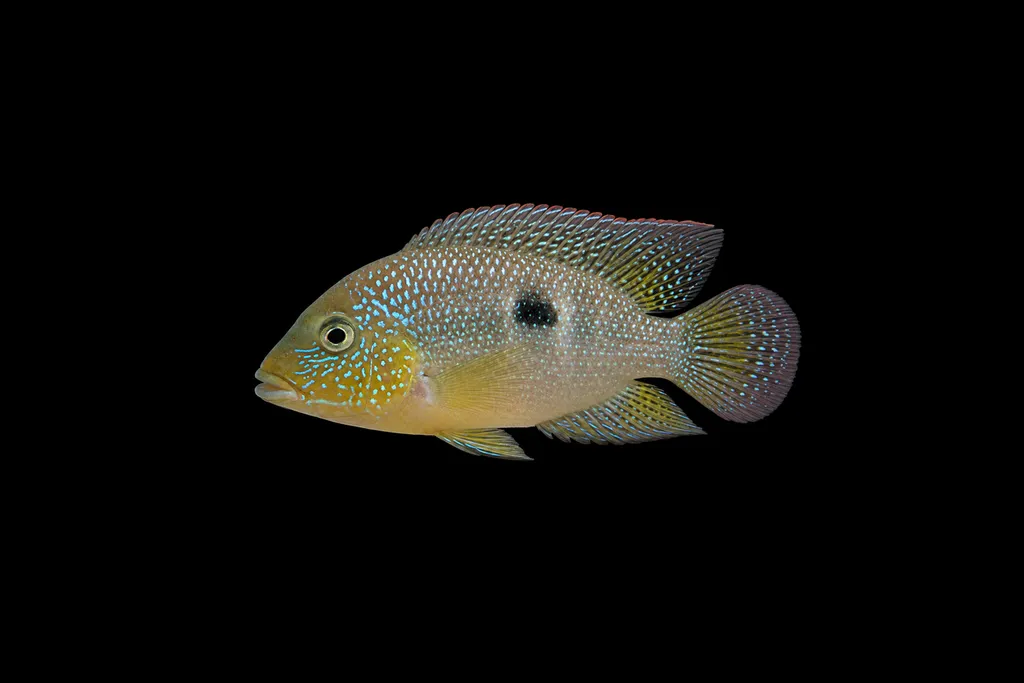 6.3 in (16 cm)79 gal (300 L)75–84°F (24–29°C)
Rhytisma cichlid
Cribroheros rhytisma
6.3 in (16 cm) · 79 gal (300 L)
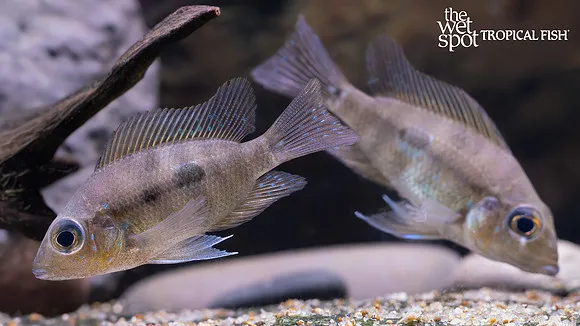 8.7 in (22 cm)106 gal (400 L)75–84°F (24–29°C)
Rostratus sifter cichlid
Cribroheros rostratus
8.7 in (22 cm) · 106 gal (400 L)
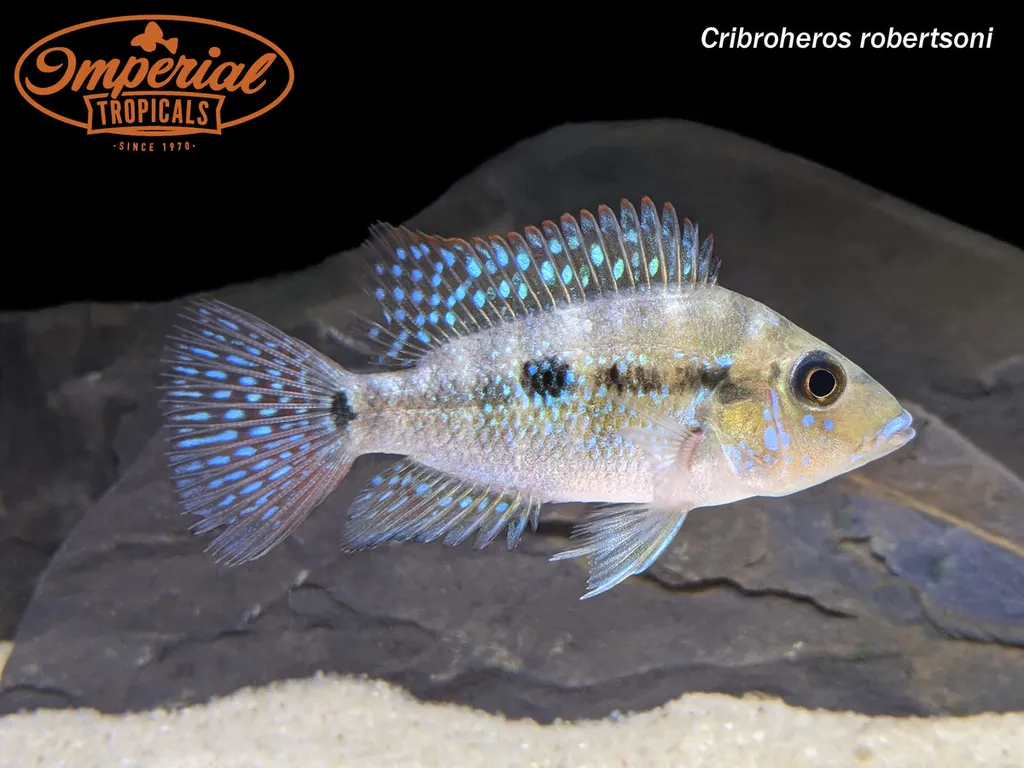 9.1 in (23 cm)106 gal (400 L)75–84°F (24–29°C)
Robertson's cichlid
Cribroheros robertsoni
9.1 in (23 cm) · 106 gal (400 L)
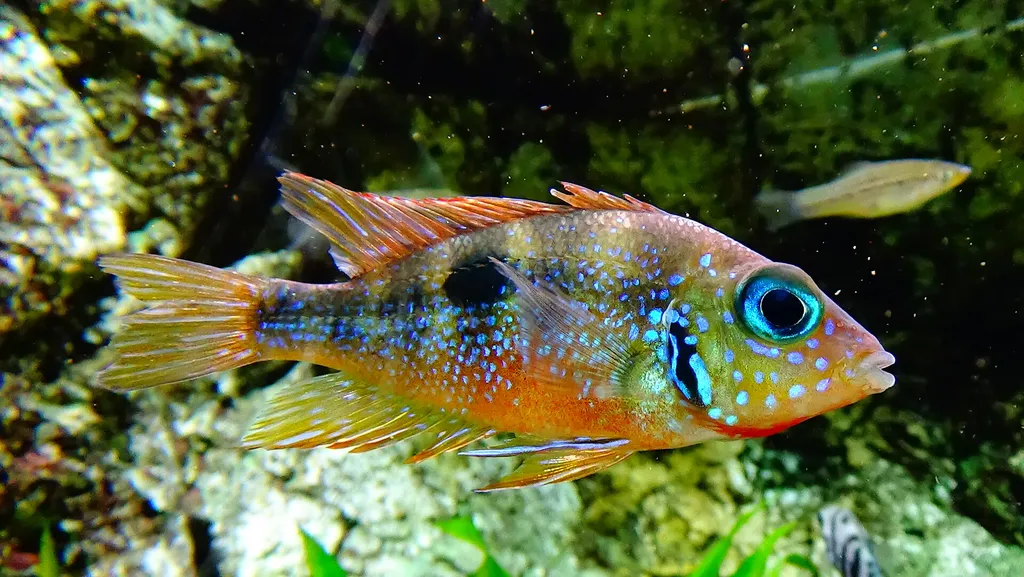 7.1 in (18 cm)66 gal (250 L)75–84°F (24–29°C)
Blue flash firemouth
Thorichthys aureus
7.1 in (18 cm) · 66 gal (250 L)