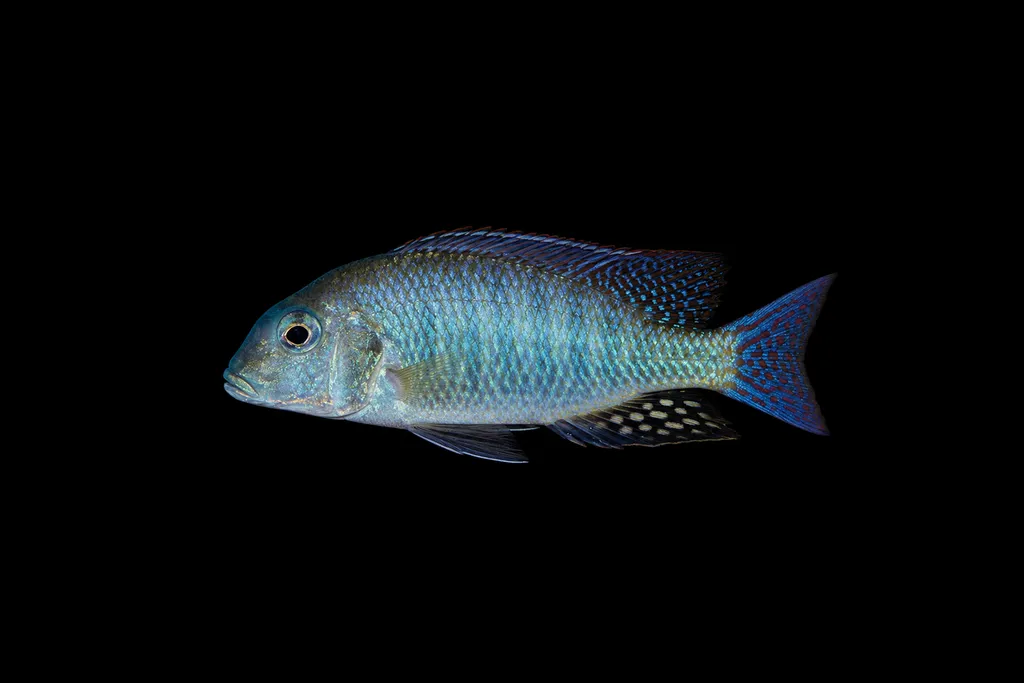
Altus lethrinops
Lethrinops altus
Also known as Deep lethrinops
FreshwaterFish
Care at a glance
- Temperature
- 75–81°F
- 24–27°C
- pH
- 7.5–8.5
- Adult size
- 6.3 in
- 16 cm
- Minimum tank
- 79 gal
- 300 L
- Temperament
- Mostly peaceful
- Social behavior
- Social
- Swim level
- Bottom
- Difficulty
- Medium
- Breeding
- Mouthbrooder · Medium
- Rarity
- Rare
- Family
- Cichlidae
- Origin
- Lake Malawi
Overview
The Altus lethrinops is a peaceful, sand-sifting cichlid from Lake Malawi for a big tank with a deep sand floor. It suits a keeper with a little experience.
Caring for the Altus lethrinops
Give a small group of Altus lethrinops at least 79 gal (300 L), with open swimming space. They work the bottom, scooping up sand to filter out small invertebrates. Lay a deep, thick bed of fine sand they can actually dig in. Add a few scattered rocks as landmarks rather than a full rock wall.
Keep the water hard and alkaline, at a steady 75 to 81°F (24 to 27°C) and a pH of 7.5 to 8.5. Feed sinking pellets and frozen foods such as bloodworms, cyclops and brine shrimp.
Altus lethrinops are sociable and best kept as a group of one male with several females. That spreads out the male's attention and brings out natural behavior. They are not fighters and will not tolerate rough company. Keep them only with other calm, sand-loving Malawi cichlids, and leave boisterous mbuna out.
Like other Lake Malawi cichlids, the Altus lethrinops is a maternal mouthbrooder. The female holds the eggs and fry in her mouth. Breeding them is moderately hard.
Good to know
The Altus lethrinops is a member of the cichlid family, Cichlidae, described by the ichthyologist Trewavas in 1931. Its name altus is Latin for tall or high, marking a deeper body than its sand-dwelling relatives.
In the wild
The Altus lethrinops is found only in Lake Malawi, a rift lake in East Africa. It forages over the lake's sandy floors, where the water is hard and alkaline.
Weekly picks
Tank mates
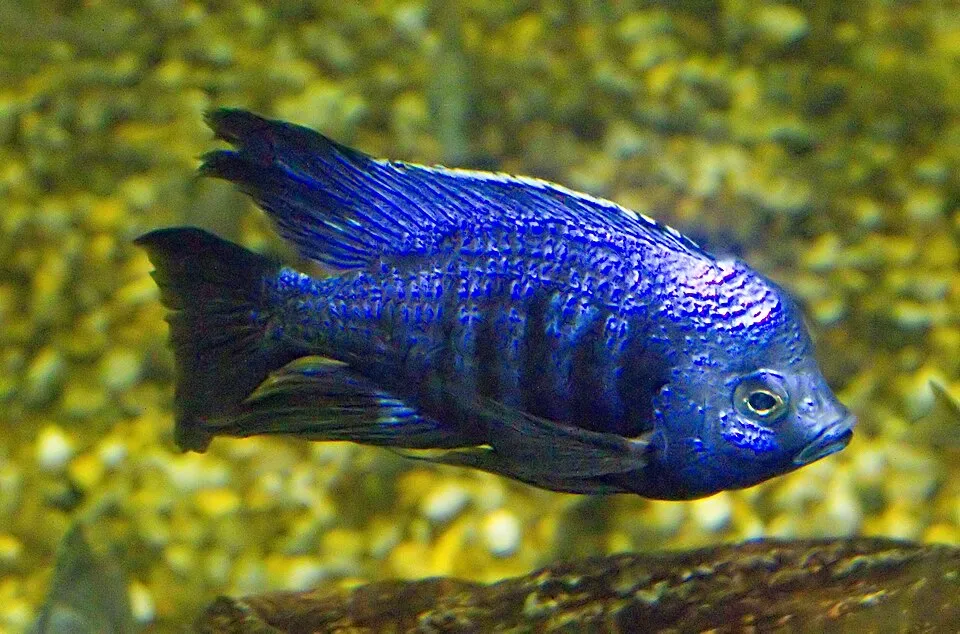
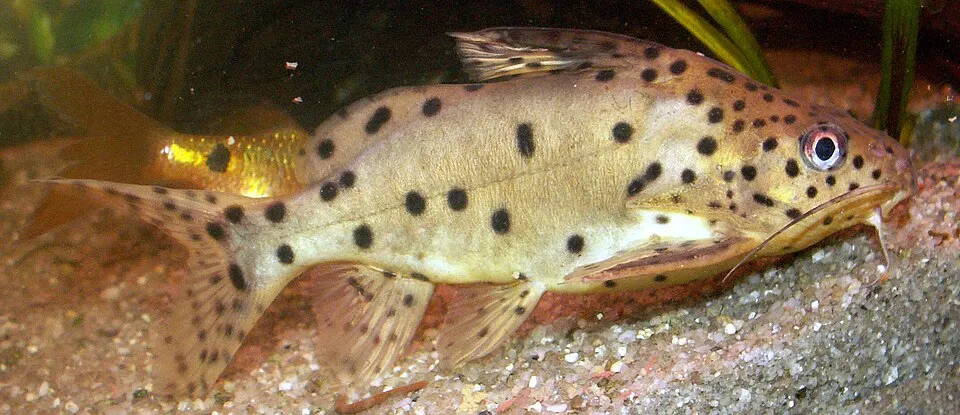
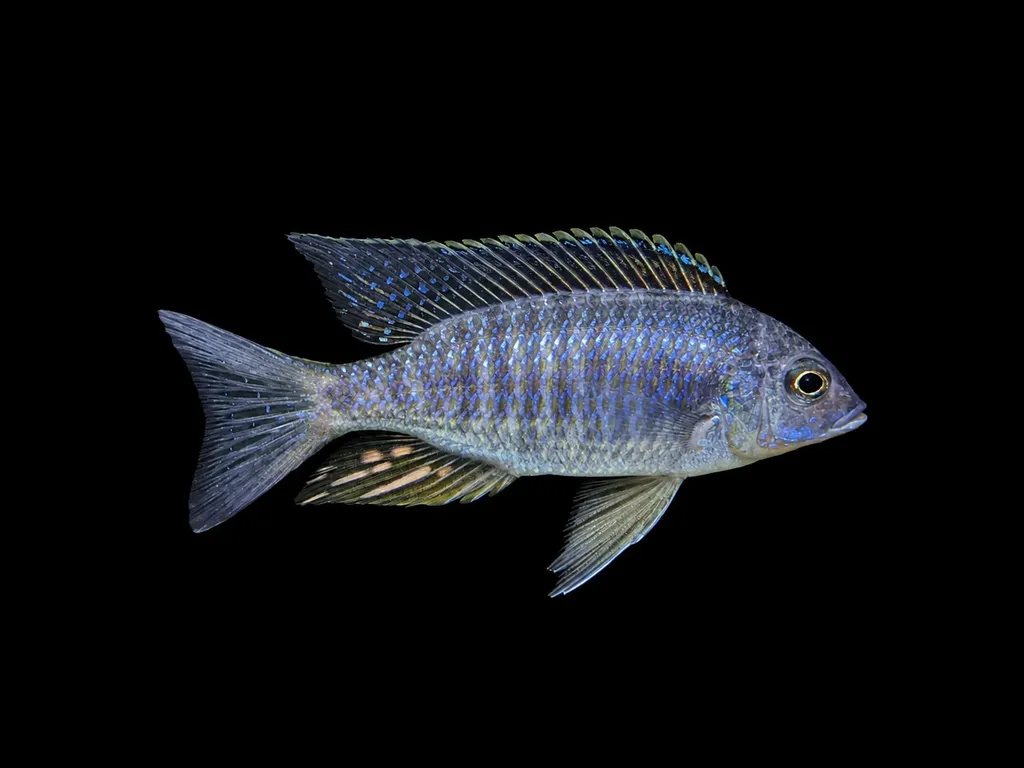
The Altus lethrinops is a mostly peaceful, social species that keeps to the bottom. These picks share a community profile with it, are safe together in both directions, and overlap on water type, temperature and pH.
Common questions
What size tank does an Altus lethrinops need?
An Altus lethrinops needs at least 79 gal (300 L). It spends most of its time in the bottom.
What temperature and pH does an Altus lethrinops need?
An Altus lethrinops is comfortable at 75–81°F (24–27°C) with a pH of 7.5–8.5.
What does an Altus lethrinops eat?
An Altus lethrinops eats sinking pellets and frozen foods such as bloodworms, cyclops and brine shrimp. On the bottom it also scoops up sand to filter out small invertebrates.
How big does an Altus lethrinops get?
An adult Altus lethrinops reaches about 6.3 in (16 cm).
How does an Altus lethrinops breed?
The Altus lethrinops is a maternal mouthbrooder, and the female holds the eggs and fry in her mouth. Breeding it is moderately hard.
Related species
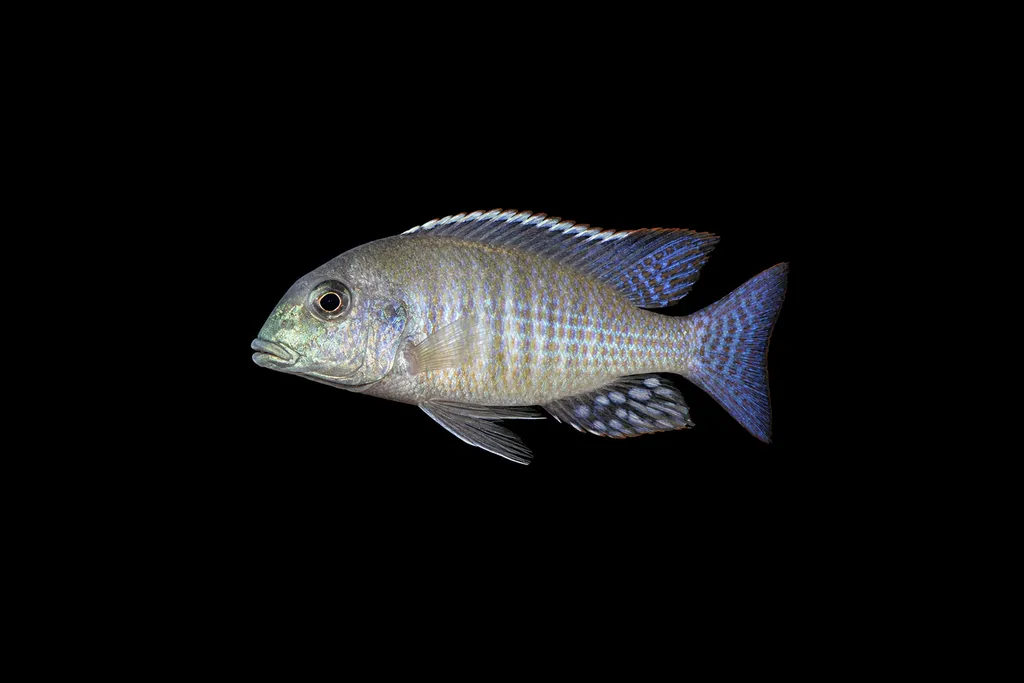 6.3 in (16 cm)79 gal (300 L)75–81°F (24–27°C)
White lethrinops
Lethrinops albus
6.3 in (16 cm) · 79 gal (300 L)
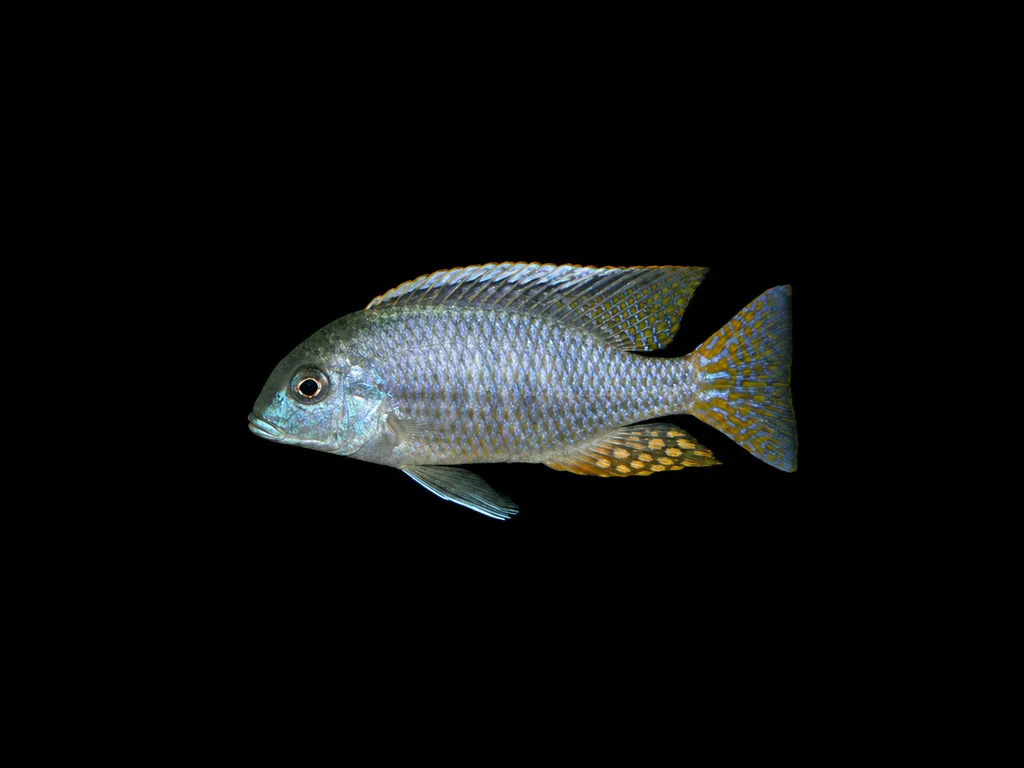 5.7 in (14.5 cm)79 gal (300 L)75–81°F (24–27°C)
Smallmouth lethrinops
Lethrinops microstoma
5.7 in (14.5 cm) · 79 gal (300 L)
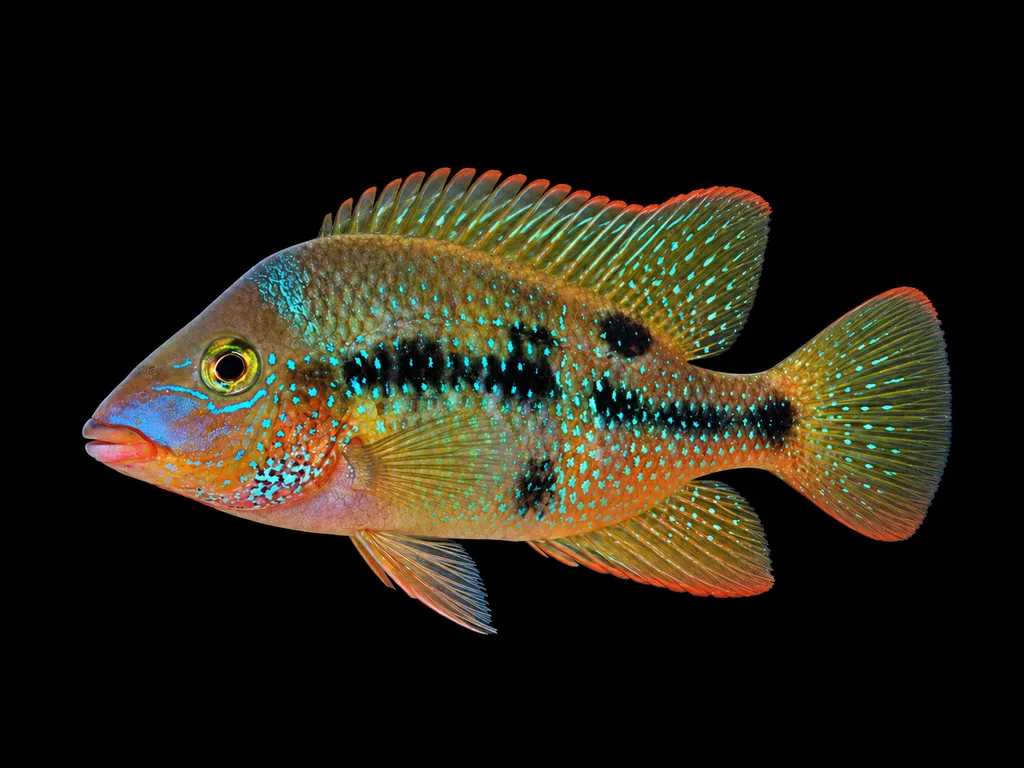 6.3 in (16 cm)79 gal (300 L)75–84°F (24–29°C)
Altifrons cichlid
Cribroheros altifrons
6.3 in (16 cm) · 79 gal (300 L)
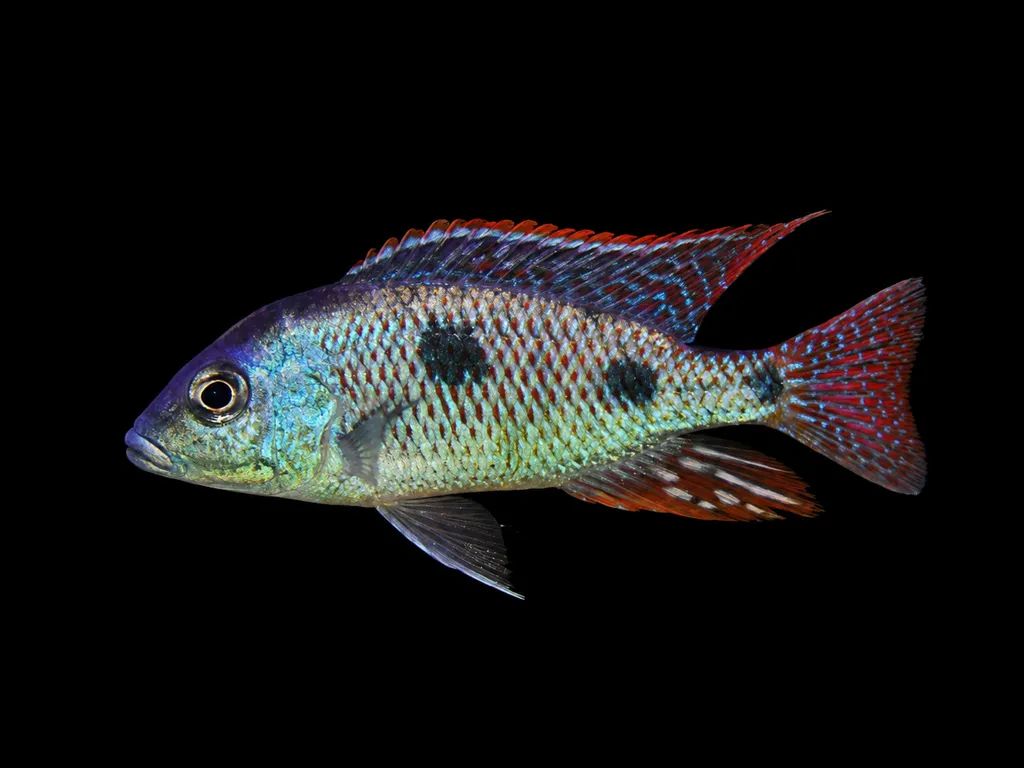 6.3 in (16 cm)79 gal (300 L)75–81°F (24–27°C)
Four-spot otopharynx
Otopharynx tetrastigma
6.3 in (16 cm) · 79 gal (300 L)
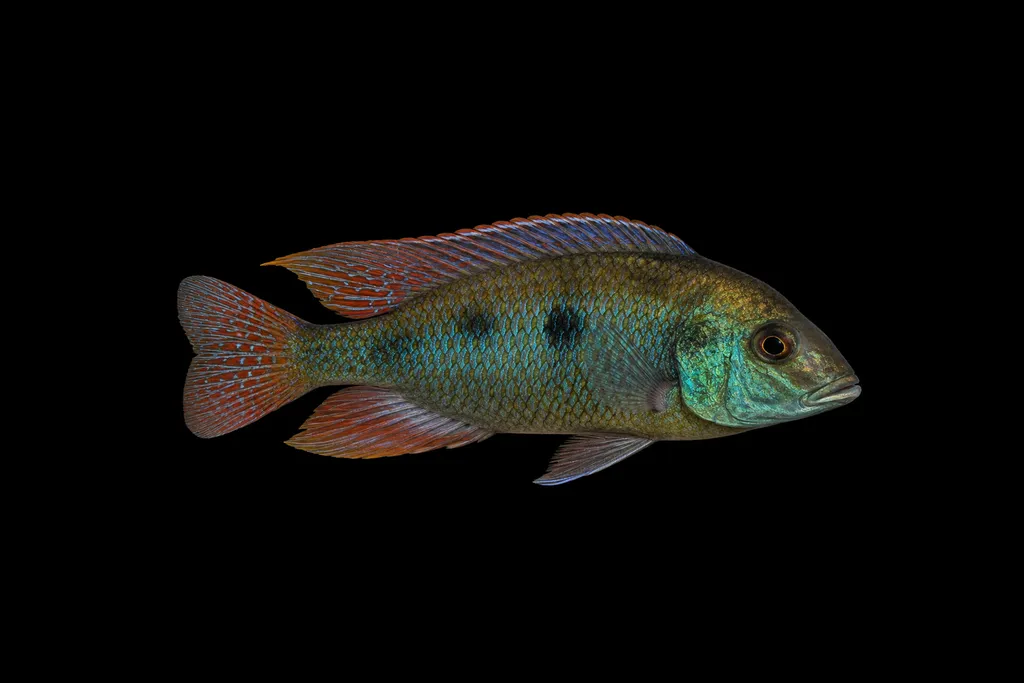 6.3 in (16 cm)79 gal (300 L)75–81°F (24–27°C)
Intermedius sand hap
Tramitichromis intermedius
6.3 in (16 cm) · 79 gal (300 L)
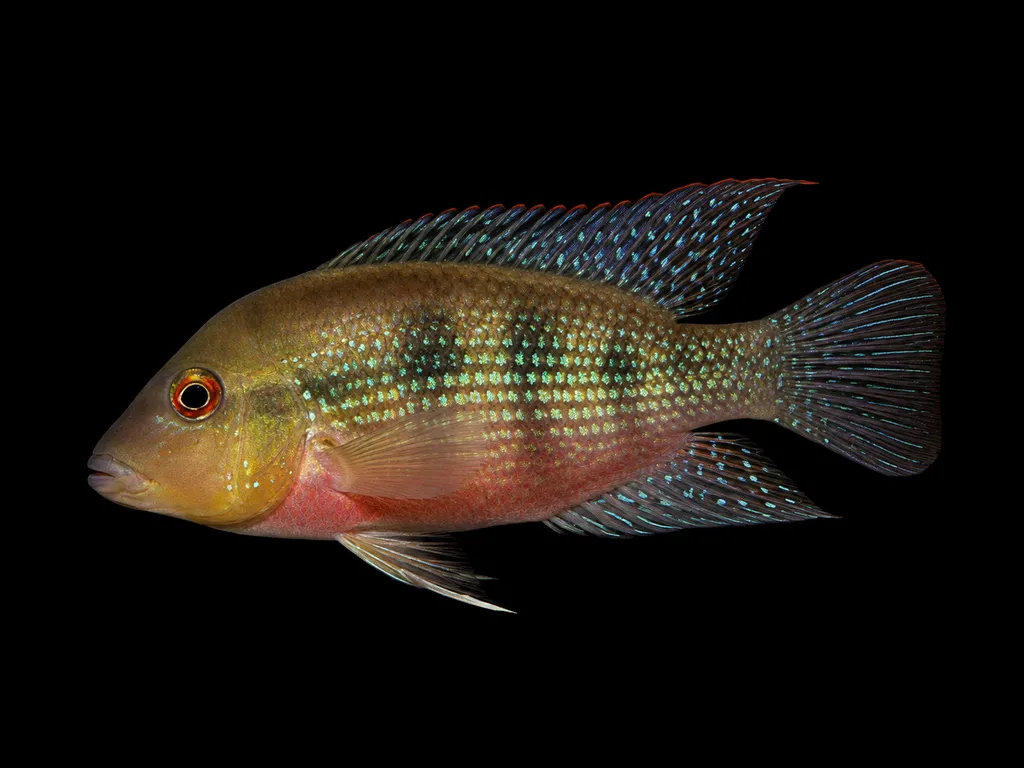 6.3 in (16 cm)79 gal (300 L)75–84°F (24–29°C)
Longfin sifter cichlid
Cribroheros longimanus
6.3 in (16 cm) · 79 gal (300 L)