Smallmouth lethrinops
Lethrinops microstoma
Also known as Microstoma sand hap
FreshwaterFish
Care at a glance
- Temperature
- 75–81°F
- 24–27°C
- pH
- 7.5–8.5
- Adult size
- 5.7 in
- 14.5 cm
- Minimum tank
- 79 gal
- 300 L
- Temperament
- Mostly peaceful
- Social behavior
- Social
- Swim level
- Bottom
- Difficulty
- Medium
- Breeding
- Mouthbrooder · Medium
- Rarity
- Rare
- Family
- Cichlidae
- Origin
- Lake Malawi
Overview
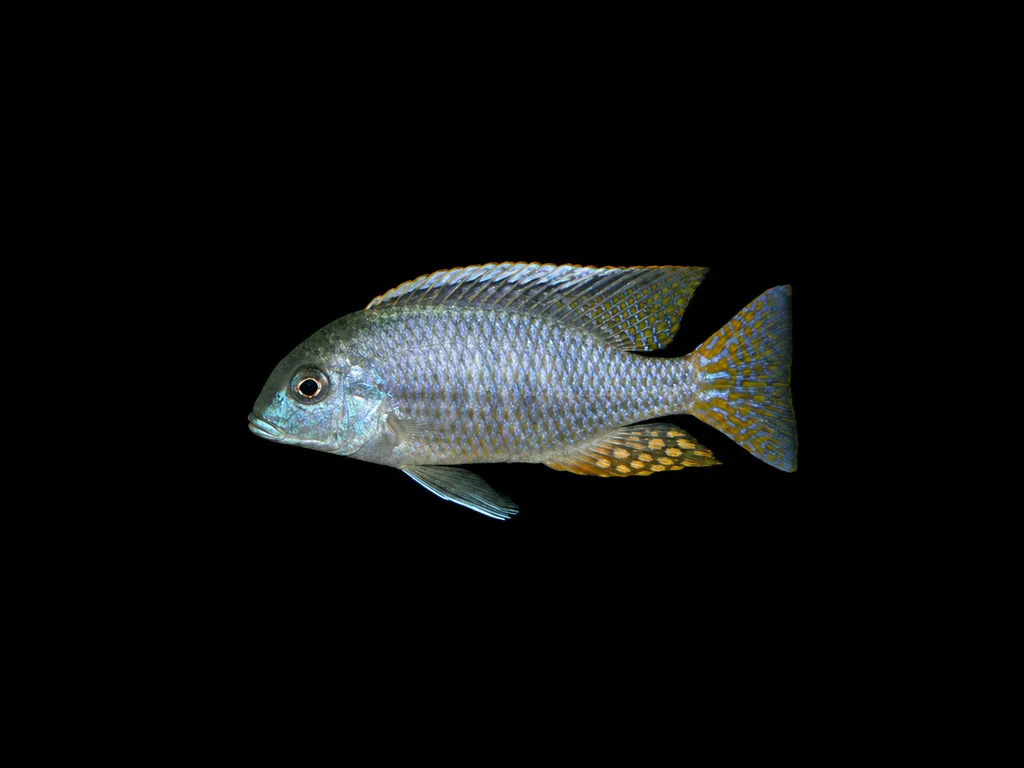
The smallmouth lethrinops is a dainty, peaceful sand-sifter for a large Malawi tank with an open sandy floor. It is a step up from the easiest cichlids.
Did you know
The smallmouth lethrinops wins by going small in a lake full of sand-sifting cichlids. Its fine, narrow mouth strains out the tiny food particles that bigger-mouthed shovelers pass over. That gives it a niche most of them cannot use.
Caring for the smallmouth lethrinops
Give a group of smallmouth lethrinops a tank of at least 79 gal (300 L) with a broad, open floor. Lay a deep, wide bed of soft sand for sifting, and use little rockwork.
Keep the water hard and alkaline, at 75 to 81°F (24 to 27°C) and a pH of 7.5 to 8.5. In the wild it strains tiny animals out of mouthfuls of sand. Feed small sinking foods it can actually process, rather than large pellets.
The smallmouth lethrinops is peaceful and easily out-competed. Keep it away from boisterous tank mates and from faster fish it would have to fight for food.
Males show blue and metallic green with orange in the fins, and they color up over the sand. Females stay drab. It is a maternal mouthbrooder, and breeding it is moderately difficult.
Good to know
The smallmouth lethrinops is a cichlid in the family Cichlidae. Its scientific name, microstoma, means small mouth, for the little downturned mouth it sifts with.
In the wild
The smallmouth lethrinops sifts fine sand in the quieter sandy bays of Lake Malawi, around places such as Cape Maclear and Senga Bay. The lake's water there is hard, alkaline and warm.
Weekly picks
Tank mates
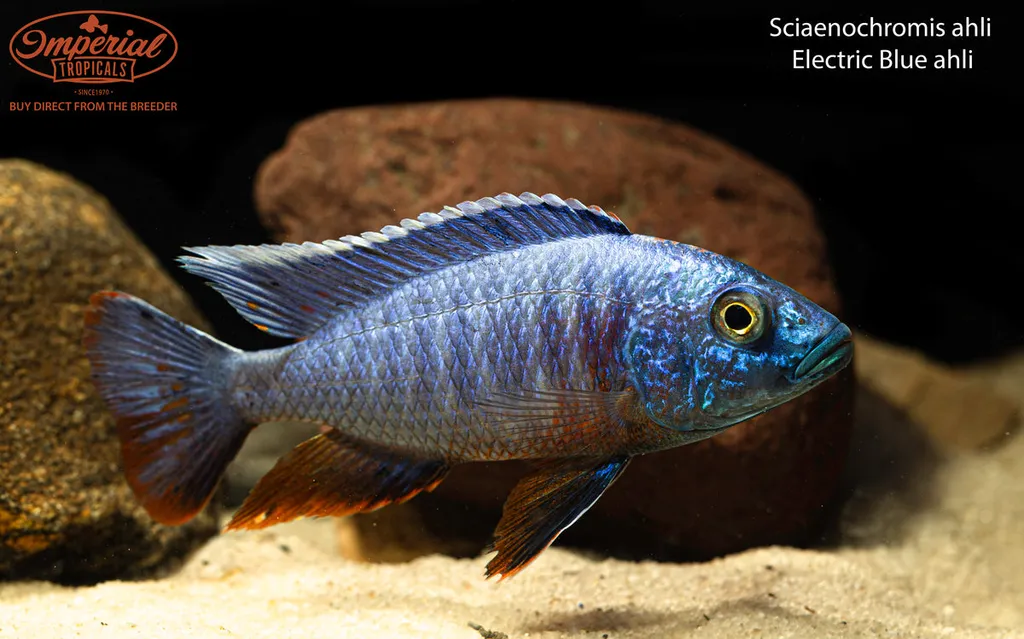
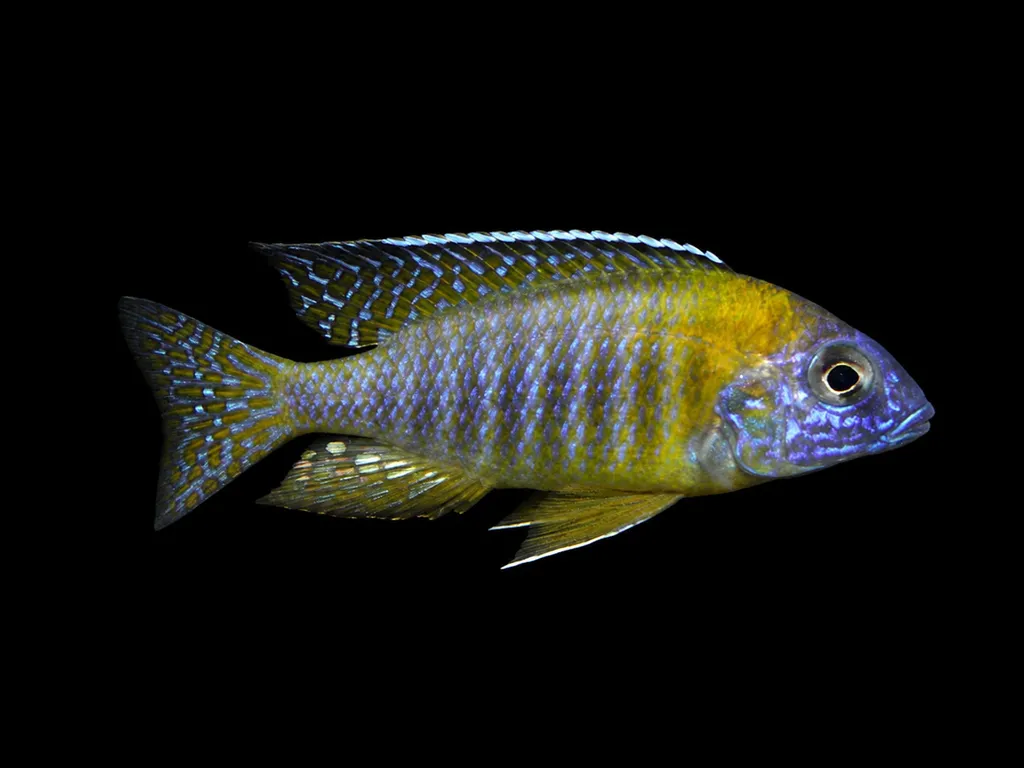
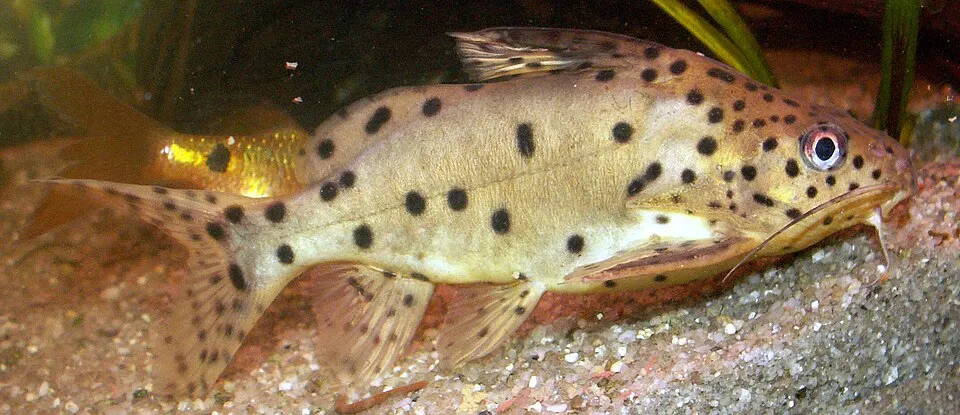
The smallmouth lethrinops is a mostly peaceful, social species that keeps to the bottom. These picks share a community profile with it, are safe together in both directions, and overlap on water type, temperature and pH.
Common questions
What size tank does a smallmouth lethrinops need?
A smallmouth lethrinops needs at least 79 gal (300 L). It spends most of its time in the bottom.
What temperature and pH does a smallmouth lethrinops need?
A smallmouth lethrinops is comfortable at 75–81°F (24–27°C) with a pH of 7.5–8.5.
What does a smallmouth lethrinops eat?
A smallmouth lethrinops strains tiny animals out of mouthfuls of sand in the wild. In the tank it needs small sinking foods it can actually process, rather than large pellets.
How big does a smallmouth lethrinops get?
An adult smallmouth lethrinops reaches about 5.7 in (14.5 cm).
How can you tell a male smallmouth lethrinops from a female?
Males show blue and metallic green with orange in the fins, and they color up over the sand. Females stay drab.
How does a smallmouth lethrinops breed?
The smallmouth lethrinops is a maternal mouthbrooder, and breeding it is moderately difficult.
Related species
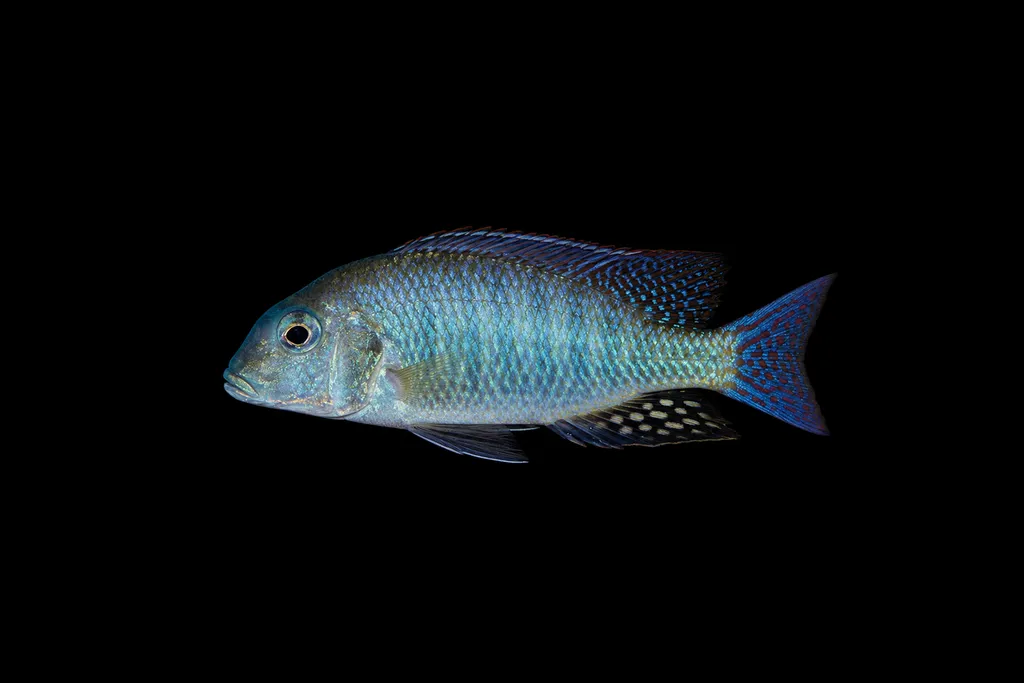 6.3 in (16 cm)79 gal (300 L)75–81°F (24–27°C)
Altus lethrinops
Lethrinops altus
6.3 in (16 cm) · 79 gal (300 L)
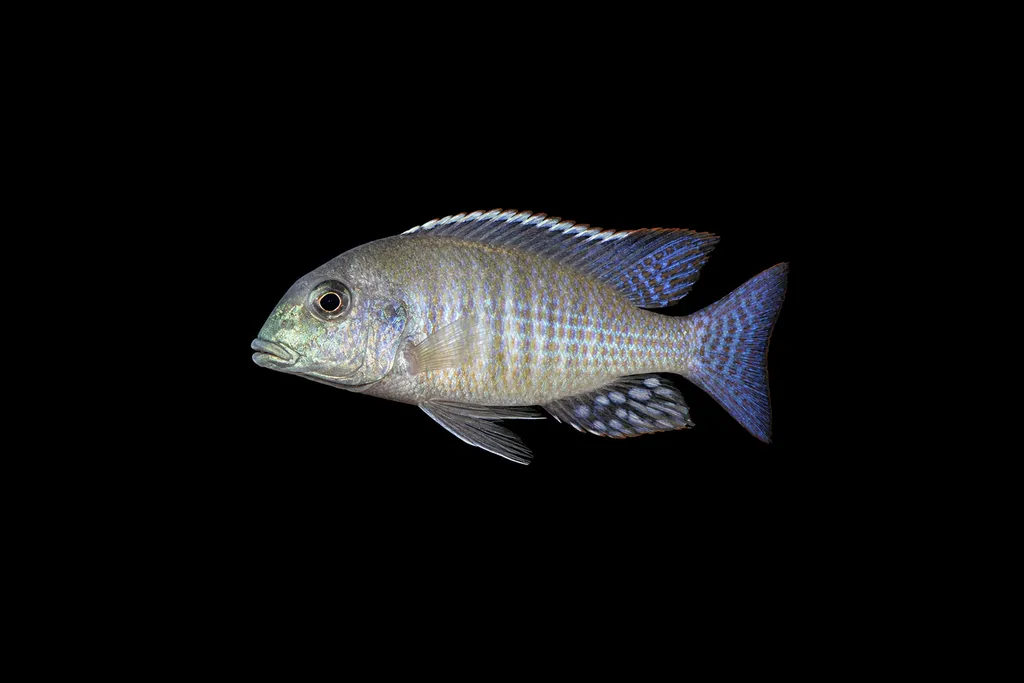 6.3 in (16 cm)79 gal (300 L)75–81°F (24–27°C)
White lethrinops
Lethrinops albus
6.3 in (16 cm) · 79 gal (300 L)
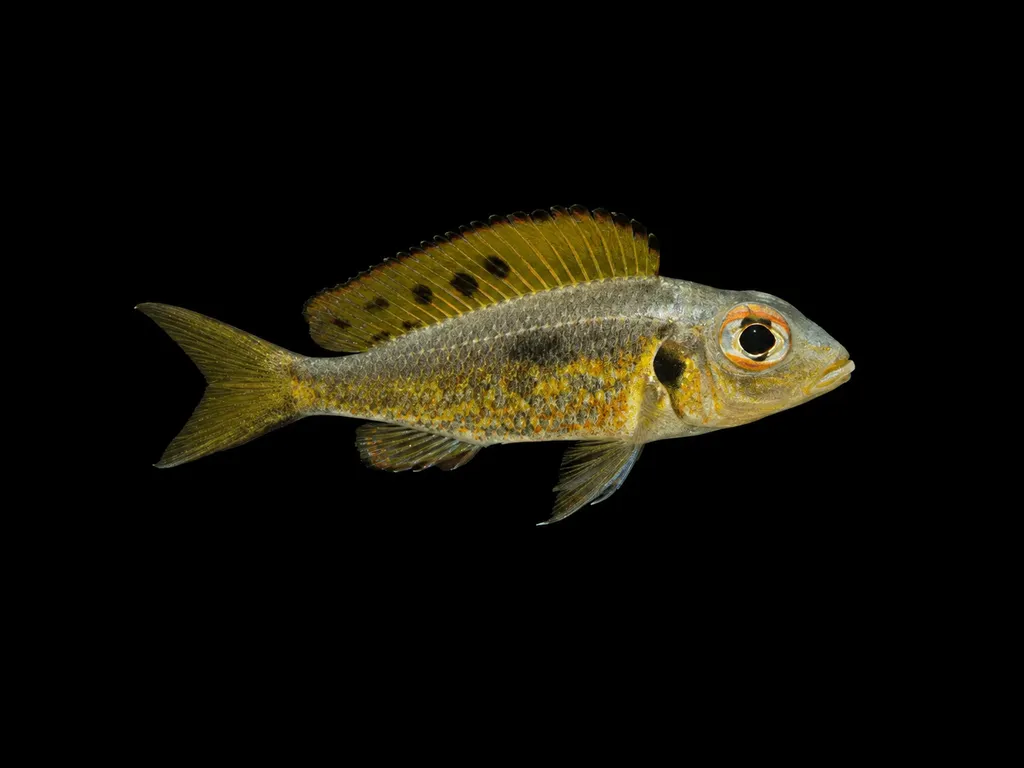 5.9 in (15 cm)79 gal (300 L)75–81°F (24–27°C)
Blackspot callochromis
Callochromis melanostigma
5.9 in (15 cm) · 79 gal (300 L)
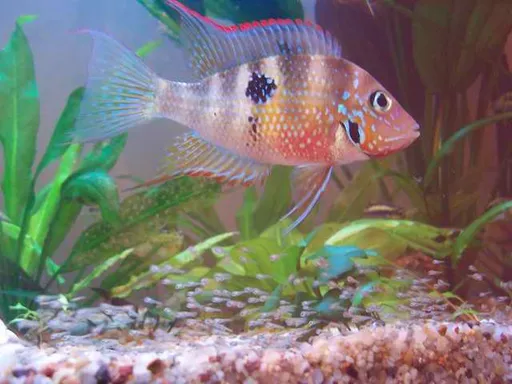 5.9 in (15 cm)53 gal (200 L)75–82°F (24–28°C)
Ellioti cichlid
Thorichthys maculipinnis
5.9 in (15 cm) · 53 gal (200 L)
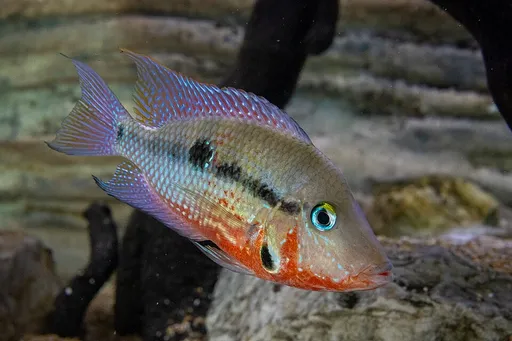 5.9 in (15 cm)30 gal (115 L)73–82°F (23–28°C)
Firemouth cichlid
Thorichthys meeki
5.9 in (15 cm) · 30 gal (115 L)
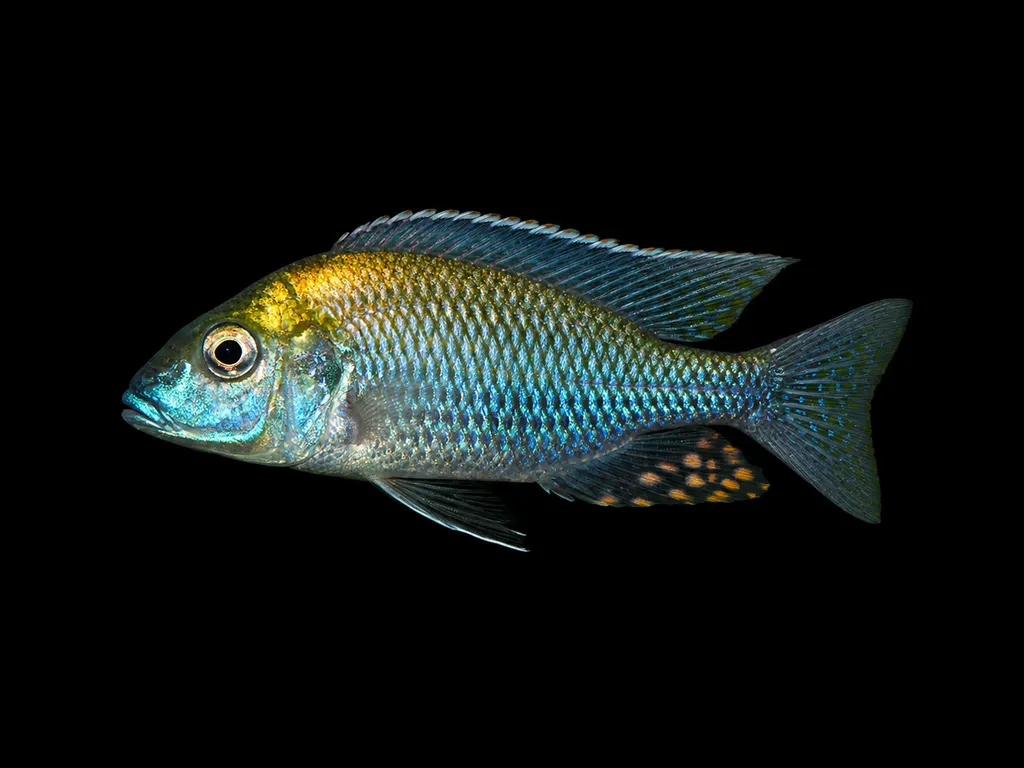 5.9 in (15 cm)74 gal (280 L)75–81°F (24–27°C)
Günther's peacock
Aulonocara guentheri
5.9 in (15 cm) · 74 gal (280 L)