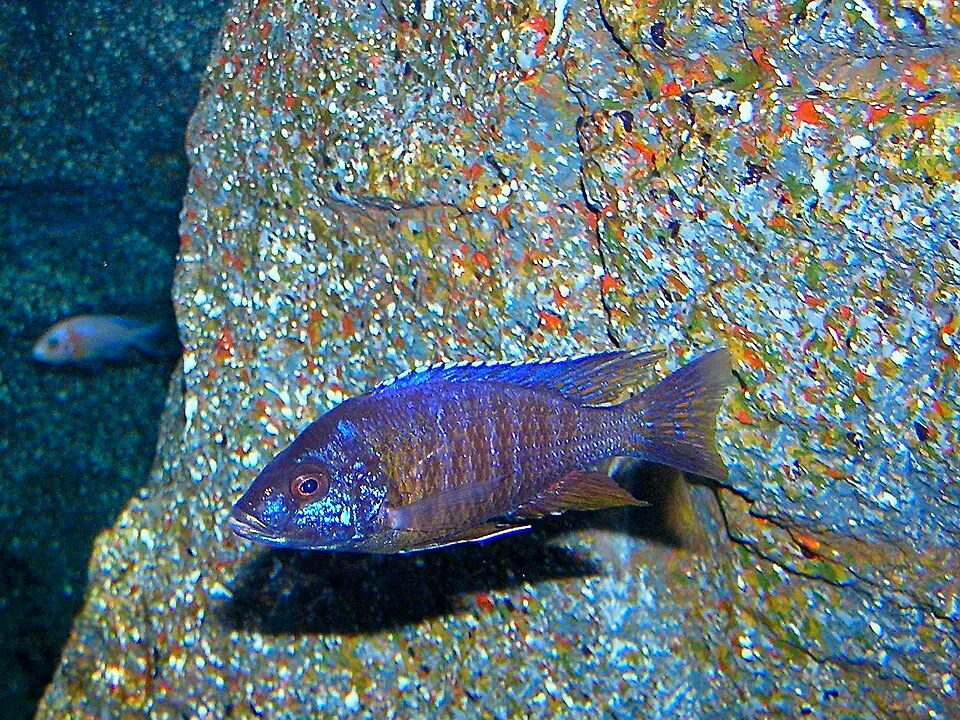
Electric blue hap
Sciaenochromis fryeri
Also known as Electric blue cichlid
FreshwaterFish
Care at a glance
- Temperature
- 75–82°F
- 24–28°C
- pH
- 7.5–8.5
- Adult size
- 7.1 in
- 18 cm
- Minimum tank
- 66 gal
- 250 L
- Temperament
- Mostly peaceful
- Social behavior
- Social
- Swim level
- Middle
- Difficulty
- Medium
- Breeding
- Medium
- Rarity
- Rare
- Family
- Cichlidae
- Origin
- Lake Malawi
Overview
A predatory open-water cichlid that holds the middle of the tank and needs room to cruise, so figure on at least 250 liters. It is mostly peaceful for a Malawi cichlid but males get territorial when breeding. In the wild it ambushes smaller fish, so feed quality cichlid pellets with frozen foods like shrimp, and go easy on rich meaty foods that can cause bloat. Keep it with other Malawi haps of similar size and temperament.
In the wild
The electric blue hap lives in Lake Malawi, hunting around rocky shorelines and the open water nearby rather than hiding deep in the rocks. The lake is hard, alkaline, and clear, with a high pH. Set up a roomy tank with rock structures for the fish to patrol and break up territory, plus open swimming space, hard water, and a pH around 7.5 to 8.5 in the mid to high 20s C.
Good to know
This is a Malawi cichlid in the family Cichlidae, reaching about 18 cm. Males turn a bright electric blue while females stay a plainer silvery gray. It is a maternal mouthbrooder, with the female carrying eggs and fry in her mouth until they can fend for themselves. It needs warm, hard, alkaline water.
Did you know
In the wild this fish hunts by slipping into rocky crevices after the fry and small fish that other mouthbrooding cichlids are sheltering, picking off the young that other species are trying to protect.
Weekly picks
Tank mates
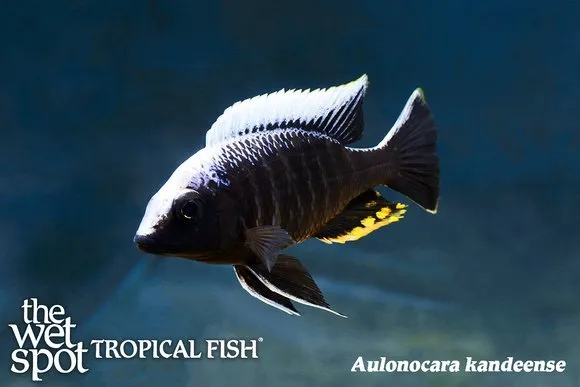
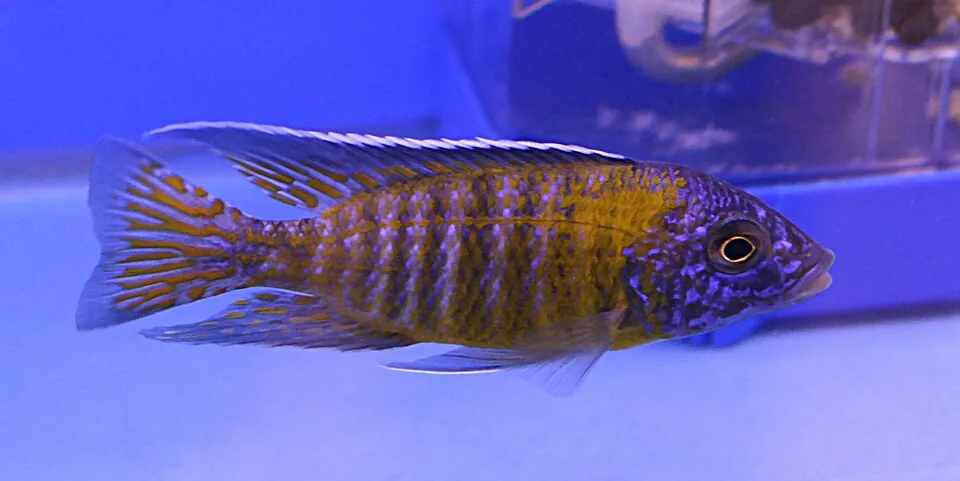
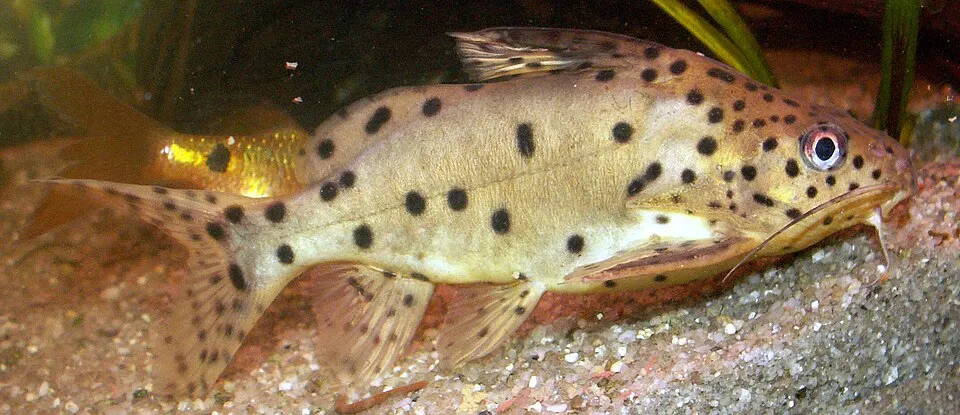
Electric blue hap is a mostly peaceful, social species that keeps to the middle. These picks share a community profile with it, are safe together in both directions, and overlap on water type, temperature and pH.
Common questions
What size tank does an Electric blue hap need?
An Electric blue hap needs at least 66 gal (250 L). It spends most of its time in the middle.
What temperature and pH does an Electric blue hap need?
An Electric blue hap is comfortable at 75–82°F (24–28°C) with a pH of 7.5–8.5.
How big does an Electric blue hap get?
An adult Electric blue hap reaches about 7.1 in (18 cm).
Related species
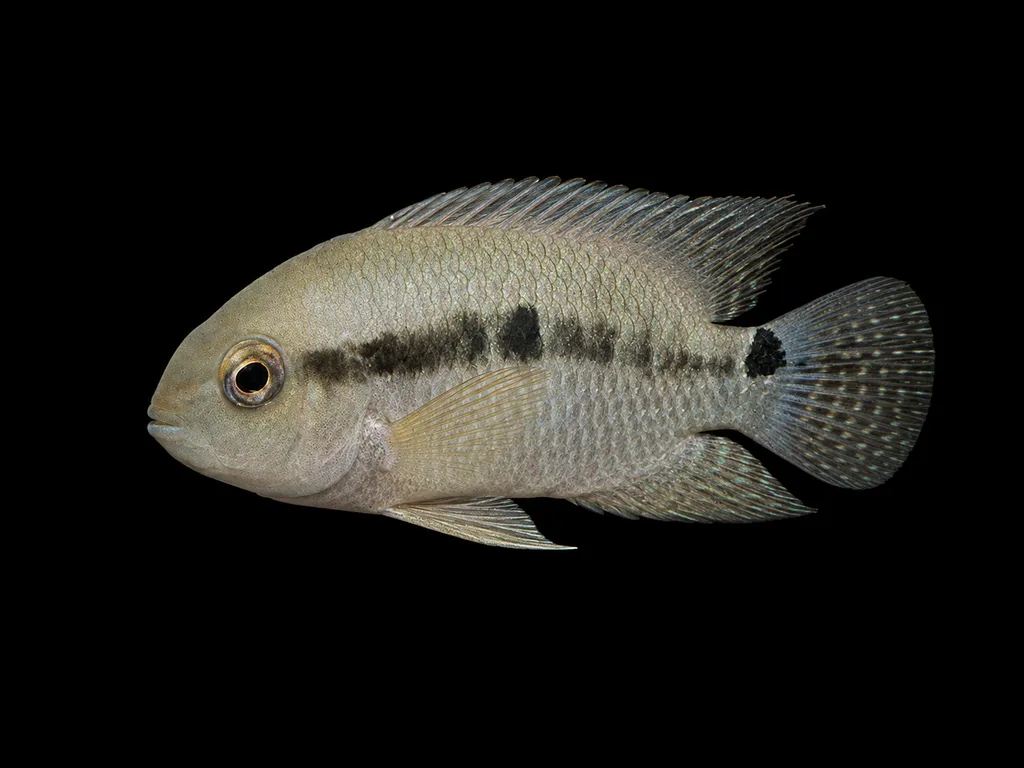 7.1 in (18 cm)40 gal (150 L)68–82°F (20–28°C)
Black acara
Cichlasoma bimaculatum
7.1 in (18 cm) · 40 gal (150 L)
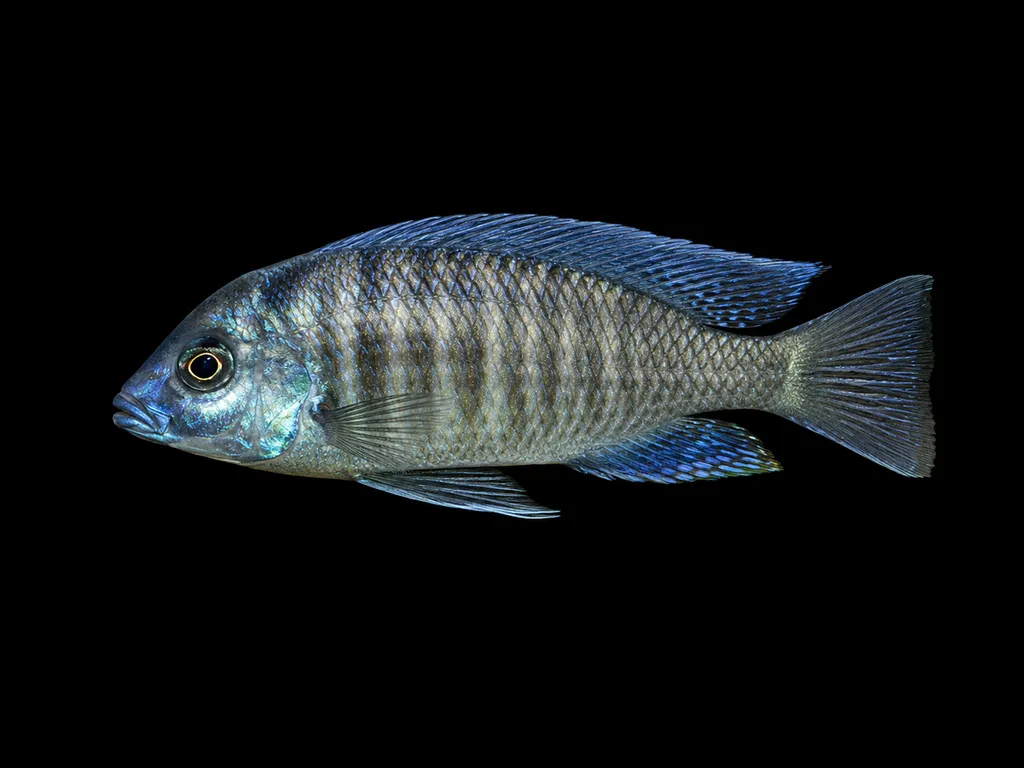 7.1 in (18 cm)79 gal (300 L)75–81°F (24–27°C)
Jackson's utaka
Copadichromis jacksoni
7.1 in (18 cm) · 79 gal (300 L)
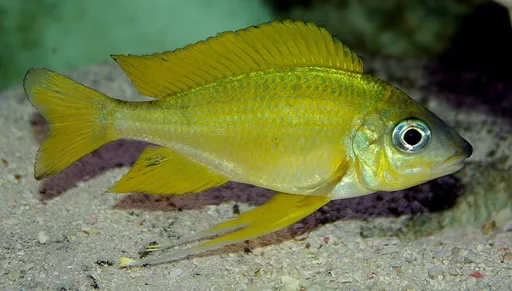 7.1 in (18 cm)79 gal (300 L)75–81°F (24–27°C)
Nasuta featherfin
Ophthalmotilapia nasuta
7.1 in (18 cm) · 79 gal (300 L)
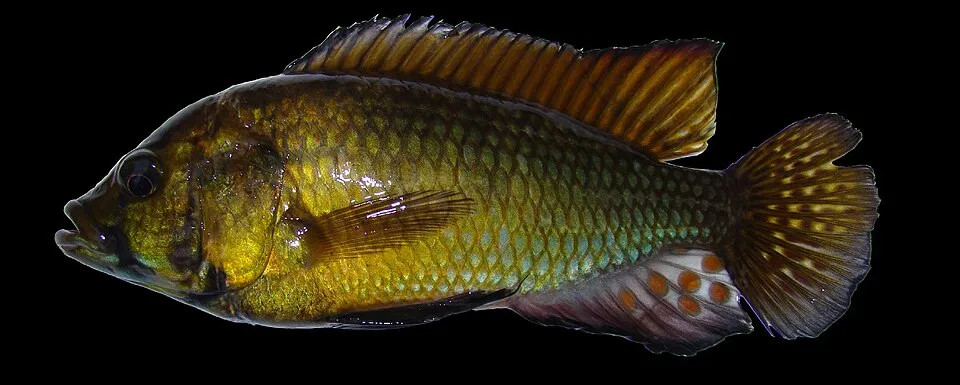 7.5 in (19 cm)55 gal (210 L)73–82°F (23–28°C)
Alluaud's haplo
Astatoreochromis alluaudi
7.5 in (19 cm) · 55 gal (210 L)
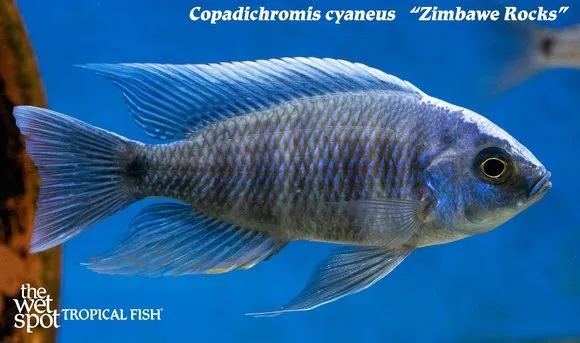 7.5 in (19 cm)79 gal (300 L)75–81°F (24–27°C)
Blue utaka
Copadichromis cyaneus
7.5 in (19 cm) · 79 gal (300 L)
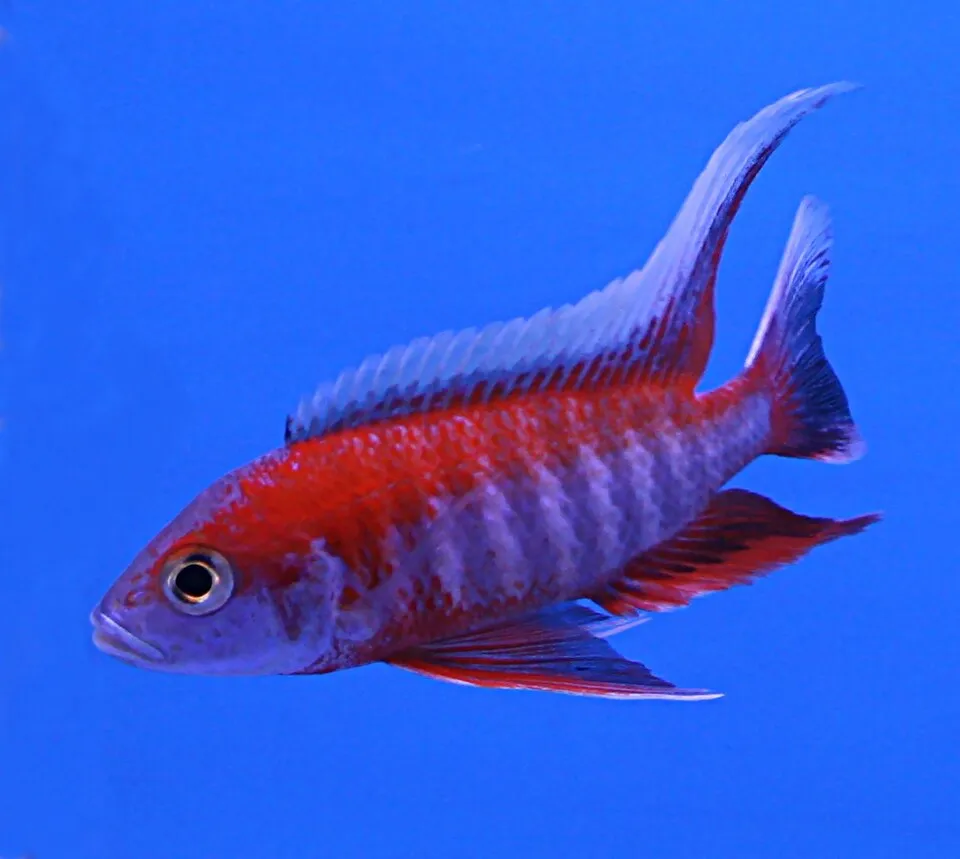 6.7 in (17 cm)63 gal (240 L)77–84°F (25–29°C)
Eureka red peacock
Aulonocara jacobfreibergi
6.7 in (17 cm) · 63 gal (240 L)