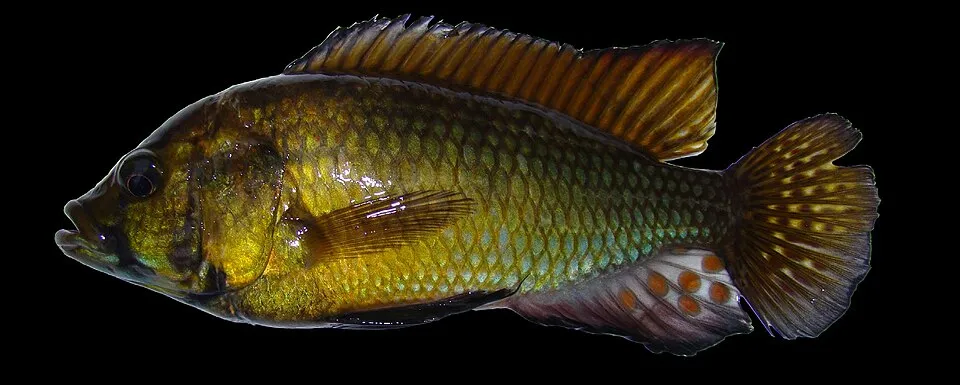
Black acara
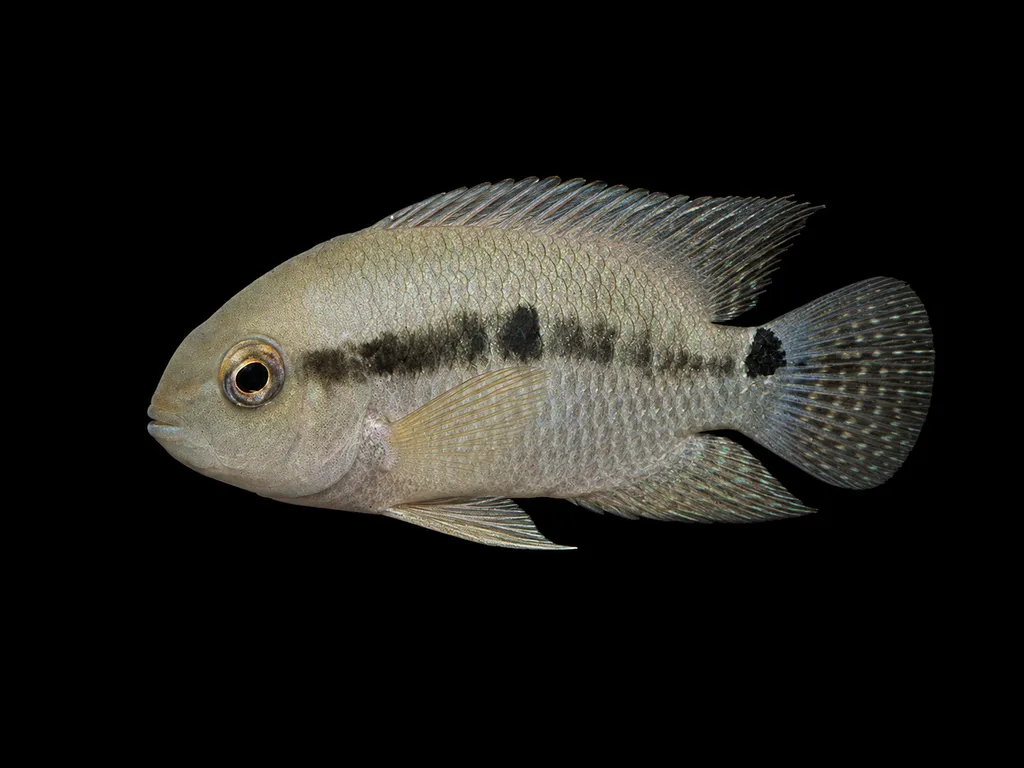
Cichlasoma bimaculatum
Also known as Two-spot cichlid, Port cichlid, Acara bimaculata
FreshwaterFish
Care at a glance
- Temperature
- 68–82°F
- 20–28°C
- pH
- 6.0–7.5
- Adult size
- 7.1 in
- 18 cm
- Minimum tank
- 40 gal
- 150 L
- Temperament
- Mostly peaceful
- Social behavior
- Solitary
- Swim level
- Middle
- Difficulty
- Easy
- Breeding
- Easy
- Rarity
- Common
- Family
- Cichlidae
- Origin
- Northeastern South America across the Orinoco, the Guianas, and the upper Rio Branco, in slow streams, ponds, and canals.
Overview
The black acara is a hardy, mostly peaceful cichlid for the middle of a community tank. It is easy to keep and a good first cichlid.
Did you know
The black acara has been established as an invasive species in Florida since the 1960s. Its tolerance of a wide range of conditions made that possible.
Caring for the black acara
A pair of black acaras needs a tank of at least 40 gal (150 L). It is exceptionally hardy and adaptable, and a simple setup works fine, with wood, rocks, sturdy plants and some open space.
Keep the water at 68 to 82°F (20 to 28°C) and a pH of 6.0 to 7.5. Feed pellets, frozen foods and live foods.
The black acara is mostly peaceful and fits a community tank, but it turns territorial when breeding, so give tank mates room. Breeding it is easy.
Good to know
Cichlasoma bimaculatum was described by Linnaeus in 1758, and it is the type species of the genus Cichlasoma. It is named for two dark spots, one at mid-body and one on the tail base. Because it anchors the genus, it kept the Cichlasoma name while most relatives moved elsewhere.
In the wild
The black acara comes from northeastern South America, across the Orinoco, the Guianas and the upper Rio Branco. It lives in slow streams, ponds and canals, often in poor or crowded conditions.
Weekly picks
Tank mates
The black acara is a mostly peaceful, solitary species that keeps to the middle. These picks share a community profile with it, are safe together in both directions, and overlap on water type, temperature and pH.
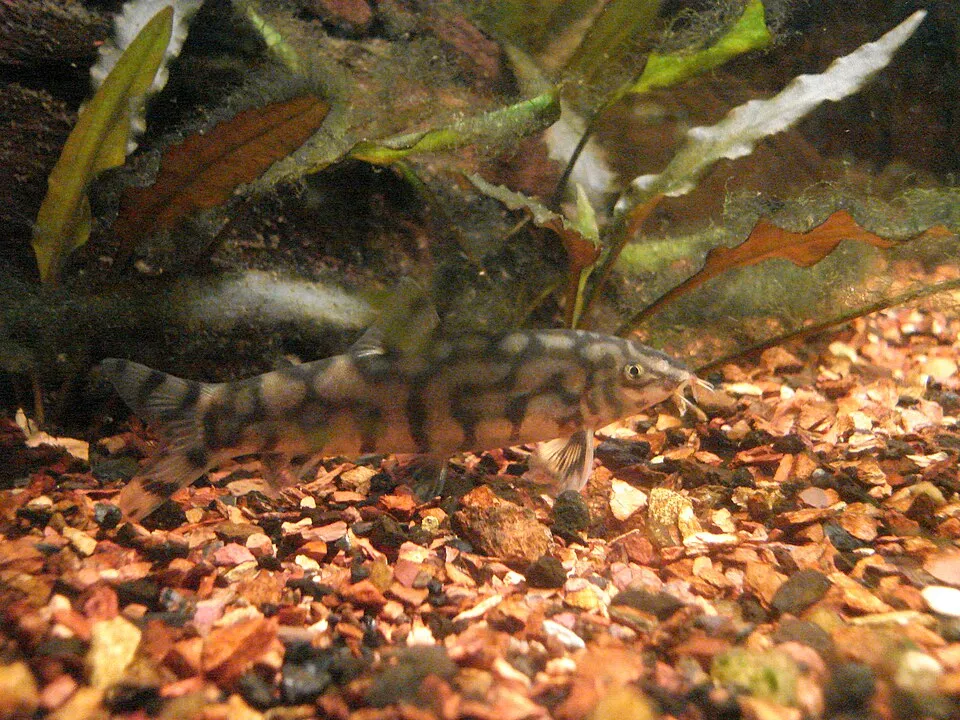
Yoyo loach
Botia almorhae
Freshwater6.3 in (16 cm) · 42 gal (160 L)66–81°F (19–27°C)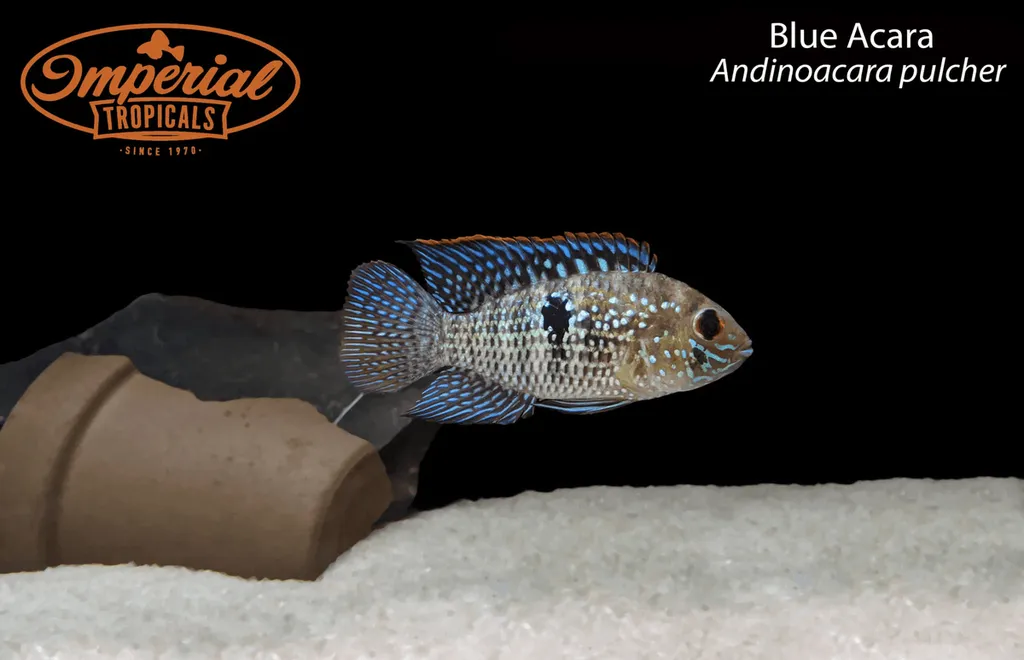
Blue acara
Andinoacara pulcher
Freshwater5.9 in (15 cm) · 42 gal (160 L)72–82°F (22–28°C)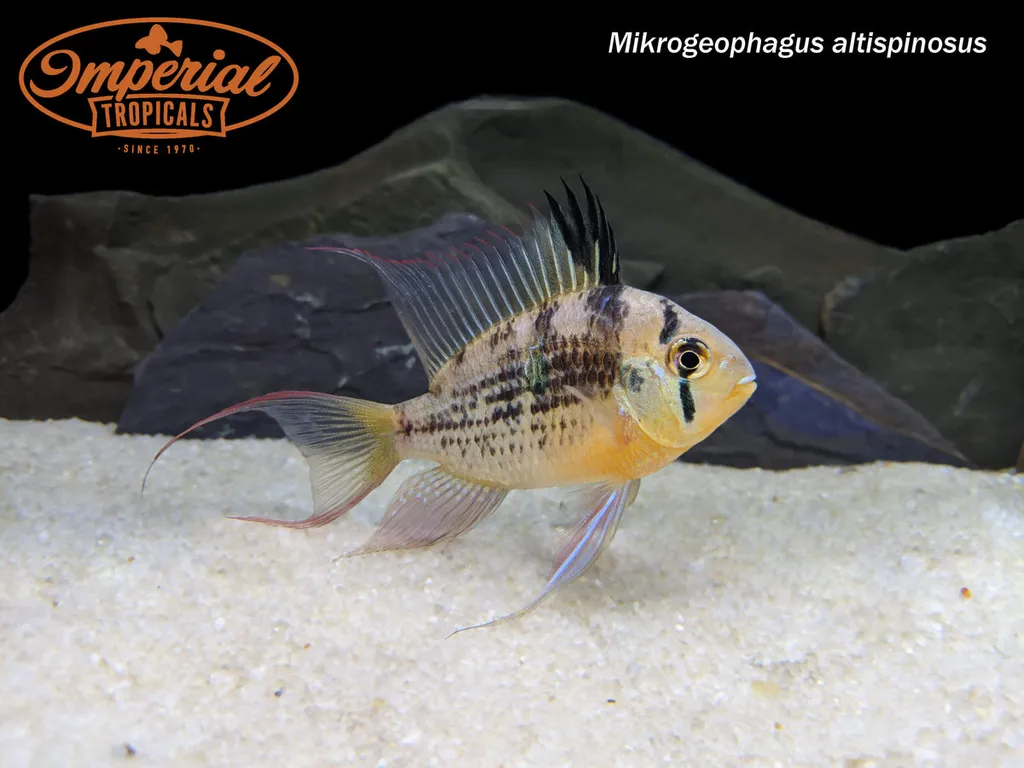
Bolivian ram
Mikrogeophagus altispinosus
Freshwater3.1 in (8 cm) · 45 gal (170 L)75–82°F (24–28°C)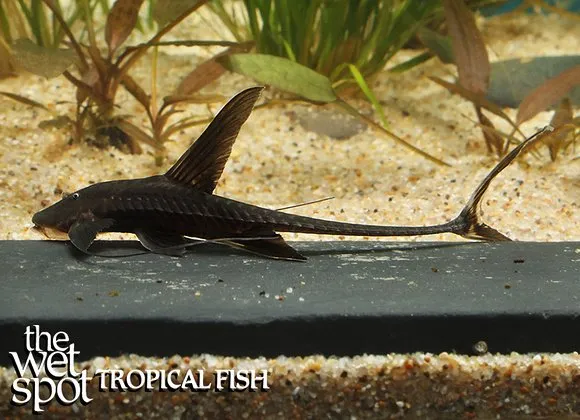
Antenna whiptail
Pterosturisoma microps
Freshwater6.3 in (16 cm) · 40 gal (150 L)73–82°F (23–28°C)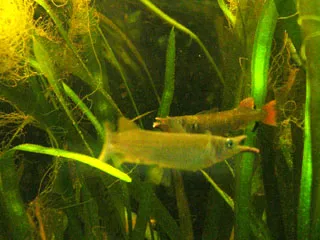
Redfin halfbeak
Nomorhamphus ebrardtii
Freshwater3.5 in (9 cm) · 29 gal (110 L)75–81°F (24–27°C)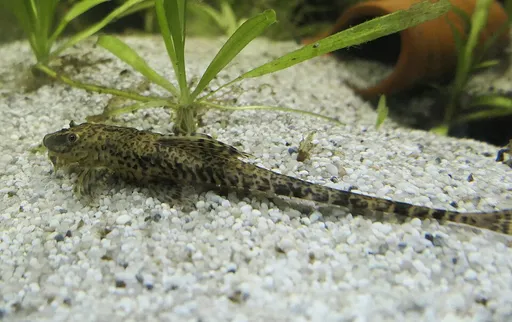
Red lizard whiptail
Rineloricaria lanceolata
Freshwater3.9 in (10 cm) · 24 gal (90 L)77–82°F (25–28°C)
Common questions
What size tank does a black acara need?
A black acara needs at least 40 gal (150 L). It spends most of its time in the middle.
What temperature and pH does a black acara need?
A black acara is comfortable at 68–82°F (20–28°C) with a pH of 6.0–7.5.
What does a black acara eat?
A black acara eats pellets, frozen foods and live foods.
How big does a black acara get?
An adult black acara reaches about 7.1 in (18 cm).
Related species
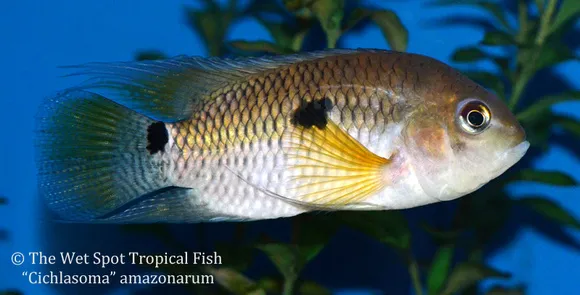 6.3 in (16 cm)53 gal (200 L)75–82°F (24–28°C)
Amazon port cichlid
Cichlasoma amazonarum
6.3 in (16 cm) · 53 gal (200 L)
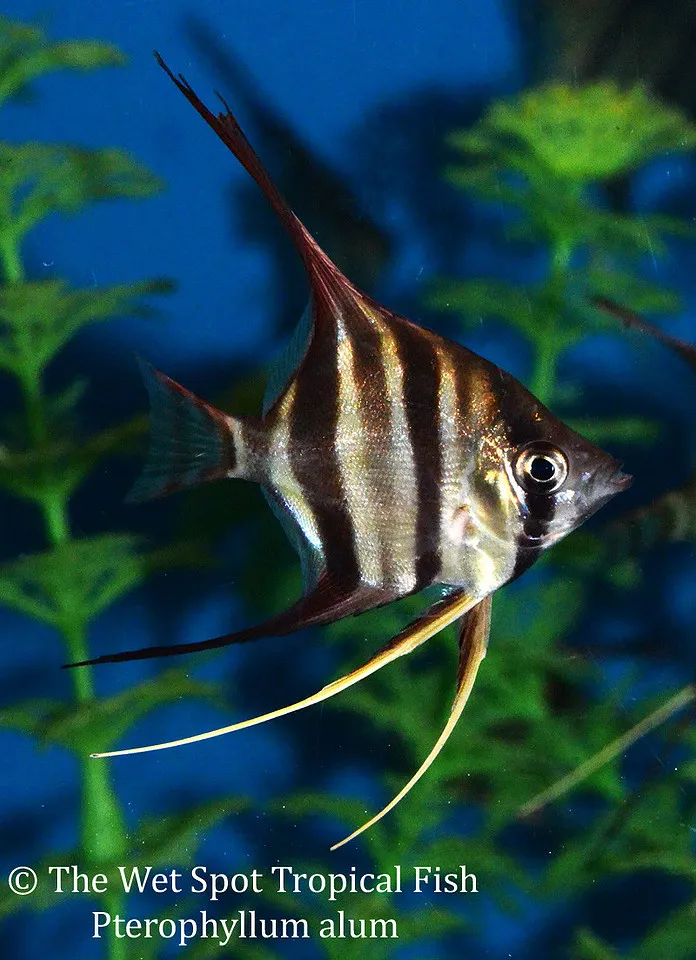 7.1 in (18 cm)79 gal (300 L)79–90°F (26–32°C)
Altum angelfish
Pterophyllum altum
7.1 in (18 cm) · 79 gal (300 L)
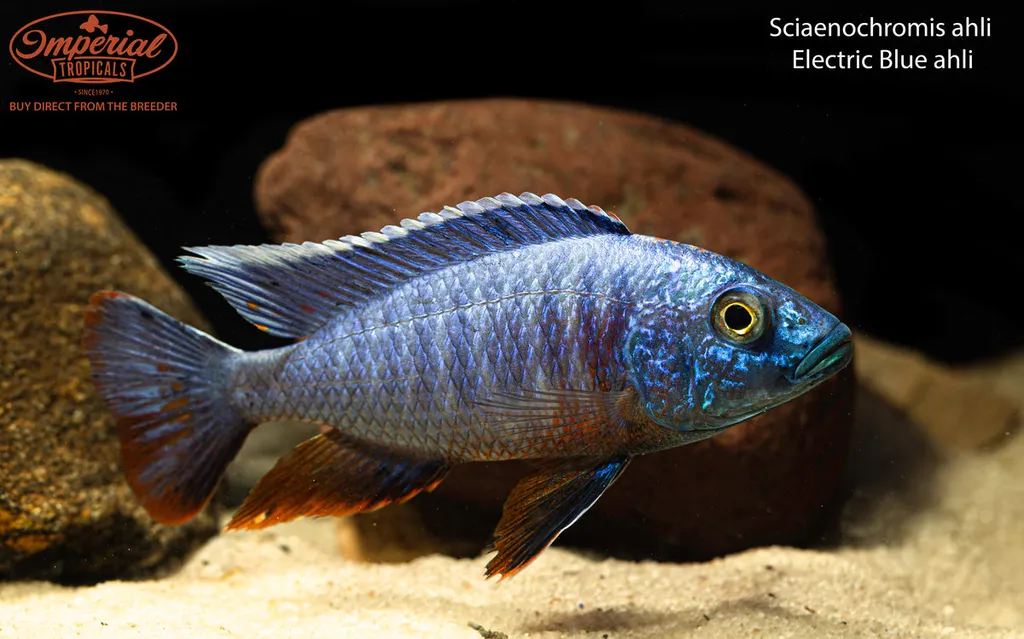 7.1 in (18 cm)66 gal (250 L)75–82°F (24–28°C)
Electric blue hap
Sciaenochromis fryeri
7.1 in (18 cm) · 66 gal (250 L)
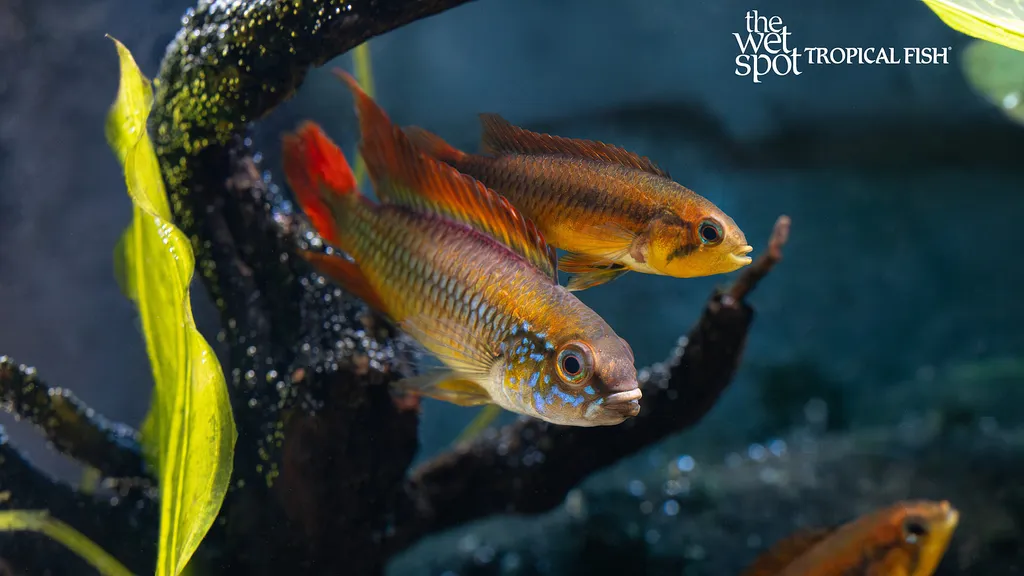 7.1 in (18 cm)75 gal (284 L)82–88°F (28–31°C)
Heckel discus
Symphysodon discus
7.1 in (18 cm) · 75 gal (284 L)
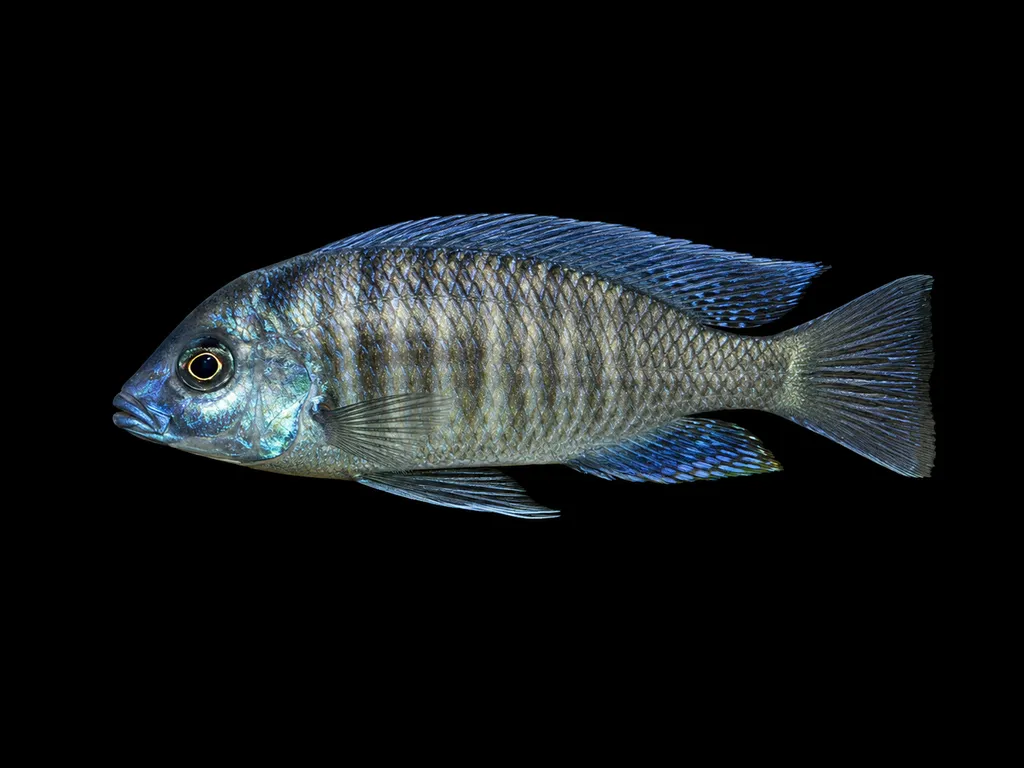 7.1 in (18 cm)79 gal (300 L)75–81°F (24–27°C)
Jackson's utaka
Copadichromis jacksoni
7.1 in (18 cm) · 79 gal (300 L)
 7.5 in (19 cm)55 gal (210 L)73–82°F (23–28°C)
Alluaud's haplo
Astatoreochromis alluaudi
7.5 in (19 cm) · 55 gal (210 L)